Your new post is loading...

|
Scooped by
Jean-Michel Ané
October 11, 2022 4:20 PM
|
Since the Green Revolution, intensive application of agrochemicals has increased productivity in agriculture, at a great cost in terms of water pollution, loss of soil fertility and biodiversity, and negative effects on human health. Scientific advance and increasing public awareness are driving a change toward sustainable practices. In such a context, the symbiosis between plants and arbuscular mycorrhizal (AM) fungi is extremely promising: AM interaction improves plant mineral nutrition and stress tolerance. In turn, AM fungi receive plant photosynthesis-derived carbon. A complex chemical dialogue mediates plant-fungus recognition and symbiosis establishment: AM fungi perceive root-secreted strigolactones, which promote spore germination, hyphal growth, branching and metabolism. Host roots recognize their symbionts through chitin-derived molecules. Such Myc–factors activate a range of symbiotic responses, preparing the plant to a successful association. Here we review the most recent advances in knowledge of AM signaling molecules, with a focus on their possible application.
|
|
Scooped by
Jean-Michel Ané
October 10, 2022 9:43 PM
|
Photosynthesis, the ability to fix atmospheric carbon dioxide, was acquired by eukaryotes through symbiosis: the plastids of plants and algae resulted from a cyanobacterial symbiosis that commenced more than 1.5 billion years ago and has chartered a unique evolutionary path. This resulted in the evolutionary origin of plants and algae. Some extant land plants have recruited additional biochemical aid from symbiotic cyanobacteria; these plants associate with filamentous cyanobacteria that fix atmospheric nitrogen. Examples of such interactions can be found in select species from across all major lineages of land plants. The recent rise in genomic and transcriptomic data has provided new insights into the molecular foundation of these interactions. Furthermore, the hornwort Anthoceros has emerged as a model system for the molecular biology of cyanobacteria–plant interactions. Here, we review these developments driven by high-throughput data and pinpoint their power to yield general patterns across these diverse symbioses.
|
|
Scooped by
Jean-Michel Ané
October 10, 2022 9:37 PM
|
Climate change, the shortage of fertilizers and reduced land for cultivation have drawn attention to the potential aid provided by soil-borne organisms. Arbuscular mycorrhizal fungi (AMF) offer a wide range of ecosystem benefits and hence, understanding the mechanisms that control AMF occurrence and maintenance is essential for resilient crop production. We conducted a survey of 123 soybean fields located across a 75,000-km2 area of Argentina to explore AMF community composition and to quantify the impact of soil, climate, and geographical distance on these key soil organisms. First, based upon morphological identification of spores, we compiled a list of the AMF species found in the studied area and identified Acaulospora scrobiculata and Glomus fuegianum as the most frequent species. G. fuegianum abundance was negatively correlated with precipitation seasonality and positively correlated with mean annual precipitation as well as mycorrhizal colonisation of soybean roots. Second, we observed that species richness was negatively correlated with soil P availability (Bray I), clay content and mean annual precipitation. Finally, based on partitioning variation analysis, we found that AMF exhibited spatial patterning at a broad scale. Therefore, we infer that geographical distance was positively associated with spore community composition heterogeneity across the region. Nevertheless, we highlight the importance of precipitation sensitivity of frequent species, overall AMF richness and community composition, revealing a crucial challenge to forthcoming agriculture considering an expected change in global climate patterns.
|
|
Scooped by
Jean-Michel Ané
October 10, 2022 9:00 PM
|
Phosphorus (P) acquisition is key for plant growth. Arbuscular mycorrhizal fungi (AMF) help plants acquire P from soil. Understanding which factors drive AMF-supported nutrient uptake is essential to develop more sustainable agroecosystems. Here we collected soils from 150 cereal fields and 60 non-cropped grassland sites across a 3,000 km trans-European gradient. In a greenhouse experiment, we tested the ability of AMF in these soils to forage for the radioisotope 33P from a hyphal compartment. AMF communities in grassland soils were much more efficient in acquiring 33P and transferred 64% more 33P to plants compared with AMF in cropland soils. Fungicide application best explained hyphal 33P transfer in cropland soils. The use of fungicides and subsequent decline in AMF richness in croplands reduced 33P uptake by 43%. Our results suggest that land-use intensity and fungicide use are major deterrents to the functioning and natural nutrient uptake capacity of AMF in agroecosystems.
|
|
Scooped by
Jean-Michel Ané
October 10, 2022 3:08 PM
|
A technique was developed for transforming the ectomycorrhiza-forming basidiomycetes Suillus bovinus, Hebeloma cylindrosporum, and Paxillus involutus based on Agrobacterium tumefaciens-mediated T-DNA transfer. The selection marker employed was the Shble gene conferring resistance to phleomycin under control of the Schizophyllum commune GPD promoter and terminator. Transformants from all three investigated species were shown by PCR to contain the GPDScP-Shble-GPDScT construct, although the fate of the foreign DNA (integrated vs episomal, single-copy vs multi copy) could not be determined. The mycorrhiza formed between S. bovinus Blr transformants and Pinus sylvestris did not reveal any differences from those formed with untransformed Suillus bovinus.
|
|
Scooped by
Jean-Michel Ané
October 10, 2022 10:04 AM
|
Background MicroRNAs (miRNAs) are important post-transcriptional regulators involved in the control of a range of processes, including symbiotic interactions in plants. MiRNA involvement in arbuscular mycorrhizae (AM) symbiosis has been mainly studied in model species, and our study is the first to analyze global miRNA expression in the roots of AM colonized switchgrass (Panicum virgatum), an emerging biofuel feedstock. AM symbiosis helps plants gain mineral nutrition from the soil and may enhance switchgrass biomass production on marginal lands. Our goals were to identify miRNAs and their corresponding target genes that are controlling AM symbiosis in switchgrass. Results Through genome-wide analysis of next-generation miRNA sequencing reads generated from switchgrass roots, we identified 122 mature miRNAs, including 28 novel miRNAs. By comparing miRNA expression profiles of AM-inoculated and control switchgrass roots, we identified 15 AM-responsive miRNAs across lowland accession “Alamo”, upland accession “Dacotah”, and two upland/lowland F1 hybrids. We used degradome sequencing to identify target genes of the AM-responsive miRNAs revealing targets of miRNAs residing on both K and N subgenomes. Notably, genes involved in copper ion binding were targeted by downregulated miRNAs, while upregulated miRNAs mainly targeted GRAS family transcription factors. Conclusion Through miRNA analysis and degradome sequencing, we revealed that both upland and lowland switchgrass genotypes as well as upland-lowland hybrids respond to AM by altering miRNA expression. We demonstrated complex GRAS transcription factor regulation by the miR171 family, with some miR171 family members being AM responsive while others remained static. Copper miRNA downregulation was common amongst the genotypes tested and we identified superoxide dismutases and laccases as targets, suggesting that these Cu-miRNAs are likely involved in ROS detoxification and lignin deposition, respectively. Other prominent targets of the Cu miRNAs were blue copper proteins. Overall, the potential effect of AM colonization on lignin deposition pathways in this biofuel crop highlights the importance of considering AM and miRNA in future biofuel crop development strategies.
|
|
Scooped by
Jean-Michel Ané
October 7, 2022 5:40 PM
|
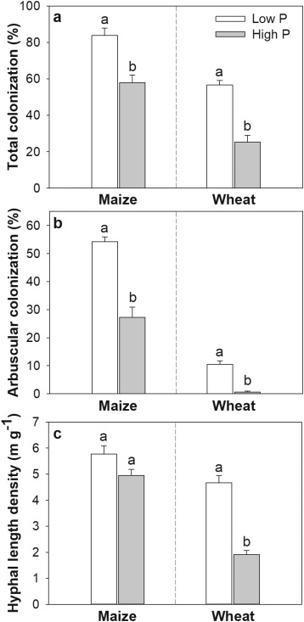
•Crops took up considerable amounts of P via AM fungi but were regulated by P level.
•AMF colonization, Rhizophagus abundance and shoot PUE affected the MP contribution.
•The relationship between MP contribution and MGR differed between maize and wheat.
|
|
Scooped by
Jean-Michel Ané
October 7, 2022 5:36 PM
|
Legume nodules are symbiotic structures formed as a result of the interaction with rhizobia. Nodules fix atmospheric nitrogen into ammonia that is assimilated by the plant and this process requires strict metabolic regulation and signaling. Reactive oxygen species (ROS) and reactive nitrogen species (RNS) are involved as signal molecules at all stages of symbiosis, from rhizobial infection to nodule senescence. Also, reactive sulfur species (RSS) are emerging as important signals for an efficient symbiosis. Homeostasis of reactive molecules is mainly accomplished by antioxidant enzymes and metabolites and is essential to allow redox signaling while preventing oxidative damage. Here, we examine the metabolic pathways of reactive molecules and antioxidants with an emphasis on their functions in signaling and protection of symbiosis. In addition to providing an update of recent findings while paying tribute to original studies, we identify several key questions. These include the need of new methodologies to detect and quantify ROS, RNS, and RSS, avoiding potential artifacts due to their short lifetimes and tissue manipulation; the regulation of redox-active proteins by post-translational modification; the production and exchange of reactive molecules in plastids, peroxisomes, nuclei, and bacteroids; and the unknown but expected crosstalk between ROS, RNS, and RSS in nodules.
|
|
Scooped by
Jean-Michel Ané
October 7, 2022 5:32 PM
|
Symbiotic nitrogen fixation (SNF) provides sufficient nitrogen (N) to meet most legume nutrition demands. In return, host plants feed symbionts carbohydrates produced in shoots. However, the molecular dialogue between shoots and symbionts remains largely mysterious. Here, we report the map-based cloning and characterization of a natural variation in GmNN1, the ortholog of Arabidopsis thaliana FLOWERING LOCUS T (FT2a) that simultaneously triggers nodulation in soybean and modulates leaf N nutrition. A 43-bp insertion in the promoter region of GmNN1/FT2a significantly decreased its transcription level and yielded N deficiency phenotypes. Manipulating GmNN1/GmFT2a significantly enhanced soybean nodulation, plant growth, and N nutrition. The near-isogenic lines (NILs) carrying low mRNA abundance alleles of GmNN1/FT2a, along with stable transgenic soybeans with CRISPR/Cas9 knockouts of GmNN1/FT2a, had yellower leaves, lower N concentrations, and fewer nodules than wild-type control plants. Grafting together with split-root experiments demonstrated that only shoot GmNN1/FT2a was responsible for regulating nodulation and thereby N nutrition through shoot-to-root translocation, and this process depends on rhizobial infection. After translocating into roots, shoot-derived GmNN1/FT2a was found to interact with GmNFYA-C (nuclear factor-Y subunit A-C) to activate symbiotic signaling through the previously reported GmNFYA-C-ENOD40 module. In short, the description of the critical soybean nodulation regulatory pathway outlined herein sheds novel insights into the shoot-to-root signaling required for communications between host plants and root nodulating symbionts.
|
|
Scooped by
Jean-Michel Ané
October 6, 2022 4:36 PM
|
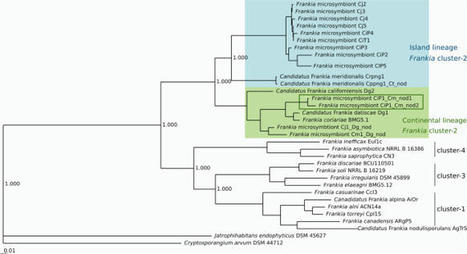
It is currently assumed that around 100 million years ago, the common ancestor to the Fabales, Fagales, Rosales and Cucurbitales in Gondwana, developed a root nodule symbiosis with a nitrogen-fixing bacterium. The symbiotic trait evolved first in Frankia cluster-2; thus, strains belonging to this cluster are the best extant representatives of this original symbiont. Most cluster-2 strains could not be cultured to date, except for Frankia coriariae, and therefore many aspects of the symbiosis are still elusive. Based on phylogenetics of cluster-2 metagenome-assembled genomes (MAGs), it has been shown that the genomes of strains originating in Eurasia are highly conserved. These MAGs are more closely related to Frankia cluster-2 in North America than to the single genome available thus far from the southern hemisphere, i.e., from Papua New Guinea.
To unravel more biodiversity within Frankia cluster-2 and predict routes of dispersal from Gondwana, we sequenced and analysed the MAGs of Frankia cluster-2 from Coriaria japonica and Coriaria intermedia growing in Japan, Taiwan and the Philippines. Phylogenetic analyses indicate there is a clear split within Frankia cluster-2, separating a continental from an island lineage. Presumably, these lineages already diverged in Gondwana.
Based on fossil data on the host plants, we propose that these two lineages dispersed via at least two routes. While the continental lineage reached Eurasia together with their host plants via the Indian subcontinent, the island lineage spread towards Japan with an unknown host plant.
|
|
Scooped by
Jean-Michel Ané
October 6, 2022 4:29 PM
|
Fatty acid biomarkers have emerged as a useful tool to quantify biomass of various microbial groups. Here we focus on the frequent use of the fatty acid 16:1ω5 as a biomarker for arbuscular mycorrhizal (AM) fungi in soils. We highlight some issues with current applications of this method and use several examples from the literature to show that the phospholipid fatty acid (PLFA) 16:1ω5 can occur in high concentrations in soils where actively growing AM fungi are absent. Unless the study includes a control where the contribution of other microbes can be estimated, we advocate for the use of the neutral lipid fatty acid (NLFA) 16:1ω5. This biomarker has higher specificity, is more responsive to shifts in AM fungal biomass, and quantification can be conducted along with PLFA analysis without doubling analytical efforts. We conclude by contrasting various methods used to measure AM fungal biomass in soil and highlight future research needs to optimize fatty acid analyses.
|
|
Scooped by
Jean-Michel Ané
October 6, 2022 4:23 PM
|
Nitrogen (N) enrichment poses threats to biodiversity and ecosystem stability, while arbuscular mycorrhizal (AM) fungi play important roles in ecosystem stability and functioning. However, the ecological impacts, especially thresholds of N enrichment potentially causing AM fungal community shifts have not been adequately characterized.
Based on a long-term field experiment with nine N addition levels ranging from 0 to 50 g N m-2 y-1 in a temperate grassland, we characterized the community response patterns of AM fungi to N enrichment.
AM fungal biomass continuously decreased with increasing N addition levels. However, AM fungal diversity did not significantly change below 20 g N m-2 y-1, but dramatically decreased at higher N levels, which drove the AM fungal community to a potentially unstable state. Structural equation modeling showed that the decline in AM fungal biomass could be well explained by soil acidification, whereas key driving factors for AM fungal diversity shifted from soil N/P ratio to soil pH with increasing N levels.
Different aspects of AM fungal communities (biomass, diversity and community composition) respond differently to N addition levels. Thresholds for substantial community shifts in response to N enrichment in this grassland ecosystem are identified.
|
|
Scooped by
Jean-Michel Ané
October 6, 2022 11:21 AM
|
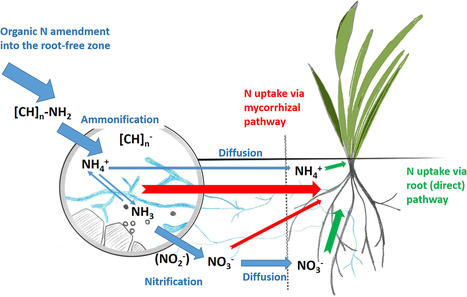
Both plants and their associated arbuscular mycorrhizal (AM) fungi require nitrogen (N) for their metabolism and growth. This can result in both positive and negative effects of AM symbiosis on plant N nutrition. Either way, the demand for and efficiency of uptake of mineral N from the soil by mycorrhizal plants are often higher than those of nonmycorrhizal plants. In consequence, the symbiosis of plants with AM fungi exerts important feedbacks on soil processes in general and N cycling in particular. Here, we investigated the role of the AM symbiosis in N uptake by Andropogon gerardii from an organic source (15N-labeled plant litter) that was provided beyond the direct reach of roots. In addition, we tested if pathways of 15N uptake from litter by mycorrhizal hyphae were affected by amendment with different synthetic nitrification inhibitors (dicyandiamide [DCD], nitrapyrin, or 3,4-dimethylpyrazole phosphate [DMPP]). We observed efficient acquisition of 15N by mycorrhizal plants through the mycorrhizal pathway, independent of nitrification inhibitors. These results were in stark contrast to 15N uptake by nonmycorrhizal plants, which generally took up much less 15N, and the uptake was further suppressed by nitrapyrin or DMPP amendments. Quantitative real-time PCR analyses showed that bacteria involved in the rate-limiting step of nitrification, ammonia oxidation, were suppressed similarly by the presence of AM fungi and by nitrapyrin or DMPP (but not DCD) amendments. On the other hand, abundances of ammonia-oxidizing archaea were not strongly affected by either the AM fungi or the nitrification inhibitors.
|
|
|
Scooped by
Jean-Michel Ané
October 10, 2022 9:47 PM
|
The soil fungal community plays pivotal roles in soil nutrient cycling and plant health and productivity in agricultural ecosystems. However, the differential adaptability of soil fungi to different microenvironments (niches) is a bottleneck limiting their application in agriculture. Hence, the understanding of ecological processes that drive fungal microbiome assembly along the soil-root continuum is fundamental to harnessing the plant-associated microbiome for sustainable agriculture. Here, we investigated the factors that shape fungal community structure and assembly in three compartment niches (the bulk soil, rhizosphere, and rhizoplane) associated with tobacco (Nicotiana tabacum L.), with four soil types tested under controlled greenhouse conditions. Our results demonstrate that fungal community assembly along the soil-root continuum is governed by host plant rather than soil type and that soil chemical properties exert a negligible effect on the fungal community assembly in the rhizoplane. Fungal diversity and network complexity decreased in the order bulk soil > rhizosphere > rhizoplane, with a dramatic decrease in Ascomycota species number and abundance along the soil-root continuum. However, facilitations (positive interactions) were enhanced among fungal taxa in the rhizoplane niche. The rhizoplane supported species specialization with enrichment of some rare species, contributing to assimilative community assembly in the rhizoplane in all soil types. Mortierella and Pyrenochaetopsis were identified as important indicator genera of the soil-root microbiome continuum and good predictors of plant agronomic traits. The findings provide empirical evidence for host plant selection and enrichment/depletion processes of fungal microbiome assembly along the soil-root continuum.
|
|
Scooped by
Jean-Michel Ané
October 10, 2022 9:40 PM
|
urpose
Rhizobium sp. IRBG74 (IRBG74), is a symbiont of Sesbania cannabina and a growth promoting endophyte of rice. Here, we compare the transcriptomic and physiological responses of IRBG74 in the rhizosphere of S. cannabina and rice.
Methods
We used RNA sequencing to determine transcriptomic changes at 12 and 72 hours post inoculation (hpi) in rhizosphere. Upregulation of key pathways was confirmed using β-glucuronidase (GUS) reporter strains and by histochemical and quantitative GUS activity.
Results
Significant changes in transcriptome with S. cannabina were detected at 12hpi but most gene expression changes with rice were observed at 72hpi. Many pathways including Nod factor synthesis, two component systems, ABC transporters, and synthesis of indole acetic acid (IAA) were upregulated whereas translation, RNA degradation, protein export and sulfur metabolism were downregulated with both plants. In contrast, motility and chemotaxis genes were induced specifically with S. cannabina. The upregulation of nod and IAA genes was confirmed using reporter strains. Nod factor synthesis provides competitive advantage for colonization of rice and chemotaxis is required for colonization of S. cannabina but not of rice.
Conclusion
IRBG74 responded to S. cannabina and rice using specific as well as common transcriptional changes. A mutant defective in Nod factor synthesis was outcompeted for rice colonization. Chemotaxis was required for colonization of S. cannabina but not for rice. IAA synthesis by IRBG74 could be a major mechanism of rice growth promotion. These results provide a foundation for further improvement of rhizobial interactions with rice and other cereals.
|
|
Scooped by
Jean-Michel Ané
October 10, 2022 9:01 PM
|
Agricultural productivity is an increasingly important topic as the global population increases, and the security of food supplies becomes more precarious. However, soil health is negatively impacted both by intensive farming and by climate change, in part due to altered microbial and fungal biodiversity1. Arbuscular mycorrhizal fungi (AMF) are found in the soils of most terrestrial ecosystems, where they facilitate nutrient uptake by (and exchange between) plants. Plants provide AMF in the soil with sugars and lipids, and receive nutrients such as nitrogen and phosphorus from AMF in return. In nutrient-poor soils, AMF may provide the majority of the nutritional requirements of host plants1.
|
|
Scooped by
Jean-Michel Ané
October 10, 2022 8:54 PM
|
Edited book focused on of agricultural sustainability by nitrogen-fixing bacteria. Illustrates the systematic mechanisms involved in biological N2 fixation
|
|
Scooped by
Jean-Michel Ané
October 10, 2022 3:07 PM
|
Medicago truncatula NODULE ROOT1 (MtNOOT1) and Pisum sativum COCHLEATA1 (PsCOCH1) are orthologous genes belonging to the NOOT-BOP-COCH-LIKE (NBCL) gene family which encodes key transcriptional co-regulators of plant development. In Mtnoot1 and Pscoch1 mutants, the development of stipule, flower and symbiotic nodules is altered. MtNOOT2 and PsCOCH2 represent the single paralogs of MtNOOT1 and PsCOCH1, respectively. In M. truncatula, MtNOOT1 and MtNOOT2 are both required for the establishment and maintenance of the symbiotic nodule identity.
In contrast to the NBCL1 genes, the role of NBCL2 genes in legume above-ground development is not known. To better understand the roles of NBCL genes in legumes, we used M. truncatula and P. sativum nbcl mutants from the literature, isolated a knockout mutant for the PsCOCH2 locus and generated Pscoch1coch2 double mutants in P. sativum. These new mutant lines enabled to compare the roles of MtNOOT2 and PsCOCH2 in both M. truncatula and P. sativum legume development.
Our work shows that the single Mtnoot2 and Pscoch2 mutants develop wild-type stipules, flowers and symbiotic nodules. However, the number of flowers was increased and the pods and seeds were smaller in comparison to wild type. Furthermore, in comparison to the corresponding nbcl1 single mutants, both the M. truncatula and P. sativum nbcl double mutants show a drastic alteration in stipule, inflorescence, flower and nodule development. Remarkably, in both M. truncatula and P. sativum nbcl double mutants, stipules are transformed into a range of aberrant leaf-like structures.
|
|
Scooped by
Jean-Michel Ané
October 8, 2022 12:21 PM
|
Engineering cereals to express functional nitrogenase is a long-term goal of plant biotechnology and would permit partial or total replacement of synthetic N fertilizers by metabolization of atmospheric N2. Developing this technology is hindered by the genetic and biochemical complexity of nitrogenase biosynthesis. Nitrogenase and many of the accessory proteins involved in its assembly and function are O2 sensitive and only sparingly soluble in non-native hosts. We generated transgenic rice plants expressing the nitrogenase structural component, Fe protein (NifH), which carries a [4Fe-4S] cluster in its active form. NifH from Hydrogenobacter thermophilus was targeted to mitochondria together with the putative peptidyl prolyl cis‐trans isomerase NifM from Azotobacter vinelandii to assist in NifH polypeptide folding. The isolated NifH was partially active in electron transfer to the MoFe protein nitrogenase component (NifDK) and in the biosynthesis of the nitrogenase iron-molybdenum cofactor (FeMo-co), two fundamental roles for NifH in N2 fixation. NifH functionality was, however, limited by poor [4Fe-4S] cluster occupancy, highlighting the importance of in vivo [Fe-S] cluster insertion and stability to achieve biological N2 fixation in planta. Nevertheless, the expression and activity of a nitrogenase component in rice plants represents the first major step to engineer functional nitrogenase in cereal crops. Functional mitochondrial NifH expression in transgenic rice paves the way for engineering functional nitrogenase in staple cereal crops.
|
|
Scooped by
Jean-Michel Ané
October 7, 2022 5:39 PM
|
Forming mutualistic symbioses with arbuscular mycorrhizae (AMs) improves the acquisition of mineral nutrients for most terrestrial plants. However, the formation of AM symbiosis usually occurs under phosphate (Pi)-deficient conditions. Here, we identify SlSPX1 (SYG1 (suppressor of yeast GPA1)/Pho81(phosphate 81)/XPR1 (xenotropic and polytropic retrovirus receptor 1) as the major repressor of the AM symbiosis in tomato (Solanum lycopersicum) under phosphate-replete conditions. Loss of SlSPX1 function promotes direct Pi uptake and enhances AM colonization under phosphate-replete conditions. We determine that SlSPX1 integrates Pi signaling and AM symbiosis by directly interacting with a set of arbuscule-induced SlPHR proteins (SlPHR1, SlPHR4, SlPHR10, SlPHR11, and SlPHR12). The association with SlSPX1 represses the ability of SlPHR proteins to activate AM marker genes required for the arbuscular mycorrhizal symbiosis. SlPHR proteins exhibit functional redundancy, and no defective AM symbiosis was detected in the single mutant of SlPHR proteins. However, silencing SlPHR4 in the Slphr1 mutant background led to reduced AM colonization. Therefore, our results support the conclusion that SlSPX1-SlPHRs form a Pi-sensing module to coordinate the AM symbiosis under different Pi-availability conditions.
|
|
Scooped by
Jean-Michel Ané
October 7, 2022 5:34 PM
|
The plant common symbiosis signalling (SYM) pathway has shared function between interactions with rhizobia and arbuscular mycorrhizal fungi, the two most important symbiotic interactions between plants and microorganisms that are crucial in plant and agricultural yields. Here, we determine the role of the plant SYM pathway in the structure and abundance of the microbiota in the model legume Medicago truncatula and whether this is controlled by the nitrogen or phosphorus status of the plant. We show that SYM mutants (dmi3) differ substantially from the wild type (WT) in the absolute abundance of the root microbiota, especially under nitrogen limitation. Changes in the structure of the microbiota were less pronounced and depended on both plant genotype and nutrient status. Thus, the SYM pathway has a major impact on microbial abundance in M. truncatula and also subtly alters the composition of the microbiota.
|
|
Scooped by
Jean-Michel Ané
October 7, 2022 5:29 PM
|
The papaya tree is not very exploitable on the international market because of the post-harvest decline of the fruits. In this study, we identified arbuscular mycorrhizal fungi (AMF) from the rhizosphere of papaya in two agroecological zones of Cameroon (Njombe-Pendja: NP and Yaounde: Y). Morphological studies on the density, the rate of root colonization, the diversity of AMF species were evaluated. Molecular identification of AMF was performed by sequencing the small subunit (SSU) 18S rDNA gene region from soil samples. These genes were amplified from the AML and NS2 primers. The total number of spores per 100 g of dry soil was significantly different (P<0.05) depending on the sites, ranging from 391 in NP to 790 in Y sites. The frequency and intensity of root colonization was not significantly different in the two sites. Eleven (11) AMF belonging to seven (7) genera (Scutellospora, Gigaspora, Acaulospora, Entrophospora, Funneliformis, Glomus and Racocetra) were recorded. Two AMF species (T1: Scutellospora rosa and T6: Racocetra gregaria) were recorded at NP and absent at Y. The Shannon-Wiener index revealed a low diversity of AMF species. Homogeneity of species was recorded. Molecular analysis reveals that the AMF species obtained have sizes of 250 bp.
|
|
Scooped by
Jean-Michel Ané
October 6, 2022 4:34 PM
|
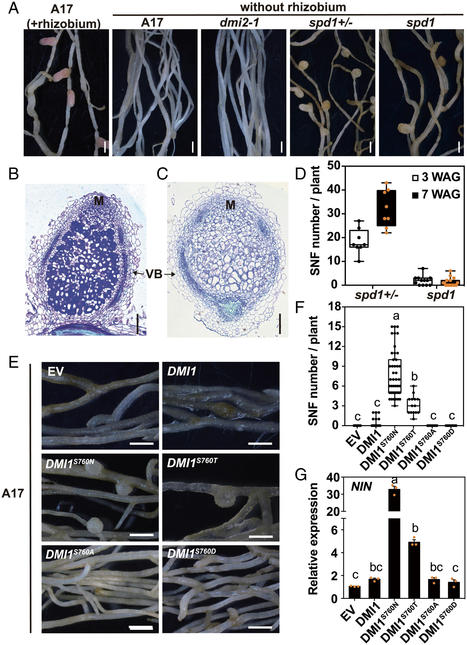
Nuclear Ca2+ oscillations allow symbiosis signaling, facilitating plant recognition of beneficial microsymbionts, nitrogen-fixing rhizobia, and nutrient-capturing arbuscular mycorrhizal fungi. Two classes of channels, DMI1 and CNGC15, in a complex on the nuclear membrane, coordinate symbiotic Ca2+ oscillations. However, the mechanism of Ca2+ signature generation is unknown. Here, we demonstrate spontaneous activation of this channel complex, through gain-of-function mutations in DMI1, leading to spontaneous nuclear Ca2+ oscillations and spontaneous nodulation, in a CNGC15-dependent manner. The mutations destabilize a hydrogen-bond or salt-bridge network between two RCK domains, with the resultant structural changes, alongside DMI1 cation permeability, activating the channel complex. This channel complex was reconstituted in human HEK293T cell lines, with the resultant calcium influx enhanced by autoactivated DMI1 and CNGC15s. Our results demonstrate the mode of activation of this nuclear channel complex, show that DMI1 and CNGC15 are sufficient to create oscillatory Ca2+ signals, and provide insights into its native mode of induction.
|
|
Scooped by
Jean-Michel Ané
October 6, 2022 4:25 PM
|
Biological nitrogen fixation (BNF) enables plants to cope with nitrogen-deficient soils and enhances the protein content of legumes. Root nodule symbiosis (RNS) is a complex molecular communication between the plant and microbe and is crucial for the BNF of legumes. Rhizobia, a group of nitrogen-fixing soil bacteria, can establish a mutualistic association with legumes by secretion of NOD factors (NF), which is perceived by LysM (lysin motif) domain receptor-like kinases (LysM-RLKs). Apart from LysM-RLKs, a few leucine-rich repeat receptor-like protein kinases (LRR-RLKs) play a significant role in RNS by rhizobial invasion and nodule organogenesis and autoregulation of nodulation (AON). Studies on phosphorylation-dependent modulation of RLKs and their interactors have largely contributed to a better understanding of the fundamental signaling mechanisms of root nodule formation. This chapter accommodates critical discussions on the importance of phosphorylation of various RLKs during RNS in legumes.
|
|
Scooped by
Jean-Michel Ané
October 6, 2022 4:21 PM
|
Finding and targeting genes that quantitatively contribute to agricultural and ecological processes progresses food production and conservation efforts. Typically, quantitative genetic approaches link variants in a single organism’s genome with a trait of interest. Recently, genome-to-genome mapping has found genome variants interacting between species to produce the result of a multiorganism (including multikingdom) interaction. These were plant and bacterial pathogen genome interactions; plant–fungal coquantitative genetics have not yet been applied. Plant–mycorrhizae symbioses exist across most biomes, for a majority of land plants, including crop plants, and manipulate many traits from single organisms to ecosystems for which knowing the genetic basis would be useful. The availability of Rhizophagus irregularis mycorrhizal isolates, with genomic information, makes dual-genome methods with beneficial mutualists accessible and imminent.
|