


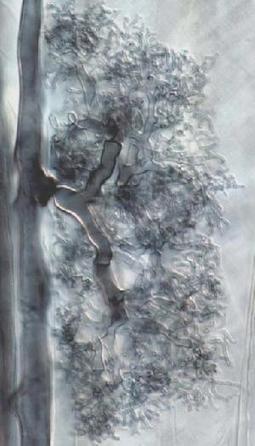
The JGI R. irregularis genome Portal is now public.
Now no password is required for access. However, existing login is still necessary for manual curation of the genes on the Portal.
Via Stefano Ghignone

 Your new post is loading...
 Scoop.it! The JGI R. irregularis genome Portal is now public. Now no password is required for access. However, existing login is still necessary for manual curation of the genes on the Portal. Via Stefano Ghignone 

Jean-Michel Ané's comment,
July 17, 2013 9:17 AM
Yeah...
Sign up to comment
Scoop.it!
Animal guts and plant roots have absorption roles for nutrient uptake and converge in harboring large, complex, and dynamic groups of microbes that participate in degradation or modification of nutrients and other substances. Gut and root bacteria regulate host gene expression, provide metabolic capabilities, essential nutrients, and protection against pathogens, and seem to share evolutionary trends.
Scoop.it!
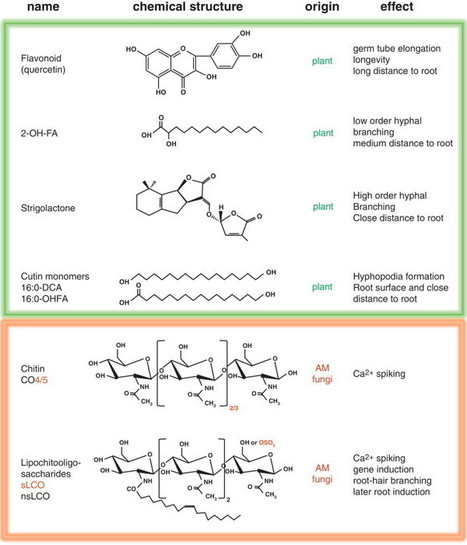
The Arbuscular Mycorrhizal (AM) symbiosis is a ubiquitous relationship established in terrestrial ecosystems between the roots of most plants and fungi of the Glomeromycota. AM fungi occur amongst many other inhabitants of the soil, and successful development of AM symbioses relies on a pre-symbiotic signal exchange that allows mutual recognition and reprogramming for the anticipated physical interaction. The nature of some of the signals has been discovered in recent years, providing a first insight into the type of chemical language spoken between the two symbiotic partners. Importantly, these discoveries suggest that the dialogue is complex and that additional factors and corresponding receptors remain to be unveiled. Here, we explore the latest advances in this pre-symbiotic plant–fungal signal exchange and present the resulting current understanding of rhizosphere communication in AM symbioses.
Scoop.it!
Plant communications
Scoop.it!
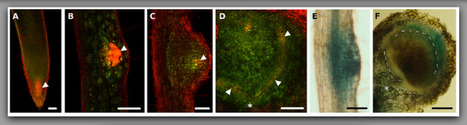
Symbiotic root nodules in leguminous plants result from interaction between the plant and nitrogen-fixing rhizobia bacteria. There are two major types of legume nodules, determinate and indeterminate. Determinate nodules do not have a persistent meristem while indeterminate nodules have a persistent meristem. Auxin is thought to play a role in the development of both these types of nodules. However, inhibition of rootward auxin transport at the site of nodule initiation is crucial for the development of indeterminate nodules, but not determinate nodules. Using the synthetic auxin-responsive DR5 promoter in soybean, we show that there is relatively low auxin activity during determinate nodule initiation and that it is restricted to the nodule periphery subsequently during development. To examine if and what role auxin plays in determinate nodule development, we generated soybean composite plants with altered sensitivity to auxin. We over-expressed microRNA393 to silence the auxin receptor gene family and these roots were hyposensitive to auxin. These roots nodulated normally suggesting that only minimal/reduced auxin signaling is required for determinate nodule development. We over-expressed microRNA160 to silence a set of repressor ARF transcription factors and these roots were hypersensitive to auxin. These roots were not impaired in epidermal responses to rhizobia, but had significantly reduced nodule primordium formation suggesting that auxin hypersensitivity inhibits nodule development. These roots were also hyposensitive to cytokinin, and had attenuated expression of key nodulation-associated transcription factors known to be regulated by cytokinin. We propose a regulatory feedback loop involving auxin and cytokinin during nodulation.
Turner M, Nizampatnam NR, Baron M, Coppin S, Damodaran S, Adhikari S, Arunachalam S, Yu O, Subramanian S. (2013). Plant Physiol. Jun 24. [Epub ahead of print] Via IvanOresnik
Scoop.it!
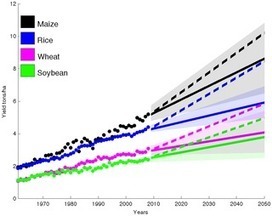
"Clearly, the world faces a looming and growing agricultural crisis. Yields are not improving fast enough to keep up with projected demands in 2050. However, opportunities do exist to increase production through more efficient use of current arable lands and increasing yield growth rates by spreading best management practices and closing yield gaps under different management regimes across the globe." Via Mary Williams
Jean-Michel Ané's insight:
Reality check... a bit scary.

Mary Williams's curator insight,
June 20, 2013 3:05 AM
Data! This is great, put it in your course folders for your students.
Scoop.it!
Rhizobium leguminosarum bv. trifolii pssA encodes a glucosyl-IP-transferase involved in the first step of exopolysaccharide synthesis. It was found that the pssA gene is an important target for regulation of this biosynthetic pathway. The data of this study indicate that pssA transcription is a very complex and mainly positively regulated process. A detailed analysis of a 767-bp long pssA upstream region revealed the presence of several sequence motifs recognized by regulatory proteins that are associated with phosphate-, carbon- and iron-dependent regulation. In addition, numerous inverted repeats of different length have been identified in this region. pssA transcription is directed from two distal P1 and proximal P3 promoters, whose sequences demonstrate a significant identity to promoters recognized by RNA polymerase sigma factor σ70. Among rhizobial proteins, RosR seems to be a primary regulator that positively affects pssA expression. This protein binds to RosR-box 1 located downstream of the P1 promoter. In addition, phosphate and the carbon source strongly affect pssA transcription. A significantly lower pssA expression was observed in both the wild-type growing under phosphate-rich conditions and the phoB mutant. In this regulation, PhoB protein and PHO-box 2 located upstream of the P3 promoter was engaged. pssA transcription is also significantly affected by glucose. Transcriptional analysis of a set of pssA-lacZ fusions expressed in E. coli wild-type and cyaA and crp mutants confirmed that CRP and two cAMP-CRP boxes located upstream of the P1 are required for this up-regulation. Moreover, the production of EPS was totally abolished in Rt4440 and Rt1012 mutant strains containing a Tn5 insertion downstream of the P3 promoter and downstream of the P3 -35 hexamer, respectively.
Janczarek M, Urbanik-Sypniewska T. (2013). J Bacteriol. May 24. [Epub ahead of print] Via IvanOresnik
Scoop.it!
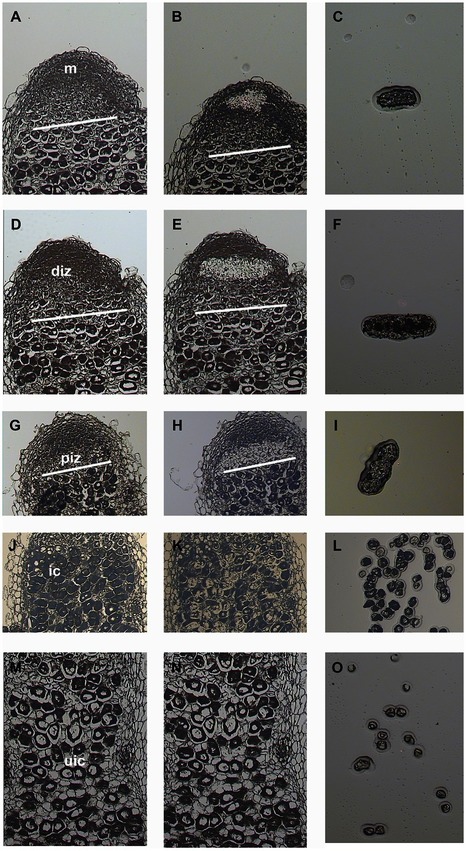
Legumes have the unique ability to host nitrogen-fixing Rhizobium bacteria as symbiosomes inside root nodule cells. To get insight into this key process, which forms the heart of the endosymbiosis, we isolated specific cells/tissues at different stages of symbiosome formation from nodules of the model legume Medicago truncatula using laser-capture microdissection. Next, we determined their associated expression profiles using Affymetrix Medicago GeneChips. Cells were collected from the nodule infection zone divided into a distal (where symbiosome formation and division occur) and proximal region (where symbiosomes are mainly differentiating), as well as infected cells from the fixation zone containing mature nitrogen fixing symbiosomes. As non-infected cells/tissue we included nodule meristem cells and uninfected cells from the fixation zone. Here, we present a comprehensive gene expression map of an indeterminate Medicago nodule and selected genes that show specific enriched expression in the different cells or tissues. Validation of the obtained expression profiles, by comparison to published gene expression profiles and experimental verification, indicates that the data can be used as digital "in situ". This digital "in situ" offers a genome-wide insight into genes specifically associated with subsequent stages of symbiosome and nodule cell development, and can serve to guide future functional studies. Limpens E, Moling S, Hooiveld G, Pereira PA, Bisseling T, Becker JD, Küster H (2013). PLoS One. 2013 May 29;8(5):e64377 Via IvanOresnik
Scoop.it!

Receptor(-like) kinases with Lysin Motif (LysM) domains in their extracellular region play crucial roles during plant interactions with microorganisms; e.g. Arabidopsis thaliana CERK1 activates innate immunity upon perception of fungal chitin/chitooligosaccharides, whereas Medicago truncatula NFP and LYK3 mediate signalling upon perception of bacterial lipo-chitooligosaccharides, termed Nod factors, during the establishment of mutualism with nitrogen-fixing rhizobia. However, little is still known about the exact activation and signalling mechanisms of MtNFP and MtLYK3. We aimed at investigating putative molecular interactions of MtNFP and MtLYK3 produced in Nicotiana benthamiana. Surprisingly, heterologous co-production of these proteins resulted in an induction of defence-like responses, which included defence-related gene expression, accumulation of phenolic compounds, and cell death. Similar defence-like responses were observed upon production of AtCERK1 in N. benthamiana leaves. Production of either MtNFP or MtLYK3 alone or their co-production with other unrelated receptor(-like) kinases did not induce cell death in N. benthamiana, indicating that a functional interaction between these LysM receptor-like kinases is required for triggering this response. Importantly, structure-function studies revealed that the MtNFP intracellular region, specific features of the MtLYK3 intracellular region (including several putative phosphorylation sites), and MtLYK3 and AtCERK1 kinase activity were indispensable for cell death induction, thereby mimicking the structural requirements of nodulation or chitin-induced signalling. The observed similarity of N. benthamiana response to MtNFP and MtLYK3 co-production and AtCERK1 production suggests the existence of parallels between Nod factor-induced and chitin-induced signalling mediated by the respective LysM receptor(-like) kinases. Notably, the conserved structural requirements for MtNFP and MtLYK3 biological activity in M. truncatula (nodulation) and in N. benthamiana (cell death induction) indicates the relevance of the latter system for studies on these, and potentially other symbiotic LysM receptor-like kinases.
Jean-Michel Ané's insight:
Not so surprising... but quite interesting!
Scoop.it!

Plants constantly engage in interactions with microbial organisms. These interactions can either be detrimental such as those with the economically relevant fungus-like oomycete Phytophthora infestans, the causal agent of the Irish Potato Famine or beneficial to supply phosphate such as in symbiotic interactions with mycorrhizal fungi that occur in most plant species.
Jean-Michel Ané's insight:
Great system to study the relationships between symbbiotic and pathogenic pathways.
Scoop.it!

The vast majority of vascular plants are capable of forming
Scoop.it!
Symbiotic interaction between Medicago truncatula and Sinorhizobium meliloti results in the formation on the host roots of new organs, nodules, in which biological nitrogen fixation takes place. In infected cells, rhizobia enclosed in a plant-derived membrane, the symbiosome membrane, differentiate to nitrogen-fixing bacteroids. The symbiosome membrane serves as an interface for metabolite and signal exchanges between the host cells and endosymbionts. At some point during symbiosis, symbiosomes and symbiotic cells are disintegrated, resulting in nodule senescence. The regulatory mechanisms that underlie nodule senescence are not fully understood. Using a forward genetics approach, we have uncovered early senescent nodule 1 (esn1) mutant from a Medicago truncatula fast neutron-induced mutant collection. Nodules on esn1 roots are spherically-shaped, ineffective in nitrogen fixation and senesce early. Atypical amongst fix- mutants isolated so far, bacteroid differentiation and expression of nifH,Leghemoglobin and DNF1 genes are not affected in esn1 nodules, supporting that a process downstream of bacteroid differentiation and nitrogenase gene expression is affected in the esn1 mutant. Expression analysis shows that marker genes involved in senescence, macronutrient degradation and remobilization are greatly upregulated during nodule development in the esn1 mutant, consistent with a role ofESN1 in nodule senescence and symbiotic nitrogen fixation.
Xi J, Chen Y, Nakashima J, Wang SM, Chen R. (2013). Mol Plant Microbe Interact. May 1. [Epub ahead of print] Via IvanOresnik
Scoop.it!
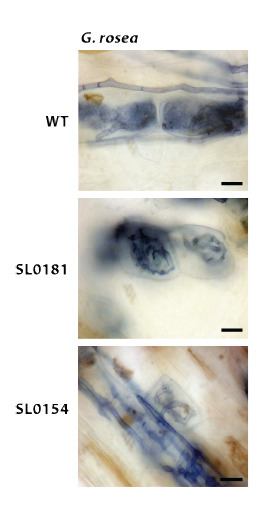
Arbuscular mycorrhiza (AM) fungi form nutrient-acquiring symbioses with the majority of higher plants. Nutrient exchange occurs via arbuscules, highly branched hyphal structures that are formed within root cortical cells. With a view to identify host genes involved in AM development, we isolated Lotus japonicus AM-defective mutants via a microscopic screen of an EMS-mutagenized population. A standardized mapping procedure was developed that facilitated positioning the defective loci on the genetic map of L. japonicus and, in five cases, identification of mutants of known symbiotic genes. Two additional mutants representing independent loci did not form mature arbuscules during symbiosis with two divergent AM fungal species, but exhibited signs of premature arbuscule arrest or senescence. Marker gene expression patterns indicated that the two mutants are affected in distinct steps of arbuscule development. Both mutants formed wild type-like root nodules upon inoculation with Mesorhizobium loti, indicating that the mutated loci are essential during AM but not during root nodule symbiosis.
Martin Groth, Sonja Kosuta, Caroline Gutjahr, Kristina Haage, Simone Liesel Hardel, Miriam Schaub, Andreas Brachmann, Shusei Sato, Satoshi Tabata, Kim Findlay, Trevor L. Wang, Martin Parniske (2013). Plant Journal Ahead of print.
Via IvanOresnik
|
Scoop.it!
From
aobblog

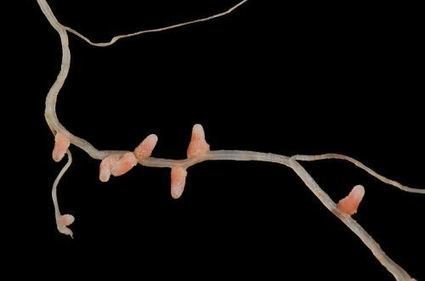
The legume family of plants can form a symbiosis with nitrogen-fixing bacteria known as rhizobia. How did they learn to live together? Via Peter Buckland

Peter Buckland's curator insight,
July 16, 2013 3:35 PM
Interesting post discussing the evolution of the rhizobia/legume symbiotic relationship.
Scoop.it!
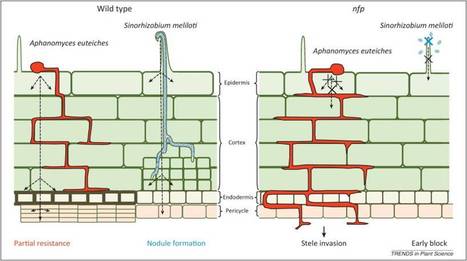
Plant plasma membrane-bound receptors with extracellular lysin motif (LysM) domains participate in interactions with microorganisms. In Medicago truncatula, the LysM receptor-like kinase gene nodulation (Nod) factor perception (NFP) is a key gene that controls the perception of rhizobial lipochitooligosaccharide (LCO) Nod factors for the establishment of the Rhizobium–legume symbiosis. In this article, we review recent data that have refined our understanding of this function and that have revealed a role for NFP in the perception of arbuscular mycorrhizal (AM) symbiotic signals and plant pathogenic microorganisms. The dual role of NFP in symbiosis and immunity suggests that this receptor protein controls the perception of different signals and the activation of different downstream signalling pathways. These advances provide new insights into the evolution and functioning of this versatile plant protein.
Clare Gough and Christophe Jacquet Via Nicolas Denancé
Scoop.it!
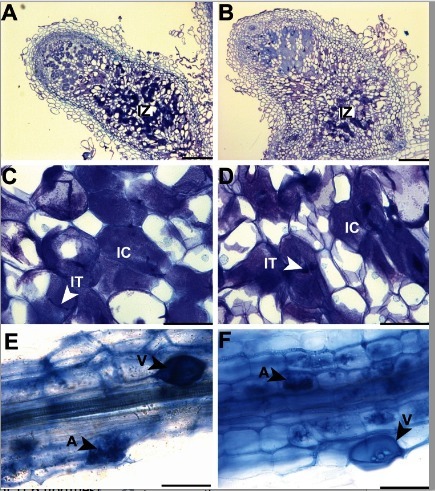
Only species belonging to the Fabid clade, limited to four classes and ten families of Angiosperms, are able to form nitrogen-fixing root nodule symbioses (RNS) with soil bacteria. This concerns plants of the legume family (Fabaceae) and Parasponia (Cannabaceae) associated with the Gram-negative proteobacteria collectively called rhizobia and actinorhizal plants associated with the Gram-positive actinomycetes of the genus Frankia. Calcium and calmodulin-dependent protein kinase (CCaMK) is a key component of the common signaling pathway leading to both rhizobial and arbuscular mycorrhizal symbioses (AM) and plays a central role in cross-signaling between root nodule organogenesis and infection processes. Here, we show that CCaMK is also needed for successful actinorhiza formation and interaction with AM fungi in the actinorhizal tree Casuarina glauca and is also able to restore both nodulation and AM symbioses in a Medicago truncatula ccamk mutant. Besides, we expressed auto-active CgCCaMK lacking the auto-inhibitory/CaM domain in two actinorhizal species: C. glauca (Casuarinaceae), which develops an intracellular infection pathway, and Discaria trinervis(Rhamnaceae) which is characterized by an ancestral intercellular infection mechanism. In both species, we found induction of nodulation independent of Frankia similar to response to the activation of CCaMK in the rhizobia-legume symbiosis and conclude that the regulation of actinorhiza organogenesis is conserved regardless of the infection mode. It has been suggested that rhizobial and actinorhizal symbioses originated from a common ancestor with several independent evolutionary origins. Our findings are consistent with the recruitment of a similar genetic pathway governing rhizobial and Frankia nodule organogenesis.
Sergio Svistoonoff, Faiza Meriem Benabdoun, Mathish Nambiar-Veetil, Leandro Imanishi, Virginie Vaissayre, Stella Cesari, Nathalie Diagne, Valérie Hocher, Françoise de Billy, Jocelyne Bonneau, Luis Wall, Nadia Ykhlef, Charles Rosenberg, Didier Bogusz, Claudine Franche, and Hassen Gherbi (2013). PLoS One.; 8(5): e64515. Via IvanOresnik
Scoop.it!
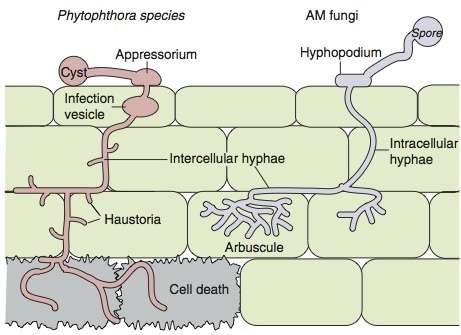
Understanding commonalities and differences of how symbiotic and parasitic microbes interact with plants will improve advantageous interactions and allow pathogen control strategies in crops. Recently established systems enable studies of root pathogenic and symbiotic interactions in the same plant species. Via Kamoun Lab @ TSL

Ronaldo Dalio's curator insight,
February 18, 2014 6:56 AM
Muito interessante. Carol, Ina e Paulo, acho este paper importante pro projeto de vcs!
Scoop.it!
Plant NADPH oxidases (RBOHs) regulate the early stages of rhizobial infection in Phaseolus vulgaris and affect nodule function in Medicago truncatula. In contrast, the role of RBOHs in the plant-arbuscular mycorrhizal (AM) symbiosis and in the regulation of reactive oxygen species (ROS) production during the establishment of the AM interaction is largely unknown. In this study, we assessed the role of P. vulgaris Rboh (PvRbohB) during the symbiosis with the AM fungus,Rhizophagus irregularis. Our results indicate that PvRbohB transcript is significantly up-regulated in the mycorrhized roots of P. vulgaris. Further, the PvRbohB promoter was found to be active during the invasion of R. irregularis. Down-regulation of PvRbohB transcription by RNAi silencing resulted in diminished ROS levels in the transgenic mycorrhized roots and induced early hyphal root colonization. Interestingly, the size of appressoria increased in PvRbohB-RNAi roots (760±70.1 μm) relative to controls (251±73.2 μm). Finally, the overall level of mycorrhizal colonization significantly increased in PvRbohB-RNAi roots (48.1±3.3% root length colonization, RLC) compared to controls (29.4±1.9%RLC). We propose that PvRbohB negatively regulates AM colonization in P. vulgaris.
Scoop.it!


Joe Finn's curator insight,
July 26, 2018 2:41 AM
Starting the conversation about the link between human gut health and soil wellbeing.
Scoop.it!
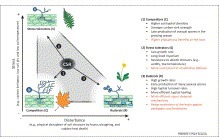
Despite the growing appreciation for the functional diversity of arbuscular mycorrhizal (AM) fungi, our understanding of the causes and consequences of this diversity is still poor. In this opinion article, we review published data on AM fungal functional traits and attempt to identify major axes of life history variation. We propose that a life history classification system based on the grouping of functional traits, such as Grime's C-S-R (competitor, stress tolerator, ruderal) framework, can help to explain life history diversification in AM fungi, successional dynamics, and the spatial structure of AM fungal assemblages. Using a common life history classification framework for both plants and AM fungi could also help in predicting probable species associations in natural communities and increase our fundamental understanding of the interaction between land plants and AM fungi.
Scoop.it!
Interactions between species are important catalysts of the evolutionary processes that generate the remarkable diversity of life. Symbioses, conspicuous and inherently interesting forms of species interaction, are pervasive throughout the tree of life. However, nearly all studies of the impact of species interactions on diversification have concentrated on competition and predation leaving unclear the importance of symbiotic interaction. Here, I show that, as predicted by evolutionary theories of symbiosis and diversification, multiple origins of a key innovation, symbiosis between gall-inducing insects and fungi, catalysed both expansion in resource use (niche expansion) and diversification. Symbiotic lineages have undergone a more than sevenfold expansion in the range of host-plant taxa they use relative to lineages without such fungal symbionts, as defined by the genetic distance between host plants. Furthermore, symbiotic gall-inducing insects are more than 17 times as diverse as their non-symbiotic relatives. These results demonstrate that the evolution of symbiotic interaction leads to niche expansion, which in turn catalyses diversification.
Scoop.it!
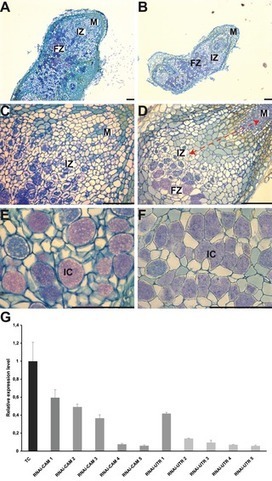
Only species belonging to the Fabid clade, limited to four classes and ten families of Angiosperms, are able to form nitrogen-fixing root nodule symbioses (RNS) with soil bacteria. This concerns plants of the legume family (Fabaceae) and Parasponia (Cannabaceae)associated with the Gram-negative proteobacteria collectively called rhizobia and actinorhizal plants associated with the Gram-positive actinomycetes of the genus Frankia. Calcium and calmodulin-dependent protein kinase (CCaMK) is a key component of the common signaling pathway leading to both rhizobial and arbuscular mycorrhizal symbioses (AM) and plays a central role in cross-signaling between root nodule organogenesis and infection processes. Here, we show that CCaMK is also needed for successful actinorhiza formation and interaction with AM fungi in the actinorhizal tree Casuarina glauca and is also able to restore both nodulation and AM symbioses in a Medicago truncatula ccamk mutant. Besides, we expressed auto-active CgCCaMK lacking the auto-inhibitory/CaM domain in two actinorhizal species: C. glauca (Casuarinaceae), which develops an intracellular infection pathway, andDiscaria trinervis (Rhamnaceae) which is characterized by an ancestral intercellular infection mechanism. In both species, we found induction of nodulation independent of Frankia similar to response to the activation of CCaMK in the rhizobia-legume symbiosis and conclude that the regulation of actinorhiza organogenesis is conserved regardless of the infection mode. It has been suggested that rhizobial and actinorhizal symbioses originated from a common ancestor with several independent evolutionary origins. Our findings are consistent with the recruitment of a similar genetic pathway governing rhizobial and Frankia nodule organogenesis.
Scoop.it!

Nodulation and arbuscular mycorrhization require the activation of plant host symbiotic programs by Nod factors, and Myc-LCOs and COs, respectively. The pathways involved in the perception and downstream signaling of these signals include common and distinct components. Among the distinct components, NSP1, a GRAS transcription factor, has been considered for years to be specifically involved in nodulation.Here, we analyzed the degree of conservation of the NSP1 sequence in arbuscular mycorrhizal (AM) host and non-AM host plants and carefully examined the ability of Medicago truncatula nsp1 mutants to respond to Myc-LCOs and to be colonized by an arbuscular mycorrhizal fungus.In AM-host plants, the selection pressure on NSP1 is stronger than in non-AM host ones. The response to Myc-LCOs and the frequency of mycorrhizal colonization are significantly reduced in the nsp1 mutants.Our results reveal that NSP1, previously described for its involvement in the Nod factor signaling pathway, is also involved in the Myc-LCO signaling pathway. They bring additional evidence on the evolutionary relatedness between nodulation and mycorrhization.
Scoop.it!

A new study has demonstrated that plants can use an underground network of fungi to warn each other about incoming insect attacks.
Scoop.it!
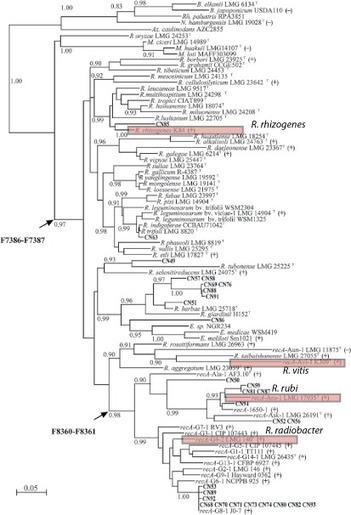
Introduction Agrobacterium is a well-known genus in bacteriology and molecular biology, but research has shown that it cannot easily be separated from the Rhizobium genus, thus all Agrobacterium species should be renamed as Rhizobium species (the earlier name). However there has been some opposition to renaming Agrobacterium, in this article I explain the research and taxonomy, and suggest a solution.
Weir, B.S. (2013) Agrobacterium or Rhizobium, which name to use?, NZ Rhizobia, 27 April 2013. Via IvanOresnik
|




