


Symbiotic nitrogen fixation is one of the first physiological processes inhibited in legume plants under water-deficit conditions. Despite the progress made in the last decades, the molecular mechanisms behind this regulation are not fully understood yet. Recent proteomic work carried out in the model legume Medicago truncatula provided the first indications of a possible involvement of nodule methionine (Met) biosynthesis and related pathways in response to water deficit conditions. To better understand this involvement, the drought-induced changes in expression and content of enzymes involved in the biosynthesis of Met, S-adenosyl-L-methionine (SAM) and ethylene in M. truncatula root and nodules were analyzed using targeted approaches. Nitrogen-fixing plants were subjected to a progressive water deficit and a subsequent recovery period. Besides the physiological characterization of the plants, the content of total sulfur, sulfate and main S-containing metabolites was measured. Results presented here show that S availability is not a limiting factor in the drought-induced decline of nitrogen fixation rates in M. truncatula plants and provide evidences for a down-regulation of the Met and ethylene biosynthesis pathways in roots and nodules in response to water deficit conditions.

Plant-Microbe Symbiosis
524.3K views |
+47 today
Beneficial associations between plants and microbes
Curated by
Jean-Michel Ané
 Your new post is loading...
 Scoop.it! With so many organisms on Earth, living things are bound to interact with one another. Symbiosis is a close relationship between two species...
Jean-Michel Ané's insight:
...which is beneficial on at least obe of them! 
Scoop.it!
The NITROGEN LIMITATION ADAPTION (NLA) gene was initially shown to function in nitrogen limitation responses; however, recent work shows that the nla mutant hyperaccumulates Pi, phenocopying the Pi signaling mutant pho2. PHO2 encodes a putative E2 conjugase, UBC24. Here, we show that NLA is an E3 ligase that specifically requires UBC24 for polyubiquitination in Arabidopsis thaliana. Among five members of the Pht1 Pi-transporter family tested, NLA associates only with PT2 (Pht1;4). The NLA-UBC24 pair mediates polyubiquitination of PT2 but not PT1. Posttranslational decay of PT2 at high Pi is blocked in pho2 and inhibited by MG132, indicating the requirement of UBC24 and 26S proteasomes. Consistent with NLA/UBC24 function, induced NLA expression causes a UBC24-dependent decrease in PT2 levels. Confocal microscopy of fusion proteins revealed an NLA/PT2 interaction at the plasma membrane. Collectively, these results show that under Pi-replete conditions, NLA and UBC24 target the PT2 transporter for destruction. During the Pi deprivation response, NLA and PHO2 transcripts are cleaved by miR399 and miR827, respectively, and our results suggest that this downregulation relieves the posttranslational repression of PT2, allowing it to accumulate and participate in Pi uptake. Our work provides additional molecular details describing Pi signaling/homeostasis regulation by identifying NLA and UBC24 as partners and PT2 as one of their downstream targets.
Scoop.it!
Rhizobia have a versatile catabolism that allows them to compete successfully with other microorganisms for nutrients in the soil and in the rhizosphere of their respective host plants. In this study, Bradyrhizobium japonicum USDA 110 was found to be able to utilize oxalate as the sole carbon source. A proteome analysis of cells grown in minimal medium containing arabinose suggested that oxalate oxidation extends the arabinose degradation branch via glycolaldehyde. A mutant of the key pathway genes oxc (for oxalyl-CoA decarboxylase) and frc (for formyl-CoA transferase) was constructed and shown to be (i) impaired in growth on arabinose and (ii) unable to grow on oxalate. Oxalate was detected in roots and, at elevated levels, in root nodules of four different B. japonicum host plants. Mixed inoculation experiments with wild-type and oxc-frc mutant cells revealed that oxalotrophy might be a beneficial trait of B. japonicum at some stage during legume root-nodule colonization.
Scoop.it!
Preliminary studies on genetic diversity of ectomycorrhizal fungus Suillus bovinus in Lithuania [Pradiniai ektomikorizinio grybo Suillus bovinus genetinio kintamumo Lietuvoje tyrimai]. - Bot. Lith., 19(2): 91-98. Genetic diversity of some Lithuanian populations of Suillus bovinus was assessed basing on nucleotide sequence of ITS1 and 2 regions, and the 5.8S RNA gene obtained from 42 samples. Four haplotypes were defined, each representing isolate groups of varying abundance and distribution. The most abundant and widely distributed was haplotype 2. All Lithuanian haplotypes nested in one, the largest clade of European isolates of S. bovinus.
Jean-Michel Ané's insight:
Come on... don't tell me that you have not read the last issue of Botanica Lithuanica!
Scoop.it!
Environmental disturbances define the diversity and assemblage of species, affecting the functioning of ecosystems. Fire is a major disturbance of Mediterranean pine forests. Pines are highly dependent on the ectomycorrhizal (EM) fungal symbiosis, which is critical for tree recruitment under primary succession. To determine the effects of time since fire on the structure and recovery of EM fungal communities, we surveyed the young Pinus pinaster regenerate in three sites differing in the elapsed time after the last fire event. Pine roots were collected, and EM fungi characterized by sequencing the internal transcribed spacer (ITS) and the large subunit (LSU) regions of the nuclear ribosomal (nr)-DNA. The effects of the elapsed time after fire on the EM community structure (richness, presence/absence of fungi, phylogenetic diversity) and on soil properties were analysed. Fungal richness decreased with the elapsed time since the fire; although, the phylogenetic diversity of the EM community increased. Soil properties were different depending on the elapsed time after fire and particularly, the organic matter, carbon-to-nitrogen (C/N) ratio, nitrogen and iron significantly correlated with the assemblage of fungal species. Ascomycetes, particularly Tuberaceae andPezizales, were significantly over-represented on saplings in the burned site. On seedlings, a significant over-representation of Rhizopogonaceae and Atheliaceae was observed in the most recently burned site, while other fungi (i.e. Cortinariaceae) were significantly under-represented. Our results are consistent with the hypothesis that fire can act as a selective agent by printing a phylogenetic signal on the EM fungal communities associated with naturally regenerated pines, pointing out to some groups as potential fire-adapted fungi.
Jean-Michel Ané's insight:
Fire-adapted fungi... I never thought about that!
Scoop.it!
Despite a large body of literature that describes the effects of arbuscular mycorrhizal colonization on plant response to water deficit, reviews of these works have been mainly in narrative form, and it is therefore difficult to quantify the magnitude of the effect. We performed a meta-analysis to examine the effect of mycorrhizal colonization on growth and yield of plants exposed to water deficit stress. Data were compared in the context of annual vs. perennial plants, herbaceous vs. woody plants, field vs. greenhouse conditions, degree of stress, functional group, regions of plant growth, and mycorrhizal and host species. We found that, in terms of biomass measurements, mycorrhizal plants have better growth and reproductive response under water stress compared to non-mycorrhizal plants. When variables such as habit, life cycle, or water stress level are considered, differences in mycorrhizal effect on plant growth between variables are observed. While growth of both annual and perennial plants is improved by symbiosis, perennials respond more favorably to colonization than annuals. Overall, our meta-analysis reveals a quantifiable corroboration of the commonly held view that, under water-deficit conditions, plants colonized by mycorrhizal fungi have better growth and reproductive response than those that are not.
Jean-Michel Ané's insight:
I am not sure that a meta-analysis was really necessary to conclude that...
Scoop.it!
Plant communities on Mount Segrila on the Tibetan Plateau show distinct changes at different altitudes, but little information is available on belowground communities of arbuscular mycorrhizal fungi (AMF). Root samples of two co-occurring species, Pennisetum centrasiaticum and Kobresiasp., growing in open grasslands at eight altitudes (3,446–4,556 m) were analyzed for diversity of AMF by PCR, cloning, and sequencing. Dominant plants were well colonized by AMF even at higher altitudes where spore density in rhizospheres decreased dramatically. A total of 29 operational taxonomic units (OTUs) of AMF were detected, and some novel sequence types were found.Acaulosporaceae and Glomeraceae were the dominant families. There was no significant difference in OTU richness along elevational gradients in Kobresia sp., but OTU richness in P. centrasiaticumwas higher at intermediate elevations. Elevation, host plant species, and soil variables (pH, soil organic matter, and available P and N) were found to have significant effects on the overall AMF community across all elevations. Fungal community composition differed significantly between the two plant species at each elevation, and the similarity was generally higher at the intermediate elevations. No significant difference in compositional similarity was observed for Kobresia sp. with increasing elevation, but the dissimilarity increased significantly for P. centrasiaticum. These results suggest that host identity is an important determinant for the structure of the AMF communities along the elevational gradients in high altitude environments.
Scoop.it!
Arboreal herbivory is rare among mammals. The few species with this lifestyle possess unique adaptions to overcome size-related constraints on nutritional energetics. Sloths are folivores that spend most of their time resting or eating in the forest canopy. A three-toed sloth will, however, descend its tree weekly to defecate, which is risky, energetically costly and, until now, inexplicable. We hypothesized that this behaviour sustains an ecosystem in the fur of sloths, which confers cryptic nutritional benefits to sloths. We found that the more specialized three-toed sloths harboured more phoretic moths, greater concentrations of inorganic nitrogen and higher algal biomass than the generalist two-toed sloths. Moth density was positively related to inorganic nitrogen concentration and algal biomass in the fur. We discovered that sloths consumed algae from their fur, which was highly digestible and lipid-rich. By descending a tree to defecate, sloths transport moths to their oviposition sites in sloth dung, which facilitates moth colonization of sloth fur. Moths are portals for nutrients, increasing nitrogen levels in sloth fur, which fuels algal growth. Sloths consume these algae-gardens, presumably to augment their limited diet. These linked mutualisms between moths, sloths and algae appear to aid the sloth in overcoming a highly constrained lifestyle.
Jean-Michel Ané's insight:
A bit off-topic but I found it hilarious...
Scoop.it!
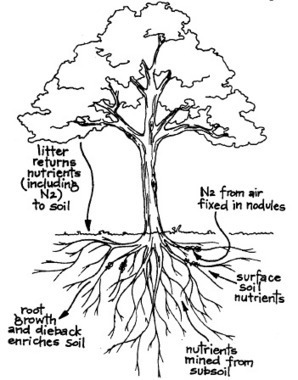
Is there evidence to support the intercropping of nitrogen fixing plants to boost polyculture yield? The short answer is, yes.
Scoop.it!
This study was aimed at isolation and characterization of natural antifungal compounds for grain mold, a key parasitic fungal disease of sorghum. Pseudomonas fluorescens strain isolated from rhizosphere of groundnut crop was selected as a source. Its biocontrolling ability was assessed by testing some biochemical attributes such as phosphate-solubilization, and HCN, NH3, indole-3-acetic acid, and siderophore production. The strain showed positive result for all except indole-3-acetic acid, revealing its suitability for a further study. The antibiotic-sensitivity pattern of the strain against 43 antibiotics was also established, which showed resistance to 15 antibiotics. The efficacy of P. fluorescens strain against grain mold was identified by dual culture technique. Hundred percent inhibition was found againstFusarium moniliforme, an important causative agent of this disease. The strain was fermented for secondary metabolites and extracted with AcOEt. Chromatographic separation of the extract yielded four known compounds, cyclo(l-Pro-l-Phe) (1), cyclo(trans-4-hydroxy-l-Pro-l-Leu) (2), cyclo(trans-4-hydroxy-l-Pro-l-Phe) (3), and cyclo(Gly-l-Pro) (4), which were characterized by spectral analysis and optical rotation. The crude extract, a mixture of 2 and 3, and isolated 1 were proved to be significantly effective against grain mold fungi. This is the first report on production of these cyclic dipeptides by P. fluorescens and their antagonistic properties.
Scoop.it!

Physiological changes in host plants in response to the broad spectrum of fungal modes of infection are still not well understood. The current study was conducted to better understand the infection of in vitro cultures ofPinus sylvestris L. seedlings by three trophically diverse fungal species,Fusarium oxysporum E. F. Sm. & Swingle, Trichoderma harzianum Rifai and Hebeloma crustuliniforme (Bull.) Quél. Biochemical methods and microscopy were utilized to determine (i) which factors (apoplastic and cellular pH, reactive oxygen species, glutathione and cell death) play a role in the establishment of pathogenic, saprotrophic and mycorrhizal fungi, and (ii) whether cell death is a common response of conifer seedling tissues when they are exposed to trophically diverse fungi. Establishment of the pathogen, F. oxysporum, was observed more frequently in the meristematic region of root tips than in the elongation zone, which was in contrast to T. harzianum and H. crustuliniforme. Ectomycorrhizal (ECM) hyphae, however, were occasionally observed in the studied root zone and caused small changes in the studied factors. Colonization of the meristematic zone occurred due to host cell death. Independently of the zone, changes in cellular pH resulting in an acidic cytoplasm conditioned the establishment of F. oxysporum. Additionally, cell death was negatively correlated with hydrogen peroxide (H2O2) in roots challenged by a pathogenic fungus. Cell death was the only factor uniquely associated with the colonization of host roots by a saprotrophic fungus. The mechanism may differ, however, between the zones since apoplastic pH was negatively correlated with cell death in the elongation zone, whereas in the meristematic zone, none of the studied factors explained cell death. Colonization by the ECM fungus, H. crustuliniforme, was associated with a decreasing number of cells with acidic apoplast and by production of H2O2 in the elongation zone resulting in cell death. Saprotrophic and ECM fungi had a greater effect on cell acidification in the meristematic zone than the pathogenic fungus.
Scoop.it!
Understanding the interactions among microbial communities, plant communities and soil properties following deforestation could provide insights into the long-term effects of land-use change on ecosystem functions, and may help identify approaches that promote the recovery of degraded sites. We combined high-throughput sequencing of fungal rDNA and molecular barcoding of plant roots to estimate fungal and plant community composition in soil sampled across a chronosequence of deforestation. We found significant effects of land-use change on fungal community composition, which was more closely correlated to plant community composition than to changes in soil properties or geographic distance, providing evidence for strong links between above- and below-ground communities in tropical forests.
|
Scoop.it!
This video demonstrates the technique of how vermicompost and arbuscular mycorrhizal fungi (AMF) can be incorporated into strawberry tip establishment or plug production. In addition the general benefits of these soil inoculants on plant growth is described. This general technique can be applied to many types of plant establishment and provides a easy way of introducing beneficial microorganisms into a field.
Scoop.it!

Several eukaryotic symbioses have shown to host a rich diversity of prokaryotes that interact with their hosts. Here, we study bacterial communities associated with ectomycorrhizal root systems of Bistorta vivipara compared to bacterial communities in bulk soil using pyrosequencing of 16S rRNA amplicons. A high richness of Operational Taxonomic Units (OTUs) was found in plant roots (3,571 OTUs) and surrounding soil (3,476 OTUs). The community composition differed markedly between these two environments. Actinobacteria, Armatimonadetes, Chloroflexi and OTUs unclassified at phylum level were significantly more abundant in plant roots than in soil. A large proportion of the OTUs, especially those in plant roots, presented low similarity to Sanger 16S rRNA reference sequences, suggesting novel bacterial diversity in ectomycorrhizae. Furthermore, the bacterial communities of the plant roots were spatially structured up to a distance of 60 cm, which may be explained by bacteria using fungal hyphae as a transport vector. The analyzed ectomycorrhizae presents a distinct microbiome, which likely influence the functioning of the plant-fungus symbiosis.
Scoop.it!

There is a lot more than just plants that live and grow in soil. Soil inhabiting organisms include a diversity of types and sizes. There are small burrowing mammals, insects, amphibians, and worms that can be seen with our eyes, and also a large diversity of tiny and microscopic biota including nematodes, bacteria, fungi and actinomycetes. All of these organisms work to breakup, disperse, incorporate into the ground and decompose plant residues. They also in many instances help to weather soil mineral components and less soluble precipitated compounds. All this activity results in the release of plant nutrients in mineral forms that plants can use to grow. The whole process of nutrients being used by plants, and then plant residues being decomposed in soil is a vital part of nutrient cycling in the environment.
Scoop.it!

Arbuscular mycorrhizal fungi (AMF) are more widely distributed and can associate with a wide range of plant species. AMF are keystone organisms that form an interface between soils and plant roots. They are also sensitive to environmental changes. AMF are important microbial symbioses for plants under conditions of P-limitation. The AMF are crucial for the functioning of terrestrial ecosystems as they form symbiotic interactions with plants. Mycorrhizal fungi are known to influence plant diversity patterns in a variety of ecosystems globally. AMF hyphae form an extensive network in the soil. The length is a common parameter used to quantifying fungal hyphae. The mycelial network of AM fungi extends into the soil volume and greatly increases the surface area for the uptake of immobile nutrients. Also, AM symbioses improve plants tolerance to drought and enhance plants’ tolerance of or resistance to root pathogens. Also, the networks of AM hyphae play a crucial role in the formation of stable soil aggregates and in the building up of a macroporous structure of soil that allows penetration of water and air and thereby prevents erosion. The functioning of AMF symbiosis is mediated by direct and indirect effects of biotic and abiotic factors of the surrounding rhizosphere, the community, and the ecosystem. AMF have great potential in the restoration of disturbed land and low fertility soil. However, despite the importance of AMF to terrestrial ecosystems, little is known about the effects of environmental changes on AMF abundance, activity and the impact of these changes on the ecosystem services. Therefore, it is important to gain a clearer understanding of the effects of environmental changes on the AM fungal species to guide conservation and restoration efforts.
Scoop.it!
The ecology of weed plants includes their interactions with soil microorganisms, such as mutualistic partners that may contribute to their adaptation and competitive success in the agricultural fields. Despite the importance of microorganisms to plant growth, knowledge on weed-symbiont associations is still incipient compared to crops. Thus, a survey for the presence of arbuscular mycorrhiza (AM) and dark septate endophyte (DSE) associations in the roots of 50 weed species was done in three distinct areas during the dry and rainy seasons. We found that 41 and 29 out of the 50 species were associated with AM fungi and DSE, respectively, and 27 species presented both associations. All the plant species not forming AM belong to families thought to be nonmycorrhizal, such as Amaranthaceae, Commelinaceae, Brassicaceae, and Cyperaceae. The most common morphotype of AM observed was the Arum-type. No significant differences were found in root length colonization between the areas or seasons. For 19 species surveyed, this is the first report on their mycorrhizal status.
Scoop.it!
Reclamation of saline soils produced by extraction of bitumen from oil sands is challenging. The main objective of this study was to select a salt-tolerant arbuscular mycorrhizal (AM) fungal isolate that could, in the future, be used to pre-inoculate plants used in reclamation of saline substrates produced by oil sand industry. To achieve this, the effects of NaCl, Na2SO4, and saline release water from composite tailings (CT) on hyphal growth of two AM fungal isolates from non-saline (Rhizophagus irregularis DAOM 181602, Rhizophagus sp. DAOM 227023) and three isolates of R. irregularis isolated from saline or sodic soils (DAOM 234181, DAOM241558, and DAOM241559) were tested in vitro. Pre-symbiotic hyphal growth of the five isolates, in absence of a host plant, decreased with increasing salt stress and no spores germinated in CT. The symbiotic extraradical phase of the four isolates of R. irregularis developed well in saline media compared to theRhizophagus sp. Nevertheless, fungal development of the four R. irregularis isolates differed in saline media indicating phenotypic variations between isolates.
Jean-Michel Ané's insight:
Intersting
Scoop.it!
Arbuscular mycorrhizal fungi (AMF) were investigated in roots of 18 host plant species in a salinized south coastal plain of Laizhou Bay, China. From 18 clone libraries of 18S rRNA genes, all of the 22 AMF phylotypes were identified into Glomus, of which 18 and 4 were classified in group A and B in the phylogenetic tree, respectively. The phylotypes related to morphologically defined Glomusspecies occurred generally in soil with higher salinity. AMF phylotype richness, Shannon index, and evenness were not significantly different between root samples from halophytes vs. non-halophytes, invades vs. natives, or annuals vs. perennials. However, AMF diversity estimates frequently differed along the saline gradient or among locations, but not among pH gradients. Moreover, UniFrac tests showed that both plant traits (salt tolerance, life style or origin) and abiotic factors (salinity, pH, or location) significantly affected the community composition of AMF colonizers. Redundancy and variation partitioning analyses revealed that soil salinity and pH, which respectively explained 6.9 and 4.2 % of the variation, were the most influential abiotic variables in shaping the AMF community structure. The presented data indicate that salt tolerance, life style, and origin traits of host species may not significantly affect the AMF diversity in roots, but do influence the community composition in this salinized ecosystem. The findings also highlight the importance of soil salinity and pH in driving the distribution of AMF in plant and soil systems.
Scoop.it!

Plant genes whose expression is induced in legumes by Rhizobiumbacteria upon nodulation were initially referred to as nodulins. Several of them play a key role in the establishment of symbiosis. Yet, nodulin-like proteins are also found in non-nodulating plant species such as Arabidopsis, rice, maize or poplar. For instance, 132 are predicted in theArabidopsis thaliana Col-0 genome. Recent studies now highlight the importance of nodulin-like proteins for the transport of nutrients, solutes, amino acids or hormones and for major aspects of plant development. Interestingly, nodulin-like activities at the plant–microbe interface are also important for pathogens to enhance their fitness during host colonization. This work presents a genomic and functional overview of nodulin-like proteins in non-leguminous plant species, with a particular focus on Arabidopsis and rice.
Scoop.it!
The availability of most edible ectomycorrhizal mushrooms depends on their natural fructification. Therefore, mycorrhizal plant production could be an alternative for obtaining ectomycorrhizal edible fungi. The first step to establish a plantation for a certain species of mushrooms is the production of plants, inoculated with the fungus, in order to be outplanted to field. The mycorrhization of plants with species of the Boletus edulis complex has been achieved under pure culture synthesis conditions. The production of B. edulis mycorrhizal plants under nursery conditions could be achieved by acclimation of in vitro-produced mycorrhizal plants, but needs still more research to determine an appropriate procedure. Sporocarp formation of these fungi is linked to habitat characteristics and climate conditions, but these data alone do not explain all the trends of fungal fruiting and dynamics. It could be hypothesized that the amount of soil mycelia could also be related to the production of carpophores. Progress of new technologies in molecular biology and the availability of fungal genomes have led to the development, implementation and use of techniques for the traceability of edible ectomycorrhizal fungi. Through the thesis it has been demonstrated that the real- time PCR technique, with the design of specific oligonucleotides for the detection and quantification of extraradical mycelium in soil, allows us to determine the concentration of soil mycelium in forests and plantations, increasing detection limits over conventional PCR. Specific primers and probes have been designed for B. edulis and Tuber melanosporum for real-time PCR amplification, allowing the traceability of these fungal species in the controlled production of edible mycorrhizal mushrooms. The annual belowground dynamics of extraradical soil mycelium, ectomycorrhizal root tips and sporocarp production of two ectomycorrhizal fungi, B. edulis and Lactarius deliciosus, have been studied in two different pine forests (Pinar Grande and Pinares Llanos, respectively) in Soria in permanent plots. Quantification of extraradical mycelium of Rhizopogon roseolus x Pinus pinea plantations (two in Cabils) and of T. melanosporum x Quercus ilex plantation (one in Cerc), in Catalunya has been carried out from its establishment until 24 or 48 months. T. melanosporum extraradical mycelium has also been quantified by real-time PCR in a natural truffle ground and in seven truffle orchards (around 20 years old) established in Tierra Estella and Valdorba sites (Navarra). Finally, the spatial genetic structure of T. melanosporum population was analyzed in a productive orchard (France). The distribution of the two T. melanosporum mating types was monitored in the soil. Ectomycorrhizas and ascocarps were mapped and genotyped using simple sequence repeat markers and the mating type locus and their genetic profiles were compared. No direct relationships were found between soil mycelium amounts and sporocarp production for any of the studied fungal species, but it was possible to obtain positive correlations between vegetative structures (ectomycorrhiza and extraradical mycelium) for B. edulis, R. roseolus and T. melanosporum. The results obtained open the possibility of using quantification of soil mycelium by real-time PCR as a good indicator for root colonization in field conditions (in natural areas or in manmade orchards), especially when a nondestructive sampling or less time consuming analysis were required. The extraradical mycelial amounts of B. edulis, L. deliciosus and R. roseolus and T. melanosporum mycorrhizas were correlated with climate parameters as temperature, rainfall, solar radiation, relative humidity and evapotranspiration. Moreover, it has been possible to map the distribution of different T. melanosporum genotypes trough the traceability of ascocarps, ectomycorrhizas and soil samples. A pronounced spatial genetic structure was found. A nonrandom distribution pattern of the T. melanosporum was observed, resulting in field patches colonized by genets that shared the same mating types.
Scoop.it!

Symbiotic rhizobia induce many changes in legumes that could affect aboveground interactions with herbivores. We explored how changing the intensity of Bradyrhizobium japonicum, as modulated by soil nitrogen (N) levels, influenced the interaction between soybean (Glycine max) and herbivores of different feeding guilds. When we employed a range of fertilizer applications to manipulate soil N, plants primarily dependent on rhizobia for N exhibited increased root nodulation and higher levels of foliar ureides than plants given N fertilizer; yet all treatments maintained similar total N levels. Soybean podworm (Helicoverpa zea) larvae grew best on plants with the highest levels of rhizobia but, somewhat surprisingly, preferred to feed on high-N-fertilized plants when given a choice. Induction of the defense signaling compound jasmonic acid (JA) by H. zea feeding damage was highest in plants primarily dependent on rhizobia. Differences in rhizobial dependency on soybean did not appear to affect interactions with the phloem-feeding soybean aphid (Aphis glycines). Overall, our results suggest that rhizobia association can affect plant nutritional quality and the induction of defense signaling pathways and that these effects may influence herbivore feeding preferences and performance—though such effects may vary considerably for different classes of herbivores
Scoop.it!

Studies evaluating plant–soil biota interactions in both native and introduced plant ranges are rare, and thus far have lacked robust experimental designs to account for several potential confounding factors.Here, we investigated the effects of soil biota on growth of Pinus contorta, which has been introduced from Canada to Sweden. Using Swedish and Canadian soils, we conducted two glasshouse experiments. The first experiment utilized unsterilized soil from each country, with a full-factorial cross of soil origin, tree provenance, and fertilizer addition. The second experiment utilized gamma-irradiated sterile soil from each country, with a full-factorial cross of soil origin, soil biota inoculation treatments, tree provenance, and fertilizer addition.The first experiment showed higher seedling growth on Swedish soil relative to Canadian soil. The second experiment showed this effect was due to differences in soil biotic communities between the two countries, and occurred independently of all other experimental factors.Our results provide strong evidence that plant interactions with soil biota can shift from negative to positive following introduction to a new region, and are relevant for understanding the success of some exotic forest plantations, and invasive and range-expanding native species. Via Francis Martin
Scoop.it!

"Soil bacteria represent the majority of biodiversity in terrestrial ecosystems and are essentially involved in the establishment and evolution of primary elements in these ecosystems, such as carbon sequestration, nitrogen fixation and element cycling. Therefore, bacterial land colonization is arguably not only one of the most challenging, but also one of the most fundamental and seminal ecological transitions in bacterial evolution." Via Mary Williams
Jean-Michel Ané's insight:
That's REALLY interesting.

Mary Williams's curator insight,
January 23, 2014 9:09 AM
My plant bias shows - I've spent a lot of time thinking about the colonization of land by plants, but until now I never really thought about how bacteria accomplished this challenge! Interesting paper. |






Go Esti!