Bees pollinate plants in return for nectar, ants protect trees in return for housing, even our own bodies house microbial partners that help us digest our food. These types of beneficial relationships, called mutualisms, are at the heart of the world's biodiversity. Now an international team of scientists, ...
This review provides an analysis of recent published work on interactions between microorganisms, especially the ones involving mainly nutrient exchanges and at least with one microalga species. Examples of microbial partners are given, with a remark to the potential application of cultures of an autotroph and a heterotroph, which grow simultaneously, taking advantage of the complementary metabolisms. These are particularly interesting, either due to economic or sustainable aspects, and some applications have already reached the commercial stage of development. The added advantages of these symbiotic cultures are biomass, lipid, and other products productivity enhancement a better utilization of resources and the reduction or even elimination of process residues (including carbon dioxide and other greenhouse gases) to conduct an increasingly greener biotechnology. Among the several symbiotic partners referred, the microalgae and yeast cultures are the most used. The interaction between these two microorganisms shows how to enhance the lipid production for biodiesel purposes compared with separated (stand-alone) cultures.
The U.S. Department of Energy Office of Science has targeted research into the common bean because of its importance in enhancing nitrogen use efficiency for sustainability of bioenergy crops, and for increasing plant resilience and productivity with fewer inputs, on marginal lands, and in the face of the changing climate and environment.
Soil potassium supplementation relies heavily on the use of chemical fertilizer, which has a considerable negative impact on the environment. Potassium-solubilizing bacteria (KSB) could serve as inoculants. They convert insoluble potassium in the soil into a form that plants can access. This is a promising strategy for the improvement of plant absorption of potassium and so reducing the use of chemical fertilizer. The objectives of this study were to isolate and characterize tobacco KSB and to evaluate the effects of inoculation with selected KSB strains on tobacco seedlings. Twenty-seven KSB strains were isolated and identified through the comparison of the 16S ribosomal DNA. Among them, 17 strains belonged to Klebsiella variicola, 2 strains belonged to Enterobacter cloacae, 2 strains belonged to Enterobacter asburiae, and the remaining 6 strains belonged to Enterobacter aerogenes, Pantoea agglomerans, Agrobacterium tumefaciens, Microbacterium foliorum, Myroides odoratimimus, and Burkholderia cepacia, respectively. All isolated KSB strains were capable of solubilizing K-feldspar powder in solid and liquid media. K. variicola occurred at the highest frequency with 18 strains. Four isolates, GL7, JM3, XF4, and XF11, were selected for a greenhouse pot experiment because of their pronounced K-solubilizing capabilities. After being treated with the four KSB strains, plant dry weight and uptake of both K and nitrogen (N) by tobacco seedlings increased significantly. These increases were higher with the combination of KSB inoculation and K-feldspar powder addition. Isolate XF11 showed the most pronounced beneficial effect on plant growth and nutrient uptake by tobacco seedlings. Combining the inoculation of KSB and the addition of K-feldspar powder could be a promising alternative to commercial K fertilizer and may help maintain the availability of soil nutrients. Further studies are necessary to determine the effects of these bacterial strains on mobilization of potassium-bearing minerals under field conditions.
An aerobic, Gram-stain-negative, rod-shaped bacterium, designated strain CC-LY845T was isolated from the surface of rice straw. Cells were non-motile and no flagellum was detected. Comparison of 16S rRNA gene sequences indicated that the strain was phylogenetically related to species of the genus Rhizobium, with closest similarity to Rhizobium pseudoryzae KCTC 23294T (97.6%), Rhizobium rhizoryzae KCTC 23652T (97.0%) and Rhizobium oryzae LMG 24253T (96.7%), and other species showed lower levels of similarity (<96.6%). The DNA-DNA relatedness value of strain CC-LY845T and R. pseudoryzae KCTC 23294T is 34.8±3.1% (reciprocal value is 39.2±2.2%). Phylogenetic analysis based on housekeeping atpD and recA genes showed that the novel strains were closely related and could be distinguished from Rhizobium pseudoryzae KCTC 23294T (92.7 and 91.5%, respectively) and other Rhizobium species. The temperature range for growth was 25-42°C; the pH range was 5.0-9.0 and tolerated NaCl concentrations up to 4.0% (w/v). Strain CC-LY845T did not form nodules on four different legumes and the nodD and nifH genes were not detected by PCR. The major fatty acid profile consists of C16:0 and C18:1 ω7c / C18:1 ω6c. The polyamine pattern of strain CC-LY845T showed predominance of spermidine and putrescine as major polyamines. The predominant quinone system is ubiquinone (Q-10). The DNA G+C content is 68.3±2.4 mol%. Base on the phylogenetic, phenotypic and chemotaxonomic features, strain CC-LY845T is proposed to represent a novel species within the genus Rhizobium for which the name Rhizobium straminoryzae sp. nov. (=BCRC 80698T =JCM 19536T) is proposed.
Researchers at the University of Tübingen have discovered a microscopic fungus which promotes growth in certain plants. "This fungus, native to Europe, is an organic fertilizer with the potential to increase yields of crops such as wheat and maize," says Sigisfredo Garnica of the Institute of Evolution and Ecology.
Commentary on Kai Riess, Franz Oberwinkler, Robert Bauer, Sigisfredo Garnica (2014): "Communities of endophytic Sebacinales associated with roots of herbaceous plants in agricultural and grassland ecosystems are dominated by Serendipita herbamans sp. nov." PLoS ONE 9(4): e94676.
The US Department of Energy Office of Science has targeted research into the common bean because of its importance in enhancing nitrogen use efficiency for bioenergy crops sustainability, and for increasing plant resilience and productivity in the face of the changing climate and environment. To this end, a team of researchers sequenced and analyzed the genome of the common bean, Phaseolus vulgaris. The work was published online June 8, 2014, in the journal Nature Genetics.
The effects of free-air carbon dioxide enrichment (FACE) and elevated soil and water temperature (warming) on the rice root–associated bacterial community were evaluated by clone library analysis of the 16S ribosomal RNA gene. Roots were sampled at the panicle initiation and ripening stages 41 and 92 days after transplanting (DAT), respectively. The relative abundances of the methanotrophs Methylosinus and Methylocystis were increased by warming and decreased by FACE at 92 DAT, which indicated that microbial methane (CH4) oxidation in rice roots may have been influenced by global warming. The relative abundance of Burkholderia kururiensis was increased by warming at 41 DAT and by FACE or warming at 92 DAT. The abundances of methanotrophs increased during rice growth, which was likely induced by an enhancement in the emission of CH4 from the paddy fields, suggesting that CH4 is one of the predominant factors affecting the structure of the microbial community in rice roots. Marked variations in the community structure were also observed during rice growth in other genera: Bradyrhizobium, Clostridium, and an unknown genus close to Epsilonproteobacteria were abundant at 92 DAT, whereas Achromobacter was abundant at 41 DAT. These results demonstrated that the community structures of rice root-associated bacteria were markedly affected by FACE, temperature, and the rice growth stage.
Copper is an important element in host–microbe interactions, acting both as a catalyst in enzymes and as a potential toxin. Cu+-ATPases drive cytoplasmic Cu+ efflux and protect bacteria against metal overload. Many pathogenic and symbiotic bacteria contain multiple Cu+-ATPase genes within particular genetic environments, suggesting alternative roles for each resulting protein. This hypothesis was tested by characterizing five homologous Cu+-ATPases present in the symbiotic organism Sinorhizobium meliloti. Mutation of each gene led to different phenotypes and abnormal nodule development in the alfalfa host. Distinct responses were detected in free-living S. meliloti mutant strains exposed to metal and redox stresses. Differential gene expression was detected under Cu+, oxygen or nitrosative stress. These observations suggest that CopA1a maintains the cytoplasmic Cu+ quota and its expression is controlled by Cu+ levels. CopA1b is also regulated by Cu+ concentrations and is required during symbiosis for bacteroid maturation. CopA2-like proteins, FixI1 and FixI2, are necessary for the assembly of two different cytochrome coxidases at different stages of bacterial life. CopA3 is a phylogenetically distinct Cu+-ATPase that does not contribute to Cu+ tolerance. It is regulated by redox stress and required during symbiosis. We postulated a model where non-redundant homologous Cu+-ATPases, operating under distinct regulation, transport Cu+ to different target proteins.
Although the predicted enhanced photosynthetic rates of plants exposed to elevated [CO2] are expected to increase carbohydrate and plant growth, recent findings have shown a complex regulation of these processes. The aim of this study was to determine the effect of elevated [CO2] on pathways leading to the main forms of leaf C storage (starch) and export (sucrose) and the implications of this increased [CO2] on photosynthetic performance of exclusively N2 fixing plants. For this purpose, exclusively N2-fixing pea plants were exposed to elevated [CO2] (1000 μmol mol−1versus 360 μmol mol−1 CO2). The data obtained highlighted that plants exposed to elevated [CO2] were capable of maintaining hexose levels (involved in Rubisco down regulation) at control levels with the consequent avoidance of photosynthetic acclimation. More specifically, in plants exposed to elevated [CO2] there was an increase in the activity of pathways involved in the main forms of leaf C storage (starch) and export (sucrose). Furthermore, the study highlighted that although starch content increased by up to 40% under elevated [CO2], there was also an increase in the proteins and compounds involved in starch degradation. Such a finding, together with an increase in the activity of proteins involved in sucrose synthesis revealed that these plants up-regulated the sucrose synthesis pathway in order to meet the large nodule photoassimilate requirements. As a consequence, the study highlighted the relevance of controlling the activity of pathways that determine leaf cellular carbohydrate availability and how this is linked with C-demanding organs such as nodules.
Legumes in cash crops and cover crops use natural symbiotic relationships with rhizobia to get nitrogen into the soil. North Carolina State University's Dr. Julie Grossman is working to unlock the secrets in the soil and to provide farmers with new insights on how to harness this natural resource.
Medicago truncatula represents a model plant species for understanding legume–bacteria interactions. M. truncatula roots form a specific root–nodule symbiosis with the nitrogen-fixing bacterium Sinorhizobium meliloti. Symbiotic nitrogen fixation generates high iron (Fe) demands for bacterial nitrogenase holoenzyme and plant leghemoglobin proteins. Leguminous plants acquire Fe via “Strategy I,” which includes mechanisms such as rhizosphere acidification and enhanced ferric reductase activity. In the present work, we analyzed the effect of S. meliloti volatile organic compounds (VOCs) on the Fe-uptake mechanisms of M. truncatula seedlings under Fe-deficient and Fe-rich conditions. Axenic cultures showed that both plant and bacterium modified VOC synthesis in the presence of the respective symbiotic partner. Importantly, in both Fe-rich and -deficient experiments, bacterial VOCs increased the generation of plant biomass, rhizosphere acidification, ferric reductase activity, and chlorophyll content in plants. On the basis of our results, we propose that M. truncatula perceives its symbiont through VOC emissions, and in response, increases Fe-uptake mechanisms to facilitate symbiosis.
Rhizobia and legumes establish symbiotic interactions leading to the production of root nodules, in which bacteria fix atmospheric nitrogen for the plant's benefit. This symbiosis is efficient because of the high rhizobia population within nodules. Here, we investigated how legumes accommodate such bacterial colonization.
We used a reverse genetic approach to identify a Medicago truncatula gene, SymCRK, which encodes a cysteine-rich receptor-like kinase that is required for rhizobia maintenance within the plant cells, and performed detailed phenotypic analyses of the corresponding mutant.
The Medicago truncatula symCRK mutant developed nonfunctional and necrotic nodules. A nonarginine asparate (nonRD) motif, typical of receptors involved in innate immunity, is present in the SymCRK kinase domain. Similar to the dnf2 mutant, bacteroid differentiation defect, defense-like reactions and early senescence were observed in the symCRK nodules. However, the dnf2 andsymCRK nodules differ by their degree of colonization, which is higher in symCRK. Furthermore, in contrast to dnf2, symCRK is not a conditional mutant.
These results suggest that in M. truncatula at least two genes are involved in the symbiotic control of immunity. Furthermore, phenotype differences between the two mutants suggest that two distinct molecular mechanisms control suppression of plant immunity during nodulation.
Symbiotic associations occur in every habitat on earth, but we know very little about their evolutionary histories. Current models of trait evolution cannot adequately reconstruct the deep history of symbiotic innovation, because they assume homogenous evolutionary processes across millions of years. Here we use a recently developed, heterogeneous and quantitative phylogenetic framework to study the origin of the symbiosis between angiosperms and nitrogen-fixing (N2) bacterial symbionts housed in nodules. We compile the largest database of global nodulating plant species and reconstruct the symbiosis’ evolution. We identify a single, cryptic evolutionary innovation driving symbiotic N2-fixation evolution, followed by multiple gains and losses of the symbiosis, and the subsequent emergence of ‘stable fixers’ (clades extremely unlikely to lose the symbiosis). Originating over 100 MYA, this innovation suggests deep homology in symbiotic N2-fixation. Identifying cryptic innovations on the tree of life is key to understanding the evolution of complex traits, including symbiotic partnerships
Many leguminous plants have a unique ability to reset and alter the fate of differentiated root cortical cells to form new organs of nitrogen-fixing root nodules during legume-Rhizobiumsymbiosis. Recent genetic studies on the role of cytokinin signaling reveal that activation of cytokinin signaling is crucial to the nodule organogenesis process. However, the genetic mechanism underlying the initiation of nodule organogenesis is poorly understood due to the low number of genes that have been identified. Here, we have identified a novel nodulation-deficient mutant named vagrant infection thread 1 (vag1) after suppressor mutant screening of spontaneous nodule formation 2, a cytokinin receptor gain-of-function mutant in Lotus japonicus. The VAG1 gene encodes a protein that is putatively orthologous toArabidopsis ROOT HAIRLESS 1/HYPOCOTYL 7, a component of the plant DNA topoisomerase VI that is involved in the control of endoreduplication. Nodule phenotype of the vag1 mutant shows that VAG1 is required for the ploidy-dependent cell growth of rhizobial-infected cells. Furthermore, VAG1 mediates the onset of endoreduplication in cortical cells during early nodule development, which may be essential for the initiation of cortical cell proliferation that leads to nodule primordium formation. In addition, cortical infection is severely impaired in the vag1 mutants, whereas the epidermal infection threads formation is normal. This suggests that the VAG1-mediated endoreduplication of cortical cells may be required for the guidance of symbiotic bacteria to host meristematic cells.
The common bean (Phaseolus vulgaris) has the capacity to benefit from biological nitrogen fixation (FBN). However the success of this process is influenced by several factors. The aim of this study was to scale the magnitude of the contribution of molybdenum (sources and doses) and rhizobia (native and introduced) for nodulation, nitrogen accumulation and growth of IPR 139 bean. The experiment was conducted in 2011 in a greenhouse in a completely randomized factorial 2 x 5 x 2, corresponding respectively to the application in seeds from two sources (sodium molybdate and ammonium molybdate) and five doses of Mo (0, 1, 2, 3 and 4 g kg-1seed) in the presence and absence of rhizobia inoculation (Rhizobium tropici SEMIA 4088). The variables analysed were: dry mass of shoot, root and total (shoot + root), dry nodules and average unit nodule, the total number of nodules and total nitrogen in aerial parts. The results indicate ammonium molybdate as the best source for raising the mass formed by indigenous rhizobia nodules, at doses between 2 and 3 g kg-1 seed. Inoculation of R. tropiciSEMIA 4088 was not efficient to increase plant growth, nor nodulation and nitrogen fixation.
Premise of the study: To investigate fungal species identity and diversity in mycorrhizal fungi of order Sebacinales, we developed phylogenetic markers. These new markers will enable future studies investigating species delineation and phylogenetic relationships of the fungal symbionts and facilitate investigations into evolutionary interactions among Sebacina species and their orchid hosts.
Methods and Results: We generated partial genome sequences for a Sebacina symbiont originating from Caladenia huegelii with 454 genome sequencing and from three symbionts from Eriochilus dilatatus and one from E. pulchellus using Illumina sequencing. Six nuclear and two mitochondrial loci showed high variability (10–31% parsimony informative sites) for Sebacinales mycorrhizal fungi across four genera of Australian orchids (Caladenia, Eriochilus,Elythranthera, and Glossodia).
Conclusions: We obtained highly informative DNA markers that will allow investigation of mycorrhizal diversity of Sebacinaceae fungi associated with terrestrial orchids in Australia and worldwide.
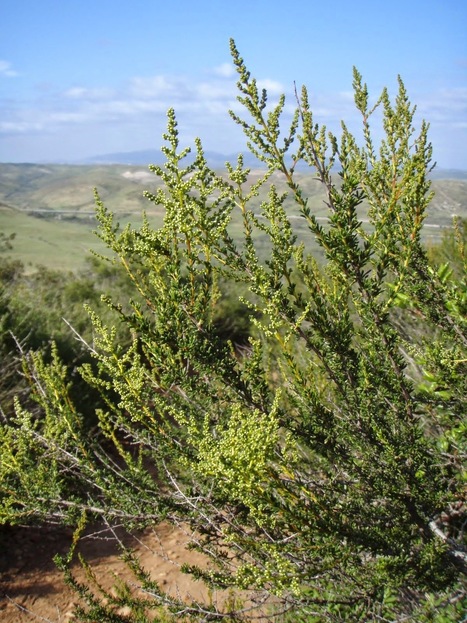
Sorry, I couldn't resist. In most of the text books and literature promoting the wonders of mycorrhizal fungi, both Ecto (EM) & Endo (AM) Mycorrhizae generally are categorized into lists that highlight the main types of plants which both these differing fungi will supposedly ONLYcolonize. The lists are almost a sort of etched in stone scriptural text that cannot be altered without facing some sort of backlash from the established Orthodoxy. Frankly, the Natural World couldn't care less what the research membership club may assume to be the prevailing consensus. Take for example the Chaparral Plant Community. The conventional thinking is that aside from Scrub Oak, Manzanita and a handful of other plants, most shrubs are Endomycorrhizal .
It has been argued that cooperative behavior in the plant-mycorrhizal mutualism resembles trade in a market economy and can be understood using economic tools. Here, we assess the validity of this “biological market” analogy by investigating whether a market mechanism – that is, competition between partners over the price at which they provide goods – could be the outcome of natural selection. Then, we consider the conditions under which this market mechanism is sufficient to maintain mutualistic trade. We find that: (i) as in a market, individuals are favored to divide resources among trading partners in direct relation to the proportion to the resources received, termed linear proportional discrimination; (ii) mutualistic trade is more likely to be favored when individuals are able to interact with more partners of both species, and when there is a greater relative difference between the species in their ability to directly acquire different resources; (iii) if trade is favored, then either one or both species is favored to give up acquiring one resource directly, and vice versa. We then formulate testable predictions as to how environmental changes and co-evolved responses of plants and mycorrhizal fungi will influence plant fitness (crop yields) in agricultural ecosystems.
Nitrogen is one of the most paradoxical elements in the periodic table. Flames are extinguished and animals die in an atmosphere of pure nitrogen - so it was once known as “azote”, Greek for “lifeless”. And yet this colourless, odourless gas, making up 78% of the atmosphere, has a highly explosive nature. For mankind nitrogen is the bringer of life - and death - on an epic scale. Atmospheric nitrogen is N2, a molecule consisting of two nitrogen atoms held together with an incredibly strong “triple bond”, in which the atoms pool six electrons. But split this bond apart and nitrogen’s nature changes dramatically.
Mycorrhizal associations are ubiquitous and form a substantial component of the microbial biomass in forest ecosystems. Some 10,000 species of ectomycorrhizal fungi are currently recognized, some of which are host specific and will only associate with a single tree species, for example, Suillus grevillei with larch. Mycorrhizae are a strong sink for plant C; differences in mycorrhizal anatomy, particularly the presence and extent of emanating hyphae, can affect the amount of plant C allocated to these assemblages and results in qualitative and spatial variations in soil nutrient availability and acquisition. Mycorrhizal morphology affects not only spatial distribution of C in forests, but also differences in the longevity of these diverse structures have important consequences for C sequestration in soil. Through new genomic techniques we are beginning to understand the mechanisms involved in the specificity and selection of ectomycorrhizal associations, though much less is known about arbuscular mycorrhizal associations. In this review we examine evidence for tree species- mycorrhizal specificity, the mechanisms involved (e.g. signal compounds). We also explore what is known about the effects of these associations and interactions with other soil organisms on the quality and quantity of C flow into the mycorrhizosphere (the area under the influence of mycorrhizal root tips), including spatial and seasonal variations. The enormity of the mycorrhizosphere biome in forests and its potential to sequester substantial C belowground points to the vital knowledge gap on the dynamics of the different mycorrhizal functional groups in diverse forests.
The purposes of this study were to evaluate the phosphate solubilization activity of bacteria isolated from the rhizosphere of rice paddy soil in northern Iran, and to study the effect of temperature, NaCl and pH on the growth of these isolates by modeling. Three of the most effective strains from a total of 300 isolates were identified and a phylogenetic analysis was carried out by 16S rDNA sequencing. The isolates were identified as Pantoea ananatis (M36), Rahnellaaquatilis (M100) andEnterobacter sp. (M183). These isolates showed multiple plant growth-promoting attributes such as phosphate solubilization activity and indole-3-acetic acid (IAA) production. The M36, M100 and M183 isolates were able to solubilize 172, 263 and 254 µg ml−1 of Ca3(PO4)2 after 5 days of growth at 28 °C and pH 7.5, and to produce 8.0, 2.0 and 3.0 μg ml−1 of IAA when supplemented with l-tryptophan (1 mg ml−1) for 72 h, at 28 °C and pH 7.0, respectively. The solubilization of insoluble phosphate was associated with a drop in the pH of the culture medium and there was an inverse relationship between pH and solubilized P (r = −0.98, P < 0.0952). There were no significant differences among isolates in terms of acidity tolerance based on their confidence limits as assessed by segmented model analysis and all isolates were able to grow at pH 4.3–11 (with optimum at 7.0–7.5). Based on a sigmoidal trend of a three-parameter logistic model, the salt concentration required for 50 % inhibition was 8.15, 6.30 and 8.23 % NaCl for M36, M100 and M183 isolates, respectively. Moreover, the minimum and maximum growth temperatures estimated by the segmented model were 5.0 and 42.75 °C for M36, 12.76 and 40.32 °C for M100, and 10.63 and 43.66 °C for M183. The three selected isolates could be deployed as inoculants to promote plant growth in an agricultural environment.
Microbial communities in plant roots provide critical links between above and belowground processes in terrestrial ecosystems. Variation in root communities has been attributed to plant host effects and microbial host preferences, as well as to factors pertaining to soil conditions, microbial biogeography and the presence of viable microbial propagules. To address hypotheses regarding the influence of plant host and soil biogeography on root fungal and bacterial communities we designed a trap-plant bioassay experiment. Replicate Populus, Quercus, and Pinus plants were grown in three soils originating from alternate field sites. Fungal and bacterial community profiles in the root of each replicate were assessed through multiplex 454 amplicon sequencing of 4 loci (i.e. 16S, SSU, ITS, LSU rDNA). Soil origin had a larger effect on fungal community composition than did host species, but the opposite was true for bacterial communities. Populus hosted the highest diversity of rhizospheric fungi and bacteria. Root communities on Quercus and Pinus were more similar to each other than to Populus. Overall, fungal root symbionts appear to be more constrained by dispersal and biogeography than by host availability.
Truffles, symbiotic fungi renown for the captivating aroma of their fruiting bodies, are colonized by a complex bacterial community of unknown function. We characterized the bacterial community of the white truffle Tuber borchii and tested the involvement of its microbiome in the production of sulphur-containing volatiles.
We found that sulphur-containing volatiles such as thiophene derivatives, characteristic of T. borchii fruiting bodies, resulted from the biotransformation of non-volatile precursor(s) into volatile compounds by bacteria. The bacterial community of T. borchii was dominated by α- and β-Proteobacteria. Interestingly all bacteria phyla/classes tested in this study were able to produce thiophene volatiles from T. borchii fruiting body extract, irrespectively of their isolation source (truffle or other sources). This indicates that the ability to produce thiophene volatiles might be wide spread among bacteria and possibly linked to primary metabolism. Treatment of fruiting bodies with antibacterial agents fully suppressed the production of thiophene volatiles while fungicides had no inhibitory effect. This suggests that during the sexual stage of truffles, thiophene volatiles are exclusively synthesized by bacteria and not by the truffle. At this stage the origin of thiophenes precursor in T. borchii remains elusive and the involvement of yeasts or other bacteria cannot be excluded.
To get content containing either thought or leadership enter:
To get content containing both thought and leadership enter:
To get content containing the expression thought leadership enter:
You can enter several keywords and you can refine them whenever you want. Our suggestion engine uses more signals but entering a few keywords here will rapidly give you great content to curate.


 Your new post is loading...