Information on the volatiles emitted from young trees of e.g., the Norway spruce (Picea abies) is of high ecological interest, since these compounds organize the interaction of the growing plant with the biotic environment. To collect aerial volatiles induced by below-ground factors, cultivation of Picea seedlings on agar was combined with a newly developed volatile collection chamber to allow the separation of below-ground and aerial parts. The aim of this study was to investigate if below-ground root factors, such as mycorrhization or metal contaminated substrates are able to trigger a systemic volatile response of spruce seedlings. Cesium(I), a major contaminant in industrially polluted soils, was used to exert stress, and response was recorded in combination with ectomycorrhiza by the basidomycete Tricholoma vaccinum. The germination rate and growth show a toxic effect of cesium and a positive effect of the fungus on the roots and plant health. A pronounced volatile emission was observed in mycorrhizal seedlings treated with cesium. Without cesium treatment seedlings did not change their volatile emission depending on mycorrhization. However, if seedlings were treated with cesium, those with mycorrhiza emitted tricyclene, α- and β-pinene, camphene, myrcene, limonene, terpinolene, camphor and bornyl acetate. With the newly established volatile collection separated for above-ground and below-ground parts, abiotic and biotic factors can be evaluated with respect to chemodiversity and ecological interactions.
Microbes in three widespread and evolutionarily stable mutualistic symbioses with plants offer a range of nutritional and other benefits that may be modified or enhanced through selection or genetic manipulation for biotechnological applications. In this review, the biology, ecology, and genetics of arbuscular mycorrhizal fungi partnering with more than 80% of all land plant species; rhizobia bacteria that nodulate legumes and fix atmospheric nitrogen; and Epichloë fungi endophytic on cool-season grasses, are discussed. Research on these symbioses indicates considerable potential to utilize modified or natural microbial strains to stimulate production selectively of desirable compounds in plants or to introduce or over-express genes that can stimulate beneficial effects of the mutualisms on desirable traits in plant hosts, whether in agricultural or more natural ecosystems.
Species in ecological communities build complex webs of interaction. Although revealing the architecture of these networks is fundamental to understanding ecological and evolutionary dynamics in nature, it has been difficult to characterize the structure of most species-rich ecological systems. By overcoming this limitation through next-generation sequencing technology, we herein uncover the network architecture of below-ground plant–fungus symbioses, which are ubiquitous to terrestrial ecosystems. The examined symbiotic network of a temperate forest in Japan includes 33 plant species and 387 functionally and phylogenetically diverse fungal taxa, and the overall network architecture differs fundamentally from that of other ecological networks. In contrast to results for other ecological networks and theoretical predictions for symbiotic networks, the plant–fungus network shows moderate or relatively low levels of interaction specialization and modularity and an unusual pattern of ‘nested’ network architecture. These results suggest that species-rich ecological networks are more architecturally diverse than previously recognized.
Chitin is a fungal microbe-associated molecular pattern (MAMP) that is recognized in Arabidopsis by a lysin motif receptor kinase (LYK), AtCERK1. Previous research suggested that AtCERK1 is the major chitin receptor in plants and mediates chitin-induced signaling through homodimerization and phosphorylation. However, the reported chitin binding affinity of AtCERK1 is quite low, suggesting another receptor with high chitin binding affinity might be present. Here, we propose that AtLYK5 is the primary chitin receptor in Arabidopsis. Mutations in AtLYK5 resulted in a significant reduction in the plant chitin response. However, AtLYK5 shares overlapping function with AtLYK4 and, therefore, only AtLYK4/AtLYK5-2 double mutants show a complete loss of chitin response. AtLYK5 interacts with AtCERK1 in a chitin-dependent manner. Chitin binding to AtLYK5 is indispensable for chitin-induced AtCERK1 phosphorylation. AtLYK5 binds chitin at a higher affinity than AtCERK1. The data suggest that AtLYK5 is the primary receptor for chitin to induce plant immunity.
Des associations de champignons utiles aux plantes cultivées. Exposé de Marc-André Sélosse. Paysages in Marciac, 29 juillet 2014, dans le cadre de la journée...
Glomeromycota have been considered the most ancient group of fungi capable of positively interacting with plants for many years. Recently, other basal fungi, the Endogone Mucoromycotina fungi, have been identified as novel plant symbionts, challenging the paradigm of Glomeromycota as the unique ancestral symbionts of land plants. Glomeromycota are known to host endobacteria and recent evidences show that also some Mucoromycotina contain endobacteria. In order to examine similarities between basal groups of plant-associated fungi, we tested whether Endogone contained endobacteria. Twenty-nine Endogone were investigated in order to identify Mollicutes-related endobacteria (Mre). Fruiting bodies were processed for transmission electron microscopy and molecularly investigated using fungal and Mre-specific primers. We demonstrate that Mre are present inside 13 out of 29 Endogone: endobacteria are directly embedded in the fungal cytoplasm and their 16S rDNA sequences cluster together with the ones retrieved from Glomeromycota, forming, however, a separate new clade. Our findings provide new insights on the evolutionary relations between Glomeromycota, Mucoromycotina and endobacteria, raising new questions on the role of these still enigmatic microbes in the ecology, evolution and diversification of their fungal hosts during the history of plant–fungal symbiosis.
The objective of this symposium is to create a scientific event that is at the forefront of fundamental research in diverse aspects of legume biology.
The meeting will be divided into 5 sessions: 1) Symbiosis; 2) Genomics; 3) Pathogenesis; 4) Physiology and stress responses; 5) Development
The symposium will bring together about 150 participants in a rather informal atmosphere, facilitating exchanges. We also aim at proposing a highly attractive program at a moderate inscription fee to give the opportunity to researchers - in particular those at the early stage of their career – to participate to an exciting top-level scientific event. Young researchers will have the opportunity to present their work with a poster.
Ca2+ is a ubiquitous second messenger for cellular signalling in various stresses and developmental processes. Here, we summarize current developments in the roles of Ca2+ during plant immunity responses. We discuss the early perception events preceding and necessary for triggering cellular Ca2+ fluxes, the potential Ca2+-permeable channels, the decoding of Ca2+ signals predominantly via Ca2+-dependent phosphorylation events and transcriptional reprogramming. To highlight the complexity of the cellular signal network, we briefly touch on the interplay between Ca2+-dependent signalling and selected major signalling mechanisms – with special emphasis on reactive oxygen species at local and systemic levels.
Mycorrhiza helper bacteria (MHB) are known to increase host root colonization by mycorrhizal fungi but the molecular mechanisms and potential tripartite interactions are poorly understood. Through an effort to study Populus microbiome, we isolated 21 Pseudomonas strains from native Populus deltoides roots. These bacterial isolates were characterized and screened for MHB effectiveness on the Populus-Laccaria system. Two additional Pseudomonas strains (i.e., Pf-5 and BBc6R8) from existing collections were included for comparative purposes. We analyzed the effect of co-cultivation of these 23 individual Pseudomonas strains on Laccaria bicolor ‘S238N’ growth rate, mycelial architecture and transcriptional changes. Nineteen of the 23 Pseudomonas strains tested had positive effects on L. bicolor S238N growth, as well as on mycelial architecture, with strains GM41 and GM18 having the most significant effect. Four of seven L. bicolor reporter genes, Tra1, Tectonin2, Gcn5 and Cipc1, thought to be regulated during the interaction with MHB strain BBc6R8, were induced or repressed, while interacting with Pseudomonas strains GM17, GM33, GM41, GM48, Pf-5 and BBc6R8. Strain GM41 promoted the highest roots colonization across three Populus species but most notably in P. deltoides, which is otherwise poorly colonized by L. bicolor. Here we report novel MHB strains isolated from native Populus that improve L. bicolor root colonization on Populus. This tripartite relationship could be exploited for Populus species/genotypes nursery production as a means of improving establishment and survival in marginal lands.
THE Genetics Society of America’s Thomas Hunt Morgan Medal is awarded to an individual GSA member for lifetime achievement in the field of genetics. The 2014 recipient is Frederick Ausubel, whose 40-year career has centered on host–microbe interactions and host innate immunity. He is widely recognized as a key scientist responsible for establishing the modern postrecombinant DNA field of host–microbe interactions using simple nonvertebrate hosts. He has used genetic approaches to conduct pioneering work that spawned six related areas of research: the evolution and regulation of Rhizobiumgenes involved in symbiotic nitrogen fixation; the regulation of Rhizobium genes by two-component regulatory systems involving histidine kinases; the establishment of Arabidopsis thaliana as a worldwide model system; the identification of a large family of plant disease resistance genes; the identification of so-called multi-host bacterial pathogens; and the demonstration that Caenorhabditis elegans has an evolutionarily conserved innate immune system that shares features of both plant and mammalian immunity.
Learn about the interaction between plant roots and arbuscular mycorrhizal fungi. This animation formed part of the display on the Society for General Microbiology exhibit 'The New Green Revolution' at RHS Chelsea Flower Show 2012 which focused on beneficial plant-microbe interactions and their potential to enhance food security.
Tomato plants colonised with the arbuscular mycorrhizal (AM) fungus Glomus fasciculatum show systemic induced resistance to the foliar pathogen Alternaria alternata, as observed in interactions of other AM-colonised plants with a range of pathogens. The role of jasmonic (JA) and salicylic (SA) acid in expression of this mycorrhiza-induced resistance (MIR) against A. alternata was studied by measuring: (i) activity of enzymes reported to be involved in their biosynthesis, namely lipoxygenase (LOX) and phenylammonia lyase (PAL); and (ii) levels of methyl jasmonate (MeJA) and SA. Transcript abundance of some defence genes associated with JA and SA response pathways were also studied. Both LOX and PAL activity increased twofold in response to pathogen application to control plants. AM-colonised plants had three-fold higher LOX activity compared to control plants, but unlike controls, this did not increase further in response to pathogen application. Higher LOX activity in AM-colonised plants correlated with four-fold higher MeJA in leaves of AM-colonised plants compared to controls. Treatment of plants with the JA biosynthesis inhibitor salicylhydroxamic acid (SHAM) led to 50% lower MeJA in both control and AM-colonised plants and correlated with increased susceptibility to A. alternata, suggesting a causal role for JA in expression of MIR against the pathogen. Genes involved in JA biosynthesis (OPR3) and response (COI1) showed six- and 42-fold higher expression, respectively, in leaves of AM-colonised plants compared to controls. AM-colonised plants also showed increased expression of the SA response gene PR1 and that of the wound-inducible polypeptide prosystemin. Our results suggest that the systemic increase in JA in response to AM colonisation plays a key role in expression of MIR against A. alternata.
Sixteen bacterial strains were isolated from root nodules of Vavilovia formosa plants originated from the North Ossetian State Natural Reserve (Caucasus, Russia). Phylogenetic analysis of these strains was performed using partial 16S rRNA gene and internally transcribed spacer (ITS) sequences. The results showed that the isolates belong to three families of root nodule bacteria. Twelve of them were related to the genus Rhizobium (family Rhizobiaceae) but four strains can be most probably identified as Phyllobacterium-related (family Phyllobacteriaceae), Bosea- and Rhodopseudomonas-related (family Bradyrhizobiaceae). Amplified fragment length polymorphism clustering was congruent with ITS phylogeny but displayed more variability for Rhizobium isolates, which formed a single group at the level of 30 % similarity. We expect that the isolates obtained can belong to new taxa at genus, species or subspecies levels. The results of PCR amplification of the nodulation genes nodC and nodX showed their presence in all Rhizobium isolates and one Rhodopseudomonas-related isolate. The nodC gene sequences of V. formosa isolates were closely related to those of the species Rhizobium leguminosarum bv. viciae but formed separate clusters and did not intermingle with any reference strains. The presence of the nodX gene, which is necessary for nodulation of Afghan peas (Pisum sativum L.) originated from the Middle East, allows the speculation that these wild-type pea cultivars may be the closest existing relatives of V. formosa. Thus, the studies of genetic diversity and symbiotic genes of V. formosa microsymbionts provide the primary information about their phylogeny and contribute to the conservation of this relict leguminous species.
raditional explorations of interspecific interactions have generated extensive bodies of theory on mutualism and disease independently, but few studies have considered the interaction between them. We developed a model exploring the interactions among a fungal mutualist, a viral pathogen, and their shared plant host. Both microbes were assumed to alter the uptake and use of nutrients by the plant. We found that the productivity of the system and the strength of the plant–fungal mutualism influenced community dynamics. In particular, at low productivity, the pathogen may depend on the presence of the fungal mutualist for persistence. Furthermore, under some conditions, both the productivity of the system and the strength of the plant–fungal mutualism may simultaneously cause the mutualist to go extinct. We note the presence of cyclic plant–pathogen population dynamics only in the presence of the mutualist. As found in other models of consumer–resource interactions, cyclic dynamics were driven by high productivity, but, in contrast to simpler systems, high pathogen effectiveness did not consistently lead to cyclic dynamics. In total, association with mutualists can alter host–pathogen interactions, and the reverse is also true in that pathogens may alter host–mutualist interactions.
Nitrogen fixation evolved very early in the history of life, but the blue-green algae, known to most of us as pond scum, combined nitrogen fixation with oxygen-producing photosynthesis sometime around 2.7-3 billion years ago. Is so doing, they became world changers 1.0. Blue-green algae proliferated across the open ocean, using the sun’s energy they captured so efficiently to fix the nitrogen they needed. At first, it didn’t matter that they were dumping their waste product, oxygen, intothe environment. But exploiting new sources of energy and food can come with unintended consequences.
Soil phosphate represents the only source of phosphorus for plants and consequently its entry into the trophic chain. This major component of nucleic acids, phospholipids and the energy currency of the cell (ATP) can limit plant growth due to its low mobility in soil. As a result, root responses to low phosphate favour the exploration of the shallower part of the soil, where phosphate tends to be more abundant, a strategy described as “topsoil foraging”. We will review the diverse developmental strategies that can be observed amongst plants by detailing the effect of phosphate deficiency on primary and lateral roots. We also discuss the formation of cluster roots: an advanced adaptive strategy to cope with low phosphate availability observed in a limited number of species. Finally, we will put this work into perspective for future research directions.
The history and evolution of mycorrhizal fungal associations with plants. This video is part of the Society for General Microbiology's 'The New Green Revolut...
Thanks Michelle for this great movie.. It is pretty hilarious to see that she is walking by a field of mustard because these plants do not form AM associations!
The need of sustainable agriculture is universal and way to achieving it has been defined through intensive empirical research. Several indicators for the sustainability of agricultural systems have also been developed. Use of synthetic fertilizers and their effects on crop production, soil health, environmental quality, biodiversity conservation and self-reliance of farming system have been discussed in the context of agricultural sustainability. Degradation of soil fertility due to use of synthetic agro-inputs is considered as one of the most important factors affecting sustainability of agricultural systems. Presence of soil organic matter and soil microbial population are primarily useful indicators of soil health and productivity of both crops and livestock. A long-term integrated approach will be an appropriate solution for standardizing fertility management in organic farming considering the complex interactions among different components of this system. A comprehensive and systematic review on different qualitative and quantitative changes of soil health parameters for improved nutrient management supports these observations.
The interaction between plants and the surrounding environment has been widely studied, specially the defence reactions and the plant–plant interactions. One of the most remarkable metabolic features of plant roots is the ability to secrete a vast array of compounds into the rhizosphere, not only of low molecular weight but also polysaccharides and proteins. Here, we took advantage of proteomics to study the rhizoid exudates of Physcomitrella patens at early and late development stages (7 and 28 days of culture in liquid medium). Samples were extracted, separated and detected with nanoLC-MALDI-TOF/TOF MS/MS, identifying 47 proteins at the development stage of 7 days, and 66 proteins at 28 days. Moreover, 21 proteins were common to the two analyzed periods. All the identified proteins were classified into 8 functional categories: response to stress, response to stimulus, oxido-reduction, cell wall modification, photosynthesis and carbohydrate metabolism, transport, DNA metabolic process and regulation/signalling. Our results show important differences in the protein expression profile along the development of P. patens, mainly at the level of regulation- and senescence-related proteins. Defence-related proteins, such as chitinases, thaumatins and peroxidases have a major role in the interaction of P. patens with the environment.
Two major types of Frankia strains are usually recognized, based on the ability to sporulate in-planta: Spore-positive (Sp+) and Spore-negative (Sp-). We carried out a study of Sp+ and Sp- Frankia strains based on nodules collected on Alnus glutinosa, A. incana and A. viridis. The nodules were phenotyped using improved histology methods and endophytic Frankia strain genotype was determined using a multilocus sequence analysis (MLSA) approach. An additional sampling was done to assess the relation between Sp+ phenotype frequency and genetic diversity of Frankia strains at the alder stand scale. Our results revealed that (i) Sp+ and Sp- Alnus-infective Frankia strains are genetically different even when sampled from the same alder stand and the same host-plant species (ii) there are at least two distinct phylogenetic lineages of Sp+ Frankia that cluster according to the host-plant species and without regard of geographic distance and (iii) genetic diversity of Sp+ strains is very low at the alder stand scale compared with Sp- strains. Difference in evolutionary history and genetic diversity between Sp+ and Sp- Frankia allows us to discuss the possible ecological role of in-planta sporulation.
Next-generation sequencing technologies with markers covering the full Glomeromycota phylum were used to uncover phylogenetic community structure of arbuscular mycorrhizal fungi (AMF) associated with Festuca brevipila. The study system was a semi-arid grassland with high plant diversity and a steep environmental gradient in pH, C, N, P and soil water content. The AMF community in roots and rhizosphere soil were analyzed separately and consisted of 74 distinct operational taxonomic units (OTUs) in total. Community-level variance partitioning showed that the role of environmental factors in determining AM species composition was marginal when controlling for spatial autocorrelation at multiple scales. Instead, phylogenetic distance and spatial distance were major correlates of AMF communities: OTUs that were more closely related (and which therefore may have similar traits) were more likely to co-occur. This pattern was insensitive to phylogenetic sampling breadth. Given the minor effects of the environment, we propose that at small scales closely related AMF positively associate through biotic factors such as plant-AMF filtering and interactions within the soil biota.
According to recent research bacteria contribute as recurrent associates to the lichen symbiosis. Yet, the variation of the microbiomes within species and across geographically separated populations remained largely elusive. As a quite common dispersal mode, lichens evolved vertical transmission of both fungal and algal partners in specifically designed mitotic propagules. Bacteria, if co-transmitted with these symbiotic propagules, could contribute to a geographical structure of lichen associated microbiomes.
The lung lichen was sampled from three localities in eastern Austria to analyze their associated bacterial communities by bar-coded pyrosequencing, network analysis and fluorescence in situ hybridization. For the first time, bacteria were documented to colonize symbiotic propagules of lichens developed for short distance transmission of the symbionts. The propagules share the overall bacterial community structure with the thalli at class level except for filamentous cyanobacteria (Nostocophycideae), and with Alphaproteobacteria as predominant group. All three sampling sites share a core fraction of the microbiome. Bacterial communities of lichen thalli from the same sampling site showed higher similarity than those of distant populations. This variation and the potential co-dispersal of a microbiome fraction with structures of the host organism contribute new aspects to the “everything is everywhere” hypothesis.
To get content containing either thought or leadership enter:
To get content containing both thought and leadership enter:
To get content containing the expression thought leadership enter:
You can enter several keywords and you can refine them whenever you want. Our suggestion engine uses more signals but entering a few keywords here will rapidly give you great content to curate.


 Your new post is loading...


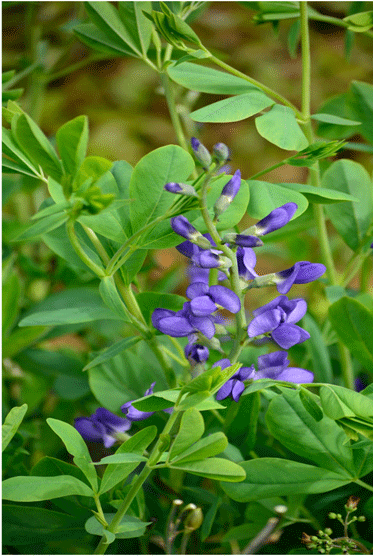







We should look more carefully at such volatile compounds in general...