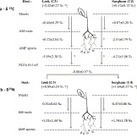
Little is known about the response of arbuscular mycorrhizal fungal communities to ecosystem development. We use a long-term soil chronosequence that includes ecosystem progression and retrogression to quantify the importance of host plant identity as a factor driving fungal community composition during ecosystem development. We identified arbuscular mycorrhizal fungi and plant species from 50 individual roots from each of 10 sites spanning 5–120 000 yr of ecosystem age using terminal restriction fragment length polymorphism (T-RFLP), Sanger sequencing and pyrosequencing. Arbuscular mycorrhizal fungal communities were highly structured by ecosystem age. There was strong niche differentiation, with different groups of operational taxonomic units (OTUs) being characteristic of early succession, ecosystem progression and ecosystem retrogression. Fungal alpha diversity decreased with ecosystem age, whereas beta diversity was high at early stages and lower in subsequent stages. A total of 39% of the variance in fungal communities was explained by host plant and site age, 29% of which was attributed to host and the interaction between host and site (24% and 5%, respectively). The strong response of arbuscular mycorrhizal fungi to ecosystem development appears to be largely driven by plant host identity, supporting the concept that plant and fungal communities are tightly coupled rather than independently responding to habitat.
Ecologists have long acknowledged the importance of seed banks; yet, despite the fact that many plants rely on mycorrhizal fungi for survival and growth, the structure of ectomycorrhizal (ECM) fungal spore banks remains poorly understood. The primary goal of this study was to assess the geographic structure in pine-associated ECM fungal spore banks across the North American continent. Soils were collected from 19 plots in forests across North America. Fresh soils were pyrosequenced for fungal internal transcribed spacer (ITS) amplicons. Adjacent soil cores were dried and bioassayed with pine seedlings, and colonized roots were pyrosequenced to detect resistant propagules of ECM fungi. The results showed that ECM spore banks correlated strongly with biogeographic location, but not with the identity of congeneric plant hosts. Minimal community overlap was found between resident ECM fungi vs those in spore banks, and spore bank assemblages were relatively simple and dominated by Rhizopogon, Wilcoxina, Cenococcum, Thelephora, Tuber, Laccaria and Suillus. Similar to plant seed banks, ECM fungal spore banks are, in general, depauperate, and represent a small and rare subset of the mature forest soil fungal community. Yet, they may be extremely important in fungal colonization after large-scale disturbances such as clear cuts and forest fires.
Symbioses are modeled as evolutionarily and ecologically variable with fitness outcomes for hosts shifting on a continuum from mutualism to parasitism. In a classic example, rhizobia fix atmospheric nitrogen for legume hosts in exchange for photosynthetic carbon. Rhizobial infection often enhances legume growth, but hosts also incur interaction costs because of root tissues and or metabolites needed to support symbionts in planta. Rhizobia exhibit genetic variation in symbiotic effectiveness, and ecological changes in light or mineral nitrogen availability can also alter the benefits of rhizobial infection for hosts. The net effects of symbiosis thus can range from mutualistic to parasitic in a context dependent manner. We tested the extent of the mutualism-parasitism continuum in the legume-rhizobium symbiosis and the degree to which host investment can shape its limits. We infected Lotus strigosus with sympatric Bradyrhizobium genotypes that vary in symbiotic effectiveness. Inoculations occurred under different mineral nitrogen and light regimes spanning ecologically relevant ranges. Net growth benefits of Bradyrhizobium infection varied for Lotus and were reduced or eliminated dependent on Bradyrhizobium genotype, mineral nitrogen, and light availability. But we did not detect parasitism. Lotus proportionally reduced investment in Bradyrhizobium as net benefit from infection decreased. Lotus control occurred primarily after infection, via fine-scale modulation of nodule growth, as opposed to control over initial nodulation. Our results show how divestment of symbiosis by Lotus can prevent shifts to parasitism.
Main conclusion The research demonstrated that Arabidopsis can be used as a model system for studying plant–nematode–endophyte tripartite interactions; thus, opening new possibilities for further characterizing the molecular mechanisms behind these interactions. Arabidopsis has been established as an important model system for studying plant biology and plant–microbe interactions. We show that this plant can also be used for studying the tripartite interactions among plants, the root-knot nematode Meloidogyne incognita and a beneficial endophytic isolate of Fusarium oxysporum, strain Fo162. In various plant species, Fo162 can systemically reduce M. incognita infection development and fecundity. Here it is shown that Fo162 can also colonize A. thaliana roots without causing disease symptoms, thus behaving as a typical endophyte. As observed for other plants, this endophyte could not migrate from the roots into the shoots and leaves. Direct inoculation of the leaves also did not result in colonization of the plant. A significant increase in plant fresh weight, root length and average root diameter was observed, suggesting the promotion of plant growth by the endophyte. The inoculation of A. thaliana with F. oxysporum strain Fo162 also resulted in a significant reduction in the number of M. incognita juveniles infecting the roots and ultimately the number of galls produced. This was also observed in a split-root experiment, in which the endophyte and nematode were spatially separated. The usefulness of Arabidopsis opens new possibilities for further dissecting complex tripartite interactions at the molecular and biochemical level.
Phosphorus (P) is the second important key element after nitrogen as a mineral nutrient for crop production. An adequate supply of P during early phases of plant development is essential for the root establishment and growth as well as for laying down the primordia of plant reproductive parts. Although abundant in soils in both organic and inorganic forms, P is the least available to plants due to its high fixation in most soil conditions and slow diffusion. Therefore, P can be a major limiting nutrient for plant growth on many soils across the world. Agricultural productivity will be lower without P, and consequently less food will be produced per unit area of land, especially in the least developed and developing countries where access to P fertilizers are restricted due to the rising costs of P fertilizer. Therefore, P is essential for the intensive agricultural production systems and thus contributes significantly to the present and future global food production and security. P is usually added to soil as chemical P fertilizer to satisfy the nutritional requirements of crop; however, plants can use only a small amount of this P since 75–90 % of added P is precipitated by metal–cation complexes and rapidly becomes fixed in soils. There is an increasing concern about the sustainability of P in agricultural production systems largely due to shortage of inorganic P fertilizer resources and environmental effects of agricultural P use beyond the field in the form of eutrophication. Such environmental concerns have led to the search for sustainable way of P nutrition of crops. Enhancing the efficiency of P in plants can be obtained through improving P acquisition by plants from the soil, internal plant utilization, or both. Hence, this review mainly focuses on three aspects: (1) we provide a brief overview on the holistic understanding of P dynamics in soil, (2) we discuss the role of microorganisms in increasing the availability of P to plants, and (3) we speculate on sustainable management strategies to enhance P use efficiency (PUE) in modern agriculture. Sustainable response strategies are required to improve PUE and recovery in order to cover the losses from the entire food production and consumption chain. An integrated strategy rather than a single strategy should be employed to enhance PUE and to recover unavoidable P losses.
Microbes are the key components of soil nutrient cycling. Status of soil health and richness of soil nutrient pool depend on structure and functions of soil microbial community. Microbes play an important role in nutrient mobilisation and uptake. They promote plant growth and suppress disease by their various activities. Phosphate and sulphate solubilisation, plant growth promotion, siderophore production, nitrogen fixation, denitrification, immune modulation, signal transduction and pathogen control are some of the well-recognised microbial mediated processes which promote the plant growth and protect them from pests. Current chapter starts with a brief introduction of plant nutrients and their classification and mechanisms of nutrient uptake by the plants. After that we discussed the importance of microbes in plant nutrient uptake and mobilisation. In addition, importance of different classes of microorganisms (fungi, bacteria, cyanobacteria) in plant nutrition and health has been discussed in detail under different sections. In the end we conclude the role of microorganisms in sustainable agriculture and environment and suggested for the promotion and use of microbial-based formulations instead of chemical fertilisers. We also emphasised on cultivation and preservation of agriculturally and environmentally important but not yet cultured organisms for sustainable development in agriculture and environment.
Cet article met en lumière l'importance cruciale des microbes dans le cycle des nutriments du sol et leur rôle dans la santé des plantes. Il souligne que la richesse des nutriments du sol est étroitement liée à la structure et aux fonctions des communautés microbiennes. Les microbes, à travers divers processus tels que la solubilisation des phosphates et des sulfates, la fixation de l'azote et la production de sidérophores, non seulement favorisent la croissance des plantes, mais les protègent également contre les maladies et les ravageurs. L'article aborde également la classification des nutriments et les mécanismes d'absorption par les plantes, tout en détaillant le rôle spécifique des différentes classes de microorganismes, y compris les champignons, les bactéries et les cyanobactéries. En conclusion, il plaide pour une agriculture durable en recommandant l'utilisation de formulations microbiennes plutôt que d'engrais chimiques, tout en soulignant l'importance de cultiver et de préserver des organismes encore non cultivés qui pourraient être bénéfiques pour l'agriculture et l'environnement. Cette approche vise à promouvoir un développement durable dans ces domaines.
In natural settings such as under field conditions, the plant-available soil nutrients in conjunction with other environmental factors such as solar radiation, temperature, precipitation, and atmospheric carbon dioxide (CO2) concentration determine crop adaptation and productivity. Therefore, crop success depends on the intricate balance among these multiple environmental factors. Plant nutrients are the major constraint for crop productivity worldwide because it must be supplied externally to achieve maximum production. The depleting natural resources of mineral nutrients in addition to the global changes in climate caused by the emission of green house gases including CO2 are among the major concerns of crop production and food security. Moreover, crop demand for nutrients has been increased due to use of modern cultivars and improved irrigation facilities and is expected to be even higher under elevated CO2. Soil microorganisms including arbuscular mycorrhizal (AM) fungi partly enhance crop nutrient availability and acquisition in many soil types through symbiotic or non-symbiotic relationships. Atmospheric CO2 concentration is expected to be doubled from its current level of 400 μmol mol−1 at the end of this twenty-first century. Elevated CO2 increases growth and yield of many crops upon which humans depend for food and clothing. However, plant nutrient availability exerts major control on the degree of stimulation by elevated CO2 on crop growth and yield. One of the objectives of this chapter is to provide a summary of crop responses to plant nutrients mainly nitrogen, phosphorus, and potassium and underline in part the dynamics of soil microorganisms including AM fungi in the nutrient accessibility under current and elevated CO2 concentrations. Regardless of the CO2 levels, nutrient deficiencies negatively affect crop photosynthesis, growth and biomass production, yield, and yield quality. Elevated CO2 tends to compensate, at least partly, for the losses caused by nutrient deficiency especially by increasing plant growth due to improved efficiency of nutrient acquisition and utilization. However, crop species, deficiency of the specific nutrient, and its severity greatly influence the nutrient efficiency in crop plants. The critical tissue nutrient concentration required to achieve 90 % of maximum productivity of some plant nutrients is likely to be higher at elevated CO2. Another objective of this chapter is to discuss the influence of crop species, soil nutrient status, and elevated CO2 on the dynamics of nutrient uptake and utilization efficiency and resultant tissue nutrient concentration. Future research methods utilizing the combined effect of plant nutrient status and elevated CO2 on crops will improve our understanding of the complex relationships among various plant processes leading to efficient use of nutrient under field conditions.
The ability to take up mineral nutrients, particularly nitrogen and phosphorus, is generally the major limitation to plant growth. Because of this farmers apply nitrogen and phosphorus through fertiliser application to promote crop growth. Sustained yields are dependent on this fertiliser application, but it comes at a high price, both in the cost of the fertiliser and the environmental damage that results from its use. A number of plant species have evolved beneficial interactions with micro-organisms that facilitate the uptake of these nutrients. Legumes form symbiotic interactions with mycorrhizal fungi that facilitate phosphate uptake and with rhizobial bacteria that provide the plant with a source of nitrogen. The establishment of these symbioses involves a molecular communication between the plant and the symbiotic micro-organisms in the soil. Mycorrhizal fungi and rhizobial bacteria release signals that are recognised by the host plant and lead to developmental changes associated with the accommodation of the symbionts. Genetic dissection in the legume Medicago truncatula has defined the signalling pathways involved in these symbioses. A number of the genes required for the mycorrhizal interaction are also necessary for the rhizobial interaction, indicating a conserved symbiosis signalling pathway. This implies that the evolution of nodulation involved the recruitment of a signalling pathway already functioning in mycorrhizal signalling. This signalling pathway is present in most plant species, including cereals suggesting that engineering the perception of rhizobial bacteria in cereals is simplified and requires an understanding of the legume specific components that activate and are activated by the common symbiosis signalling pathway. We are in the process of engineering this signalling pathway in cereals to promote the recognition of rhizobial bacteria as the first step in engineering biological nitrogen fixation into cereal crops.
A plethora of microbial cells is present in every gram of soil, and microbes are found extensively in plant and animal tissues. The mechanisms governed by microorganisms in the regulation of physiological processes of their hosts have been extensively studied in the light of recent findings on microbiomes. In plants, the components of these microbiomes may form distinct communities, such as those inhabiting the plant rhizosphere, the endosphere and the phyllosphere. In each of these niches, the "microbial tissue" is established by, and responds to, specific selective pressures. Although there is no clear picture of the overall role of the plant microbiome, there is substantial evidence that these communities are involved in disease control, enhance nutrient acquisition, and affect stress tolerance. In this review, we first summarize features of microbial communities that compose the plant microbiome and further present a series of studies describing the underpinning factors that shape the phylogenetic and functional plant-associated communities. We advocate the idea that understanding the mechanisms by which plants select and interact with their microbiomes may have a direct effect on plant development and health, and further lead to the establishment of novel microbiome-driven strategies, that can cope with the development of a more sustainable agriculture.
Background Species belonging to the Rhizobiales are intriguing and extensively researched for including both bacteria with the ability to fix nitrogen when in symbiosis with leguminous plants and pathogenic bacteria to animals and plants. Similarities between the strategies adopted by pathogenic and symbiotic Rhizobiales have been described, as well as high variability related to events of horizontal gene transfer. Although it is well known that chromosomal rearrangements, mutations and horizontal gene transfer influence the dynamics of bacterial genomes, in Rhizobiales, the scenario that determine pathogenic or symbiotic lifestyle are not clear and there are very few studies of comparative genomic between these classes of prokaryotic microorganisms trying to delineate the evolutionary characterization of symbiosis and pathogenesis.
Results Non-symbiotic nitrogen-fixing bacteria and bacteria involved in bioremediation closer to symbionts and pathogens in study may assist in the origin and ancestry genes and the gene flow occurring in Rhizobiales. The genomic comparisons of 19 species of Rhizobiales, including nitrogen-fixing, bioremediators and pathogens resulted in 33 common clusters to biological nitrogen fixation and pathogenesis, 15 clusters exclusive to all nitrogen-fixing bacteria and bacteria involved in bioremediation, 13 clusters found in only some nitrogen-fixing and bioremediation bacteria, 01 cluster exclusive to some symbionts, and 01 cluster found only in some pathogens analyzed. In BBH performed to all strains studied, 77 common genes were obtained, 17 of which were related to biological nitrogen fixation and pathogenesis. Phylogenetic reconstructions for Fix, Nif, Nod, Vir, and Trb showed possible horizontal gene transfer events, grouping species of different phenotypes.
Conclusions The presence of symbiotic and virulence genes in both pathogens and symbionts does not seem to be the only determinant factor for lifestyle evolution in these microorganisms, although they may act in common stages of host infection. The phylogenetic analysis for many distinct operons involved in these processes emphasizes the relevance of horizontal gene transfer events in the symbiotic and pathogenic similarity.
Interactions between soil microbes, the physical soil environment and vegetation will determine the magnitude of the terrestrial carbon sink under climate change.
Little is known about the response of arbuscular mycorrhizal fungal communities to ecosystem development. We use a long-term soil chronosequence that includes ecosystem progression and retrogression to quantify the importance of host plant identity as a factor driving fungal community composition during ecosystem development. We identified arbuscular mycorrhizal fungi and plant species from 50 individual roots from each of 10 sites spanning 5–120 000 yr of ecosystem age using terminal restriction fragment length polymorphism (T-RFLP), Sanger sequencing and pyrosequencing. Arbuscular mycorrhizal fungal communities were highly structured by ecosystem age. There was strong niche differentiation, with different groups of operational taxonomic units (OTUs) being characteristic of early succession, ecosystem progression and ecosystem retrogression. Fungal alpha diversity decreased with ecosystem age, whereas beta diversity was high at early stages and lower in subsequent stages. A total of 39% of the variance in fungal communities was explained by host plant and site age, 29% of which was attributed to host and the interaction between host and site (24% and 5%, respectively). The strong response of arbuscular mycorrhizal fungi to ecosystem development appears to be largely driven by plant host identity, supporting the concept that plant and fungal communities are tightly coupled rather than independently responding to habitat.
I’m really interested in scale. The world we live in is full of things that are doing things, sometimes to other things, and how we see those things (doing things to things) depends fundamentally on how close we are to them. Take soil as an example: from about 170 cm up, it looks brown, reasonably inert, and good for growing plants in. However, assume that you’re about a thousand times smaller, and the soil becomes a much more interesting, and probably quite frightening, place. Everywhere you look, there are mites, larvae, worms, beetles, and sticky white chords, clinging to vast, pipe-like plant roots. And it’s those strange, white chords that are the topic of today’s #psejclub paper.
This paper, by Colin Averill and colleagues, came out as a Letter in Nature almost two weeks ago. It immediately excited me, as the title suggests that in this paper, the authors are revealing the mechanism through which mycorrhizal fungi increase soil carbon storage. Groundbreaking!
I started to read. What the authors did in this paper was compose a global dataset, consisting of observations of soil organic C, N, and clay content (to a depth of one meter) across a range of vegetation types and biomes. They then assigned values of mean annual temperature (MAT), mean annual precipitation (MAP), and net primary productivity (NPP) to each site, using previously published climate interpolations and satellite-based observations. Finally, they assigned a mycorrhizal status to each of the vegetation types, which could be either arbuscular (AM) or ericoid and ecto-mycorrhizal (EEM).
Whether you are ready to start your very first garden or want to revitalize your existing garden, the important thing to remember is that a healthy garden requires life. But what is it that separates a thriving, healthy garden that can support fruit and vegetable production from one that cannot? The answer is in the soil. As soil transitions from being impoverished to being enriched, many living entities will form complex ecosystems that occur right beneath our feet.
atural 13C and 15N abundances of mycorrhizal fungi are increasingly used in ecology but reference data on arbuscular mycorrhizal fungi (AMF) are scarce. In experiments with nine phylogenetically dispersed AMF strains inoculated on leek (C3 plant) and sorghum (C4) in pot cultures, we measured the 13C/12C and 15N/14N ratios in shoots, roots, AMF spores as well as carbon isotope signature of the C16:1ω5 fatty acid (FA), which is diagnostic for AMF. Spore δ13C values varied among AMF strains on any given host. They were significantly lower than shoot δ13C for sorghum (−2.5‰ on average) while for leek, no clear C isotope partitioning between spores and host shoots was observed. The FA C16:1ω5 fatty acids were more 13C-depleted than spores, without correlation with spore δ13C values. For both, sorghum and leek, spore δ15N was higher (+1–2‰ on average) than for shoots. We found no evidence that isotopic partitioning between the partners drives 13C and 15N abundances in plant–AMF symbiosis. Mycorrhizal roots displayed relatively high δ13C typical for heterotrophic organs, and not a mix between AMF and plant signatures. Interestingly, inoculation slightly decreased shoot δ13C on leek but not on sorghum, as compared with non-mycorrhizal plants, suggesting that AMF improved the plant's water status, a parameter affecting the δ13C of C3 but not C4 plants. Phylogenetically closer AMF displayed more similar spore δ13C and induced similar 13C and 15N abundances on leek shoots, but this observation was not confirmed for sorghum. Plant and AMF isotopic abundances hardly correlated with other parameters related to plant development, mineral nutrition or root mycorrhizal colonisation, and these correlations were never consistent between sorghum and leek. Thus, isotopic abundances in plant–AMF symbiosis were rather constrained by each AMF/plant interaction. Nevertheless, our data provide a valuable reference for future investigations of AMF communities and AM symbiosis in situ.
Similar to the human gut are plants and in particular plant roots tightly associated with complex microbial communities. Microbiomes of both, gut and plants, are known for their importance for the host's nutrient uptake, protection against pathogens and abiotic stress as well as for providing metabolic capacities (Sekirov et al., 2010; Mitter et al., 2013; Ramírez-Puebla et al., 2013). The plant microbiome has been further suggested as an extension of the host phenotype (Aleklett and Hart, 2013). Plant–microbe interactions are highly specific with plant microbiota being driven by the host genotype and physiology (e.g. root exudates and metabolites) as well as environmental factors (Rasche et al., 2006; Lundberg et al., 2012). Few examples of beneficial plant–microbe interactions are well investigated and explored in regard to their importance in agricultural systems. These include biological nitrogen fixation by rhizobia, which establish a symbiosis with legumes and represent the basis of crop rotations including legumes contributing to the maintenance of soil fertility. Furthermore, about 80% of land plant species are internally colonized by arbuscular mycorrhizal fungi. In this symbiosis, arbuscules and vesicles are formed from the hyphae being particularly important for plant nutrient acquisition. In addition, the more specialized symbiotic defensive mutualism between Pööideae grasses and endophytic fungi of the Epichloë is well explored (Clay, 1988) and important for pasture production. Apart from these well-known mutualistic plant–microbe interactions, beneficial microorganisms have been hardly considered in crop production strategies. However, considering the demonstrated functional importance of the plant microbiome, the effects that can be observed upon the inoculation of selected microorganisms and the fact that plants and microorganisms carry genetic determinants needed for their interaction, we predict that plant microbiome functions will be an essential component of tomorrow's crop production.
Seeds are the crucial input in agriculture as most of the world food crops are grown from seeds and they are circulated at large scale in international trade. However, many plant pathogens can be seed transmitted, and seed distribution is an extremely capable way of introducing plant pathogens into fresh areas as well as a means of endurance of the pathogen between growing seasons. In past decades, chemicals are widely used for seed treatment as a potent approach towards disease control; however, rising concern about their negative impact on the environment and human health minimizes their use and promotes biological control for plant pathogens. Biopriming is a currently popular approach of seed treatment which includes inoculation of seed with beneficial microorganisms (biological aspect) and seed hydration (physiological aspect) to protect the seed from various seed- and soilborne diseases. Biopriming treatment is able to incite changes in plant characteristics and facilitate uniform seed germination and growth associated with microorganism inoculation. Seed priming and osmo-priming are commonly being used in many horticultural crops to amplify the growth and uniformity of germination. However, it may be used alone or in combination with biocontrol agents to advance the rate of seed emergence and minimize soilborne diseases. On the other hand, some biocontrol agents are used as seed dressers and are able to colonize the rhizosphere, helping seeds to resist various abiotic stresses such as salinity, drought, low fertility and heavy metal stress, etc. Therefore, biopriming is becoming a viable alternative for inorganic chemicals.
Land-use changes and forest fragmentation have strong impact on biodiversity. However, little is known about the influence of new landscape configurations on arbuscular mycorrhizal fungal (AMF) community composition. We used 454 pyrosequencing to assess AMF diversity in plant roots from a fragmented forest. We detected 59 virtual taxa (VT; phylogenetically defined operational taxonomic units) of AMF – including 10 new VT – in the roots of Euphorbia acerensis. AMF communities were mainly composed of members of family Glomeraceae and were similar throughout the fragmented landscape, despite variation in forest fragment size (i.e. small, medium and large) and isolation (i.e. varying pairwise distances). AMF communities in forest fragments were phylogenetically clustered compared with the global, but not regional and local AMF taxon pools. This indicates that non-random community assembly processes possibly related to dispersal limitation at a large scale, rather than habitat filtering or biotic interactions, may be important in structuring the AMF communities. In this system, forest fragmentation did not appear to influence AMF community composition in the roots of the ruderal plant. Whether this is true for AMF communities in soil and the roots of other ecological groups of host plants or in other habitats deserves further study
MicroRNAs are noncoding RNAs that act as master regulators to modulate various biological processes by posttranscriptionally repressing their target genes. Repression of their target mRNA(s) can modulate signaling cascades and subsequent cellular events. Recently, a role for miR172 in soybean (Glycine max) nodulation has been described; however, the molecular mechanism through which miR172 acts to regulate nodulation has yet to be explored. Here, we demonstrate that soybean miR172c modulates both rhizobium infection and nodule organogenesis. miR172c was induced in soybean roots inoculated with either compatible Bradyrhizobium japonicum or lipooligosaccharide Nod factor and was highly upregulated during nodule development. Reduced activity and overexpression of miR172c caused dramatic changes in nodule initiation and nodule number. We show that soybean miR172c regulates nodule formation by repressing its target gene, Nodule Number Control1, which encodes a protein that directly targets the promoter of the early nodulin gene, ENOD40. Interestingly, transcriptional levels of miR172c were regulated by both Nod Factor Receptor1α/5α-mediated activation and by autoregulation of nodulation-mediated inhibition. Thus, we established a direct link between miR172c and the Nod factor signaling pathway in addition to adding a new layer to the precise nodulation regulation mechanism of soybean.
To get content containing either thought or leadership enter:
To get content containing both thought and leadership enter:
To get content containing the expression thought leadership enter:
You can enter several keywords and you can refine them whenever you want. Our suggestion engine uses more signals but entering a few keywords here will rapidly give you great content to curate.


 Your new post is loading...