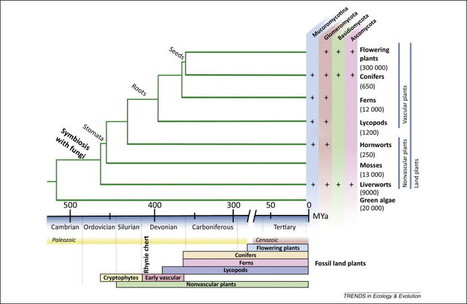
The domination of the landmasses of Earth by plants starting during the Ordovician Period drastically altered the development of the biosphere and the composition of the atmosphere, with far-reaching consequences for all life ever since. It is widely thought that symbiotic soil fungi facilitated the colonization of the terrestrial environment by plants. However, recent discoveries in molecular ecology, physiology, cytology, and paleontology have brought into question the hitherto-assumed identity and biology of the fungi engaged in symbiosis with the earliest-diverging lineages of extant land plants. Here, we reconsider the existing paradigm and show that the symbiotic options available to the first plants emerging onto the land were more varied than previously thought.
In microbes that fix nitrogen, nitrogenase catalyzes the conversion of N2 to ammonia in an ATP-demanding reaction. To help conserve energy some bacteria inhibit nitrogenase activity upon exposure to ammonium. The purple nonsulfur phototrophic bacterium Rhodopseudomonas palustris strain CGA009 can synthesize three functional nitrogenase isoenzymes: a molybdenum nitrogenase, a vanadium nitrogenase, and an iron nitrogenase. Previous studies showed that in some alphaproteobacteria, including R. palustris, molybdenum nitrogenase activity is inhibited by ADP-ribosylation when cells are exposed to ammonium. Some iron nitrogenases are also posttranslationally modified. However, the posttranslational modification of vanadium nitrogenase has not been reported. Here, we investigated the regulation of the alternative nitrogenases of R. palustris and determined that both its vanadium nitrogenase and its iron nitrogenase activities were inhibited and posttranslationally modified when cells are exposed to ammonium. Vanadium nitrogenase is not found in all strains of R. palustris, suggesting that it may have been acquired by horizontal gene transfer. Also, phylogenetic analyses of the three nitrogenases suggest that VnfH, the target of ADP-ribosylation, may be the product of a gene duplication of nifH, the molybdenum nitrogenase homolog.
Biocontrol research has long been focused on the study of single strains of biocontrol agents (BCAs) and on their interaction with pathogens and host plants. Further focus on plant-associated microbial communities was suggested several years ago, but significant advances only occurred recently. The advent of high-throughput sequencing (or next-generation sequencing – NGS) technologies is now driving a paradigm change that allows researchers to integrate microbial community studies into the traditional biocontrol approach. This integration could answer old scientific questions, and will raise new biocontrol hypotheses. Microbial communities could impact disease control through their interaction with host plants, pathogens, and BCAs. A better understanding of these interactions will provide unexpected opportunities to develop innovative biocontrol methods against plant pathogens. For example, formulation or timing of BCA application can be improved, “helper” microbial strains can be selected, or molecules driving the microbiota to a pathogen-resistant composition (“prebiotic” approach) can be developed. The five main challenges of microbiome implementation in biocontrol research are also described, i.e. (i) the management of technical errors and biases, (ii) the growing importance of bioinformatics, (iii) the adaptation of experimental schemes, (iv) the appropriate interplay between NGS and other technologies, and (v) the need to complete current genome databases.
From Scott Keough, ANU, "I have a long-standing interest in helping students develop the skills they need to be successful in science and so I have constructed this web site as a first source of information on the development of these important life skills."
You'll find advice about finding a PhD or postdoc position and funding, writing grants etc.
Drylands are known for being a drought stressed environment, which is an alarming constraint to crop productivity. To rescue plant growth in such stressful conditions, plant-growth-promoting rhizobacteria (PGPR) are a bulwark against drought stress and imperilled sustainability of agriculture in drylands. PGPR mitigates the impact of drought stress on plants through a process called rhizobacterial-induced drought endurance and resilience (RIDER), which includes physiological and biochemical changes. Various RIDER mechanisms include modification in phytohormonal levels, antioxidant defense, bacterial exopolysaccharides (EPS), and those associated with metabolic adjustments encompass accumulation of several compatible organic solutes like sugars, amino acids and polyamines. Production of heat-shock proteins (HSPs), dehydrins and volatile organic compounds (VOCs) also plays significant role in the acquisition of drought tolerance. Selection, screening and application of drought-stress-tolerant PGPRs to crops can help to overcome productivity limits in drylands.
The objective of this study is to evaluate Lotus japonicus transcriptomic responses to arbuscular mycorrhizal (AM) germinated spore exudates (GSE), responsible for activating nuclear Ca2+ spiking in plant root epidermis. A microarray experiment was performed comparing gene expression in Lotus rootlets treated with GSE or water after 24 h and 48 h. The transcriptional pattern of selected genes that resulted to be regulated in the array was further evaluated upon different treatments and timings. In particular, Lotus rootlets were treated with: GSE from the pathogenic fungus Colletotrichum trifolii; short chitin oligomers (acknowledged AM fungal signals) and long chitin oligomers (as activators of pathogenic responses). This experimental set up has revealed that AM GSE generates a strong transcriptomic response in Lotus roots with an extensive defense-related response after 24 hours and a subsequent downregulation after 48 hours. A similar subset of defense-related genes resulted to be upregulated also upon treatment with C. trifolii GSE, although with an opposite trend. Surprisingly, long chitin oligomers activated both defense-like and symbiosis-related genes. Among the genes regulated in the microarray, promoter-GUS assay showed that LjMATE1 activates in epidermal cells and root hairs.
The symbiotic, nitrogen-fixing bacterium Sinorhizobium meliloti has been widely studied due to its ability to improve crop yields through direct interactions with leguminous plants. S. meliloti AK21 is a wild type strain that forms nodules on Medicago plants in saline and drought conditions in the Aral Sea Region. The aim of this work was to establish the genetic similarities and differences between S. meliloti AK21 and the reference strain S. meliloti 1021. Comparative genome hybridization with the model reference strain S. meliloti 1021 yielded 365 variable genes, grouped into 11 regions in the three main replicons in S. meliloti AK21. The most extensive regions of variability were found in the symbiotic plasmid pSymA, which also contained the largest number of orthologous and polymorphic sequences identified by suppression subtractive hybridization. This procedure identified a large number of divergent sequences and others without homology in the databases, the further investigation of which could provide new insight into the alternative metabolic pathways present in S. meliloti AK21. We identified a plasmid replication module from the repABC replicon family, together with plasmid mobilization-related genes (traG and a VirB9-like protein), which suggest that this indigenous isolate harbors an accessory plasmid. Furthermore, the transcriptomic profiles reflected differences in gene content and regulation between S. meliloti AK21 and S. meliloti 1021 (ExpR and PhoB regulons), but provided evidence for an as yet unknown, alternative mechanism involving activation of the cbb3 terminal oxidase. Finally, phenotypic microarrays characterization revealed a greater versatility of substrate use and chemical degradation than for S. meliloti 1021.
The aim of present study was to characterize the endophytic bacterial strain designated MSR1 that was isolated from inside the non-nodulating roots of Medicago sativa after surface-sterilization. MSR1 was identified as Enterobacter cloacae using both 16S rDNA gene sequence analysis and API20E biochemical identification system (Biomerieux, France). Furthermore, this bacterium was characterized using API50CH kit (Biomerieux, France) and tested for antibacterial activities against some food borne pathogens. The results showed that Enterobacter cloacae consumed certain carbohydrates such as glycerol, d-xylose, d-maltose and esculin melibiose as sole carbon source and certain amino acids such as arginine, tryptophan ornithine as nitrogen source. Furthermore, MSR1 possessed multiple plant-growth promoting characteristics; phosphate solubility, production of phytohormones acetoin and bioactive compounds. Inoculation of Pisum sativum with MSR1 significantly improved the growth parameters (the length and dry weight) of this economically important grain legume compared to the non-treated plants. To our knowledge, this is the first report addressing E. cloacae which exist in roots of alfalfa growing in Al-Ahsaa region. The results confirmed that E. cloacae exhibited traits for plant growth promoting and could be developed as an eco-friendly biofertilizer for P. sativum and probably for other important plant species in future.
The rhizosphere microbiome is pivotal for plant health and growth, providing defence against pests and diseases, facilitating nutrient acquisition and helping plants to withstand abiotic stresses. Plants can actively recruit members of the soil microbial community for positive feedbacks, but the underlying mechanisms and plant traits that drive microbiome assembly and functions are largely unknown. Domestication of plant species has substantially contributed to human civilization, but also caused a strong decrease in the genetic diversity of modern crop cultivars that may have affected the ability of plants to establish beneficial associations with rhizosphere microbes. Here, we review how plants shape the rhizosphere microbiome and how domestication may have impacted rhizosphere microbiome assembly and functions via habitat expansion and via changes in crop management practices, root exudation, root architecture, and plant litter quality. We also propose a “back to the roots” framework that comprises the exploration of the microbiome of indigenous plants and their native habitats for the identification of plant and microbial traits with the ultimate goal to reinstate beneficial associations that may have been undermined during plant domestication.
Biocontrol agents isolated outside Africa have performed inconsistently under field conditions in Africa. The development of indigenous phytobeneficial microbial strains that suit local environments may help enhance competitiveness with in situ microorganisms and effectiveness at suppressing local pathogen strains. We isolated bacteria from the rhizosphere of maize growing in southwestern Nigeria and assessed them for growth-promoting characteristics. The best isolates were characterized using 16S rRNA genes and were further evaluated in the greenhouse on maize seedlings. Four isolates (EBS8, IGBR11, EPR2, and ADS14) were outstanding in in vitro assays of antagonistic activity against a local strain of Fusarium verticillioides, phosphate solubilization efficiency, chitinase enzyme activity, and indole-3-acetic acid production. Inoculation of maize seeds with these isolates resulted in ≥95% maize seed germination and significantly enhanced radicle and plumule length. In the greenhouse, maize seedling height, stem girth, number of leaves, leaf area, shoot mass (dry matter), and nutrient contents were significantly enhanced. The bioprotectant and phytobeneficial effects were strongest and most consistent for isolate EBS8, which was identified as a Bacillus strain by 16S rRNA gene analysis. As a bacterial strain that exhibits multiple growth-promoting characteristics and is adapted to local conditions, EBS8 should be considered for the development of indigenous biological fertilizer treatments.
tors (CAMTAs) are well-characterized calmodulin-binding transcription factors in the plant kingdom. Previous work shows that CAMTAs play important roles in various biological processes including disease resistance, herbivore attack response, and abiotic stress tolerance. However, studies that address the function of CAMTAs during the establishment of symbiosis between legumes and rhizobia are still lacking. This study undertook comprehensive identification and analysis of CAMTA genes using the latest updated M. truncatula genome. All the MtCAMTA genes were expressed in a tissues-specific manner and were responsive to environmental stress-related hormones. The expression profiling of MtCAMTA genes during the early phase of Sinorhizobium meliloti infection was also analyzed. Our data showed that the expression of most MtCAMTA genes was suppressed in roots by S. meliloti infection. The responsiveness of MtCAMTAs to S. meliloti infection indicated that they may function as calcium-regulated transcription factors in the early nodulation signaling pathway. In addition, bioinformatics analysis showed that CAMTA binding sites existed in the promoter regions of various early rhizobial infection response genes, suggesting possible MtCAMTAs-regulated downstream candidate genes during the early phase of S. meliloti infection. Taken together, these results provide basic information about MtCAMTAs in the model legume M. truncatula, and the involvement of MtCAMTAs in nodule organogenesis. This information furthers our understanding of MtCAMTA protein functions in M. truncatula and opens new avenues for continued research.
“Testing the Mycorrhizae effect in corn. The Myco VAM was given free by PhilRice Crop Protection Team. If the experiment result is good, the soil mixture with ...”
Soil fungi colonize roots and provide essential nutrients for the majority of the world’s land plants, but new research sheds light on a class of bacteria found living within these fungi.
Plants have developed mechanisms to fight pathogenic bacterial infection, but in the beneficial symbiotic association, entry of the nitrogen-fixing bacteria is accepted. The legume-symbiotic rhizobia interaction is a well-studied example of a very selective and clearly defined host/non-host plant-microbe association. Even though the final outcome of this tightly controlled interaction is the bacterial fixation of atmospheric nitrogen in exchange for plant-produced carbohydrates, the host selects its symbiont on the basis of bacterial features that are not correlated with their capacity to fix nitrogen. Furthermore, inventories of bacterial species retrieved from nodules of legumes growing in a variety of environmental conditions and soils revealed a bacterial community composed of both symbionts and endophytes. The presence of poor symbionts or even nonsymbionts within nodules of economically important legumes may thus negatively affect the efficiency of their symbiotic nitrogen fixation, and hence plant growth. However, to date there has been no evaluation of the role of endophytic bacteria in pioneer legumes grown in poor soils where fully compatible, highly efficient nitrogen fixing symbionts are either low in titre, or which might need to evolve into more effective symbionts.
Arbuscular mycorrhizal symbiosis is a beneficial association between plant roots and fungi that occurs in approximately 80 % of terrestrial plants and which confers different benefits including mineral nutrient acquisition and enhanced defense capacity. Although mycorrhizal colonization takes place in roots, the symbiosis establishment has systemic effects in other parts of the plant, in processes such as nutrient translocation and systemic resistance. In order to understand the transcriptional changes that occur in leaves of mycorrhizal plants, we used RNA-seq technology to obtain the transcriptomes of leaves from mycorrhizal and non-mycorrhizal tomato plants (Solanum lycopersicum). Four weeks after inoculation with the fungus Rhizophagus irregularis, leaves from mycorrhizal and non-mycorrhizal tomato plants were used for transcriptome sequencing. Of the 21,113 genes expressed in tomato leaves, 742 genes displayed differential expression between the mycorrhizal and non-mycorrhizal conditions. Most of the transcriptional changes occurred in the “protein,” “RNA,” “signaling,” “transport,” “biotic and abiotic stresses,” and “hormone metabolism” categories. Some transcriptional changes also occurred in P, N, and sugar transporters, as would be expected for mycorrhizal colonization. Finally, several differentially expressed genes may be related to systemic defense priming, in agreement with our demonstration that symbiotic plants exhibited mycorrhiza-induced resistance against the foliar pathogen Xanthomonas campestris pv. vesicatoria. This is the first study to take on a genome-wide analysis aimed at understanding the expression changes in leaves of mycorrhiza-colonized plants. The results will therefore be valuable to future analyses focused on specific genes, as well as detailed studies of the expression profiles of certain gene families.
Alders have already demonstrated their potential for the revegetation of both mining and industrial sites. These actinorhizal trees and shrubs and the actinobacteria Frankia associate in a nitrogen-fixing symbiosis which could however be negatively affected by the presence of heavy metals, and accumulate them. In our hydroponic assay with black alders, quantification of the roots and shoots metal concentrations showed that, in the absence of stress, symbiosis increases Mo and Ni root content and simultaneously decreases Mo shoot content. Interestingly, the Mo shoot content also decreases in the presence of Ni, Cu, Pb, Zn and Cd for symbiotic alders. In symbiotic alders, Pb shoot translocation was promoted in presence of Pb. On the other hand, Cd exclusion in symbiotic root tissues was observed with Pb and Cd. In the presence of symbiosis, only Cd and Pb showed translocation into aerial tissues when present in the nutrient solution. Moreover, the translocation of Ni to shoot was prevented by symbiosis in the presence of Cd, Ni and Pb.
The hydroponic experiment demonstrated that alders benefit from the symbiosis, producing more biomass (total, root and shoot) than non nodulated alders in control condition, and in the presence of metals (Cu, Ni, Zn, Pb and Cd). Heavy metals did not reduce the nodule numbers (SNN), but the presence of Zn or Cd did reduce nodule allocation. Our study suggests that the Frankia-alder symbiosis is a promising (and a compatible) plant–microorganism association for the revegetation of contaminated sites, with minimal risk of metal dispersion.
Sulfur is an essential element for rhizobia, such as sulfated modified Nod factors and nitrogenase. To investigate the role of sulfur metabolism in Rhizobium-Soybean symbiosis, a transponson random insertional mutants’ library was constructed and a sulfur assimilation-related gene was isolated and characterized. A mutant strain unable to utilized sulfate was screened from 11,000 random insertional mutants of Sinorhizobium fredii WGF03. Sequencing analysis showed that a sulfate assimilation-related gene (cysDN) was inserted by the Tn transponson. Mutants inactivated in cysD and cysN (SMcysDF and SMcysNF) were constructed by homologous recombination using the suicide plasmid pK18mob. The mutants SMcysDF and SMcysNF could no longer utilize sulfate as sulfur source. Phenotype analysis revealed that mutation of cysDN had multiple effects on S. fredii WGF03. Root hair deformation assay showed that the activity of Nod factors secreted by mutants SMcysDR and SMcysNR elicited minimal hair initiation only. Soybean plant tests indicated that the mutant strains delayed 1–2 days to nodulate and exhibited lower nodulation efficiency and symbiotic efficiency than the wild-type strain. The complementary strain of cysD and cysN (HcysDF and HcysNF) could restore the nodulation efficiency.
Plant roots associate with diverse communities of arbuscular mycorrhizal fungi (AMF), providing the plant with mineral nutrients in exchange for carbohydrates. We investigated how onion genotype and fungal species interact to determine the benefit of the symbiosis to the plant and the potential benefit of a mixed AMF community. Ten onion genotypes were inoculated with five different AMF species, or a mixture of all five, then plant growth/nutrient uptake was compared to non-inoculated controls. 18S ribosomal RNA (rRNA) terminal restriction fragment length polymorphism was used to compare the abundance of each AMF species between genotypes. Growth and nutrient uptake were significantly different between genotypes and AMF species, but no genotype × AMF interaction was observed, indicating a general response to AMF. Potentially useful pre-breeding material was identified for use in low-input systems. Inoculation of plants with AMF led to significant increases in the concentrations of N, P and Cu, whereas significant decreases in Ca, K, Na, Fe, Mn and Zn were observed. There were significant differences between AMF species in their effect on plant nutrition. Inoculation with Acaulospora spinosa led to a significant increase in shoot S concentration which may have implications for plant defence and pungency. No additive effect of a mixed community was observed. Contrasting genotypes showed subtly different preferences for associating with AMF from a mixed community, suggesting a selection process controlled by the plant and/or the fungi. The implications of this work for the development of sustainable, low-input systems are discussed.
Background Heightened interest in biologically-based methods of raising crop yields has driven research into beneficial microorganisms that can be used to improve crop growth and productivity. Scope This review addresses the potential of rhizobia, vesicular-arbuscular mycorrhizae (VAM), and plant-growth-promoting rhizobacteria to improve growth of soybean (Glycine max (L.) Merr) under temperate conditions. Mechanisms of action of beneficial microorganisms and considerations for utilization at all root-zone temperatures (RZTs) are reviewed. Subsequent sections address current knowledge on the inhibition of soybean growth at low RZTs and the potential of beneficial microorganisms to alleviate low temperature stress. Conclusions The three categories of beneficial microorganisms discussed differ in their modes of action and have shown potential for additive or synergistic growth promotion of soybean at all RZTs. At low RZT, pot and field studies have identified strains of rhizobia and PGPR, as well as certain phytohormones, that ameliorate the inhibitory effects of cold stress on soybean growth through a variety of mechanisms. Wider use of these treatments could aid the expansion of soybean cultivation in cold climates.
Elicitors of the ectomycorrhizal fungus Hebeloma crustuliniforme and auxins (IAA, NAA and 2,4-D) were tested for their effects on apoplastic proteins and enzymes of suspension cultured cells of Picea abies (L.) Karst. The ectomycorrhizal elicitor increased the amount of some ionically wall-bound proteins (36, 28, 24, 21 kDa) and decreased the amount of others (61, 22 kDa). The elicitor triggered an H2O2 burst and enhanced the peroxidase (EC 1.11.1.7) activity of the Picea cells by increasing one of the two wall-bound peroxidase isoforms. Auxins significantly suppressed the elicitor induction of peroxidase but did not influence the elicitor-triggered H2O2 burst. The elicitors and auxin did not change the amount and the pattern of wall-bound invertase isoforms (EC 3.2.1.26) of spruce cells. However, auxin reduced the uptake of glucose by spruce cells and increased the acidification of the cell culture medium. Since Hebeloma lacks apoplastic invertase as well as a sucrose uptake system, utilization of plant-derived sucrose depends on the apoplastic plant invertase activity. Although the host invertase is constitutive, the fungus might be able to increase this invertase activity within a mycorrhiza by lowering the pH of the interface towards the pH optimum of the enzyme via the action of auxin. This fungus-released hormone could increase the H+ extrusion of plant cells by activation of the plant membrane H+-ATPases. Additionally, an auxin-dependent suppression of glucose uptake by cortical root cells could improve the glucose supply for the fungus. Furthermore, the fungal auxin might suppress the elicitor induced formation of defense enzymes, such as peroxidase.
Root colonization by the beneficial fungus Piriformospora indica is controlled by plant innate immunity, but factors that channel this interaction into a mutualistic relationship are not known. We have explored the impact of abscisic acid (ABA) and osmotic stress on the P. indica interaction with Arabidopsis thaliana. The activation of plant innate immunity in roots was determined by measuring the concentration of the phytoalexin camalexin and expression of transcription factors regulating the biosynthesis of tryptophan-related defence metabolites. Furthermore, the impact of the fungus on the content of ABA, salicylic acid, jasmonic acid (JA) and JA-related metabolites was examined. We demonstrated that treatment with exogenous ABA or the ABA analogue pyrabactin increased fungal colonization efficiency without impairment of plant fitness. Concomitantly, ABA-deficient mutants of A. thaliana (aba1-6 and aba2-1) were less colonized, while plants exposed to moderate stress were more colonized than corresponding controls. Sustained exposure to ABA attenuated expression of transcription factors MYB51, MYB122 and WRKY33 in roots upon P. indica challenge or chitin treatment, and prevented an increase in camalexin content. The results indicate that ABA can strengthen the interaction with P. indica as a consequence of its impact on plant innate immunity. Consequently, ABA will be relevant for the establishment and outcome of the symbiosis under stress conditions.
Denitrification in agricultural soils is a major source of N2O. Legume crops enhance N2O emission by providing N-rich residues, thereby stimulating denitrification, both by free-living denitrifying bacteria and by the symbiont (rhizobium) within the nodules. However, there are limited data concerning N2O production and consumption by endosymbiotic bacteria associated with legume crops. It has been reported that the alfalfa endosymbiont Ensifer meliloti strain 1021, despite possessing and expressing the complete set of denitrification enzymes, is unable to grow via nitrate respiration under anoxic conditions. In the present study, we have demonstrated by using a robotized incubation system that this bacterium is able to grow through anaerobic respiration of N2O to N2. N2O reductase (N2OR) activity was not dependent on the presence of nitrogen oxyanions or NO, thus the expression could be induced by oxygen depletion alone. When incubated at pH 6, E. meliloti was unable to reduce N2O, corroborating previous observations found in both, extracted soil bacteria and Paracoccus denitrificans pure cultures, where expression of functional N2O reductase is difficult at low pH. Furthermore, the presence in the medium of highly reduced C-substrates, such as butyrate, negatively affected N2OR activity. The emission of N2O from soils can be lowered if legumes plants are inoculated with rhizobial strains overexpressing N2O reductase. This study demonstrates that strains like E. meliloti 1021, which do not produce N2O but are able to reduce the N2O emitted by other organisms, could act as even better N2O sinks.
Poor nodulation: Yellow, stunted soybeans are symptoms of poor nodulation. Nodules are the small knots found on roots, often near the top of the root system. Nodules are the result of a symbiotic relationship between soybean and bacteria (Bradyrhizobium japonicum). These bacteria convert nitrogen into a form that is usable by the soybean plant.
Nodulation is reduced in wet soils. Soybeans at the V2 growth stage when grown in saturated soil for two weeks retain the ability to recuperate nodule function when normal (aerobic) conditions are restored. To determine if a nodule is actively fixing nitrogen split the nodule with your fingernail and examine the inside. If the inside of the nodule is pink or red, nitrogen is being fixed.
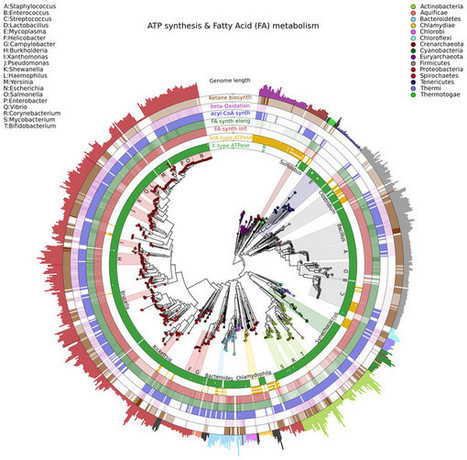
The increased availability of genomic and metagenomic data poses challenges at multiple analysis levels, including visualization of very large-scale microbial and microbial community data paired with rich metadata. We developed GraPhlAn (Graphical Phylogenetic Analysis), a computational tool that produces high-quality, compact visualizations of microbial genomes and metagenomes. This includes phylogenies spanning up to thousands of taxa, annotated with metadata ranging from microbial community abundances to microbial physiology or host and environmental phenotypes. GraPhlAn has been developed as an open-source command-driven tool in order to be easily integrated into complex, publication-quality bioinformatics pipelines. It can be executed either locally or through an online Galaxy web application. We present several examples including taxonomic and phylogenetic visualization of microbial communities, metabolic functions, and biomarker discovery that illustrate GraPhlAn’s potential for modern microbial and community genomics.
Modern society seems to have gone germophobic—say the word "bacteria" and most people will immediately conjure images of nasty illnesses and dangerous infections. But bacteria, fungi and other microbes underpin some of the most fundamental cycles of life and death on this planet. What's more, all kinds of beneficial microbes can be used to construct self-repairing buildings, to power batteries, to solve murder investigations and even to fight off deadly diseases.
To get content containing either thought or leadership enter:
To get content containing both thought and leadership enter:
To get content containing the expression thought leadership enter:
You can enter several keywords and you can refine them whenever you want. Our suggestion engine uses more signals but entering a few keywords here will rapidly give you great content to curate.


 Your new post is loading...