Your new post is loading...

|
Scooped by
Jean-Michel Ané
April 17, 2016 10:52 PM
|
Very few cases of natural DNA transfers between animals and plants are documented, according to a Texas A&M AgriLife Research scientist, but recently his team did just that.
The research team found a group of DNA sequences in pine trees, spruces and other conifers had been transferred to an ancestor of those trees from insects about 340 million years ago, said Dr. Claudio Casola, an AgriLife Research forest genomics assistant professor in the Texas A&M University ecosystem science and management department in College Station.
"Loblolly pine is an important economic resource across the southeastern U.S., including Texas," Casola said. "We are just now starting to understand the different parts that form the very large genome of this pine tree and other conifers.
Xuan Lin, one of Casola's doctoral students, and Dr. Nurul Faridi, leader of the U.S. Department of Agriculture Forest Service's Molecular Cytogenetics Laboratory and a collaborating faculty member, were other members of the team.
Their work, "An Ancient Trans-Kingdom Horizontal Transfer of Penelope-like Retroelements from Arthropods to Conifers," was published recently in the Genome Biology and Evolution journal.
|
|
Scooped by
Jean-Michel Ané
April 16, 2016 11:49 PM
|
Robinia pseudoacacia L. (black locust) is a widely planted tree species on Loess Plateau for revegetation. Due to its symbiosis forming capability with arbuscular mycorrhizal (AM) fungi, we explored the influence of arbuscular mycorrhizal fungi on plant biomass, root morphology, root tensile strength and soil aggregate stability in a pot experiment. We inoculated R. pseudoacacia with/without AM fungus (Rhizophagus irregularis or Glomus versiforme), and measured root colonization, plant growth, root morphological characters, root tensile force and tensile strength, and parameters for soil aggregate stability at twelve weeks after inoculation. AM fungi colonized more than 70% plant root, significantly improved plant growth. Meanwhile, AM fungi elevated root morphological parameters, root tensile force, root tensile strength, Glomalin-related soil protein (GRSP) content in soil, and parameters for soil aggregate stability such as water stable aggregate (WSA), mean weight diameter (MWD) and geometric mean diameter (GMD). Root length was highly correlated with WSA, MWD and GMD, while hyphae length was highly correlated with GRSP content. The improved R. pseudoacacia growth, root tensile strength and soil aggregate stability indicated that AM fungi could accelerate soil fixation and stabilization with R. pseudoacacia, and its function in revegetation on Loess Plateau deserves more attention.
|
|
Scooped by
Jean-Michel Ané
April 16, 2016 11:36 PM
|
This work was based on the study of a defense-related protein involved in actinorhizal symbiosis established between Casuarina glauca and a nitrogen fixing bacterium from the Frankia genus, namely a class III chitinase (CgCHI3). In order to understand its role during the symbiotic process, recombinant CgCHI3 was overexpressed in Escherichia coli and subsequently characterized. In this context, the recombinant protein showed endochitinase, β-1,3-glucanase, β-1,4 glucanase and lysozyme activity, as well as the capacity to inhibit the growth of non-symbiotic bacteria (E. coli strains BL21 and K12, Paracoccus denitrificans and Bacillus subtilis). It exhibited no antifungal activity against Colletotrichum gloeosporioides, Botrytis cinerea, Trichoderma viride and Fusarium oxysporum and did not affect the growth of the symbiotic bacteria Frankia and Rhizobium, neither the performance of Frankia nodulation factors. These results suggest that recombinant CgCHI3 is a multifunctional protein involved in the infection process, specifically in the lysis of the cell wall during intracellular penetration, or in the formation of the infection thread, or any other modification of the cells in order to accommodate the symbiotic bacteria.
|
|
Scooped by
Jean-Michel Ané
April 16, 2016 11:19 PM
|
Microbe-assisted phytoremediation provides an effective approach to clean up heavy metal-contaminated soils. However, severe drought may affect the function of microbes in arid/semi-arid areas. Streptomyces pactum Act12 is a drought-tolerant soil actinomycete strain isolated from an extreme environment on the Qinghai-Tibet Plateau, China. In this study, pot experiments were conducted to assess the effect of Act12 on Cd tolerance, uptake, and accumulation in amaranth (Amaranthus hypochondriacus) under water deficit. Inoculated plants had higher Cd concentrations (root 8.7–33.9 %; shoot 53.2–102.1 %) and uptake (root 19.9–95.3 %; shoot 110.6–170.1 %) than non-inoculated controls in Cd-treated soil. The translocation factor of Cd from roots to shoots was increased by 14.2–75 % in inoculated plants, while the bioconcentration factor of Cd in roots and shoots was increased by 10.2–64.4 and 53.9–114.8 %, respectively. Moreover, inoculation with Act12 increased plant height, root length, and shoot biomass of amaranth in Cd-treated soil compared to non-inoculated controls. Physiochemical analysis revealed that Act12 enhanced Cd tolerance in the plants by increasing glutathione, elevating superoxide dismutase and catalase activities, as well as reducing malondialdehyde content in the leaves. The drought-tolerant actinomycete strain Act12 can enhance the phytoremediation efficiency of amaranth for Cd-contaminated soils under water deficit, exhibiting potential for application in arid and semi-arid areas.
|
|
Scooped by
Jean-Michel Ané
April 16, 2016 10:32 PM
|
Plant scientists have made great progress in understanding molecular mechanisms controlling root responses to nutrients of arabidopsis (Arabidopsis thaliana) plants under controlled conditions. Simultaneously, ecologists and agronomists have demonstrated that root–root interactions involve more than competition for nutrients. Here, we highlight the importance of both root exudates and soil microbes for root–root interactions, ubiquitous in natural and agricultural ecosystems. We argue that it is time to bring together the recent insights from both scientific disciplines to fully understand root functioning in the real world.
|
|
Scooped by
Jean-Michel Ané
April 16, 2016 5:04 PM
|
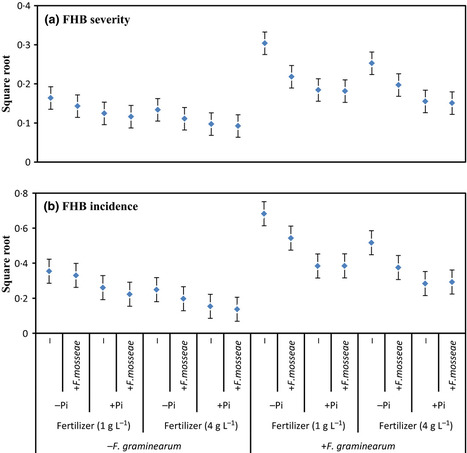
Piriformospora indica (Sebacinaceae) is a cultivable root endophytic fungus. It colonizes the roots of a wide range of host plants. In many settings colonization promotes host growth, increases yield and protects the host from fungal diseases. Evaluation was made of the effect of P. indica on fusarium head blight (FHB) disease of winter (cv. Battalion) and spring (cv. Paragon, Mulika, Zircon, Granary, KWS Willow and KWS Kilburn) wheat and consequent contamination by the mycotoxin deoxynivalenol (DON) under UK weather conditions. Interactions of P. indica with an arbuscular mycorrhizal fungus (Funneliformis mosseae), fungicide application (Aviator Xpro) and low and high fertilizer levels were considered. Piriformospora indica application reduced FHB disease severity and incidence by 70%. It decreased mycotoxin DON concentration of winter and spring wheat samples by 70 and 80%, respectively. Piriformospora indica also increased aboveground biomass, 1000-grain weight and total grain weight. Piriformospora indica reduced disease severity and increased yield in both high and low fertilizer levels. The effect of P. indica was compatible with F. mosseae and foliar fungicide application. Piriformospora indica did not have any effects on plant tissue nutrients. These results suggest that P. indica might be useful in biological control of Fusarium diseases of wheat.
|
|
Scooped by
Jean-Michel Ané
April 16, 2016 4:57 PM
|
A 454 high-throughput pyrosequencing approach was used to characterize the structures of microbial communities in wetland mesocosms receiving caffeine-enriched wastewater at a concentration of 250 μg L−1. The removal efficiencies of caffeine in the planted beds (93.0 %) were significantly (p < 0.05) higher than those in the unplanted beds (81.4 %). Bacterial diversity was decreased by 25 and 22.4 %, respectively, in both planted and unplanted mesocosms after 210-day operation. The results of taxonomic analyses suggested that chronic exposure of wetland ecosystems to caffeine could lead to moderate shifts in microbial community composition. In total, 2156 operational taxonomic units (OTUs) were generated and 20 phyla comprising 260 genera were identified. The major phylogenetic groups at phylum level included Firmicutes (39 %), Actinobacteria (25.1 %), Proteobacteria (17.1 %), Synergistetes (5.6 %), and Chloroflexi (5.5 %). Bacilli and Synergistia increased in abundance in the planted mesocosms, while for the unplanted mesocosms, Actinobacterial, Clostridia and Betaproteobacteria exhibited increased proportion under the exposure of caffeine. At genus level, Propionibacterium, Staphylococcus, Bacillus, and Streptococcus were found to be increased in abundance after caffeine treatment. As for the response of fungal community to caffeine enrichment, genus like Cladosporium, Emericellopsis, Aspergillus, and Phoma were found to be resistant to caffeine disturbance. When compared to the microbial community between planted and unplanted mesocosms, a distinct community profile for both bacteria and fungi community was observed. The presence of plants had a remarkable effect on the structure of microbial community, helping buffer against the stress associated with caffeine exposure.
Cell walls are involved, to a great extent, in mediating plant–microbe interactions. An important feature of these interactions concerns changes in the cell-wall composition during interaction with other organisms. In ectomycorrhizae, plant and fungal cell walls come into direct contact, and represent the interface between the two partners. However, very little information is available on the re-arrangement that could occur within the plant and fungal cell walls during ectomycorrhizal symbiosis. Taking advantage of the Comprehensive Microarray Polymer Profiling (CoMPP) technology, the current study has had the aim of monitoring the changes that take place in the plant cell wall in Corylus avellana roots during colonization by the ascomycetous ectomycorrhizal fungus T. melanosporum. Additionally, genes encoding putative plant cell-wall degrading enzymes (PCWDEs) have been identified in the T. melanosporum genome, and RT-qPCRs have been performed to verify the expression of selected genes in fully developed C. avellana/T. melanosporum ectomycorrhizae. A localized degradation of pectin seems to occur during fungal colonization, in agreement with the growth of the ectomycorrhizal fungus through the middle lamella and with the fungal gene expression of genes acting on these polysaccharides.
Via Francis Martin
|
|
Scooped by
Jean-Michel Ané
April 16, 2016 4:48 PM
|
Endohyphal organisms of endophytic fungi can induce, or promote, beneficial effects of their respective host fungi to the host plant that harbours them. The Cupressaceae plant family (Coniferales) hosts highly bioactive endophytic fungi. Here, we show that a fraction of such endophytic fungi harbours bioactive endohyphal bacteria with a non-obligatory symbiotic lifestyle. Indeed, 5 of 16 (31.25%) endophytic fungi of Cupressus sempervirens harboured endofungal bacterial strains of Bacillaceae (G+, Bacilli) and Sphingomonadaceae (G−, α-Proteobacteria), that is Bacillus pumilus (from the fungi Leptosphaeria CSE211 and Pyrenochaeta CSE134), Bacillus subtilis (from the fungi Leptosphaeria CSE212 and Ascorhizoctonia CSE148) and Sphingomonas paucimobilis (from the fungus Ascorhizoctonia CSE195). Notably, each endophytic fungal species contained only one endofungal bacterial species that was stably maintained in symbiosis over several rounds of subculturing. Moreover, we investigated whether cypress endofungal bacteria (CEB) could benefit their host fungus competing with other fungi and bacteria or the host plant against the invading microorganisms. In vitro assays indicated that CEB possessed antagonistic activity against cypress endophytic and pathogenic microbiome. Also, CEB metabolites and volatile compounds (VOCs) exhibited antifungal and antibacterial activity against the target microbiome. Bioactivity of CEB was less than that of the endophytic microbiome of Cupressaceae, on which we reported earlier. In conclusion, our work is the first to document endohyphal bacteria of fungal endophytes of C. sempervirens and the bioactivity of such endohyphal symbionts. These findings implicate a complicated interrelationship among host plant, endophytic microbiome and endofungal bacteria, which might be of high importance for evolutionary, as well as environmental and agricultural studies. Eventually, endohyphal bacteria may be introduced as a novel source for lead molecule discovery.
|
|
Scooped by
Jean-Michel Ané
April 15, 2016 10:31 PM
|
An increasing human population requires more food production in nutrient-efficient systems in order to simultaneously meet global food needs while reducing the environmental footprint of agriculture. Arbuscular mycorrhizal fungi (AMF) have the potential to enhance crop yield, but their efficiency has yet to be demonstrated in large-scale crop production systems. This study reports an analysis of a dataset consisting of 231 field trials in which the same AMF inoculant (Rhizophagus irregularis DAOM 197198) was applied to potato over a 4-year period in North America and Europe under authentic field conditions. The inoculation was performed using a liquid suspension of AMF spores that was sprayed onto potato seed pieces, yielding a calculated 71 spores per seed piece. Statistical analysis showed a highly significant increase in marketable potato yield (ANOVA, P < 0.0001) for inoculated fields (42.2 tons/ha) compared with non-inoculated controls (38.3 tons/ha), irrespective of trial year. The average yield increase was 3.9 tons/ha, representing 9.5 % of total crop yield. Inoculation was profitable with a 0.67-tons/ha increase in yield, a threshold reached in almost 79 % of all trials. This finding clearly demonstrates the benefits of mycorrhizal-based inoculation on crop yield, using potato as a case study. Further improvements of these beneficial inoculants will help compensate for crop production deficits, both now and in the future.
|
|
Scooped by
Jean-Michel Ané
April 15, 2016 10:18 PM
|
In many deforested regions of the tropics, afforestation with native tree species could valorize a growing reservoir of degraded, previously overused and abandoned land. The inoculation of tropical tree seedlings with arbuscular mycorrhizal fungi (AM fungi) can improve tree growth and viability, but efficiency may depend on plant and AM fungal genotype. To study such effects, seven phylogenetically diverse AM fungi, native to Ecuador, from seven genera and a non-native AM fungus (Rhizophagus irregularis DAOM197198) were used to inoculate the tropical potential crop tree (PCT) species Handroanthus chrysanthus (synonym Tabebuia chrysantha), Cedrela montana, and Heliocarpus americanus. Twenty-four plant-fungus combinations were studied in five different fertilization and AMF inoculation treatments. Numerous plant growth parameters and mycorrhizal root colonization were assessed. The inoculation with any of the tested AM fungi improved seedling growth significantly and in most cases reduced plant mortality. Plants produced up to threefold higher biomass, when compared to the standard nursery practice. AM fungal inoculation alone or in combination with low fertilization both outperformed full fertilization in terms of plant growth promotion. Interestingly, root colonization levels for individual fungi strongly depended on the host tree species, but surprisingly the colonization strength did not correlate with plant growth promotion. The combination of AM fungal inoculation with a low dosage of slow release fertilizer improved PCT seedling performance strongest, but also AM fungal treatments without any fertilization were highly efficient. The AM fungi tested are promising candidates to improve management practices in tropical tree seedling production.
|
|
Scooped by
Jean-Michel Ané
April 15, 2016 4:31 PM
|
Rhizosphere Observations Optimizing Terrestrial Sequestration (ROOTS)
Improving the ability for plants to store carbon in the soil has the potential to significantly reduce atmospheric CO2 levels. The ROOTS program is making up to $30 million in funding available to pursue technologies that develop new crop breeding approaches for improved root and soil function that will help plants to store more carbon in the ground and take up nutrients and water more efficiently. ROOTS seeks to develop novel technologies that measure root and soil function and advance predictive models that accelerate the selection and development of plants with more favorable root and soil traits. These technologies could greatly improve crops and production systems that increase carbon storage, water productivity, and fertilizer efficiency which reduces the emissions of another greenhouse gas, nitrous oxide.
For more information and to view the full funding opportunity announcement, please click here.
|
|
Scooped by
Jean-Michel Ané
April 15, 2016 4:08 PM
|
In arid environments, the propagule density of arbuscular mycorrhizal fungi (AMF) may limit the extent of the plant–AMF symbiosis. Inoculation of seedlings with AMF could alleviate this problem, but the success of this practice largely depends on the ability of the inoculum to multiply and colonize the growing root system after transplanting. These phenomena were investigated in Artemisia tridentata ssp. wyomingensis (Wyoming big sagebrush) seedlings inoculated with native AMF. Seedlings were first grown in a greenhouse in soil without AMF (non-inoculated seedlings) or with AMF (inoculated seedlings). In spring and fall, 3-month-old seedlings were transplanted outdoors to 24-L pots containing soil from a sagebrush habitat (spring and fall mesocosm experiments) or to a recently burned sagebrush habitat (spring and fall field experiments). Five or 8 months after transplanting, colonization was about twofold higher in inoculated than non-inoculated seedlings, except for the spring field experiment. In the mesocosm experiments, inoculation increased survival during the summer by 24 % (p = 0.011). In the field experiments, increased AMF colonization was associated with increases in survival during cold and dry periods; 1 year after transplanting, survival of inoculated seedlings was 27 % higher than that of non-inoculated ones (p < 0.001). To investigate possible mechanisms by which AMF increased survival, we analyzed water use efficiency (WUE) based on foliar 13C/12C isotope ratios (δ 13C). A positive correlation between AMF colonization and δ 13C values was observed in the spring mesocosm experiment. In contrast, inoculation did not affect the δ 13C values of fall transplanted seedlings that were collected the subsequent spring. The effectiveness of AMF inoculation on enhancing colonization and reducing seedling mortality varied among the different experiments, but average effects were estimated by meta-analyses. Several months after transplanting, average AMF colonization was in proportion 84 % higher in inoculated than non-inoculated seedlings (p = 0.0042), while the average risk of seedling mortality was 42 % lower in inoculated than non-inoculated seedlings (p = 0.047). These results indicate that inoculation can increase AMF colonization over the background levels occurring in the soil, leading to higher rates of survival.
|
|
|
Scooped by
Jean-Michel Ané
April 16, 2016 11:51 PM
|
During June 2013 to March 2014, several visits were made to the truffle-bearing areas of Kermanshah province, Iran. In this study, two specimens associated with roots of oak (Quercus brantii Lindl.) were identified as Tuber aestivum Vittad based on morphological and cytological characteristics. Internal transcribed spacer (ITS) region was amplified by PCR using primer pair ITS1/ITS4 and the sequences were analyzed. Phylogenetic trees constructed based on ITS sequences revealed that all Iranian specimens were in the same branch in a clade with T. aestivum reported from others. All T. aestivum sequences, including Iranian specimen, showed an average of 97 % similarity (ranged from 96 to 100 %). The results of physico-chemical analyses on soil samples collected from oak forest indicated that T. aestivum was prevalent in the sandy soil with rather low phosphorus concentration, low in organic matter, and high CaCo3. To our knowledge, this is the first report of T. aestivum and its host plant from Iran.
|
|
Scooped by
Jean-Michel Ané
April 16, 2016 11:47 PM
|
Angelica sinensis (Oliv.) Diels (family Apiaceae) is a perennial herb that has been widely used in Traditional Chinese Medicine. The soil sickness has become one of the major constrains in A. sinensis cultivation. A pot experiment was done to evaluate the role of biological nature in A. sinensis soil sickness. The pot experiment include three treatments (i) contol, which represent as the soil in pot taken from spring wheat stands, (ii) AA, which represent as the soil in pot taken from A. sinensis stands, (iii) S-AA, which represent as the soil in pot was sterilized by steam at 121° for 4 h taken from A. sinensis stands. Results showed that the plant height, dry weight of aboveground part and roots, root yield and quality, and the activities of SOD and POD in leaves were significantly higher in sterilized replant soil than in non-sterilized replant soil treatment, while the activity of CAT and content of MDA in leaves were declined, which indicated that soil sterilization improved plant haleness and increased the activities of active oxygen scavenging enzymes. The results also demonstrated that soil sterilization can change the number of culturable microbial populations and the species diversity of bacterial functional group. Higher Shannon-Wiener index was found in rhizosphere soils under sterilized soil cropping than that under non-sterilized soil cropping. This suggests that the biological factor played a causal role in the development of A. sinensis soil sickness and sterilization of continuous cropping soil could change the composition and structure of soil microbial community, which further promote plant growth and alleviate A. sinensis soil sickness.
|
|
Scooped by
Jean-Michel Ané
April 16, 2016 11:33 PM
|
Phosphorus (P) deficiency is one of the major factors that limit legume nodulation and nitrogen (N) fixation, and thus legume productivity. In our previous study, we showed that three T2 transgenic soybean lines overexpressing rice phosphate transporter gene OsPT2 showed enhanced tolerance to low P stress. This study aimed to determine whether OsPT2 overexpression would increase N2 fixation and ammonium assimilation in three T3 homozygous transgenic lines (HTLs) under P deficiency in pot culture. Under low inorganic phosphate (Pi) conditions, the P accumulation, total N and total ureide concentrations were significantly higher in the T3 HTLs than in the wild type (WT) plants. Further, the T3 HTLs showed significantly better plant growth performance and nodule development than the WT plants under low-Pi conditions. Quantitative real-time PCR (qRT-PCR) analysis showed that the expression levels of GmENOD40-1, GmENOD40-2 (two early nodulin genes), and GmLba (one leghemoglobin gene) were significantly increased in T3 HTLs under P deficiency at 24 and 32 d after inoculation (DAI). The increased transcript levels of GmGS1β1 and GmGS1β2 (two cytosolic glutamine synthetase genes) in the T3 HTLs were consistent with the increase in glutamine synthetase (GS, EC 6.3.1.2) activity at 32 DAI. Our results indicated that the overexpression of OsPT2 in T3 HTLs enhances N2 fixation and ammonium assimilation activity under low P stress.
|
|
Scooped by
Jean-Michel Ané
April 16, 2016 11:16 PM
|
Flavescence dorée is an epidemic yellows disease of grapevine, caused by a phytoplasma (FDP), for which there is currently no cure. We assessed whether the endophyte Pseudomonas migulae 8R6, able to synthesize 1-aminocyclopropane-1-carboxylate (ACC) deaminase, can limit the phytoplasma-induced damages in periwinkle, a model plant hosting FDP. Plant protection induced by 8R6 and its mutant, impaired in ACC deaminase synthesis, were compared.
Fifteen plants per treatment were used; FD infection was transmitted by grafting. Evaluation of symptoms was performed every 4 days for 40 days. The presence and the amount of FDP were assessed by nested PCR and qPCR, respectively. Images of phytoplasma inside the infected plants were obtained by transmission electron microscopy.
The strain 8R6 significantly reduced the number of symptomatic plants (53% vs 93%). While the density of FDP inside the leaves was unaffected by the bacterial strains, the FDP titer was under the quantification threshold in 38% of the plants inoculated with strain 8R6. Microscopical observations showed damaged FDP cells in plants inoculated with strain 8R6.
The ACC deaminase activity of the endophytic bacteria P. migulae 8R6 helps the plant to regulate the level of the stress-related hormone ethylene, leading to significantly improved resistance to phytoplasma infection.
|
|
Scooped by
Jean-Michel Ané
April 16, 2016 5:04 PM
|
Eighty stone fruit nurseries located in different regions of Poland were examined for the presence of crown gall affected plants. The disease was observed in 39 nurseries, and galls were sampled for bacterial isolation. Out of 1213 isolates, 409 were pre-identified as Agrobacterium/Rhizobium spp. with 23S rDNA-based multiplex PCR, and out of these, 315 were pathogenic when tested on sunflowers. Sequence analysis of three housekeeping genes (fusA, recA, rpoD) revealed that 366 strains belonged to Rhizobium rhizogenes, 23 to Agrobacterium tumefaciens species complex, and the rest of the strains were allocated to new phylogenetic lineages. Of these, the most numerous was the lineage allocated in the Pararhizobium genus. Positive results obtained from pathogenicity tests were generally in agreement with results obtained by PCR with primers complementary to T-DNA except for two strains, which were positive for PCR but negative for the pathogenicity test. All detected Ti plasmids were nopaline-type. Independent of their pathogenicity, 59% of tested strains were not sensitive to agrocin 84 in in vitro tests. Analysis of biochemical and physiological features distinguished 50 groups with different phenotypic profiles, but the tested traits were not consistent for strains classified to one taxon. This finding shows limited value of biochemical tests in identification procedures. The bacteria causing tumours were heterogeneous and strains classified to different taxa were found even in a single tumour.
|
|
Scooped by
Jean-Michel Ané
April 16, 2016 5:01 PM
|
Access to fixed or available forms of nitrogen limits the productivity of crop plants and thus food production. Nitrogenous fertilizer production currently represents a significant expense for the efficient growth of various crops in the developed world. There are significant potential gains to be had from reducing dependence on nitrogenous fertilizers in agriculture in the developed world and in developing countries, and significant interest in research on biological nitrogen fixation and prospects for increasing its importance in an agricultural setting. Biological nitrogen fixation is the conversion of atmospheric N2 to NH3—a form that can be used by plants. However, the process is restricted to bacteria and archaea and does not occur in eukaryotes. Symbiotic nitrogen fixation is part of a mutualistic relationship in which plants provide a niche and fixed carbon to bacteria in exchange for fixed nitrogen. This process is restricted mainly to legumes in agricultural systems and there is considerable interest in exploring whether similar symbioses can be developed in non-legumes, which produce the bulk of human food. We are at a juncture where the fundamental understanding of biological nitrogen fixation has matured to a level that we can think about engineering symbiotic relationships using synthetic biology approaches. This mini-review highlights the fundamental advances in our understanding of biological nitrogen fixation in the context of a blueprint for expanding symbiotic nitrogen fixation to a greater diversity of crop plants through synthetic biology.
|
|
Scooped by
Jean-Michel Ané
April 16, 2016 4:55 PM
|
Welwitschia mirabilis is an ancient and rare plant distributed along the western coast of Namibia and Angola. Several aspects of Welwitschia biology and ecology have been investigated, but very little is known about the microbial communities associated with this plant. This study reports on the bacterial and fungal communities inhabiting the rhizosphere of W. mirabilis and the surrounding bulk soil. Rhizosphere communities were dominated by sequences of Alphaproteobacteria and Euromycetes, while Actinobacteria, Alphaproteobacteria, and fungi of the class Dothideomycetes jointly dominated bulk soil communities. Although microbial communities within the rhizosphere and soil samples were highly variable, very few “species” (OTUs defined at a 97% identity cut-off) were shared between these two environments. There was a small ‘core’ rhizosphere bacterial community (formed by Nitratireductor, Steroidobacter, Pseudonocardia and three Phylobacteriaceae) that together with Rhizophagus, an arbuscular mycorrhizal fungus, and other putative plant growth-promoting microbes may interact synergistically to promote Welwitschia growth.
|
|
Scooped by
Jean-Michel Ané
April 16, 2016 4:51 PM
|
The Loess Plateau region of northwestern China has unique geological and dry/semi-dry climate characteristics. However, knowledge about ectomycorrhizal fungal (EMF) communities in the Loess Plateau is limited. In this study, we investigated EMF communities in Populus simonii and Pinus tabuliformis patches within the forest-steppe zone, in pine forests within the forest zone, and the transitional zone between them. We revealed high species richness (115 operational taxonomic units [OTUs]) of indigenous EMF resources at the Loess Plateau, of which Tomentella (35 OTUs), Inocybe (16), Sebacina (16), and Geopora (7) were the most OTU-rich lineages. EMF richness within the forest-steppe zone and the transitional zone was limited, while the natural pine forest maintained diverse EMF communities in the forest zone. The changes of EMF community richness and composition along arid eco-zones were highlighted for the complex factors including precipitation, soil factors, host, DBH, and altitude. Indicator analysis revealed that some EMF showed clear host preference and some taxa, i.e., genera Geopora and Inocybe, were dominant in drought and alkaline-saline conditions attributed to their environmental preference. This study revealed that EMF communities were quite limited in the forest-steppe zone, while the forest region contained diverse EMF communities in the Loess Plateau.
|
|
Scooped by
Jean-Michel Ané
April 16, 2016 4:35 PM
|
The arbuscular mycorrhiza (AM) is a kind of fungi-plant associated symbiont formed by the arbuscular mycorrhizal fungi and plants in soil. Present study was limited to the population and community level, mainly in horticulture, land reclamation, forest and environmental restoration. Research progress was also made at the cellular level and molecular level. Process and related mechanism of mycorrhizal fungi infecting root were reviewed, and future study on the mechanism of arbuscular mycorrhizal fungi infecting root should be continued.
|
|
Scooped by
Jean-Michel Ané
April 15, 2016 10:23 PM
|
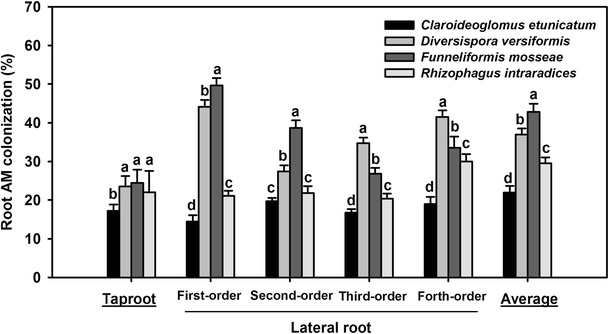
Root hairs and arbuscular mycorrhiza (AM) coexist in root systems for nutrient and water absorption, but the relation between AM and root hairs is poorly known. A pot study was performed to evaluate the effects of four different AM fungi (AMF), namely, Claroideoglomus etunicatum, Diversispora versiformis, Funneliformis mosseae, and Rhizophagus intraradices on root hair development in trifoliate orange (Poncirus trifoliata) seedlings grown in sand. Mycorrhizal seedlings showed significantly higher root hair density than non-mycorrhizal seedlings, irrespective of AMF species. AMF inoculation generally significantly decreased root hair length in the first- and second-order lateral roots but increased it in the third- and fourth-order lateral roots. AMF colonization induced diverse responses in root hair diameter of different order lateral roots. Considerably greater concentrations of phosphorus (P), nitric oxide (NO), glucose, sucrose, indole-3-acetic acid (IAA), and methyl jasmonate (MeJA) were found in roots of AM seedlings than in non-AM seedlings. Levels of P, NO, carbohydrates, IAA, and MeJA in roots were correlated with AM formation and root hair development. These results suggest that AMF could alter the profile of root hairs in trifoliate orange through modulation of physiological activities. F. mosseae, which had the greatest positive effects, could represent an efficient AM fungus for increasing fruit yields or decreasing fertilizer inputs in citrus production.
|
|
Scooped by
Jean-Michel Ané
April 15, 2016 10:17 PM
|
Long-lived radionuclides such as 90Sr and 137Cs can be naturally or accidentally deposited in the upper soil layers where they emit β/γ radiation. Previous studies have shown that arbuscular mycorrhizal fungi (AMF) can accumulate and transfer radionuclides from soil to plant, but there have been no studies on the direct impact of ionizing radiation on AMF. In this study, root organ cultures of the AMF Rhizophagus irregularis MUCL 41833 were exposed to 15.37, 30.35, and 113.03 Gy gamma radiation from a 137Cs source. Exposed spores were subsequently inoculated to Plantago lanceolata seedlings in pots, and root colonization and P uptake evaluated. P. lanceolata seedlings inoculated with non-irradiated AMF spores or with spores irradiated with up to 30.35 Gy gamma radiation had similar levels of root colonization. Spores irradiated with 113.03 Gy gamma radiation failed to colonize P. lanceolata roots. P content of plants inoculated with non-irradiated spores or of plants inoculated with spores irradiated with up to 30.35 Gy gamma radiation was higher than in non-mycorrhizal plants or plants inoculated with spores irradiated with 113.03 Gy gamma radiation. These results demonstrate that spores of R. irregularis MUCL 41833 are tolerant to chronic ionizing radiation at high doses.
|
|
Scooped by
Jean-Michel Ané
April 15, 2016 4:11 PM
|
Transcriptomics and genomics data recently obtained from the arbuscular mycorrhizal (AM) fungus Rhizophagus irregularis have offered new opportunities to decipher the contribution of the fungal partner to the establishment of the symbiotic association. The large number of genes which do not show similarity to known proteins witnesses the uniqueness of this group of plant-associated fungi. In this work, we characterize a gene that was called RiPEIP1 (Preferentially Expressed In Planta). Its expression is strongly induced in the intraradical phase, including arbuscules, and follows the expression profile of the Medicago truncatula phosphate transporter MtPT4, a molecular marker of a functional symbiosis. Indeed, mtpt4 mutant plants, which exhibit low mycorrhizal colonization and an accelerated arbuscule turnover, also show a reduced RiPEIP1 mRNA abundance. To further characterize RiPEIP1, in the absence of genetic transformation protocols for AM fungi, we took advantage of two different fungal heterologous systems. When expressed as a GFP fusion in yeast cells, RiPEIP1 localizes in the endomembrane system, in particular to the endoplasmic reticulum, which is consistent with the in silico prediction of four transmembrane domains. We then generated RiPEIP1-expressing strains of the fungus Oidiodendron maius, ericoid endomycorrhizal fungus for which transformation protocols are available. Roots of Vaccinium myrtillus colonized by RiPEIP1-expressing transgenic strains showed a higher mycorrhization level compared to roots colonized by the O. maius wild-type strain, suggesting that RiPEIP1 may regulate the root colonization process.
|