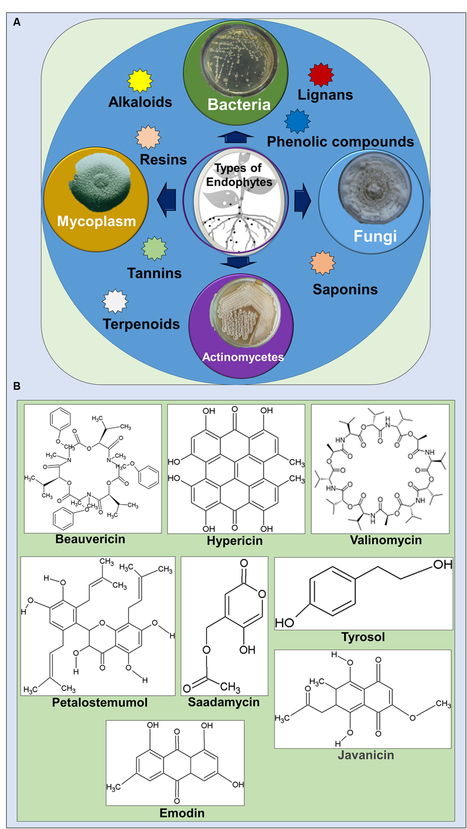
Endophytes are an endosymbiotic group of microorganisms that colonize in plants and microbes that can be readily isolated from any microbial or plant growth medium. They act as reservoirs of novel bioactive secondary metabolites, such as alkaloids, phenolic acids, quinones, steroids, saponins, tannins, and terpenoids that serve as a potential candidate for antimicrobial, anti-insect, anticancer and many more properties. While plant sources are being extensively explored for new chemical entities for therapeutic purposes, endophytic microbes also constitute an important source for drug discovery. This review aims to comprehend the contribution and uses of endophytes as an impending source of drugs against various forms of diseases and other possible medicinal use.
The other day I was talking to a friend about the need to demystify plants, so that teachers feel as confident in their teaching of plant biology as they do about animal biology. I wonder if sometimes we teach plants too much in isolation, so it’s not always clear how plants relate to other organisms (other than as food).
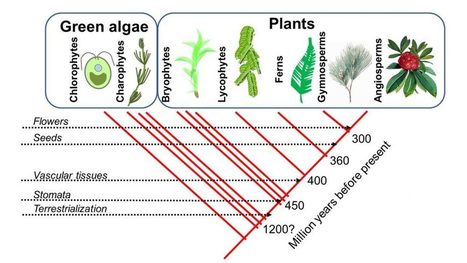
For me, comparing the evolutionary trajectory of plants as compared to that of other organisms builds a more intuitive understanding of plants. Here are 12 perspectives that highlight how plants are similar to and different from other organisms. The figures are from the Teaching Tools in Plant Biology article “How to be a plant“, where you can also find references to articles that discuss these statements in more depth.
"A forest is much more than what you see," says ecologist Suzanne Simard. Her 30 years of research in Canadian forests have led to an astounding discovery -- trees talk, often and over vast distances.
Tandem affinity purification coupled to mass spectrometry (TAP-MS) is one of the most powerful techniques to isolate protein complexes and elucidate protein interaction networks. Here, we describe the development of a TAP-MS strategy for the model legume Medicago truncatula, which is widely studied for its ability to produce valuable natural products and to engage in endosymbiotic interactions. As biological material, transgenic hairy roots, generated through Agrobacterium rhizogenes-mediated transformation of M. truncatula seedlings, were used. As proof of concept, proteins involved in the cell cycle, transcript processing and jasmonate signalling were chosen as bait proteins, resulting in a list of putative interactors, many of which confirm the interologue concept of protein interactions, and which can contribute to biological information about the functioning of these bait proteins in planta. Subsequently, binary protein–protein interactions among baits and preys, and among preys were confirmed by a systematic yeast two-hybrid screen. Together, by establishing a M. truncatula TAP-MS platform, we extended the molecular toolbox of this model species.
Plants do not grow as axenic organisms in nature, but host a diverse community of microorganisms, termed the plant microbiota. There is an increasing awareness that the plant microbiota plays a role in plant growth and can provide protection from invading pathogens. Apart from intense research on crop plants, Arabidopsis is emerging as a valuable model system to investigate the drivers shaping stable bacterial communities on leaves and roots and as a tool to decipher the intricate relationship among the host and its colonizing microorganisms. Gnotobiotic experimental systems help establish causal relationships between plant and microbiota genotypes and phenotypes and test hypotheses on biotic and abiotic perturbations in a systematic way. We highlight major recent findings in plant microbiota research using comparative community profiling and omics analyses, and discuss these approaches in light of community establishment and beneficial traits like nutrient acquisition and plant health.
Fungi are a diverse group of organisms with a huge variation in reproductive strategy. While almost all species can reproduce sexually, many reproduce asexually most of the time. When sexual reproduction does occur, large variation exists in the amount of in- and out-breeding. While budding yeast is expected to outcross only once every 10 000 generations, other fungi are obligate outcrossers with well-mixed panmictic populations. In this review, we give an overview of the costs and benefits of sexual and asexual reproduction in fungi, and the mechanisms that evolved in fungi to reduce the costs of either mode. The proximate molecular mechanisms potentiating outcrossing and meiosis appear to be present in nearly all fungi, making them of little use for predicting outcrossing rates, but also suggesting the absence of true ancient asexual lineages. We review how population genetic methods can be used to estimate the frequency of sex in fungi and provide empirical data that support a mixed mode of reproduction in many species with rare to frequent sex in between rounds of mitotic reproduction. Finally, we highlight how these estimates might be affected by the fungus-specific mechanisms that evolved to reduce the costs of sexual and asexual reproduction.
Picea abies, Pinus mugo and Rhododendron ferrugineum co-exist at the alpine tree line, and can have different mycorrhizal communities. The activity and diversity of mycorrhizal fungi are considered to be important factors in regulation of soil function.
Methods
At a tree line site and a lower elevation site in the Austrian Alps, the community structure of ectomycorrhiza on Picea abies and Pinus mugo was determined. The activity of surface enzymes was determined on ectomycorrhizal and ericoid mycorrhizal roots. In soils, the activity of a range of enzymes, nitrogen (N) mineralization and biomass decomposition were determined.
Results
The community structure of the ectomycorrhizal community of Picea abies and Pinus mugo differed strongly, but the average activity of surface enzymes of the ectomycorrhizal communities was similar. A lower root surface enzyme activity was determined on Rhododendron ferrugineum. Soil N-mineralization under Rhododendron ferrugineum was significantly lower than under Picea abies and Pinus mugo. In soil, the activity of a range of enzymes did not differ at the tree line but differed between the tree line and the lower elevation sites.
Conclusion
The different ectomycorrhizal communities on Picea abies and Pinus mugo and ericoid mycorrhizas on Rhododendron ferrugineum support similar ecosystem functions in soil.
The targeted genome editing technique, CRISPR/Cas9 system, has been widely used to modify genes of interest in a predictable and precise manner. In this study, we describe the CRISPR/Cas9-mediated efficient editing of representative SNF (symbiotic nitrogen fixation) related genes in the model legume Lotus japonicus via Agrobacterium-mediated stable or hairy root transformation. We first predicted nine endogenous U6 genes in Lotus and then demonstrated the efficacy of the LjU6-1 gene promoter in driving expression of single guide RNAs (sgRNAs) by using a split yellow fluorescence protein (YFP) reporter system to restore the fluorescence in Arabidopsis protoplasts. Next, we chose a customized sgRNA targeting SYMRK (symbiosis receptor-like kinase) loci and achieved ~35% mutagenic efficiency in 20 T0 transgenic plants, two of them containing biallelic homozygous mutations with a 2-bp deletion near the PAM region. We further designed two sgRNAs targeting three homologous leghemoglobin loci (LjLb1, LjLb2, LjLb3) for testing the possibility of generating multi-gene knockouts. 20 out of 70 hairy root transgenic plants exhibited white nodules, with at least two LjLbs disrupted in each plant. Compared with the constitutively active CaMV 35S promoter, the nodule-specific LjLb2 promoter was also effective in gene editing in nodules by hairy root transformation. Triple mutant knockout of LjLbs was also obtained by stable transformation using two sgRNAs. Collectively, these studies demonstrate that the CRISPR/Cas9 system should greatly facilitate functional analyses of SNF related genes in Lotus japonicus.
The plant microbiome is a key determinant of plant health. Less is known about the phyllosphere microbiota and its driving factors in built environments. To study the variability of the microbiome in relation to plant genotype and climate under different controlled conditions, we investigated 14 phylogenetically diverse plant species grown in the greenhouses of the Botanical Garden in Graz (Austria). All investigated plants showed specific bacterial abundances of up to 106 CFU cm−2 on their leaves. Bacterial diversity (H’: 2.4 – 7.9) and number of putative OTUs (461 - 2013) were strongly plant species-dependent. Statistical analysis showed a significantly higher correlation of community composition to plant genotype in comparison to the ambient climatic variables. In addition to the microbiome structure, we studied the antagonistic potential towards the foliar pathogen Botrytis cinerea as functional indicator. A high proportion of isolates (up to 58%) were able to inhibit pathogen growth by production of volatile organic compounds (VOCs). Data of structure and function was linked: frequently isolated VOCs producers (e.g. Bacillus and Stenotrophomonas) were highly present in phyllosphere communities, which were dominated by members of Firmicutes. This study indicates that indoor ornamentals feature a distinct, stable microbiota on leaves irrespective of the indoor climate.
Heterotrimeric G proteins comprising Gα, Gβ, and Gγ subunits (hereafter termed G proteins) mediate important signaling processes in all eukaryotes. As per the established paradigm, during resting phase the Gα is guanosine diphosphate (GDP)-bound and the three subunits form an inactive trimeric complex GDP⋅Gαβγ. Signal perception occurs at the G-protein coupled receptors (GPCRs), which act as guanine nucleotide exchange factors (GEFs) and facilitate the exchange of GDP for guanosine triphosphate (GTP) on Gα. GTP⋅Gα dissociates from the Gβγ dimer, and both these entities can interact with downstream effectors to transduce the signal. The intrinsic GTPase activity of Gα produces its GDP-bound form, which associates with the Gβγ dimer to reconstitute the inactive heterotrimer, making it available for the next round of activation (Figure 1). Proteins such as regulator of G-protein signaling (RGS) or phospholipases accelerate the inherent GTPase activity of Gα, causing a faster turnover of the cycle. Both the activation and deactivation of Gα are exquisitely controlled for persistent signaling (Offermanns, 2003).
In this study four Mesorhizobium strains isolated from Lotus corniculatus nodules in Granada (Spain) were characterized. Their 16S rRNA gene sequences were closely related to those of M. albiziae LMG 23507T and M. chacoense Pr5T showing 99.4 and 99.2% similarity values, respectively. The analysis of concatenated rpoB, recA, atpD and glnII genes showed they formed a cluster with internal similarities higher than 97%. The closest species also were M. albiziae LMG 23507T and M. chacoense Pr5T showing similarity values lower than 92% in rpoB, recA and glnII genes and lower than 96.5% in the atpD gene. These results indicated that the L. corniculatus strains belong to a new species of genus Mesorhizobium which was confirmed by DNA–DNA hybridization and phenotypic characterization. Therefore a new species with the name Mesorhizobium olivaresii sp. nov. is proposed, and the type strain is CPS13T (LMG 29295T = CECT 9099T).
There is an unfortunate truth about nitrogen fixing plants that many people don't want to face. My aim isn't to be the bearer or bad news, or a negativ
Organizations as diverse as the United Nations and Monsanto are in agreement that we need to double our food production globally by 2050 to feed... read more
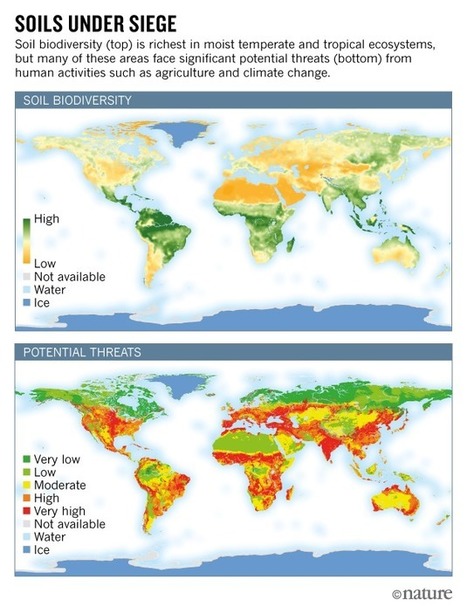
Gardeners focus too much on their plants and not enough on the soil that is hosting your plant. Shift that mindset. Start thinking about the ground beneat
Les mycorhizes, résultat de l'association symbiotique entre champignons et racines des plantes, sont l’une des composantes majeures de la vie des sols.
Long terminal repeat (LTR) retrotransposons are closely related to retroviruses, and their activities shape eukaryotic genomes. Here, we present a complete Lotus japonicus insertion mutant collection generated by identification of 640 653 new insertion events following de novo activation of the LTR element Lotus retrotransposon 1 (LORE1) (http://lotus.au.dk). Insertion preferences are critical for effective gene targeting, and we exploit our large dataset to analyse LTR element characteristics in this context. We infer the mechanism that generates the consensus palindromes typical of retroviral and LTR retrotransposon insertion sites, identify a short relaxed insertion site motif, and demonstrate selective integration into CHG-hypomethylated genes. These characteristics result in a steep increase in deleterious mutation rate following activation, and allow LORE1 active gene targeting to approach saturation within a population of 134 682 L. japonicus lines. We suggest that saturation mutagenesis using endogenous LTR retrotransposons with germinal activity can be used as a general and cost-efficient strategy for generation of non-transgenic mutant collections for unrestricted use in plant research.
The plasticity of the root system development is crucial for plant adaptation to changing soil environments. External cues control root growth and differentiation as well as beneficial plant–microorganism symbiotic associations. Arbuscular mycorrhizal (AM) and rhizobial endosymbioses are mutualistic interactions respectively formed between most Angiosperms and Glomeromycota soil fungi under nutrient (e.g., phosphorus) starvation, and between legume (Fabacae) plants and soil bacteria collectively referred to as Rhizobia when soil nitrogen availability is limiting. In both cases, microorganisms colonize host roots depending on related signaling pathways, and in the rhizobial symbiosis, the plant additionally forms nodule organs allowing nitrogen fixation.
DELLA proteins are GRAS transcriptional regulators whose accumulation highly depends on the GA hormonal pool [1. Indeed, GAs promote a targeted degradation of DELLA proteins mediated by the SCF/26S proteasome. As a result of their capacity to interact with multiple transcription factors from diverse families [1, 2], DELLA proteins are emerging as integrators of transcriptional networks associated with various signaling pathways, and notably controlling root growth and endosymbiotic associations.
In an approaching scenario of soil nutrient depletion, root association with soil microorganisms can be key for plant health and sustainability [ 1–3 ]. Symbiotic arbuscular mycorrhizal (AM) fungi are major players in helping plants growing under nutrient starvation conditions. They provide plants with minerals like phosphate and, furthermore, act as modulators of plant growth altering the root developmental program [ 4, 5 ]. However, the precise mechanisms involved in this latter process are not well understood. Here, we show that AM fungi are able to modulate root cortex development in Medicago truncatula by activating a novel GRAS-domain transcription factor, MIG1, that determines the size of cortical root cells. MIG1 expression peaks in arbuscule-containing cells, suggesting a role in cell remodeling during fungal accommodation. Roots ectopically expressing MIG1 become thicker due to an increase in the number and width of cortical cells. This phenotype is fully counteracted by gibberellin (GA) and phenocopied with a GA biosynthesis inhibitor or by expression of a dominant DELLA (Δ18DELLA1) protein. MIG1 downregulation leads to malformed arbuscules, a phenotype rescued by Δ18DELLA1, suggesting that MIG1 intersects with the GA signaling to control cell morphogenesis through DELLA1. DELLA1 was shown to be a central node controlling arbuscule branching [ 6–8 ]. Now we provide evidence that, together with MIG1, DELLA1 is responsible for radial cortical cell expansion during arbuscule development. Our data point toward DELLA proteins being not only longitudinal root growth repressors [ 9 ] but also positive regulators of cortical radial cell expansion, extending the knowledge of how DELLAs control root growth.
An experiment was performed in a completely randomized split-plot design using five lines of spring wheat (Triticum aestivum L.) (AW-774, AC Carberry, HY-162, Major and AAC Scotia) and two arbuscular mycorrhizal fungi (AMF) strains (Rhizoglomus irregulare and Glomus cubense). Two different inoculant forms (solid and liquid) for the G. cubense strain were evaluated. The main plot was AMF, and the subplot was spring wheat lines. Data on heading date, plant height, fresh, and dry biomass, yield, grain quality (chemical composition of the seeds, gluten, and sugar), root structure, and colonization by AMF were collected. The results show a positive effect of inoculation in comparison with the control treatment. The liquid and solid G. cubense inoculants provided better results than inoculation with R. irregulare. Fungus indicators were in agreement with root morphological parameters because of the effect induced by AMF activity. Yield increased significantly in the mycorrhizal treatments.
We aimed to investigate the effects of root carboxylate exudation in the interaction between Azospirillum brasilense and Zea mays. We hypothesized that root carboxylate exudation is a mechanism that increases colonization of the maize rhizosphere by A. brasilense and that carboxylate exudation would increase at a low soil phosphorus (P) availability.
Methods
We conducted a greenhouse experiment, using maize seeds inoculated and uninoculated with A. brasiliense. Seeds were planted in pots, supplied with nutrient solution, varying in P concentration. After 45 days we measured total plant biomass, root length and area, plant nutrient status, and the root carboxylate-exudation rate.
Results
Inoculation increased the root length and area, and this effect increased with increasing P supply. Inoculated plants also showed an increased root carboxylate-exudation rate. For inoculated treatments, the exudation rate was positively correlated with root architecture parameters; however, it was negatively correlated with leaf manganese concentration, a proxy for the amount of carboxylates in the rhizosphere.
Conclusion
Inoculation of A. brasilense stimulated root carboxylate exudation, which was positively correlated with root length and area. These positive correlations are probably mediated by the effect of carboxylates on the rhizosphere microbial community. This indicates a positive feedback in which A. brasilense inoculation stimulates root carboxylate exudation, influencing the rhizosphere microbial community. It results in positive effects on maize root architecture. The root length of inoculated plants was positively correlated with P supply, indicating that P supply positively affects the microbial community, modulating the interaction between A. brasilense and Z. mays.
Signaling pathways regulated by heterotrimeric G-proteins exist in all eukaryotes. The regulator of G-protein signaling (RGS) proteins are key interactors and critical modulators of the Gα protein of the heterotrimer. However, while G-proteins are widespread in plants, RGS proteins have been reported to be missing from the entire monocot lineage, with two exceptions. A single amino acid substitution-based adaptive coevolution of the Gα:RGS proteins was proposed to enable the loss of RGS in monocots. We used a combination of evolutionary and biochemical analyses and homology modeling of the Gα and RGS proteins to address their expansion and its potential effects on the G-protein cycle in plants. Our results show that RGS proteins are widely distributed in the monocot lineage, despite their frequent loss. There is no support for the adaptive coevolution of the Gα:RGS protein pair based on single amino acid substitutions. RGS proteins interact with, and affect the activity of, Gα proteins from species with or without endogenous RGS. This cross-functional compatibility expands between the metazoan and plant kingdoms, illustrating striking conservation of their interaction interface. We propose that additional proteins or alternative mechanisms may exist which compensate for the loss of RGS in certain plant species.
To get content containing either thought or leadership enter:
To get content containing both thought and leadership enter:
To get content containing the expression thought leadership enter:
You can enter several keywords and you can refine them whenever you want. Our suggestion engine uses more signals but entering a few keywords here will rapidly give you great content to curate.


 Your new post is loading...