 Your new post is loading...

|
Scooped by
Jean-Michel Ané
October 27, 2019 12:54 PM
|
The acquisition of phosphorus by plants is often mediated by soil microbes colonizing the roots, particularly mycorrhizal fungi.
Key molecular mechanisms involved in the transport of phosphorus from the soil to mycorrhizal fungi have been revealed recently. However, the release of phosphorus towards colonized roots is still understudied, even if a recent report highlighted the possible involvement of fungal H+:Pi transporters.
Based on a survey of fungal transport proteins, others mechanisms possibly ensuring phosphorus efflux in mycorrhizas must coexist besides H+:Pi transporters. These include the putative involvement of Pi :Na+, low-affinity inorganic phosphate, and organic phosphate transporters.
Unravelling the fungal phosphorus transportome will allow a better use of plant–fungus symbioses for the improvement of plant nutrition in cropping systems.
|
|
Scooped by
Jean-Michel Ané
October 27, 2019 12:47 PM
|
Giant sequoia (Sequoiadendron giganteum) is an iconic conifer that lives in relic populations on the western slopes of the California Sierra Nevada. In these settings it is unusual among the dominant trees in that it associates with arbuscular mycorrhizal fungi rather than ectomycorrhizal fungi. However, it is unclear whether differences in microbial associations extends more broadly to non-mycorrhizal components of the soil microbial community. To address this question we characterized microbiomes associated with giant sequoia and co-occurring sugar pine (Pinus lambertiana) by sequencing 16S and ITS1 of the bulk soil community at two groves with distinct parent material. We found tree-associated differences were apparent despite a strong grove effect. Bacterial/archaeal richness was greater beneath giant sequoia than sugar pine, with a unique core community that was double the size. The tree species also harbored compositionally distinct fungal communities. This pattern depended on grove but was associated with a consistently elevated relative abundance of Hygrocybe species beneath giant sequoia. Compositional differences between host trees correlated with soil pH, calcium availability, and soil moisture. We conclude that the effects of giant sequoia extend beyond mycorrhizal mutualists to include the broader community, and that some but not all host tree differences are grove-dependent.
|
|
Scooped by
Jean-Michel Ané
October 27, 2019 12:41 PM
|
Strain 10.2.2T was isolated from a root nodule of a Lotus corniculatus plant growing near Skammestein (Norway). Phenotypic and chemotaxonomic characterization revealed that colonies grown on yeast–mannitol broth agar were circular, convex and slimy. Growth occurred at 28 °C in 0–1 % NaCl and in a pH range from above 4 to 10. Cells were resistant to kanamycin and phosphomycin. They could assimilate carbon sources such as l-lysine, d-mannose, d-mannitol, and l-alanine. Major fatty acids found in the organism were 11-methyl C18 : 1ω7c, C16 : 0, C18 : 1ω7c, C18 : 0 and C19 : 0 cyclo ω8c. Genome sequencing and characterization of the genome revealed its size to be 8.27 Mbp with a G+C content of 62.4 mol%. Phylogenetic analyses based on the 16S rRNA gene and housekeeping gene alignments placed this strain within the genus Mesorhizobium . Pairwise genome-wide average nucleotide identity values supported that strain 10.2.2T represents a new species, for which we propose the name Mesorhizobium norvegicum sp. nov. with the type strain 10.2.2T (=DSM 108834T=LMG 31153T).
|
|
Scooped by
Jean-Michel Ané
October 27, 2019 12:39 PM
|
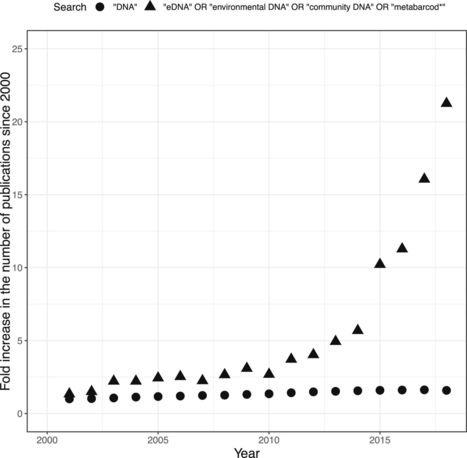
As loss of biodiversity and ecosystem degradation become major concerns worldwide, scientists increasingly depend on DNA-based characterization of animal communities for monitoring and impact assessments. These analyses ultimately depend on the taxonomic reliability of genetic databases for taxonomic assignments. Concerns have been raised about the reliability of GenBank, the largest and most widely used genetic database. We show that, contrary to expectations, the proportion of mislabeled sequences in GenBank is surprisingly low. Major taxonomic errors are vanishingly small (0.01% at the class level, 0.05% at the order level), and likely <1% even at the genus level. These results show that GenBank is much more reliable for a range of applications, including studies of environmental change, than previously thought.
|
|
Scooped by
Jean-Michel Ané
October 27, 2019 12:31 PM
|
During the establishment of arbuscular mycorrhizal (AM) symbiosis, the fungus and the host plant exchange chemical signals that are crucial to reciprocal recognition. Short-chain chitin oligomers (CO) released by AM fungi are known to trigger symbiotic signaling in all host plant species tested. Here we applied exogenous CO, derived from crustacean exoskeleton, to pot-grown Medicago truncatula inoculated with the AM fungus Funneliformis mosseae and investigated root colonization, plant gene regulation and biomass production. CO treatment strongly promoted AM colonization with significant increases in arbuscule development, biomass production and photosynthetic surface compared to untreated mycorrhizal plants. Gene expression analyses indicated that CO treatment anticipated the expression of MtBCP and MtPT4 plant symbiotic markers, during the first two weeks post inoculation. Altogether, our results provide evidence that plant treatment with symbiotic fungal elicitors, anticipated and enhanced AM development, encouraging the use of CO to promote AM establishment in sustainable agricultural practices.
|
|
Scooped by
Jean-Michel Ané
October 25, 2019 12:26 PM
|
In plants, nuclear Ca2+ releases are essential to the establishment of nitrogen-fixing and phosphate-delivering arbuscular mycorrhizal endosymbioses. In the legume Medicago truncatula, these nuclear Ca2+ signals are generated by a complex of nuclear membrane-localised ion channels including the DOES NOT MAKE INFECTIONS 1 (DMI1) and the cyclic nucleotide-gated channels (CNGC) 15s. DMI1 and CNCG15s are conserved among land plants, suggesting roles for nuclear Ca2+ signalling that extend beyond symbioses. Here we show that nuclear Ca2+ signalling initiates in the nucleus of Arabidopsis root cells and that these signals are correlated with primary root development, including meristem development and auxin homeostasis. In addition, we demonstrate that altering genetically AtDMI1 is sufficient to modulate the nuclear Ca2+ signatures, and primary root development. This finding supports the postulate that stimulus-specific information can be encoded in the frequency and duration of a Ca2+ signal and thereby regulate cellular function.
|
|
Scooped by
Jean-Michel Ané
October 24, 2019 1:39 PM
|
Green plants (Viridiplantae) include around 450,000–500,000 species1,2 of great diversity and have important roles in terrestrial and aquatic ecosystems. Here, as part of the One Thousand Plant Transcriptomes Initiative, we sequenced the vegetative transcriptomes of 1,124 species that span the diversity of plants in a broad sense (Archaeplastida), including green plants (Viridiplantae), glaucophytes (Glaucophyta) and red algae (Rhodophyta). Our analysis provides a robust phylogenomic framework for examining the evolution of green plants. Most inferred species relationships are well supported across multiple species tree and supermatrix analyses, but discordance among plastid and nuclear gene trees at a few important nodes highlights the complexity of plant genome evolution, including polyploidy, periods of rapid speciation, and extinction. Incomplete sorting of ancestral variation, polyploidization and massive expansions of gene families punctuate the evolutionary history of green plants. Notably, we find that large expansions of gene families preceded the origins of green plants, land plants and vascular plants, whereas whole-genome duplications are inferred to have occurred repeatedly throughout the evolution of flowering plants and ferns. The increasing availability of high-quality plant genome sequences and advances in functional genomics are enabling research on genome evolution across the green tree of life.
|
|
Scooped by
Jean-Michel Ané
October 23, 2019 12:38 PM
|
Legumes develop root nodules that harbor endosymbiotic bacteria, rhizobia. These rhizobia convert nitrogen to ammonia by biological nitrogen fixation. A thorough understanding of the biological nitrogen fixation in legumes and its regulation is key to develop sustainable agriculture. It is well known that plant hormones affect nodule formation; however, most studies are limited to model legumes due to their suitability for in vitro, plate‐based assays. Specifically, it is almost impossible to measure the effects of exogenous hormones or other additives during nodule development in crop legumes such as soybean as they have huge root system in soil. To circumvent this issue, the present research develops suitable media and growth conditions for efficient nodule development under in vitro, soil‐free conditions in an important legume crop, soybean. Moreover, we also evaluate the effects of all major phytohormones on soybean nodule development under identical growing conditions. Phytohormones such as abscisic acid (ABA) and jasmonic acid (JA) had an overall inhibitory effect and those such as gibberellic acid (GA) or brassinosteroids (BRs) had an overall positive effect on nodule formation. This versatile, inexpensive, scalable, and simple protocol provides several advantages over previously established methods. It is extremely time‐ and resource‐efficient, does not require special training or equipment, and produces highly reproducible results. The approach is expandable to other large legumes as well as for other exogenous additives.
|
|
Scooped by
Jean-Michel Ané
October 22, 2019 9:58 PM
|
Legumes interact with symbiotic rhizobia to produce nitrogen-fixation root nodules under nitrogen-limiting conditions. The contribution of glutathione (GSH) to this symbiosis and anti-oxidative damage was investigated using the M. huakuii gshB (encoding GSH synthetase) mutant. The gshB mutant grew poorly with different monosaccharides, including glucose, sucrose, fructose, maltose, or mannitol, as sole sources of carbon. The antioxidative capacity of gshB mutant was significantly decreased by these treatments with H2O2 under the lower concentrations and cumene hydroperoxide (CUOOH) under the higher concentrations, indicating that GSH plays different roles in response to organic peroxide and inorganic peroxide. The gshB mutant strain displayed no difference in catalase activity, but significantly lower levels of the peroxidase activity and the glutathione reductase activity than the wild type. The same level of catalase activity could be associated with upregulation of the transcriptional activity of the catalase genes under H2O2-induced conditions. The nodules infected by the gshB mutant were severely impaired in abnormal nodules, and showed a nodulation phenotype coupled to a 60% reduction in the nitrogen fixation capacity. A 20-fold decrease in the expression of two nitrogenase genes, nifH and nifD, is observed in the nodules induced by gshB mutant strain. The symbiotic deficiencies were linked to bacteroid early senescence.
|
|
Scooped by
Jean-Michel Ané
October 22, 2019 9:55 PM
|
Aim
Interactions with mycorrhizal fungi are increasingly recognized as an important factor underlying the distribution and abundance of orchid species. However, the geographical distribution of orchid mycorrhizal fungi (OMF) and how their communities vary over large geographical areas are less well understood. Because climatic and environmental similarity may decrease with geographical distance or because some OMF have limited dispersal capabilities, similarities in orchid mycorrhizal communities can be expected to decrease with increasing distances separating orchid populations. However, up till now empirical evidence is largely lacking.
Location
Eurasia.
Taxa
Gymnadenia conopsea (L.) R. Brown and Epipactis helleborine (L.) Crantz.
Methods
High‐throughput sequencing was used to perform a cross‐continental comparison of OMF that associate with two widespread Eurasian terrestrial orchids, Epipactis helleborine and Gymnadenia conopsea. Both phylogenetic and nonphylogenetic measures of community dissimilarity and their components were calculated and related to geographical distances using Mantel tests.
Results
Our results showed that in both orchid species similarity in mycorrhizal communities decreased significantly with geographical distance. Decomposing the contribution of spatial turnover and nestedness to overall dissimilarity showed that the observed dissimilarity was mainly the result of species replacement between regions, and not of species loss. Similarly, a strong relationship was observed between phylogenetic community dissimilarity and geographical distance. Decomposing PCD values into a nonphylogenetic and phylogenetic component showed that orchid populations located closely next to each other were likely to contain the same operational taxonomic units (OTUs), but that the non‐shared taxa came from different phylogenetic clades. Species indicator analyses showed that the majority of OMF OTUs were restricted to particular geographical areas. However, some OTUs occurred in both continents, indicating that some fungi have very wide distributions.
Main conclusions
Overall, these results demonstrate that orchid mycorrhizal communities differ substantially across large geographical areas, but that the distribution of orchids is not necessarily restricted by the distribution of particular OMF. Hence, widespread orchid species can be considered mycorrhizal generalists that are flexible in the OMF with which they associate across large geographical areas.
|
|
Scooped by
Jean-Michel Ané
October 22, 2019 9:46 PM
|
As members of the plant microbiota, Arbuscular Mycorrhizal Fungi (AMF, Glomeromycotina) symbiotically colonize plant roots. AMF also possess their own microbiota, hosting some uncultivable endobacteria. Ongoing research has revealed the genetics underlying plant responses to colonization by AMF, but the fungal side of the relationship remains in the dark. Here, we sequenced the genome of Gigaspora margarita, a member of the Gigasporaceae in an early diverging group of the Glomeromycotina. In contrast to other AMF, G. margarita may host distinct endobacterial populations and possesses the largest fungal genome so far annotated (773.104 Mbp), with more than 64% transposable elements. Other unique traits of the G. margarita genome include: the expansion of genes for inorganic phosphate metabolism, the presence of genes for production of secondary metabolites and a considerable number of potential horizontal gene transfer events. The sequencing of G. margarita genome reveals the importance of its immune system, shedding light on the evolutionary pathways that allowed early diverging fungi to interact with both plants and bacteria.
|
|
Scooped by
Jean-Michel Ané
October 22, 2019 9:41 PM
|
Several studies have demonstrated asymbiotic growth and development of arbuscular mycorrhizal (AM) fungi, although AM fungi are regarded as obligately symbiotic root-inhabiting fungi. Phytohormones, root exudates, and volatiles are important factors regulating the host-AM fungi interaction. However, the effects of phytohormones, root exudates, and volatiles on asymbiotic (without roots present) or pre-symbiotic (with roots present but no colonization) sporulation of AM fungi are unexplored. In this study, we tested the asymbiotic sporulation of Rhizophagus irregularis DAOM 197198 and further investigated the influences of abscisic acid (ABA), the exudates, and volatiles of tomato hairy roots on asymbiotic or pre-symbiotic sporulation in vitro. Results indicated that mother spores asymbiotically and pre-symbiotically produced daughter spores singly or in pairs. Compared with symbiotically produced spores, pre-symbiotically produced spores were significantly smaller (43.1 μm vs. 89.2 μm in diameter). Exogenous ABA applied to mother spores significantly increased the number of daughter spores, and root volatiles also significantly promoted pre-symbiotic sporulation. Our results provide the first evidence that exogenous ABA can promote AM fungal asymbiotic and pre-symbiotic sporulation, which highlights the potential role of phytohormones in AM fungal propagation.
|
|
Scooped by
Jean-Michel Ané
October 22, 2019 9:37 PM
|
Eavesdropping, the interception of signals by unintended receivers, is an important component of the ecology and evolution of communication systems. Plants and microbes have complex communication systems with important consequences for agriculture, human health, and ecosystem functioning. Eavesdropping, however, has mostly been studied in animal systems. In this review, we argue that eavesdropping is an important force shaping the ecology and evolution of communication in these non-animal systems. To date, studying eavesdropping in plants and microbes has been limited by the fact that signaler “intention” is often unclear: distinguishing signals that evolved to convey information from unintended cues is particularly difficult in plants and microbes, and the fitness consequences of signaling are rarely measured. We describe some of the main examples of eavesdropping in plant and microbial communication and point out other murkier cases were the molecular and physiological basis of communication are well-understood, but the evolutionary implications have not been addressed. We argue that these systems provide experimental tractability to test some of the predicted ecological and evolutionary consequences of eavesdropping, and that the particularities of these systems can lead to an increased understanding of eavesdropping, and its importance in biological communication.
|
|
|
Scooped by
Jean-Michel Ané
October 27, 2019 12:50 PM
|
Inspired by the evolution of eukaryotic organelles, we propose a conceptual framework to study the evolutionary and ecological drivers of symbiosis, including three main elements: a currency, mechanisms of currency exchange, and inheritance.
Currency in symbiosis is the type resources that species in a beneficial symbiosis gain from their partner.
Currency exchange is a complex process that requires molecular adaptations in one or both partners.
We identify two distinct but not mutually exclusive initial evolutionary imperatives for the establishment of symbiosis, termed currency first, in which the initial interaction stems from a common currency exchange between the interacting partners to complement their environmental requirements, and transmission first, in which stable transgenerational transmission precedes the evolution of currency exchange.
|
|
Scooped by
Jean-Michel Ané
October 27, 2019 12:42 PM
|
Four bacterial strains isolated from root nodules of soybean plants that had been inoculated with root-zone soil of either Amphicarpaea bracteata (Hog Peanut) or Desmodium canadense (Showy Tick Trefoil) growing in Canada, were previously characterized and placed in a novel lineage within the genus Bradyrhizobium . The taxonomic status of the novel strains was verified by genomic and phenotypic analyses. Phylogenetic analyses of individual and concatenated housekeeping gene sequences (atp D, gln II, rec A, gyr B and rpo B) placed all novel strains in a highly supported lineage distinct from named Bradyrhizobium species. Data for sequence similarities of concatenated housekeeping genes of novel strains relative to type strains of named species were consistent with the phylogenetic data. Average nucleotide identity values of genome sequences (84.5–93.7 %) were below the threshold value of 95–96 % for bacterial species circumscription. Close relatives to the novel strains are Bradyrhizobium amphicarpaeae , Bradyrhizobium ottawaense and Bradyrhizobium shewense . The complete genomes of strains 85S1MBT and 65S1MB consist of single chromosomes of size 7.04 and 7.13 Mbp, respectively. The genomes of both strains have a G+C content of 64.3 mol%. These strains lack a symbiosis island as well as key nodulation, nitrogen-fixation and photosystem genes. Data from various phenotypic tests including growth characteristics and carbon source utilization supported the sequence-based analyses. Based on the data presented here, the four strains represent a novel species for which the name B radyrhizobium symbiodeficiens sp. nov., is proposed, with 85S1MBT (=LMG 29937T=HAMBI 3684T) as the type strain.
|
|
Scooped by
Jean-Michel Ané
October 27, 2019 12:41 PM
|
A collection of 18 previously unstudied strains isolated from root nodules of Genista germanica (German greenweed) grown in southeast Poland was evaluated for the level of genetic diversity using the BOX-PCR technique and the phylogenetic relationship based on both core (16S rRNA, dnaK, ftsA, glnII, gyrB, recA, rpoB) and nodulation (nodC and nodZ) gene sequences. Each of the 18 G. germanica root nodule isolates displayed unique BOX-PCR patterns, indicating their high level of genomic heterogeneity. Based on the comparative 16S rDNA sequence analysis, 12 isolates were affiliated to the Bradyrhizobium genus and the other strains were most similar to Rhizobium species. Phylogenetic analysis of the core gene sequences indicated that the studied Bradyrhizobium bacteria were most closely related to Bradyrhizobium japonicum, whereas Rhizobium isolates were most closely related to Rhizobium lusitanum and R. leguminosarum. The phylogenies of nodC and nodZ for the Rhizobium strains were incongruent with each other and with the phylogenies inferred from the core gene sequences. All Rhizobium nodZ gene sequences acquired in this study were grouped with the sequences of Bradyrhizobium strains. Some of the studied Rhizobium isolates were placed in the nodC phylogenetic tree together with reference Rhizobium species, while the others were closely related to Bradyrhizobium bacteria. The results provided evidence for horizontal transfer of nodulation genes between Bradyrhizobium and Rhizobium. However, the horizontal transfer of nod genes was not sufficient for Rhizobium strains to form nodules on G. germanica roots, suggesting that symbiotic genes have to be adapted to the bacterial genome.
|
|
Scooped by
Jean-Michel Ané
October 27, 2019 12:35 PM
|
Recent evidence for intimate relationship of plants with their microbiota shows that plants host individual and diverse microbial communities that are essential for their survival. Understanding their relatedness using genome-based and high-throughput techniques remains a hot topic in microbiome research. Molecular analysis of the plant holobiont necessitates the application of specific sampling and preparatory steps that also consider sources of unwanted information, such as soil, co-amplified plant organelles, human DNA, and other contaminations. Here, we review state-of-the-art and present practical guidelines regarding experimental and computational aspects to be considered in molecular plant–microbiome studies. We discuss sequencing and “omics” techniques with a focus on the requirements needed to adapt these methods to individual research approaches. The choice of primers and sequence databases is of utmost importance for amplicon sequencing, while the assembly and binning of shotgun metagenomic sequences is crucial to obtain quality data. We discuss specific bioinformatic workflows to overcome the limitation of genome database resources and for covering large eukaryotic genomes such as fungi. In transcriptomics, it is necessary to account for the separation of host mRNA or dual-RNAseq data. Metaproteomics approaches provide a snapshot of the protein abundances within a plant tissue which requires the knowledge of complete and well-annotated plant genomes, as well as microbial genomes. Metabolomics offers a powerful tool to detect and quantify small molecules and molecular changes at the plant–bacteria interface if the necessary requirements with regard to (secondary) metabolite databases are considered. We highlight data integration and complementarity which should help to widen our understanding of the interactions among individual players of the plant holobiont in the future.
|
|
Scooped by
Jean-Michel Ané
October 27, 2019 12:25 PM
|
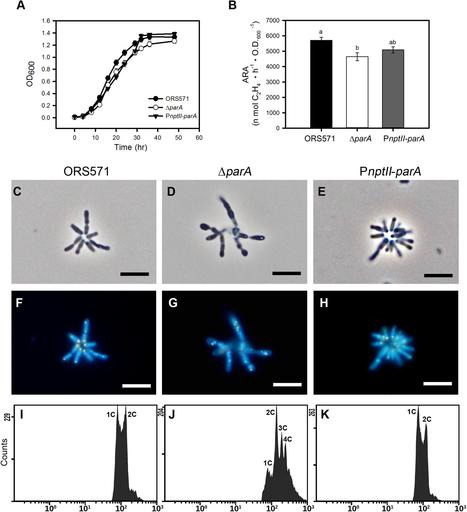
Azorhizobium caulinodans ORS571 is a diazotroph that forms N2-fixing nodules on the roots and stems of the tropical legume Sesbania rostrata. Deletion of the parA gene of this bacterium results in cell cycle defects, pleiomorphic cell shape, and formation of immature stem nodules on its host plant. In this study, we constructed a parA overexpression mutant (PnptII-parA) to complement a previous study and provide new insights into bacteroid formation. We found that overproduction of ParA did not affect growth, cell morphology, chromosome partitioning, or vegetative nitrogen fixation in the free-living state. Under symbiosis, however, distinctive features, such as a single swollen bacteroid in one symbiosome, relatively narrow symbiosome space, and polyploid cells were observed. The morphotype of the PnptII-parA bacteroid is reminiscent of terminal differentiation in some IRLC indeterminate nodules, but S. rostrata is not thought to produce the NCR peptides that induce terminal differentiation in rhizobia. In addition, the transcript patterns of many symbiosis-related genes elicited by PnptII-parA were different from those elicited by the wild type. Accordingly, we propose that the particular symbiosome formation in PnptII-parA stem-nodules is due to cell cycle disruption caused by excess ParA protein in the symbiotic cells during nodulation.
|
|
Scooped by
Jean-Michel Ané
October 24, 2019 10:56 PM
|
Since 1999, various forward- and reverse-genetic approaches have uncovered nearly 200 genes required for symbiotic nitrogen fixation (SNF) in legumes. These discoveries advanced our understanding of the evolution of SNF in plants and its relationship to other beneficial endosymbioses, signaling between plants and microbes, control of microbial infection of plant cells, control of plant cell division leading to nodule development, autoregulation of nodulation, intracellular accommodation of bacteria, nodule oxygen homeostasis, control of bacteroid differentiation, metabolism and transport supporting symbiosis, and control of nodule senescence. This review catalogs and contextualizes all of the plant genes currently known to be required for SNF in two model legume species, Medicago truncatula and Lotus japonicus, and two crop species, Glycine max (soybean) and Phaseolus vulgaris (common bean). We also consider, briefly, the future of SNF genetics in the era of pan genomics and genome editing.
|
|
Scooped by
Jean-Michel Ané
October 23, 2019 3:50 PM
|
Symbiotic nitrogen fixation by rhizobia in legume root nodules is a key source of nitrogen for sustainable agriculture. Genetic approaches have revealed important roles for only a few of the thousands of plant genes expressed during nodule development and symbiotic nitrogen fixation. Previously, we isolated >100 nodulation and nitrogen fixation mutants from a population of Tnt1-insertion mutants of Medigaco truncatula. Using Tnt1 as a tag to identify genetic lesions in these mutants, we discovered that insertions in a M. truncatula nodule-specific polycystin-1, lipoxygenase, α-toxin (PLAT) domain-encoding gene, MtNPD1, resulted in development of ineffective nodules. Early stages of nodule development and colonization by the nitrogen-fixing bacterium Sinorhizobium meliloti appeared to be normal in the npd1 mutant. However, npd1 nodules ceased to grow after a few days, resulting in abnormally small, ineffective nodules. Rhizobia that colonized developing npd1 nodules did not differentiate completely into nitrogen-fixing bacteroids and quickly degraded. MtNPD1 expression was low in roots but increased significantly in developing nodules 4 d postinoculation, and expression accompanied invading rhizobia in the nodule infection zone and into the distal nitrogen fixation zone. A functional MtNPD1:GFP fusion protein localized in the space surrounding symbiosomes in infected cells. When ectopically expressed in tobacco (Nicotiana tabacum) leaves, MtNPD1 colocalized with vacuoles and the endoplasmic reticulum. MtNPD1 belongs to a cluster of five nodule-specific single PLAT domain-encoding genes, with apparent nonredundant functions.
|
|
Scooped by
Jean-Michel Ané
October 22, 2019 10:31 PM
|
This study was designed to determine the plant growth promoting (PGP) potential of members of the genus Frankia. To this end, the genomes of 21 representative strains were examined for genes associated directly or indirectly with plant growth. All of the Frankia genomes contained genes that encoded for products associated with the biosynthesis of auxins [indole-3-glycerol phosphate synthases, anthranilate phosphoribosyltransferases (trpD), anthranilate synthases, and aminases (trpA and B)], cytokinins (11 well-conserved genes within the predicted biosynthetic gene cluster), siderophores, and nitrogenases (nif operon except for atypical Frankia) as well as genes that modulate the effects of biotic and abiotic environmental stress (e.g., alkyl hydroperoxide reductases, aquaporin Z, heat shock proteins). In contrast, other genes were associated with strains assigned to one or more of four host-specific clusters. The genes encoding for phosphate solubilization (e.g., low-affinity inorganic phosphate transporters) and lytic enzymes (e.g., cellulases) were found in Frankia cluster 1 genomes, while other genes were found only in cluster 3 genomes (e.g., alkaline phosphatases, extracellular endoglucanases, pectate lyases) or cluster 4 and subcluster 1c genomes (e.g., NAD(P) transhydrogenase genes). Genes encoding for chitinases were found only in the genomes of the type strains of Frankia casuarinae, F. inefficax, F. irregularis, and F. saprophytica. In short, these in silico genome analyses provide an insight into the PGP abilities of Frankia strains of known taxonomic provenance. This is the first study designed to establish the underlying genetic basis of cytokinin production in Frankia strains. Also, the discovery of additional genes in the biosynthetic gene cluster involved in cytokinin production opens up the prospect that Frankia may have novel molecular mechanisms for cytokinin biosynthesis.
|
|
Scooped by
Jean-Michel Ané
October 22, 2019 9:58 PM
|
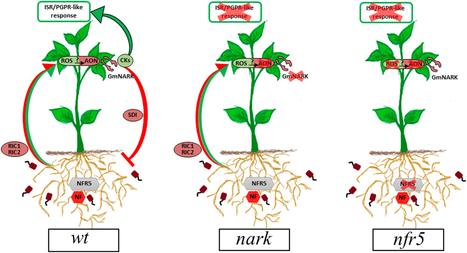
The symbiotic relationship between legumes and nitrogen-fixing rhizobia induces local and systemic responses, which ultimately lead to nodule formation. The autoregulation of nodulation (AON) is a systemic mechanism related to innate immunity that controls nodule development and involves different components ranging from hormones, peptides, receptors to small RNAs. Here, we characterized a rapid systemic redox changes induced during soybean–Bradyrhizobium japonicum symbiotic interaction. A transient peak of reactive oxygen species (ROS) generation was found in soybean leaves after 30 min of root inoculation with B. japonicum. The ROS response was accompanied by changes in the redox state of glutathione and by activation of antioxidant enzymes. Moreover, the ROS peak and antioxidant enzyme activation were abolished in leaves by the addition, in either root or leaf, of DPI, an NADPH oxidase inhibitor. Likewise, these systemic redox changes primed the plant increasing its tolerance to photooxidative stress. With the use of non-nodulating nfr5-mutant and hyper-nodulating nark-mutant soybean plants, we subsequently studied the systemic redox changes. The nfr5-mutant lacked the systemic redox changes after inoculation, whereas the nark-mutant showed a similar redox systemic signaling than the wild type plants. However, neither nfr5- nor nark-mutant exhibited tolerance to photooxidative stress condition. Altogether, these results demonstrated that (i) the early redox systemic signaling during symbiotic interaction depends on a Nod factor receptor, and that (ii) the induced tolerance response depends on the AON mechanisms.
|
|
Scooped by
Jean-Michel Ané
October 22, 2019 9:50 PM
|
In general, Glomeromycotina was thought to be the earliest fungi forming mycorrhiza-like structure (MLS) in land plant evolution. In contrast, because the earliest divergent lineage of extant land plants, i.e. Haplomitriopsida liverworts, associates only with Mucoromycotina mycobionts, recent studies suggested that those fungi are novel candidates for the earliest mycobionts. Therefore, Mucoromycotina–Haplomitriopsida association currently attracts attention as an ancient mycorrhiza-like association. However, mycobionts were identified in only 7 of 16 Haplomitriopsida species and the mycobionts diversity of this lineage is largely unclarified. To clarify the taxonomic composition of mycobionts in Haplomitriopsida, we observed MLSs in the rhizome of Haplomitrium mnioides (Haplomitriopsida), the Asian representative Haplomitriopsida species, and conducted molecular identification of mycobionts. It was recorded for the first time that Glomeromycotina and Mucoromycotina co-occur in Haplomitriopsida as mycobionts. Significantly, the arbuscule-like branching (ALB) of Glomeromycotina was newly described. As the Mucoromycotina fungi forming MLSs in H. mnioides, Endogonaceae and Densosporaceae were detected, in which size differences of hyphal swelling (HS) were found between the fungal families. This study provides a novel evidence in the MLS of Haplomitriopsida, i.e. the existence of Glomeromycotina association as well as the dominant Mucoromycotina association. In addition, since hyphal characteristics of the HS-type MLS were quite similar to those of fine endophytes (FE) of Endogonales in other bryophytes and vascular plants previously described, this MLS is suggested to be included in FE. These results suggest that Glomeromycotina and Mucoromycotina were acquired concurrently as the mycobionts by the earliest land plants evolved into arbuscular mycorrhizae and FE. Therefore, dual association of Haplomitriopsida, with Endogonales and Glomeromycotina will provide us novel insight on how the earliest land plants adapted to terrestrial habitats with fungi.
|
|
Scooped by
Jean-Michel Ané
October 22, 2019 9:44 PM
|
Estimating the abundance of arbuscular mycorrhizal fungi relies entirely on indirect methods, meaning all measures are associated with some variability. The most common methods use microscopic estimates of the relative proportion of root length colonized by fungal structures. These methods typically examine root subsamples. While such methods are inexpensive and relatively simple, significant variation within single root system means there is opportunity for sampling bias. We evaluated the two most common methods of percent root length colonization for AM fungi both as a subsample and for the entire root system of flax plants. We compared these measures to a novel technique that returns projected fungal surface area (fungal coverage), by using microphotography and imaging analysis. Both microscopic methods overestimated the colonization intensity compared to image analysis. Among the microscopic methods, the method which incorporated colonization intensity (Trouvelot) was significantly more similar to imaging method results, than the method that is based on the presence/absence of the fungus (McGonigle).
|
|
Scooped by
Jean-Michel Ané
October 22, 2019 9:39 PM
|
N fertilizers make the total cost of production of biofuels, sugar and bioelectricity expensive in the sugar-energy industry. Microbes could replace N fertilizers in the nutritional management of sugarcane crop by capturing N2 from the atmosphere. We accordingly conducted this scientific study to investigate the response of sugarcane crop to Azospirillum brasilense. We tested the strain Az-V5 at the doses of 0, 50, 100, 200 and 400 mL ha−1, by spraying it into the planting furrow, 7, 14 and 21 days after crop planting into 20-l pots filled with sieved Rhodic Hapludox, with a loamy texture. In order to examine biologically modulated morphological changes in the host plant material, namely sugarcane variety ‘RB86-7515,’ we harvested and then assessed 90-day-old plants for plant height, stalk diameter, number of tillers, number of leaves, leaf area, tiller length, dry matter of shoots and root dry matter. Sugarcane plants treated with the bioagent 14 and 21 days after crop planting had lower mean values of plant height, number of leaves, leaf area, dry matter of shoots and root dry matter. Therefore, applying A. brasilense into the planting furrow, instead of spraying it on sugarcane leaves, could protect it for a longer period from biotic and abiotic factors influencing cell viability, root colonization and ultimately symbiosis. The conclusion is, therefore, application of A. brasilense into planting furrow is the best environmentally friendly and low-cost strategy to promote growth and development in sugarcane plants at the beginning of their life cycle.
|











Great review from @Garcia__Kevin