Your new post is loading...

|
Scooped by
Jean-Michel Ané
February 24, 2020 10:31 PM
|
The transition to a terrestrial environment, termed terrestrialization, is generally regarded as a pivotal event in the evolution and diversification of the land plant flora that changed the surface of our planet. Through phylogenomic studies, a group of streptophyte algae, the Zygnematophyceae, have recently been recognized as the likely sister group to land plants (embryophytes). Here, we report genome sequences and analyses of two early diverging Zygnematophyceae ( Spirogloea muscicola gen. nov. and Mesotaenium endlicherianum) that share the same subaerial/terrestrial habitat with the earliest-diverging embryophytes, the bryophytes. We provide evidence that genes (i.e., GRAS and PYR/PYL/RCAR) that increase resistance to biotic and abiotic stresses in land plants, in particular desiccation, originated or expanded in the common ancestor of Zygnematophyceae and embryophytes, and were gained by horizontal gene transfer (HGT) from soil bacteria. These two Zygnematophyceae genomes represent a cornerstone for future studies to understand the underlying molecular mechanism and process of plant terrestrialization.
|
|
Scooped by
Jean-Michel Ané
February 23, 2020 10:45 PM
|
|
|
Scooped by
Jean-Michel Ané
February 23, 2020 10:39 PM
|
Dispersal is a key process driving local-scale community assembly and global-scale biogeography of plant symbiotic arbuscular mycorrhizal (AM) fungal communities. A trait-based approach could improve predictions regarding how AM fungal aerial dispersal varies by species.
We conducted month-long collections of aerial AM fungi for 12 consecutive months in an urban mesic environment at heights of 20 m. We measured functional traits of all collected spores and assessed aerial AM fungal community structure both morphologically and with high-throughput sequencing.
Large numbers of AM fungal spores were present in the air over the course of one year and these spores were more likely to exhibit traits that facilitate dispersal. Aerial spores were smaller than average for Glomeromycotinan fungi. Trait-based predictions indicate that nearly 1/3 of described species from diverse genera demonstrate the potential for aerial dispersal. Diversity of aerial AM fungi was relatively high (20 spore species and 17 virtual taxa) and both spore abundance and community structure shifted temporally.
The prevalence of aerial dispersal in arbuscular mycorrhizas is perhaps greater than previously indicated and a hypothesized model of AM fungal dispersal mechanisms is presented. Anthropogenic soil impacts may initiate the dispersal of disturbance-tolerating AM fungal species and facilitate community homogenization.
|
|
Scooped by
Jean-Michel Ané
February 23, 2020 10:32 PM
|
Most land plants form symbioses with arbuscular mycorrhizal fungi (AMF). Diversity of AMF increases plant community productivity and plant diversity. For decades, it was known that plants trade carbohydrates for phosphate with their fungal symbionts. However, recent studies show that plant-derived lipids probably represent the most essential currency of exchange. Understanding the regulation of plant genes involved in the currency of exchange is crucial to understanding stability of this mutualism. Plants encounter many different AMF genotypes that vary greatly in the benefit they confer to plants. Yet the role that fungal genetic variation plays in the regulation of this currency has not received much attention. We used a high-resolution phylogeny of one AMF species (Rhizophagus irregularis) to show that fungal genetic variation drives the regulation of the plant fatty acid pathway in cassava (Manihot esculenta); a pathway regulating one of the essential currencies of trade in the symbiosis. The regulation of this pathway was explained by clearly defined patterns of fungal genome-wide variation representing the precise fungal evolutionary history. This represents the first demonstrated link between the genetics of AMF and reprogramming of an essential plant pathway regulating the currency of exchange in the symbiosis. The transcription factor RAM1 was also revealed as the dominant gene in the fatty acid plant gene co-expression network. Our study highlights the crucial role of variation in fungal genomes in the trade of resources in this important symbiosis and also opens the door to discovering characteristics of AMF genomes responsible for interactions between AMF and cassava that will lead to optimal cassava growth.
|
|
Scooped by
Jean-Michel Ané
February 23, 2020 10:25 PM
|
Rhizobia are soil bacteria able to establish symbiosis with diverse host plants. Specifically, Sinorhizobium fredii is a soil bacterium that forms nitrogen-fixing root nodules in diverse legumes, including soybean. The strain S. fredii CCBAU45436 is a dominant sublineage of S. fredii that nodulates soybeans in alkaline-saline soils in the Huang-Huai-Hai Plain region of China. Here, we present a manually curated metabolic model of the symbiotic form of Sinorhizobium fredii CCBAU45436. A symbiosis reaction was defined to describe the specific soybean-microsymbiont association. The performance and quality of the reconstruction had a 70% score when assessed using a standardized genome-scale metabolic model test suite. The model was used to evaluate in silico single-gene knockouts to determine the genes controlling the nitrogen fixation process. One hundred forty-one of 541 genes (26%) were found to influence the symbiotic process, wherein 121 genes were predicted as essential and 20 others as having a partial effect. Transcriptomic profiles of CCBAU45436 were used to evaluate the nitrogen fixation capacity in cultivated versus in wild soybean inoculated with the microsymbiont. The model quantified the nitrogen fixation activities of the strain in these two hosts and predicted a higher nitrogen fixation capacity in cultivated soybean. Our results are consistent with published data demonstrating larger amounts of ureides and total nitrogen in cultivated soybean than in wild soybean. This work presents the first metabolic network reconstruction of S. fredii as an example of a useful tool for exploring the potential benefits of microsymbionts to sustainable agriculture and the ecosystem.
|
|
Scooped by
Jean-Michel Ané
February 22, 2020 7:24 AM
|
Arbuscular mycorrhizal fungi (AMF) can form a symbiotic relationships with most terrestrial plants and play an important role in plant growth and adaptation to various stresses. To study the role of AMF in regulating drought resistance in apple, the effects of drought stress on Malus hupehensis inoculated with AMF were investigated. Inoculation of AMF enhanced apple plants growth. Mycorrhizal plants had higher total chlorophyll concentrations but lower relative electrolyte leakage under drought stress. Mycorrhizal plants increased net photosynthetic rate, stomatal conductance, and transpiration rate under drought stress, however, they showed lower inhibition in the quantum yield of PSII photochemistry. Mycorrhizal plants also had higher superoxide dismutase (SOD), peroxidase (POD), and catalase (CAT) enzyme activities under drought conditions. Thus, mycorrhizal plants had lower accumulated MDA, H2O2, and O2− than non-mycorrhizal seedlings. Total sugar and proline concentrations also significantly increased, helping maintain the osmotic balance. Furthermore, mitogen-activated protein kinase (MAPK) cascades, which participate in the regulation of responses of plants and microorganisms to biotic and abiotic stress, were up-regulated in apple plants and AMF during drought. We saw that there were at least two motifs that were identical in MAPK proteins and many elements that responded to hormones and stress from these MAPK genes. In summary, our results showed that mycorrhizal colonization enhanced apple drought tolerance by improving gas exchange capacity, increasing chlorophyll fluorescence parameters, creating a greater osmotic adjustment capacity, increasing scavenging of reactive oxygen species (ROS), and using MAPK signals for interactions between AMF and their apple plant hosts.
|
|
Scooped by
Jean-Michel Ané
February 22, 2020 7:19 AM
|
Arbuscular mycorrhizal fungi (AMF) play an important role in maintaining plant diversity and productivity in grassland ecosystems. However, very few studies have investigated how AMF and plant communities co‐vary between contrasting environments in natural ecosystems. Intensive sampling (50 soil samples) was conducted in natural open grasslands at both 3570 and 4556 m on Mount Segrila on the Southeast Tibetan Plateau. We used 454‐pyrosequencing to investigate soil AMF communities and to explore relationships between AMF diversity and plant richness, productivity and community composition. AMF diversity was negatively correlated with plant richness at 3570 m but positively at 4556 m. Differences in AMF community composition between elevations were attributable to plant community composition, soil pH and available phosphorus concentration. The AMF community was more phylogenetically clustered at the higher elevation than the lower elevation. However, greater phylogenetic clustering (under dispersion) of AMF communities at the two elevations was positively correlated with above‐ground biomass. Our results indicate that plant community composition and environmental filtering are the primary drivers structuring the AMF community. Phylogenetic relatedness may be important in explaining the function of AMF communities in alpine ecosystems.
|
|
Scooped by
Jean-Michel Ané
February 22, 2020 7:18 AM
|
Arbuscular mycorrhizal (AM) fungi are oleaginous organisms, and the most abundant fatty acyl moiety usually found in their lipids is palmitvaccenic acid (16:1Δ11cis). However, it is not known how this uncommon fatty acid species is made. Here, we have cloned two homologs of Lepidopteran fatty acyl‐CoenzymeA Δ11 desaturases from the AM fungus Rhizophagus irregularis. Both enzymes, DES1 and DES2, are expressed in intraradicle mycelium and can complement the unsaturated fatty acid‐requiring auxotrophic growth phenotype of the Saccharomyces cerevisiae ole1Δ mutant. DES1 expression leads almost exclusively to oleic acid (18:1Δ9cis) production, whereas DES2 expression results in the production of 16:1Δ11cis and vaccenic acid (18:1Δ11cis). DES2 therefore encodes a Δ11 desaturase that is likely to be responsible for the synthesis of 16:1Δ11cis in R. irregularis.
|
|
Scooped by
Jean-Michel Ané
February 11, 2020 11:07 PM
|
At the colonization site of a foreign entity, plant cells alter their trajectory of growth and development. The resulting structure – a plant gall – accommodates various needs of the foreigner, which are phylogenetically diverse: viruses, bacteria, protozoa, oomycetes, true fungi, parasitic plants, and many types of animals, including rotifers, nematodes, insects, and mites. The plant species that make galls also are diverse. We assume gall production costs the plant. All is well if the foreigner provides a gift that makes up for the cost. Nitrogen‐fixing nodule‐inducing bacteria provide nutritional services. Gall wasps pollinate fig trees. Unfortunately for plants, most galls are made for foes, some of which are deeply studied pathogens and pests: Agrobacterium tumefaciens, Rhodococcus fascians, Xanthomonas citri, Pseudomonas savastanoi, Pantoea agglomerans, ‘Candidatus’ phytoplasma, rust fungi, Ustilago smuts, root knot and cyst nematodes, and gall midges. Galls are an understudied phenomenon in plant developmental biology. We propose gall inception for discovering unifying features of the galls that plants make for friends and foes, talk about molecules that plants and gall‐inducers use to get what they want from each other, raise the question of whether plants colonized by arbuscular mycorrhizal fungi respond in a gall‐like manner, and present a research agenda.
|
|
Scooped by
Jean-Michel Ané
February 11, 2020 10:54 PM
|
Legumes form symbiosis with rhizobia, which fix nitrogen for the benefit of host plant in return for carbon resources. Development of this unique symbiosis in legumes is triggered by rhizobia-secreted nodulation (Nod) factors (NFs). NFs, upon perception, activate Nod signaling cascade, leading to reprogramming of host cell (root) developmental networks to pave way for accommodating rhizobial symbionts. A long-cherished goal of legume-rhizobia symbiosis research is to extend this symbiotic nitrogen-fixing capacity to cereal plants such as rice. As a part of achieving this ultimate goal, in this work, initially we expressed legume-specific Nod factor receptor protein (NFRP) genes, MtNFP, MtLYK3, and LjLNP, in rice and assessed their impact on NF perception and consequently triggered biological responses in roots. RNA-seq analysis revealed that roots of both control and NFRP-expressing plants perceive NFs, but NFs elicited contrasting impacts on gene expression patterns in roots of these plants. In contrast to suppressive role of NFs on expression of several genes involved in innate immune response in roots of control plants, in NFRP-expressing plants, NFs triggered massive upregulation of a vast array of genes associated with signaling, defense response, and secondary metabolism networks in roots. Expression of NFRPs in rice also conferred root hairs the ability to respond to NFs in terms of exhibiting deformations, albeit at low levels. Together, results of the study demonstrated that rice plants have inherent ability to perceive NFs, but the expression of legume NFRPs rendered rice roots hypersensitive to NFs.
|
|
Scooped by
Jean-Michel Ané
February 11, 2020 10:48 PM
|
Using different Sinorhizobium meliloti strains as hosts, we isolated eight new virulent phages from the rhizosphere of the coastal legume Medicago marina. Half of the isolated phages showed a very narrow host range while the other half exhibited a wider host range within the strains tested. Electron microscopy studies showed that phages M_ort18, M_sf1.2, and M_sf3.33 belonged to the Myoviridae family with feature long, contractile tails and icosaedral head. Phages I_sf3.21 and I_sf3.10T appeared to have filamentous shape and produced turbid plaques, which is a characteristic of phages from the Inoviridae family. Phage P_ort11 is a member of the Podoviridae, with an icosahedral head and a short tail and was selected for further characterization and genome sequencing. P_ort11 contained linear, double-stranded DNA with a length of 75239 bp and 103 putative open reading frames. BLASTP analysis revealed strong similarities to Escherichia phage N4 and other N4-like phages. This is the first report of filamentous and N4-like phages that infect S. meliloti.
|
|
Scooped by
Jean-Michel Ané
February 10, 2020 10:59 PM
|
The access of rhizobia to legume host is a prerequisite for nodulation. Rhizobia are poorly motile in soil, while filamentous fungi are known to grow extensively across soil pores. Since root exudates-driven bacterial chemotaxis cannot explain rhizobial long-distance dispersal, mycelia could constitute ideal dispersal networks to help rhizobial enrichment in the legume rhizosphere from bulk soil. Thus, we hypothesized that mycelia networks act as vectors that enable contact between rhizobia and legume and influence subsequent nodulation. By developing a soil microcosm system, we found that a facultatively biotrophic fungus, Phomopsis liquidambaris, helps rhizobial migration from bulk soil to the peanut (Arachis hypogaea) rhizosphere and, hence, triggers peanut–rhizobium nodulation but not seen in the absence of mycelia. Assays of dispersal modes suggested that cell proliferation and motility mediated rhizobial dispersal along mycelia, and fungal exudates might contribute to this process. Furthermore, transcriptomic analysis indicated that genes associated with the cell division, chemosensory system, flagellum biosynthesis, and motility were regulated by Ph. liquidambaris, thus accounting for the detected rhizobial dispersal along hyphae. Our results indicate that rhizobia use mycelia as dispersal networks that migrate to legume rhizosphere and trigger nodulation. This work highlights the importance of mycelial network-based bacterial dispersal in legume–rhizobium symbiosis.
|
|
Scooped by
Jean-Michel Ané
February 10, 2020 10:54 PM
|
All orchids are mycoheterotrophic during seed germination and early stages of seedling development. Nevertheless, this dependency on the mycobiont extended into adulthood in many green photosynthetic orchids and is termed as mixotrophy. The fungal hyphae colonize orchids early during seed germination and protocorm development and form highly coiled structures called pelotons. Conventional studies mostly focused on orchid mycorrhizal fungi (OMF) that are saprophytic, but later the role of both ectomycorrhizal and parasitic fungi in orchid mycorrhizal symbiosis were recognized. Although there is enough evidence to believe that OMF is not host-specific, there are also indications which suggest the possible existence of physiological compatibility in orchid-fungal interaction. Current advances in molecular techniques have enabled us to untangle the diversity of fungi involved in the symbiosis and have helped to overcome the bottlenecks associated with the traditional identification of the fungal taxa using morphological characters. OMF symbiosis is shown to assure orchid survival in habitats vulnerable to stressful conditions or habitats with resource limitations. Further, the OMF has been shown to play a key role in the rehabilitation of threatened orchid species in their natural habitats. In spite of this, there is a large gap in our understanding of the fungal diversity associated with the tropical epiphytic and lithophytic orchid taxa.
|
|
|
Scooped by
Jean-Michel Ané
February 23, 2020 10:47 PM
|
We previously reported on the strong symbiosis of AMF species (Rhizophagus irregularis CD1) with the cotton (Gossypium hirsutum L.) which is grown worldwide. In current study, it was thus investigated in farmland to determine the biological control effect of AMF on phosphorus acquisition and related gene expression regulation, plant growth and development, and a series of agronomic traits associated with yield and fiber quality in cotton. When AMF and cotton were symbiotic, the expression of the specific phosphate transporter family genes and P concentration in the cotton biomass were significantly enhanced. The photosynthesis, growth, boll number per plant and the maturity of the fiber were increased through the symbiosis between cotton and AMF. Statistical analysis showed a highly significant increase in yield for inoculated plots compared with that from the non inoculated controls, with an increase percentage of 28.54%. These findings clearly demonstrate here the benefits of AMF-based inoculation on phosphorus acquisition, growth, seed cotton yield and fiber quality in cotton. Further improvement of these beneficial inoculants on crops will help increase farmers’ income all over the world both now and in the future.
|
|
Scooped by
Jean-Michel Ané
February 23, 2020 10:41 PM
|
The repertoire of microbial cues monitored by animal and plant tissues encompasses not just molecules but also microbial activities. These include typical pathogen strategies of injuring membranes, degrading cellular material, and scavenging resources. These activities, however, are not exclusive to pathogens. Instead, they characterize the competitive strategies of microbes living in multispecies communities, like those typically found colonizing host tissues. Similar activities are also deployed by host tissues to keep microbes in check. We propose that host surveillance and mimicry of Microbial-Associated Competitive Activities (MACAs), derived from an evolutionary history of living in mixed microbial communities, has shaped contemporary animal and plant tissue programs of defense, repair, metabolism, and development.
|
|
Scooped by
Jean-Michel Ané
February 23, 2020 10:35 PM
|
Premise
Nutrients, light, water, and temperature are key factors limiting the growth of individual plants in nature. Mutualistic interactions between plants and microbes often mediate resource limitation for both partners. In the mutualism between legumes and rhizobia, plants provide rhizobia with carbon in exchange for fixed nitrogen. Because partner quality in mutualisms is genotype‐dependent, within‐species genetic variation is expected to alter the responses of mutualists to changes in the resource environment. Here we ask whether partner quality variation in rhizobia mediates the response of host plants to changing light availability, and conversely, whether light alters the expression of partner quality variation.
Methods
We inoculated clover hosts with 11 strains of Rhizobium leguminosarum that differed in partner quality, grew plants under either ambient or low light conditions in the greenhouse, and measured plant growth, nodule traits, and foliar nutrient composition.
Results
Light availability and rhizobium inoculum interactively determined plant growth, and variation in rhizobium partner quality was more apparent in ambient light.
Conclusions
Our results suggest that variation in the costs and benefits of rhizobium symbionts mediate host responses to light availability and that rhizobium strain variation might more important in higher‐light environments. Our work adds to a growing appreciation for the role of microbial intraspecific and interspecific diversity in mediating extended phenotypes in their hosts and suggests an important role for light availability in the ecology and evolution of legume–rhizobium symbiosis.
|
|
Scooped by
Jean-Michel Ané
February 23, 2020 10:30 PM
|
Arbuscular mycorrhizal (AM) fungi establish symbiotic associations with many plant species, transferring significant amounts of soil nutrients such as phosphorus to plants and receiving photosynthetically fixed carbon in return. Functioning of AM symbiosis is thus based on interaction between two living partners. The importance of dead AM fungal biomass (necromass) in ecosystem processes remains unclear. Here, we applied either living biomass or necromass (0.0004 potting substrate weight percent) of monoxenically produced AM fungus (Rhizophagus irregularis) into previously sterilized potting substrate planted with Andropogon gerardii. Plant biomass production significantly improved in both treatments as compared to non-amended controls. Living AM fungus, in contrast to the necromass, specifically improved plant acquisition of nutrients normally supplied to the plants by AM fungal networks, such as phosphorus and zinc. There was, however, no difference between the two amendment treatments with respect to plant uptake of other nutrients such as nitrogen and/or magnesium, indicating that the effect on plants of the AM fungal necromass was not primarily nutritional. Plant growth stimulation by the necromass could thus be either due to AM fungal metabolites directly affecting the plants, indirectly due to changes in soil/root microbiomes or due to physicochemical modifications of the potting substrate. In the necromass, we identified several potentially bioactive molecules. We also provide experimental evidence for significant differences in underground microbiomes depending on the amendment with living or dead AM fungal biomass. This research thus provides the first glimpse into possible mechanisms responsible for observed plant growth stimulation by the AM fungal necromass.
|
|
Scooped by
Jean-Michel Ané
February 23, 2020 4:33 PM
|
Host genetics has recently been shown to be a driver of plant microbiome composition. However, identifying the underlying genetic loci controlling microbial selection remains challenging. Genome wide association studies (GWAS) represent a potentially powerful, unbiased method to identify microbes sensitive to host genotype, and to connect them with the genetic loci that influence their colonization. Here, we conducted a population-level microbiome analysis of the rhizospheres of 200 sorghum genotypes. Using 16S rRNA amplicon sequencing, we identify rhizosphere-associated bacteria exhibiting heritable associations with plant genotype, and identify significant overlap between these lineages and heritable taxa recently identified in maize. Furthermore, we demonstrate that GWAS can identify host loci that correlate with the abundance of specific subsets of the rhizosphere microbiome. Finally, we demonstrate that these results can be used to predict rhizosphere microbiome structure for an independent panel of sorghum genotypes based solely on knowledge of host genotypic information.
|
|
Scooped by
Jean-Michel Ané
February 22, 2020 7:22 AM
|
•Root system architecture (RSA) influences the effectiveness of resources acquisition from soils but the genetic networks that control RSA remain largely unclear.
•We used rhizoboxes, X‐ray Computed Tomography, grafting, auxin transport measurements and hormone quantification to demonstrate that Arabidopsis and Medicago CEP (C‐TERMINALLY ENCODED PEPTIDE)‐CEP RECEPTOR signalling controls RSA, the gravitropic set‐point angle (GSA) of lateral roots (LRs), auxin levels, and auxin transport.
•We showed that soil‐grown Arabidopsis and Medicago CEP receptor mutants have a narrower RSA, which results from a steeper LR GSA. Grafting shows that CEPR1 in the shoot controls GSA. CEP receptor mutants exhibited an increase in rootward auxin transport and elevated shoot auxin levels. Consistently, the application of auxin to wild‐type shoots induced a steeper GSA and auxin transport inhibitors counteracted the CEP receptor mutant’s steep GSA phenotype. Concordantly, CEP peptides increased GSA and inhibited rootward auxin transport in WT but not in CEP receptor mutants.
•The results indicate that CEP‐CEP receptor‐dependent signalling outputs in Arabidopsis and Medicago control overall RSA, LR GSA, shoot auxin levels and rootward auxin transport. We propose that manipulating CEP signalling strength or CEP receptor downstream targets may provide means to alter RSA.
|
|
Scooped by
Jean-Michel Ané
February 22, 2020 7:19 AM
|
This study describes two Bradyrhizobium strains, UFLA03-164T and UFLA03-153, which share more than 99% sequence similarity of the 16S rRNA with the type strains of 15 species in this genus. The concatenation of three housekeeping genes (recA, gyrB, and dnaK) indicated that both strains formed a single clade separate from known Bradyrhizobium species. B. viridifuturi, represented by SEMIA 690T, is the closest neighboring species (96.2%). Low (< 92%) average nucleotide identity (ANI) was observed between strain UFLA03-164T and any of the closest species on the phylogenetic trees based on concatenated housekeeping genes. The DNA G+C content of UFLA03-164T is 63.25%. Phenotypic characteristics were determined for both UFLA strains. Based on the data, the two strains represent a new species for which the name Bradyrhizobium uaiense is proposed, with UFLA03-164T (= LMG 31509T) as type strain.
|
|
Scooped by
Jean-Michel Ané
February 13, 2020 9:54 AM
|
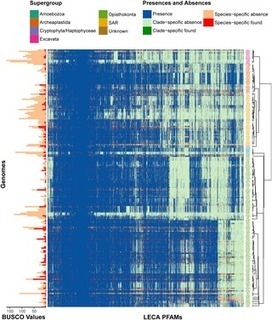
In recent years it became clear that in eukaryotic genome evolution gene loss is prevalent over gene gain. However, the absence of genes in an annotated genome is not always equivalent to the loss of genes. Due to sequencing issues, or incorrect gene prediction, genes can be falsely inferred as absent. This implies that loss estimates are overestimated and, more generally, that falsely inferred absences impact genomic comparative studies. However, reliable estimates of how prevalent this issue is are lacking. Here we quantified the impact of gene prediction on gene loss estimates in eukaryotes by analysing 209 phylogenetically diverse eukaryotic organisms and comparing their predicted proteomes to that of their respective six-frame translated genomes. We observe that 4.61% of domains per species were falsely inferred to be absent for Pfam domains predicted to have been present in the last eukaryotic common ancestor. Between phylogenetically different categories this estimate varies substantially: for clade-specific loss (ancestral loss) we found 1.30% and for species-specific loss 16.88% to be falsely inferred as absent. For BUSCO 1-to-1 orthologous families, 18.30% were falsely inferred to be absent. Finally, we showed that falsely inferred absences indeed impact loss estimates, with the number of losses decreasing by 11.78%. Our work strengthens the increasing number of studies showing that gene loss is an important factor in eukaryotic genome evolution. However, while we demonstrate that on average inferring gene absences from predicted proteomes is reliable, caution is warranted when inferring species-specific absences.
|
|
Scooped by
Jean-Michel Ané
February 11, 2020 10:56 PM
|
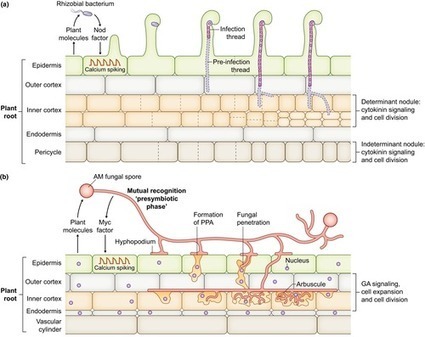
Intimate interactions between photosynthetic and non-photosynthetic organisms require the orchestrated transfer of ions and metabolites between species. We review recent progress in identifying and characterizing the transport proteins involved in five mutualistic symbiotic interactions: lichens, Azolla–cyanobacteria, ectomycorrhiza, endomycorrhiza, and rhizobia–legumes. This review focuses on transporters for nitrogen and carbon and other solutes exchanged in the interactions. Their predicted functions are evaluated on the basis of their transport mechanism and prevailing transmembrane gradients of H+ and transported substrates. The symbiotic interactions are presented in the assumed order from oldest to most recently evolved.
|
|
Scooped by
Jean-Michel Ané
February 11, 2020 10:49 PM
|
WPs provide several ecosystem services such as climate regulation, nutrient cycling, carbon sink, production, reservoir of biodiversity, and creative and cultural added values.
WP diseases or diebacks result from the combination of various factors (e.g., abiotic factors, fungi, bacteria, inadequate technical practices, and also unidentified ones). Microbial communities associated with plants are complex and dynamic, with mutualistic and commensal species that coexist with pathogenic species. Declines could be related to microbiome modifications or imbalance, meaning that essential functions for keeping the holobiont fitness are not covered.
The selection and engineering of microbiota based on their ecosystem services, targeting some declines resulting from microbiome and interaction analysis, will ensure promising tools to improve WP health and management.
|
|
Scooped by
Jean-Michel Ané
February 11, 2020 10:47 PM
|
Genome sequencing of Tricholoma matsutake revealed its unusually large size as 189.0 Mbp, which is a consequence of extraordinarily high transposable element (TE) content. We identified that 702 genes were surrounded by TEs, and 83.2% of these genes were not transcribed at any developmental stage. This observation indicated that the insertion of TEs alters the transcription of the genes neighboring these TEs. Repeat-induced point mutation, such as C to T hypermutation with a bias over “CpG” dinucleotides, was also recognized in this genome, representing a typical defense mechanism against TEs during evolution. Many transcription factor genes were activated in both the primordia and fruiting body stages, which indicates that many regulatory processes are shared during the developmental stages. Small secreted protein genes (<300 aa) were dominantly transcribed in the hyphae, where symbiotic interactions occur with the hosts. Comparative analysis with 37 Agaricomycetes genomes revealed that IstB-like domains (PF01695) were conserved across taxonomically diverse mycorrhizal genomes, where the T. matsutake genome contained four copies of this domain. Three of the IstB-like genes were overexpressed in the hyphae. Similar to other ectomycorrhizal genomes, the CAZyme gene set was reduced in T. matsutake, including losses in the glycoside hydrolase genes. The T. matsutake genome sequence provides insight into the causes and consequences of genome size inflation.
|
|
Scooped by
Jean-Michel Ané
February 10, 2020 10:56 PM
|
In agriculture, plant growth enrichment via plant growth stimulating microbes has been recognized as an emergency, it is used as an alternatives to chemical pesticides and growth stimulants. The phytopathogens cause various diseases such as blister bark; stem cankers, and pink and brown rot diseases besides affect the growth frequency of Casuarina spp. toward biotic and abiotic stresses. Bio-control and plant growth-promoting potential of native Frankia isolates from Casuarina spp. in Tamil Nadu, India, was not much explored. Hence, in the present study, we are investigating the plant growth improvement activity and phytopathogen control in Casuarina spp. The Frankia sp. DDNSF-01 and Frankia casuarinae DDNSF-02 were isolated and identified from the root nodules of Casuarina spp. Additionally, it is recognized for plant growth promoter activity and in vitro antimicrobial activity against phytopathogens including Pseudomonas sp. and Colletotrichum sp. The plant growth regulators including IAA, siderophore, ammonia production, and phosphate solubilization were found out. Therefore, the formation of the most significant plant growth-promoting phytohormone IAA was confirmed by UV, FT-IR, TLC, HPLC, HPTLC, and NMR spectrum. Bioactive metabolites including methyl 4-hydroxybenzoate, dodecanoic acid, and some novel flavonoids were identified. Therefore, various growth regulators such as l-aspartic acid, 1H-indole-3-carboxaldehyde were confirmed by GC-MS spectra. The present findings conclude Frankia spp. as efficient plant growth enhancement mediator and also inhibit the phytopathogens.
|