Your new post is loading...

|
Scooped by
Jean-Michel Ané
June 30, 2020 7:46 PM
|
Plants get phosphorus, water and other soil nutrients at the cost of sugar through mycorrhizal symbiotic association. A common mycorrhizal network (CMN) – a dense network of mycorrhizal hyphae – provides a passage for exchange of chemicals and signals between the plants sharing CMN. Mycorrhisation impact plants at hormonal, physiological and metabolic level and successful symbiosis also regulates ecology of the plant rhizosphere. Apart from nutritional benefits, mycorrhisation provides an induced resistance to the plants known as mycorrhiza induced resistance (MIR). MIR is effective against soil as well as foliar pathogens and pest insects. In this review, molecular mechanisms underlying MIR such as role of phytohormones, their cross talk and priming effect are discussed. Evidence of MIR against economically important pathogens and pest insects in different plants is summarised. Mycorrhiza induces many plant secondary metabolites, many of which have a role in plant defence. Involvement of these secondary metabolites in mycorrhisation and their putative role in MIR are further reviewed. Controversies about MIR are also briefly discussed in order to provide insights on the scope for research about MIR. We have further extended our review with an open ended discussion about the possibilities for transgenerational MIR.
|
|
Scooped by
Jean-Michel Ané
June 27, 2020 5:48 PM
|
Résumé : Les micro-organismes jouent un rôle essentiel dans le fonctionnement des écosystèmes forestiers. L’ensemble de ces micro-organismes associés aux racines est appelé « microbiote racinaire » et est connu pour promouvoir la croissance de l’arbre, améliorer sa résistance face aux stress biotiques et abiotiques et participer au cycle des nutriments. Étudier les facteurs de structuration et de régulation du microbiote racinaire est essentiel pour mieux comprendre les mécanismes impliqués dans les interactions arbres/micro-organismes et le rôle du microbiote racinaire de l’arbre en réaction aux contraintes environnementales actuelles et futures. Au cours de ma thèse, j’ai étudié la dynamique de colonisation des racines du peuplier gris par les communautés bactériennes et fongiques du sol en combinant approches métagénomique et microscopique. Parallèlement, une étude réalisée en mésocosme a été menée afin de connaître l’impact du génotype de l’hôte et des facteurs environnementaux tels que le climat et le type de sol sur le microbiote racinaire du peuplier noir, espèce colonisant les écosystèmes ripisylves et particulièrement touchée par le changement climatique. Enfin, par des approches de métagénomique et de métabolomique, j’ai étudié, d’une part, l’impact des variations du microbiote du sol et, d’autre part, celui de la voie de signalisation de l’acide jasmonique, sur le métabolome et les communautés du microbiote racinaire du peuplier gris. L’ensemble de mes résultats met en lumière l’impact significatif de l’arbre et des facteurs environnementaux sur la composition et la structure taxonomique et fonctionnelle du microbiote racinaire ainsi que la nécessité de considérer l’arbre et son microbiote comme un « méta-organisme » à part entière.
|
|
Scooped by
Jean-Michel Ané
June 27, 2020 5:47 PM
|
Background and Aims
Structurally preserved arbuscular mycorrhizas from the Lower Devonian Rhynie chert represent core fossil evidence of the evolutionary history of mycorrhizal systems. Moreover, Rhynie chert fossils of glomeromycotan propagules suggest that this lineage of arbuscular fungi was morphologically diverse by the Early Devonian; however, only a small fraction of this diversity has been formally described and critically evaluated.
Methods
Thin sections, previously prepared by grinding wafers of chert from the Rhynie beds, were studied by transmitted light microscopy. Fossils corresponding to the description of Archaeospora spp. occurred in 29 slides, and were measured, photographed, and compared to modern-day species in that genus.
Key results
Sessile propagules <85 µm in diameter, some still attached to a sporiferous saccule, were found in early land plant axes and the chert matrix; they developed, in a similar manner to extant Archaeospora, laterally or centrally within the saccule neck. Microscopic examination and comparison with extant fungi showed that, morphologically, the fossils share the characters used to circumscribe the genus Archaeospora (Glomeromycota; Archaeosporales; Archaeosporaceae).
Conclusions
The fossils can be assigned with confidence to the extant family Archaeosporaceae, but because molecular analysis is necessary to place organisms in these taxa to present-day genera and species, they are placed in a newly proposed fossil taxon, Archaeosporites rhyniensis.
|
|
Scooped by
Jean-Michel Ané
June 27, 2020 5:41 PM
|
Chitin is a polymer of β-(1,4)-linked N-acetyl-D-glucosamine (GlcNAc) and a major structural component of fungal cell walls that acts as a microbe-associated molecular pattern (MAMP) that can be recognized by plant cell surface-localized pattern recognition receptors (PRRs) to activate a wide range of immune responses. In order to deregulate chitin-induced plant immunity and successfully establish their infection, many fungal pathogens secrete effector proteins with LysM domains. We previously determined that two of the three LysM domains of the LysM effector Ecp6 from the tomato leaf mould fungus Cladosporium fulvum cooperate to form a chitin-binding groove that binds chitin with ultra-high affinity, allowing to outcompete host PRRs for chitin binding. In this study, we describe functional and structural analyses aimed to investigate whether LysM effectors that contain two LysM domains bind chitin through intramolecular or intermolecular LysM dimerization. To this end, we focus on MoSlp1 from the rice blast fungus Magnaporthe oryzae, Vd2LysM from the broad host range vascular wilt fungus Verticillium dahliae, and ChElp1 and ChElp2 from the Brassicaceae anthracnose fungus Colletotrichum higginsianum. We show that these LysM effectors bind chitin through intermolecular LysM dimerization, allowing the formation of polymeric complexes that may precipitate in order to eliminate the presence of chitin oligomers at infection sites to suppress activation of chitin-induced plant immunity. In this manner, many fungal pathogens are able to subvert chitin-triggered immunity in their plant hosts.
|
|
Scooped by
Jean-Michel Ané
June 27, 2020 5:38 PM
|
Background
Arbuscular mycorrhizal (AM) fungi form symbiotic associations with roots in most land plants. AM symbiosis provides benefits to host plants by improving nutrition and fitness. AM symbiosis has also been associated with increased resistance to pathogen infection in several plant species. In rice, the effects of AM symbiosis is less studied, probably because rice is mostly cultivated in wetland areas, and plants in such ecosystems have traditionally been considered as non-mycorrhizal. In this study, we investigated the effect of AM inoculation on performance of elite rice cultivars (Oryza sativa, japonica subspecies) under greenhouse and field conditions, focusing on growth, resistance to the rice blast fungus Magnaporthe oryzae and productivity.
Results
The response to inoculation with either Funneliformis mosseae or Rhizophagus irregularis was evaluated in a panel of 12 rice cultivars. Root colonization was confirmed in all rice varieties. Under controlled greenhouse conditions, R. irregularis showed higher levels of root colonization than F. mosseae. Compared to non-inoculated plants, the AM-inoculated plants had higher Pi content in leaves. Varietal differences were observed in the growth response of rice cultivars to inoculation with an AM fungus, which were also dependent on the identity of the fungus. Thus, positive, negligible, and negative responses to AM inoculation were observed among rice varieties. Inoculation with F. mosseae or R. irregularis also conferred protection to the rice blast fungus, but the level of mycorrhiza-induced blast resistance varied among host genotypes. Rice seedlings (Loto and Gines varieties) were pre-inoculated with R. irregularis, transplanted into flooded fields, and grown until maturity. A significant increase in grain yield was observed in mycorrhizal plants compared with non-mycorrhizal plants, which was related to an increase in the number of panicles.
Conclusion
Results here presented support that rice plants benefit from the AM symbiosis while illustrating the potential of using AM fungi to improve productivity and blast resistance in cultivated rice. Differences observed in the mycorrhizal responsiveness among the different rice cultivars in terms of growth promotion and blast resistance indicate that evaluation of benefits received by the AM symbiosis needs to be carefully evaluated on a case-by-case basis for efficient exploitation of AM fungi in rice cultivation.
|
|
Scooped by
Jean-Michel Ané
June 27, 2020 5:32 PM
|
Bacteria use quorum sensing signaling for cell-to-cell communication, which is also important for their interactions with plant hosts. Quorum sensing via N-acyl-homoserine lactones (AHLs) is important for successful symbioses between legumes and nitrogen-fixing rhizobia. Previous studies have shown that plant hosts can recognize and respond to AHLs. Here, we tested whether the response of the model legume Medicago truncatula to AHLs from its symbiont and other bacteria could be modulated by the abundance and composition of plant-associated microbial communities. Temporary antibiotic treatment of the seeds removed the majority of bacterial taxa associated with M. truncatula roots and significantly altered the effect of AHLs on nodule numbers, but lateral root density, biomass, and root length responses were much less affected. The AHL 3-oxo-C14-HSL (homoserine lactone) specifically increased nodule numbers but only after the treatment of seeds with antibiotics. This increase was associated with increased expression of the early nodulation genes RIP1 and ENOD11 at 24 h after infection. A 454 pyrosequencing analysis of the plant-associated bacteria showed that antibiotic treatment had the biggest effect on bacterial community composition. However, we also found distinct effects of 3-oxo-C14-HSL on the abundance of specific bacterial taxa. Our results revealed a complex interaction between plants and their associated microbiome that could modify plant responses to AHLs. View Full-Text
|
|
Scooped by
Jean-Michel Ané
June 25, 2020 10:20 PM
|
Rhizobia are soil bacteria that form important symbiotic associations with legumes, and rhizobial surface polysaccharides, such as K-antigen polysaccharide (KPS) and lipopolysaccharide (LPS), might be important for symbiosis. Previously, we obtained a mutant of Sinorhizobium fredii HH103, rkpA, that does not produce KPS, a homopolysaccharide of a pseudaminic acid derivative, but whose LPS electrophoretic profile was indistinguishable from that of the wild-type strain. Also, we previously demonstrated that the HH103 rkpLMNOPQ operon is responsible for Pse5NAc7(3OHBu) production and is involved in HH103 KPS and LPS biosynthesis and that an HH103 rkpM mutant cannot produce KPS and displays an altered LPS structure. Here, we analyzed the LPS structure of HH103 rkpA, focusing on the carbohydrate portion and found that it contains a highly heterogeneous lipid A and a peculiar core oligosaccharide composed of an unusually high number of hexuronic acids and containing β-configured 5-acetamido-3,5,7,9-tetradeoxy-7-(3-hydroxybutyramido)-L-glycero-L-manno-nonulosonic acid [β-Pse5NAc7(3OHBu)]. This pseudaminic acid derivative, in its α-configuration, was the only structural component of the S. fredii HH103 KPS and, to the best of our knowledge, has never been reported from any other rhizobial LPS. We also show that Pse5NAc7(3OHBu) is the complete or partial epitope for a monoclonal antibody, NB6-228.22, that can recognize the HH103 LPS, but not those of most of the S. fredii strains tested here. We also show that the LPS from HH103 rkpM is identical to that of HH103 rkpA, but devoid of any Pse5NAc7(3OHBu) residues. Notably, this rkpM mutant was severely impaired in symbiosis with its host Macroptilium atropurpureum.
|
|
Scooped by
Jean-Michel Ané
June 25, 2020 10:13 PM
|
Expression of Nodule Inception (NIN ) is essential for initiation of legume–rhizobial symbiosis. An existing model regarding the regulation of NIN expression involves two GRAS transcription factors – NSP1 (Nodulation Signaling Pathway 1) and NSP2. NSP2 forms a complex with NSP1 to directly bind to NIN promoter. However, rhizobial treatment‐induced NIN expression could still be detected in the nsp1 mutant plants, suggesting that other proteins must be involved in the regulation of NIN expression.
A combination of molecular, biochemical and genetic analyses was used to investigate the molecular basis of IPN2 in regulating root development and NIN expression in Lotus japonicus .
In this study, we identified that IPN2 is a close homolog of Arabidopsis APL (ALTERED PHLOEM DEVELOPMENT) with essential function in root development. However, Lotus IPN2 has a different expression pattern compared with the Arabidopsis APL gene. IPN2 binds to the IPN2‐responsive cis element (IPN2‐RE ) of NIN promoter and activates NIN expression. IPN2, NSP1 and NSP2 form a protein complex to directly target NIN promoter and activate NIN expression in the legume–rhizobial symbiosis.
Our data refine the regulatory model of NIN expression that NSP2 works together with NSP1 and IPN2 to activate the NIN gene allowing nodulation in L. japonicus .
|
|
Scooped by
Jean-Michel Ané
June 25, 2020 9:59 PM
|
Post-transcriptional control of gene expression allows plants to rapidly adapt to changes in their environment. Under low nitrogen conditions, legume plants engage into a symbiosis with soil bacteria that results in the formation of root nodules, where bacteria are allocated and fix atmospheric nitrogen for the plant’s benefit. Recent studies highlighted the importance of small RNA-mediated mechanisms in the control of bacterial infection, nodule organogenesis, and the long-distance signaling that balances plant growth and nodulation. Examples of such mechanisms are shoot-to-root mobile microRNAs and small RNA fragments derived from degradation of bacterial transfer RNAs that repress complementary mRNAs in the host plant. Mechanisms of selective mRNA translation also contribute to rapidly modulate the expression of nodulation genes in a cell-specific manner during symbiosis. Here, the most recent advances made on the regulation of mRNA stability and translatability, and the emerging roles of long non-coding RNAs in symbiosis are summarized.
|
|
Scooped by
Jean-Michel Ané
June 25, 2020 9:51 PM
|
A total of 38 bacterial strains were isolated from root nodules of Lotus, Vicia, Trifolium, Lathyrus, Astragalus, and Hippocrepis plants grown-wild at different geographical locations in Egypt. Analysis of the almost complete sequence of the 16S rRNA gene from the bacterial strains showed that seventeen of them isolated from all the six plant species were members of the genus Rhizobium, six from Lotus, Vicia and Hippocrepis were Ensifer, and the remaining six strains from Lotus and Vicia were Neorhizobium. Sequencing of the symbiotic nodC gene from eight selected rhizobial strains confirmed their affiliation with rhizobial species. These results suggest the existence of high rhizobial diversity in wild-grown Egyptian legumes. Nodules from Lotus, Trifolium, and Astragalus also contained bacterial species of the genera Achromobacter, Ancylobacter, Bacillus, Cronobacter, Curtobacterium, Flavobacterium, Paenibacillus and Pseudomonas. These results provide information about the diversity of rhizobia associated with wild-grown legumes in Egypt, and enlarged the rhizobial spectrum of Lotus, Vicia, Trifolium, Lathyrus, Hippocrepis and Astragalus, which supported to the idea that rhizobial promiscuity could be an adaption strategy to diverse environments.
|
|
Scooped by
Jean-Michel Ané
June 25, 2020 9:47 PM
|
Pathogenic microbes are known to manipulate the defences of their hosts through the production of secreted effector proteins. More recently, mutualistic mycorrhizal fungi have also been described as using these secreted effectors to promote host colonization. Here we characterise a mycorrhiza‐induced small secreted effector protein of 10 kDa produced by the ectomycorrhizal fungus Pisolithus albus, PaMiSSP10b.
We demonstrate that PaMiSSP10b is secreted from fungal hyphae, enters the cells of its host, Eucalyptus grandis, and interacts with an S‐adenosyl methionine decarboxylase (AdoMetDC) in the polyamine pathway. Plant polyamines are regulatory molecules integral to the plant immune system during microbial challenge.
Using biochemical and transgenic approaches we show that expression of PaMiSSP10b influences levels of polyamines in the plant roots as it enhances the enzymatic activity of AdoMetDC and increases the biosynthesis of higher polyamines. This ultimately favours the colonization success of P. albus.
These results identify a new mechanism by which mutualistic microbes are able to manipulate the host´s enzymatic pathways to favour colonization.
|
|
Scooped by
Jean-Michel Ané
June 25, 2020 9:45 PM
|
Background and aim
Arbuscular mycorrhizal fungi (AMF) have an important role in plant-microbe interactions. But, there are few studies in which the combined effect of AMF with a stress factor, such as the presence of a metal, on plant species were assessed. This study investigated the effect of arbuscular mycorrhizal (AM) fungus Rhizophagus intraradices and other soil microbial groups in the presence of copper on three plant species in a microcosm experiment.
Methods
Two grass species Poa compressa and Festuca rubra and one herb species Centaurea jacea were selected as model plants in a pot-design test in which soils were artificially contaminated with copper. Treatments were bacteria (control), saprophytic fungi, protists, and a combined treatment of saprophytic fungi and protists, all in the presence or absence of the AM fungal species. After sixty days, plants were harvested and the biomass of grass and herb species and microbial respiration were measured.
Results
The results showed almost equal above- and belowground plant biomass and microbial respiration in the treatments in the presence or absence of R. intraradices. The herb species C. jecea responded significantly to the soil inoculation with AM fungus, while grass species showed inconsistent patterns. Significant effect of AMF and copper and their interactions was observed on plant biomass when comparing contaminated vs. non-contaminated soils.
Conclusion
Strong effect of AMF on the biomass of herb species and slight changes in plant growth with the presence of this fungal species in copper-spiked test soils indicates the importance of mycorrhizal fungi compared to other soil microorganisms in our experimental microcosms.
|
|
Scooped by
Jean-Michel Ané
June 22, 2020 4:29 PM
|
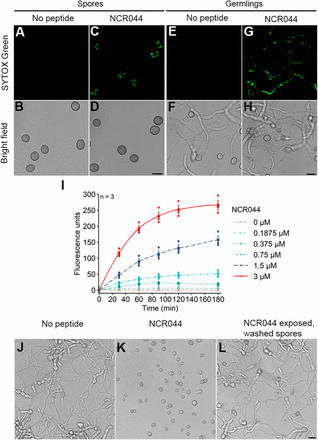
Several nodule-specific cysteine-rich (NCR) peptides expressed in a model legume Medicago truncatula exhibit potent antimicrobial activity. However, their structure–activity relationships and mechanisms of action against fungal pathogens of plants are still largely unknown. A small highly cationic peptide NCR044 with potent antifungal activity has been identified. This peptide has a unique highly dynamic structure and exhibits multifaceted mechanisms of action against a fungal pathogen Botrytis cinerea. Exogenous application of this peptide confers resistance to a gray mold disease caused by B. cinerea in tobacco and tomato plants as well as postharvest products. Our work paves the way for future development of NCR peptides as spray-on antifungal agents.
|
|
|
Scooped by
Jean-Michel Ané
June 27, 2020 5:51 PM
|
In the current scenario of climate change, the future of agriculture is uncertain. Climate change and climate-related disasters have a direct impact on biotic and abiotic factors that govern agroecosystems compromising the global food security. In the last decade, the advances in high throughput sequencing techniques have significantly improved our understanding about the composition, function and dynamics of plant microbiome. However, despite the microbiome have been proposed as a new platform for the next green revolution, our knowledge about the mechanisms that govern microbe-microbe and microbe-plant interactions are incipient. Currently, the adaptation of plants to environmental changes not only suggests that the plants can adapt or migrate, but also can interact with their surrounding microbial communities to alleviate different stresses by natural microbiome selection of specialized strains, phenomenon recently called “Cry for Help”. From this way, plants have been co-evolved with their microbiota adapting to local environmental conditions to ensuring the survival of the entire holobiome to improve plant fitness. Thus, the strong selective pressure of native extreme microbiomes could represent a remarkable microbial niche of plant stress-amelioration to counteract the negative effect of climate change in food crops. Currently, the microbiome engineering has recently emerged as an alternative to modify and promote positive interactions between microorganisms and plants to improve plant fitness. In the present review, we discuss the possible use of extreme microbiome to alleviate different stresses in crop plants under the current scenario of climate change.
|
|
Scooped by
Jean-Michel Ané
June 27, 2020 5:47 PM
|
Common vetch (Vicia sativa) is a multi-purpose legume widely used in pasture and crop rotation systems. Vetch seeds have desirable nutritional characteristics and are often used to feed ruminant animals. Although transcriptomes are available for vetch, problems with genetic transformation and plant regeneration hinder functional gene studies in this legume species. Therefore, the aim of this study was to develop an efficient and rapid hairy root transformation system for common vetch to facilitate functional gene analysis. We infected the hypocotyls of five-day old in vitro or in vivo, soil grown, seedlings with Agrobacterium rhizogenes and produced transformed hairy roots 28 days later at 24% and 43% efficiency, respectively. Seventy-nine percent of the hairy roots from the in vitro plants showed stable expression of a co-transformed marker β-glucuronidase (GUS). In summary, transgenic hairy roots were obtained within 28 days, and are sufficient to facilitate functional gene analysis in common vetch.
|
|
Scooped by
Jean-Michel Ané
June 27, 2020 5:43 PM
|
Chemotaxis and motility are important traits supporting bacterial survival in various ecological niches and in pathogenic and symbiotic host interaction. Chemotactic stimuli are sensed by chemoreceptors or Methyl-accepting Chemotaxis Proteins (MCPs), which direct the swimming behavior of the bacterial cell. In this study, we present evidence that the cellular abundance of chemoreceptors in the plant-symbiont Sinorhizobium meliloti can be altered by the addition of several to as few as one amino acid residue, and including common epitope tags such as 3xFLAG and 6xHis to their C-termini. To further dissect this phenomenon and its underlying molecular mechanism, we focused on a detailed analysis of the amino acid sensor McpU. Controlled proteolysis is important for the maintenance of an appropriate stoichiometry of chemoreceptors and between chemoreceptors and chemotactic signaling proteins, which is essential for an optimal chemotactic response. We hypothesized that enhanced stability is due to interference with protease binding, thus affecting proteolytic efficacy. Location of the protease recognition site was defined through McpU stability measurements in a series of deletion and amino acid substitution mutants. Deletions in the putative protease recognition site had similar effects on McpU abundance as did extensions at the C-terminus. Our results provide evidence that the programmed proteolysis of chemotaxis proteins in S. meliloti is cell-cycle regulated. This post-translational control together with regulatory pathways on the transcriptional level limit the chemotaxis machinery to early exponential growth. Our study identified parallels to cell-cycle dependent processes during asymmetric cell division in Caulobacter crescentus.
|
|
Scooped by
Jean-Michel Ané
June 27, 2020 5:38 PM
|
Mycorrhiza refers to the association between a plant and a fungus colonizing the cortical tissue of the plant's roots during periods of active plant growth. The benefits afforded by plants from mycorrhizal symbioses can be characterized either agronomically, based on increased growth and yield, or ecologically, based on improved fitness (i.e., reproductive ability). In either case, the benefit accrues primarily because mycorrhizal fungi form a critical linkage between plant roots and the soil. The soilborne or extramatrical hyphae take up nutrients from the soil solution and transport them to the root. This mycorrhizae-mediated mechanism increases the effective absorptive surface area of the plant. There are seven major types of mycorrhizae along with mycoheterotrophy: endomycorrhizae (arbuscular mycorrhizae, AM), ectomycorrhizae (EM), ectendomycorrhizae, monotropoid, arbutoid, orchid, and ericoid. Endomycorrhizal fungi form arbuscules or highly branched structures within root cortical cells, giving rise to arbuscular mycorrhiza, which may produce extensive extramatrical hyphae and significantly increase phosphorus inflow rates in the plants they colonize. Ectomycorrhizal fungi may produce large quantities of hyphae on the root and in the soil; these hyphae play a role in absorption and translocation of inorganic nutrients and water, and also release nutrients from litter layers by producing enzymes involved in mineralization of organic matters. Over 4,000 fungal species, primarily belonging to Basidiomycotina and to a lesser extent Ascomycotina, are able to form ectomycorrhizae. Many of these fungi produce various mushrooms on the forest floor that are traded at a high price. In this paper, we discuss the benefits, nutrient cycles, and artificial cultivation of mycorrhizae in Korea.
|
|
Scooped by
Jean-Michel Ané
June 27, 2020 5:34 PM
|
Tomato plants can establish symbiotic interactions with arbuscular mycorrhizal fungi (AMF) able to promote plant nutrition and prime systemic plant defenses against pathogens attack; the mechanism involved is known as mycorrhiza-induced resistance (MIR). However, studies on the effect of AMF on viral infection, still limited and not conclusive, indicate that AMF colonization may have a detrimental effect on plant defenses against viruses, so that the term “mycorrhiza-induced susceptibility” (MIS) has been proposed for these cases. To expand the case studies to a not yet tested viral family, that is, Bromoviridae, we investigated the effect of the colonization by the AMF Funneliformis mosseae on cucumber mosaic virus (CMV) infection in tomato by phenotypic, physiological, biochemical, and transcriptional analyses. Our results showed that the establishment of a functional AM symbiosis is able to limit symptoms development. Physiological and transcriptomic data highlighted that AMF mitigates the drastic downregulation of photosynthesis-related genes and the reduction of photosynthetic CO2 assimilation rate caused by CMV infection. In parallel, an increase of salicylic acid level and a modulation of reactive oxygen species (ROS)-related genes, toward a limitation of ROS accumulation, was specifically observed in CMV-infected mycorrhizal plants. Overall, our data indicate that the AM symbiosis influences the development of CMV infection in tomato plants and exerts a priming effect able to enhance tolerance to viral infection. View Full-Text
|
|
Scooped by
Jean-Michel Ané
June 27, 2020 5:17 PM
|
Legumes tightly regulate nodule number to balance the cost of supporting symbiotic rhizobia with the benefits of nitrogen fixation. C-terminally Encoded Peptides (CEPs) and CLAVATA3-like (CLE) peptides positively and negatively regulate nodulation, respectively, through independent systemic pathways, but how these regulations are coordinated remains unknown. Here, we show that rhizobia, Nod Factors, and cytokinins induce a symbiosis-specific CEP gene, MtCEP7, which positively regulates rhizobial infection. Via grafting and split root studies, we reveal that MtCEP7 increases nodule number systemically through the MtCRA2 receptor. MtCEP7 and MtCLE13 expression in rhizobia-inoculated roots rely on the MtCRE1 cytokinin receptor and on the MtNIN transcription factor. MtNIN binds and transactivates MtCEP7 and MtCLE13, and a NIN Binding Site (NBS) identified within the proximal MtCEP7 promoter is required for its symbiotic activation. Overall, these results demonstrate that a cytokinin-MtCRE1-MtNIN regulatory module coordinates the expression of two antagonistic, symbiosis-related, peptide hormones from different families to fine-tune nodule number.
|
|
Scooped by
Jean-Michel Ané
June 25, 2020 10:19 PM
|
Maize, a main crop worldwide, establishes a mutualistic symbiosis with arbuscular mycorrhizal (AM) fungi providing nutrients to the roots from soil volumes which are normally not in reach of the non-colonized root. The mycorrhizal phosphate uptake pathway (MPU) spans from extraradical hyphae to root cortex cells housing fungal arbuscules and promotes the supply of phosphate to the mycorrhizal host in exchange for photosynthetic carbon. This symbiotic association with the mycobiont has been shown to affect plant host nutritional status and growth performance. However, whether and how the MPU affects the root microbial community associated with mycorrhizal hosts in association with neighboring plants, remains to be demonstrated. Here the maize germinal Mu transposon insertion mutant pht1;6, defective in mycorrhiza-specific Pi transporter PHT1;6 gene, and wild type B73 (wt) plants were grown in mono- and mixed culture and examined under greenhouse and field conditions. Disruption of the MPU in pht1;6 resulted in strongly diminished growth performance, in reduced P allocation to photosynthetic source leaves, and in imbalances in leaf elemental composition beyond P. At the microbial community level a loss of MPU activity had a minor effect on the root-associated fungal microbiome which was almost fully restricted to AM fungi of the Glomeromycotina. Moreover, while wt grew better in presence of pht1;6, pht1;6 accumulated little biomass irrespective of whether it was grown in mono- or mixed culture and despite of an enhanced fungal colonization of its roots in co-culture with wt. This suggested that a functional MPU is prerequisite to maintain maize growth and that neighboring plants competed for AM fungal Pi in low P soil. Thus future strategies towards improving yield in maize populations on soils with low inputs of P fertilizer could be realized by enhancing MPU at the individual plant level while leaving the root-associated fungal community largely unaffected.
|
|
Scooped by
Jean-Michel Ané
June 25, 2020 10:10 PM
|
Rhizobia are nitrogen-fixing soil bacteria that can infect legume plants to establish root nodules symbiosis. To do that, a complex exchange of molecular signals occurs between plants and bacteria. Among them, rhizobial Nops (Nodulation outer proteins), secreted by a type III secretion system (T3SS) determine the host-specificity for efficient symbiosis with plant roots. Little is known about the molecular function of secreted Nops (also called effectors (T3E)) and their role in the symbiosis process. We performed the structure-function characterization of NopAA, a T3E from Sinorhizobium fredii by using a combination of X-ray crystallography, biochemical and biophysical approaches. This work displays for the first time a complete structural and biochemical characterization of a symbiotic T3E. Our results showed that NopAA has a catalytic domain with xyloglucanase activity extended by a N-terminal unfolded secretion domain that allows its secretion. We proposed that these original structural properties combined with the specificity of NopAA toward xyloglucan, a key component of root cell wall which is also secreted by roots in the soil, can give NopAA a strategic position to participate in recognition between bacteria and plant roots and to intervene in nodulation process.
|
|
Scooped by
Jean-Michel Ané
June 25, 2020 9:56 PM
|
The legume-rhizobia symbiosis is an important process in agriculture because it allows the biological nitrogen fixation (BNF) which contributes to increasing the levels of nitrogen in the soil. Nitric oxide (⋅NO) is a small free radical molecule having diverse signaling roles in plants. Here we present and discuss evidence showing the role of ⋅NO during different stages of the legume-rhizobia interaction such as recognition, infection, nodule development, and nodule senescence. Although the mechanisms by which ⋅NO modulates this interaction are not fully understood, we discuss potential mechanisms including its interaction with cytokinin, auxin, and abscisic acid signaling pathways. In matures nodules, a more active metabolism of ⋅NO has been reported and both the plant and rhizobia participate in ⋅NO production and scavenging. Although ⋅NO has been shown to induce the expression of genes coding for NITROGENASE, controlling the levels of ⋅NO in mature nodules seems to be crucial as ⋅NO was shown to be a potent inhibitor of NITROGENASE activity, to induce nodule senescence, and reduce nitrogen assimilation. In this sense, LEGHEMOGLOBINS (Lbs) were shown to play an important role in the scavenging of ⋅NO and reactive nitrogen species (RNS), potentially more relevant in senescent nodules. Even though ⋅NO can reduce NITROGENASE activity, most reports have linked ⋅NO to positive effects on BNF. This can relate mainly to the regulation of the spatiotemporal distribution of ⋅NO which favors some effects over others. Another plausible explanation for this observation is that the negative effect of ⋅NO requires its direct interaction with NITROGENASE, whereas the positive effect of ⋅NO is related to its signaling function, which results in an amplifier effect. In the near future, it would be interesting to explore the role of environmental stress-induced ⋅NO in BNF.
|
|
Scooped by
Jean-Michel Ané
June 25, 2020 9:50 PM
|
Although calcium (Ca2+) elevation triggered by abiotic and biotic stimuli has long been a documented phenomenon in plants, the mechanism underlying the control of Ca2+ spikes remains elusive. Recent progress, reported by Tian et al., Wang et al., Yu et al., Jiang et al., and Wu et al., has been made in elucidating how Ca2+ channels are controlled during pathogen attack, cell death, and salt or hydrogen peroxide sensing.
|
|
Scooped by
Jean-Michel Ané
June 25, 2020 9:45 PM
|
The growth of rhizospheric micro-organisms is regulated by the phytoproducts excreted from plant roots. This excretion of phytochemicals alters the chemistry of rhizospheric soil, and also commands the fate of linked organisms and vice versa. In the same way, microbial signals form rhizosphere also play a vital role in plant growth, development and metabolic processes. It is an evident fact that, in natural environment microbes functions as community that lives in multiple ecological niches. The rising awareness and concern of people about the side effects of agrochemicals, forced the scientific communities to improvise their understanding of co-operative activities among plants and rhizospheric microbial populations. This chapter gives a better understanding of processes such as stimulation of microbial activity by root exudates, competition between microorganisms and roots for nutrients, molecular talk amongst microorganisms, and between roots and microorganisms. Various positive and negative plant-microbe-microbe interactions are highlighted that should be considered for the development of efficient bioformulations with global applicability.
|
|
Scooped by
Jean-Michel Ané
June 25, 2020 9:45 PM
|
Phenylpropanoid metabolism represents an important metabolic pathway from which originates a wide number of secondary metabolites derived from phenylalanine or tyrosine, such as flavonoids and isoflavonoids, crucial molecules in plants implicated in a large number of biological processes. Therefore, various types of interconnection exist between different aspects of nitrogen metabolism and the biosynthesis of these compounds. For legumes, flavonoids and isoflavonoids are postulated to play pivotal roles in adaptation to their biological environments, both as defensive compounds (phytoalexins) and as chemical signals in symbiotic nitrogen fixation with rhizobia. In this paper, we summarize the recent progress made in the characterization of flavonoid and isoflavonoid biosynthetic pathways in the model legume Lotus japonicus (Regel) Larsen under different abiotic stress situations, such as drought, the impairment of photorespiration and UV-B irradiation. Emphasis is placed on results obtained using photorespiratory mutants deficient in glutamine synthetase. The results provide different types of evidence showing that an enhancement of isoflavonoid compared to standard flavonol metabolism frequently occurs in Lotus under abiotic stress conditions. The advance produced in the analysis of isoflavonoid regulatory proteins by the use of co-expression networks, particularly MYB transcription factors, is also described. The results obtained in Lotus japonicus plants can be also extrapolated to other cultivated legume species, such as soybean, of extraordinary agronomic importance with a high impact in feeding, oil production and human health. View Full-Text
|


 Scoop.it!