Your new post is loading...

|
Scooped by
Jean-Michel Ané
December 23, 2020 11:43 AM
|
The present study was intended to investigate individual and interactive effects of Funneliformis mosseae (an arbuscular mycorrhizal fungus) and Rhizobium (a root nodulating bacterium) on growth and yield of groundnut growing under natural conditions. Plants growing in arbuscular mycorrhiza (AM) and/or Rhizobium inoculated soil exhibited superior growth, fitness and yield. Improvement in plant growth due to microbial inoculations had a significant correlation with their response to mycorrhization, relative water content, chlorophyll content, nutrient uptake, and antioxidant activity. The increase in all parameters except N acquisition and protein concentration was significantly higher on the formation of AM than rhizobial inoculation, albeit their combination displayed synergism to uplift metabolism and yield of host legume. Thus, the study indicated that synergistic behavior among microorganisms (AM and Rhizobium) had the most affirmative effects on the growth and harvest index of groundnut variety - TG37A and helped plants to thrive better in soils without chemical fertilizers.
|
|
Scooped by
Jean-Michel Ané
December 23, 2020 11:37 AM
|
Non‐expressor of pathogenesis‐related genes 1 (NPR1) is a key regulator of plant innate immunity and systemic disease resistance. The model for NPR1 function is based on experimental evidence obtained largely from dicots; however, this model does not fit all aspects of Poaceae family, which includes major crops such as wheat, rice and barley. In addition, there is little scientific data on NPR1's role in mutualistic symbioses. We assessed barley (Hordeum vulgare) HvNPR1 requirement during the establishment of mutualistic symbiosis between barley and beneficial Alphaproteobacterium Rhizobium radiobacter F4 (RrF4). Upon RrF4 root‐inoculation, barley NPR1‐knockdown (KD‐hvnpr1) plants lost the typical spatiotemporal colonization pattern and supported less bacterial multiplication. Following RrF4 colonization, expression of salicylic acid marker genes were strongly enhanced in wild‐type roots; whereas in comparison, KD‐hvnpr1 roots exhibited little to no induction. Both basal and RrF4‐induced root‐initiated systemic resistance against virulent Blumeria graminis were impaired in leaves of KD‐hvnpr1. Besides these immune‐related differences, KD‐hvnpr1 plants displayed higher root and shoot biomass than WT. However, RrF4‐mediated growth promotion was largely compromised in KD‐hvnpr1. Our results demonstrate a critical role for HvNPR1 in establishing a mutualistic symbiosis between a beneficial bacterium and a cereal crop.
|
|
Scooped by
Jean-Michel Ané
December 23, 2020 11:32 AM
|
Aims
South Africa is mainly dominated by savanna and grasslands ecosystems which have been previously reported to be acidic and nutrient deficient, specifically with regards to phosphorus (P) and nitrogen (N). Mucuna pruriens (L.) DC, commonly known as velvet bean, is an indigenous legume in most African countries and has been reported to withstand these adverse soil conditions. The legume is used in many countries of the world for their medicinal value as well as for soil fertilization purposes. Although there are reports on M. pruriens growth and establishment in nutrient stressed ecosystems, no investigation has been conducted on M. pruriens symbiotic interactions, N source preference and associated growth carbon costs when subjected to P deficiency. In this study, we determined the impact of microbial symbionts on N nutrition and growth carbon costs of M. pruriens under P deficiency.
Methods
Microbe inoculation soils were collected from four geographical distinct KwaZulu-Natal locations. Thereafter, seeds were germinated in these natural soils and in early stages of nodule development, then seedlings were transferred in sterile quartz sand and supplied with Long Ashton nutrient media with varying P concentrations.
Important Findings
The 16S RNA sequence results revealed that M. pruriens was nodulated by Burkholderia sp., Paenibacillus sp., and Bacillus irrespective of P concentrations. Even though P deficiency resulted in decreased overall biomass/growth, the root biomass, nodule number and carbon costs increased. In addition, low P supplied saplings showed the highest AM fungi percentage root colonization. In M. pruriens, nitrogen derived from atmosphere had a positive correlation with P level and the saplings had a dual reliance on atmospheric derived N and soil derived N with increased reliance on soil N in low P supplied plants. Therefore, M. pruriens exhibited different morphological and microbial symbiosis when subjected to P deficiency.
|
|
Scooped by
Jean-Michel Ané
December 23, 2020 11:11 AM
|
Crop domestication events followed by targeted breeding practices have been pivotal for improvement of desirable traits and to adapt cultivars to local environments. Domestication also resulted in a strong reduction in genetic diversity among modern cultivars compared to their wild relatives, though the effect this could have on tripartite relationships between plants, belowground beneficial microbes and aboveground pathogens remains undetermined. We quantified plant growth performance, basal resistance and induced systemic resistance (ISR) by Trichoderma harzianum, a beneficial soil microbe against Botrytis cinerea, a necrotrophic fungus and Phytophthora infestans, a hemi-biotrophic oomycete, in 25 diverse tomato genotypes. Wild tomato related species, tomato landraces and modern commercial cultivars that were conventionally or organically bred, together, representing a domestication gradient were evaluated. Relationships between basal and ISR, plant physiological status and phenolic compounds were quantified to identify potential mechanisms. Trichoderma enhanced shoot and root biomass and ISR to both pathogens in a genotype specific manner. Moreover, improvements in plant performance in response to Trichoderma gradually decreased along the domestication gradient. Wild relatives and landraces were more responsive to Trichoderma, resulting in greater suppression of foliar pathogens than modern cultivars. Photosynthetic rate and stomatal conductance of some tomato genotypes were improved by Trichoderma treatment whereas leaf nitrogen status of the majority of tomato genotypes were not altered. There was a negative relationship between basal resistance and induced resistance for both diseases, and a positive correlation between Trichoderma-ISR to B. cinerea and enhanced total flavonoid contents. These findings suggest that domestication and breeding practices have altered plant responsiveness to beneficial soil microbes. Further studies are needed to decipher the molecular mechanisms underlying the differential promotion of plant growth and resistance among genotypes, and identify molecular markers to integrate selection for responsiveness into future breeding programs.
|
|
Scooped by
Jean-Michel Ané
December 22, 2020 1:55 PM
|
The Mosaic Company and BioConsortia, Inc. have entered into a collaboration to develop and launch nitrogen-fixing microbial products for corn, wheat and other major non-legume row crops.
The partnership is aimed at developing yield enhancing in-furrow and seed treatment products that can be used either stand-alone or in combination with conventional chemistries and fertilizers.
BioConsortia has already discovered naturally-occurring spore forming microbes capable of fixing atmospheric nitrogen and colonizing corn, wheat and other non-leguminous plants. With targeted traditional and cutting-edge strain improvement and gene editing technologies, the company will develop natural and improved strain microbial products that will increase crop yields while maintaining or reducing nitrogen fertilizer inputs.
|
|
Scooped by
Jean-Michel Ané
December 19, 2020 6:53 PM
|
Effects of the arbuscular mycorrhizal (AM) fungus Rhizophagus irregularis on plant growth, carbon (C) and nitrogen (N) accumulation, and partitioning was investigated in Triticum aestivum L. plants grown under elevated CO2 in a pot experiment. Wheat plants inoculated or not inoculated with the AM fungus were grown in two glasshouse cells with different CO2 concentrations (400 and 700 ppm) for 10 weeks. A 15N isotope labeling technique was used to trace plant N uptake. Results showed that elevated CO2 increased AM fungal colonization. Under CO2 elevation, AM plants had higher C concentration and higher plant biomass than the non-AM plants. CO2 elevation did not affect C and N partitioning in plant organs, while AM symbiosis increased C and N allocation into the roots. In addition, plant C and N accumulation, 15N recovery rate, and N use efficiency (NUE) were significantly higher in AM plants than in non-AM controls under CO2 enrichment. It is concluded that AM symbiosis favors C and N partitioning in roots, increases C accumulation and N uptake, and leads to greater NUE in wheat plants grown at elevated CO2.
|
|
Scooped by
Jean-Michel Ané
December 19, 2020 6:50 PM
|
Lipid transfer from host plants to arbuscular mycorrhiza fungi was hypothesized for several years because sequenced arbuscular mycorrhiza fungal genomes lack genes encoding cytosolic fatty acid synthase (Wewer et al., 2014; Rich et al., 2017). It was finally shown by two independent experimental approaches (Jiang et al., 2017; Keymer et al., 2017; Luginbuehl et al., 2017). One approach used a technique called isotopolog profiling (Keymer et al., 2017). Isotopologs are molecules, which differ only in their isotopic composition. For isotopolog profiling an organism is fed with a heavy isotope labelled precursor metabolite. Subsequently, the labelled isotopolog composition of metabolic products is analysed via mass spectrometry. The detected isotopolog pattern of the metabolite(s) of interest yields information about metabolic pathways and fluxes (Ahmed et al., 2014). The following protocol describes an experimental setup, which enables separate isotopolog profiling of fatty acids in plant roots colonized by arbuscular mycorrhiza fungi and their associated fungal extraradical mycelium, to elucidate fluxes between both symbiotic organisms. We predict that this strategy can also be used to study metabolite fluxes between other organisms if the two interacting organisms can be physically separated.
|
|
Scooped by
Jean-Michel Ané
December 19, 2020 6:38 PM
|
Spartocytisus supranubius (Teide broom) is the dominant legume of the high-mountain ecosystem in Teide National Park (Tenerife, Canary Islands). Herbivory by rabbits is one important cause of its declining populations. Biological nitrogen-fixing of rhizobia in symbiosis with S. supranubius is hypothesized to be the main nitrogen (N) input in this alpine ecosystem. Therefore, our main objective was to investigate whether large rabbit dropping aggregations (latrines) affect the S. supranubius-rhizobia symbiosis by disturbing the rhizobia populations in the soils. Soils were sampled in the rhizosphere of broom plants without (RS) and with latrines (RLS) as well as in non-rhizospheric bare areas without (BS) and with latrines (BLS), and assessed for N content and number of rhizobia. Rhizobial diversity was evaluated by sequencing three housekeeping genes in root-nodule bacteria isolated from broom seedlings grown in these soils. Results showed that BS had the lowest rhizobia counts and N content, whereas RS had on average the highest, which were not exceeded in soils with N-supply from latrines (BLS and RLS). Phylogenetic analysis revealed that strains from the Bradyrhizobium canariense/Bradyrhizobium lupini lineage are the main microsymbionts of S. supranubius. Bradyrhizobium rifense/Bradyrhizobium cytisi strains were scarce and only detected in latrine influenced soils, where endophytic Bosea strains seem a common cohabitant in nodules. It can be concluded that S. supranubius-Bradyrhizobia symbiosis is a key N input in Teide soils and that rabbit latrines may affect the N-fixing symbiosis by altering abundance and diversity of the soil rhizobial populations. Moreover, latrines could also interfere in symbiosis by favouring co-entrance of non-nodulating bacteria inside the root nodules.
|
|
Scooped by
Jean-Michel Ané
December 19, 2020 6:33 PM
|
•Rhizosphere and bulk soils had significantly higher microbial diversity than phyllosphere and root endophytes.
•Fertilization had less pronounced effects on phyllosphere and root endosphere microbiomes.
•Fertilization influenced sorghum yield and protein content through influencing the soil microbial diversity.
•Soil microbiota are important predictors of sorghum yield and protein content.
|
|
Scooped by
Jean-Michel Ané
December 19, 2020 12:50 PM
|
The rhizobium‐legume symbiosis is the best‐understood plant–microbe association. The high degree of specificity observed in this relationship is supported by a complex exchange of signals between the two components of the symbiosis. Findings reported in last years indicate that multiple molecular mechanisms, such as the production of a particular set of nodulation factors at a very specific concentration or a suitable arsenal of effectors secreted through the type III secretion system, have been adjusted during evolution to ensure and optimize the recognition of specific rhizobial strains by its legume host. Qualitative or quantitative changes in the production of these symbiotic molecular determinants are detrimental for nodulation with its natural host but, in some cases, can also result beneficial for the rhizobium since it extends the nodulation host‐range to other legumes. Potential repercussion of the extension in the nodulation host‐range of rhizobia is discussed.
|
|
Scooped by
Jean-Michel Ané
December 18, 2020 6:13 PM
|
•Precipitation control experiments were conducted in a temperate steppe of northern China.
•Arbuscular mycorrhizal fungi (AMF) diversity were not affected by precipitation.
•Precipitation significantly affects the community structure of AMF.
•Changes in precipitation increase network complexity of arbuscular mycorrhizal fungi.
|
|
Scooped by
Jean-Michel Ané
December 18, 2020 6:07 PM
|
In natural plant populations, a fine-scale spatial genetic structure (SGS) can result from limited gene flow, selection pressures or spatial autocorrelation. However, limited gene flow is considered the predominant determinant in the establishment of SGS. With limited dispersal ability of bacterial cells in soil and host influence on their variety and abundance, spatial autocorrelation of bacterial communities associated with plants is expected. For this study, we collected genetic data from legume host plants, Chamaecrista fasciculata, their Bradyrhizobium symbionts and rhizosphere free-living bacteria at a small spatial scale to evaluate the extent to which symbiotic partners will have similar SGS and to understand how plant hosts choose among nodulating symbionts. We found SGS across all sampled plants for both the host plants and nodulating rhizobia, suggesting that both organisms are influenced by similar mechanisms structuring genetic diversity or shared habitat preferences by both plants and microbes. We also found that plant genetic identity and geographic distance might serve as predictors of nodulating rhizobia genetic identity. Bradyrhizobium elkanii was the only type of rhizobia found in nodules, which suggests some level of selection by the host plant. View Full-Text
|
|
Scooped by
Jean-Michel Ané
December 17, 2020 11:38 PM
|
Even though beneficial plant-microbe interactions are commonly observed in nature, direct evidence for the evolution of bacterial mutualism in the rhizosphere remains elusive. Here we use experimental evolution to causally show that initially plant-antagonistic Pseudomonas protegens bacterium evolves into mutualists in the rhizosphere of Arabidopsis thaliana within six plant growth cycles (6 months). This evolutionary transition was accompanied with increased mutualist fitness via two mechanisms: i) improved competitiveness for root exudates and ii) enhanced capacity for activating the root-specific transcription factor gene MYB72, which triggers the production of plant-secreted scopoletin antimicrobial for which the mutualists evolved relatively higher tolerance to. Genetically, mutualism was predominantly associated with different mutations in the GacS/GacA two-component regulator system, which conferred high fitness benefits only in the presence of plants. Together, our results show that bacteria can rapidly evolve along the parasitism-mutualism continuum in the plant rhizosphere at an agriculturally relevant evolutionary timescale.
|
|
|
Scooped by
Jean-Michel Ané
December 23, 2020 11:41 AM
|
The ever-growing demand for metals has been fueling the development of alternative technologies to recover elements of interest from subeconomic deposits. One such example is phytomining, a technique that employs plants with the ability to accumulate astonishing amounts of metals in their tissues. These plants, called hyperaccumulators, can be used to retrieve metals such as Ni or Au from ultramafic soils and mine tailings, respectively. The rhizosphere of hyperaccumulators is often populated by large amounts of microorganisms mainly consisting of bacteria and mycorrhizal fungi. These microorganisms can enhance plant biomass production, reduce metal phytotoxicity, and increase the bioavailability of certain elements of interest. In this chapter, we review the role of bacteria and mycorrhizal fungi in phytomining and outline future perspectives of their application to enhance this green metal–recovery technique.
|
|
Scooped by
Jean-Michel Ané
December 23, 2020 11:34 AM
|
The endophytic microbiota can establish mutualistic or commensalistic interactions within the host plant tissues. We investigated the bacterial endophytic microbiota in three species of Mediterranean orchids (Neottia ovata, Serapias vomeracea, and Spiranthes spiralis) by metabarcoding of the 16S rRNA gene. We examined whether the different orchid species and organs, both underground and aboveground, influenced the endophytic bacterial communities. A total of 1,930 operational taxonomic units (OTUs) were obtained, mainly Proteobacteria and Actinobacteria, whose distribution model indicated that the plant organ was the main determinant of the bacterial community structure. The co-occurrence network was not modular, suggesting a relative homogeneity of the microbiota between both plant species and organs. Moreover, the decrease in species richness and diversity in the aerial vegetative organs may indicate a filtering effect by the host plant. We identified four hub OTUs, three of them already reported as plant-associated taxa (Pseudoxanthomonas, Rhizobium, and Mitsuaria), whereas Thermus was an unusual member of the plant microbiota. Core microbiota analysis revealed a selective and systemic ascent of bacterial communities from the vegetative to the reproductive organs. The core microbiota was also maintained in the S. spiralis seeds, suggesting a potential vertical transfer of the microbiota. Surprisingly, some S. spiralis seed samples displayed a very rich endophytic microbiota, with a large number of OTUs shared with the roots, a situation that may lead to a putative restoring process of the root-associated microbiota in the progeny. Our results indicate that the bacterial community has adapted to colonize the orchid organs selectively and systemically, suggesting an active involvement in the orchid holobiont.
|
|
Scooped by
Jean-Michel Ané
December 23, 2020 11:18 AM
|
Rhizobia are soil bacteria capable of forming N2-fixing symbioses with legumes, with highly effective strains often selected in agriculture as inoculants to maximize symbiotic N2 fixation. When rhizobia in the genus Mesorhizobium have been introduced with exotic legumes into farming systems, horizontal transfer of symbiosis Integrative and Conjugative Elements (ICEs) from the inoculant strain to soil bacteria has resulted in the evolution of ineffective N2-fixing rhizobia that are competitive for nodulation with the target legume. In Australia, Cicer arietinum (chickpea) has been inoculated since the 1970’s with Mesorhizobium ciceri sv. ciceri CC1192, a highly effective strain from Israel. Although the full genome sequence of this organism is available, little is known about the mobility of its symbiosis genes and the diversity of cultivated C. arietinum-nodulating organisms. Here, we show the CC1192 genome harbors a 419-kb symbiosis ICE (ICEMcSym1192) and a 648-kb repABC-type plasmid pMC1192 carrying putative fix genes. We sequenced the genomes of 11 C. arietinum nodule isolates from a field site exclusively inoculated with CC1192 and showed they were diverse unrelated Mesorhizobium carrying ICEMcSym1192, indicating they had acquired the ICE by environmental transfer. No exconjugants harboured pMc1192 and the plasmid was not essential for N2 fixation in CC1192. Laboratory conjugation experiments confirmed ICEMcSym1192 is mobile, integrating site-specifically within the 3’ end of one of the four ser-tRNA genes in the R7ANS recipient genome. Strikingly, all ICEMcSym1192 exconjugants were as efficient at fixing N2 with C. arietinum as CC1192, demonstrating ICE transfer does not necessarily yield ineffective microsymbionts as previously observed.
|
|
Scooped by
Jean-Michel Ané
December 23, 2020 11:07 AM
|
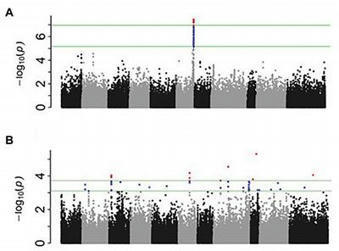
Among grain legume crops, common beans (Phaseolus vulgaris L.) are considered to have poor biological nitrogen (N2) fixation (BNF) capabilities although variation in N2 fixing capabilities exists within the species. The availability of genetic panel varying in BNF capacity and a large-scale single nucleotide polymorphism (SNP) data set for common bean provided an opportunity to discover genetic factors associated with N2 fixation among genotypes in the Middle American gene pool. Using nodulation and percentage of N2-derived from atmosphere (%NDFA) data collected from field trials, at least 11 genotypes with higher levels of BNF capacity were identified. Genome-wide association studies (GWASs) detected both major and minor effects that control these traits. A major nodulation interval at Pv06:28.0–28.27 Mbp was discovered. In this interval, the peak SNP was located within a small GTPase that positively regulates cellular polarity and growth of root hair tips. Located 20 kb upstream of this peak SNP is an auxin-responsive factor AUX/indole acetic auxin (IAA)-related gene involved in auxin transportation during root nodulation. For %NDFA, nitrate (NO3−) transporters, NRT1:2 and NRT1.7 (Pv02:8.64), squamosa promoter binding transcriptome factor (Pv08:28.42), and multi-antimicrobial extrusion protein (MATE) efflux family protein (Pv06:10.91) were identified as candidate genes. Three additional QTLs were identified on chromosomes Pv03:5.24, Pv09:25.89, and Pv11: 32.89 Mbp. These key candidate genes from both traits were integrated with previous results on N2 fixation to describe a BNF pathway.
|
|
Scooped by
Jean-Michel Ané
December 19, 2020 6:55 PM
|
Volatile nitrogen oxides (N2O, NO, NO2, HONO, …) can negatively impact climate, air quality, and human health. Using soils collected from temperate forests across the eastern United States, we show microbial communities involved in nitrogen (N) cycling are structured, in large part, by the composition of overstory trees, leading to predictable N‐cycling syndromes, with consequences for emissions of volatile nitrogen oxides to air. Trees associating with arbuscular mycorrhizal (AM) fungi promote soil microbial communities with higher N‐cycle potential and activity, relative to microbial communities in soils dominated by trees associating with ectomycorrhizal (ECM) fungi. Metagenomic analysis and gene expression studies reveal a 5 and 3.5 times greater estimated N‐cycle gene and transcript copy numbers, respectively, in AM relative to ECM soil. Furthermore, we observe a 60% linear decrease in volatile reactive nitrogen gas flux (NOy ≡ NO, NO2, HONO) as ECM tree abundance increases. Compared to oxic conditions, gas flux potential of N2O and NO increase significantly under anoxic conditions for AM soil (30‐ and 120‐fold increase), but not ECM soil—likely owing to small concentrations of available substrate () in ECM soil. Linear mixed effects modeling shows that ECM tree abundance, microbial process rates, and geographic location are primarily responsible for variation in peak potential NOy flux. Given that nearly all tree species associate with either AM or ECM fungi, our results indicate that the consequences of tree species shifts associated with global change may have predictable consequences for soil N cycling.
|
|
Scooped by
Jean-Michel Ané
December 19, 2020 6:52 PM
|
NARRATOR: Microbes are the oldest form of life on Earth. They first appeared about 3.5 billion years ago. And are critically important in sustaining our life on Earth today. Microbes generate at least half of the oxygen we breathe. But in 1885, the Dutch microbiologist Martinus Beijerinck discovered another critical function they performed-- fixing nitrogen.
CHARLES COCKELL: Nitrogen fixing bacteria are absolutely essential for life, because they fix nitrogen-- one of the key elements, one of the key building blocks of all of our cells and all of our biochemistry. All animals and plants on the Earth depend upon it, but also human beings. The only way that we can get nitrogen is through the food that we eat-- that was originally fixed by the bacteria.
|
|
Scooped by
Jean-Michel Ané
December 19, 2020 6:39 PM
|
Nowadays, oil crops are very attractive both for human consumption and biodiesel production; however, little is known about their commensal rhizosphere microbes. In this study, rhizosphere samples were collected from physic nut and sacha inchi plants grown in several areas of Thailand. Rhizobacteria, cultivable in nitrogen-free media, and arbuscular mycorrhizal (AM) fungi were isolated and examined for abundance, diversity, and plant growth-promoting activities (indole-3-acetic acid (IAA) and siderophore production, nitrogen fixation, and phosphate solubilization). Results showed that only the AM spore amount was affected by plant species and soil features. Considering rhizobacterial diversity, two classes—Alphaproteobacteria (Ensifer sp. and Agrobacterium sp.) and Gammaproteobacteria (Raoultella sp. and Pseudomonas spp.)—were identified in physic nut rhizosphere, and three classes; Actinobacteria (Microbacterium sp.), Betaproteobacteria (Burkholderia sp.) and Gammaproteobacteria (Pantoea sp.) were identified in the sacha inchi rhizosphere. Considering AM fungal diversity, four genera were identified (Acaulospora, Claroideoglomus, Glomus, and Funneliformis) in sacha inchi rhizospheres and two genera (Acaulospora and Glomus) in physic nut rhizospheres. The rhizobacteria with the highest IAA production and AM spores with the highest root-colonizing ability were identified, and the best ones (Ensifer sp. CM1-RB003 and Acaulospora sp. CM2-AMA3 for physic nut, and Pantoea sp. CR1-RB056 and Funneliformis sp. CR2-AMF1 for sacha inchi) were evaluated in pot experiments alone and in a consortium in comparison with a non-inoculated control. The microbial treatments increased the length and the diameter of stems and the chlorophyll content in both the crops. CM1-RB003 and CR1-RB056 also increased the number of leaves in sacha inchi. Interestingly, in physic nut, the consortium increased AM fungal root colonization and the numbers of offspring AM spores in comparison with those observed in sacha inchi. Our findings proved that AM fungal abundance and diversity likely rely on plant species and soil features. In addition, pot experiments showed that rhizosphere microorganisms were the key players in the development and growth of physic nut and sacha inchi.
|
|
Scooped by
Jean-Michel Ané
December 19, 2020 6:36 PM
|
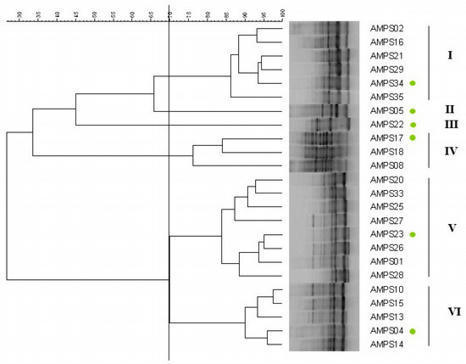
Erythrina brucei is a woody legume tree used as mulch, green manure and cover crop in conventional agroforestry practices. This paper explores genetic diversity and plant growth promoting traits of bacteria associated with nodules of E. brucei by trap culture method using 15 field soils. Only 67% of soil samples induced nodulation and 27 bacteria were isolated, in which 15 possessed nifH, 9 phosphate solubilizers and IAA producers and showed growth at 1.0 to 3.5% of NaCl. The ARDRA analysis revealed 12 clusters at 75% similarity level and distributed into 6 genera and 9 species. Species Bradyrhizobium cajani and Bradyrhizobium cytisi were observed for the first time in the nodules E. brucei. Genetically, functionally and phylogenetically diverse bacteria occur in the nodules of E. brucei. Isolate BU1 could be a potential bioinoculant candidate which can be used for the promotion of the host plant.
|
|
Scooped by
Jean-Michel Ané
December 19, 2020 5:16 PM
|
Arbuscular mycorrhizal fungi (AMF) are dealt with in agriculture in a strongly bifurcated way: products and techniques to optimize AMF communities are designed for either large‐scale (industrial) or small‐scale (cottage) farming operations. We show how research and applications with AMF are bound up in these contrasting visions for what agriculture should be—an industrial system based on economies of scale, or small‐scale operations that cater to regional societies, economies, and ecologies. These distinct socially and technologically bound initiatives—which involve research institutions, government policies, corporate investment, activism, and public relations campaigns—we refer to as sociotechnical imaginaries. Drawing from emergent mycorrhizal research, we argue that mycorrhizal technologies are well‐suited to an “agriculture of the middle,” a mode of farming that is not strictly scale‐based, yet falls somewhere between the industrial and the cottage. Unlike these two extremes, middle agriculture does not have a well‐established sociotechnical imaginary. Developing this collective vision poses a challenge: will a middle agriculture that uses AMF fall short of the established goals of industrial and cottage modes of farming? The process of determining appropriate compromises on a wide range of parameters is likely to be contested. However, we believe that calling attention to these extreme visions of agriculture, along with the divergent (if potential) roles of mycorrhizal applications, will jumpstart a productive dialogue among stakeholders, including farmers, policy makers, scientists, and industrialists. Highlighting extremes may also help stimulate ideas about building bridges between seemingly irreconcilable and contradictory approaches.
|
|
Scooped by
Jean-Michel Ané
December 18, 2020 6:15 PM
|
The role of mutualisms in mediating temporal stability in an ecosystem has been debated extensively. Here, we focus on how a ubiquitous mutualism, arbuscular mycorrhiza, influences temporal stability of a key ecosystem process, ecosystem respiration. We discriminated between two forms of temporal stability, temporal variability and resilience, and hypothesized that excluding arbuscular mycorrhiza would be detrimental for both of them. We analyzed a set of 10 parallel manipulation experiments to assess how excluding arbuscular mycorrhiza modulates temporal stability compared to other common experimental factors. We quantified the temporal variability of ecosystem respiration and the resilience to experimental perturbations (i.e., pulses, stresses, and a disturbance) following manipulations of mycorrhizal state. We observed lower temporal variability in the absence of arbuscular mycorrhiza in discord to our main hypothesis. Manipulating arbuscular mycorrhiza had a stronger impact on temporal variability than the pulse (application of urea), the stress (addition of salt), and a disturbance (experimental defoliation) but weaker than excluding primary producers or comparing across different plant species. Resilience to experimental perturbations declined in non‐mycorrhizal microcosms. We present an empirical study on how mutualisms impact temporal stability. Arbuscular mycorrhiza differentially alters temporal variability and resilience, highlighting that generalizing across different forms of temporal stability could be misleading.
|
|
Scooped by
Jean-Michel Ané
December 18, 2020 6:08 PM
|
Pisum sativum L. (pea) is one of the most cultivated grain legumes in European countries due to the high protein content of its seeds. Nevertheless, the rhizobial microsymbionts of this legume have been scarcely studied in these countries. In this work, we analyzed the rhizobial strains nodulating the pea in a region from Northwestern Spain, where this legume is widely cultivated. The isolated strains were genetically diverse, and the phylogenetic analysis of core and symbiotic genes showed that these strains belong to different clusters related to R. laguerreae sv. viciae. Representative strains of these clusters were able to produce cellulose and cellulases, which are two key molecules in the legume infection process. They formed biofilms and produced acyl-homoserine lactones (AHLs), which are involved in the quorum sensing regulation process. They also exhibited several plant growth promotion mechanisms, including phosphate solubilization, siderophore, and indole acetic acid production and symbiotic atmospheric nitrogen fixation. All strains showed high symbiotic efficiency on pea plants, indicating that strains of R. laguerreae sv. viciae are promising candidates for the biofertilization of this legume worldwide. View Full-Text
|
|
Scooped by
Jean-Michel Ané
December 18, 2020 2:00 PM
|
Agriculture is one of the keystones of human civilization, providing a reliable, stationary source of food that allowed ancient populations to grow and eventually build cities. Modern agriculture is successful today because of advances in mechanization, breeding, nutrients (e.g., fertilization), and pest and disease management, all of which enhance crop productivity and provide greater food security. Yet even with this progress, the amount of cropland per capita has declined, available farmland is being consumed by urban development at unprecedented rates, and crop yields are plateauing.
Crop yields must continue to increase and the gap between plant productivity and consumption must be bridged. Expanding the use of crop microbiomes to improve plant production is that next agricultural revolution. Science is ready to take advantage of microbial research to advance agriculture. In the 1800s, farmers could feed 26 people per acre—by the 1900s, farmers could feed 265 people per acre. By 2050, farmers will need to produce enough food to feed a world that has 9.7 billion people.
Dr. Ignazio Carbone, North Carolina State University and co-chair of this paper, said new methodologies will “allow researchers to identify a larger proportion of the microbiome and thus generate a more complete picture of who is present in a complex microbiome sample.” The production of a new biological product can take time and involve many regulations. For a product to be commercially viable, these minimum criteria must be met: it must be (1) effective in the environment in which it will be used, (2) manufactured reasonably at commercial scale, (3) robust and of good/consistent quality, and (4) the company must have the legal right/authority to commercialize the product.
Cutting edge technologies make microbial data useful, but they must be effectively communicated to public audiences. “Even the evaluation of how risky or beneficial people see a technology can be tightly related to the ties that person has to others in their family, among friends, and in their broader community,” says Dr. Andrew Binder, North Carolina State University and an author of the issue paper.
The issue paper, Agriculture and the Microbiome, is available to download for free on CAST’s website. Registration for the free webinar can be made here. The webinar will take place at Noon Central on Tuesday, Aug. 25. Drs. Ignazio Carbone and Megan Andrews will share highlights of the publication, followed by a panel discussion and Q&A with several of the paper’s authors.
|