Your new post is loading...

|
Scooped by
Jean-Michel Ané
February 3, 2021 10:29 PM
|
·Arguably, symbiotic arbuscular mycorrhizal (AM) fungi have the broadest host range of all fungi, being able to intracellularly colonize root cells in the vast majority of all land plants. This raises the question how AM fungi effectively deal with the immune systems of such a widely diverse range of plants.
·Here, we studied the role of a nuclear‐localization signal containing effector from Rhizophagus irregularis, called Nuclear Localized Effector1 (RiNLE1), that is highly and specifically expressed in arbuscules.
·We show that RiNLE1 is able to translocate to the host nucleus where it interacts with the plant core nucleosome protein Histone 2B (H2B). RiNLE1 is able to impair the mono‐ubiquitination of H2B, which results in the suppression of defense‐related gene expression and enhanced colonization levels.
·This study highlights a novel mechanism by which AM fungi can effectively control plant epigenetic modifications through direct interaction with a core nucleosome component. Homologs of RiNLE1 are found in a range of fungi that establish intimate interactions with plants, suggesting that this type of effector may be more widely recruited to manipulate host defense responses.
|
|
Scooped by
Jean-Michel Ané
February 3, 2021 10:25 PM
|
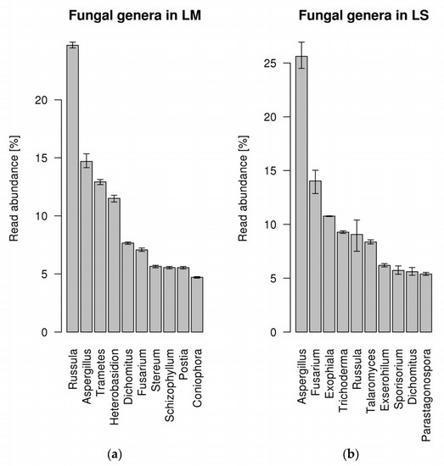
The study of orchid mycorrhizal interactions is particularly complex because of the peculiar life cycle of these plants and their diverse trophic strategies. Here, transcriptomics has been applied to investigate gene expression in the mycorrhizal roots of Limodorum abortivum, a terrestrial mixotrophic orchid that associates with ectomycorrhizal fungi in the genus Russula. Our results provide new insights into the mechanisms underlying plant–fungus interactions in adult orchids in nature and in particular into the plant responses to the mycorrhizal symbiont(s) in the roots of mixotrophic orchids. Our results indicate that amino acids may represent the main nitrogen source in mycorrhizal roots of L. abortivum, as already suggested for orchid protocorms and other orchid species. The upregulation, in mycorrhizal L. abortivum roots, of some symbiotic molecular marker genes identified in mycorrhizal roots from other orchids as well as in arbuscular mycorrhiza, may mirror a common core of plant genes involved in endomycorrhizal symbioses. Further efforts will be required to understand whether the specificities of orchid mycorrhiza depend on fine-tuned regulation of these common components, or whether specific additional genes are involved. View Full-Text
|
|
Scooped by
Jean-Michel Ané
February 1, 2021 11:45 AM
|
Cereal crop production is severely affected by seed-borne bacterial diseases across the world. Locally occurring disease resistance in various crops remains elusive. Here, we have observed that rice plants of the same cultivar can be differentiated into disease-resistant and susceptible phenotypes under the same pathogen pressure. Following the identification of a seed-endophytic bacterium as the resistance-conferring agent, integration of high-throughput data, gene mutagenesis and molecular interaction assays facilitated the discovery of the underlying mode of action. Sphingomonas melonis that is accumulated and transmitted across generations in disease-resistant rice seeds confers resistance to disease-susceptible phenotypes by producing anthranilic acid. Without affecting cell growth, anthranilic acid interferes with the sigma factor RpoS of the seed-borne pathogen Burkholderia plantarii, probably leading to impairment of upstream cascades that are required for virulence factor biosynthesis. The overall findings highlight the hidden role of seed endophytes in the phytopathology paradigm of ‘disease triangles’, which encompass the plant, pathogens and environmental conditions. These insights are potentially exploitable for modern crop cultivation threatened by globally widespread bacterial diseases.
|
|
Scooped by
Jean-Michel Ané
January 31, 2021 12:58 PM
|
•TF-SPME is a non-exhaustive and low-invasive sampling technique
•The free metabolites in the soybean nodules were extracted through SPME
•SPME was carried out without any physical removal of the nodules
•This method holds promise as a tool to determine the nodule metabolic alterations
•The metabolic alterations can fingerprint soil stress and soybean viability
|
|
Scooped by
Jean-Michel Ané
January 31, 2021 12:55 PM
|
Be included in the MPMI Focus Issue The Role of the Abiotic Environment on Interactions between Plants and Microbes Submission deadline: 24 July 2021 Submit a Manuscript | Instructions to Authors Interactions between plants and microbes are shaped by the physical world that surrounds them. In nature, the abiotic environment is complex, and factors such as nutrient and water availability, humidity, wind, carbon dioxide levels, salt, pollutants and temperature, all affect the growth and physiology of plants and microbes as well as their interactions. Much of our mechanistic understanding of plant-microbe interactions comes from experiments done in carefully controlled conditions. How do aspects of the abiotic environment affect these plant-microbe interactions? Conversely, how do plant-microbe interactions affect host response to abiotic stress? The importance and immediacy of these questions was reflected in the selection of the interactions between plants, microbes and environmental conditions as Question 2 of the Top 10 Unanswered Questions in MPMI. As our climate changes, the rapidity of the changes in temperature and carbon dioxide levels and the many planetary processes that they effect, make it imperative for us to investigate their effect on plant-microbe interactions now. In addition to investigating the effect of each of these stresses singly, these changes prompt us to ask questions of increasing complexity. What happens to plant-microbe interactions in the presence of more than one environmental stress? In the natural world, plants associate with more than one microbe at a time – how does abiotic stress affect interactions within the microbial community to affect plant health? And most importantly, how can we translate this increased understanding of the interactions between plants, microbes and the environment to the field? We invite research and review articles that explore the complex interactions between plants, microbes and the abiotic environment. Articles highlighting translational research as well as fundamental understanding are welcome. We look forward to assembling an issue that highlights the excellent research in this area! Benefits to Authors A Focus Issue offers authors several benefits. A single-topic issue gives scientists an opportunity to publish alongside the related work of peers to highlight progress in a focal area. The “role of the abiotic environment on interactions between plants and microbes” MPMI Focus Issue will be widely promoted and is expected to be highly cited, giving authors maximum exposure. Articles will be submitted to Crossref, allowing citation tracking and connectivity as this research area moves forward in MPMI and other scientific journals. If you are working on research described herein, submit your manuscript to MPMI and indicate in Manuscript Central that you would like your manuscript to be considered for the Focus Issue. For more information about the scope of this issue, please contact Jeanne Harris, MPMI Editor-in-Chief. Submit a Manuscript | Instructions to Authors
|
|
Scooped by
Jean-Michel Ané
January 31, 2021 12:45 PM
|
Phosphate (Pi) deficiency is a major factor limiting plant productivity worldwide. Land plants have evolved different strategies to cope with Pi deficiency. For instance, plants activate the so-called Pi Starvation Response (PSR) system, which is regulated by the transcription factor Phosphate Starvation Response1 (PHR1), to adjust plant growth and metabolic activity accordingly. Additionally, land plants can also establish mutualistic associations with soil microbes able to solubilize Pi from plant-inaccessible soil complexes and to transfer it to the host plant. A growing body of evidence indicates that PHR1 and the PSR system not only regulate the plant responses to Pi deficiency in an abiotic context, but they are also crucial for plants to properly interact with beneficial soil microbes able to provide them with soluble Pi. Recent evidence indicates that PHR1 and the PSR system contribute to shaping the plant-associated microbiota through the modulation of the plant immune system. The PSR and immune system outputs are tightly integrated by PHR1. Here, we review how plant-host Pi status influences the establishment of the mutualistic association with soil microbes. We also highlight the role of PHR1 and the PSR system in shaping both the root microbiome and plant responses to Pi deficiency.
|
|
Scooped by
Jean-Michel Ané
January 31, 2021 12:36 PM
|
Aims
The nitrogen-fixing symbiosis fixation between legumes and Rhizobium helps the plant to survive and to compete effectively on nitrogen poor soils. The soil environment attached to the root system is characterized by intense microbial activity. This work aimed to study the diversity of indigenous rhizobia living in the rhizosphere of forage pea in eastern and central Algeria.
Methods
Bacteria were trapped in vitro from collected soils. They were isolated from nodules by direct isolation or by bacterial trapping, and tested for nodulation. Further characterization was carried out to identify the isolates.
Results
Ninety-four isolates were obtained. Thirty-four were rhizobial strains that could, with two exceptions, establish root-nodule symbioses with the host plant. Different profiles of susceptibility to rhizobiophages indicated that the majority of isolates were likely to be members of the Rhizobium leguminosarum group of species. The strains revealed diverse plasmid profiles, and diverse restriction patterns of cpn60 gene amplicons and on Southern blot analysis of nodABC genes. Sequences of 16S rRNA gene showed that all isolates exhibited 99.85% identity with R. leguminosarum sv. viciae USDA 2370T, R. laguerreae FB206T and R. anhuiense CCBAU 23252T. Analysis of cpn60 sequences revealed two groups. One of them clustered with ≤99% identity with R. laguerreae FB403. The second was clustered with ≤99% identity with R. laguerreae FB206T.
|
|
Scooped by
Jean-Michel Ané
January 31, 2021 12:35 PM
|
The symbiosis between plants and nitrogen fixing bacteria is widespread among legumes and actinorhizal plants within the nitrogen‐fixing root nodule (NFN) clade. However, there are major differences, as well as similarities, in the symbioses between actinorhizal plants and Frankia and those of legumes and their associated rhizobia.
This review provides an overview of NFN symbioses. We outline the evolution and biogeography of actinorhizal plants and legumes and compare and contrast their microsymbionts and symbiotic processes.
Within the NFN clade, a far greater number of nodulated legumes exists, compared with actinorhizal plants, and legumes have a much wider biogeographical distribution. There are genetic and physiological differences between free‐living diazotrophic Frankia and the phylogenetically diverse rhizobia, most strains of which are unable to fix N2 ex planta. Actinorhizal nodules are modified lateral roots with a central vascular system, whereas legumes nodules are stem‐like organs with peripheral vascular systems. Most legumes contain their microsymbionts within symbiosomes, rather than the infection threads found in actinorhizal nodule cells. Legumes have greater control of their microsymbionts, and those within the Inverted Repeat Lacking Clade impose terminal differentiation on their bacteroids. Legumes also have effective processes for autoregulation of nodulation and downregulation of N2 fixation in response to high levels of soil N. These features of the legume‐rhizobia symbiosis have led to increased efficiencies in N2 fixation.
Synthesis. We suggest that these characteristic features of the legume‐rhizobia symbiosis, specifically legumes’ greater flexibility in the choice of microsymbiont partner and the evolution of increased efficiencies in N2 fixation, are factors that can explain why the majority of species within the Leguminosae have retained the ability to nodulate and how this has contributed to their evolutionary success.
|
|
Scooped by
Jean-Michel Ané
January 29, 2021 6:36 PM
|
The study of orchid mycorrhizal interactions is particularly complex because of the peculiar life cycle of these plants and their diverse trophic strategies. Here, transcriptomics has been applied to investigate gene expression in the mycorrhizal roots of Limodorum abortivum, a terrestrial mixotrophic orchid that associates with ectomycorrhizal fungi in the genus Russula. Our results provide new insights into the mechanisms underlying plant–fungus interactions in adult orchids in nature and in particular into the plant responses to the mycorrhizal symbiont(s) in the roots of mixotrophic orchids. Our results indicate that amino acids may represent the main nitrogen source in mycorrhizal roots of L. abortivum, as already suggested for orchid protocorms and other orchid species. The upregulation, in mycorrhizal L. abortivum roots, of some symbiotic molecular marker genes identified in mycorrhizal roots from other orchids as well as in arbuscular mycorrhiza, may mirror a common core of plant genes involved in endomycorrhizal symbioses. Further efforts will be required to understand whether the specificities of orchid mycorrhiza depend on fine-tuned regulation of these common components, or whether specific additional genes are involved. View Full-Text
|
|
Scooped by
Jean-Michel Ané
January 26, 2021 6:55 PM
|
Legumes form two types of root organs in response to signals from microbes: nodules and root galls. In the field, these interactions occur concurrently, and often interact with each other. The outcomes of these interactions vary, and can depend on natural variation in rhizobia and nematode populations in the soil, as well as abiotic conditions. While rhizobia are symbionts that contribute fixed nitrogen to their hosts, parasitic root knot nematodes (RKN) cause galls as feeding structures that consume plant resources without a contribution to the plant. Yet, the two interactions share similarities, including rhizosphere signaling, repression of host defence responses, activation of host cell division and differentiation, nutrient exchange and alteration of root architecture. Rhizobia activate changes in defence and development through Nod factor signaling, with additional functions of effector proteins and exopolysaccharides. RKN inject large numbers of protein effectors into plant cells that directly suppress immune signaling and manipulate developmental pathways. This review examines the molecular control of legume interactions with rhizobia and RKN to elucidate shared and distinct mechanisms of these root-microbe interactions. Many of the molecular pathways targeted by both organisms overlap, yet recent discoveries have singled out differences in the spatial control of expression of developmental regulators that may have enabled activation of cortical cell division during nodulation in legumes. The interaction of legumes with symbionts and parasites highlights the importance of a comprehensive view of root-microbe interactions for future crop management and breeding strategies.
|
|
Scooped by
Jean-Michel Ané
January 26, 2021 6:51 PM
|
Homologous recombination is expected to increase natural selection efficacy by decoupling the fate of beneficial and deleterious mutations and by readily creating new combinations of beneficial alleles. Here, we investigate how the proportion of amino acid substitutions fixed by adaptive evolution (α) depends on the recombination rate in bacteria. We analyze 3086 core protein-coding sequences from 196 genomes belonging to five closely-related Rhizobium leguminosarum species. We find that α varies from 0.07 to 0.39 across species and is positively correlated with the level of recombination. We then evaluate the impact of recombination within each species by dividing genes into three equally sized recombination classes based on their average level of intragenic linkage disequilibrium. Generally, we found a significant increase in α with an increased recombination rate. This is both due to a higher estimated rate of adaptive evolution and a lower estimated rate of non-adaptive evolution, suggesting that recombination both increases the fixation probability of advantageous variants and decreases the probability of fixation of deleterious variants. Our results demonstrate that recombination facilitates adaptive evolution not only in eukaryotes, but also in prokaryotes. Adaptive evolution could thus be a selective force that universally promotes recombination.
|
|
Scooped by
Jean-Michel Ané
January 26, 2021 6:48 PM
|
Rapid climate change threatens plant communities. While many studies address the impact of climate change on plants and mechanisms of their resilience to climate stressors, the role of the plant microbiome in aiding plants' adaptation to climate change has been less investigated. We argue here that fungal endophytes, an important constituent of the plant microbiome, may be key to the ability of plants to adapt to climatic stressors. The rapid adaptive response of endophytes coupled with their ability to ‘transfer’ resistance to their hosts may fast-track plants' adaptation to climate change. We briefly review the importance of Class 3 fungal endophytes of terrestrial plants and discuss how they may accelerate adaptations to climate change in crops and natural plant communities and call for efforts directed at improving the understanding of fungal endophyte-facilitated plant health. Such information could aid in devising improved strategies for mitigating climate change effects on plant communities.
|
|
Scooped by
Jean-Michel Ané
January 26, 2021 6:43 PM
|
Background
Forest trees have important economic and ecological value. As a model tree, poplar has played a significant role in elucidating the molecular mechanisms underlying tree biology. However, a lack of mutant libraries and time-consuming stable genetic transformation processes severely limit progress into the functional characterization of poplar genes. A convenient and fast transient transformation method is therefore needed to enhance progress on functional genomics in poplar.
Methods
A total of 11 poplar clones were screened for amenability to syringe infiltration. Syringe infiltration was performed on the lower side of the leaves of young soil-grown plants. Transient expression was evaluated by visualizing the reporters β-glucuronidase (GUS) and green fluorescent protein (GFP). The experimental parameters of the syringe agroinfiltration were optimized based on the expression levels of the reporter luciferase (LUC). Stably transformed plants were regenerated from transiently transformed leaf explants through callus-induced organogenesis. The functions of Populus genes in secondary cell wall-thickening were characterized by visualizing lignin deposition therein after staining with basic fuchsin.
Results
We greatly improved the transient transformation efficiency of syringe Agrobacterium infiltration in poplar through screening for a suitable poplar clone from a variety of clones and optimizing the syringe infiltration procedure. The selected poplar clone, Populus davidiana × P. bolleana, is amenable to Agrobacterium syringe infiltration, as indicated by the easy diffusion of the bacterial suspension inside the leaf tissues. Using this technique, we localized a variety of poplar proteins in specific intracellular organelles and illustrated the protein–protein and protein–DNA interactions. The transiently transformed leaves could be used to generate stably transformed plants with high efficiency through callus induction and differentiation processes. Furthermore, transdifferentiation of the protoxylem-like vessel element and ectopic secondary wall thickening were induced in the agroinfiltrated leaves via the transient overexpression of genes associated with secondary wall formation.
Conclusions
The application of P. davidiana × P. bolleana in Agrobacterium syringe infiltration provides a foundation for the rapid and high-throughput functional characterization of Populus genes in intact poplar plants, including those involved in wood formation, and provides an effective alternative to Populus stable genetic transformation.
|
|
|
Scooped by
Jean-Michel Ané
February 3, 2021 10:28 PM
|
This study determined the influence of soil nitrogen and phosphorus on the colonisation dynamics of arbuscular mycorrhizal fungi (AMF) and Dark Septate Endophytes (DSE) in plant species adapted to nutrient poor soils. Plant colonisation dynamics were investigated using a field experiment and a manipulative greenhouse experiment on Australian native seedlings. Tubestock of Poa labillardierei were transplanted into the field to large tracts of land of high and low nutrient availability, near Sydney, Australia, and root colonisation was determined from monthly plant collections over three months, between late austral autumn and through winter. In the greenhouse experiment, two native shrubs and one grass, respectively, Rhagodia candolleana, Dodonaea triquetra and P. labillardierei, were germinated from seeds and grown under a full factorial nitrogen and phosphorus fertilisation experiment for three months before root colonisation was determined. The selected study species were of varied mycotrophy. AMF colonisation in both experiments was lowest in plants from high nutrient treatments. Removal of either nitrogen or phosphorus from the fertiliser resulted in the same patterns of colonisation, with AMF being greater when either nutrient was removed. DSE colonisation was greatest in high nutrient soils. However, colonisation did not vary with nutrient treatments in the glasshouse experiment, suggesting that nitrogen and phosphorus minimally affect DSE colonisation. The difference in AMF and DSE colonisation patterns demonstrates a distinction in how different fungal symbionts are affected by abiotic factors. Both nitrogen and phosphorus are important drivers of colonisation dynamics of AMF. The results indicate the potential for disparate controls of AMF and DSE root associations.
|
|
Scooped by
Jean-Michel Ané
February 3, 2021 10:24 PM
|
Aims
This study investigated maize-soil biota interactions as well as the soil legacy effects of continuous monoculture (CM) on maize performance.
Methods
We conducted a glasshouse experiment that compared the performance of maize inoculated with living or sterilized soil inocula collected from experimental field plots with cropping histories of 1 to 5 years of continuous maize monoculture, where the soil type is Nicollet clay loam with moderate fertility. We measured the biomass, yield, root traits and leaf nutrients of maize as well as eukaryotic soil organisms.
Results
Inoculation with living soil dramatically reduced maize biomass and yield compared to inoculation with sterilized soil, showing CM to have strong negative soil biotic legacy effects on maize. Nonetheless, the strength of soil biotic effects on most maize variables were relatively stable over time under CM. The response of maize total biomass to living soil inoculation correlated positively with arbuscular mycorrhizal (AM) fungal abundance but negatively with soil fauna abundance, whereas it did not relate with the abundance of plant pathogenetic fungi or herbivorous nematodes. The roots showed acquisitive syndromes (high specific root length but low root diameter) in sterilized soil but conservative syndromes (opposite traits) in living soil. The responses in root system structure were tightly related with AM fungal diversity and community composition.
Conclusions
Our study shows strong and stable negative effects of soil biota on maize under CM. The complex effects of soil biota on maize performance highlight the need to explore the functions of different groups of soil organisms to better understand and control negative soil legacy effects in agroecosystems.
|
|
Scooped by
Jean-Michel Ané
January 31, 2021 1:00 PM
|
•Full-length transcriptome analysis of asparagus roots was performed.
•A total of 6,124 differentially expressed transcripts (DETs) were determined, among which 391 DETs were found to be regulated by arbuscular mycorrhizal fungi (AMF) only under salinity stress conditions.
•The DETs specifically induced by AMF under salinity stress showed significant enrichment of pathways involved in the regulation of the cellular redox state, transport, carbohydrate metabolism, transcription factors, and alternative splicing.
|
|
Scooped by
Jean-Michel Ané
January 31, 2021 12:57 PM
|
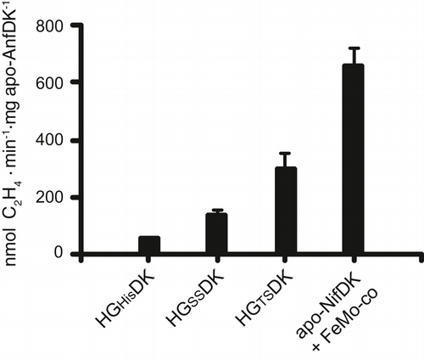
Engineering nitrogenase in eukaryotes is hampered by its genetic complexity and by the oxygen sensitivity of its protein components. Of the three types of nitrogenases, the Fe‐only nitrogenase is considered the simplest one because its function depends on fewer gene products than the homologous and more complex Mo and V nitrogenases. Here, we show the expression of stable Fe‐only nitrogenase component proteins in the low‐oxygen mitochondria matrix of S. cerevisiae. As‐isolated Fe protein (AnfH) was active in electron donation to NifDK to reduce acetylene into ethylene. Ancillary proteins NifU, NifS and NifM were not required for Fe protein function. The FeFe protein existed as apo‐AnfDK complex with the AnfG subunit either loosely bound or completely unable to interact with it. Apo‐AnfDK could be activated for acetylene reduction by the simple addition of FeMo‐co in vitro, indicating preexistence of the P‐clusters even in the absence of coexpressed NifU and NifS. This work reinforces the use of Fe‐only nitrogenase as simple model to engineer nitrogen fixation in yeast and plant mitochondria.
|
|
Scooped by
Jean-Michel Ané
January 31, 2021 12:52 PM
|
|
|
Scooped by
Jean-Michel Ané
January 31, 2021 12:40 PM
|
Plant-associated microorganisms play an important role in agricultural production. Although various studies have shown that single microorganisms can exert beneficial effects on plants, it is increasingly evident that when a microbial consortium—two or more interacting microorganisms—is involved, additive or synergistic results can be expected. This occurs, in part, due to the fact that multiple species can perform a variety of tasks in an ecosystem like the rhizosphere. Therefore, the beneficial mechanisms of plant growth stimulation (i.e., enhanced nutrient availability, phytohormone modulation, biocontrol, biotic and abiotic stress tolerance) exerted by different microbial players within the rhizosphere, such as plant-growth-promoting bacteria (PGPB) and fungi (such as Trichoderma and Mycorrhizae), are reviewed. In addition, their interaction and beneficial activity are highlighted when they act as part of a consortium, mainly as mixtures of different species of PGPB, PGPB–Mycorrhizae, and PGPB–Trichoderma, under normal and diverse stress conditions. Finally, we propose the expansion of the use of different microbial consortia, as well as an increase in research on different mixtures of microorganisms that facilitate the best and most consistent results in the field.
|
|
Scooped by
Jean-Michel Ané
January 31, 2021 12:36 PM
|
Root‐associated microbes are critical for plant growth and nutrient acquisition. However, scant information exists on optimizing communities of beneficial root‐associated microbes or the mechanisms underlying their interactions with host plants. In this report, we demonstrate that root‐associated microbes are critical influencers of host plant growth and nutrient acquisition. Three synthetic communities (SynComs) were constructed based on functional screening of 1893 microbial strains isolated from root‐associated compartments of soybean plants. Functionally assemblage of SynComs promoted significant plant growth and nutrient acquisition under both N/P nutrient deficiency and sufficiency conditions. Field trials further revealed that application of SynComs stably and significantly promoted plant growth, facilitated N and P acquisition, and subsequently increased soybean yield. Among the tested communities, SynCom 1 exhibited the greatest promotion effect, with yield increases of up to 36.1% observed in two field sites. Further RNA‐seq implied that SynCom application systemically regulates N and P signaling networks at the transcriptional level, which leads to increased representation of important growth pathways, especially those related to auxin responses. Overall, this study details a promising strategy for constructing SynComs based on functional screening, which are capable of enhancing nutrient acquisition and crop yield through the activities of beneficial root‐associated microbes.
|
|
Scooped by
Jean-Michel Ané
January 29, 2021 6:36 PM
|
Conflict, negotiation, reciprocity, perhaps even selflessness: an emerging understanding of forests suggests there’s more going on within them than you might think.
|
|
Scooped by
Jean-Michel Ané
January 28, 2021 4:13 PM
|
To ensure food security for the ever-increasing world’s population, it is important to explore other alternatives for enhancing plant productivity. This study is aimed at identifying the putative plant growth–promoting (PGP) and endophytic gene clusters in root-associated endophytic microbes from maize root and to also verify if their abundance is affected by different farming practices. To achieve this, we characterize endophytic microbiome genes involved in PGP and endophytic lifestyle inside maize root using the shotgun metagenomic approach. Our results revealed the presence of genes involved in PGP activities such as nitrogen fixation, HCN biosynthesis, siderophore, 4-hydroxybenzoate, ACC deaminase, phenazine, phosphate solubilization, butanediol, methanol utilization, acetoin, nitrogen metabolism, and IAA biosynthesis. We also identify genes involved in stress resistance such as glutathione, catalase, and peroxidase. Our results further revealed the presence of putative genes involved in endophytic behaviors such as aerotaxis, regulator proteins, motility mechanisms, flagellum biosynthesis, nitrogen regulation, regulation of carbon storage, formation of biofilm, reduction of nitric oxide, regulation of beta-lactamase resistance, type III secretion, type IV conjugal DNA, type I pilus assembly, phosphotransferase system (PTS), and ATP-binding cassette (ABC). Our study suggests a high possibility in the utilization of endophytic microbial community for plant growth promotion, biocontrol activities, and stress mitigation. Further studies in ascertaining this claim through culturing of the beneficial isolates as well as pot and field experiments are necessary.
|
|
Scooped by
Jean-Michel Ané
January 26, 2021 6:51 PM
|
•Iron ore mining waste altered soil biological and physicochemical characteristics.
•Revegetation of degraded areas improved abundance and diversity of arbuscular mycorrhizal fungi community.
•There is temporal variation in arbuscular mycorrhizal fungi community
•Physicochemical changes of soil affect the arbuscular mycorrhizal fungi community.
•Arbuscular mycorrhizal fungi are good biological indicators for soil quality monitoring.
|
|
Scooped by
Jean-Michel Ané
January 26, 2021 6:49 PM
|
The rhizosphere, a microecosystem, harbours numerous organisms such as bacteria, fungi, actinomycetes, and nematodes. The definite and diverse community that can grow or survive in the rhizosphere is called rhizomicrobiome. The community and activity of microorganisms could be enhanced and decided by the respective plants by the special molecules called root exudates. The plant root exudates facilitate molecular communication in and from root to root and root to microorganisms. The exudates not only attract the microorganisms, but also suppress the growth of unfavorable microbes. The plant exudates have been facilitated to establish the relationship with the plant’s root system as mutualism or antagonism or neutralism. These roots release molecules that play a vital role in communication and maintain the microbial community in the rhizosphere. For example, some molecules are also involved in bioremediation process by absorption of heavy metals. Overall, this chapter concentrates on transport and release of plant root exudates into rhizosphere and how the exudates influence the specific and diversified microbial growth and their adaptation in microecosystem of rhizosphere.
|
|
Scooped by
Jean-Michel Ané
January 26, 2021 6:48 PM
|
•AM fungi and N2 fixing bacteria synergistically promote M. scabrella growth
•Paraburkholderia strains may not consistently benefit their hosts
•Nodule-associated bacteria can compete with mutualisms in roots
•Plant growth was unaffected despite competition among symbiotic partners
|


 Scoop.it!