Your new post is loading...

|
Scooped by
rob halkes
November 22, 2012 9:41 AM
|
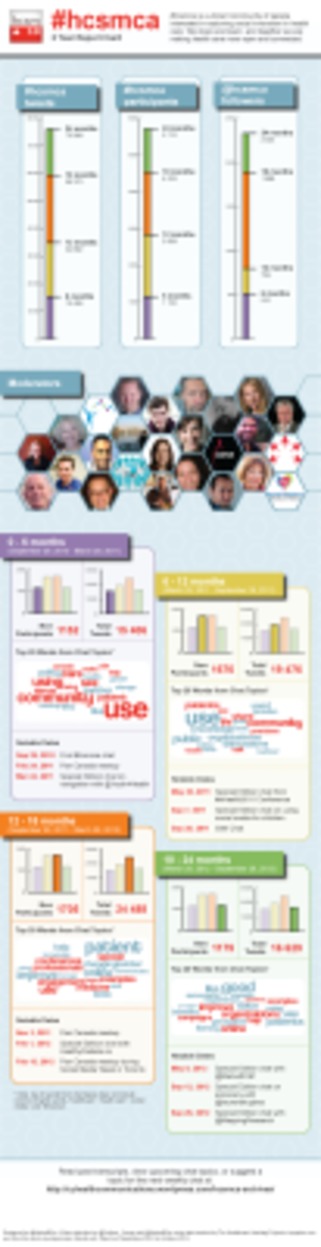
Presenting #hcsmca’s 2-year report card. Alaina Cyr created yet another beautiful infographic. How the health care social media communities like #hcsmCA #hcsm (US) #hcsmEU etc. makes a global platform of interchange and communication between all stakeholders in health care: patients, physicians, industry, governmental institutions, university and other do find there a platform of trust, laying the basics for learning, sharing and evolving on Twitter as a main entrance gate to all. Ref. http://www.symplur.com/healthcare-hashtags/ Yet, discussion is one, how to step up to collaboration. I see more offsprings to partnership in health to come! Thanks to Collen Young, Canada to refer me to this! Find her at http://bit.ly/Wkj1sg ;-)
|
|
Scooped by
rob halkes
October 15, 2012 1:22 AM
|
"Patient Experience of Care" Measure in Hospital Value-Based Purchasing: HealthCare.gov Use this table to learn about different measures of care quality used in Hospital Value-Based Purchasing. See "Patient Experience of Care" !
|
|
Scooped by
rob halkes
October 7, 2012 1:36 PM
|
With policy documents promoting patient-centred healthcare, Steven Laitner explores how the shared decision making programme is providing tools to help make them reality... Shared decision making is the belief that patients and their clinicians bring equally valuable input to the table when patients reach a decisions crossroads in their healthcare. Clinicians know about the options available, while patients know what they want from their treatment. With current clinical information, relevant to their particular condition, patients can be helped to work through any questions they may have, explore the options available, and take a treatment route which best suits their needs and expectations. Shared decision making can reduce treatment disagreements, lead to more realistic expectations, reduce clinically unwarranted treatments, and potentially reduce litigation. Importantly, patients are more likely to stick with a course of action or treatment when they have chosen it, rather than had it foisted upon them. It leads to a better patient experience.
|
|
Rescooped by
rob halkes
from PATIENT EMPOWERMENT & E-PATIENT
October 1, 2012 1:52 PM
|
This 4th edition of the European Patient Group Directory was compiled by PatientView and published by Burson-Marsteller. European Health Forum Gastein is the media partner for this publication.
Via Lionel Reichardt / le Pharmageek
Engaging and empowering patients with consumer eHealth solutions Fostering patient expertise This report was commissioned by Health Canada as part of generous funding provided through a Canadian Institutes of Health Research (CIHR) Science Policy Fellowship. .. We are told that we are on the precipice of a health care crisis, and that in order to avoid it we must “bend the health care cost curve”. eHealth technologies are one way of bending the cost curve, in that they promise to enable novel efficiencies in the health care system. One such set of efficiencies relies on engaging and empowering patients in a model of delivery referred to as patient centred care (PCC). PCC is meant, in part, to change the role of the patient within the health care system from “passive recipient” of health care services, to “active participant” in their own health care and in the health care system more broadly. Evidence suggests that empowering patients in this way produces benefits both for the patient (e.g. better health outcomes, higher satisfaction with care), and to the health care system (e.g. new efficiencies in health care delivery). Consumer Health Solutions (CHSs) are technologies that can engage and empower patients, helping them to become more active participants in their own health care and in the health care system more generally. However, PCC can be implemented in practice along a continuum of patient engagement and empowerment. At the “thin” end of the continuum, few of the benefits of PCC are realized. At the “thicker” end, however, patients are more likely to reap the beneficial outcomes associated with PCC. At this end patients are also referred to as “experts” in their own care...
Via Lionel Reichardt / le Pharmageek
|
|
Scooped by
rob halkes
September 17, 2012 6:56 AM
|
8 Important Questinos Most patients forget to ask their Doctor Come to the doctor prepared to ask these eight important questions too many patients forget to ask. 1 What is my condition and what caused it? 2 Why are you prescribing this drug? 3 What are the possible side effects? 4 What are my treatment options? 5 What is my outlook for the future? 6 How will I knwo if my treatment is working? 7 What changes do I need to make in my daily life? 8 Wat are your qualitifcations? .... From Insurance Quotes (!)
|
|
Scooped by
rob halkes
September 4, 2012 2:58 AM
|
A global directory of patient blogs... curated by Andrew Spong
|
|
Scooped by
rob halkes
September 3, 2012 5:25 AM
|
Each year, millions of Canadians go through the ritual of seeing their doctor and getting some lab tests. And while they wait anxiously for the results, consider this. A study published earlier this month in the Archives of Internal Medicine found that nearly half of all medical tests ordered the day a patient is discharged from hospital aren't even looked at by the doctor caring for the patient. Now you might think that doctors are too busy preparing to send patients home to have time to order tests, but they aren't. Seven percent of all blood tests ordered during a patient's stay in hospital are ordered on the day of discharge. All told, tests ordered on the day of discharge make up 47 percent of tests whose results are not checked by the doctor at the time of discharge.
|
|
Scooped by
rob halkes
August 21, 2012 1:50 AM
|
Review study signifies a positive effect of interactive computer based interventions for weight loss or weight maintenance in overweight or obese people, though not necessarily more effective than face to face interactions..
|
|
Scooped by
rob halkes
August 13, 2012 12:51 AM
|
To effectively engage patients and caregivers, it is critical that health care providers engage with empathy. Do you feel connected with your doctor or other health care providers? Do you partner with your providers? How important is patient engagement to you? What words do you use to define patient engagement? Do you consider yourself an empowered patient or health care consumer? What is patient engagement? Here is how I define patient engagement.
|
|
Scooped by
rob halkes
July 31, 2012 11:19 AM
|
This is an interview with Yaffa Rubinstein about her experiences working within rare disease patient registries and the challenges in patient recruitment. “Unless patients are organized in advocacy groups and have their specific disease registry, there is a difficulty to identify and locate the patients.”
|
|
Scooped by
rob halkes
July 31, 2012 11:14 AM
|
First stepsProjects under way in the NHS are exploring possibilities. Giving patients control of their medical records may sound scary to many doctors, but it could reduce workload and improve outcomes, Peter Davies reports Every general practice in England will have to offer patients online access to their care records by 2015, according to the government’s information strategy for the NHS published in May.1 Currently only 1% do so. As the Department of Health acknowledges, this represents “a challenge to the culture and practices of some health and care organisations and professionals.” But advocates of patient access to records now want to go further.... See also KAthi Apostolidis' respons to this on Facebook: http://www.facebook.com/groups/295223483902051/permalink/328499343907798/
|
|
Scooped by
rob halkes
July 31, 2012 4:14 AM
|
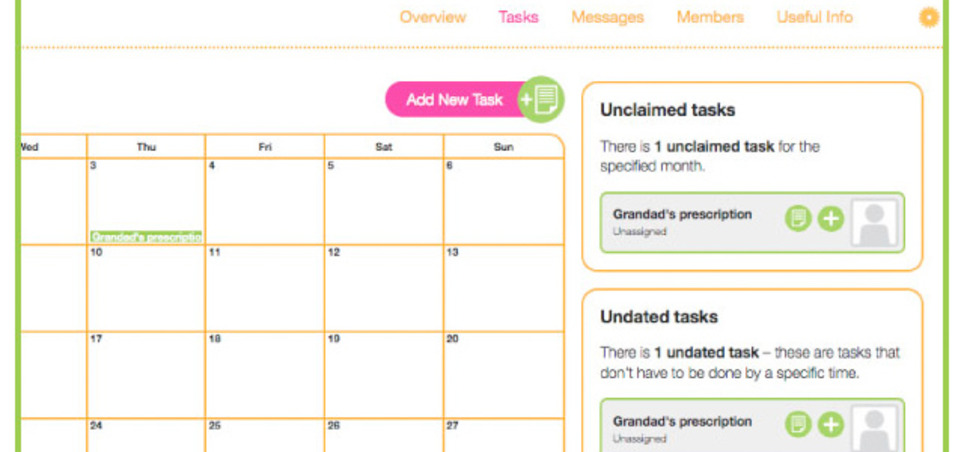
Caring for a sick or elderly loved one can take a significant toll on the people giving that care, yet it can be difficult to recruit help without the expense of hiring a paid professional. Cura is a new, UK-based platform that aims to “bring family, friends and communities together to care for the people around them,” in the site’s own words. Users of Cura begin by creating a free and secure online community focusing on the loved one who needs care — an elderly parent, say. Next they invite family, friends and neighbors to join the site and upload tasks that need to be done to take care of that loved one. Community members can then instantly see the tasks as they are added and sign up for the ones they can help with, whether it’s making a trip to the grocery store or putting out the trash bins. Cura explains: “No need to make countless phone calls to ask people to help and certainly no need to struggle on alone anymore.” Cura was built with a GBP 4,000 grant from charity UnLtd. Social entrepreneurs around the globe: time to build something similar in your area? Website: www.curahq.com
Contact: info@curahq.com
|
|
Scooped by
rob halkes
July 31, 2012 2:48 AM
|
This morning Larry Chu, MD, and his team at the Stanford AIM Lab released its first eBook, which shares the stories of the 35 ePatient scholars attending the Stanford Medicine X conference this Sept. 28-30.
|
|
Scooped by
rob halkes
July 6, 2012 12:29 PM
|
“Engage with Empathy” published on The Huffington Post on 6/27/12 in the Healthy Living/Health News Section. Do you feel connected with your doctor or other health care providers? Do you partner with your providers? How important is patient engagement to you? What words do you use to define patient engagement? Do you consider yourself an empowered patient or health care consumer? What is patient engagement? Here is how I define patient engagement.
|
|
Scooped by
rob halkes
July 4, 2012 11:38 AM
|
Read insghts from Accenture's Connected Health Pulse Survey which shows eHealth as an attractive option for patients seeking self-service healthcare. Most (90 percent) patients surveyed want to embrace eHealth self-service options, such as access to health information, scheduling and prescription refills, but nearly half of patients (46 percent) are not even aware if their health records are available electronically, according to an Accenture survey of 1,100 US patients. Additionally, eighty-five percent want the option of communicating with their doctor in person.
|
|
Scooped by
rob halkes
June 30, 2012 1:05 AM
|
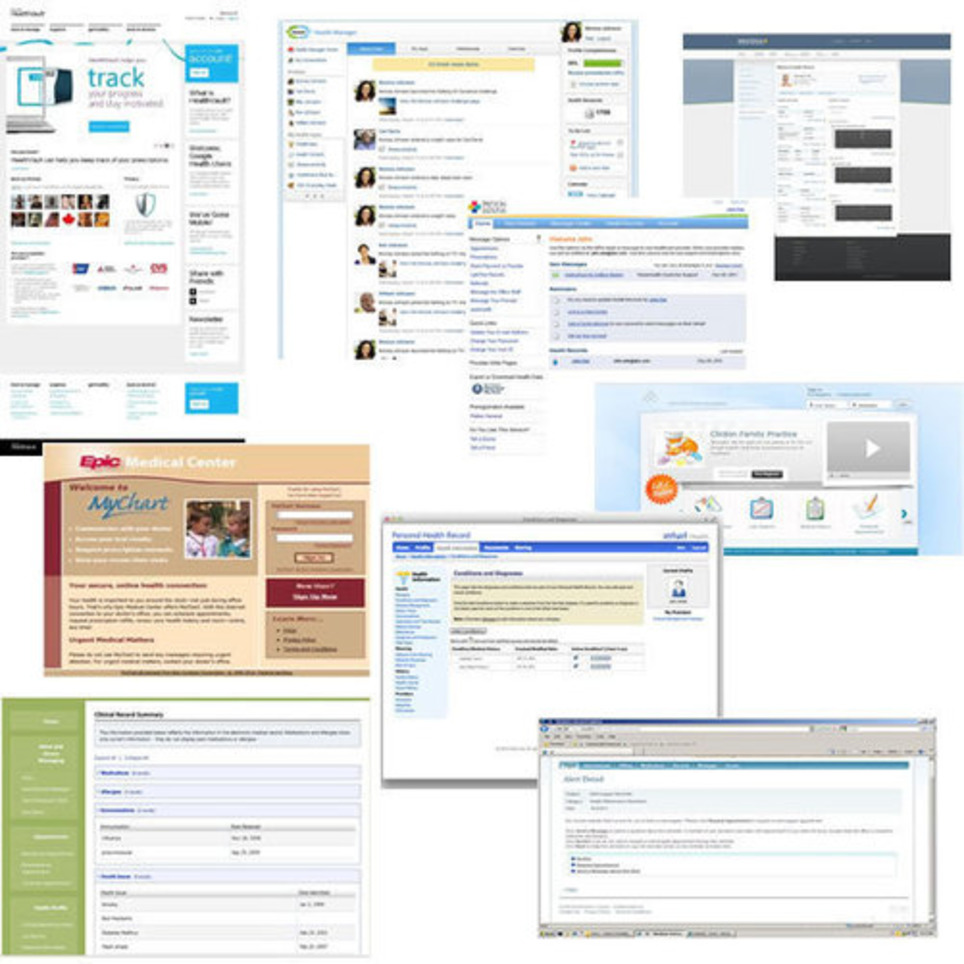
While many consumers remain skeptical of personal health records, advocates say these tools can help patients manage medical data and interact with doctors. Here's a look at nine popular PHR offerings.
|
|
Scooped by
rob halkes
June 30, 2012 12:56 AM
|
Patients want more access to their medical records online, but want to maintain their personal contact with doctors, according to new Accenture research. The Accenture Connected Health Pulse Survey determined the level of access and preferred channels of access to electronic healthcare-related information and services; gauged patient perceptions of EHRs, including benefits and barriers to adoption; and explored differences in patient perspectives versus physicians as well as between federal health personnel and the general population. The online survey was fielded March 30 through April 4, 2012. See pdf of study and source for requests for more information in this blog.
|
|
Scooped by
rob halkes
June 26, 2012 4:43 AM
|
Take-home focal points from a Guardian panel discussion on patient feedback on factors that shape the patient experience: * Staff approach and attitude * Accessible, responsive feedback * An appreciation of the importance of social media * Shared decision making * Collaboration * Effective use of technology * Better benchmarking * A 'whole system' approach * Introducing the patient voice into board meetings * Making patients feel valued * Transparency
|
|
Scooped by
rob halkes
June 25, 2012 1:09 AM
|
Consumers want the benefits of health information exchange, but they also wish to be assured that their personal health information (PHI) will remain private and secure, notes a new issue brief by Consumers Union and the Center for Democracy and Technology...
|
|
Scooped by
rob halkes
June 24, 2012 9:19 AM
|
The NHS Commissioning Board is looking to create a new website called My Health where patients will be able to access their GP records, book appointments and order prescriptions. The website will be a “digital multi-channel business development to allow patients to access their own health records and link these to functional transactions, including booking appointments and ordering prescriptions," And an intertesting, a litle bit comic too I'd say, discussion evolving!
|
|
Scooped by
rob halkes
June 18, 2012 3:33 AM
|
When patients demand certain treatments.. Patients are encouraged to take more control of their health. The upside of that is more engaged patients, working with doctors and others to ensure that they stay in the best condition. The downside is that sometimes patients are convinced that they have a certain ailment, or need a certain treatment, and doctors have to tell patients they’re wrong.
|
|
Scooped by
rob halkes
June 18, 2012 2:01 AM
|
Today's Internet provides unprecedented access to health information, both empowering and endangering today’s connected patient. - a discussion!
|
|
Scooped by
rob halkes
June 15, 2012 1:37 AM
|
'Findings related to Web-use skills differences suggest two classes of interventions to facilitate access to good-quality online health information. Challenges related to attitudes and technical skills should be remedied by improving people’s basic Web-use skills. In particular, Web users should be taught how to avoid information overload by generating specific search terms and to avoid low-quality information by requesting results from trusted websites only. Problems related to discovery may be remedied by visually labeling search engine results according to quality criteria.' J Med Internet Res 2012;14(3):e87
doi:10.2196/jmir.2051
|
|
Scooped by
rob halkes
June 12, 2012 10:11 AM
|
Apps can now deliver information like blood glucose levels, the location of a stent or the name of the nearest specialty hospital.
|