Your new post is loading...

|
Scooped by
ulcriv
October 21, 2022 1:44 PM
|
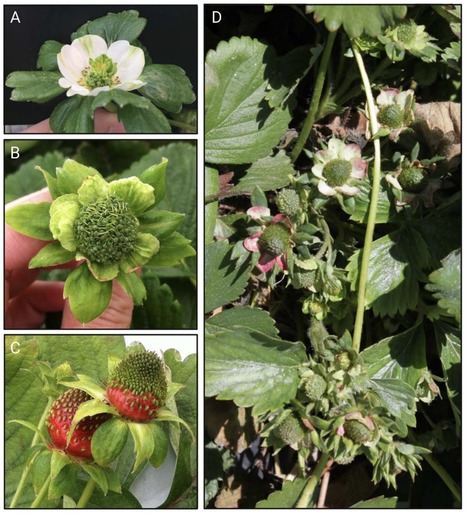
Strawberry green petal disease is a serious disease affecting strawberry plants in the Americas, Europe, and Australia. Strawberry green petal disease is caused by ‘Candidatus Phytoplasma asteris’-related strains, ‘Ca. P. hispanicum’-related strains, and ‘Ca. P. australiense’-related strains. This diagnostic guide provides details about the symptomatology, distribution, and molecular diagnosis of strawberry green petal disease that will help with detection and identification of the disease in fields and in the laboratory.
|
|
Scooped by
ulcriv
October 21, 2022 11:33 AM
|
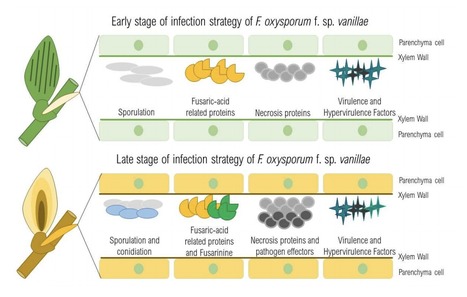
Members of the Fusarium oxysporum species complex (FOSC) has the capacity to specialize into host-specific pathogens known as formae speciales through horizontal gene transfer between pathogenic and endophytic individuals. To this day, the origin of these formae speciales and the genetic determinants dictating the switch from endophytic to pathogenic Fusarium oxysporum (Fox) are still unknown. F. oxysporum f. sp. vanillae (Fov), member of FOSC, is the causal agent of root and stem rot disease, representing the main phytosanitary problem in vanilla plantations worldwide. Here we analyzed the RNA-seq libraries resulting from the interaction vanilla-Fov at early and late stages of the infection, and what we initially identified as control in a previous study, detecting the presence of Fox endophytes. We identified virulence, hypervirulence, sporulation, conidiation, necrosis, and production of fusaric acid as key processes taking place during Fov-vanilla interaction. Through comparison with endophytic Fox, we found that Fov can infect vanilla thanks to the presence of pathogenicity islands and genomic regions associated with supernumerary chromosomes. These play a central role as carriers of genes involved with pathogenic activity and could have being obtained by Fov through horizontal gene transfer. We also found that, unlike other pathogenic members of FOSC, Fov do not use Secreted in Xylem proteins (SIX) to infect vanilla.
|
|
Scooped by
ulcriv
October 21, 2022 11:32 AM
|
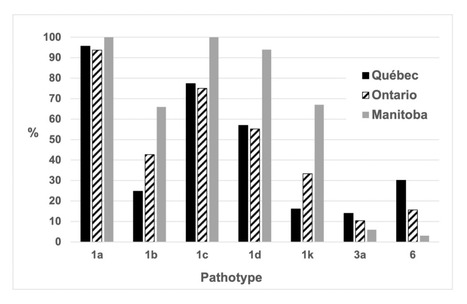
The large-scale deployment of Rps (resistance to Phytophthora sojae) genes in soybean has led to the rapid evolution of the virulence profile (pathotype) of P. sojae populations. Determining the pathotypes of P. sojae isolates is important in selecting soybean germplasm carrying the proper Rps, but this process is fastidious and requires specific expertise. In this work, we used a recently developed molecular assay to assess the pathotypes of P. sojae isolates obtained throughout the provinces of Québec, Ontario and Manitoba. In preliminary assays, the molecular tool showed equivalent prediction of the pathotypes as a phenotyping assay and proved to be much faster to apply while eliminating intermediate values. Following the analysis of nearly 300 isolates, 24 different pathotypes were detected in Québec and Ontario, compared to only eight in Manitoba, where soybean culture is more recent. Pathotype 1a, 1c, 1d was predominant in Québec, while 1a, 1b, 1c, 1d, 1k was the most common in Manitoba. Overall, the results showed that 98 and 86% of the isolates carried pathotype 1a or 1c, respectively, suggesting that Rps1a and Rps1c were no longer effective in Canada. Based on the history of soybean varieties used in surveyed fields, it was found that 84% of them contained Rps genes that were no longer resistant against the pathotypes of the isolates found in the fields. While highlighting an easier and more precise option to assess pathotypes, this study presents the first pan-Canadian survey of P. sojae and stresses the importance of carefully managing the declining sources of resistance.
|
|
Scooped by
ulcriv
October 21, 2022 11:02 AM
|
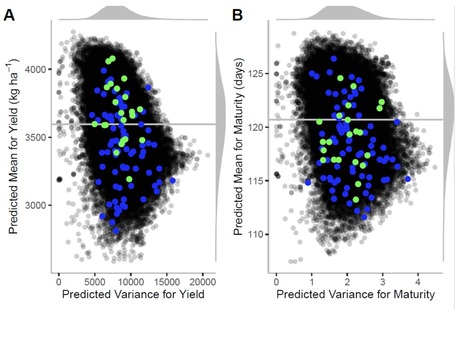
Maximizing yield is very important when developing new cultivars. However, yield must usually be improved jointly with other key traits, which can prove challenging when they are unfavorably correlated. Genomic predictions can facilitate the selection of promising lines among the progeny of crosses, but it may also help in selecting crosses that are more likely to produce improved lines by predicting progeny performance for the various key traits considered jointly. In order to assess whether genomic predictions of cross performance could help breeders simultaneously improve multiple traits, yield and maturity were predicted for sixty thousand soybean crosses. These predictions were then compared to the persistence of 101 biparental crosses throughout the selection process measured as the success in advancing progeny lines through to registration and commercialization. All but two of the 22 superior crosses retained by breeders had been predicted to display above-average mean yield within different maturity windows. At the opposite end of the spectrum, 96.2% of all crosses predicted to produce progeny with a below-average mean yield within a specific maturity window were eliminated during selection. Our results therefore suggest that by making crosses predicted to produce progeny meeting target requirements for multiple key traits, breeders could either achieve the same genetic gains with fewer resources or invest the same resources on a more promising set of crosses and thereby achieve greater gains.
|
|
Scooped by
ulcriv
October 21, 2022 11:01 AM
|
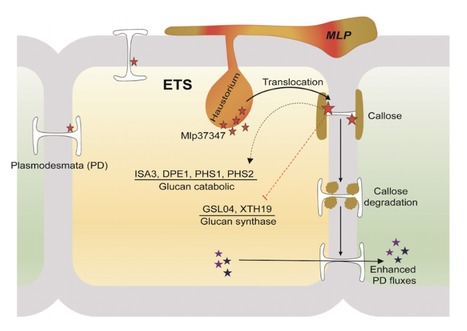
Melampsora larici-populina (Mlp) is a devastating pathogen of poplar trees, causing the defoliating poplar leaf rust disease. Genomic studies have revealed that Mlp possesses a repertoire of 1184 small secreted proteins (SSPs), some of them being characterized as candidate effectors. However, how they promote virulence is still unclear. This study investigates the candidate effector Mlp37347’s role during infection. We developed a stable Arabidopsis transgenic line expressing Mlp37347 tagged with the green fluorescent protein (GFP). We found that the effector accumulated exclusively at plasmodesmata (PD). Moreover, the presence of the effector at plasmodesmata favors enhanced plasmodesmatal flux and reduced callose deposition. Transcriptome profiling and a gene ontology (GO) analysis of transgenic Arabidopsis plants expressing the effector revealed that the genes involved in glucan catabolic processes are up-regulated. This effector has previously been shown to interact with glutamate decarboxylase 1 (GAD1), and in silico docking analysis supported the strong binding between Mlp37347 and GAD1 in this study. In infection assays, the effector promoted Hyalonoperospora arabidopsidis growth but not bacterial growth. Our investigation suggests that the effector Mlp37347 targets PD in host cells and promotes parasitic growth.
|
|
Scooped by
ulcriv
October 3, 2022 4:51 PM
|
Organic growers rely heavily on manure additions to meet corn (Zea mays L.) nitrogen (N) needs. Considering the limited availability of farmyard manure and its increasing cost, the use of cover crop mixtures may help in addressing this challenge. The impact of fall-seeded cover crops with or without pelletized poultry manure application on corn yield and N dynamics was investigated at three sites in Québec, Canada. Cover crop treatments consisted of field pea (Pisum sativum L.) in a pure stand, 2-, 6- and 12-species pea-based mixtures, and a weedy control without cover crops. Nitrogen content of shoot cover crop biomass was the greatest for the pure stand of field pea at Augustin17 (157 kg N ha-1), and for the pure stand of field pea and the 2-species mixture at Augustin18 (average of 109 kg N ha–1) and Barthelemy17 (average of 171 kg N ha–1). Nitrogen content of root biomass averaged 13 kg N ha–1. Cover crops increased organic corn grain yield by 28% compared to a weedy control. Corn grain yield was similar following the pure stand of field pea and the mixtures of 2 and 12 species, showing no clear advantage of using mixtures instead of a pure stand of field pea regarding N supply and corn yield. Corn yield increased by 10% with poultry manure application irrespective of the cover crop treatments. These results indicate that the use of cover crops, either a pure legume or legume in mixture, could contribute to organic grain corn yield.
|
|
Scooped by
ulcriv
October 3, 2022 4:40 PM
|
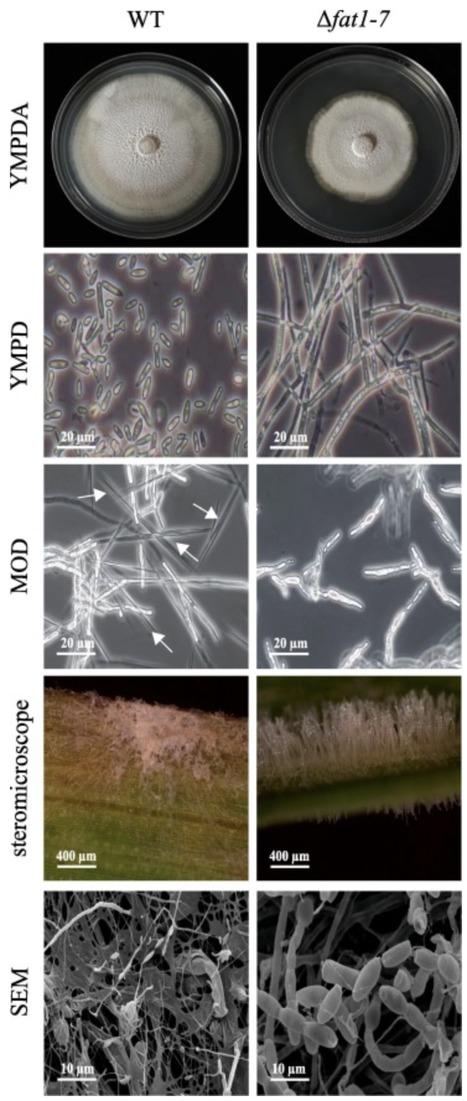
Pseudozyma flocculosa is an epiphytic yeast with powerful antagonistic activity against powdery mildews. This activity has been associated with the production of a rare antifungal glycolipid, flocculosin. In spite of the discovery of a specific gene cluster for flocculosin synthesis, attempts to ascribe a functional role to the molecule have been hampered by the inability to efficiently transform P. flocculosa. In this study, two different approaches, target gene replacement by homologous recombination (HR) and CRISPR-Cas9 based genome-editing, were utilized to decipher the role of flocculosin in the biocontrol activity of P. flocculosa. It was possible to alter the production of flocculosin through edition of fat1 by HR, but such mutants displayed abnormal phenotypes and the inability to produce sporidia. Sequencing analyses revealed that transformation by HR led to multiple insertions in the genome explaining the pleiotrophic effects of the approach. On the other hand, CRISPR-Cas9 transformation yielded one mutant that was altered specifically in the proper synthesis of flocculosin. Notwithstanding the loss of flocculosin production, such mutant was phenotypically similar to the wild-type, and when tested for its biocontrol activity against powdery mildew, displayed the same efficacy. These results offer strong evidence that flocculosin-mediated antibiosis is not responsible for the mode of action of P. flocculosa and highlight the potential of CRISPR-Cas9 for functional studies of otherwise difficult-to-transform fungi such as P. flocculosa.
|
|
Scooped by
ulcriv
October 3, 2022 4:37 PM
|
Bumble bees are among the most effective pollinators in orchards during the blooming period, yet they are often threatened by the high levels of pesticide use in apple production. This study aimed to evaluate the influence of landscape enhancements (e.g., hedgerows, flower strips) on bumble bee queens in apple orchards. Bumble bee queens from 12 orchards in southern Québec (Canada) were marked, released, and recaptured in the springs and falls of 2017 to 2019. Half of the 12 orchards had landscape enhancements. Apples were harvested in 2018 and 2019 to compare their quality (weight, diameter, sugar level, and seed number) in sites with and without landscape enhancements. Species richness, as well as the occurrence of three species out of eight, was higher in orchards with landscape enhancements than in orchards without such structures. The occurrence of Bombus ternarius was lower in orchards with high levels of pesticide use. Apples had fewer seeds when collected in orchards with landscape enhancements and were heavier in orchards that used more pesticides. Our work provides additional evidence that landscape enhancements improve bumble bee presence in apple orchards and should therefore be considered as a means to enhance pollination within farms.
|
|
Scooped by
ulcriv
October 3, 2022 4:31 PM
|
Studies on structural variation in plants have revealed the inadequacy of a single reference genome for an entire species and suggest that it is necessary to build a species‐representative genome, called a pan‐genome to better capture the extent of both structural and nucleotide variation. Here, we present a pan‐genome of cultivated soybean (Glycine max), termed PanSoy, constructed using the de novo genome assembly of 204 phylogenetically and geographically representative improved accessions selected from the larger GmHapMap collection. PanSoy uncovers 108 Mb (~11%) of novel nonreference sequences encompassing 3,621 protein‐coding genes (including 1,659 novel genes) absent from the soybean “Williams 82” reference genome. Nonetheless, the core genome represents an exceptionally large proportion of the genome, with >90.6% of genes being shared by >99% of the accessions. A majority of PAVs encompassing genes could be confirmed with long‐read sequencing on a subset of accessions. The PanSoy is a major step towards capturing the extent of genetic variation in cultivated soybean and provides a resource for soybean genomics research and breeding.
|
|
Scooped by
ulcriv
October 3, 2022 4:30 PM
|
One of the roles of Land Surface Models (LSMs) is to partition evapotranspiration (E) into overstory transpiration (ET), understory evapotranspiration (EG), and wet canopy evaporation (EC). Unfortunately, only a handful of studies have evaluated the performance of LSMs with E partitioning. Unlike dry canopies which are dominated by transpiration, wet canopies lead to the evaporation of intercepted water. In this respect, there is no better testing site for LSMs than the humid boreal forest, which is characterized by frequent precipitation and sustained evapotranspiration. This study assesses the performance of the Canadian Land Surface Scheme (CLASS) in simulating evapotranspiration and its components by applying detailed observations of water pathways and residence times in a forest canopy using a variety of methods (eddy covariance; sap flow, throughfall and stemflow measurements; and the stem compression approach). The study site was located in Montmorency Forest in Qu´ebec, Canada, a balsam fir boreal forest with ≈ 1600 mm of annual precipitation. The field campaign was conducted during the summers of 2017 and 2018. To improve the accuracy of the simulations, we adjusted the definition of maximum canopy water storage, S = c × LAI, by using c = 0.49 mm instead of the default value of 0.20 mm. This simple modification improved the performance of CLASS when simulating components of evapotranspiration, indicated by the increase in the modified Kling-Gupta efficiency (KGE′ ) with rises between 0.01 and 0.23. Overall, CLASS performed well in simulating evapotranspiration and overstory transpiration in dry canopy conditions at half-hourly time steps with KGE′ values between 0.67 and 0.81. The contribution of simulated ET, EG, and EC to total E during the two sampling periods were 46%, 24%, and 30%, respectively, which were comparable with the field observations (35%, 22%, and 25%, respectively). In conclusion, CLASS was able to simulate E partitioning in dry and wet canopy conditions reasonably well at both seasonal and halfhourly time scales.
|
|
Scooped by
ulcriv
October 3, 2022 4:29 PM
|
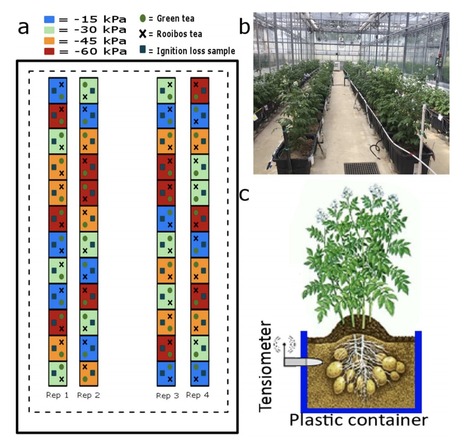
Soil organic carbon (SOC) has a significant effect on the carbon cycle, playing a vital role in environmental services and crop production. Increasing SOC stock is identified as an effective way to improve carbon dioxide sequestration, soil health, and plant productivity. Knowing soil water is one of the primary SOC decomposition driver, periods in the crops growth stages with increased water movement might influence the SOC dynamics. Here, we evaluate the temporal effect of four precision irrigation thresholds (−15, −30, −45, and −60 kPa) in potato crop on SOC dynamics using the Partial Least Square algorithm and the Tea Bag Index in a sandy soil under potato production. The difference of SOC decomposition rate between the precision irrigation thresholds is developed in the second quarter of the growing season, between 38 and 53 days after planting. This critical period occurred in a stage of strong vegetative growth and rapid irrigation cycles. The precision irrigation threshold affected the decomposition rate of SOC. A faster decomposition of labile organic carbon was promoted by water excess (−15 kPa). The dryer (−30, −45, and −60 kPa) precision irrigation thresholds did not show any differences. The advancement of this knowledge may promote soil health conservation and carbon sequestration in agricultural soil.
|
|
Scooped by
ulcriv
October 3, 2022 4:28 PM
|
Renewable materials including coir, biochar and composts are investigated worldwide in the horticultural industry to partially substitute peat in growing media. In this study, we assessed the effects of biochar and vermicompost as partial substitution of peat, and compared these peat-based growing media with coir in terms of NH4+-N and NO3--N content, CO2-C and N2O-N emissions and their microbial biomass carbon (MBC) and nitrogen (MBN). Six growing media mixtures (peat; peat+biochar 9:1 v/v; peat+vermicompost 9:1 v/v; coir; coir+biochar 9:1 v/v; coir+vermicompost 9:1 v/v) replicated three times were incubated in growth chambers during a 60-days period. At day 0 of incubation (DAI), peat amended with biochar retained around 12.81% of NH4+-N compared with peat alone. The concentrations of NO3--N peaked at 275 mg kg–1 at 33 DAI for peat and 552 mg kg–1 at 46 DAI for coir amended with vermicompost. The substitution of peat with biochar resulted in large CO2-C (2070 µg CO2-C g–1 dry weight (dw)) and N2O-N (62.78 µg N2O-N g–1 dw) emissions, but not coir. The substitution of coir with vermicompost increased N2O-N emissions at a much lower level (47.53 µg N2O-N g–1 dw) than peat (111.82 µg N2O-N g–1 dw). Our results showed that supplements of vermicompost in peat and coir improved N supply which could benefit plant growth, while substituting part of peat with biochar increased CO2-C and N2O-N emissions. In contrast, no effect of biochar was observed with coir, which is beneficial for the environmental footprint of short-cycle growing crops
|
|
Scooped by
ulcriv
October 3, 2022 4:06 PM
|
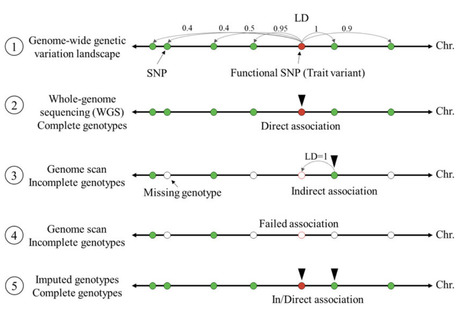
The quality, statistical power, and resolution of genome-wide association studies (GWAS) are largely dependent on the comprehensiveness of genotypic data. Over the last few years, despite the constant decrease in the price of sequencing, whole-genome sequencing (WGS) of association panels comprising a large number of samples remains cost-prohibitive. Therefore, most GWAS populations are still genotyped using low-coverage genotyping methods resulting in incomplete datasets. Imputation of untyped variants is a powerful method to maximize the number of SNPs identified in study samples, it increases the power and resolution of GWAS and allows to integrate genotyping datasets obtained from various sources. Here, we describe the key concepts underlying imputation of untyped variants, including the architecture of reference panels, and review some of the associated challenges and how these can be addressed. We also discuss the need and available methods to rigorously assess the accuracy of imputed data prior to their use in any genetic study.
|
|
|
Scooped by
ulcriv
October 21, 2022 1:43 PM
|
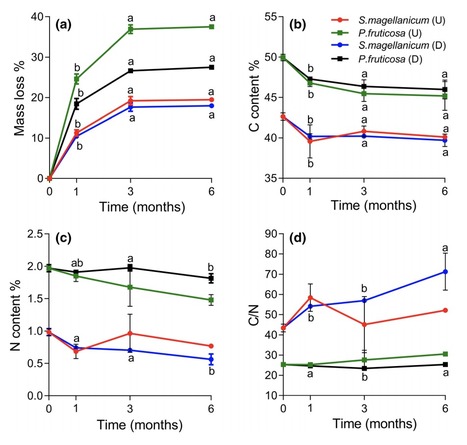
Litter decomposition is a key process controlling carbon (C) sequestration in Sphagnum dominated peatlands. Peatland drainage lowers the water table, increases vascular plant richness, and alters species evenness. We hypothesized that abiotic and biotic changes following peatland drainage would greatly accelerate litter decomposition. This hypothesis was tested by a litter decomposition experiment in an undrained and a drained area of a peatland which was partially drained 30 years ago. Litter bags filled with shoots of the peat moss Sphagnum magellanicum and leaves of the dwarf shrub Potentilla fruticosa as single species and species mixtures with three evenness treatments were placed at the surface of the peatland. After 6 months (from August onwards) of decomposition, the single species litter of Potentilla fruticosa, with low initial C/N ratio, decomposed much faster than S. magellanicum litter, with high initial C/N ratio in both undrained and drained areas. Overall, mixed litter produced antagonistic effects (observed values less than expected) on decomposition and C/N ratio. Litter mixtures dominated by S. magellanicum showed lower mass loss than other mixtures. Contrary to our expectation, the undrained area showed higher decomposition than the drained area. Our study suggests that drainage-induced alteration in plant diversity slows down litter decomposition in a short term. However, in drained peatlands, lower C/N ratio of mixed litter may enhance decomposition and reduce C sequestration over time.
|
|
Scooped by
ulcriv
October 21, 2022 11:32 AM
|
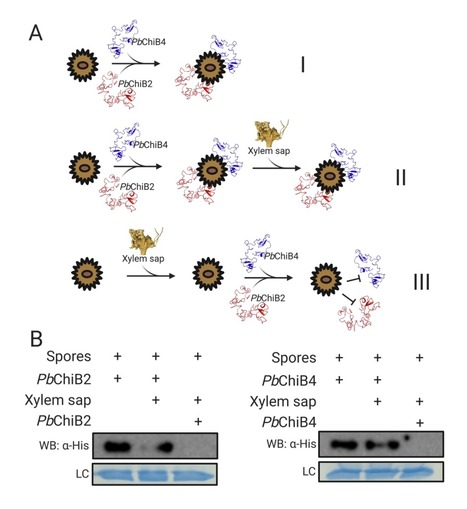
Plants have a sophisticated and multi-layered immune system. However, plant pathogens, helped by effector proteins, have found several strategies to evade plant immunity. For instance, the clubroot pathogen, Plasmodiophora brassicae, is able to turn the roots of the susceptible hosts into nutrient-sink galls surpassing patterns-triggered immunity (PTI) and effector-triggered immunity (ETI). Chitin, the main component of P. brassicae spore cell walls and a well-known pathogens-associated molecular pattern (PAMP), can elicit PTI but is also the target of plant chitinases and chitin deacetylases. The fact that P. brassicae does not trigger PTI during infection of the susceptible hosts motivated a genome-wide search of genes coding for secreted proteins with domains previously associated to chitin binding. We found that P. brassicae genome encodes a repertoire of candidate-secreted effectors containing the chitin-binding domain carbohydrate-binding module family 18 (CBM18), chitinase, and chitin deacetylase domains. The role of these proteins in the pathogenicity of the clubroot pathogen is unknown. Here, we characterized two CBM18 proteins, PbChiB2 and PbChiB4, which are transcriptionally activated during infection. Through co-precipitation, we found that recombinant PbChiB2 and PbChiB4 bind to spores and to chitin oligomers. We also showed that both proteins suppress chitin-triggered activation of the map kinase proteins MPK3 and MPK6 in the host Brassica napus. These findings suggest that P. brassicae CBM18 proteins act as effectors for protecting the clubroot pathogen and for suppressing chitin-triggered immunity during infection.
|
|
Scooped by
ulcriv
October 21, 2022 11:03 AM
|
Mineral roads in peatlands change the nature of the substrate, influence the water table level of the peatland on either side of the road and the physicochemical characteristics of the water and peat. These changes can in turn affect plant community composition. The efficiency of an innovative and affordable method for the restoration of peatlands impacted by roads was evaluated: the Burial Under Peat Technique. To be considered effective from an ecological point of view, the technique should meet restoration goals by 1) confining the chemical elements and compounds potentially leaching from the mineral material; 2) creating and maintaining a restored surface elevation similar to the adjacent peatland for optimal rewetting; and 3) re-establishing typical peatland vegetation communities. Three years post-restoration, water sampled at various depths and distances to the buried road presented chemical elements and compounds concentrations similar to the means measured in the pristine surrounding peatland for most of the ions analyzed. The different steps of the technique ensured the reestablishment of an elevation similar to the surrounding peatland. The return of peatland plant communities was slow, mainly due to local factors (e.g., presence of drainage ditches). Furthermore, the Burial Under Peat Technique fulfilled the restoration objectives in re-establishing an acid organic soil. Finally, it is a cost-effective method in comparison to completely removing the mineral material and transporting new material to fill the depression left by the excavation of the road.
|
|
Scooped by
ulcriv
October 21, 2022 11:02 AM
|
The increased use of fertilizers in agriculture and forest and horticulture nurseries contributes to the pollution of water resources and greenhouse gas emissions. The objective of this study is to evaluate a new generation of fertilizers coated with new biodegradable polymers in terms of physical quality, release kinetics, and their effect on reducing nitrate leaching and N2O emissions and compare them to uncoated fertilizers (Urea, monoammonium phosphate (MAP), and KCl) having the same mineral nutrient concentration. In a peat-based substrate, the release of mineral nutrients was similar in both types of fertilizer. Two hours after application, Urea released 34% more urea than Biodrix N, the difference disappearing after one day. The leaching of cumulative ammonium nitrogen after 20 days was reduced by 40% and 26% respectively by Aminaex and Biodrix N compared to Urea. In a peat-based substrate containing 30% (v/v) of compost, the cumulative nitrate leaching was reduced by 54% by Biodrix N and by 41% by Aminaex compared to Urea. The highest average N2O flux was observed on the first day for Urea, whereas for Aminaex and Biodrix N, N2O emissions increased on the third day, reaching a peak of efflux on day 10. A 10-day delay of the N2O efflux emissions and a longer period of emissions were observed in treatments containing Aminaex and Biodrix N compared to Urea. Cumulative N2O efflux was 142, 154, and 171 mg m−2, respectively, for Urea, Aminaex, and Biodrix N over a 20-day period. These new biodegradable polymer-coated nitrogen fertilizers can reduce mineral nutrient leaching in the event of heavy rainfall and lower maximum N2O emissions in comparison with conventional nitrogen sources.
|
|
Scooped by
ulcriv
October 3, 2022 4:56 PM
|
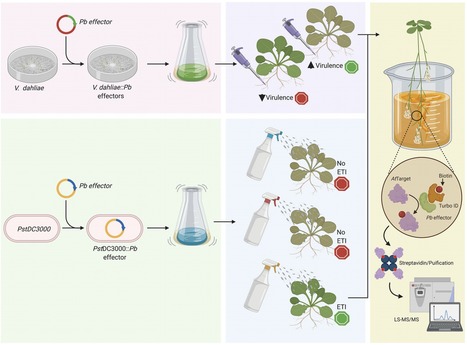
Brassica-Plasmodiophora brassicae: a challenging pathosystem. Clubroot is a devastating disease infecting roots of plants of the Brassicaceae family and responsible for 10–15% yield reduction on a global scale (Botero et al., 2019). The clubroot pathogen, Plasmodiophora brassicae, is an obligate intracellular biotroph that belongs to the class Phytomyxea within the eukaryote supergroup Rhizaria, one of the least studied groups of eukaryotes (Burki et al., 2010). The life cycle of P. brassicae starts in the soil, where resting spores, which can remain viable for up to 20 years, germinate in response to the presence of plant hosts and initiate primary infection. During secondary infection, susceptible plants develop galls that disrupt water and nutrient uptake, leading to wilting, stunting, and, in some instances, death of the infected plant (Dixon, 2006, 2009). The mechanisms by which the clubroot pathogen can escape plant immunity in the susceptible host and induce the root galls characteristics of the disease is still unknown (Pérez-López et al., 2018). Based on what we know about biotrophic pathogens from other evolutionary groups, effector proteins might play a key role in mediating P. brassicae pathogenicity (Jones and Dangl, 2006). Prediction of effectors based on conserved motifs has been very challenging for this pathogen, mainly because of unique features inherent to P. brassicae, including its inability to grow in axenic cultures (Chen et al., 2019; Pérez-López et al., 2020). The first P. brassicae effector characterized was Pro1, a serine protease that may play a key role in stimulating germination of P. brassicae resting spores (Feng et al., 2010). The methyltransferase PbBSMT was the second P. brassicae effector characterized (Ludwig-Müller et al., 2015), an effector that allows the pathogen to mimic regulation of salicylic acid within the susceptible host (Bulman et al., 2018; Djavaheri et al., 2019). The third and last P. brassicae effector characterized was the cysteine protease inhibitor SSPbP53, which plays a key role in protecting effectors from host apoplastic enzymes during secondary infection (Pérez-López et al., 2020, 2021). While some P. brassicae ubiquitin ligases have been functionally characterized, their role in pathogenicity has not been elucidated (Yu et al., 2019). This scarcity of information about P. brassicae effectors stresses the need to find other ways to assess more effector candidates to better understand the etiology of the clubroot pathogen. Luckily for us, the researchers aiming a better understanding of the clubroot pathogen, thale cress (Arabidopsis thaliana), the model plant in molecular biology, is susceptible to most of the P. brassicae pathotypes and its use can facilitate our search for new methodologies and the interpretation of the results.
|
|
Scooped by
ulcriv
October 3, 2022 4:51 PM
|
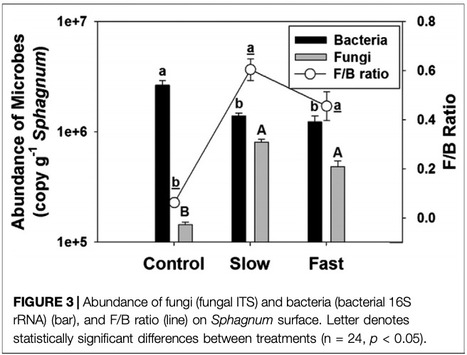
Northern peatlands are substantial carbon sinks because organic matter in peat is highly stable due to the low rate of decomposition. Waterlogged anaerobic conditions induce accumulation of Sphagnum-derived phenolic compounds that inhibit peat organic matter decomposition, a mechanism referred to as the “enzymic latch”. Recent studies have predicted that the water table in northern peatlands may become unstable. We observed that such unstable water table levels can impede the development of Sphagnum mosses. In this study, we determined the effects of low and high frequency water table fluctuation regimes on Sphagnum growth and peat organic matter decomposition, by conducting a year-long mesocosm experiment. In addition, we conducted a molecular analysis to examine changes in abundance of fungal community which may play a key role in the decomposition of organic matter in peatlands. We found that rapid water table fluctuation inhibited the growth of Sphagnum due to fungal infection but stimulated decomposition of organic matter that may dramatically destabilize peatland carbon storage. Increased pH, induced by the fluctuation, may contribute to the enhanced activity of hydrolases in peat. We demonstrated that the water table fluctuation in peatlands impeded Sphagnum growth and accelerates decomposition due to fungal proliferation. Thus, we suggested that understanding the microbial community in the northern peatlands is essential for elucidating the possible changes in carbon cycle of peatland under the changing world.
|
|
Scooped by
ulcriv
October 3, 2022 4:39 PM
|
Daily measurements of the water table depth are sometimes needed to evaluate the influence of seasonal water stress on Sphagnum recolonization in restored ombrotrophic peatlands. However, continuous water table measurements are often scarce due to high costs and, as a result, water table depth is more commonly measured manually bimonthly with daily logs in few reference wells. A literature review identified six potential methods to estimate daily water table depth with bimonthly records and daily measurements from a reference well. A new estimation method based on the time series decomposition (TSD) is also presented. TSD and the six identified methods were compared with the water table records of an experimental peatland site with controlled water table regime located in Eastern Canada. The TSD method was the best performing method (R2 = 0.95, RMSE = 2.48 cm and the lowest AIC), followed by the general linear method (R2 = 0.92, RMSE = 3.10 cm) and support vector machines method (R2 = 0.91, RMSE = 3.24 cm). To estimate daily values, the TSD method, like the six traditional methods, requires daily data from a reference well. However, the TSD method does not require training nor parameter estimation. For the TSD method, changing the measurement frequency to weekly measurements decreases the RMSE by 16% (2.08 cm); monthly measurements increase the RMSE by 13% (2.80 cm).
|
|
Scooped by
ulcriv
October 3, 2022 4:32 PM
|
Rust fungi cause epidemics that threaten the production of important plant species, such as wheat and soy. Melampsora larici-populina (Mlp) causes the poplar rust and encodes at least 1184 candidate effectors (CEs) whose functions are poorly known. In this study, we sequenced the transcriptome and used mass spectrometry to analyze the metabolome of Arabidopsis plants constitutively expressing 14 Mlp CEs and of a control line to discover alterations leading to plant susceptibility. We found 2299 deregulated genes across the experiment. Genes involved in pattern-triggered immunity, such as FRK1, PR1, RBOHD, and WRKY33, as well as AUX/IAA genes were down-regulated. We further observed that 680 metabolites were deregulated in at least one CE-expressing transgenic line, with “highly unsaturated and phenolic compounds” and “peptides” enriched among down- and up-regulated metabolites. Interestingly, transgenic lines expressing unrelated CEs had correlated patterns of gene and metabolite deregulation, while expression of CEs belonging to the same family deregulated different genes and metabolites. Thus, our results uncouple effector sequence similarity and function. This supports that effector functional investigation in the context of their virulence activity and effect on plant susceptibility requires the investigation of the individual effector and precludes generalization based on sequence similarity.
|
|
Scooped by
ulcriv
October 3, 2022 4:30 PM
|
Peatland pools present unique fauna and flora and contribute significantly to peatland biodiversity. The ecological functionality of artificial pools in restored peatlands is poorly documented. In this study, we investigated arthropod assemblages of 21 artificial pools in a restored fen in southeastern Canada and 16 pools from four pristine fens as reference ecosystems. Three years following restoration, predacious diving beetles (Coleoptera: Dytiscidae) and spiders (Araneae) were sampled within and around pools using minnow traps and pitfall traps, respectively. We used Bayesian community occupancy models to document arthropod recolonization. Twenty‐one dytiscid species were captured in pools. Dytiscid species richness was higher in artificial pools than in reference pools. Three dytiscid species were more likely to occur in deeper pools. Dytiscid species composition in artificial pools differed from reference pools. Seventy‐seven spider species were captured around pools. Spider species richness was higher around artificial pools than around reference pools. Seventeen spider species responded to vegetation cover, either positively or negatively. In contrast, spider species composition was similar between artificial and reference pools. We conclude that artificial pools should be along a gradient of pool depth, but also that fast‐growing vegetation should be introduced on pool margins to foster a quicker return of arthropod assemblages similar to reference ecosystems
|
|
Scooped by
ulcriv
October 3, 2022 4:29 PM
|
"Field-acclimated Drosophila suzukii (Diptera: Drosophilidae) from the Saguenay–Lac-Saint-Jean region, Québec, Canada, were examined over two years for winter survival, under the hypothesis that flies select protected overwintering microhabitats. In 2016–2017, flies trapped alive in the field or emerged from infested fruits were submitted to four winter regimes of either constant or daily fluctuating temperatures of 5 °C (2–8 °C) or 10 °C (7–13 °C). In 2017–2018, two fluctuating regimes averaging either 1 °C (–2 to 4 °C) or 3 °C (0–6 °C) were tested. Survival was modelled using Cox proportional hazard models testing probability that mortality risk varies with cold winter regime, fly sex, and fly provenance. Hazard ratios were about 1.7 times higher for males than for females. Models indicate that flies in constant and fluctuating 10 °C, in constant 5 °C, or in fluctuating 1 °C with daily exposure to –2 °C would not survive a six-month winter. Female survival extended to the next summer in fluctuating regimes averaging 5 °C or 3 °C. Estimates of 0.95 quantile survival (5%) indicate that overwintering D. suzukii experiencing such cold temperature regimes during winter, with no prolonged sub-zero temperatures, could survive until July of the following year, which is likely at the high population densities observed."
|
|
Scooped by
ulcriv
October 3, 2022 4:29 PM
|
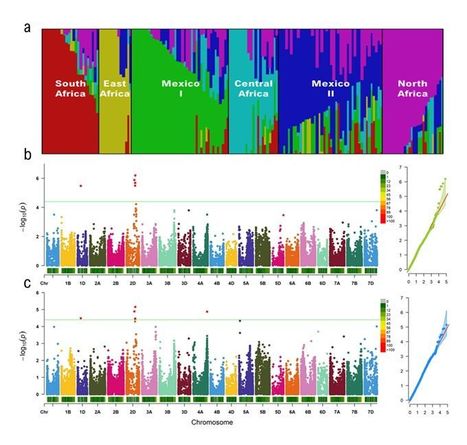
Grain size is a key agronomic trait that contributes to grain yield in hexaploid wheat. Grain length and width were evaluated in an international collection of 159 wheat accessions. These accessions were genetically characterized using a genotyping-by-sequencing (GBS) protocol that produced 73,784 single nucleotide polymorphism (SNP) markers. GBS-derived genotype calls obtained on Chinese Spring proved extremely accurate when compared to the reference (> 99.9%) and showed > 95% agreement with calls made at SNP loci shared with the 90K SNP array on a subset of 71 Canadian wheat accessions for which both types of data were available. This indicates that GBS can yield a large amount of highly accurate SNP data in hexaploid wheat. The genetic diversity analysis performed using this set of SNP markers revealed the presence of six distinct groups within this collection. A GWAS was conducted to uncover genomic regions controlling variation for grain length and width. In total, seven SNPs were found to be associated with one or both traits, identifying three quantitative trait loci (QTLs) located on chromosomes 1D, 2D and 4A. In the vicinity of the peak SNP on chromosome 2D, we found a promising candidate gene (TraesCS2D01G331100), whose rice ortholog (D11) had previously been reported to be involved in the regulation of grain size. These markers will be useful in breeding for enhanced wheat productivity.
|
|
Scooped by
ulcriv
October 3, 2022 4:26 PM
|
From 2018 to 2019 symptoms consistent with infection by plant pathogenic phytoplasma bacteria were observed in commercial flower greenhouses located in Atlixco, Puebla, Mexico. Two varieties of Argyranthemum spp. plants exhibited symptoms of phyllody, causing serious concerns among farmers. To determine if phytoplasmas were associated with the symptomatic plants, the 16S rRNA-encoding locus (F2nR2 fragment) was amplified by PCR. This revealed that the symptomatic plants collected were infected by a phytoplasma belonging to the aster yellows group (16SrI-B). These results were confirmed and refined by amplification and sequencing of the phytoplasma chaperonin 60 universal target (cpn60 UT). Sequence analysis using the online tool CpnClassiPhyR confirmed that the phytoplasma detected is a member of the 16SrI group, specifically a member of the cpn60 UT I-IB subgroup.. This is the first report of daisies affected by phytoplasma in Mexico, and the first report of the use of CpnClassiPhyR to characterize an unknown phytoplasma strain. The detection of phytoplasmas infecting commercially produced daisies and their characterization provides an impetus for phytoplasma management in Atlixco, a Mexican city for which the production of ornamental plants and cut flowers is of economic importance.
|