Your new post is loading...

|
Scooped by
ulcriv
October 21, 2022 3:14 PM
|
Protein engineering approaches have been proposed to improve the inhibitory properties of plant cystatins towards herbivorous pest digestive Cys proteases, typically involving sequence alterations in the inhibitory loops and/or N-terminal trunk of the protein interacting with specific amino acid residues of the target protease. In this study, we assessed whether the loops-supporting frame, or scaffold, would represent a valuable structural module for cystatin function improvement. Twenty hybrid cystatins were designed in silico, consisting of the N-terminal trunk and two inhibitory loops of a given donor cystatin grafted onto the scaffold of an alternative, recipient cystatin. Synthetic genes for the hybrids were expressed in E. coli, and the resulting proteins assessed for their potency to inhibit model Cys protease papain and the digestive Cys proteases of Colorado potato beetle (Leptinotarsa decemlineata) used as an insect pest model. In line with the occurrence of positively selected amino acids presumably influencing inhibitory activity in the scaffold region of plant cystatins, grafting the N-terminal trunk and inhibitory loops of a given cystatin onto the scaffold of an alternative cystatin generally had an effect on the inhibitory potency of these function-related elements against Cys proteases. For instance, hybrid cystatins including the three structural elements of model tomato cystatin SlCYS8 grafted on the scaffold of cystatins from other plant families showed Ki values altered by up to 3-fold for papain, and inhibitory efficiencies increased by up to 8-fold against L. decemlineata cathepsin L-like proteases, compared to wild-type SlCYS8 bearing the original scaffold. Our data point to a significant influence of the cystatin scaffold on the inhibitory activity of the N-terminal trunk and protease inhibitory loops. They also suggest the potential of this structural element as a module for plant cystatin design to generate functional variability against Cys proteases, including the digestive proteases of herbivorous pests.
|
|
Scooped by
ulcriv
October 21, 2022 3:13 PM
|
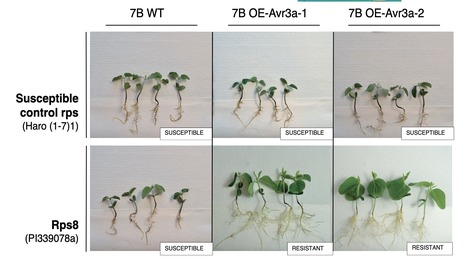
The use of resistance genes in elite soybean cultivars is one of the most widely used methods to manage Phytophthora sojae. This method relies on effector-triggered immunity, where a Resistant to P. sojae (Rps) gene product from the plant recognizes a specific effector from the pathogen, encoded by an avirulence (Avr) gene. Many Avr genes from P. sojae have been identified in the last decade, allowing a better exploitation of this type of resistance. The objective of the present study was to identify the Avr gene triggering immunity derived from the soybean resistance gene Rps8. The analysis of a segregating F2 progeny coupled with a genotyping-by-sequencing approach led to the identification of a putative Avr8 locus. The investigation of this locus using whole-genome sequencing data from 31 isolates of P. sojae identified Avr3a as the likely candidate for Avr8. Long-read sequencing also revealed that P. sojae isolates can carry up to five copies of the Avr3a gene, compared to the four previously reported. Haplotype and transcriptional analyses showed that amino acid changes and absence of Avr3a transcripts from P. sojae isolates caused changes in virulence towards Rps8. Functional analyses using CRISPR/Cas9 knockout and constitutive expression demonstrated that Rps8 interacted with Avr3a. We also showed that a specific allele of Avr3a is recognized by Rps3a but not Rps8. While Rps3a and Rps8 have been previously described as closely linked, this is the first report of a clear distinction hitherto undefined between these two resistance genes.
|
|
Scooped by
ulcriv
October 21, 2022 3:11 PM
|
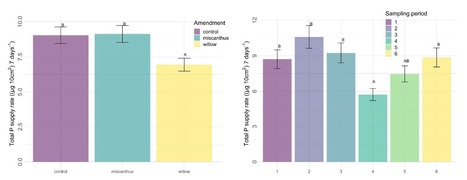
Few conservation strategies have been applied to cultivated peatland. This field study over one growth cycle of Lactuca sativa examined the effect of plant-based, high-C/N-ratio amendments in a real farming situation on peatland. Plant Root Simulator (PRS®) probes were used directly in the field to assess the impacts of incorporating Miscanthus x giganteus straw and Salix miyabeana chips on nutrient availability for lettuce. The results showed that lettuce yield decreased by 35% in the miscanthus straw treatment and by 14% in the willow chip treatment. In addition, the nitrogen flux rate was severely reduced during crop growth (75% reduction) and the plant N uptake index was much lower in the amended treatments than in the control. The phosphorus supply rate was also significantly lower (24% reduction) in the willow treatment. The influence of sampling zone was significant as well, with most macro-nutrients being depleted in the root zone and most micro-nutrients being mobilized. Additional work is needed to optimize the proposed conservation strategy and investigate the effects of consecutive years of soil amendment on different vegetable crops and in different types of cultivated peatlands to confirm and generalize the findings of this study. Future field studies should also explore the long-term carbon dynamics under plant-based, high-C/N-ratio amendments to determine if they can offset annual C losses.
|
|
Scooped by
ulcriv
October 21, 2022 2:59 PM
|
In the last decade, more than 70 quantitative trait loci (QTL) related to soybean [Glycine max (L.) Merr.] partial resistance (PR) against Phytophthora sojae have been identified by genome-wide association studies (GWAS). However, most of them have either a minor effect on the resistance level or are specific to a single phenotypic variable or one isolate, thereby limiting their use in breeding programs. In this study, we have used an analytical approach combining (a) the phenotypic characterization of a diverse panel of 357 soybean accessions for resistance to P. sojae captured through a single variable, corrected dry weight; (b) a new hydroponic assay allowing the inoculation of a combination of P. sojae isolates covering the spectrum of commercially relevant Rps genes; and (c) exhaustive genotyping through whole-genome resequencing (WGS). This led to the identification of a novel P. sojae resistance QTL with a relatively major effect compared with the previously reported QTL. The QTL interval, spanning ∼500 kb on chromosome (Chr) 15, does not colocalize with previously reported QTL for P. sojae resistance. Plants carrying the favorable allele at this QTL were 60% more resistant. Eight genes were found to reside in the linkage disequilibrium (LD) block containing the peak single-nucleotide polymorphism (SNP) including Glyma.15G217100, which encodes a major latex protein (MLP)-like protein, with a functional annotation related to pathogen resistance. Expression analysis of Glyma.15G217100 indicated that it was nearly eight times more highly expressed in a group of plant introductions (PIs) carrying the resistant (R) allele compared with those carrying the susceptible (S) allele within a short period after inoculation. These results offer new and valuable options to develop improved soybean cultivars with broad resistance to P. sojae through marker-assisted selection.
|
|
Scooped by
ulcriv
October 21, 2022 2:58 PM
|
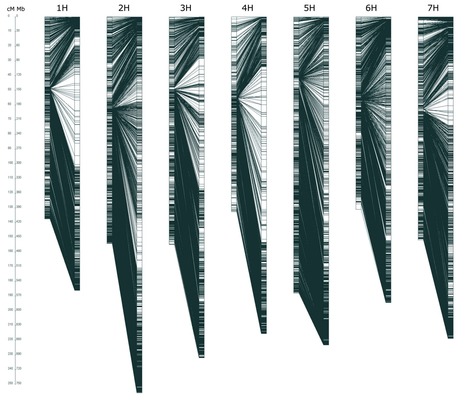
As genotyping-by-sequencing (GBS) is widely used in barley genetic studies, the translation of the physical position of GBS-derived SNPs into accurate genetic positions has become relevant. The main aim of this study was to develop a high-resolution consensus linkage map based on GBS-derived SNPs. The construction of this integrated map involved 11 bi-parental populations composed of 3743 segregating progenies. We adopted a uniform set of SNP-calling and filtering conditions to identify 50 875 distinct SNPs segregating in at least one population. These SNPs were grouped into 18 580 non-redundant SNPs (bins). The resulting consensus linkage map spanned 1050.1 cM, providing an average density of 17.7 bins and 48.4 SNPs per cM. The consensus map is characterized by the absence of large intervals devoid of marker coverage (significant gaps), the largest interval between bins was only 3.7 cM and the mean distance between adjacent bins was 0.06 cM. This high-resolution linkage map will contribute to several applications in genomic research, such as providing useful information on the recombination landscape for QTLs/genes identified via GWAS or ensuring a uniform distribution of SNPs when developing low-cost genotyping tools offering a limited number of markers.
|
|
Scooped by
ulcriv
October 21, 2022 2:58 PM
|
For years, the presence of clubroot disease and its causal agent, Plasmodiophora brassicae, in Mexico has been given by granted. However, after a long search in the scientific literature in English and Spanish, as well as grey literature including thesis and government reports, we were not able to find any information regarding the actual detection of the pathogen, hosts affected, areas with the disease, or any real information about clubroot (‘hernia de la col’, in Mexico). To confirm if P. brassicae was indeed in Mexico, we started a true detective adventure. First, we identified agricultural communities in south-east Mexico known to grow cruciferous crops. Second, we asked to the growers if they have ever seen clubroot symptoms, showing them during the inquires pictures of the characteristic galls that might have been present in their crops. Third, we collected soil from two of the communities with positive response and grew an array of cruciferous in the soil as baits to “fish” the clubroot pathogen. We detected the presence of galls in the roots of 32 plants and observed the presence of resting spores. Through a P. brassicae specific PCR assay, we were able to confirm the presence of the clubroot pathogen in the samples and in Mexico for the very first time. This study is the first report and identification of P. brassicae in Mexico, opening the doors to understand the genetic diversity of this elusive and devastating plant pathogen.
|
|
Scooped by
ulcriv
October 21, 2022 2:57 PM
|
Protein engineering approaches have been proposed to improve the inhibitory properties of plant cystatins against herbivorous arthropod digestive proteases, generally involving the site-directed mutagenesis of functionally relevant amino acids or the selection of improved inhibitor variants by phage display approaches. Here, we propose a novel approach where the function-related structural elements of a cystatin are substituted by the corresponding elements of an alternative cystatin. Inhibitory assays were first performed with 20 representative plant cystatins and model Cys proteases, including arthropod proteases, to appreciate the extent of functional variability among the plant cystatin family. The most, and less, potent of these cystatins were then used as ‘donors’ of structural elements to create hybrids of tomato cystatin SlCYS8 used as a model ‘recipient’ inhibitor. In brief, inhibitory activities against Cys proteases strongly differed from one plant cystatin to another, with Ki (papain) values diverging by more than 30-fold and inhibitory rates against arthropod proteases varying by up to 50-fold depending on the enzymes assessed. In line with theoretical assumptions from docking models generated for different Cys protease–cystatin combinations, structural element substitutions had a strong impact on the activity of recipient cystatin SlCYS8, positive or negative depending on the basic inhibitory potency of the donor cystatin. Our data confirm the wide variety of cystatin inhibitory profiles among plant taxa. They also demonstrate the usefulness of these proteins as a pool of discrete structural elements for the design of cystatin variants with improved potency against herbivorous pest digestive Cys proteases.
|
|
Scooped by
ulcriv
October 21, 2022 2:56 PM
|
Grain size is a key agronomic trait that contributes to grain yield in hexaploid wheat. Grain length and width were evaluated in an international collection of 157 wheat accessions. These accessions were genetically characterized using a genotyping-by-sequencing (GBS) protocol that produced 73,784 single nucleotide polymorphism (SNP) markers. GBS-derived genotype calls obtained on Chinese Spring proved extremely accurate when compared to the reference (> 99.9%) and showed > 95% agreement with calls made at SNP loci shared with the 90 K SNP array on a subset of 71 Canadian wheat accessions for which both types of data were available. This indicates that GBS can yield a large amount of highly accurate SNP data in hexaploid wheat. The genetic diversity analysis performed using this set of SNP markers revealed the presence of six distinct groups within this collection. A GWAS was conducted to uncover genomic regions controlling variation for grain length and width. In total, seven SNPs were found to be associated with one or both traits, identifying three quantitative trait loci (QTLs) located on chromosomes 1D, 2D and 4A. In the vicinity of the peak SNP on chromosome 2D, we found a promising candidate gene (TraesCS2D01G331100), whose rice ortholog (D11) had previously been reported to be involved in the regulation of grain size. These markers will be useful in breeding for enhanced wheat productivity.
|
|
Scooped by
ulcriv
October 21, 2022 2:53 PM
|
In eastern Canada, organic grain producers have a rising interest in using cover crop mixtures instead of pure stands to maximize ecosystem services. Yield stability and belowground biomass of cover crop mixtures have however received limited attention in the scientific literature, although they do affect ecosystem services. The aims of this study were to evaluate the aboveground and belowground biomass and yield stability of pea-based cover crop mixtures, and to assess species-specific contributions to aboveground biomass. In a field experiment conducted at three site-years in Quebec, Canada, a pure stand of field pea (Pisum sativum L.) and cover crop mixtures of 2, 6, and 12 species, all including field pea, were compared to a weedy control (without cover crop). The mixtures were seeded according to a substitutive unbalanced design. The proportion of field pea ranged from 45% to 93% of the aboveground plant biomass within all mixtures. Among all site-years, pure stand of field pea provided the highest aboveground biomass (2636 kg ha1), followed by the 2-species mixture (2320 kg ha1) and both multi-species cover crop mixtures (mean of 1849 kg ha1). Aboveground biomass was inversely correlated to cover crop diversity (Pearson coefficient of 0.73), and inversely correlated to weed biomass (Pearson coefficient of 0.54). Pure stand of field pea had the lowest belowground biomass and stability (693 kg ha1, CV of 28%) when compared to mixtures (886 kg ha1, CV of 14% on average). This study confirms that the value of pea-based mixtures, compared to a pure stand of field pea, lies mainly below the soil surface rather than above it. This could likely enhance many soil-related ecosystem services.
|
|
Scooped by
ulcriv
October 21, 2022 2:53 PM
|
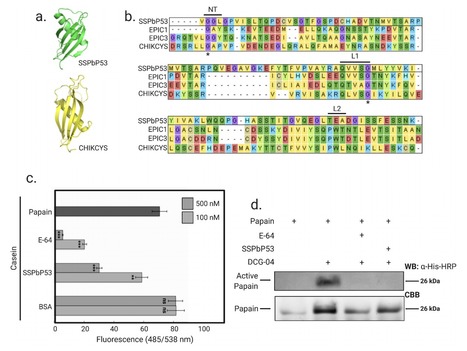
Plant pathogen effector proteins are key to pathogen virulence. In susceptible host Brassicas, the clubroot pathogen, Plasmodiophora brassicae, induces the production of nutrient-sink root galls, at the site of infection. Among a list of 32 P. brassiae effector candidates previously reported by our group, we identified SSPbP53 as a putative apoplastic cystatin-like protein highly expressed during the secondary infection. Here we found that SSPbP53 encoding gene is conserved among several P. brassicae pathotypes and that SSPbP53 is an apoplastic protein able to directly interact with and inhibit cruciferous papain-like cysteine proteases (PLCPs), specifically Arabidopsis XYLEM CYSTEINE PEPTIDASE 1 (AtXCP1). The severity of clubroot disease is greatly reduced in the Arabidopsis xcp1 null mutant (AtΔxcp1) after infection with P. brassicae resting spores, indicating that the interaction of P. brassicae SSPbP53 with XCP1 is important to clubroot susceptibility. SSPbP53 is the first cystatin-like effector identified and characterized for a plant pathogenic protist.
|
|
Scooped by
ulcriv
October 21, 2022 2:48 PM
|
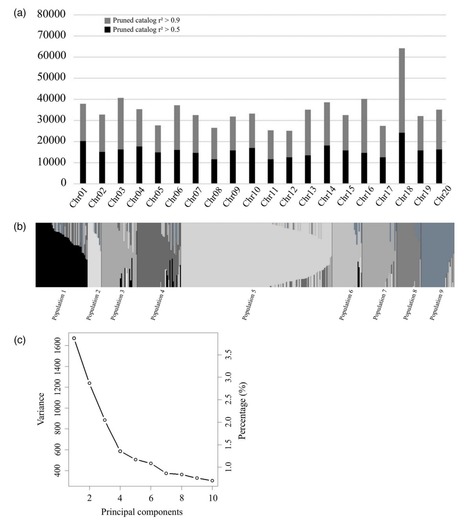
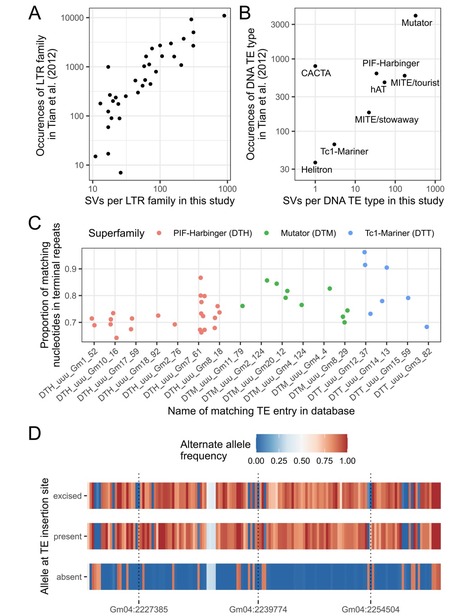
Background. Structural variant (SV) discovery based on short reads is challenging due to their complex signatures and tendency to occur in repeated regions. The increasing availability of long-read technologies has greatly facilitated SV discovery, however these technologies remain too costly to apply routinely to population-level studies. Here, we combined short-read and long-read sequencing technologies to provide a comprehensive population-scale assessment of structural variation in a panel of Canadian soybean cultivars.
Results. We used Oxford Nanopore sequencing data (∼12X mean coverage) for 17 samples to both benchmark SV calls made from the Illumina data and predict SVs that were subsequently genotyped in a population of 102 samples using Illumina data. Benchmarking results show that variants discovered using Oxford Nanopore can be accurately genotyped from the Illumina data. We first use the genotyped SVs for population structure analysis and show that results are comparable to those based on single-nucleotide variants. We observe that the population frequency and distribution within the genome of SVs are constrained by the location of genes. Gene Ontology and PFAM domain enrichment analyses also confirm previous reports that genes harboring high-frequency SVs are enriched for functions in defense response. Finally, we discover polymorphic transposable elements from the SVs and report evidence of the recent activity of a Stowaway MITE.
Conclusions. Our results demonstrate that long-read and short-read sequencing technologies can be efficiently combined to enhance SV analysis in large populations, providing a reusable framework for their study in a wider range of samples and non-model species
|
|
Scooped by
ulcriv
October 21, 2022 2:45 PM
|
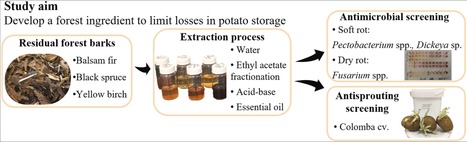
Canadian forest residues, such as bark, are an abundant and accessible biomass currently burned to produce energy, therefore neglecting their great potential for various applications owing to their multiple biological properties. Potato storage constitutes a challenge for potato producers because of disease propagation and potato sprouting. Barks appear to be promising candidates in the research of greener alternatives to synthetic chemicals presently used to limit these problems. Hence, this study aimed to develop a bio-based ingredient from bark residues to prevent diseases and sprouting of potatoes during storage. First, forest extracts were produced from the bark of black spruce (Picea mariana Mill.), balsam fir (Abies balsamea L. Mill.) and yellow birch (Betula alleghaniensis Britton) by three different methods: water extraction, ethyl acetate fractionation of the water extract, and acid-base extraction. Then, in vitro screening of extracts and commercial essential oils was performed to determine their ability to inhibit potato soft and dry rot and potato sprouting. More specifically, Fusarium oxysporum, Fusarium graminearum, Fusarium sambucinum, Pectobacterium atrosepticum, Pectobacterium carotovorum, and Dickeya dianthicola were selected for antimicrobial assays. Two black spruce extracts, ethyl acetate extract and essential oil, showed promising antimicrobial and anti-sprouting properties. The black spruce ethyl acetate extract inhibited microorganism growth with minimum concentrations ranging from 1.37 × 10⁻³ to 3.00% (w/w) depending on the strain. Black spruce essential oil completely prevented potato sprouting in Colomba cv. at a minimal concentration of 25% (w/w). Furthermore, when mixed, both properties were maintained, and even showed a synergistic effect. Indeed, in antimicrobial assays, the fractional inhibitory concentration index obtained was lower than 0.50. Therefore, these two black spruce extracts can be formulated into one product with broad properties aimed at controlling potato post-harvest losses due to rot and sprouting.
|
|
Scooped by
ulcriv
October 21, 2022 2:35 PM
|
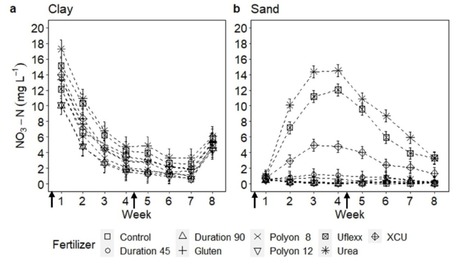
Fertilizer applications on lawns have raised environmental concerns in many Canadian municipalities. In this greenhouse study, NO3 -N leaching losses from Kentucky Bluegrass (Poa pratensis. L) lawns were evaluated on two soils, a schist loam and a clay loam, and on a sand/peat moss rootzone mix (80% sand, 20% peat moss). Eight different fertilizer N sources (urea, Polyon® 8 and 12-week release, Duration® 45 and 90-d release, XCU® , corn gluten meal and UFLEXX® ) were assessed at five application rates (25 to 200 kg N ha-1 yr-1 ) and two application frequencies over two 8-week trials. Average NO3 -N concentration in leachate were measured at levels of 3.5, 7.4 and 1.4 mg L-1 from turf grown in loam, clay and sand respectively, but losses from loam and clay were mostly affected by N mineralization from organic matter. Turf fertilized with rates ≥ 100 kg N ha-1 generally resulted in acceptable visual quality on both soils, but coated-urea fertilizers were more efficient to reduce leaching. In sand, UFLEXX® and urea (150 and 200 kg N ha-1 ) as well as XCU® (200 kg N ha-1 ) resulted in higher NO3 -N losses varying from 8.5 to 23.7 mg L-1 , while losses from other N sources were consistently below 3 mg L-1 . Our results show that it is possible to maintain good quality turfgrass while keeping low NO3 -N leaching losses (i.e. < 4 mg L-1 ) in loam, clay and sand by selecting the ideal combination of N source, N rate and application frequency. This article is protected by copyright. All rights reserved.
|
|
|
Scooped by
ulcriv
October 21, 2022 3:14 PM
|
Background. Structural variants (SVs), including deletions, insertions, duplications, and inversions, are relatively long genomic variations implicated in a diverse range of processes from human disease to ecology and evolution. Given their complex signatures, tendency to occur in repeated regions, and large size, discovering SVs based on short reads is challenging compared to single-nucleotide variants. The increasing availability of long-read technologies has greatly facilitated SV discovery; however, these technologies remain too costly to apply routinely to population-level studies. Here, we combined short-read and long-read sequencing technologies to provide a comprehensive population-scale assessment of structural variation in a panel of Canadian soybean cultivars. Results. We used Oxford Nanopore long-read sequencing data (~12× mean coverage) for 17 samples to both benchmark SV calls made from Illumina short-read data and predict SVs that were subsequently genotyped in a population of 102 samples using Illumina data. Benchmarking results show that variants discovered using Oxford Nanopore can be accurately genotyped from the Illumina data. We first use the genotyped deletions and insertions for population genetics analyses and show that results are comparable to those based on single-nucleotide variants. We observe that the population frequency and distribution within the genome of deletions and insertions are constrained by the location of genes. Gene Ontology and PFAM domain enrichment analyses also confirm previous reports that genes harboring high-frequency deletions and insertions are enriched for functions in defense response. Finally, we discover polymorphic transposable elements from the deletions and insertions and report evidence of the recent activity of a Stowaway MITE. Conclusions. We show that structural variants discovered using Oxford Nanopore data can be genotyped with high accuracy from Illumina data. Our results demonstrate that long-read and short-read sequencing technologies can be efficiently combined to enhance SV analysis in large populations, providing a reusable framework for their study in a wider range of samples and non-model species.
|
|
Scooped by
ulcriv
October 21, 2022 3:12 PM
|
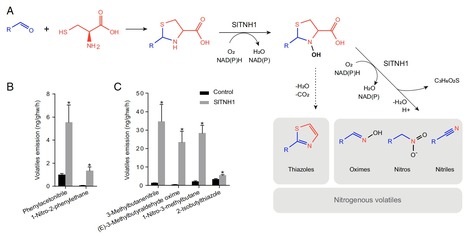
Tomato (Solanum lycopersicum) produces a wide range of volatile chemicals during fruit ripening, generating a distinct aroma and contributing to the overall flavor. Among these volatiles are several aromatic and aliphatic nitrogen-containing compounds for which the biosynthetic pathways are not known. While nitrogenous volatiles are abundant in tomato fruit, their content in fruits of the closely related species of the tomato clade is highly variable. For example, the green-fruited species Solanum pennellii are nearly devoid, while the red-fruited species S. lycopersicum and Solanum pimpinellifolium accumulate high amounts. Using an introgression population derived from S. pennellii, we identified a locus essential for the production of all the detectable nitrogenous volatiles in tomato fruit. Silencing of the underlying gene (SlTNH1;Solyc12g013690) in transgenic plants abolished production of aliphatic and aromatic nitrogenous volatiles in ripe fruit, and metabolomic analysis of these fruit revealed the accumulation of 2-isobutyl-tetrahydrothiazolidine-4-carboxylic acid, a known conjugate of cysteine and 3-methylbutanal. Biosynthetic incorporation of stable isotope-labeled precursors into 2-isobutylthiazole and 2-phenylacetonitrile confirmed that cysteine provides the nitrogen atom for all nitrogenous volatiles in tomato fruit. Nicotiana benthamiana plants expressing SlTNH1 readily transformed synthetic 2-substituted tetrahydrothiazolidine-4-carboxylic acid substrates into a mixture of the corresponding 2-substituted oxime, nitro, and nitrile volatiles. Distinct from other known flavin-dependent monooxygenase enzymes in plants, this tetrahydrothiazolidine-4-carboxylic acid N-hydroxylase catalyzes sequential hydroxylations. Elucidation of this pathway is a major step forward in understanding and ultimately improving tomato flavor quality.
|
|
Scooped by
ulcriv
October 21, 2022 3:00 PM
|
Vaccinium vitis-idaea is a red berry-producing woody shrub, native to North America, Europe, and Scandinavia, known commonly as lingonberry (Hendrickson, 1997). During the spring/summer seasons of 2019 and 2020, producers from Quebec, Canada, have noticed symptoms of yellowing leaves and stunted growth, resembling symptoms caused by phytoplasma. To confirm whether phytoplasmas were indeed associated with these reported symptoms, fifteen lingonberry plants from different producers from the region of Chaudière-Appalaches were analysed.
|
|
Scooped by
ulcriv
October 21, 2022 2:59 PM
|
Main conclusion Transcriptome analysis of Leucojum aestivum led to the identification of 50 key genes associated with Amaryllidaceae alkaloid biosynthesis including norbelladine synthase which localized in the cytosol and catalyzed norbelladine formation. Abstract The Amaryllidaceae alkaloids (AAs) are a large group of plant specialized metabolites, which are known for their biological activities. Although the general chemical reactions in the AA biosynthetic pathway have been proposed, the genes and enzymes of the pathway remain largely unstudied. All AAs are synthesized from a common precursor, norbelladine, by the condensation of tyramine and 3,4-dihydroxybenzaldehyde. The enzyme norbelladine synthase (NBS) which catalyzes the condensation reaction has only been characterized at a molecular level from one species, and the subcellular localizations have not been explored. Hence, the intracellular compartments wherein the AAs are biosynthesized remain unknown. In this study, a first comprehensive transcriptomic analysis of summer snowflake (Leucojum aestivum) was done to identify key genes associated with AA biosynthesis. Fifty orthologous genes were identified and deposited into GenBank. In addition, we identified and further characterized NBS from the transcriptome of L. aestivum and previously reported Narcissus papyraceus. Phylogenetic analysis showed that LaNBS, NpNBS1 and NpNBS2 shared high amino acid identity. The heterologous expression of LaNBS produced a recombinant protein with NBS activity. Bioinformatic prediction and C-terminal GFP tagging in transiently transformed Nicotiana benthamiana showed that LaNBS, NpNBS1 and NpNBS2 were likely localized to the cytosol which suggests that the AA biosynthesis starts in the cytosol. This study provides an Amaryllidaceae transcriptome that will be very helpful to identify genes for characterization studies in AA metabolism in planta or using heterologous systems. In addition, our study will facilitate the bioengineering of AA biosynthetic pathway in plants or in microorganisms.
|
|
Scooped by
ulcriv
October 21, 2022 3:17 PM
|
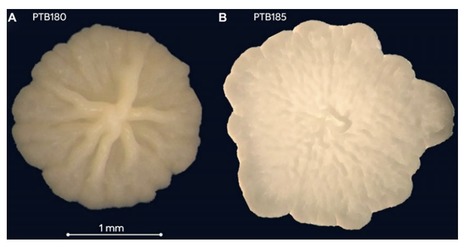
The foxglove aphid, Aulacorthum solani (Kaltenbach) (Hemiptera: Aphididae), and the melon aphid, Aphis gossypii Glover (Hemiptera: Aphididae), are among the serious insect pests found in greenhouses. The efficacy of microbial control against these insects has been demonstrated and can be enhanced by the combination of different microbial agents. This study evaluated the efficacy of Bacillus pumilus Meyer and Gottheil PTB180 and Bacillus subtilis (Ehrenberg) Cohn PTB185, used alone and together, to control these two aphids both in the laboratory and in greenhouse on tomato, Solanum lycopersicum Linnaeus (Solanaceae), and cucumber, Cucumis sativus Linnaeus (Cucurbitaceae), plants. The results from the laboratory tests showed an increase in mortality induced by all biological treatments. In the greenhouse, all treatments induced mortality rates significantly higher than that of the control for A. solani. Similarly, all treatments performed better than the control against A. gossypii, significantly reducing its reproduction. Furthermore, we found no additive effects when mixing products nor negative interactions affecting survival for the bacteria investigated. These microorganisms therefore have potential for use in biological control.
|
|
Scooped by
ulcriv
October 21, 2022 3:20 PM
|
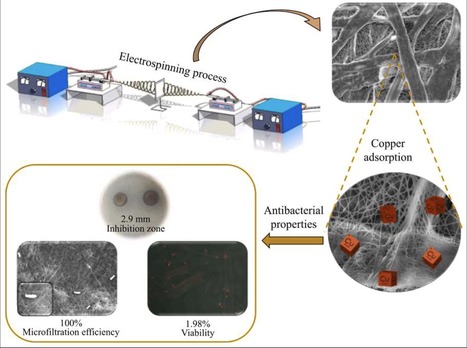
Bacterial contamination of drinking water is becoming a major issue for increasing populations around the world. Current water treatment technologies based on chlorination are effective but generate toxic disinfection by-products. In this study, antibacterial electrospun chitosan-PEO/TEMPO-oxidized cellulose composite was tested for the first time for the deactivation of Gram-positive Bacillus subtilis and Gram-negative Escherichia coli bacteria and their removal by filtration from aqueous solution. Results of the disk diffusion method, confocal microscopy and scanning electron microscopy show that both bactericidal and bacteriostatic behavior against both bacteria depend on the content and mobility of protonated amino groups. It was also found that these properties are enhanced when the biocomposite is doped with copper ions. Filtration tests in a dead-end stainless-steel cell show that both bacteria are completely removed from aqueous solutions (> 95% during the first filtration and 100% after subsequent filtrations). Finally, the composites tested can be used up to three times without significant loss of permeability. However, it was CS-PEO/TOC Cu2+ bio-based composite which displayed the slightest reduction in permeability (2.20%) after three filtrations.
|
|
Scooped by
ulcriv
October 21, 2022 2:56 PM
|
In blueberry plantings, nitrification can result in losses of mineral nitrogen (N) through leaching because blueberries prefer ammonium (NH4+) over nitrate (NO3−). The objective of this study was to assess the effects of two rates of N fertilizer, mixed or not with nitrification inhibitors (NI) and applied through two fertigation systems, on berry yield and the concentrations of NH4+-N and NO3−-N along the soil profile. Thus, nine combinations of treatments including two N fertilizer rates (60 and 120 kg N ha−1), two NI (with DCD + Nitra-pyrin or without) and two fertigation application methods (buried and suspended drip lines) and a control (0 kg N ha−1) were tested over three years (2016–2018) in a long-term blueberry planting. Berry yield was on average 47.32 Mg ha−1 in 2016 and 26.86 Mg ha−1 in 2018. In 2017, berry yield varied between 8.60 Mg ha−1 under the control and 11.66 Mg ha−1 with 120 kg N ha−1 applied through suspended drip lines. Low berry yield in 2017 was due to a heavy pruning to rejuvenate the plants. In 2016, the concentration of NH4+-N in the sawdust mulch layer varied between 13.1 and 27.1 mg kg−1 in the spring, 11.4 and 32.1 mg kg−1 in the summer, and 7.9 and 72.9 mg kg−1 in the fall; the concentration of high NH4+-N along the soil profile did not exceed 5 mg kg−1. High concentrations of NH4+-N in the sawdust mulch layer were associated with NI, but did not translate to high berry yields. The concentration of NO3−-N in the soil profile reached 42.6 mg kg−1 in the summer and 39.0 mg kg−1 in the fall and these high concentrations were associated with NI. In 2017 and 2018, there was no effect of NI on NH4+-N concentrations even in the layer of sawdust mulch which was not consistent with the results obtained in 2016. High concentrations of NO3−-N were measured beneath the sawdust mulch layer with treatments including N fertilizer alone or mixed with NI. It is possible that NH4+ retained in the layer of sawdust mulch and not taken up by plant roots was subsequently oxidized to NO3− at the end of the residence time of NI in the soil. Our results showed that high concentrations of NO3−-N along the soil profile occurred mainly during the summer which could be explained by irrigation water driving NO3− leaching.
|
|
Scooped by
ulcriv
October 21, 2022 2:54 PM
|
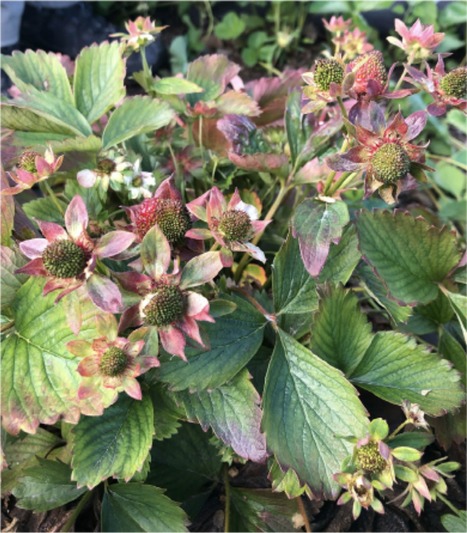
In Canada, Quebec is the main strawberry (Fragaria × ananassa) producing region and in 2018 more than 15,000 tonnes of fruit worth 66 million Canadian dollars was produced (Gouvernement du Québec, 2021). In recent years, an increasing number of leafhoppers in strawberry fields in Quebec, may have led to a rise in the number of plants affected by strawberry green petal disease (SbGP). This disease is known to be associated with phytoplasmas (‘Candidatus Phytoplasma’ sp.) (Brochu et al., 2021). Although SbGP was reported in Quebec in 1961 (Chiykowsky, 1962), the phytoplasma pathogen associated with the disease has not yet been identified.
|
|
Scooped by
ulcriv
October 21, 2022 2:53 PM
|
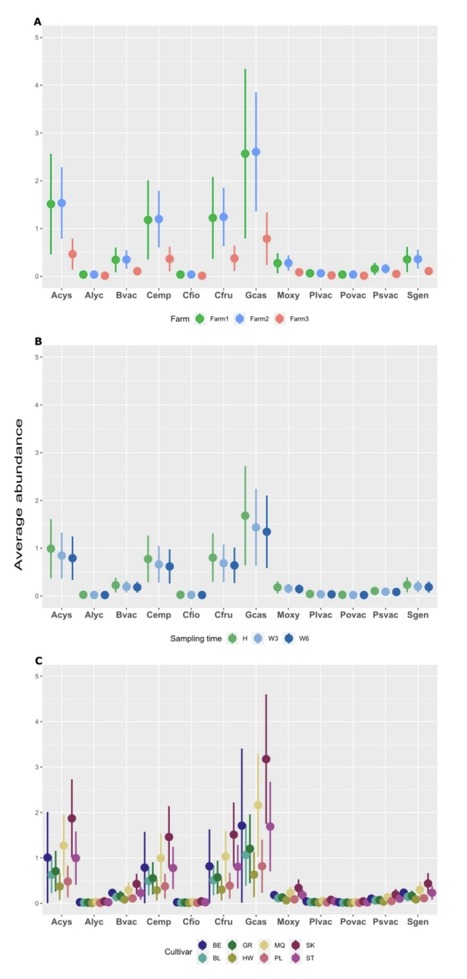
Cranberry fruit rot (CFR) pathogens are widely reported in the literature but performing large-scale analysis of their presence inside fruit has always been challenging. In this study, a new molecular diagnostic tool, capable of identifying simultaneously 12 potential fungal species causing CFR, was exploited to better define the impact of CFR across cranberry fields in Québec. For this purpose, 126 fields and 7,825 fruit were sampled in three cranberry farms distributed throughout the province and subjected to comparative analyses of fungal presence and abundance according to cultural practices, sampling times and cranberry cultivars. All 12 pathogens were detected throughout the study but, as a first major finding, the analyses revealed that four species, Godronia cassandrae, Colletotrichum fructivorum, Allantophomopsis cytisporea, and Coleophoma empetri were consistently predominant regardless of the parameters studied. Conventional productions versus organic ones showed a significant reduction in fungal richness and relative abundance. Interestingly, Monilinia oxycocci was found almost exclusively in organic productions indicating that fungicides had a strong and persistent effect on its population. Surprisingly, there were no significant differences in fungal relative abundance or species richness between fruit sampled at harvest or in storage, suggesting that there may not exist a clear distinction between field and storage rot, as it was previously thought. Comparative analysis of fungal species found on eight different cranberry cultivars indicated that they were all infected by the same fungi, but could not rule out differences in genetic resistance. This large-scale analysis allows us to draw an exhaustive picture of CFR in Québec and provides new information with respect to its management.
|
|
Scooped by
ulcriv
October 21, 2022 2:51 PM
|
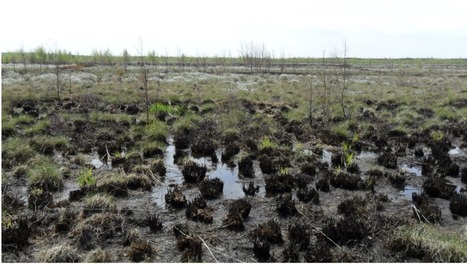
Bogs are known to be relatively resistant and resilient to fire, due to the dominance of wet Sphagnum mosses. Indeed, Sphagnum mosses by holding water, ensure bog resistance, and by regenerating from any fragments left post-fire, ensure bog resilience. The return of several ecological attributes has been reported in the literature post-restoration. However, the resistance and resilience have not yet been evaluated in restored peatlands. A fire affecting an extracted peatland restored 10 years ago provided the opportunity to 1) evaluate the losses post-fire, in terms of phytobiomass and plant cover and 2) assess early vegetation recovery after one growing season post-fire. The fire response of the restored peatland, in terms of resistance and short-term resilience, differed between the main plant communities. Sphagnum Lawn communities (Sphagnum species from the Acutifolia subgenus and Eriophorum vaginatum) showed greater resistance to fire losing proportionally less phytobiomass (17%) than Wet Hollow communities (44%) (Sphagnum species from the Cuspidata subgenus and Scirpus cyperinus). Greater resistance of the Sphagnum Lawn likely comes from the Acutifolia Sphagnum species growing in dense carpets with good water retention, along with the E. vaginatum tussocks being able to retain humidity below the tussocks, whereas the looser growth habit of Cuspidata Sphagnum species do not have good capillary rise capacity and Scirpus produced litter that can produce a good fuel. This study reinforces the idea that a peatland restoration approach using reintroduction material dominated by Acutifolia Sphagnum species and tussock cottongrass provides a better resistance and short-term resilience of restored peatlands.
|
|
Scooped by
ulcriv
October 21, 2022 2:46 PM
|
Protein engineering approaches have been proposed to improve the inhibitory properties of plant cystatins against herbivorous arthropod digestive proteases. These approachestypically involve the site-directed mutagenesis of functionally relevant amino acids, the production and selection of improved inhibitory variants by molecular phage display procedures, or the design of bi/multifunctional translational fusions integrating one or several cystatin inhibitory domains. Here, we propose a new approach where the function-related structural elements of a cystatin are substituted by the corresponding elements of an alternative cystatin. Cys protease inhibitory assays were first performed with 20 representative plant cystatins and model Cys proteases, including herbivorous arthropod digestive proteases, to appreciate the extent of functional variability among plant cystatin protein family members. The most, and less, potent of these cystatins were then used as ‘donors’ of structural elements to create hybrids of tomato cystatin SlCYS8 used as a model ‘recipient’ inhibitor. Our data confirm the wide variety of cystatin protease inhibitory profiles among plant taxa. They also demonstrate the usefulness of these proteins as a pool of discrete structural elements for the design of cystatin variants with improved potency against herbivorous pest digestive Cys proteases.
|
|
Scooped by
ulcriv
October 21, 2022 2:45 PM
|
Clubroot is a devastating disease caused by the protist Plasmodiophora brassicae Woronin. After root hair colonization, the clubroot pathogen induces clubs that block water uptake, leading to dehydration and death. The study of the severity of plant diseases is very important. It allows us to characterize the level of resistance of plant germplasm and to classify the virulence of pathogen strains or isolates. Lately, the use of learning machines and automatization has expanded to plant pathology. Fast, reliable and unbiased methods are always necessary, and with clubroot disease indexing this is not different. From this perspective, we discuss why this is the case and how we could achieve this long overdue task for clubroot disease.
|