


Le veilleur de nuit s'est mué en curateur, il capte la lumière, pour tenter de briller plus encore en société. Qu'est devenue la veille ?


 Your new post is loading...
 Scoop.it! Le veilleur de nuit s'est mué en curateur, il capte la lumière, pour tenter de briller plus encore en société. Qu'est devenue la veille ? 
No comment yet.
Sign up to comment
Scoop.it!

You probably already have a Personal Learning Network (PLN). You’ll have colleagues, friends, family members who you turn to when you need advice and support. You just don’t think of it as a PLN, and you don’t actively try to grow it. The video at the foot of the page will show you some ways … Via Elizabeth E Charles
Scoop.it!
Gilbert C FAURE's insight:
our les villes et les territoires aussi
Scoop.it!
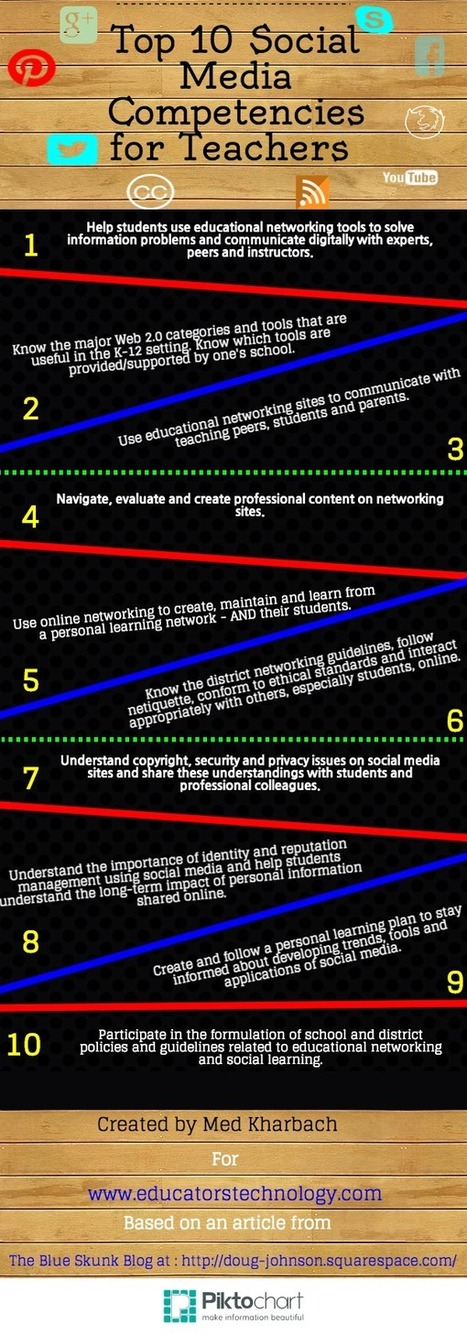
Med Kharbach lists 10 essential social media skills for teachers of all sorts in a creative infographic, based on an article by Doug Johnson. Via Dr. Tom D'Amico (@TDOttawa) , juandoming
Scoop.it!
Interview de Marc Rougier, Fondateur et président de Scoop.it par Serenpedia, cellule de veille d'Intuiti basée à San Francisco. - présentation de scoopit - ...
Scoop.it!

La curation de contenu (…) est une pratique qui consiste à sélectionner, éditorialiser et partager les contenus les plus pertinents du Web pour une requête ou un sujet donné Via FrancoisMagnan, Laurene Brosset

a.sero's curator insight,
September 25, 2015 10:28 AM
Scoop.it en est un bon exemple. Le plus connu peut-être actuellement
Scoop.it!
Presentation given at Session 4 Best Practice "Information literacy Instruction" Tuesday October 20, 2015 at the 3rd European Conference on Information Literacy
Scoop.it!

Un outil de veille et de curation de contenus à tester ? : https://t.co/y39D7dp0Iv @Clefollain @outilstice cc @wikibreizh @Defineed_fr
Scoop.it!

Comme certains ne connaissent pas encore les fameux Prix Ig Nobel, leur fondateur Marc Abrahams parcourt le monde pour présenter cette institution. J’ai ainsi eu la chance d’assister au « Ig Nobel Award Tour Show » organisé à l’EPFL il y a quelques semaines, et ce fut un grand moment de science poilante. Via Goulu
Scoop.it!

La Revue du digital
Scoop.it!

Scoop.it est une start-up du web 2.0 créé à la fin de 2010 par deux Toulousains, Guillaume Decugis et Marc Rougier. Web et ambitions nord-américaines obligent, l’interface est anglophone et le projet lancé à partir de San Francisco. Est-ce là encore une de ces énièmes start-ups que l’on imagine fleurir sur la côte Ouest des États-Unis? Peut-être que oui, peut-être que non : Scoop.it propose un service de curation et de partage de contenus qui, au dire de certains, prendrait le pas sur un site de partage d’informations comme Twitter. Via Hélène Brevet

Hélène Brevet's curator insight,
August 5, 2014 11:57 AM
Un titre un peu teaser, je vous laisse découvrir la conclusion de cet article. Cependant, l'exemple de Nick Peachey cité ici est intéressant, il en fera certainement réfléchir plus d'un !
Scoop.it!

Life in a bankrupt state with a refugee crisis is not barrel of laughs, but Corfu is home
|
Scoop.it!

Que vous soyez professionnel ou amateur que vos centres d’intérêts soient le tuning, les nouvelles technologies ou la pêche en eau douce, la curation est accessible à tous et ne demande aucun prérequis.
Scoop.it!

Background: The mEducator Best Practice Network (BPN) implemented and extended standards and reference models in e-learning to develop innovative frameworks as well as solutions that enable specialized state-of-the-art medical educational content...
Scoop.it!
AddThis is a free way to boost traffic back to your site by making it easier for visitors to share your content
Gilbert C FAURE's insight:
the list of so many sharing buttons
Scoop.it!

From
sci-hub

The first pirate website in the world to open mass and public access to tens of millions research papers
Scoop.it!

daily edventures | “Students of all ages must be trained to search, select, qualify (and therefore disqualify), then enrich with their own thought, and then use and share information.” – Marc Rougier, France
Scoop.it!

Savez-vous bien curer les contenus? :-) http://t.co/rLAsyFxSdL
Scoop.it!

From
tanjo
FULLSTACK WORKERS NEED TO KNOW THINGS. SO WE CREATED TANJO.
Scoop.it!

Stanford physicist Carl Wieman is on a quest to bury the big lecture in favor of evidence-based techniques. But it's not clear higher education is listening.
Scoop.it!
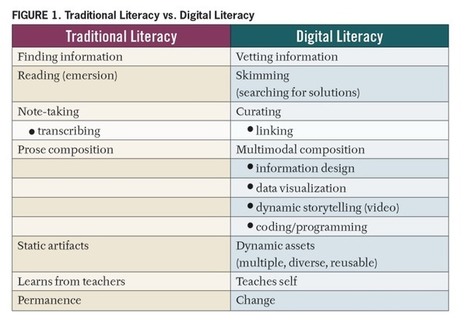
Both the 21st-century economy and the careers needed to fuel it are changing at an unprecedented rate. Students must be prepared for nonlinear careers, pivoting to match the ever-changing work landscape. We thus need to rethink not just how we teach our students but what we teach our students. Via Peter Mellow, Elizabeth E Charles
Scoop.it!

De la data, encore de la data, toujours de la data
Scoop.it!

"The Urban Observatory city comparison app enables you to explore the living fabric of great cities by browsing a variety of cities and themes."

Tony Hall's curator insight,
April 15, 2016 12:20 AM
This is really very cool. The ability to compare urban areas allover the world is brilliant. I can see lots of discussions generated by this.
|






