Your new post is loading...

|
Scooped by
Gilbert C FAURE
December 5, 2019 9:01 AM
|
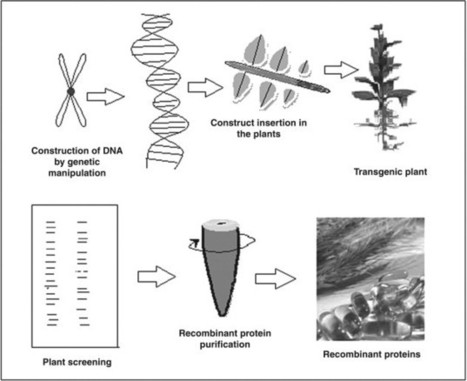
Edible Vaccine Edible vaccines are subunit preparations, do not involve attenuated pathogens, and improve the safety of individuals as compared to traditional vaccine since there is no possibility of proteins reforming into infectious organisms. From: Modern Applications of Plant Biotechnology in Pharmaceutical Sciences, 2015 Related terms: View all Topics Learn more about Edible Vaccine Edible Vaccines Saurabh Bhatia, Randhir Dahiya, in Modern Applications of Plant Biotechnology in Pharmaceutical Sciences, 2015 9.4.1 Advantages of Edible Vaccine • Edible vaccines are effective as a delivery vehicle for immunization because adjuvants that enhance the immune response are not required. • Edible vaccine can elicit mucosal immunity, which is not observed in traditional vaccines. • Edible vaccines are also cost effective in availability, storage, preparation, production, and transportation. Vaccines produced by biotechnological methods are stable at room temperature, unlike traditional vaccine, which needs cold chain storage, which multiplies the yearly cost to preserve vaccines. Moreover, the seeds of transgenic plants could be dried as there is less moisture content in seeds and the plants with oil or their aqueous extracts possess more storage opportunities. Manufacturing cost is low as there is no need for special premises to manufacture them. Edible vaccine can be easily produced at mass level in comparison to an animal system. • Edible vaccines are well tolerated, as they do not require administration by injection unlike traditional vaccines. Thus, there is also a reduced need for medical personnel and risk of contamination is low. The feasibility of oral administration compared to injection is also an advantage. • Plant-derived vaccines could be the source for new vaccines combining numerous antigens. These multicomponent vaccines are called second generation vaccines as they allow for several antigens to approach M-cells simultaneously. • Edible vaccines are subunit preparations, do not involve attenuated pathogens, and improve the safety of individuals as compared to traditional vaccine since there is no possibility of proteins reforming into infectious organisms. • The separation and purification of vaccines from plant materials is very easy and pathogenic contamination from animal cells can be effectively prevented. Read full chapter Purchase book Vaccines in Theory and Practice In Immunology for Pharmacy, 2012 Plant Vaccines Experimental edible vaccines, which offer protection against diarrheal disease, have been developed by using potatoes, rice, and bananas as vaccinating agents. To prepare a vaccine, microbial antigen genes are inserted into a Ti plasmid isolated from Agrobacterium tumefaciens. A modified Ti plasmid is capable of integrating into the plant cell genome and transforming the plant. The mature, transformed plant produces glycosylated microbial proteins in the edible parts of the plant. After the plant part is ingested, antigens stimulate local immunity, systemic immunity, or both. The benefits of edible vaccines are enormous. Inexpensive vaccines can be grown locally and administration of these vaccines does not require invasive medical procedures. Read full chapter Purchase book Vaccines and Clinical Immunization Tak W. Mak, Mary E. Saunders, in The Immune Response, 2006 One of the more intangible difficulties with edible vaccines is that these genetically engineered plants are negatively viewed by some as “frankenfoods,” or genetically modified organisms (GMOs) that may be harmful. Of course, these types of plants should be grown under strictly controlled conditions that limit their unintended spread. One technology that may alleviate concerns about the latter possibility is chloroplast transformation. Like mitochondria in mammals, chloroplasts in most plant species contain their own genome and are inherited maternally. Thus, exogenous genes introduced into the chloroplast genome stay with the transgenic plant and are not packaged and distributed in its pollen. The risk of transmission of the transgene beyond its prescribed borders is thus substantially reduced. Hopefully, sufficient clinical trial data can soon be accumulated that will demonstrate the efficacy and safety of edible vaccines, allowing us to finally achieve the worthy goal of vaccinating all the world's children against a wide spectrum of devastating diseases both cheaply and painlessly. Read full chapter Purchase book Plant-Based Biotechnological Products With Their Production Host, Modes of Delivery Systems, and Stability Testing Saurabh Bhatia, Randhir Dahiya, in Modern Applications of Plant Biotechnology in Pharmaceutical Sciences, 2015 8.2.1.1.6 Vaccines There has been considerable interest in developing low-cost, edible (i.e., oral) vaccines. Traditional edible vaccines, as for polio, use whole, attenuated organisms or semipurified materials to induce both systemic (Ig-G-mediated) and local membrane (Ig-A-mediated) immunity. Plant-based vaccines cover various proteins in form of antigens obtained from DNA encoded with antigenic sequences from pathogenic viruses, bacteria, and parasites. Key immunogenic proteins or antigenic sequences can be synthesized in plant tissues and subsequently ingested as edible subunit vaccines. The mucosal immune system can induce protective immune responses against pathogens or toxins, and may also be useful to induce tolerance to ingested or inhaled antigens. The production of secretory Ig-A (sIg-A) and provocation of specific immune lymphocytes can occur in mucosal regions, and these regions take on special importance in the development of edible vaccines. Aside from intrinsic low production cost, plant-based vaccines offer a number of unique advantages, including increased safety, stability, versatility, and efficacy. Plant produced vaccines can be grown locally where needed, avoiding storage and transportation costs. Relevant antigens are naturally stored in plant tissue, and oral vaccines can be effectively administered directly in the food product in which they are grown, eliminating purification costs. In many instances, it appears that refrigeration will not be needed to preserve vaccine efficacy, removing a major impediment to international vaccination efforts of the past. Plants engineered to express only select antigenic portions of the relevant pathogen may reduce immunotoxicity and other adverse effects, and plant-derived vaccines are free of contamination with mammalian viruses. Finally, the development of multicomponent vaccines is possible by insertion of multiple genetic elements or through cross-breeding of transgenic lines expressing antigens from various pathogenic organisms. There are, however, some limitations associated with the use of transgenic plants for vaccine production. A major limitation of the expression of recombinant antigens in transgenic plants is obtaining a protein concentration adequate to confer total immunity, given varying protein expression among and within the various plant species. Tight control of expression yields will likely be necessary to reduce variability and assure consistent, effective immunization. During the last decade, nearly a dozen vaccine antigens have been expressed in plants (Table 8.6). Transgenic potatoes can produce antigens of enterotoxigenic E. coli heat labile enterotoxin B subunit, and is effective in immunizing against viruses and bacteria that cause diarrhea. Still other “edible vaccines” are under development for rabies, foot and mouth disease (veterinary), cholera, and autoimmune diabetes. Transgenic lupin and lettuce plants can express hepatitis B surface antigen. Efforts are under way to develop an “edible vaccine” against the measles virus using the tobacco plant. A plant-based oral subunit vaccine for the respiratory syncytial virus (RSV) using either the apple or the tomato is under development. The plant species to be used for the production and delivery of an oral vaccine can be specifically selected to achieve desired goals. A large number of food plants (e.g., alfalfa, apple, asparagus, banana, barley, cabbage, canola, cantaloupe, carrots, cauliflower, cranberry, cucumber, eggplant, flax, grape, kiwi, lettuce, lupin, maize, melon, papaya, pea, peanut, pepper, plum, potato, raspberry, rice, service berry, soybean, squash, strawberry, sugar beet, sugarcane, sunflower, sweet potato, tomato, walnut, and wheat) have been transformed. Many of the high volume, high acreage plants such as corn, soybean, rice, and wheat may offer advantages. Corn, since it is a major component in the diet of the domestic animal, is a good candidate for vaccine production. In humans, particularly infants, the plant of choice to produce the vaccine might be the banana. Bananas are a common component of many infant diets and can be consumed uncooked, thus eliminating the possibility of protein denaturation due to high temperatures. Unfortunately, it is relatively difficult to create transgenic bananas and the production time is longer than for certain other food crops. Cereals and other edible plants are advantageous for vaccine production over plant species such as tobacco because of the lower levels of toxic metabolites. It is evident that there are numerous opportunities to identify and develop low-cost plant-derived vaccine materials, including edible plant-based vaccines [19]. Table 8.6. Recombinant Vaccines Expressed in Plants Year Vaccine antigen Species 1992 Hepatitis virus B surface antigen Tobacco 1995 Malaria parasite antigen Virus particle 1995 Rabies virus glycoprotein Tomato 1995 E. coli heat-labile Tobacco, enterotoxin, potato 1996 Human rhinovirus 14 (HRV-14) and human immunodeficiency virus type (HIV-1) epitopes Virus particle 1996 Norwalk virus capsid protein Tobacco, potato 1997 Diabetes-associated autoantigen Tobacco, potato 1997 Hepatitis B surface proteins Potato 1997 Mink enteritis virus epitope Virus particle 1997 Rabies and HIV epitopes Virus particle 1998 Foot and mouth disease virus VP1 structural protein Arabidopsis 1998 E. coli heat-labile enterotoxin Potato 1998 E. coli heat-labile enterotoxin Potato 1998 Rabies virus Virus particle 1998 Cholera toxin B subunit Potato 1998 Human insulin-cholera toxin B subunit fusion protein Potato 1999 Foot and mouth disease virus VP1 structural protein Alfalfa 1999 Hepatitis B virus surface antigen Yellow lupin, lettuce 1999 Human cytomegalovirus glycoprotein B Tobacco 1999 Dental caries (S. mutans) Tobacco 1999 Diabetes-associated autoantigen Tobacco, carrot 2002 Respiratory syncytial virus Tomato Read full chapter Purchase book Vaccines against Bacterial Enteric Infections Jan Holmgren, Myron M. Levine, in Mucosal Immunology (Fourth Edition), 2015 Plant-Based Vaccines An innovative live vector strategy in the 1990s was the concept of expressing protective vaccine antigens in transgenic plants for use as “edible vaccines” with the potential for generating affordable vaccines that would be easy to administer orally for impoverished populations in the developing world (see also Chapter 66). Various plants such as potatoes, tomatoes, lettuce, bananas, corn, and rice were used to express toxin antigens from V. cholerae and ETEC as well as antigens from Norwalk virus, hepatitis B virus, and rotavirus (Arntzen et al., 2005; Lugade et al., 2010). In early phase 1 clinical trials (Tacket, 2009), oral immunization with transgenic plant vaccines consisting of E. coli heat-labile enterotoxin B subunit expressed in potato (Tacket et al., 1998) or corn (Tacket et al., 2004a) induced toxin-neutralizing serum antibodies as well as intestine-derived IgA antibody-secreting cells and fecal IgA against the heat-labile toxin. Likewise, oral vaccination of human volunteers with potatoes expressing Norwalk virus capsid protein induced vaccine-specific IgA antibody-secreting cells as well as serum IgG antibodies. However, it is now generally accepted that the first-generation easy-to-make transgenic plant-based edible vaccines are unlikely to meet requirements for licensure; it remains to be seen if in future such plants, with increasing sophistication of expression of vaccine antigens, may still have usefulness for large-scale production of selected vaccine antigens. Read full chapter Purchase book History and Scope of Plant Biotechnology Saurabh Bhatia, in Modern Applications of Plant Biotechnology in Pharmaceutical Sciences, 2015 1.3.1 Biotechnology in Pharmaceutical Sciences Biotechnology in pharmaceutical sciences has brought about the production of monoclonal antibody, DNA, RNA probes for the diagnosis of various diseases; valuable drugs; edible vaccines like human hepatitis B; therapeutic drugs such as alkaloids, glycosides, steroids, flavonoids, tannins, proteins, enzymes, antibiotics, metabolites, etc. Interference with the plant genotype leads to the expression of various recombinant proteins, which forms antibodies, vaccines, and several other proteins having various pharmaceutical applications. Development of hairy root culture by means of Agrobacterium infection makes plants less dependent on growth hormones for their future growth. This genetic transformation of tumor in plants also gives a better yield of secondary metabolites. Even today, a variety of pharmaceutical drugs and chemicals are being produced by genetic engineering with better quality and increased quantity. Thus, plant biotechnology has provided us with a very efficient and economic technique for the production of a variety of biochemicals [133–136]. In industrial applications, plant biotechnology is used for the production of transgenic drugs. The major benefits are expected in medical, pharmaceutical, and health sciences. In medical sciences, it is used for the production of antibiotics, insulin, growth hormone, interferon, clotting factor VIII, vaccines, probes for infectious and gene therapy, etc. A major breakthrough in plant biotechnology was through rDNA technology, which led to the production of therapeutic recombinant proteins. The basis of the production of recombinant proteins is molecular pharming of therapeutic plants by rDNA technology, which is depicted in Fig 1.7. Genetic manipulation of DNA to form the final DNA construct is the initial step of rDNA technology. Further transfer of DNA construct in respective plants to conduct trangenesis is the second step of rDNA technology. This transfer is possible by using a suitable vector (medium) such as Agrobacterium sp. Successful transfer may lead to production of various transgenes. This transgenesis is followed by screening of plants. In this step, plants having the suitable gene expression for the desired recombinant protein are selected. Finally, recombinant proteins are purified to form various biopharmaceuticals and vaccines. Some of the popular plant-derived biopharmaceuticals are human growth hormone, enkephalin, IgG, human lactoferrin (antimicrobial), human serum albumin, human α- and β-interferon, human α1-antitrypsin, erythropoietin, hirudin, human α and β hemoglobin, etc. Some important vaccines such as envelope surface protein (hepatitis b virus (humans), glycoprotein (rabies virus), malarial B-cell epitope (malaria), and Escherichia coli Lt-B toxin (enterotoxigenic E. coli)) are also produced by rDNA technology [133–136]. Read full chapter Purchase book Mucosal Vaccines from Plant Biotechnology Hugh S. Mason, ... Tsafrir Mor, in Mucosal Immunology (Fourth Edition), 2015 Abstract The use of plants for production of recombinant proteins has evolved over the past 25 years. The first plant-based vaccines were expressed in stably transgenic plants, with the idea to conveniently deliver “edible vaccines” by ingestion of the antigen-containing plant material. These systems provided a proof of concept that oral delivery of vaccines in crude plant material could stimulate antigen-specific serum and mucosal antibodies. Transgenic grains like rice in particular provide a stable and robust vehicle for antigen delivery. However, some issues exist with stably transgenic plants, including relatively low expression levels and regulatory issues. Thus, many recent studies use transient expression with plant viral vectors to achieve rapid high expression in Nicotiana benthamiana, followed by purification of antigen and intranasal delivery for effective stimulation of mucosal immune responses. Read full chapter Purchase book Transgenic Plants for Mucosal Vaccines Hugh S. Mason, ... Charles J. Arntzen, in Mucosal Immunology (Third Edition), 2005 Viral diarrhea: Norwalk virus The Norwalk virus and related Norwalk-like viruses are responsible for 42% of outbreaks of acute epidemic gastroenteritis in the United States. The Norwalk virus capsid protein (NVCP) was the antigen chosen to develop an oral edible vaccine, since when expressed in insect cells it assembled into 38-nm Norwalk virus–like particles (VLPs) and reacted with serum of infected humans (Jiang et al., 1992). Tobacco and potato plants were transformed with constructs harboring the NVCP sequence; the plant recombinant protein assembled into VLPs identical to the insect cell–derived antigen (Mason et al., 1996). Mice that were gavaged with partially purified VLPs from tobacco leaf or fed with transgenic tubers developed serum IgG and fecal IgA antibodies specific for NVCP. A clinical trial was performed with the same potatoes used for the preclinical study (Tacket et al., 2000). Of 20 adult volunteers, 10 received two doses (days 0 and 7) and 10 received three doses (days 0, 7, and 21) of 150 g of raw transgenic potato tubers containing NVCP at 215 to 750 μg/dose. It is important to note that tuber expression was quite variable, and at most only half of NVCP in these potatoes was assembled as VLP; thus, the effective dose of potato vaccine was ∼325 μg/dose. Unassembled subunits are likely to be much less stable in the GI tract and thus less immunogenic. However, 19 of 20 subjects in the experimental group showed significant increases in the numbers of IgA antibody–forming cells (AFCs), ranging from 6 to 280 per 106 peripheral blood mononuclear cells (PBMCs), and 6 of 20 subjects in this group developed increases in IgG AFCs. Four volunteers showed increases in serum IgG anti-NVCP antibody titers, 4 had increased serum IgM, and 6 showed increased IgA in their stool samples (17-fold mean increase). Although the antibody responses were less impressive than those obtained with LT-B, the study showed that a plant-derived protein other than LT-B and CT-B can stimulate human immune responses after oral delivery. Insect cell–derived 250-µg doses of purified Norwalk VLP provided more effective seroconversion (Ball et al., 1999); thus it is likely that part of the potato-delivered NVCP was unavailable for uptake in the GI tract. More recent studies in transgenic tomato fruits with a plant-optimized NVCP gene resulted in higher expression and more potent immune responses in mice fed freeze-dried tomatoes (X. Zhang and H.S. Mason, unpublished results). A clinical trial is planned in which dried tomato powder formulated in gelatin capsules will be used to evaluate safety and immunogenicity (D. Kirk, H.S. Mason, and C.J. Arntzen, trial investigators). Read full chapter Purchase book Viruses as Tools for Vaccine Development Boriana Marintcheva, in Harnessing the Power of Viruses, 2018 8.6.2 Edible Vaccines A very attractive idea for alternative vaccine production and delivery is genetically engineering plants to produce vaccines that would be delivered to the human body as part of our diet, i.e., by eating traditional fruits and vegetables. Vaccine production in plants is already a fact due to advances of molecular farming (Chapter 4). However, the available vaccines are not edible, but rather traditional injectable component vaccines manufactured in plants. The bait rabies vaccine used to vaccinate wildlife is technically an edible vaccine; however, it contains attenuated vaccinia virus strain genetically modified to display rabies surface glycoprotein, i.e., newer generation subunit vaccine delivered in an edible packaging. The latter is effective because it uses the infectivity of the vaccinia virus to penetrate the animal body and is not limited by the so-called oral tolerance of our immune system. Oral tolerance essentially allows us to eat without detrimental immunological reaction to components of our food. Once a mechanism to overcome oral tolerance is found, it is envisioned that fruits and vegetables from our diet will be used to produce the vaccines. It is envisioned that plant material will be dried and packaged in capsules for oral delivery. It is hoped that the edible vaccines will not require refrigeration and will be significantly cheaper to produce. A huge hurdle in the process is the limited number of plants that can be easily manipulated by the tools of genetic engineering. The best candidates so far are tomatoes and potatoes, which are part of the human diet worldwide and happen to be relatives of tobacco, one of the most genetically amenable systems, but unfortunately, not edible due to toxicity. Progress has been made in genetically engineering bananas. Another problem to be solved is the delivery of consistent biologically active dose. Most likely, we are decades away from mass production of edible vaccines. Read full chapter Purchase book Plant-Based Vaccines Aboul-Ata E. Aboul-Ata, ... Pasquale Piazzolla, in Advances in Virus Research, 2014 3 Conclusion Constructed chimeric virus has to be inoculated, transfected, and/or infiltrated, using advanced methodologies, that is, nanoparticles and chitosan for transient expression through bioreactor plants (Dhama et al., 2013). Moreover, chimeric virus constructs are being commercially available (Yusibov & Rabindran, 2008), which makes edible vaccine development easy. Manns et al., (2001) have stated that sustained virological response (SVR) rate was 42% when peginterferon group was used after adjusting ribavirin. This type of therapeutics leads to using plant-based vaccines. Expression of potentially immunogenic peptides, either in transgenic plants or on the outer surface of genetically engineered chimeric viruses (Lico, Chen, & Santi, 2008; Tiwari, Verma, Singh, & Tuli, 2009), could offer remarkable advantages (Tacket & Mason, 1999). Specifically, the plant viruses are particularly attractive for producing oral vaccines because of their ability to infect edible crops. Plant components (fruits, leaves, and roots) can be eaten, providing an easy and inexpensive route of antigen (Ag) administration. In addition, edible plants are used as vehicles for delivering vaccines. This could protect these vaccines from degradation by gastric and intestinal fluids (Daniel, Streatfield, & Wyckoff, 2001; Webster, Thomas, Strugnell, Dry, & Wesselingh, 2002), because Ag delivery by plant cells protects the Ag during passage through the acid environment of the stomach. Finally, plant-derived vaccines eliminate the risk of contamination by zoonotic infections (Fischer, Stoger, Schillberg, Christou, & Twyman, 2004) such as virus or prion proteins, thereby diminishing the safety concerns associated with the use of many currently available types of vaccines. The use of plant viruses as nanoparticle platforms for producing a vaccine might have important clinical implications in oral vaccination, supporting the feasibility of producing a plant-derived Ag-presenting system. Read full chapter Purchase book
|
|
Scooped by
Gilbert C FAURE
December 5, 2019 8:54 AM
|
Mucosal surfaces protect our bodies from pathogens and external irritants using a system of biological barriers.Overcoming these barriers is a...
|
|
Scooped by
Gilbert C FAURE
December 3, 2019 2:55 AM
|
Pediatric-onset colitis and inflammatory bowel disease (IBD) have significant effects on the growth of infants and children, but the etiopathogenesis …...
|
|
Scooped by
Gilbert C FAURE
December 2, 2019 6:28 AM
|
Mononuclear phagocytes are a heterogeneous population of leukocytes essential for immune homeostasis that develop tissue-specific functions due to unique transcriptional programs driven by local microenvironmental cues.
|
|
Scooped by
Gilbert C FAURE
November 29, 2019 1:35 PM
|
Previous pneumococcal experience establishes lung-resident IL-17A-producing CD4+ memory TRM cells that accelerate neutrophil recruitment against heterotypic pneumococci. Herein, we unravel a novel crosstalk between CD4+ TRM cells and lung epithelial cells underlying this protective immunity.
|
|
Scooped by
Gilbert C FAURE
November 28, 2019 2:29 PM
|
|
|
Scooped by
Gilbert C FAURE
November 26, 2019 12:35 PM
|
KEY POINTS The mesentery and omentum in mice contain various forms of lymphoid tissues. FLAgs represent a partially compartmentalized form of lymphoid aggregate. FLAgs efficiently bind B cells and high-grade B cell lymphoma. Abstract The cellular homeostasis of lymphoid tissues is determined by the continuous interactions of mobile hematopoietic cells within specialized microenvironments created by sessile stromal cells. In contrast to the lymph nodes and mucosal lymphoid tissues with well-defined entry and exit routes, the movement of leukocytes in the peritoneal cavity is largely unknown. In this study, we report that, in addition to the omental milky spots and fat-associated lymphoid clusters, in mice, the serous surface of the mesenteric adipose streaks contains lymphocyte-rich organoids comprised of a highly compacted leaf-like part connected to the adipose tissue that can also efficiently bind B cells and high-grade B cell lymphoma (diffuse large B cell lymphoma) cells. Denoted as foliate lymphoid aggregates (FLAgs), these structures show incomplete T/B segregation and a partially differentiated stromal architecture. LYVE-1–positive macrophages covering FLAgs efficiently bind i.p. injected normal B cells as well as different types of diffuse large B cell lymphoma cells. Within FLAgs, the lymphocytes compartmentalize according to their chemokine receptor pattern and subsequently migrate toward the mesenteric lymph nodes via the mesenteric lymphatic capillaries. The blood supply of FLAgs includes short vascular segments displaying peripheral lymph node addressin, and the extravasation of lymphocytes to the omental and mesenteric adipose tissues is partly mediated by L-selectin. The appearance of i.p. injected cells in mesenteric lymph nodes suggests that the mesentery-associated lymphatics may also collect leukocytes from the fat-associated lymphoid clusters and FLAgs, thus combining the mucosal and serous exit of mobile leukocytes and increasing the range of drainage sites for the peritoneal expansion of lymphoid malignancies. Footnotes This work was supported by Hungarian Science Foundation National Research, Development and Innovation Office Grants 128322 (P.B.) and GINOP-2.3.2-15-2016-00022. N.N. was supported by Hungarian Science Foundation NKFI Grant 124740. Z.K. was supported by the ÚNKP-17-4-I-PTE-83 New National Excellence Program of the Ministry of Human Capacities of Hungary and the postdoctoral research grant of the Faculty of Medicine, University of Pécs. B.B. was supported by the János Bolyai Research Scholarship of the Hungarian Academy of Sciences and the ÚNKP-19-4-P-PTE-458 New National Excellence Program of the Ministry for Innovation and Technology. Z.H. was supported by University of Pécs projects GINOP-2.3.2-15-2016-00048 (Stay Alive) and EFOP-3.6.1-16-2016-00004 and University of Szeged project EFOP-3.6.2-16-2017-00006 (Live Longer). The online version of this article contains supplemental material. Received July 19, 2019. Accepted October 25, 2019. Copyright © 2019 by The American Association of Immunologists, Inc.
|
|
Scooped by
Gilbert C FAURE
November 26, 2019 12:31 PM
|
Abstract Purpose To feasibly analyze associations of Helicobacter pylori (H. pylori) with disease in large cohort studies, assays are needed to assess H. pylori prevalence in existing biospecimens....
|
|
Scooped by
Gilbert C FAURE
November 25, 2019 2:29 PM
|
The human gut virome is believed to play a major role in shaping the intestinal ecosystem by altering bacterial diversit
|
|
Scooped by
Gilbert C FAURE
November 19, 2019 2:03 PM
|
The cytokine TSLP has been shown to be a key factor in maintaining immune homeostasis and regulating inflammatory responses at mucosal barriers. While the role of TSLP in type 2 immune responses has been investigated extensively, recent studies have found an expanding role for TSLP in inflammatory diseases and cancer. In this Review, we will highlight major recent advances in TSLP biology, along with results from emerging clinical trials of anti-TSLP agents used for the treatment of a variety of inflammatory conditions. Ziegler and Corren review the cytokine TSLP, which regulates immune cell homeostasis at mucosal barriers, its role in allergic responses and newly discovered roles in cancer.
|
|
Scooped by
Gilbert C FAURE
November 16, 2019 11:52 AM
|
A hallmark of celiac disease (CeD), a chronic condition driven by cereal gluten exposure, is increase of gut intraepithelial γδ T cells. This may indicate pathogenic involvement of γδ T cells and existence of disease-specific γδ T-cell receptors (TCRs) recognizing defined antigen(s).
|
|
Scooped by
Gilbert C FAURE
November 13, 2019 9:53 AM
|
IgA nephropathy (IgAN) presents with hematuria and varying levels proteinuria, and
occurs in all age groups. The incidence of IgAN is much lower in African Americans
and highest in the Asian population.
|
|
Scooped by
Gilbert C FAURE
November 13, 2019 4:54 AM
|
Scientists from around the world are joining forces for the “Million Microbiome of Humans Project” (MMHP) in an aim to build the world’s largest database of the human microbiome.
|
|
|
Scooped by
Gilbert C FAURE
December 5, 2019 8:56 AM
|
The biliary system is in continuous contact with the complex microbiota of the intestine. Microbial products have recently been proposed as potential triggers for biliary diseases.The aim of this review is to provide a summary of the current knowledge ...
|
|
Scooped by
Gilbert C FAURE
December 3, 2019 2:57 AM
|
In the past year, researchers have gained a deeper understanding of the interactions between immune cells and microbially derived metabolites. Wendy Garrett describes the new insights into the receptors, immune cells and pathways triggered by microbial metabolites.
Secrets of secreted proteins
Although proteins that are actively secreted from cells constitute a large proportion of the targets of pharmaceutical drugs, we lack a complete understanding of the size and composition of this group of proteins, collectively referred to as the human “secretome.” Uhlén et al. analyzed the genes of the Human Protein Atlas that encode proteins that are predicted to be secreted and combined this with data derived from antibody- and mass spectrometry–based analyses of the relative abundances, sites of origin, and final locations of proteins within the body. Their analysis suggests that many proteins that were thought to be secreted are retained intracellularly, and that another group of secreted proteins are retained locally rather than being released into the blood. These data serve as a resource for future research on this important class of proteins.
Via Krishan Maggon
|
|
Scooped by
Gilbert C FAURE
November 29, 2019 3:10 PM
|
The colonic epithelium facilitates host–microorganism interactions to control mucosal immunity, coordinate nutrient recycling and form a mucus barrier. Breakdown of the epithelial barrier underpins inflammatory bowel disease (IBD). However, the specific contributions of each epithelial-cell subtype to this process are unknown. Here we profile single colonic epithelial cells from patients with IBD and unaffected controls. We identify previously unknown cellular subtypes, including gradients of progenitor cells, colonocytes and goblet cells within intestinal crypts. At the top of the crypts, we find a previously unknown absorptive cell, expressing the proton channel OTOP2 and the satiety peptide uroguanylin, that senses pH and is dysregulated in inflammation and cancer. In IBD, we observe a positional remodelling of goblet cells that coincides with downregulation of WFDC2—an antiprotease molecule that we find to be expressed by goblet cells and that inhibits bacterial growth. In vivo, WFDC2 preserves the integrity of tight junctions between epithelial cells and prevents invasion by commensal bacteria and mucosal inflammation. We delineate markers and transcriptional states, identify a colonic epithelial cell and uncover fundamental determinants of barrier breakdown in IBD. Profiling of single epithelial cells in healthy and inflamed colons identifies specialized cellular subpopulations, including a type of goblet cell that secretes the antibacterial protein WFDC2, which preserves the integrity of the epithelial barrier layer.
|
|
Scooped by
Gilbert C FAURE
November 29, 2019 4:56 AM
|
Summary Inflammatory bowel disease (IBD) is a chronic gastrointestinal disease that results from a dysregulated immune response against specific environmental triggers in a genetically predisposed ...
|
|
Scooped by
Gilbert C FAURE
November 27, 2019 3:23 PM
|
IBD treatment is undergoing a transformation with an expanding repertoire of drugs targeting different aspects of the immune response. Three novel classes of drugs have emerged in the past decade that target leukocyte trafficking to the gut (vedolizumab), neutralize key cytokines with antibodies (ustekinumab) and inhibit cytokine signalling pathways (tofacitinib). In advanced development are other drugs for IBD, including therapies targeting other cytokines such as IL-23 and IL-6. However, all agents tested so far are hampered by primary and secondary loss of response, so it is desirable to develop personalized strategies to identify which patients should be treated with which drugs. Stratification of patients with IBD by clinical parameters alone lacks sensitivity, and alternative modalities are now needed to deliver precision medicine in IBD. High-resolution profiling of immune response networks in individual patients is a promising approach and different technical platforms, including in vivo real-time molecular endoscopy, tissue transcriptomics and germline genetics, are promising tools to help predict responses to specific therapies. However, important challenges remain regarding the clinical utility of these technologies, including their scalability and accessibility. This Review focuses on unravelling some of the complexity of mucosal immune responses in IBD pathogenesis and how current and emerging analytical platforms might be harnessed to effectively stratify and individualise IBD therapy. IBD treatment has an expanding repertoire of drugs targeting different aspects of the immune response. This Review focuses on unravelling the complexity of mucosal immune responses in IBD pathogenesis and how analytical assays might be harnessed to effectively stratify and individualise IBD therapy.
|
|
Scooped by
Gilbert C FAURE
November 26, 2019 12:35 PM
|
It's November, a time when breeders concentrate on getting their broodmares in top health for foaling and breeding season and horsemen ship yearlings to trainers for breaking and introduction to race training.
|
|
Scooped by
Gilbert C FAURE
November 26, 2019 2:48 AM
|
Enhanced gut permeability due to dysregulated epithelial tight junction is often associated with inflammatory bowel diseases (IBD), which have a greater risk for developing colorectal cancer. STAT6 activation was detected in inflamed colonic epithelium of active IBD patients, suggesting a role of epithelial STAT6 in colitis development. Here, we demonstrated that non-hematopoietic STAT6, but not hematopoietic STAT6, triggered DSS-induced colitis and subsequent tumorigenesis. This could be due to the enhancing-effect of STAT6 on gut permeability and microbiota translocation via interruption of epithelial tight junction integrity. Mechanistically, long-myosin light-chain kinase (MLCK1) was identified as a target of STAT6, leading to epithelial tight junction dysfunction and microbiota-driven colitis. Furthermore, neutralization of IL-13, which was primarily derived from type 2 innate lymphoid cells (ILC2) in a microbiota-dependent way, inhibited epithelial STAT6 activation and improved gut permeability and DSS-induced colitis. Importantly, pharmacological inhibition of STAT6 reduces murine intestinal tumor formation, and tumoral p-STAT6 levels positively correlated to the clinical stage and poor prognosis of human colorectal cancer. Thus, our study reveals a direct role of STAT6 in the disruption of epithelial tight junction integrity and colitis development, and suggests STAT6 as a potential therapeutic and prophylactic target for IBD and colitis-associated cancer.
|
|
Scooped by
Gilbert C FAURE
November 20, 2019 4:11 AM
|
Owing to the fact that there are more microbial than human cells in our body and that humans contain more microbial than human genes, the microbiome has huge potential to influence human physiology, both in health and in disease. The use of next-generation sequencing technologies has helped to elucidate functional, quantitative and mechanistic aspects of the complex microorganism–host interactions that underlie human physiology and pathophysiology. The microbiome of semen is a field of increasing scientific interest, although this microbial niche is currently understudied compared with other areas of microbiome research. However, emerging evidence is beginning to indicate that the seminal microbiome has important implications for the reproductive health of men, the health of the couple and even the health of offspring, owing to transfer of microorganisms to the partner and offspring. As this field expands, further carefully designed and well-powered studies are required to unravel the true nature and role of the seminal microbiome. Emerging evidence suggests that the seminal microbiome has implications for the reproductive health of men, their partner, and even the health of their offspring. In this Review, the authors describe the current evidence for a seminal microbiome and consider what the future holds for this field of research.
|
|
Scooped by
Gilbert C FAURE
November 19, 2019 9:09 AM
|
Inflammatory bowel disease (IBD) is an umbrella term for two conditions, Crohn’s disease and ulcerative colitis, that are characterized by chronic inflammation of the gastrointestinal (GI) tract. This chronic and prolonged inflammation results in damage to the GI tract.
|
|
Scooped by
Gilbert C FAURE
November 15, 2019 1:18 PM
|
|
|
Scooped by
Gilbert C FAURE
November 13, 2019 9:50 AM
|
Abstract Background IL‐27 has dual roles in the immune response either stimulating Th1 or inhibiting Th17 cells. Because there is a particular link of IL‐23/Th17 axis in the development of cancer a...
|