Your new post is loading...

|
Suggested by
Société Francaise d'Immunologie
February 4, 2020 5:01 AM
|
Summary Different vaccine strains included in the live attenuated influenza vaccine (LAIV) have variable efficacy. The reasons for this are not clear and may include differences in immunogenicity. ...

|
Scooped by
Gilbert C FAURE
February 2, 2020 4:05 AM
|
Strategies employed by pathogenic enteric bacteria, such as Shigella, to subvert the host adaptive immunity are not well defined. Impairment of T lymphocyte chemotaxis by blockage of polarized edg
|
|
Scooped by
Gilbert C FAURE
January 28, 2020 4:56 AM
|
The epithelial expression of CD68 suggests the professional phagocytic potential of the oral epithelium. Regarding the TCs and TC-like cells in the oral mucosa they could not be accurately distinguished from other possible cell types, neither on morphological basis (evidence of telopodes) nor by use …
|
|
Scooped by
Gilbert C FAURE
January 24, 2020 12:03 PM
|
|
|
Scooped by
Gilbert C FAURE
January 20, 2020 12:35 PM
|
Secretory IgA has long been a divisive molecule. Some immunologists point to the mild phenotype of IgA deficiency to justify ignoring it, while some consider its abundance and evolutionary history as grounds for its importance. Further, there is extensive and growing disagreement over the relative importance of affinity-matured, T cell-dependent IgA vs. “natural” and T cell-independent IgA in both microbiota and infection control. As with all good arguments, there is good data supporting different opinions. Here we revisit longstanding questions in IgA biology. We start the discussion from the question of intestinal IgA antigen specificity and critical definitions regarding IgA induction, specificity, and function. These definitions must then be tessellated with the cellular and molecular pathways shaping IgA responses, and the mechanisms by which IgA functions. On this basis we propose how IgA may contribute to the establishment and maintenance of beneficial interactions with the microbiota.
|
|
Scooped by
Gilbert C FAURE
January 19, 2020 3:46 AM
|
In mice, a group of nasal epithelial cells called brush cells release pro-inflammatory signals in response to allergens.
|
|
Scooped by
Gilbert C FAURE
January 15, 2020 5:23 AM
|
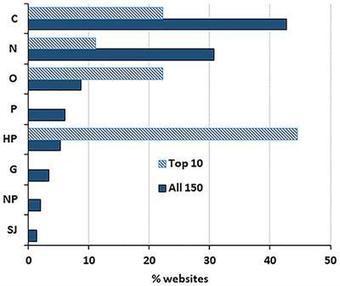
Probiotics are over-the-counter products marketed for enhancing human health. Online information has been key in promoting probiotics worldwide. However, only few rigorous clinical studies have met the stringent criteria required to establish the efficacy and safety of probiotics. The present study was undertaken to assess the information quality of webpages referring to probiotics and to compare the recommendations available online with the information collected from trusted scientific sources. We evaluated 150 webpages returned by Google searching “probiotics” in terms of typology of website, health information quality based on the JAMA score and the HONcode certification, as well as completeness of the information based on the presence of four criteria: (1) links to scientific references supporting health claims, (2) cautionary notes about level of evidence for alleged benefits, (3) safety considerations, and (4) regulatory status. We then enumerated the health claims mentioned online and the corresponding clinical trials and reviews registered in the Cochrane library. Finally, the conclusions of Cochrane reviews were used to assess the level of scientific evidence of the information available through Google search. HON-certified websites were significantly more frequent in the top 10 websites than in the remaining websites. In terms of completeness of information, only 10% of webpages met all four criteria, 40% had a cautionary note on benefits, 35% referred t
|
|
Scooped by
Gilbert C FAURE
January 15, 2020 3:08 AM
|
Coeliac disease results from a loss of tolerance toward dietary gluten driven by pathogenic CD4+ T cells. We have previously shown gluten‐specific CD39+ Tregs are functionally impaired in patients
|
|
Scooped by
Gilbert C FAURE
January 11, 2020 2:27 PM
|
Throughout history, oral administration has been regarded as the most convenient mode of drug delivery, as it requires minimal expertise and invasiveness. Although oral delivery works well for small-molecule drugs, oral delivery of macromolecules (particularly proteins and peptides) has been limited by acidic conditions in the stomach and low permeability across the intestinal epithelium. Accordingly, the large numbers of biologic drugs that have become available in the past 10 years typically require administration by injection or infusion. As such, a renewed emphasis has been placed on the development of novel materials that overcome the physiological challenges of oral delivery for macromolecular agents. This Review provides an overview of physiological barriers to the oral delivery of biologics and highlights the advances made in materials across various length scales, from small molecules to macroscopic devices. This Review also describes the current status of materials for oral delivery of protein and peptide drugs. New materials, beyond those that have already obtained regulatory approval, are needed to improve the bioavailability of orally administered proteins. In this Review, barriers to the oral delivery of protein-based therapies are discussed, along with the current translational landscape and state of the art of materials for oral protein delivery.
|
|
Scooped by
Gilbert C FAURE
January 8, 2020 2:42 AM
|
Head and neck squamous cell carcinoma (HNSCC) arises through exposure to environmental
carcinogens or human papillomavirus (HPV). Cillo et al. determine single-cell transcriptional
profiles of peripheral and intra-tumoral immune populations from patients with HPV–
and HPV+ HNSCC and healthy donors. These datasets, accompanied by spatial organization
information, provide a resource for further study of immunity to viral- and carcinogen-induced
cancers.
|
|
Scooped by
Gilbert C FAURE
January 4, 2020 2:16 AM
|
The immune system mounts robust responses to infections, vaccines and cancer, but only now have scientists fully begun to unravel how non-circulating populations of T cells that reside in the body's "mucosal barrier tissues" ...
|
|
Scooped by
Gilbert C FAURE
January 1, 2020 1:11 PM
|
As the impact of these microorganisms on our well-being becomes clearer, scientists say new remedies for disease are likely to emerge.
|
|
Scooped by
Gilbert C FAURE
December 30, 2019 2:49 AM
|
Oral tolerance is the state of local and systemic immune unresponsiveness that is induced by oral administration of innocuous antigen such as food proteins. An analogous but more local process also regulates responses to commensal bacteria in the large intestine and, together, mucosally induced tolerance appears to prevent intestinal disorders such as food allergy, celiac disease, and inflammatory bowel diseases. Here we discuss the anatomical basis of antigen uptake and recognition in oral tolerance and highlight possible mechanisms underlying the immunosuppression. We propose a model of stepwise induction of oral tolerance in which specialized populations of mucosal dendritic cells and the unique microenvironment of draining mesenteric lymph nodes combine to generate regulatory T cells that undergo subsequent expansion in the small intestinal lamina propria. The local and systemic effects of these regulatory T cells prevent potentially dangerous hypersensitivity reactions to harmless antigens derived from the intestine and hence are crucial players in immune homeostasis.
|
|
|
Scooped by
Gilbert C FAURE
February 3, 2020 1:46 PM
|
New research firmly establishes how our first exposure to a flu virus sets our immunity for life.
|
|
Scooped by
Gilbert C FAURE
January 30, 2020 1:56 PM
|
|
|
Scooped by
Gilbert C FAURE
January 26, 2020 1:09 PM
|
JEM is pleased to present a special collection of articles to coincide with the 2020 Keystone Symposia “
|
|
Scooped by
Gilbert C FAURE
January 21, 2020 8:06 AM
|
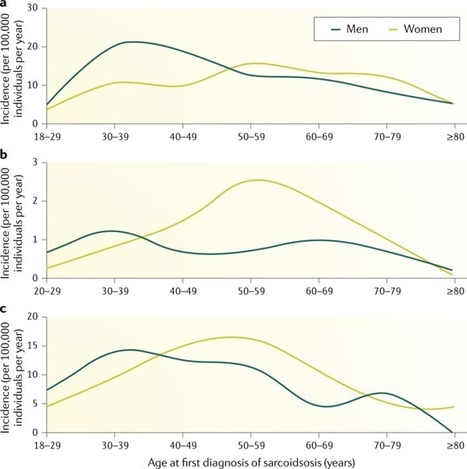
Sarcoidosis is an inflammatory disorder of unknown cause that is characterized by granuloma formation in affected organs, most often in the lungs. Patients frequently suffer from cough, shortness of breath, chest pain and pronounced fatigue and are at risk of developing lung fibrosis or irreversible damage to other organs. The disease develops in genetically predisposed individuals with exposure to an as-yet unknown antigen. Genetic factors affect not only the risk of developing sarcoidosis but also the disease course, which is highly variable and difficult to predict. The typical T cell accumulation, local T cell immune response and granuloma formation in the lungs indicate that the inflammatory response in sarcoidosis is induced by specific antigens, possibly including self-antigens, which is consistent with an autoimmune involvement. Diagnosis can be challenging for clinicians because of the potential for almost any organ to be affected. As the aetiology of sarcoidosis is unknown, no specific treatment and no pathognomic markers exist. Thus, improved biomarkers to determine disease activity and to identify patients at risk of developing fibrosis are needed. Corticosteroids still constitute the first-line treatment, but new treatment strategies, including those targeting quality-of-life issues, are being evaluated and should yield appropriate, personalized and more effective treatments. Sarcoidosis is an inflammatory disease of unknown cause involving the formation of granulomas in almost any organ, although typically in the lungs. This Primer discusses the aetiology of sarcoidosis and the diagnosis, screening and treatment of this variable disease.
|
|
Scooped by
Gilbert C FAURE
January 19, 2020 11:58 AM
|
The ocular surface of the white domestic pig (Sus scrofa domestica) is used as a helpful model of the human ocular surface; however, a complete histological description has yet to be published. In this work, we studied porcine eyeballs with intact eyelids to describe and characterize the different...
|
|
Scooped by
Gilbert C FAURE
January 16, 2020 1:27 PM
|
During pregnancy, the fetus that grows within the maternal uterus is not rejected by the maternal immune system. To enable both tolerance towards the fetus and defence against pathogens, modifications of the maternal immune system occur during gestation. These modifications are able to bring about a natural improvement in disease activity of some autoimmune diseases, such as rheumatoid arthritis (RA). Various mechanisms of the immune system contribute to the phenomenon of pregnancy-related improvement of RA, and the cessation of these immunomodulatory mechanisms after delivery correlates with postpartum disease flare. HLA disparity between mother and fetus, glycosylation of IgG, immunoregulatory pathways, and alterations in innate and adaptive immune cells and their cytokines have important roles in pregnancy and in pregnancy-related amelioration of RA. Successful pregnancy requires changes to the immune system to enable tolerance of the growing fetus. In this Review, the authors discuss how these immunomodulatory mechanisms contribute to the phenomenon of pregnancy-related improvement of rheumatoid arthritis.
|
|
Scooped by
Gilbert C FAURE
January 15, 2020 5:21 AM
|
Mucosal barrier immunity is essential for the maintenance of the commensal microflora and combating invasive bacterial infection.Although immune and …...
|
|
Scooped by
Gilbert C FAURE
January 13, 2020 1:58 PM
|
The human intestine is densely colonized with commensal microbes that stimulate the immune system. While secretory Immunoglobulin (Ig) A is known to play a crucial role in gut microbiota compartmentalization, secretory IgM, and systemic IgG have recently been highlighted in host-microbiota interactions as well. In this review, we discuss important aspects of secretory IgA biology, but rather than focusing on mechanistic aspects of IgA impact on microbiota, we stress the current knowledge of systemic antibody responses to whole gut microbiota, in particular their generation, specificities, and function. We also provide a comprehensive picture of secretory IgM biology. Finally, therapeutic and diagnostic implications of these novel findings for the treatment of various diseases are outlined.
|
|
Scooped by
Gilbert C FAURE
January 8, 2020 3:54 AM
|
Millions of people suffer from lung diseases that affect any part of the respiratory system including the airways, the air sacs (alveoli), the interstitium, the blood vessels, and the pleura. A large and heterogeneous group of diseases called Interstitial Lung Disease (ILD) affect the interstitium, a thin layer of cells between the alveoli, which contains blood vessels and cells that help support the alveoli, allowing efficient gas exchange.
Inflammatory bowel disease (IBD) is a chronic and life-threating inflammatory disease of gastroenteric tissue characterized by episodes of intestinal inflammation. The pathogenesis of IBD is complex. Recent studies have greatly improved our knowledge of the pathophysiology of IBD, leading to great...
Via Krishan Maggon
|
|
Scooped by
Gilbert C FAURE
January 1, 2020 1:21 PM
|
It is of interest to assess the clinical and pathological aspects of Gallbladder and biliary tract carcinomas confirmed by histological data.
It is also of further interest to evaluate the link between Helicobacter pylori and biliary tract cancers.
|
|
Scooped by
Gilbert C FAURE
December 31, 2019 2:51 AM
|
Bile acids are cholesterol-derived surfactants that circulate actively between the liver and ileum and that are classically recognized for emulsifying dietary lipids to facilitate absorption. More recent studies, however, have revealed new functions of bile acids; as pleotropic signaling metabolites that regulate diverse metabolic and inflammatory pathways in multiple cell types and tissues through dynamic interactions with both germline-encoded host receptors and the microbiota. Accordingly, perturbed bile acid circulation and/or metabolism is now implicated in the pathogenesis of cholestatic liver diseases, metabolic syndrome, colon cancer, and inflammatory bowel diseases (IBDs). Here, we discuss the three-dimensional interplay between bile acids, the microbiota, and the mucosal immune system, focusing on the mechanisms that regulate intestinal homeostasis and inflammation. Although the functions of bile acids in mucosal immune regulation are only beginning to be appreciated, targeting bile acids and their cellular receptors has already proven an important area of new drug discovery.
|


 Scoop.it!