Your new post is loading...

|
Scooped by
Gilbert C FAURE
January 16, 2024 1:15 PM
|
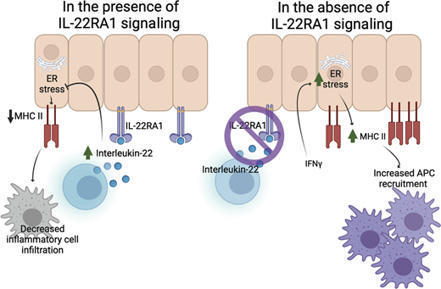
IL-22 directly suppresses interferon-γ–induced intestinal and respiratory epithelial cell MHC II. While suppression of IL-22–driven epithelial MHC II may be ben
|
|
Scooped by
Gilbert C FAURE
January 11, 2024 6:15 AM
|
Researchers at Karolinska Institutet have shown that nasal drops with IgA antibodies can protect mice from SARS-CoV-2 infection. The results imply a new way to protect individuals at high risk from different variants of the SARS-CoV-2 virus and possibly other infections. The study is published in PNAS.
|
|
Scooped by
Gilbert C FAURE
January 6, 2024 8:45 AM
|
In this issue of The Journal of Rheumatology, Lee et al present an interesting editorial claiming that seronegative Sjögren syndrome (SS) is a forgotten entity.1 They provide convincing arguments supporting this assertion.
|
|
Scooped by
Gilbert C FAURE
December 28, 2023 9:47 AM
|
|
|
Scooped by
Gilbert C FAURE
December 26, 2023 1:10 PM
|
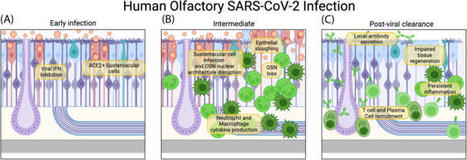
Numerous pathogens can infect the olfactory tract, yet the pandemic caused by SARS-CoV-2 has strongly emphasized the importance of the olfactory mucosa as an immune barrier. Situated in the nasal passages, the olfactory mucosa is directly exposed to the environment to sense airborne odorants; however, this also means it can serve as a direct route of entry from the outside world into the brain. As a result, olfactotropic infections can have serious consequences, including dysfunction of the olfactory system, CNS invasion, dissemination to the lower respiratory tract, and transmission between individuals. Recent research has shown that a distinctive immune response is needed to protect this neuronal and mucosal tissue. A better understanding of innate, adaptive, and structural immune barriers in the olfactory mucosa is needed to develop effective therapeutics and vaccines against olfactotropic microbes such as SARS-CoV-2. Here, we summarize the ramifications of SARS-CoV-2 infection of the olfactory mucosa, review the subsequent immune response, and discuss important areas of future research for olfactory immunity to infectious disease.
|
|
Scooped by
Gilbert C FAURE
December 21, 2023 7:26 AM
|
The gut microbiome has important roles in host metabolism and immunity, and microbial dysbiosis affects human physiology and health. Maternal immunity and microbial metabolites during pregnancy, microbial transfer during birth, and transfer of immune factors, microorganisms and metabolites via breastfeeding provide critical sources of early-life microbial and immune training, with important consequences for human health. Only a few studies have directly examined the interactions between the gut microbiome and the immune system during pregnancy, and the subsequent effect on offspring development. In this Review, we aim to describe how the maternal microbiome shapes overall pregnancy-associated maternal, fetal and early neonatal immune systems, focusing on the existing evidence and highlighting current gaps to promote further research. This Review discusses how the maternal gut microbiome in pregnancy influences the developing immune system and proposes avenues for future research.
|
|
Scooped by
Gilbert C FAURE
December 19, 2023 4:36 AM
|
In this Review, Danne and colleagues describe the roles of neutrophils in inflammatory bowel disease, as well as their functions in host–microbiota interactions.
|
|
Scooped by
Gilbert C FAURE
December 19, 2023 4:34 AM
|
Review in Nature Reviews Gastroenterology and Hepatology explores how the maternal microbiome during pregnancy influences the immune systems of the mother, fetus, and neonate, highlighting its impact on long-term health outcomes and the development of pregnancy complications.
|
|
Scooped by
Gilbert C FAURE
December 18, 2023 8:33 AM
|
|
|
Scooped by
Gilbert C FAURE
December 14, 2023 2:38 AM
|
|
|
Scooped by
Gilbert C FAURE
December 13, 2023 9:57 AM
|
|
|
Scooped by
Gilbert C FAURE
December 12, 2023 1:28 PM
|
Commensal bacteria, such as Bacteroides fragilis, triggers type I IFN and IL-27 in DCs to influence Tregs through IL27RA signaling. The IFN gene signature in Tr
|
|
Scooped by
Gilbert C FAURE
December 8, 2023 11:17 AM
|
|
|
|
Scooped by
Gilbert C FAURE
January 11, 2024 6:16 AM
|
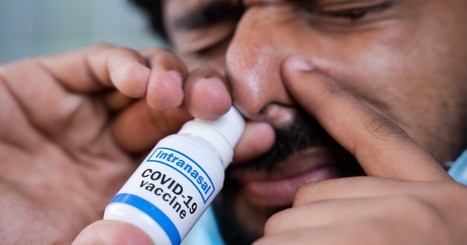
Researchers have developed a novel intranasal COVID-19 vaccine that enhances the immune system’s response to the virus, providing longer-lasting, greater protection than vaccine injections, even against new and emerging variants.
|
|
Scooped by
Gilbert C FAURE
January 11, 2024 5:17 AM
|
|
|
Scooped by
Gilbert C FAURE
January 5, 2024 4:56 AM
|
Social media platforms are used for support and as resources by people from the endometriosis community who are seeking advice about diagnosis, education, and disease management. However, little is known about the scientific accuracy of information circulated on Instagram about the disease.
|
|
Scooped by
Gilbert C FAURE
December 27, 2023 1:35 PM
|
|
|
Scooped by
Gilbert C FAURE
December 22, 2023 10:37 AM
|
Our bodies are in continuous contact with diverse microorganisms, with most exposure occurring at epithelial sites. The skin and digestive tract epithelia are t
|
|
Scooped by
Gilbert C FAURE
December 19, 2023 4:47 AM
|
The complex and highly dynamic lung immune compartment.
Early human lung immune cell development and its role in epithelial cell fate | Science Immunology…
|
|
Scooped by
Gilbert C FAURE
December 19, 2023 4:36 AM
|
Scientists proposed a new nano-micro composite delivery concept for vaccines- combines biodegradable microspheres with protein nanoparticles.
|
|
Scooped by
Gilbert C FAURE
December 18, 2023 8:45 AM
|
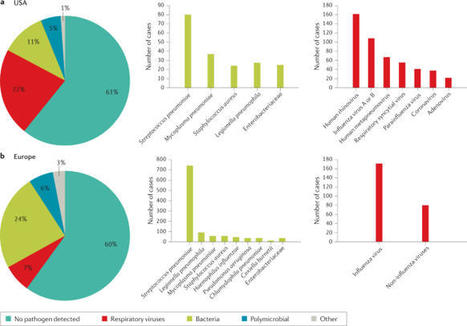
Pneumonia is a common acute respiratory infection that affects the alveoli and distal airways; it is a major health problem and associated with high morbidity and short-term and long-term mortality in all age groups worldwide. Pneumonia is broadly divided into community-acquired pneumonia or hospital-acquired pneumonia. A large variety of microorganisms can cause pneumonia, including bacteria, respiratory viruses and fungi, and there are great geographical variations in their prevalence. Pneumonia occurs more commonly in susceptible individuals, including children of <5 years of age and older adults with prior chronic conditions. Development of the disease largely depends on the host immune response, with pathogen characteristics having a less prominent role. Individuals with pneumonia often present with respiratory and systemic symptoms, and diagnosis is based on both clinical presentation and radiological findings. It is crucial to identify the causative pathogens, as delayed and inadequate antimicrobial therapy can lead to poor outcomes. New antibiotic and non-antibiotic therapies, in addition to rapid and accurate diagnostic tests that can detect pathogens and antibiotic resistance will improve the management of pneumonia. Pneumonia is a respiratory infection of the distal airways; it can be acquired in the community or in the hospital, and it can be caused by several types of bacteria, viruses, fungi and other pathogens.
|
|
Scooped by
Gilbert C FAURE
December 15, 2023 11:22 AM
|
|
|
Scooped by
Gilbert C FAURE
December 13, 2023 1:20 PM
|
|
|
Scooped by
Gilbert C FAURE
December 13, 2023 4:21 AM
|
🔬 Launch of the MUCOVID study 🔬
What is the MUCOVID study?
Lovaltech's mission is to study the immune response of our mucosa, the gateway to most…
|
|
Scooped by
Gilbert C FAURE
December 12, 2023 5:43 AM
|
Although fermentation probably originally developed as a means of preserving food substrates, many fermented foods (FFs), and components therein, are thought to have a beneficial effect on various aspects of human health, and gastrointestinal health in particular. It is important that any such perceived benefits are underpinned by rigorous scientific research to understand the associated mechanisms of action. Here, we review in vitro, ex vivo and in vivo studies that have provided insights into the ways in which the specific food components, including FF microorganisms and a variety of bioactives, can contribute to health-promoting activities. More specifically, we draw on representative examples of FFs to discuss the mechanisms through which functional components are produced or enriched during fermentation (such as bioactive peptides and exopolysaccharides), potentially toxic or harmful compounds (such as phytic acid, mycotoxins and lactose) are removed from the food substrate, and how the introduction of fermentation-associated live or dead microorganisms, or components thereof, to the gut can convey health benefits. These studies, combined with a deeper understanding of the microbial composition of a wider variety of modern and traditional FFs, can facilitate the future optimization of FFs, and associated microorganisms, to retain and maximize beneficial effects in the gut. Fermented foods have gained renewed popularity owing to their health-promoting potential. This Review discusses the mechanisms underlying the benefits of fermented foods in gut health and disease, highlighting how specific fermented food microorganisms, food components and bioactive compounds exert their effects. A future outlook on research is also detailed.
|




 Scoop.it!