




PLoS One. 2016 Dec 19;11(12):e0168080. doi: 10.1371/journal.pone.0168080. eCollection 2016.

 Your new post is loading...
 Scoop.it! PLoS One. 2016 Dec 19;11(12):e0168080. doi: 10.1371/journal.pone.0168080. eCollection 2016. 
No comment yet.
Sign up to comment
Scoop.it!

Corticosteroid resistance is a major barrier to effective treatment in chronic obstructive pulmonary disease (COPD), and failure to suppress systemic inflammation in these patients may result in increased co-morbidity. Although much of the research to date has focused on the role of macrophages and neutrophils involved in inflammation in the airways in COPD, recent evidence suggests that CD8+ T cells may be central regulators of the inflammatory network in this disease. CD8+ cytotoxic pro-inflammatory T cells have been shown to be increased in the peripheral blood and airways in patients with COPD whereas smokers that have not progressed to COPD only show an increase in the lungs. Although the mechanisms underlying steroid resistance in these lymphocytes is largely unknown, new research has identified a role for cytotoxic pro-inflammatory CD8+ T-cells and CD8+ natural killer T-like (NKT-like) cells. Increased numbers of these cells and their significant loss of the co-stimulatory molecule CD28 has been shown in COPD, consistent with findings in the elderly and in clinical conditions involving chronic activation of the immune system. In COPD, these senescent cells expressed increased levels of the cytotoxic mediators perforin and granzyme b and the pro-inflammatory cytokines IFNγ and TNFα. They also demonstrated increased cytotoxicity towards lung epithelial cells and importantly were resistant to immunosuppression by corticosteroids compared with their CD28+ counterparts. Further research has shown these cells evade the immunosuppressive effects of steroids via multiple mechanisms. This mini review will focus on cytotoxic pro-inflammatory CD8+CD28null NKT-like cells involved in COPD and novel approaches to reverse steroid resistance in these cells.
Scoop.it!
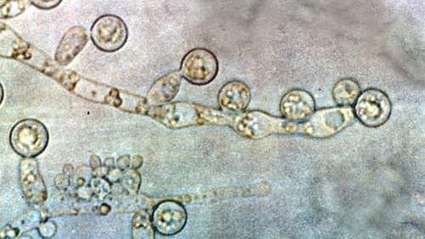
Experts from the University of Aberdeen have discovered how the fungus which causes thrush tries to hide from our body's defences.
Scoop.it!

Emerging Microbes and Infections (EMI) is a new open access, fully peer-reviewed journal that will publish the best and most interesting research in emerging microbes and infectious disease.
Gilbert C FAURE's insight:
IgA protease
Scoop.it!

The upper respiratory tract (URT) is the major entry site for human pathogens and strategies to activate this network could lead to new vaccines capable of preventing infection with many pathogens.
Scoop.it!

Breastfeeding has protective effects for the development of allergies and atopy. Recent evidence underlines that consumption of unboiled farm milk in early life is a key factor preventing the development of atopic diseases. Farm milk intake has been associated with increased demethylation of FOXP3 and increased numbers of regulatory T cells (Tregs). Thus, the questions arose which components of farm milk control the differentiation and function of Tregs, critical T cell subsets that promote tolerance induction and inhibit the development of allergy and autoimmunity. Based on translational research we identified at least six major signalling pathways that could explain milk’s biological role controlling stable FoxP3 expression and Treg differentiation: (1) via maintaining appropriate magnitudes of Akt-mTORC1 signalling, (2) via transfer of milk fat-derived long-chain ω-3 fatty acids, (3) via transfer of milk-derived exosomal microRNAs that apparently decrease FOXP3 promoter methylation, (4) via transfer of exosomal transforming growth factor-β, which induces SMAD2/SMAD3-dependent FoxP3 expression, (5) via milk-derived Bifidobacterium and Lactobacillus species that induce interleukin-10 (IL-10)-mediated differentiation of Tregs, and (6) via milk-derived oligosaccharides that serve as selected nutrients for the growth of bifidobacteria in the intestine of the new born infant. Accumulating evidence underlines that milk is a complex signalling and epigenetic imprinting network that promotes stable FoxP3 expression and long-lasting Treg differentiation, crucial postnatal events preventing atopic and autoimmune diseases.
Scoop.it!
Annu Rev Pathol. 2016 Dec 5. [Epub ahead of print]
Scoop.it!

Background and objective Henoch-Schönlein purpura (HSP) is an important cause of chronic kidney disease in children. This meta-analysis identified risk factors associated with renal involvement in childhood HSP. Methods PubMed, Embase, and Web of Science were searched. The quality of all eligible studies was assessed using the Newcastle-Ottawa scale criteria. An analysis of possible risk factors was conducted to report the odds ratio (OR) and weighted mean difference (WMD). Results Thirteen studies (2398 children) revealed 20 possible and 13 significant risk factors associated with renal involvement in HSP, with the following meta-analysis estimates of OR and WMD, with 95% confidence intervals: older age (0.90, 0.61–1.19); age > 10 y (3.13, 1.39–7.07); male gender (1.36, 1.07–1.74); abdominal pain (1.94,1.24–3.04); gastrointestinal bleeding (1.86, 1.30–2.65); severe bowel angina (3.38, 1.17–9.80); persistent purpura (4.02, 1.22–13.25); relapse (4.70, 2.42–9.14); WBC > 15 × 109/L (2.42, 1.39–4.22); platelets > 500 × 109/L (2.98, 1.22–7.25); elevated antistreptolysin O (ASO) (2.17, 1.29–3.64); and decreased complement component 3 (C3) (3.13, 1.62–6.05). Factors not significantly associated with renal involvement were: blood pressure; orchitis; elevated C-reactive protein; elevated erythrocyte sedimentation rate (ESR); and elevated serum IgA/IgE or IgG. Arthritis/arthralgia may be a risk factor according to the criteria of the American College of Rheumatology (1.41, 1.01–1.96). Conclusion The following are associated with renal involvement in pediatric HSP: male gender; > 10 y old; severe gastrointestinal symptoms (abdominal pain, gastrointestinal bleeding, and severe bowel angina); arthritis/arthralgia; persistent purpura or relapse; WBC > 15 × 109/L; platelets > 500 × 109/L; elevated ASO; and low C3. Relevant clinical interventions for these risk factors may exert positive effects on the prevention of kidney disease during the early stages of HSP. However, the results should be interpreted cautiously due to the limitations of the studies.
Scoop.it!
Theranostics. 2016 Sep 25;6(12):2250-2266. eCollection 2016.
Scoop.it!
Gilbert C FAURE's insight:
ifn-epsilon in mucosal tissues IFN-ε is a unique type I IFN that is not induced by pattern recognition response elements. IFN-ε is constitutively expressed in mucosal tissues, including the female genital mucosa. Although the direct antiviral activity of IFN-ε was thought to be weak compared with IFN-α, IFN-ε controls Chlamydia muridarum and herpes simplex virus 2 in mice, possibly through modulation of immune response. We show here that IFN-ε induces an antiviral state in human macrophages that blocks HIV-1 replication. IFN-ε had little or no protective effect in activated CD4+ T cells or transformed cell lines unless activated CD4+ T cells were infected with replication-competent HIV-1 at a low MOI. The block to HIV infection of macrophages was maximal after 24 hours of treatment and was reversible. IFN-ε acted on early stages of the HIV life cycle, including viral entry, reverse transcription, and nuclear import. The protection did not appear to operate through known type I IFN-induced HIV host restriction factors, such as APOBEC3A and SAMHD1. IFN-ε–stimulated immune mediators and pathways had the signature of type I IFNs but were distinct from IFN-α in macrophages. IFN-ε induced significant phagocytosis and ROS, which contributed to the block to HIV replication. These findings indicate that IFN-ε induces an antiviral state in macrophages that is mediated by different factors than those induced by IFN-α. Understanding the mechanism of IFN-ε–mediated HIV inhibition through immune modulation has implications for prevention.
Scoop.it!
The TNF family member a proliferation-inducing ligand (APRIL; also known as TNFSF13), produced by myeloid cells, participates in the generation and survival of antibody–producing plasma cells. We studied the potential role of APRIL in the pathogenesis of IgA nephropathy (IgAN). We found that a significant proportion of germinal centers (GCs) in tonsils of patients with IgAN contained cells aberrantly producing APRIL, contributing to an overall upregulation of tonsillar APRIL expression compared with that in tonsils of control patients with tonsillitis. In IgAN GC, antigen–experienced IgD–CD38+/–CD19+ B cells expressing a switched IgG/IgA B cell receptor produced APRIL. Notably, these GC B cells expressed mRNA encoding the common cleavable APRIL-α but also, the less frequent APRIL-/ mRNA, which encodes a protein that lacks a furin cleavage site and is, thus, the uncleavable membrane-bound form. Significant correlation between TLR9 and APRIL expression levels existed in tonsils from patients with IgAN. In vitro, repeated TLR9 stimulation induced APRIL expression in tonsillar B cells from control patients with tonsillitis. Clinically, aberrant APRIL expression in tonsillar GC correlated with greater proteinuria, and patients with IgAN and aberrant APRIL overexpression in tonsillar GC responded well to tonsillectomy, with parallel decreases in serum levels of galactose-deficient IgA1. Taken together, our data indicate that antibody disorders in IgAN associate with TLR9–induced aberrant expression of APRIL in tonsillar GC B cells.
Scoop.it!

IgA Nephritis with Declining Renal Function: Treatment with Corticosteroids May Be Worthwhile https://t.co/SkwGYuHthf
Scoop.it!

Lower proteinuria in blisibimod versus placebo treated patients
Changes in circulating B-cells and serum immunoglobulins consistent with BAFF inhibition HAYWARD, Calif., Dec. 06, 2016 (GLOBE NEWSWIRE) -- Anthera Pharmaceuticals, Inc. (Nasdaq:ANTH) today announced positive trends from the Week 48 analysis of the Phase 2 BRIGHT-SC proof-of-concept study in 57 patients with IgA nephropathy. The effects of blisibimod versus placebo were assessed through at least the 48 week time point in all
|
Scoop.it!
Clin Exp Allergy. 2016 Apr;46(4):529-42. doi: 10.1111/cea.12712. Review
Scoop.it!
Immunity. 2016 Dec 6. pii: S1074-7613(16)30477-0. doi: 10.1016/j.immuni.2016.11.005. [Epub ahead of print]
Scoop.it!

Your body hosts trillions of microbes—mainly bacteria, fungi, and viruses. That's (mostly) a good thing.
Scoop.it!
Peyer’s patches (PPs) are the major mucosal immune-inductive site, and germinal centers (GCs) in PPs determine the quality of the Abs produced. PP GCs are continuously induced by the gut microbiota, and their maintenance contributes to the induction of strong IgA responses to Ags. In this study, we investigated the role of formyl peptide receptor (FPR)-mediated signaling in the maintenance of PP GCs, because FPRs recognize the microbiota and initiate an innate immune response by chemotaxis. We found that follicular dendritic cells (FDCs), a key organizer of B cell follicles and GCs in mucosal immunity, express Fpr2. Additionally, Fpr2-mediated signaling in PP FDCs promoted Cxcl13 and B cell activating factor expression, as well as B cell proliferation and activation. Therefore, we suggest that Fpr2-mediated signaling in FDCs plays a key role in GC maintenance in PPs and results in an Ag-specific IgA response in the gut mucosal immune compartment.
Scoop.it!
Gut Microbes. 2016;7(1):3-21. doi: 10.1080/19490976.2015.1116673. Research Support, N.I.H., Extramural; Research Support, Non-U.S. Gov't; Review
Scoop.it!
Proc Natl Acad Sci U S A. 2016 Dec 12. pii: 201611944. [Epub ahead of print]
Scoop.it!
Gilbert C FAURE's insight:
γδ T cells have been attributed a wide variety of functions, which in some cases may appear as contradictory. To better understand the enigmatic biology of γδ T cells it is crucial to define the constituting subpopulations. γδ T cells have previously been categorized into two subpopulations: CD8αα+ and CD8− cells. In this study we have defined and characterized a novel subset of human γδ T-cells expressing CD8αβ. These CD8αβ+ γδ T cells differed from the previously described γδ T cell subsets in several aspects, including the degree of enrichment within the gut mucosa, the activation status in blood, the type of TCRδ variant used in blood, and small but significant differences in their response to IL-2 stimulation. Furthermore, the novel subset expressed cytotoxic mediators and CD69, and produced IFN-γ and TNF-α. In patients with active inflammatory bowel disease the mucosal frequencies of CD8αβ+ γδ T cells were significantly lower as compared with healthy controls, correlated negatively with the degree of disease activity, and increased to normal levels as a result of anti–TNF-α therapy. In conclusion, our results demonstrate that CD8αβ+ γδ T cells constitute a novel lymphocyte subset, which is strongly enriched within the gut and may play an important role in gut homeostasis and mucosal healing in inflammatory bowel disease.
Scoop.it!

The NLRP3 inflammasome controls the response of the host to pathogens; precise regulation is required to limit autoimmune diseases.
Scoop.it!

While therapeutics is currently leading microbiome innovation, diagnostics & nutrition are key areas of research. Here are 12 companies to watch watch out for.
Scoop.it!
Anim Sci J. 2016 Dec 7. doi: 10.1111/asj.12757. [Epub ahead of print]
Scoop.it!
Mucosal immunity is now one of the hottest topics among fish scientists working in a wide range of disciplines. So far, in several teleosts species it has been clearly demonstrated the presence of a full set of immune cells necessary to elicit strong immune responses at the mucosal sites like the gills, gonads, gut and skin. These sites are collectively regarded as mucosal associated lymphoid tissues (MALT). However, the study of such structures in fish need special attention due to the fact they are functionally different from the more commonly studied mammalian counterparts. Particularly, at the intestine, a recently described fish specific immunoglobulin isotype IgT/IgZ has turned even more attractive the immune output of this organ. The IgT/IgZ, which resembles the mammalian IgA, is of particular interest to perform basic, developmental and comparative fish gut functional analyses. Nevertheless, it is suspected that IgT may have a relevant role in different areas dominated by MALTs, but further investigation is required. Among, the main functions of such active immunological sites are to protect the host against exposure to pathogens by means of the immune properties of the mucus, but also to avoid hypersensitivity reactions to food proteins, commensal microflora or to immune modulators (pre/probiotics, immunostimulants and vaccine adjuvants), which are frequently used in aquaculture as means to increase disease resistance. Several research papers claim the effectiv
|






