Your new post is loading...
Gall midges induce formation of host nutritive cells and alter plant metabolism to utilize host resources. Here we show that the gene Mayetiola destructor susceptibility-1 on wheat chromosome 3AS encodes a small heat-shock protein and is a major susceptibility gene for infestation of wheat by the gall midge M. destructor, commonly known as the Hessian fly. Transcription of Mayetiola destructor susceptibility-1 and its homoeologs increases upon insect infestation. Ectopic expression of Mayetiola destructor susceptibility-1 or induction by heat shock suppresses resistance of wheat mediated by the resistance gene H13 to Hessian fly. Silencing of Mayetiola destructor susceptibility-1 by RNA interference confers immunity to all Hessian fly biotypes on normally susceptible wheat genotypes. Mayetiola destructor susceptibility-1-silenced plants also show reduced lesion formation due to infection by the powdery mildew fungus Blumeria graminis f. sp. tritici. Modification of susceptibility genes may provide broad and durable sources of resistance to Hessian fly, B. graminis f. sp. tritici, and other pests.
Via The aphid team@INRA Rennes

|
Scooped by
Kamoun Lab @ TSL
July 8, 2013 10:07 AM
|
The potato/tomato psyllid, Bactericera cockerelli (B. cockerelli), is an important plant pest and the vector of the phloem-limited bacterium Candidatus Liberibacter psyllaurous (solanacearum), which is associated with the zebra chip disease of potatoes. Previously, we reported induction of RNA interference effects in B. cockerelli via in vitro-prepared dsRNA/siRNAs after intrathoracic injection, and after feeding of artificial diets containing these effector RNAs. In order to deliver RNAi effectors via plant hosts and to rapidly identify effective target sequences in plant-feeding B. cockerelli, here we developed a plant virus vector-based in planta system for evaluating candidate sequences. We show that recombinantTobacco mosaic virus (TMV) containing B. cockerelli sequences can efficiently infect and generate small interfering RNAs in tomato (Solanum lycopersicum), tomatillo (Physalis philadelphica) and tobacco (Nicotiana tabacum) plants, and more importantly delivery of interfering sequences via TMV induces RNAi effects, as measured by actin and V-ATPase mRNA reductions, in B. cockerelli feeding on these plants. RNAi effects were primarily detected in the B. cockerelli guts. In contrast to our results with TMV, recombinant Potato virus X (PVX) and Tobacco rattle virus (TRV) did not give robust infections in all plants and did not induce detectable RNAi effects in B. cockerelli. The greatest RNA interference effects were observed when B. cockerelli nymphs were allowed to feed on leaf discs collected from inoculated or lower expanded leaves from corresponding TMV-infected plants. Tomatillo plants infected with recombinant TMV containing B. cockerelli actin or V-ATPase sequences also showed phenotypic effects resulting in decreased B. cockerelli progeny production as compared to plants infected by recombinant TMV containing GFP. These results showed that RNAi effects can be achieved in plants against the phloem feeder, B. cockerelli, and the TMV-plant system will provide a faster and more convenient method for screening of suitable RNAi target sequences in planta.
|
|
Scooped by
Kamoun Lab @ TSL
June 29, 2013 5:15 PM
|
Compared to the important effort devoted to the genetic and molecular study of the ability of mosquitoes to transmit malaria parasites, relatively few studies have considered the ecological context in which mosquitoes and parasites interact. Recent studies reveal a great diversity of ways in which environmental conditions interfere with the mosquito immune response and parasite development, with far-reaching evolutionary and epidemiological implications. However, much research remains to be done. For example, in addition to feeding on blood, malaria vectors readily use natural plant nectars as sources of energy. Whether natural plant diversity affects mosquito competence for malaria parasites remains to be discovered. See Lefèvre et al. http://dx.plos.org/10.1371/journal.ppat.1003365
|
|
Scooped by
Kamoun Lab @ TSL
June 26, 2013 4:31 AM
|
Tunis, Tunisia - Le feu bactérien, l’une des plus dangereuses maladies du poirier, a ravagé entre 5000 et 6000 hectares sur un total de 8400 hectares de terrains consacrés à la culture du poirier, soit 50 à 70% et ce, à fin Mai 2013. Les régions de Manouba et Mornag (gouvernorat de Ben Arous) ont été le plus affectées par ce fléau et les pertes sont estimées à plus de 3000 hectares dans la région de Manouba et 900 hectares à Ben Arous. Le feu bactérien est apparu au 19ème siècle aux Etats unis d’Amérique puis, en Europe et en Afrique du Nord pour arriver en Tunisie en 2011, à travers le transfert illégal de plants depuis l’Algérie.
|
|
Scooped by
Kamoun Lab @ TSL
June 19, 2013 3:12 AM
|
To cause plant diseases, pathogenic micro-organisms secrete effector proteins into host tissue to suppress immunity and support pathogen growth. Bacterial pathogens have evolved several distinct secretion systems to target effector proteins, but whether fungi, which cause the major diseases of most crop species, also require different secretory mechanisms is not known. Here we report that the rice blast fungus Magnaporthe oryzae possesses two distinct secretion systems to target effectors during plant infection. Cytoplasmic effectors, which are delivered into host cells, preferentially accumulate in the biotrophic interfacial complex, a novel plant membrane-rich structure associated with invasive hyphae. We show that the biotrophic interfacial complex is associated with a novel form of secretion involving exocyst components and the Sso1 t-SNARE. By contrast, effectors that are secreted from invasive hyphae into the extracellular compartment follow the conventional secretory pathway. We conclude that the blast fungus has evolved distinct secretion systems to facilitate tissue invasion.
|
|
Scooped by
Kamoun Lab @ TSL
June 18, 2013 5:57 AM
|
Fungi and oomycetes that colonize living plant tissue form extensive interfaces with plant cells in which the cytoplasm of the microorganism is closely aligned with the host cytoplasm for an extended distance. In all cases, specialized biotrophic hyphae function to hijack host cellular processes across an interfacial zone consisting of a hyphal plasma membrane, a specialized interfacial matrix, and a plant-derived membrane. The interface is the site for active secretion by both players. This cross talk at the interface determines the winner in adversarial relationships and establishes the partnership in mutualistic relationships. Fungi and oomycetes secrete many specialized effector proteins for controlling the host, and they can stimulate remarkable cellular reorganization even in distant plant cells. Breakthroughs in live-cell imaging of fungal and oomycete encounter sites, including live-cell imaging of pathogens secreting fluorescently labeled effector proteins, have led to recent progress in understanding communication across the interface.
|
|
Scooped by
Kamoun Lab @ TSL
June 17, 2013 1:29 PM
|
Armed with new methods, researchers are interrogating the DNA of centuries-old pathogens extracted from the bones and teeth of victims. Last August, Johannes Krause was performing a feat that no one would have dared attempt a few years ago: He was carrying out a genetic autopsy on 700-year-old human remains. Working with DNA extracted from the tooth of a young woman who died in the 1300s in a leper colony in Denmark, Krause was calculating how much of the jumble of genetic material from microbes, contaminants, and humans was from the pathogen that caused the woman's leprosy, Mycobacterium leprae. He hoped for about 1% to 2%. To his surprise, a whopping 40% of the DNA aligned with the modern M. leprae sequence. Just 9% was human. Impossible, thought Krause, a paleogeneticist at the University of Tübingen in Germany. He did the analysis again and got the same answer. "It was crazy," he says. "I never expected to find way more pathogen DNA than human DNA in a human bone. You'd never find that in a modern patient who has leprosy." Krause excitedly called his graduate student, biochemist Verena Schuenemann, who had extracted and prepared the bone powder from the tooth. They realized that they had hit a scientific jackpot. "With this high concentration of bacteria, we'd try to make a dream come true," Schuenemann says. They set out to directly sequence the genome of an ancient bacterium—a first for the field—rather than resorting to laborious techniques required in the past to capture degraded ancient DNA.
|
|
Scooped by
Kamoun Lab @ TSL
June 16, 2013 3:18 PM
|
NOD-like receptor (NLR) proteins oligomerize into multiprotein complexes termed "inflammasomes" when activated. Their autoinhibition mechanism remains poorly defined. Here, we report the crystal structure of the mouse NLRC4 in a closed form. The ADP-mediated interaction between the central nucleotide-binding domain (NBD) and the winged-helix domain (WHD) was critical for stabilizing the closed conformation of NLRC4. The helical domain (HD2) repressively contacted a conserved and functionally important α-helix of the NBD. The C-terminal leucine-rich repeat (LRR) domain is positioned to sterically occlude one side of the NBD domain and consequently sequester NLRC4 in a monomeric state. Disruption of ADP-mediated NBD-WHD or NBD-HD2/NBD-LRR interactions resulted in constitutive activation of NLRC4. Together, our data reveal the NBD-organized cooperative autoinhibition mechanism of NLRC4 and provide insight into its activation. Note to readers: NOD-like receptor (NLR) proteins are similar to plant NB-LRR immune receptors.
|
|
Scooped by
Kamoun Lab @ TSL
June 5, 2013 4:18 AM
|
The genome of the pathogenic oomycete Hyaloperonospora arabidopsidisis predicted to encode at least 134 high-confidence effectors (HaRxL) carrying the RxLR motif implicated in their translocation into plant cells. However, only four avirulence genes (ATR1, ATR13, ATR5, and ATR39) have been isolated. This indicates that identification of HaRxL effectors based on avirulence is low throughput. We aimed at rapidly identifying H. arabidopsidis effectors that contribute to virulence by developing methods to detect and quantify multiple candidates in bacterial mixed infections using either Illumina sequencing or capillary electrophoresis. In these assays, referred to here as in planta effector competition assays, we estimate the contribution to virulence of individual effectors by calculating the abundance of each HaRxL in the bacterial population recovered from leaves 3 days after inoculation relative to abundance in the initial mixed inoculum. We identified HaRxL that enhancePseudomonas syringae pv. tomato DC3000 growth in some but not allArabidopsis accessions. Further analysis showed that HaRxLL464, HaRxL75, HaRxL22, HaRxLL441, and HaRxL89 suppress pathogen-associated molecular pattern-triggered immunity (PTI) and localize to different subcellular compartments in Nicotiana benthamiana, providing evidence for a multilayered suppression of PTI by pathogenic oomycetes and molecular probes for the dissection of PTI.
|
|
Scooped by
Kamoun Lab @ TSL
June 4, 2013 4:23 AM
|
The EuroBlight statement from Limassol (2013)
http://euroblight.net/fileadmin/euroblight/Workshops/Limassol/EuroBlightStatement2013.pdf Euroblight wishes to draw attention to major issues of relevance to policy making in Europe: Rapid changes in P. infestans populations causing late blight in Europe, America and Asia, in- cluding the emergence of strains with altered pathogenicity or reduced fungicide sensitivity have been observed. Constant monitoring of populations and characterization of invasive genotypes in order to understand and predict changes is a prerequisite for the deployment of IPM strategies, as required by Directive 2009/128/EC on the sustainable use of plant protection products. It directly influences the development and deployment of resistant cultivars, the performance of disease warning systems and the efficacy of plant protec-
tion products. A coordinated and continuous monitoring effort would be best supported through National Action Plans relating to IPM implementation in EU member states. Statement 1: Monitoring of populations of major pathogens and pests EuroBlight strongly recommends that pan-European population surveillance and moni- toring using harmonized protocols, shared methodologies and integrated databases to store and exploit the data in real time, is a core activity in the IPM ERA-NET to be launc- hed shortly. EuroBlight offers to serve as a pilot network to test the practicality of such an initiative within this ERA-NET. Statement 2: Linking genotype and pathotype EuroBlight recommends that the challenge of linking genotype and phenotype in P. in- festans is explicitly included as a topic for collaborative research projects within the frame of H2020, and is willing to build and lead such a project. Statement 3: EuroBlight offers to share its ex- pertise and tools EuroBlight offers to contribute its tools and platforms to establish these new networks. It will also take steps to transfer them for the implementation of similar networks on other major agricultural pests of important food crops.
|
|
Scooped by
Kamoun Lab @ TSL
May 31, 2013 8:33 AM
|
Can science do more to help the world's poor? India is a test bed for innovative approaches to poverty reduction. India's wheat crop is critical to the nation's food security. Farmers across the country now use their cell phones to send pest sightings and growing conditions to the Directorate of Wheat Research in Karnal, headed by Indu Sharma (pictured). "Scientists have a moral responsibility to help the poor."
|
|
Rescooped by
Kamoun Lab @ TSL
from Publications
May 29, 2013 8:33 AM
|
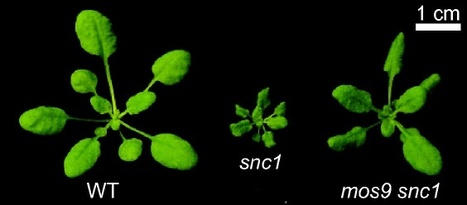
Plant nucleotide-binding leucine-rich repeat (NB-LRR) proteins serve as intracellular sensors to detect pathogen effectors and trigger immune responses. Transcription of the NB-LRR-encoding Resistance (R) genes needs to be tightly controlled to avoid inappropriate defense activation. How the expression of the NB-LRR R genes is regulated is poorly understood. The Arabidopsis snc1 mutant carries a gain-of-function mutation in a TIR-NB-LRR-encoding gene, resulting in the constitutive activation of plant defence responses. A snc1 suppressor screen identified modifier of snc1, 9 (mos9), which partially suppresses the autoimmune phenotypes of snc1. Positional cloning revealed that MOS9 encodes a plant-specific protein of unknown function. Expression analysis showed that MOS9 is required for the full expression of TIR-NB-LRR protein-encoding RPP4 and SNC1, both of which reside in the RPP4 cluster. Co-immunoprecipitation and mass spectrometry analyses revealed that MOS9 associates with the Set1 class H3K4 methyl transferase ATXR7. Like MOS9, ATXR7 is also required for the full expression of SNC1 and the autoimmune phenotypes in the snc1 mutant. In atxr7 mutant plants, the expression of RPP4 is similarly reduced and resistance against Hyaloperonospora arabidopsidis Emwa1 is compromised. Consistent with the attenuated expression of SNC1 and RPP4, H3K4me3 marks are reduced around the promoters of SNC1 and RPP4 in mos9 plants. Our data suggest that MOS9 functions together with ATXR7 to regulate the expression of SNC1 and RPP4 through H3K4 methylation, which plays an important role in fine-tuning their transcription levels and functions in plant defence.
|
|
Scooped by
Kamoun Lab @ TSL
May 27, 2013 12:47 PM
|
Although transgenic crops expressing Bacillus thuringiensis (Bt) toxins have been used successfully for management of lepidopteran and coleopteran pest species, the sap-sucking insects (Hemiptera) are not particularly susceptible to Bt toxins. To overcome this limitation, we demonstrate that addition of a short peptide sequence selected for binding to the gut of the targeted pest species serves to increase toxicity against said pest. Insertion of a 12-aa pea aphid gut-binding peptide by adding to or replacing amino acids in one of three loops of the Bt cytolytic toxin, Cyt2Aa, resulted in enhanced binding and toxicity against both the pea aphid, Acyrthosiphon pisum, and the green peach aphid, Myzus persicae. This strategy may allow for transgenic plant-mediated suppression of other hemipteran pests, which include some of the most important pests of global agriculture.
|
Toll/interleukin receptor (TIR) domain-containing proteins encoded in the Arabidopsis (Arabidopsis thaliana) genome include the TIR-nucleotide binding site (TN) and TIR-unknown site/domain (TX) families. We investigated the function of these proteins. Transient overexpression of five TX and TN genes in tobacco (Nicotiana benthamiana) induced chlorosis. This induced chlorosis was dependent on ENHANCED DISEASE RESISTANCE1, a dependency conserved in both tobacco and Arabidopsis. Stable overexpression transgenic lines of TX and TN genes in Arabidopsis produced a variety of phenotypes associated with basal innate immune responses; these were correlated with elevated levels of salicylic acid. The TN protein AtTN10 interacted with the chloroplastic protein phosphoglycerate dehydrogenase in a yeast (Saccharomyces cerevisiae) two-hybrid screen; other TX and TN proteins interacted with nucleotide binding-leucine-rich repeat proteins and effector proteins, suggesting that TN proteins might act in guard complexes monitoring pathogen effectors.
Via Nicolas Denancé
|
|
Scooped by
Kamoun Lab @ TSL
July 8, 2013 8:43 AM
|
The pleiotropic drug resistance (PDR) proteins belong to the super-family of ATP-binding cassette (ABC) transporters. AtPDR8, also called PEN3, is required for penetration resistance of Arabidopsis to nonadapted powdery mildew fungi. During fungal infection, plasma-membrane-localized PEN3 is concentrated at fungal entry sites, as part of the plant's focal immune response. Here, we show that the pen3mutant is compromised in resistance to the bacterial pathogenPseudomonas syringae pv. tomato DC3000. P. syringae pv. tomatoDC3000 infection or treatment with a flagellin-derived peptide, flg22, induced strong focal accumulation of PEN3-green fluorescent protein. Interestingly, after an initial induction of PEN3 accumulation, P. syringae pv. tomato DC3000 but not the type-III-secretion-deficient mutant hrcC could suppress PEN3 accumulation. Moreover, transgenic overexpression of the P. syringae pv. tomato DC3000 effector AvrPto was sufficient to suppress PEN3 focal accumulation in response to flg22. Analyses of P. syringae pv. tomato DC3000 effector deletion mutants showed that individual effectors, including AvrPto, appear to be insufficient to suppress PEN3 accumulation when delivered by bacteria, suggesting a requirement for a combined action of multiple effectors. Collectively, our results indicate that PEN3 plays a positive role in plant resistance to a bacterial pathogen and show that focal accumulation of PEN3 protein may be a useful cellular response marker for theArabidopsis–P. syringae interaction.
|
|
Scooped by
Kamoun Lab @ TSL
June 27, 2013 12:21 PM
|
Understanding commonalities and differences of how symbiotic and parasitic microbes interact with plants will improve advantageous interactions and allow pathogen control strategies in crops. Recently established systems enable studies of root pathogenic and symbiotic interactions in the same plant species.
|
|
Scooped by
Kamoun Lab @ TSL
June 21, 2013 2:45 AM
|
This meeting will focus on the scientific work currently investigating the many pest and disease threats to our woodlands. As well as talks on a wide range of relevant topics there will also be opportunities to discuss issues on a more informal basis. Presentations at the meeting will be selected from abstracts submitted by delegates.
Abstracts must be submitted online by 16th July 2013. Please use the abstract upload function when registering.
|
|
Scooped by
Kamoun Lab @ TSL
June 18, 2013 9:21 AM
|
The first annual meeting of COST Action FA1208"Pathogen-informed strategies for sustainable broad-spectrum crop resistance" will be held in Birnam, Scotland from 9-11 October 2013. It is anticipated that delegates will arrive on Tuesday 8 October and will be able to travel home after lunch on Friday 11 October. Funding to attend the meeting will be available through COST Action FA1208 to members of the Management Committee, working group leaders and to delegates selected to make presentations at the meeting. Presentations will be selected from submitted abstracts. Although some places may be available for other delegates, space will be extremely limited. The local organiser will be John Jones.
|
|
Scooped by
Kamoun Lab @ TSL
June 18, 2013 2:51 AM
|
Shelf life is an important quality trait for many fruit, including tomatoes. We report that enrichment of anthocyanin, a natural pigment, in tomatoes can significantly extend shelf life. Processes late in ripening are suppressed by anthocyanin accumulation, and susceptibility to Botrytis cinerea, one of the most important postharvest pathogens, is reduced in purple tomato fruit. We show that reduced susceptibility to B. cinerea is dependent specifically on the accumulation of anthocyanins, which alter the spreading of the ROS burst during infection. The increased antioxidant capacity of purple fruit likely slows the processes of overripening. Enhancing the levels of natural antioxidants in tomato provides a novel strategy for extending shelf life by genetic engineering or conventional breeding.
The phytopathogenic bacterium Xanthomonas campestris pv. vesicatoria (Xcv) requires type III effector proteins (T3Es) for virulence. After translocation into the host cell, T3Es are thought to interact with components of host immunity to suppress defence responses. XopJ is a T3E protein from Xcv that interferes with plant immune responses; however, its host cellular target is unknown. Here we show that XopJ interacts with the proteasomal subunit RPT6 in yeast andin planta to inhibit proteasome activity. A C235A mutation within the catalytic triad of XopJ as well as a G2A exchange within the N-terminal myristoylation motif abolishes the ability of XopJ to inhibit the proteasome. Xcv ΔxopJ mutants are impaired in growth and display accelerated symptom development including tissue necrosis on susceptible pepper leaves. Application of the proteasome inhibitor MG132 restored the ability of the Xcv ΔxopJ to attenuate the development of leaf necrosis. The XopJ dependent delay of tissue degeneration correlates with reduced levels of salicylic acid (SA) and changes in defence- and senescence-associated gene expression. Necrosis upon infection with Xcv ΔxopJ was greatly reduced in pepper plants with reduced expression of NPR1, a central regulator of SA responses, demonstrating the involvement of SA-signalling in the development of XopJ dependent phenotypes. Our results suggest that XopJ-mediated inhibition of the proteasome interferes with SA-dependent defence response to attenuate onset of necrosis and to alter host transcription. A central role of the proteasome in plant defence is discussed.
Via Nicolas Denancé
|
|
Scooped by
Kamoun Lab @ TSL
June 6, 2013 5:55 AM
|
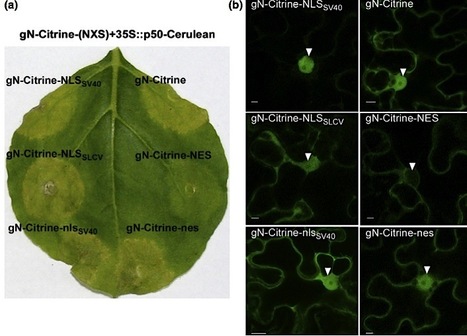
SGT1 (Suppressor of G2 allele of SKP1) is required to maintain plant disease Resistance (R) proteins with Nucleotide-Binding (NB) and Leucine-Rich Repeat (LRR) domains in an inactive but signaling-competent state. SGT1 is an integral component of a multi-protein network that includes RACK1, Rac1, RAR1, Rboh, HSP90 and HSP70, and in rice the Mitogen-Activated Protein Kinase (MAPK), OsMAPK6. Tobacco (Nicotiana tabacum) N protein, which belongs to the Toll-Interleukin Receptor (TIR)-NB-LRR class of R proteins, confers resistance to Tobacco Mosaic Virus (TMV).Following transient expression in planta, we analyzed the functional relationship between SGT1, SIPK – a tobacco MAPK6 ortholog – and N, using mass spectrometry, confocal microscopy and pathogen assays.Here, we show that tobacco SGT1 undergoes specific phosphorylation in a canonical MAPK target-motif by SIPK. Mutation of this motif to mimic SIPK phosphorylation leads to an increased proportion of cells displaying SGT1 nuclear accumulation and impairs N-mediated resistance to TMV, as does phospho-null substitution at the same residue. Forced nuclear localization of SGT1 causes N to be confined to nuclei.Our data suggest that one mode of regulating nucleocytoplasmic partitioning of R proteins is by maintaining appropriate levels of SGT1 phosphorylation catalyzed by plant MAPK.
|
|
Scooped by
Kamoun Lab @ TSL
June 5, 2013 4:14 AM
|
The plant immune system is activated by microbial patterns that are detected as nonself molecules. Such patterns are recognized by immune receptors that are cytoplasmic or localized at the plasma membrane. Cell surface receptors are represented by receptor-like kinases (RLKs) that frequently contain extracellular leucine-rich repeats and an intracellular kinase domain for activation of downstream signaling, as well as receptor-like proteins (RLPs) that lack this signaling domain. It is therefore hypothesized that RLKs are required for RLPs to activate downstream signaling. The RLPs Cf-4 and Ve1 of tomato (Solanum lycopersicum) mediate resistance to the fungal pathogens Cladosporium fulvum and Verticillium dahliae, respectively. Despite their importance, the mechanism by which these immune receptors mediate downstream signaling upon recognition of their matching ligand, Avr4 and Ave1, remained enigmatic. Here we show that the tomato ortholog of the Arabidopsis thaliana RLK Suppressor Of BIR1-1/Evershed (SOBIR1/EVR) and its close homolog S. lycopersicum (Sl)SOBIR1-like interact in planta with both Cf-4 and Ve1 and are required for the Cf-4– and Ve1-mediated hypersensitive response and immunity. Tomato SOBIR1/EVR interacts with most of the tested RLPs, but not with the RLKs FLS2, SERK1, SERK3a, BAK1, and CLV1. SOBIR1/EVR is required for stability of the Cf-4 and Ve1 receptors, supporting our observation that these RLPs are present in a complex with SOBIR1/EVR in planta. We show that SOBIR1/EVR is essential for RLP-mediated immunity and propose that the protein functions as a regulatory RLK of this type of cell-surface receptors.
Online today, the newest Teaching Tool in Plant Biology, "Plant-Plant Interactions", by Ariel Novoplansky and Mary Williams. It's all about how plants sense and respond to their neighbors. Subscription to Plant Cell required. Slides, lecture notes and teaching guide too!
http://www.plantcell.org/site/teachingtools/TTPB25.xhtml
Via Mary Williams
|
|
Scooped by
Kamoun Lab @ TSL
May 30, 2013 4:30 PM
|
Plants respond to pathogens using elaborate networks of genetic interactions. Recently, significant progress has been made in understanding RNA silencing and how viruses counter this apparently ubiquitous antiviral defense. In addition, plants also induce hypersensitive and systemic acquired resistance responses, which together limit the virus to infected cells and impart resistance to the noninfected tissues. Molecular processes such as the ubiquitin proteasome system and DNA methylation are also critical to antiviral defenses. Here, we provide a summary and update of advances in plant antiviral immune responses, beyond RNA silencing mechanisms—advances that went relatively unnoticed in the realm of RNA silencing and nonviral immune responses. We also document the rise of Brachypodium and Setaria species as model grasses to study antiviral responses in Poaceae, aspects that have been relatively understudied, despite grasses being the primary source of our calories, as well as animal feed, forage, recreation, and biofuel needs in the 21st century. Finally, we outline critical gaps, future prospects, and considerations central to studying plant antiviral immunity. To promote an integrated model of plant immunity, we discuss analogous viral and nonviral immune concepts and propose working definitions of viral effectors, effector-triggered immunity, and viral pathogen-triggered immunity.
Via Mary Williams
|