

While mindfulness is catching on and currently being taught in a handful of schools across the country, it is largely up to the parents to teach this powerful tool.


|
Scooped by
American Institute Health Care Professionals
onto Meditation Practices September 19, 2013 1:20 PM
|
 Scoop.it!
While mindfulness is catching on and currently being taught in a handful of schools across the country, it is largely up to the parents to teach this powerful tool.

 Your new post is loading...
 Your new post is loading...
Your new post is loading...
Scoop.it!

Cleveland Clinic describes Taoism as both a religion and a philosophy and connects it with the writings of Laozi, also known as Lao Tzu or Lao-Tze.
American Institute Health Care Professionals's insight:
What is Taoist meditation? Cleveland Clinic explains the ancient practice and why it still interests spiritual seekers
Taoist meditation Please also review AIHCP's Meditation Instructor Program
Scoop.it!

According to a Buddhist monk you can use everyday sounds and interruptions into your meditation practice.
American Institute Health Care Professionals's insight:
Your meditation does not have to be silent. A Buddhist monk explains why
Perspectives on meditation
Please also review AIHCP's Meditation Instructor Program
Scoop.it!
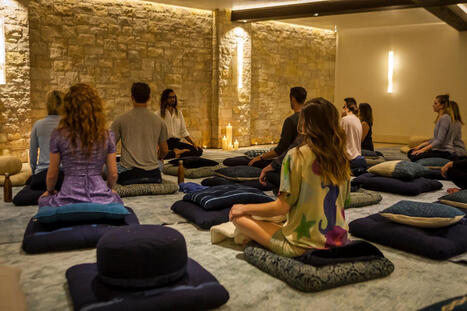
Researchers say meditation may produce some brain changes associated with psychedelic experiences
American Institute Health Care Professionals's insight:
Just a week of meditation causes striking changes in the brain
Meditation and its affects on the brain Please also review AIHCP's Meditation Instructor Program
Scoop.it!

From
vanmag

Vancouver photographer Juno Kim shares four practical meditation tips for beginners, from skipping the timer to starting on a good day.
American Institute Health Care Professionals's insight:
4 Meditation Tips for People Who Are Bad at Sitting Still
Meditation tips Please also review AIHCP's Meditation Instructor Program
Scoop.it!

(The Conversation) — Mindfulness can improve health and well-being, but it may not work for everyone. Buddhist teachings suggest that how it is practiced – and who guides it – matters.
American Institute Health Care Professionals's insight:
Mindfulness is often presented as a path to calm, but its Buddhist roots explain why it can also bring difficulties
Mindfulness Please also review AIHCP's Meditation Instructor Program
Scoop.it!

Telomeres and telomerase may be the latest scientific discovery in aging you’ve never heard of.
American Institute Health Care Professionals's insight:
3 Ways Meditation or Yoga Could Improve Mood, Extend Life
Meditation and mood Please also review AIHCP's Meditation Instructor Program
Scoop.it!
Background: Generalized anxiety disorder (GAD) is characterized by stress-anxiety reinforcement cycles. Evidence for brief, self-guided, internet-based stress management as an adjunct to pharmacotherapy remains limited.
American Institute Health Care Professionals's insight:
Self-Guided Internet-Based Mindfulness-Informed Stress Management for Generalized Anxiety Disorder: Randomized Controlled Trial With Longitudinal Network Analysis
Mindfulness Please also review AIHCP's Meditation Instructor program
Scoop.it!

A new EEG study suggests meditation may shift brain activity within minutes, with measurable changes peaking around seven minutes in both beginners and experienced practitioners.
American Institute Health Care Professionals's insight:
The Brain Changes That Begin After Just 7 Minutes Of Meditation
The brain and meditation Please also review AIHCP's Meditation Instructor Program
Scoop.it!
From
www
If you thought that meditation had to be done in a silent room while sitting in a lotus pose, think again. Meditation can be done just about anywhere, provided you are able to be present and aware of your surroundings. Enter: walking meditation. Meditating while out for a walk can be a great way to take care of both your mind and your body. Intrigued? Check out this gallery to find out more.
American Institute Health Care Professionals's insight:
What is walking meditation, and how can you get started?
Walking meditation Please also review AIHCP's Meditation Instructor Program
Scoop.it!

Many reports says mindfulness meditation continues to attract attention from doctors, wellness experts, and mental health researchers.
American Institute Health Care Professionals's insight:
What is mindfulness meditation, and why are experts suggesting using this technique to avoid stress and anxiety?
Mindfulness and meditation Please also review AIHCP's Meditation Instructor Program
Scoop.it!

Although I ultimately have no definitive answer to my original query, maybe it is worth it to implement a return of medicine that is born from communities themselves, tailored to their customs and invested in their well-being for the long, long term.
American Institute Health Care Professionals's insight:
Herbal medicine and growing pains
Herbal medicine and holistic health Please also review AIHCP's Holistic Nursing Program
Scoop.it!
From
www
Why it matters: Meditation can help reduce stress, ease anxiety, and improve focus, with benefits supported by both ancient wisdom and modern science. How to start: Guided meditations, breathwork, and sensory-based mindfulness exercises make it easier for beginners to build a consistent practice. Quick wins: Even micro-meditations of just 3 minutes can shift brain activity, helping you feel calmer and more centered.
American Institute Health Care Professionals's insight:
Finding your calm through mindful meditation
Understanding mindfulness and meditation Please also review AIHCP's Meditation Instructor Program
Scoop.it!

From
www
Viviers said people who meditate consistently often report feeling calmer, more patient and better equipped to deal with the pressures of everyday life.
American Institute Health Care Professionals's insight:
Why meditation can be good for you
Meditation is good for you Please also review AIHCP's Meditation Instructor program
|
Scoop.it!

How a child focuses when upset is far more revealing about their mental health than how they focus when calm, according to FIU psychologists. In a new study published in Journal of Psychopathology and Behavioral Assessment, psychology Ph.D. candidate Krystyna Keller set out to validate the use of a self-report survey originally designed for adults to evaluate children and adolescents.
American Institute Health Care Professionals's insight:
Trouble focusing when upset may signal anxiety and depression symptoms in youth
Facing anxiety Please also review AIHCP's Stress Management Program
Scoop.it!

From
www
The five wellness tips recommended for this year’s Wellness Month include increasing daily water intake and adding fruits vegetables to your meals.
American Institute Health Care Professionals's insight:
Meditation on wellness: Start with 5 steps to improve your lifestyle - AOL
Improving one's life with meditation Please also review AIHCP's Meditation Instructor Program
Scoop.it!

An intensive seven-day meditation retreat triggered striking changes across the brain and body, including shifts tied to neuroplasticity, immunity, metabolism, and natural pain relief. Participants also showed brain connectivity patterns resembling those associated with psychedelic experiences, suggesting that powerful altered states may be achievable without drugs.
American Institute Health Care Professionals's insight:
Scientists say just 7 days of meditation can rewire your brain
Meditation and the brain Please also review AIHCP's Meditation Instructor Program
Scoop.it!

A UVA wellness expert shares practical ways to manage stress before it takes a toll on your body and mind.
American Institute Health Care Professionals's insight:
Stressed? Here’s how to feel better
Fighting stress Please also review AIHCP's Stress Management Program
Scoop.it!

From
mother
A Tai Chi master has been teaching meditation for kids for years — and she starts at 10 seconds. Here's her method, backed by research.
American Institute Health Care Professionals's insight:
How to Teach Kids to Meditate — Even If They Can't Sit Still for 10 Seconds
Teaching meditation Please also review AIHCP's Meditation Instructor Program
Scoop.it!

Research shows that meditation doesn't just calm your mind—it actually reshapes your brain and boosts emotional resilience.
American Institute Health Care Professionals's insight:
Our Brains and Bodies on Meditation
Meditation has positive effects on body and mind Please also review AIHCP's Meditation Instructor Program
Scoop.it!

New research suggests that meditating for just seven minutes provides benefits. Here's how it works.
American Institute Health Care Professionals's insight:
Meditating for Just 7 Minutes Gives You Perks: Study Meditation benefits
Please also review AIHCP's Meditation Instructor Program
Scoop.it!
From
www
While the idea of spending 20 minutes every day in silence may seem straightforward enough, the … 8 Science-Backed Benefits of Daily MeditationRead more
American Institute Health Care Professionals's insight:
8 science-backed benefits of daily meditation
Benefits of meditation Please also review AIHCP's Meditation Instructor Program
Scoop.it!

The more connected you become with yourself, the lighter your mind begins to feel. Here are a few simple ways to live a more meditative and peaceful life.
American Institute Health Care Professionals's insight:
How to live a meditative life
Making meditation part of your life Please also review AIHCP's Meditation Instructor Program
Scoop.it!
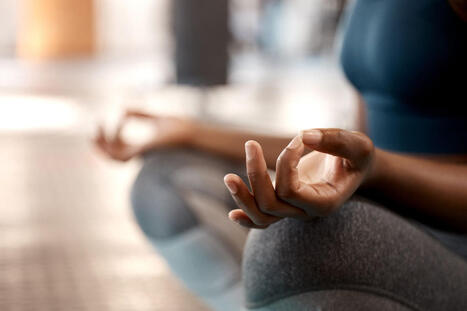
Led by Malipeddi Saketh at India’s National Institute of Mental Health and Neurosciences, the team monitored 103 participants. This international study included complete beginners, novice practitioners, and advanced meditators. Using high-density 128 channel EEG caps, the researchers recorded lectrical changes as they unfolded. The rapid shift Significant, measurable brainwav
American Institute Health Care Professionals's insight:
Can just 7 minutes of meditation sharpen your brain performance?
Understanding meditation Please also review AIHCP's Meditation Instructor Program
Scoop.it!

From
www
Impact of support levels on effectiveness and drop-out of internet-based interventions for depression: network meta-analysis
American Institute Health Care Professionals's insight:
Impact of support levels on effectiveness and drop-out of internet-based interventions for depression: network meta-analysis | The British Journal of Psychiatry
Please also review AIHCP's Grief Counseling Program
Scoop.it!

From
delawaretoday
There's no one way to practice mindfulness, which means there's an approach for everyone that can lead to positive impacts on everyday life.
American Institute Health Care Professionals's insight:
Mindfulness Has Major Health Benefits, Delaware Experts Say
Benefits of mindfulness Please also review AIHCP's Meditation Instructor Program
|






Teaching meditation to children is an excellent way for children to learn control and help them have peace. Like adults, children also have stress. Although it may not seem important to adults, it matters to them. Teaching meditation can help children develop a good spiritual life as well
#teachingmeditation