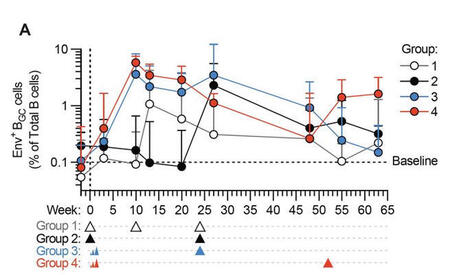
Nearly a year of B-cell evolution after vaccination Germinal centers (GCs) are where B cells evolve through somatic hypermutation and selection, improving antibody affinity and generating the memory B cells and plasma cells that underpin long-term immunity. In a 2022 Nature paper, we demonstrated that germinal centers could persist for at least 6 months after a single priming immunization regimen.
Our new bioRxiv preprint extends that duration to nearly an entire year—and reveals some fascinating new aspects of how B cells evolve over time. We followed 32 rhesus macaques across four vaccination regimens for over a year, repeatedly sampling lymph nodes, blood, and bone marrow. In total, we sequenced nearly 200,000 B cells, including GC B cells, memory B cells, and plasma cells.
Three major findings: 1. Germinal centers can persist for nearly a year after vaccination. Large GC responses persisted for up to 48 weeks without additional immunization, nearly doubling the duration previously demonstrated for primary vaccine-induced GCs.
2. The pace of B-cell evolution slows dramatically over time. GC B cells continued accumulating mutations throughout these prolonged responses. However, the rate of somatic hypermutation declined approximately three-fold after the first 9 weeks. B cells accumulated approximately as many mutations in the first 9 weeks as they did over the subsequent 39 weeks. This pattern was observed regardless of vaccination strategy or booster timing.
3. Germinal centers continue generating plasma cells throughout their lifespan. By analyzing more than 8,000 vaccine-induced bone marrow plasma cells, and using somatic hypermutation rates as a molecular clock, we found evidence of continued plasma cell generation throughout the prolonged GC response. Notably, delaying booster immunizations shifted the bone marrow plasma cell repertoire toward cells generated later in the response.
Why does this matter? These results demonstrate that vaccine-induced GCs can remain active for nearly a year, but the dynamics of B-cell evolution change substantially over time. Furthermore, the timing of booster immunizations can influence which B cells ultimately contribute to the long-term antibody response. These findings also have implications for HIV vaccine development. In July, we reported in Nature that sequential vaccination could successfully elicit HIV broadly neutralizing antibodies. Understanding the dynamics of GC responses and how booster timing influences B-cell evolution is important for improving those vaccination strategies.
Congratulations to Henry (Harry) Sutton PhD, Ester Marina Zárate, PhD, and our many outstanding collaborators at La Jolla Institute for Immunology, Scripps Research, and other institutions. Our new preprint is linked in the first comment below. #Immunology #Vaccines #GerminalCenters #BCells #VaccineResearch | 14 comments on LinkedIn
𝗛𝗼𝘄 𝗮 𝗦𝗰𝗶𝗲𝗻𝘁𝗶𝗳𝗶𝗰 𝗕𝗿𝗮𝗻𝗱 𝗞𝗲𝗲𝗽𝘀 𝗮 𝗩𝗮𝗰𝗰𝗶𝗻𝗲 𝗜𝗻𝗱𝘂𝘀𝘁𝗿𝘆 𝗔𝗹𝗶𝘃𝗲 ✨ Innovation shines — even as time passes.
The global shift toward next‑generation mucosal vaccines has revealed a powerful truth: 𝗮 𝘀𝗰𝗶𝗲𝗻𝘁𝗶𝗳𝗶𝗰 𝗯𝗿𝗮𝗻𝗱 𝗶𝘀 𝗺𝗼𝗿𝗲 𝘁𝗵𝗮𝗻 𝗮 𝗽𝗿𝗼𝗱𝘂𝗰𝘁; 𝗶𝘁 𝗶𝘀 𝗮𝗻 𝗲𝗰𝗼𝘀𝘆𝘀𝘁𝗲𝗺.
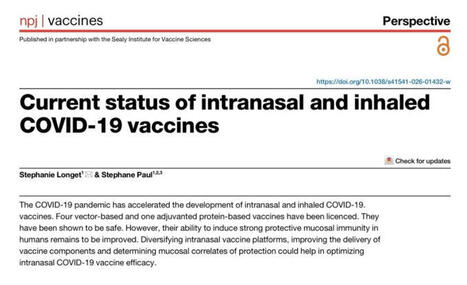
The recent npj Vaccines Perspective — “Current status of intranasal and inhaled COVID‑19 vaccines” — highlights a remarkable fact: despite dozens of global attempts, only 𝗼𝗻𝗲 𝗮𝗱𝗷𝘂𝘃𝗮𝗻𝘁𝗲𝗱 𝗽𝗿𝗼𝘁𝗲𝗶𝗻‑𝗯𝗮𝘀𝗲𝗱 𝗶𝗻𝘁𝗿𝗮𝗻𝗮𝘀𝗮𝗹 𝘃𝗮𝗰𝗰𝗶𝗻𝗲 reached emergency authorization and entered high‑impact literature.
This single achievement proves something essential: 𝗮 𝘀𝘁𝗿𝗼𝗻𝗴 𝘀𝗰𝗶𝗲𝗻𝘁𝗶𝗳𝗶𝗰 𝗶𝗱𝗲𝗮, 𝘄𝗵𝗲𝗻 𝗯𝗿𝗮𝗻𝗱𝗲𝗱 𝗽𝗿𝗼𝗽𝗲𝗿𝗹𝘆, 𝗰𝗮𝗻 𝗸𝗲𝗲𝗽 𝗮𝗻 𝗲𝗻𝘁𝗶𝗿𝗲 𝗶𝗻𝗱𝘂𝘀𝘁𝗿𝘆 𝗮𝗹𝗶𝘃𝗲.
Across Nature Reviews Immunology, Signal Transduction and Targeted Therapy, and The Lancet Infectious Diseases, one message is clear: 𝗱𝗶𝘃𝗲𝗿𝘀𝗶𝗳𝗶𝗲𝗱 𝗽𝗹𝗮𝘁𝗳𝗼𝗿𝗺𝘀, 𝗺𝘂𝗰𝗼𝘀𝗮𝗹 𝗶𝗺𝗺𝘂𝗻𝗶𝘁𝘆, 𝗮𝗻𝗱 𝗶𝗻𝗻𝗼𝘃𝗮𝘁𝗶𝘃𝗲 𝗱𝗲𝗹𝗶𝘃𝗲𝗿𝘆 𝘀𝘆𝘀𝘁𝗲𝗺𝘀 𝗮𝗿𝗲 𝘁𝗵𝗲 𝗳𝘂𝘁𝘂𝗿𝗲.
This is exactly where 𝗥𝗮𝘇𝗶 𝗖𝗼𝘃 𝗣𝗮𝗿𝘀 stands as a compelling example.
🚀 Razi Cov Pars — When Innovation Becomes Legacy
🔹 𝗚𝗹𝗼𝗯𝗮𝗹 𝗿𝗲𝗰𝗼𝗴𝗻𝗶𝘁𝗶𝗼𝗻 𝗳𝗿𝗼𝗺 𝗮 𝗻𝗮𝘁𝗶𝗼𝗻𝗮𝗹 𝗶𝗻𝗻𝗼𝘃𝗮𝘁𝗶𝗼𝗻 Its presence in high‑impact literature transforms it from a domestic achievement into a scientific reference point.
🔹 𝗔 𝗽𝗿𝗼𝗽𝗿𝗶𝗲𝘁𝗮𝗿𝘆 𝗮𝗱𝗷𝘂𝘃𝗮𝗻𝘁 𝘁𝗵𝗮𝘁 𝘀𝗶𝗴𝗻𝗮𝗹𝘀 𝘁𝗲𝗰𝗵𝗻𝗼𝗹𝗼𝗴𝗶𝗰𝗮𝗹 𝗹𝗲𝗮𝗱𝗲𝗿𝘀𝗵𝗶𝗽 The RAS‑01 oil‑in‑water adjuvant has been repeatedly cited as a novel platform — proof that innovation can emerge anywhere.
🔹 𝗔 𝗯𝗿𝗮𝗻𝗱 𝘁𝗵𝗮𝘁 𝗱𝗼𝗲𝘀𝗻’𝘁 𝗳𝗮𝗱𝗲 When a scientific brand enters peer‑reviewed literature, it becomes part of the global narrative — and science that enters the narrative never stops shining.
🌱 A Message to Young Scientists
𝗦𝗰𝗶𝗲𝗻𝗰𝗲 𝗶𝘀 𝗮 𝗹𝗼𝗻𝗴 𝗴𝗮𝗺𝗲. Your work may take years to mature, but when it does, it becomes part of a legacy that outlives crises, trends, and headlines.
If one idea — born in a national institute — can reach global literature and influence future vaccine platforms, then your idea can too.
Keep building. Keep publishing. Keep innovating. ✨ Because real science always finds its way to the light. Stéphane Paul Stéphanie Longet
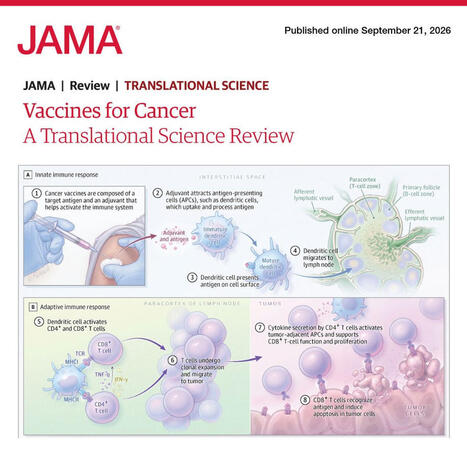
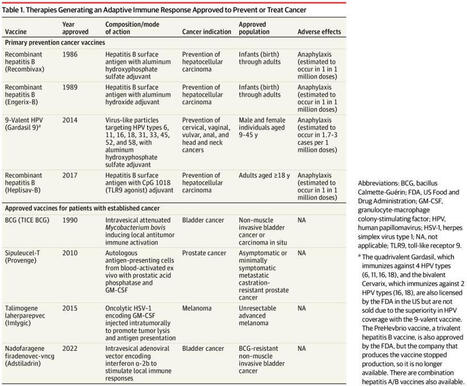
📝 #JAMAReview: #Cancer vaccines are being evaluated for treatment and prevention across multiple malignant neoplasms as advances in tumor immunology, antigen discovery, and vaccine delivery reshape the field.
This Review discusses how vaccines can stimulate adaptive immunity against neoantigens, nonmutated tumor proteins, or tumor-derived antigens, with current approved uses in melanoma, prostate cancer, and bladder cancer.
I am pleased to announce that "𝐓𝐡𝐞 𝐪𝐮𝐞𝐬𝐭𝐢𝐨𝐧𝐬 𝐬𝐭𝐢𝐥𝐥 𝐟𝐚𝐜𝐢𝐧𝐠 𝐯𝐚𝐜𝐜𝐢𝐧𝐞𝐬: 𝐄𝐱𝐩𝐞𝐫𝐭 𝐩𝐞𝐫𝐬𝐩𝐞𝐜𝐭𝐢𝐯𝐞𝐬 𝐟𝐫𝐨𝐦 𝐭𝐡𝐞 World Vaccine Congress 𝐖𝐚𝐬𝐡𝐢𝐧𝐠𝐭𝐨𝐧 𝟐𝟎𝟐𝟔" has now been published!
Thank you to Ashling Cannon and the Vaccine Insights team for highlighting some of our key speakers (Michael Osterholm PhD, MPH, Marion F. Gruber, Ph.D., MS, Rajinder Suri, Simon van Haren) and recognising their crucial contributions to the field!
Our new study with our PhD student Franck Zekre a great pediatrician and in collaboration with a smart company in US Vaxcyte. We developed a new vaccine againt P gingivalis to prevent inflammatory dosorders
Yesterday I shared our new Nature paper on HIV vaccine development. Our new paper is being discussed as an HIV vaccine advance, which is gratifying. It is also a study of how the immune system works. We think it will have long-lasting impacts in immunology.
When the idea of germline-targeting vaccines was first proposed, there wasn’t just skepticism about the vaccine design. There was skepticism about the underlying immunology. Many of the key steps were thought to be unlikely—or even impossible.
Could extraordinarily rare naïve B cells be successfully recruited into an immune response?
Could those rare cells compete successfully inside germinal centers against millions of other B cells?
Could they undergo enough rounds of affinity maturation to evolve into broadly neutralizing antibodies?
Could memory B cells generated after one immunization be recalled months later by a different immunogen, re-enter germinal centers, and continue evolving?
Could this process be repeated over and over again?
These weren’t simply questions about HIV. They were fundamental questions about how B-cell memory, germinal centers, and antibody evolution actually work.
Our study shows that the answer to all of these questions can be yes.
Exceptionally rare precursor B cells can be primed, recruited into germinal centers, remain competitive through repeated rounds of affinity maturation, generate durable memory B-cell lineages, be recalled by sequential immunogens, and ultimately differentiate into plasma cells producing broadly neutralizing antibodies.
That is exciting because it advances HIV vaccine development. But it is equally exciting because it expands our understanding of adaptive immunity.
One of the most rewarding aspects of science is that pursuing one difficult problem often teaches us something much broader about biology than we originally set out to learn. I think this project is one of those examples.
If you’re interested in the details, the full paper is available here: https://lnkd.in/gqYWu5NN | 14 comments on LinkedIn
Here's the thing about flu vaccines — they're usually injected into your arm. But that's not actually where the flu enters your body. It sneaks in through your nose, through the mucous tissue lining your airways.
So a team of researchers had an idea: what if we vaccinated people right at the entry point? Coat the gums where they meet the teeth: a thin, leaky strip of tissue that connects directly to the immune system and deliver the vaccine there instead.
Genius. Except one problem.
How do you get a vaccine precisely into a tiny pocket below the gumline?
And then someone looked at the table and saw a keychain.
The breakthrough moment in this research was a researcher spotting a keyring lying around the lab after a failed experiment, and thinking what if I use this to hold the mouse's jaw open gently?
Vaccinated mice survived flu infections. Their immune systems learned to fight the virus — no needle required. And one version of the floss vaccine performed just as well as a nasal spray vaccine, without the risk of neurological side effects that nasal vaccines sometimes carry.
Citation: R.S.J. Ingrole et al. Floss-based vaccination targets the gingival sulcus for mucosal and systemic immunization. Nature Biomedical Engineering. Published online July 22, 2025. doi: 10.1038/s41551-025-01451-3.
----- Follow Abantika Ghosh for more such content #immunology #Health #Vaccines #discover
Are you in London this Sunday afternoon? Join us to learn about the amazing work on Plant-Powered Vaccines Tsepo Tsekoa Sibongile Mtimka Maabo Moralo Rahwa Osman PhD.Katty Wadda, PhDChanjo Hub Liselo Labs Academy of Medical Sciences https://lnkd.in/eE-hckpT See you there 😎 😎 😎
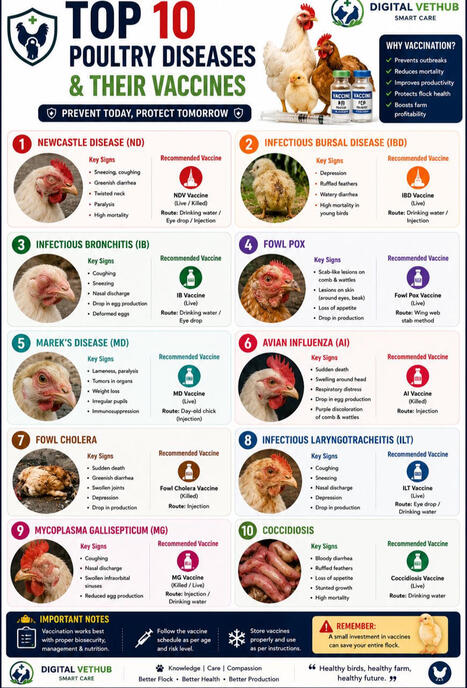
Vaccination remains one of the most effective tools in modern poultry health management.
Many major poultry diseases can cause severe economic losses, reduced productivity, and high mortality when preventive vaccination programs are ignored or delayed.
This practical guide highlights some important poultry diseases along with commonly recommended vaccines used in poultry practice.
Healthy flocks begin with prevention. Save this guide for quick reference and share it with poultry professionals, veterinarians, students, and farm managers.
Abstract Since the inception of the World Health Organization (WHO) Extended Programme on Immunization in 1974, vaccines have saved the lives of approximately 150 million children, and they continue to save 2–5 million lives each year, according to WHO estimates. The consensus around the benefit and funding of childhood vaccination in low- and middle-income countries has unraveled, and the hard-won gains of the past quarter century are at risk. At the same time, in some high-income countries, vaccine hesitancy—sometimes enabled by government policy pronouncements—has led to reductions in vaccination, resulting in outbreaks of measles in countries that had eliminated this disease. Despite these setbacks, advances in vaccine platform technologies, new immunogens, and new and expanding target populations have the potential to extend the direct and indirect effects of vaccination across the life course. In this Perspective, we discuss how each of these advances could shape the future vaccine landscape. We also highlight cross-cutting issues, including those related to equity, manufacturing, funding and vaccine hesitancy, which make successful implementation more complex.
A recent publication in Nature Medicine reports 5-year follow-up data from a phase 3 trial evaluating a single-dose live attenuated tetravalent dengue vaccine (Butantan-DV). The results show an overall efficacy of about 65% against symptomatic dengue and around 80% against severe forms, with no safety signal identified over the follow-up period .
An important aspect of dengue immunology needs to be considered when looking at longterm protection. Dengue is characterized by the coexistence of four serotypes. Infection with one serotype induces protection against that specific serotype but may increase the risk of severe disease upon subsequent infection with a different serotype. This phenomenon called antibody-dependent enhancement (ADE), is explained by the impact of non-neutralizing or subneutralizing antibodies that facilitate viral entry into host cells.
A key point is that these potentially enhancing antibodies do not appear immediately after infection or vaccination. They may emerge over time as antibody levels decline and the balance between neutralizing and non-neutralizing responses shifts. This temporal dynamic is one of the reasons why long-term follow-up is essential in dengue vaccine studies. The vaccine is designed to induce balanced immunity against all four dengue serotypes and thereby prevent the emergence of enhancing antibodies; however, this remains a theoretical goal, as neutralizing responses are not equally induced against each serotype, which may favor the development of non-neutralizing, potentially enhancing antibodies
In this study, vaccine efficacy remained significant over five years, including in individuals without prior dengue exposure, and no increase in severe dengue cases was observed in vaccinated participants . These findings are particularly relevant given previous experience with dengue vaccines, where safety concerns emerged only several years after vaccination in seronegative individuals.
Overall, these results support the importance of sustained efficacy and long-term safety assessment when evaluating dengue vaccines, in a context where immune responses can evolve over time and influence disease risk upon subsequent exposure.
Shane Crotty (La Jolla Institute for Immunology) gives a comprehensive scientific review of immunological memory to vaccines with an emphasis on human vaccines and in humans.
This review covers the key adaptive immune components involved in vaccine-mediated protective immunity: B cells, CD8+ T cells, CD4+ T cells, and antibodies.
The video lecture will cover the same material as the written review (https://www.cell.com/immunity/fulltext/S1074-7613(26)00089-0) but is not a verbatim recitation of the review article. In the interest of flow, the video lecture will have very few citations. All citations are included in the written review; please refer to the review for references.
Video Chapters 00:00 Introduction to Immunological Memory 02:10 Introduction: Vaccine Impact on Health 05:55 Introduction: Circulating and Tissue Resident Memory Cells 06:06 Layers of Immune Protection 09:00 B-cell memory to vaccines: Introduction 09:50 B-cell memory to vaccines: Durability 35:12 B-cell memory to vaccines: Functionalities 56:00 B-cell memory to vaccines: Hybrid immunity and tissue resident memory 1:06:33 CD8 T-cell memory to vaccines: Durability 1:12:45 CD8 T-cell memory to vaccines: Functionalities 1:15:49 CD8 T-cell memory to vaccines: Durability part 2 1:17:27 CD8 T-cell memory to vaccines: Hybrid immunity and tissue resident memory 1:22:53 CD8 T-cell memory to vaccines: Summary 1:26:02 CD4 T-cell memory to vaccines: Durability 1:29:53 CD4 T-cell memory to vaccines: Functionalities 1:38:45 CD4 T-cell memory to vaccines: Hybrid immunity and tissue resident memory 1:43:15 CD4 T-cell memory to vaccines: Summary 1:44:58 Antibody memory to vaccines: Introduction 1:46:16 Antibody memory to vaccines: Durability 2:09:27 Antibody memory to vaccines: Functionalities 2:09:47 Antibody memory to vaccines: Hybrid immunity and tissue memory 2:15:04 Antibody memory to vaccines: Summary 2:16:05 Holistic understanding of immune memory to vaccines
Turning mosquitoes into "flying vaccines"? Science is getting creative in the fight against infectious diseases.
A fascinating new line of research explores how mosquitoes could be used to deliver vaccines to wild bats-helping stop dangerous viruses like rabies and Nipah at their source before they spill over into humans.
Here's the idea:
Mosquitoes are engineered to carry a harmless vaccine virus
When they bite bats, they "inject" immunity
Alternative approach: mineral-rich drinking stations with edible vaccines
Why this matters:
Bats are natural reservoirs for many high-risk viruses, and traditional vaccination methods simply don't work at scale in wild populations. Instead of culling (which can backfire), scientists are looking at ecological, non-invasive solutions.
Early results are promising:
Vaccinated animals developed protective antibodies
Bats were successfully immunized via bites, ingestion, and drinking
Some survived otherwise lethal virus exposure
Of course, big questions remain-especially around environmental safety, regulation, and real-world deployment.
But this approach signals something bigger: A shift toward stopping pandemics at the source, not just reacting to them. Innovations like this could redefine how we manage zoonotic diseases in an increasingly interconnected world.
Animal health is entering a new era of innovation. Veterinary medicines, vaccines, and technologies are advancing at a remarkable pace, resulting in breakthrough therapies and scientific discoveries across the industry.The same breakthroughs transforming medicine for people—including mRNA technology, monoclonal antibodies, wearable devices, and AI-driven drug discovery—are rapidly reshaping the future of animal health and welfare. Innovations that once seemed out of reach are now readily available, benefiting farmers, pet owners, and society as a whole.Despite these dramatic benefits, animal health accounts for just 0.6 percent of global health spending. That investment gap risks slowing one of the fastest-moving frontiers in medicine and delaying breakthroughs that benefit both animals and people. After all, animal health is not adjacent to human health but integral to it. As we explore new scientific frontiers, we are only beginning to see what's possible.Read More on OpinionWe don't have to imagine why these breakthroughs matter. The latest example is already here....New World screwworm—a parasitic fly that lays flesh-eating maggots in warm-blooded animals–has entered the United States, threatening farm animals, companion animals, and the nation's beef supply. Though previous outbreaks in Texas during the 1970s and the Florida Keys in 2016 were ultimately contained, the parasite's return has alarmed farmers and pet owners.Thankfully, we have powerful new tools to suppress this outbreak and others like it. Scientists are using gene-editing techniques—originally developed to help treat human diseases—to produce sterile flies that could stop the parasite's rapid reproduction. Novel pour-on treatments to prevent and treat screwworm are being deployed in southern border states, prioritizing prevention as the first line of defense. The USDA is funding some 40 research projects on experimental approaches to kill off screwworm.It's part of a much broader wave of innovation.Consider RNA technology. Animal health scientists have been leveraging it for more than a decade, including through a distinct approach known as RNA particle technology, which utilizes self-amplifying RNA. Novel vaccines for swine influenza, canine influenza, and feline leukemia use this specialized technology to design and deliver mRNA sequences, helping to secure the food supply and keep our pets healthy.Meanwhile, mRNA technology has dramatically accelerated vaccine development for both humans and animals. Researchers in Australia are looking into an mRNA vaccine for foot-and-mouth disease in cattle, further strengthening the fight against one of the world's most devastating livestock diseases. And in the United Kingdom, researchers are using mRNA technology to guard against the ongoing threat of avian influenza.Similarly, monoclonal antibody therapies—which have transformed care for people with cancer, autoimmune diseases, and other conditions—are now being used to treat mast cell tumors and melanomas in dogs, reduce severe itching caused by atopic dermatitis, and relieve pain from osteoarthritis.The same sorts of monitoring tools that help people track their steps, heart rate, sleep, and blood oxygen content have spread to animal health, too. Farmers now rely on smart monitoring collars and ear tags—technologies designed to detect behavioral changes that could identify potential diseases in cattle before they show symptoms. These tools enable farmers and veterinarians to intervene early, before animals get seriously ill and require more expensive treatments or euthanasia. These technologies are increasingly moving beyond animal identification and monitoring to help livestock producers improve farm productivity and manage operations more efficiently.As advanced therapies become more effective and data-driven tools provide real-time health insights, the industry is shifting toward a more proactive model of care, resulting in better outcomes for animals and the people who care for them. That's significant for humans, too. Roughly 75 percent of emerging infectious diseases that afflict humans originate in animals. Healthier animals mean healthier people.Animal health also underpins global food security, sustainability, and international stability. A recent report from the Organization for Economic Co-operation and Development found that eliminating global undernourishment would require a 15 percent increase in agricultural productivity. Innovation doesn't just flow in one direction. Discoveries made by veterinary scientists often have potential applications in human medicine. Consider ivermectin, which was first developed for veterinary use before the human formulation became one of the world's most successful treatments for river blindness and lymphatic filariasis, improving millions of lives across the globe.As the return of the New World screwworm shows, animal diseases aren't just concerns for farmers and veterinarians. Animal health progress is human health progress. It's time our investment reflected that reality.Robert Kelly is senior vice president, global marketing and operations, Merck Animal Health.The views expressed in this article are the writer’s own.
A new Nature Review from Bali Pulendran asks a fundamental question for vaccinology: Are we still defining vaccine-induced protection too narrowly? For decades, vaccine development has relied heavily on antibody titres as correlates of protection. But human immunity is far more complex.
In this Review, Bali describes how systems vaccinology is revealing a different picture: protection emerges from integrated immune programs involving antibodies, T cells, innate immunity, baseline immune states, metabolism, the microbiome and tissue-level interactions.
Perhaps most importantly, the paper takes the discussion beyond discovery science. If there are multiple roads to protection, how should we design clinical trials? What should count as a correlate of protection? And how can systems-level evidence eventually become useful to regulators and vaccine developers?
This is not simply about generating more omics data. It represents a potential shift from asking: “How high is the antibody response?” to: “What architecture of immunity actually produces durable protection in humans?”
These are exactly the kinds of questions we hope to explore at VIF World 2027.
We are very happy to have Bali Pulendran joining us again on our SAB and, even more importantly, working with us to co-design this part of the scientific program for VIF World 2027 in Shanghai.
Looking forward to seeing where this discussion takes us.
"A small study showed preliminary evidence of activity in a peptide vaccine targeting KRAS mutations in pancreatic cancer.
I’ve written about an an mRNA-based pancreatic cancer vaccine that also targets KRAS, but this is a more traditional peptide vaccine, which can be used to target specific antigens on a cancer cell. ... There is a lot of research on vaccines being used to treat cancer, and pancreatic cancer, which is difficult to treat, is one of the top priorities.
Although this study was quite small, it has a remarkable success rate of preventing cancer in individuals who had a high success rate.
This can be an important tool in fighting pancreatic cancer, one of the more dangerous cancers."
𝗪𝗵𝘆 𝗦𝗼𝗺𝗲 𝗩𝗮𝗰𝗰𝗶𝗻𝗲𝘀 𝗣𝗿𝗼𝘃𝗶𝗱𝗲 𝗟𝗶𝗳𝗲𝗹𝗼𝗻𝗴 𝗣𝗿𝗼𝘁𝗲𝗰𝘁𝗶𝗼𝗻 𝗪𝗵𝗶𝗹𝗲 𝗢𝘁𝗵𝗲𝗿𝘀 𝗙𝗮𝗱𝗲, 𝗮𝗻𝗱 𝗪𝗵𝗮𝘁 𝗦𝗰𝗶𝗲𝗻𝘁𝗶𝘀𝘁𝘀 𝗔𝗿𝗲 𝗗𝗼𝗶𝗻𝗴 𝗔𝗯𝗼𝘂𝘁 𝗜𝘁 One dose of yellow fever vaccine can protect a traveler for the rest of their life. One dose of this year's influenza vaccine may lose much of its protective power within months. Both engage the very same immune system, the same B cells, the same antibody factories, the same molecular memory machinery, yet they leave behind radically different legacies of protection. This is the "memory paradox" at the heart of modern vaccinology: identical immunological hardware producing wildly divergent durability. For decades, this gap was explained mostly through clinical observation rather than mechanisms. Today, tools that let scientists watch immune memory form in real time inside human lymph nodes, combined with new methods for tracking individual B-cell lines over decades, are finally providing an evidence-based answer and a fast-growing toolkit to close the durability gap that leaves under-protected populations vulnerable to entirely preventable diseases.
Anti-Rh immunoglobulins, such as Rhogam and similar brands, are not vaccines.
💉This warning may seem silly and outdated, but incredibly, many pregnant women at risk of Rh isoimmunization who have received anti-Rh immunoglobulin preparations (such as Rhogam) believe they are vaccines and will protect them in their current and future pregnancies, or that they simply won't need them because they will be sterilized.
💉Furthermore, they underestimate the importance of administering these preparations, and even worse, they lack access to them in hospitals and cannot afford to purchase them privately.
💉RHOGAM and similar brands do not contain any antigens, so they are not vaccines. Instead, they provide immediate passive immunity (antibodies), hence the confusion. They contain IgG immunoglobulins against the D+ antigen, which react against the erythrocytes of the fetus (Rh D+), destroying or inactivating their maternal macrophage and lymphocyte antigenic stimulation.
💉During pregnancy, after 10 weeks, small amounts of fetal blood can pass into the maternal bloodstream, potentially stimulating a maternal immune response (sensitization). This response can be more pronounced after 24 weeks of gestation and in pathological conditions (trauma, placenta previa, placenta accreta, etc.).
💉Finally, with anti-Rh immunoglobulins, perinatal complications of Rh isoimmunization, such as immune hydrops fetalis, its sequelae, as well as intrauterine and postnatal fetal death, are prevented.
Sincerely, Dr. Jaider Gómez D/Gynecologist-Obstetrician. WhatsApp +584149712890/+584166741754. @consultdrjaider on Instagram and Facebook. @dr_jaider on TikTok and Instagram.
In 2003, the world’s first synthetic mRNA injections in humans were carried out in Tübingen, Germany. Many people ‘forget’ to mention this in their timelines on mRNA vaccines. So let me remind it (and please eventually correct your timelines in articles and talks): First mRNA injections in humans (in me): 2003, published in 2007 First clinical trial on mRNA vaccines: started in 2003 and published in 2008 Second clinical trial on mRNA vaccines: launched in 2004, published in 2009 Third clinical study on mRNA vaccines: launched in 2004, published in 2011. All these studies were conducted at Tübingen University Hospital by Dr Weide, Dr Brossart, myself and numerous colleagues from the University of Tübingen, Tübingen University Hospital and CureVac. All those pioneering mRNA vaccine studies showed safety and immune responses.
References are below.
Spontaneous cellular uptake of exogenous messenger RNA in vivo is nucleic acid-specific, saturable and ion dependent. Probst J, et al. Gene Ther. 2007. PMID: 17476302
Results of the first phase I/II clinical vaccination trial with direct injection of mRNA. Weide B, et al. J Immunother. 2008.PMID: 18481387 Clinical Trial.
Direct injection of protamine-protected mRNA: results of a phase 1/2 vaccination trial in metastatic melanoma patients. Weide B, et al. J Immunother. 2009.PMID: 19609242 Clinical Trial
Intradermal vaccinations with RNA coding for TAA generate CD8+ and CD4+ immune responses and induce clinical benefit in vaccinated patients. Rittig SM, et al. Mol Ther. 2011. PMID: 21189474Free PMC article
Long-term survival correlates with immunological responses in renal cell carcinoma patients treated with mRNA-based immunotherapy. Rittig SM, et al. Oncoimmunology. 2015.PMID: 27467913 Free PMC article
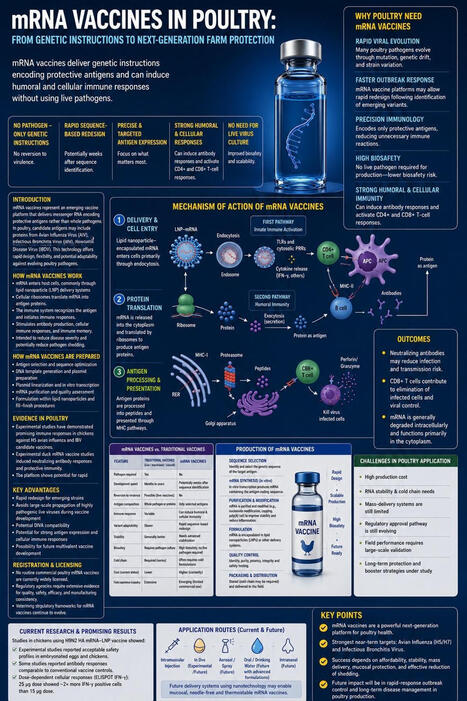
mRNA Vaccines in Poultry: Questions We Must Ask Before the Future Arrives Q1: Why are mRNA vaccines important for poultry? Because poultry pathogens such as avian influenza virus and infectious bronchitis virus can evolve rapidly. mRNA platforms may allow faster vaccine redesign once new genetic sequences are identified. Q2: How do mRNA vaccines work? They deliver messenger RNA encoding a selected protective antigen. Host cells translate this mRNA into antigen protein, which can stimulate antibody responses, cellular immunity, and immune memory. Q3: Do mRNA vaccines use live pathogens? No. They do not require live pathogen replication inside the vaccine product, which may reduce biosafety risks during development and production. Q4: What diseases could be future poultry targets? Major candidates include H5/H7 avian influenza, infectious bronchitis virus, Newcastle disease virus, and infectious bursal disease virus. Q5: Are mRNA vaccines already routine in poultry? Not yet. They remain mainly experimental or early-stage veterinary technologies. Routine poultry use still requires strong field validation, regulatory approval, and cost-effective manufacturing. Q6: What are the main advantages? Rapid redesign, precision antigen targeting, potential DIVA compatibility, reduced need for live-virus culture, and possible induction of humoral and cellular immune responses. Q7: What are the biggest challenges? Cost, cold-chain stability, mass delivery, mucosal immunity, reduction of shedding, long-term protection, and performance under real commercial farm conditions. Q8: What is the real question for the future? Not only whether mRNA can produce an antigen, but whether it can become affordable, stable, scalable, and protective at the farm level. The future of poultry vaccination may move from classical vaccine matching toward sequence-based precision immunity. #Poultry #mRNA #Vaccines #AvianInfluenza #IBV #NDV #IBDV #AnimalHealth #Biosecurity #PrecisionImmunology #OneHealth
The activation of pattern recognition receptors (PRRs) orchestrates inflammation and regulates adaptive immunity. To test whether tuning inflammation through PRR stimulation enhanced the efficacy of mRNA vaccines, we combined an mRNA-based vaccine generated against the ancestral spike protein of SARS-CoV-2 with mannadjuvant, a formulation of fungal mannan and aluminum hydroxide targeting the PRR dectin-2. In mice and non-human primates, mannadjuvant increased the magnitude and durability of the response elicited by the mRNA-based vaccine, and it also led to the induction of neutralizing antibodies directed against variants of concern with a high escape capacity, overcoming antigenic imprinting. Mechanistically, prolonged type I interferon (IFN) production and potentiated interleukin-1 (IL-1) signaling locally within the draining lymph node in mice or in human cells were necessary and sufficient to exert the effect of mannadjuvant. Our data indicate that antifungal PRRs can be harnessed to create more potent and durable mRNA-based vaccines. Jena, Qu et al. show that mannadjuvant, a formulation of fungal mannan and aluminum hydroxide, increases the magnitude, durability and breadth of the response elicited by mRNA-based vaccines against SARS-CoV-2 variants in mice and non-human primates.
🔬 Antibody-guided vaccine design is shaping the next generation of immunization. By leveraging epitope-, nanoparticle-, and scaffold-based strategies, researchers aim to achieve more precise and durable immune protection.
Challenges remain across diverse pathogens — from influenza A and HIV to malaria, RSV, and SARS-CoV-2 — yet advances in immunogenetics and personalized vaccines may unlock stronger, more targeted antibody responses.
👉 How do you see the balance between universal and personalized vaccines evolving in the coming decade?
VACCINES are most effective in harnessing the immune system to produce high levels of antibodies to stable and accessible targets. BUT, malaria parasites, HIV, and the influenza virus are capable of hiding their weakest parts from the immune system.
WHAT IF the immune system could be PROGRAMMED to produce high levels of those rare antibodies capable of finding and neutralizing the most vulnerable pathogenic features of these parasites? In this weeks issue of Science, Hartweger et al. (2026, Science 392, eadz8994) reported findings using a mouse model, in which they demonstrated that the self-amplification properties of the immune system could be harnessed to produce high levels of these rare neutralizing therapeutic antibodies. They used hematopoietic stem and precursor cells (HSPCs) to give rise to B lymphocytes activated to produce high titers of long-lasting neutralizing antibodies in mice that protected them from a lethal influenza infection.
Here is a news article highlighting this seminal research, and the avenues it has opened for future therapies for human diseases and infections:
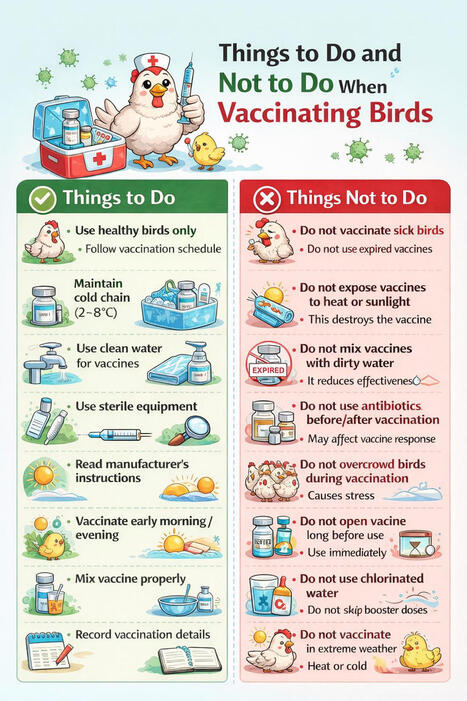
Things to Do and Not to Do When Vaccinating Birds 🐓💉
✅ Things to Do When Vaccinating Birds Use healthy birds only – Vaccinate only birds that are active and disease-free.Only vaccinate healthy birds; postpone vaccination if the flock is showing signs of illness. Follow vaccination schedule – Give vaccines at the correct age and time. Maintain cold chain (2–8°C) – Keep vaccines in a refrigerator or ice pack.Bring them out of the cooler only when ready to use. Use clean water for vaccines – Especially for drinking-water vaccines. Use sterile equipment – Clean syringes and droppers should be used. Read manufacturer’s instructions – Follow dosage and method carefully. Vaccinate early in the morning or evening – Avoid heat stress. Withhold water for 1-4 hours before vaccination to ensure birds are thirsty. Mix vaccine properly – Ensure even distribution in water or solution. Consider adding skim milk powder (about 2g per liter) to stabilize the vaccine. Ensure the vaccine is consumed within 1-2 hours. Record vaccination details – Date, vaccine name, age of birds, batch number. Walk through the house to encourage birds to move around and drink or if in Battery cage system, ensure the nipples are not blocked. Observe birds after vaccination – Monitor for reactions or stress.
❌ Things Not to Do When Vaccinating Birds Do not vaccinate sick birds – It may worsen their condition. Do not use expired vaccines – They will not work effectively. Do not expose vaccines to sunlight or heat – This destroys the vaccine. Do not mix vaccines with dirty water – It reduces effectiveness. Do not use antibiotics before or after vaccination – May affect vaccine response. Do not overcrowd birds during vaccination – Causes stress. Do not open vaccine long before use – Use immediately after opening. Do not use chlorinated water – Chlorine kills live vaccines. Do not skip booster doses – Immunity will be weak. Do not vaccinate during extreme weather – Heat or cold affects immunity.
To get content containing either thought or leadership enter:
To get content containing both thought and leadership enter:
To get content containing the expression thought leadership enter:
You can enter several keywords and you can refine them whenever you want. Our suggestion engine uses more signals but entering a few keywords here will rapidly give you great content to curate.


 Your new post is loading...