Your new post is loading...

|
Scooped by
Gilbert C FAURE
December 12, 2025 3:52 AM
|
#VAXVOICE Javier Casellas MD PID PhD @vaxvoice.org
LONG-LASTING VACCINE IMMNUNITY
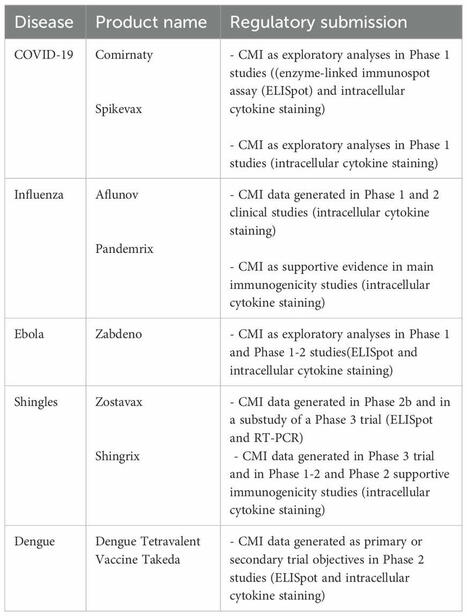
"This review covers three topics. First, we describe the immunological foundations of durable response and its determinants (e.g., vaccine design, host, and pathogen factors). Second, we summarize the current evidence regarding the durable immune responses conferred by mRNA- and adjuvanted protein-based vaccine platforms. Lastly, we discuss the challenges in developing durable mRNA vaccines and outline future considerations."
https://lnkd.in/d78SapnH
|
|
Scooped by
Gilbert C FAURE
December 7, 2025 4:15 AM
|
#VAXVOICE Javier Casellas MD PID PhD @vaxvoice.org
mRNA-LNP DENV VACCINES
"We previously demonstrated that a mRNA-LNP encoding for DENV-1 prM and Envelope proteins generates homotypic neutralizing immune responses and protects against a lethal challenge. The DENV-1 vaccine avoided ADE by eliminating the fusion loop (FL), one of the dominant ADE epitopes. Using a similar design methodology, here we present mRNA-LNP prM-E vaccines for DENV 2, 3, and 4. These vaccines maintained the ∆FL modifications, but encode a chimeric E protein to improve VLP expression and stability. All three vaccines elicited neutralizing titers of serotype specific antibodies mice and protected against a lethal homotypic DENV challenge. Mutation of the FL lowered ADE in vaccinated mouse sera. We formulated monotypic vaccines into a tetravalent vaccine and evaluated for immunogenicity and protection in mice. The tetravalent vaccine elicited neutralizing humoral responses against all DENV serotypes and protected against lethal challenges. Cumulatively, our monovalent DENV mRNA-LNP vaccines against all DENV serotypes generate protective immunity and lower the potential for ADE, leading to the development of a first-generation ADE-altered tetravalent DENV vaccine. "
https://lnkd.in/dbqUWtXn
Eduardo Eugênio Bittencourt de Gomensoro
Rebecca C. Christofferson
|
|
Scooped by
Gilbert C FAURE
November 23, 2025 5:07 AM
|
|
|
Scooped by
Gilbert C FAURE
October 15, 2025 4:49 AM
|
The treatment landscape of non-small-cell lung cancer (NSCLC) has evolved considerably with the integration of immune-checkpoint inhibitors (ICIs) into first-line regimens. However, the majority of patients will ultimately have primary resistance or develop secondary resistance, driven by a complex interplay of intrinsic tumour biology and adaptive changes within the tumour microenvironment (TME), which can be further amplified by host-related factors such as dysbiosis and organ-specific conditions. Despite these heterogeneous origins, most mechanisms of resistance to ICIs lead to an immunosuppressive TME as the final common pathway. Consequently, current strategies designed to overcome resistance aim to restore antitumour immunity via antibody-based therapies (including bispecific antibodies, T cell engagers and antibody–drug conjugates), targeted therapies, adoptive cell therapies, therapeutic vaccines or intratumoural immunotherapies. Although substantial progress has been made in identifying potential biomarkers associated with immune resistance, the clinical relevance of many of these observations remains limited. Biomarker-driven studies using adaptive, hypothesis-generating designs might offer a promising path forward by navigating the complexity of resistance and enabling the timely evaluation of novel therapeutic concepts. In this Review, we summarize the latest advances in addressing resistance to ICIs in patients with advanced-stage NSCLC and provide insights into emerging clinical strategies and future research directions. Immune-checkpoint inhibitors have dramatically improved the outcomes in patients with advanced-stage driver-negative non-small-cell lung cancer (NSCLC), although most patients will ultimately have disease progression on these agents and the most effective treatment approach in this scenario remains uncertain. In this Review, the authors describe the outcomes in patients receiving second-line therapy for advanced-stage NSCLC and provide an overview of emerging therapies and future areas of research in this challenging clinical setting.
|
|
Scooped by
Gilbert C FAURE
September 10, 2025 1:49 PM
|
|
|
Scooped by
Gilbert C FAURE
August 1, 2025 3:30 AM
|
📣 We have today announced the launch of the world’s first library of immune-boosting adjuvants that can be ‘taken off the shelf’ and used to enhance new vaccines being developed against epidemic and pandemic threats.
The $2.5 million project—funded and led by CEPI—will act as a matchmaking service, helping vaccine developers select the best vaccine-adjuvant combinations to make their vaccines more potent and effective. The UK’s Medicines and Healthcare products Regulatory Agency will host the repository of 25 adjuvants shared by leading research institutes and medical companies around the world.
Vaccine-enhancing adjuvants have played a powerful role in transforming our response to deadly diseases over the past century. The ingredients are added to the majority of vaccines to enhance the immune response, creating stronger and longer lasting protection against infections than the vaccine alone.
In the case of an outbreak of a new Disease X, the adjuvant library could help quickly identify the top-performing vaccine-adjuvant pairings to contain the spread of the virus before it reaches pandemic proportions.
🔗 Discover more in the link below.
|
|
Scooped by
Gilbert C FAURE
June 24, 2025 7:58 AM
|
Vaccines are complex biological medicinal products developed with the aim to generate protective immunity against specific infectious diseases in
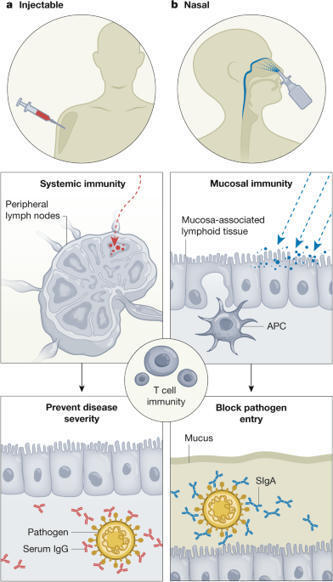
Beginning with Edward Jenner’s discovery of the smallpox vaccine, the ever-expanding repertoire of vaccines against pathogens has saved many lives. During the COVID-19 pandemic, a revolutionary mRNA injectable vaccine emerged that effectively controlled the severity of disease caused by SARS-CoV-2. This vaccine induced potent antigen-specific neutralizing serum IgG antibodies, but was limited in its ability to prevent viral invasion at the respiratory surfaces. Nasal vaccines have attracted attention as a potential strategy to combat respiratory infections and prepare for future pandemics. Input from disciplines such as microbiology, biomaterials, bioengineering and chemistry have complemented the immunology to create innovative delivery systems. This approach to vaccine delivery has yielded nasal vaccines that induce secretory IgA as well as serum IgG antibodies, which are expected to prevent pathogen invasion, thereby diminishing transmission and disease severity. For a nasal vaccine to be successful, the complexity of the relevant anatomical, physiological and immunological properties, including the proximity of the central nervous system to the nasal cavity, must be considered. In this Review, we discuss past and current efforts as well as future directions for developing safe and effective nasal vaccines for the prevention of respiratory infections. This Review provides an overview of progress and future directions in the development of nasally administered vaccines for respiratory infections.
|
|
Scooped by
Gilbert C FAURE
April 19, 2025 2:29 AM
|
Malaria vaccine research has progressed significantly, with RTS,S/AS01 and R21/Matrix-M receiving WHO endorsement in 2021 / 2023. These vaccines show promise, but challenges like vaccine adherence, strain variation, and resistance persist, highlighting the need for more effective, broad-reaching interventions.
|
|
Scooped by
Gilbert C FAURE
April 4, 2025 11:51 AM
|
Gavi and its partners have identified 11 needle-free vaccine patches that should be prioritised to boost immunisation coverage in low- and middle-income countries.
|
|
Scooped by
Gilbert C FAURE
March 27, 2025 5:00 AM
|
Vaccines are one of the most effective #PublicHealth tools in our toolbox. Combination vaccines, where one vaccine covers multiple diseases or strains, could…
|
|
Scooped by
Gilbert C FAURE
February 5, 2025 5:01 AM
|
Interesting mini symposium
|
|
Scooped by
Gilbert C FAURE
January 27, 2025 4:09 AM
|
Norovirus Vaccines: Unlocking the Next Frontier in Global Health
Did you know norovirus causes over 677 million cases of gastroenteritis annually, costing $60…
|
|
|
Scooped by
Gilbert C FAURE
December 9, 2025 3:36 AM
|
🔬 New pre-print alert: I'm thrilled to share the latest findings from our group at Genentech, now live on bioRxiv!
"Recurrent RNA-lipoplex vaccination is required to sustain functional tumor-infiltrating neoantigen-specific CD8 T cells and therapeutic efficacy"
❓ The Challenge: Limited vaccine activity in established tumors
While neoantigen vaccines show promising clinical benefit in the adjuvant setting following surgical resection, their efficacy has been limited in patients with advanced solid tumors. Our pre-clinical study sought to understand why vaccine-induced T cells fail to eliminate established tumors.
🛠️ Our Approach: Tracking vaccine-induced CD8 T cells in the tumor microenvironment
Using histology, flow cytometry, and single cell RNA and TCR sequencing, we monitored the fate of RNA-lipoplex vaccine-induced CD8 TILs and changes to the TME following neoantigen vaccination.
💡 Key Findings: Vaccine-induced CD8 T cells are short-lived in the TME
- TME remodeling: Neoantigen RNA-LPX vaccination remodeled the TME, driving robust T cell infiltration and promoting a pro-inflammatory myeloid compartment. This was effective at eliminating small, immature tumors, but only delayed growth in larger, established tumors.
- Rapid T cell loss: While vaccine-induced CD8 T cells were long-lived in the blood, intratumoral T cells rapidly declined in abundance and diversity shortly after the last vaccination.
- Transcriptional signatures of dysfunction: scRNA-seq revealed that this T cell contraction was associated with a pro-apoptotic program, and the surviving TILs showed transcriptional signatures of cellular stress and impaired activation, reverting to a pre-vaccination-like state.
- Recurrent vaccination drives activity: Crucially, implementing a recurrent vaccination schedule effectively replenished the pool of proliferative and cytotoxic neoantigen-specific CD8 TILs in the tumor, leading to enhanced therapeutic efficacy and better tumor growth control.
🔗 Read the full pre-print on bioRxiv: https://lnkd.in/gYq_fB2h
|
|
Scooped by
Gilbert C FAURE
November 27, 2025 3:30 AM
|
🎉 NEW PAPER PUBLISHED 🔬
Over a century after its introduction, the BCG vaccine continues to surprise us. Despite being given to billions of people, we still know remarkably little about what actually happens in the skin and blood in the hours and days right after intradermal BCG vaccination. Our team set out to change that.
In this study, conducted in Guinea-Bissau, we developed and validated a completely new experimental pipeline—bringing cutting-edge “omics” technologies into a difficult low-resource setting—to map the local (skin) and systemic (blood) immunological events following BCG.
Here are some of the most exciting methodological advances:
✨ 1. Spatial transcriptomics on 2 mm skin punch biopsies from healthy volunteers with and without a BCG scar
Using Nature’s 2020 Method of the Year, we assessed gene expression within the actual tissue architecture of the skin. For the first time, we could identify which cell types in the epidermis, dermis, and hypodermis respond to BCG, and how.
✨ 2. Liquid biopsy: Cell-free RNA (cfRNA) Profiling
By capturing cell-free RNA from plasma, we non-invasively traced molecular signals released from the skin into the bloodstream. This offers the prospect of blood-based biomarkers that reflect tissue-level vaccine responses—a major step toward scalable immune monitoring.
✨ 3. Multiomics integration
We combined spatial transcriptomics, whole-blood transcriptomics, epigenetics, proteomics, metabolomics, & advanced computer-vision analysis of dermatoscopic images.
✨ 4. Precision study in a low-resource setting
From dermatoscopic imaging (using a smartphone-based system) to standardized storage/processing workflows (see Fig. 2 in the paper), we demonstrated that highly advanced immunology is possible in West Africa—opening the door for larger trials in populations where BCG’s effects matter most.
✨ 5. Capturing early immune events never previously characterized
By sampling on day 1, 7, & 14, and stratifying participants by presence/absence of pre-existing BCG scars, this project may shed light on why BCG given at birth has such profound survival benefits—and why revaccination responses differ.
Why this matters:
Most new TB vaccines build on BCG, yet the early steps of how BCG “trains” the immune system have never been fully mapped. Understanding these local and systemic events may be important for designing better vaccines—not only against TB, but potentially against a wide range of infections where BCG has shown non-specific (heterologous) benefits.
A huge thank you to our incredible collaborators across Guinea-Bissau, Denmark and Canada. And especially to the participants in Bissau who made this study possible.
If you’re interested in immunology, systems biology, vaccine innovation or (of course) vaccine epidemiology, let me hear your thoughts and/or connect with me here on LinkedIn.
📄 The full paper is available open access (link in comments) - & we have more interesting to come from this project.
|
|
Scooped by
Gilbert C FAURE
November 22, 2025 2:50 AM
|
While the development of preventive vaccines is hindered by the sporadic nature of IFDs in vulnerable individuals, developing therapeutic vaccines for fungal diseases could find an easier road. In this context, IFDs tend to be chronic, with prolonged courses, which would allow time for vaccination...
|
|
Scooped by
Gilbert C FAURE
October 8, 2025 3:34 AM
|
MHC-E is a highly conserved, non-polymorphic MHC protein that engages inhibitory and activating receptors on natural killer (NK) cells and T cells and can also present antigens to T cell receptors. NK cell responses driven by activating receptor interactions with MHC-E are implicated in controlling chronic viral infections and cancer. Immunotherapeutic targeting of interactions between MHC-E and inhibitory receptors to increase the activation of NK cells and T cells shows promise in improving antitumour immune responses. Furthermore, MHC-E-restricted CD8+ T cells elicited by cytomegalovirus-based vaccines might, for certain infections and cancers, be more effective than CD8+ T cells restricted by classical MHC class I or class II molecules. The ability of MHC-E to regulate or mediate both innate and adaptive immune responses independently of the MHC haplotype of an individual raises the possibility of new, universally effective vaccines and immunotherapies for infectious disease and cancer. Although the therapeutic exploitation of MHC-E is still in its infancy, recent advances in the understanding of MHC-E biology show enormous potential, as described in this Review. The dual nature of non-polymorphic MHC-E as a ligand for innate receptors and as an antigen-presenting protein raises the possibility of new, universally effective vaccines and immunotherapies for infectious disease and cancer that are independent of the MHC haplotype of an individual.
|
|
Scooped by
Gilbert C FAURE
August 7, 2025 4:31 AM
|
Vaccines are a polarizing topic right now—easier to say it than ignore it.
But what isn’t polarizing is this: there are people and service members in remote, underserved, and conflict-affected parts of the world still vulnerable to some of the deadliest diseases on earth because of a lack of infrastructure. Diseases like Ebola and Marburg. And protection from them still requires deep freezers and trained clinicians to prepare and administer today’s tools.
Today, we announced new stability data on our intranasal vaccine candidate—a platform built on a well-established vector designed not just with the intention to protect, but to reach.
Grateful to everyone involved so far. Still more work to do, but this moonshot may just have legs. #AMR #Access
|
|
Scooped by
Gilbert C FAURE
July 29, 2025 3:02 AM
|
Our new research has validated the MAPVac scale, a tool to measure how adults perceive microarray patches (MAPs) for vaccination!
MAPs are a needle-free, less painful, and easier-to-administer method for delivering vaccines.
The MAPVac scale showed strong reliability and measures attitudes toward MAP safety, ease of use, and acceptability.
Read more: https://lnkd.in/gR3c5Xnc
Thank you to my incredible team, Dr Erin Mathieu, Dr Yu Sun Bin, Dr Cristyn Davies, Josh Harmer-Ross, Professor Ramon Z. Shaban Dr Shopna Bag, and Prof Rachel Skinner.
Sydney Infectious Diseases Institute, Medicine and Health - University of Sydney, Western Sydney Local Health District
|
|
Scooped by
Gilbert C FAURE
May 24, 2025 5:15 AM
|
The search for potent malaria vaccine candidate has seen several twists and turns. Here, we provide a perspective on the current state of PfRH5-based malaria vaccine development, the progress, existing challenges, and future research directions. We discuss the clinical trials in endemic regions, immune correlates of protection, prospects of integrating PfRH5 into multi-antigen vaccine strategies and considerations on the onward development/deployment of PfRH5 vaccine from the laboratory to endemic communities.
|
|
Scooped by
Gilbert C FAURE
April 19, 2025 4:24 AM
|
The effectiveness of intramuscular vaccines aimed at preventing severe COVID-19 remains limited due to waning immunity and the emergence of novel variants. Next-generation vaccines are needed for broader protection and blocking virus transmission. Here, we rationally designed an original nasal subunit vaccine composed of a fusion protein (SwFN) made of Wuhan spike and nucleoprotein combined with biocompatible mucosal nanocarriers (Nc). In mouse model, the nasal Nc-SwFN vaccine elicited multivalent serum and mucosal neutralizing antibodies. Robust spike and nucleoprotein cross-reactive immunity against variants was induced with a predominant phenotype of resident memory T cells in the lungs. Moreover, Nc-SwFN led to protective responses against Wuhan and Delta infection in relevant models with an absence of morbidity, mortality, and virus dissemination in the lungs and brain. Finally, Nc-SwFN drastically reduced host-to-host transmission. These promising results underscore the advantages of the nasal Nc-SwFN approach as a broad-spectrum vaccine candidate against current and emerging SARS-CoV-2 variants.
|
|
Scooped by
Gilbert C FAURE
April 13, 2025 7:52 AM
|
#highlyviewed
📢 An Update on Anti- #COVID19 #Vaccines and the Challenges to Protect Against New #SARSCoV2 Variants
👨🎓 by Fábio Mambelli et al.
🔗 Full article: mdpi.com/2076-0817/14/1/23
The COVID-19 pandemic has posed a significant threat to global health systems, with extensive impacts across many sectors of society. The pandemic has been responsible for millions of deaths worldwide since its first identification in late 2019. Several actions have been taken to prevent the disease, including the unprecedented fast development and global vaccination campaigns, which were pivotal in reducing symptoms and deaths. Given the impact of the pandemic, the continuous changes of the virus, and present vaccine technologies, this review analyzes how, so far, we have met the challenge posed by the emergence of new variants and discusses how next-generation pan-coronavirus vaccines, with enhanced longevity and breadth of immune responses, may be tackled with alternative administration routes and antigen delivery platforms. By addressing these critical aspects, this review aims to contribute to the ongoing efforts to achieve long-term control of COVID-19, stimulating the discussion and work on next-generation vaccines capable of facing future waves of infection.
|
|
Scooped by
Gilbert C FAURE
March 27, 2025 5:10 AM
|
🧬 𝗡𝗲𝘄 𝗦𝘁𝘂𝗱𝘆 𝗥𝗲𝘃𝗲𝗮𝗹𝘀 𝗛𝗼𝘄 𝗺𝗥𝗡𝗔 𝗖𝗢𝗩𝗜𝗗-𝟭𝟵 𝗩𝗮𝗰𝗰𝗶𝗻𝗲𝘀 𝗧𝗿𝗮𝗶𝗻 𝘁𝗵𝗲 𝗜𝗺𝗺𝘂𝗻𝗲 𝗦𝘆𝘀𝘁𝗲𝗺’𝘀 '𝗟𝗼𝗻𝗴-𝗧𝗲𝗿𝗺…
|
|
Scooped by
Gilbert C FAURE
February 20, 2025 6:40 AM
|
A fundamental challenge for cancer vaccines is to generate long-lived functional T cells that are specific for tumour antigens. Here we find that mRNA–lipoplex vaccines against somatic mutation-derived neoantigens may solve this challenge in pancreatic ductal adenocarcinoma (PDAC), a lethal cancer with few mutations. At an extended 3.2-year median follow-up from a phase 1 trial of surgery, atezolizumab (PD-L1 inhibitory antibody), autogene cevumeran1 (individualized neoantigen vaccine with backbone-optimized uridine mRNA–lipoplex nanoparticles) and modified (m) FOLFIRINOX (chemotherapy) in patients with PDAC, we find that responders with vaccine-induced T cells (n = 8) have prolonged recurrence-free survival (RFS; median not reached) compared with non-responders without vaccine-induced T cells (n = 8; median RFS 13.4 months; P = 0.007). In responders, autogene cevumeran induces CD8+ T cell clones with an average estimated lifespan of 7.7 years (range 1.5 to roughly 100 years), with approximately 20% of clones having latent multi-decade lifespans that may outlive hosts. Eighty-six percent of clones per patient persist at substantial frequencies approximately 3 years post-vaccination, including clones with high avidity to PDAC neoepitopes. Using PhenoTrack, a novel computational strategy to trace single T cell phenotypes, we uncover that vaccine-induced clones are undetectable in pre-vaccination tissues, and assume a cytotoxic, tissue-resident memory-like T cell state up to three years post-vaccination with preserved neoantigen-specific effector function. Two responders recurred and evidenced fewer vaccine-induced T cells. Furthermore, recurrent PDACs were pruned of vaccine-targeted cancer clones. Thus, in PDAC, autogene cevumeran induces de novo CD8+ T cells with multiyear longevity, substantial magnitude and durable effector functions that may delay PDAC recurrence. Adjuvant mRNA–lipoplex neoantigen vaccines may thus solve a pivotal obstacle for cancer vaccination. In a phase 1 trial, patients with pancreatic ductal adenocarcinoma who were treated with surgery and bespoke neoantigen mRNA vaccines combined with anti-PD-L1 and chemotherapy exhibited marked long-lived persistence of neoantigen-specific CD8+ T cell clones, which correlated with prolonged recurrence-free survival at a 3.2-year follow-up.
|
|
Scooped by
Gilbert C FAURE
February 1, 2025 11:43 AM
|
Vaccines and treatments are up for approval in early to mid-2025, including a chikungunya vaccine, a meningococcal vaccine, a monoclonal antibody for RSV, and more.
|