Your new post is loading...

|
Scooped by
Roland Schegg
February 23, 10:08 AM
|
Global hotel brands are increasingly moving into residential-style accommodations to capture demand traditionally served by short-term rental platforms such as Airbnb. Rising interest in multigenerational travel and longer stays is driving demand for larger, professionally managed living spaces. Major groups including Marriott and Hilton are launching apartment-like products that combine home comfort with hotel services. This trend suggests a gradual convergence between traditional hospitality and short-term rental models.
|
|
Scooped by
Roland Schegg
February 19, 2:08 AM
|
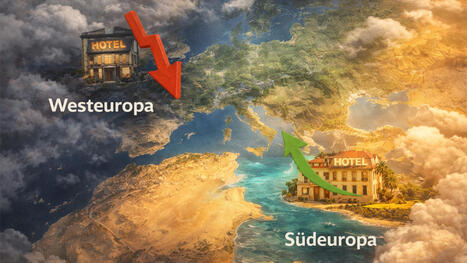
"Die Zahlen klingen zunächst solide: Der Hotelmarkt in West-Europa wächst, die Erlöse steigen. Doch hinter dem moderaten Umsatzplus verbirgt sich eine strukturelle Schwäche. Während andere Regionen Europas ihre Margen stabilisieren oder sogar ausbauen, gerät ausgerechnet der reife westeuropäische Markt zunehmend unter Profitabilitätsdruck. Steigende Arbeitskosten, höhere Vertriebsaufwendungen und strukturelle Kostenverschiebungen lassen die Gewinnmargen erodieren."
|
|
Scooped by
Roland Schegg
February 5, 9:51 AM
|
"Guest expectations in hospitality are shifting away from operational perfection toward emotionally grounded, human experiences. Increasingly overstimulated travelers value authenticity, awareness, and intentional interaction more than procedural efficiency alone. The arrival experience, leadership culture, service approach, and authentic brand values all influence whether guests feel genuinely welcomed or merely processed. This shift signals a broader return to hospitality’s human foundations rather than a rejection of operational excellence."
|
|
Scooped by
Roland Schegg
February 1, 9:06 AM
|
"Discover the top 50 cities worldwide with the strictest short-term rental (STR) regulations. From New York to Tokyo, these destinations have imposed tough restrictions—banning entire-home rentals, capping nights, or requiring host occupancy. See how governments are cracking down on Airbnb-style stays to combat housing shortages and overtourism."
|
|
Scooped by
Roland Schegg
January 30, 1:31 AM
|
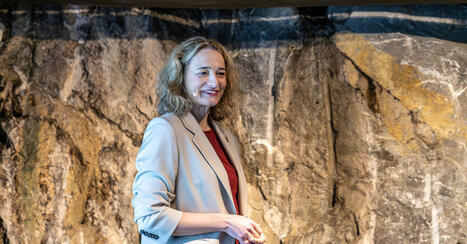
La directrice générale de Swiss Deluxe Hotels, explique pourquoi le luxe contemporain se fait plus discret, plus personnel et plus exigeant, et en quoi l’excellence se manifeste dans le souci du détail, l’attitude et la relation aux personnes.
|
|
Scooped by
Roland Schegg
January 27, 3:16 AM
|
"International tourism has moved beyond pre-pandemic levels, pushing many European cities into a phase of sustained visitor overload that directly affects hotel operations, pricing power, and community relations. Overtourism is not simply about crowd size, but about shallow visitor behavior, pressure on housing and labor markets, and the perception that tourism no longer benefits locals. Cities are responding with higher prices, access controls, and technology-driven crowd management—measures that increasingly influence hotel demand patterns. For hoteliers, the core issue is how to remain profitable while aligning more closely with resident interests and long-term destination health.
Key takeaways
Overtourism reshapes demand quality: The issue is less about volume and more about low cultural engagement, short stays, and social-media-driven “checklist tourism” that strains neighborhoods without proportional economic return."
|
|
Scooped by
Roland Schegg
January 26, 9:26 AM
|
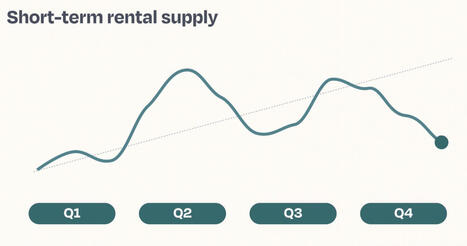
"Short-term rentals have long been framed as an existential threat to hotels, but nearly two decades after Airbnb’s rise, both accommodation types continue to coexist. The article argues that the competitive risk posed by short-term rentals is uneven, market-specific, and often misunderstood. Rather than a permanent substitute for hotels, short-term rentals behave as an opportunistic and highly flexible form of supply. For hoteliers, the real opportunity lies in understanding when and where this flexibility matters—and using data, regulation awareness, and differentiation to respond effectively.
Key takeaways
Short-term rentals operate as opportunistic supply: Unlike hotels, short-term rentals can enter and exit the market quickly, concentrating inventory around peak demand periods and disappearing afterward.
Hotels face seasonal vulnerability, not constant competition: Short-term rental supply fluctuates around high-demand events and seasons, while hotel supply remains largely static throughout the year."
|
|
Scooped by
Roland Schegg
January 20, 10:36 AM
|
Kunst auf über 2100 Metern ist ungewöhnlich. Im Interview erklärt Sandra Bütler, CEO Pilatus-Bahnen AG, warum sie mit Annabelle Schneider eine begehbare Installation ins Pilatus Kulm Hotel holt.
|
|
Scooped by
Roland Schegg
January 19, 3:05 PM
|
"Airbnb is accelerating its push into hotel distribution by creating a dedicated hotels leadership team and hiring senior executives with deep hotel and OTA experience. The move signals a deliberate strategy to expand beyond short-term rentals, partly as a response to growing regulatory pressure on home-sharing markets. By strengthening hotel partnerships and distribution capabilities, Airbnb is positioning hotels as a major growth lever. The initiative could place Airbnb in more direct competition with established online travel agencies."
|
|
Scooped by
Roland Schegg
January 16, 4:33 AM
|
The hospitality industry is entering a period of accelerated transformation driven by changing consumer expectations, economic constraints, and rapid advances in technology. Deloitte’s January 2026 report argues that traditional scale-driven growth models are no longer sufficient in a market defined by fragmented demand, AI-driven discovery, and heightened scrutiny from communities, regulators, and investors. Travelers increasingly seek emotionally resonant, personalized experiences, while operators face capital constraints, workforce shortages, and social backlash against mass tourism. To navigate this crossroads, hospitality companies must rethink how they design experiences, deploy technology, manage operations, and define responsible growth.
|
|
Scooped by
Roland Schegg
January 15, 2:09 AM
|
Was ist ein Hotel im Jahr 2035? Ein Ort zum Übernachten, ein sozialer Treffpunkt, eine mobile Arbeitsplattform oder das wirtschaftliche Herz einer ganzen Region? Mit dem Weißbuch «Future Hotel – Future Projections for 2035» entwirft das Fraunhofer-Institut für Arbeitswirtschaft und Organisation IAO drei Zukunftsszenarien für die Hotellerie von morgen.
|
|
Scooped by
Roland Schegg
January 5, 3:07 AM
|
"Das Fraunhofer-Institut für Arbeitswirtschaft und Organisation IAO hat im Rahmen seines Innovationsnetzwerks FutureHotel ein neues Weißbuch mit dem Titel Future Hotel – Future Projections for 2035 veröffentlicht. Die Autorinnen Constanze Heydkamp und Vanessa Borkmann präsentieren darin drei wissenschaftlich fundierte Zukunftsbilder, welche die künftigen Rollen der Hotellerie definieren. Die Untersuchung stützt sich auf eine tiefgreifende Analyse gesellschaftlicher, technologischer sowie ökonomischer Entwicklungen und integriert Erkenntnisse aus Fachworkshops mit Branchenexperten. Im Fokus der Betrachtung stehen die Nachhaltigkeit, die fortschreitende Digitalisierung sowie die Einbindung der Betriebe in lokale Ökosysteme."
|
|
Scooped by
Roland Schegg
December 17, 2025 4:56 AM
|
Despite the growing influence of OTAs and AI-powered travel assistants, hotel guests continue to favor direct relationships with hotels. Travelers value being recognized, appreciated, and understood—expectations that third-party platforms and automated booking flows struggle to meet consistently.
The challenge for hotels is therefore not guest intent, but execution. Too often, direct-only value is unclear, inconsistent, or poorly communicated. The following practical strategies show how hotels can convert this underlying preference into measurable direct bookings by combining first-party data, thoughtful personalization, and genuine human connection.
|
|
|
Scooped by
Roland Schegg
February 19, 2:10 AM
|
Die Prognosen von Phocuswright für das Jahr 2026 markieren eine Zäsur. Die Reisebranche verlässt die Phase der Experimente und Visionen – und tritt in eine operative Realität ein, in der künstliche Intelligenz (KI), neue Nachfragemuster und eine fragmentierte Vertriebslandschaft konkrete wirtschaftliche Konsequenzen haben. Für Hotelbetreiber – auch in der DACH-Region – bedeutet das weniger Zukunftsmusik und mehr unmittelbaren Handlungsdruck.
|
|
Scooped by
Roland Schegg
February 18, 12:02 AM
|
Today’s luxury hospitality landscape is shifting away from visible extravagance toward a more subtle concept often described as quiet luxury. Research combining interviews, property benchmarks, review analysis and industry reports suggests that affluent travelers now prioritize authenticity, seamless service and strong connections to local culture. Hotels are responding by emphasizing discreet design, personalized service and experiential offerings rather than overt displays of wealth. The trend reflects evolving guest expectations and a broader redefinition of what luxury means in modern travel.
Key takeaways
Shift toward quiet luxury: Travelers increasingly value understated quality, seamless service and authentic experiences rather than traditional symbols of opulence.
Preference for secluded locations: Demand is rising for discreet, off-the-grid destinations or properties offering privacy even within major cities.
|
|
Scooped by
Roland Schegg
February 2, 4:22 AM
|
Hotels can no longer rely on a fixed or reactive distribution strategy in a fast-changing travel market. The Amadeus guide argues that an actively managed, diversified channel mix is essential to generate sustainable demand, reduce risk, and protect profitability across all hotel types. It outlines a structured five-step framework that helps hotels align guest segments, distribution channels, and commercial goals while continuously adapting to market shifts. The central message is clear: balancing direct and third-party channels through data and ongoing optimization is now a strategic necessity, not a tactical choice.
|
|
Scooped by
Roland Schegg
January 30, 1:32 AM
|
Ein Like, ein Match, ein Job. Was nach Dating-App klingt, ist im Bündner Tourismus Realität. Graubünden Job Match vernetzt Betriebe und Stellensuchende.
|
|
Scooped by
Roland Schegg
January 27, 9:09 AM
|
In 2026, the difference between high-performing hotels and the rest is less about which tools they use and more about how their teams work with data every day. Technology enables access to information, but culture determines whether insights are trusted, shared, and acted on quickly. Hotels that treat data as a common language across departments move faster, align better, and make more confident decisions. For hoteliers, building a strong data culture has become just as critical as investing in modern systems.
Key takeaways
Data culture outweighs tools and dashboards: Advanced systems deliver limited value if teams do not trust the data or feel empowered to act on it.
Trust in data replaces intuition-driven decisions: When data becomes the primary reference point, teams move away from assumptions and outdated habits toward evidence-based action.
|
|
Scooped by
Roland Schegg
January 26, 9:53 AM
|
"If you are a hotelier who still sees short-term rentals as an existential threat, this piece will help to give you a more nuanced understanding of them- what makes them fundamentally different from hotels, where the real threats lie, but also the ways in which hoteliers can capitalize on the differences between the two."
|
|
Scooped by
Roland Schegg
January 22, 2:03 AM
|
Die österreichische Hotellerie startet mit stabiler Nachfrage, aber wachsendem wirtschaftlichem Druck in das Jahr 2026. Trotz guter Auslastung bleibt die Ertragslage vieler Betriebe angespannt. Laut aktuellem Markt- und Trendreport liegt die Ursache weniger auf der Nachfrageseite als in einer strukturellen Verschiebung von Kosten, Erträgen und saisonaler Abhängigkeit. 2026 wird damit kein Jahr eines neuen Aufschwungs, sondern ein Jahr grundlegender strategischer Entscheidungen.
|
|
Scooped by
Roland Schegg
January 20, 3:48 AM
|
Key Data Dashboard’s 2026 travel outlook highlights a structural shift away from concentrated, seasonal demand toward a more distributed and data-driven market. Secondary and emerging destinations are outperforming traditional gateway cities as travelers seek flexibility, space, and alternative experiences. Remote work, technology expectations, and sustainability considerations are reshaping booking behavior and guest expectations. At the same time, access to real-time market intelligence is becoming a decisive advantage for operators navigating increasingly uneven demand patterns.
|
|
Scooped by
Roland Schegg
January 16, 8:40 AM
|
Sustainability in hospitality has evolved from visible gestures to a comprehensive operational discipline focused on measurable outcomes, efficiency, and community impact. Sustainability can be embedded across data tracking, renovations, energy and water management, waste reduction, and guest experience design. In resource-constrained and highly regulated environments, sustainability is increasingly treated as a core business function rather than a standalone initiative. Hotels of any size can adopt scalable practices that reduce costs, meet guest expectations, and strengthen their role within the local community.
Key takeaways
Sustainability as a business system: Modern hotel sustainability is no longer symbolic but integrated into operations, investment decisions, workforce culture, and guest experience design.
Measurement drives credibility: Data tracking across energy, water, waste, and social impact is essential to accountability, informed decision-making, and continuous improvement.
|
|
Scooped by
Roland Schegg
January 15, 2:09 AM
|
Luxus hat sich verändert. Er zeigt sich weniger in Marmor, Butler-Service und Markensymbolen, sondern in Zeit, Gesundheit, Sinn und intensiven Erlebnissen. Marriott, der grösste Hotelkonzern der Welt, reagiert auf diesen Wertewandel und schärft das Profil seines Luxusportfolios grundlegend, wie Hotel Inside jetzt erfahren hat. Die neue Strategie setzt bewusst auf Wohlbefinden, soziale Verbundenheit und transformative Reiseerfahrungen.
|
|
Scooped by
Roland Schegg
January 12, 11:12 AM
|
As 2026 approaches, hotel performance is increasingly shaped by coherence rather than isolated innovation. Leading hotels are aligning experience, operations, and technology into a single system that reinforces execution and scalability. Guest experience is no longer treated as an overlay or corrective layer, but as the structural logic guiding how hotels are designed and run. This shift reflects a broader move from experimentation toward disciplined, system-level integration.
Key takeaways
Experience as structure, not overlay: Guest experience increasingly defines operational design, influencing workflows, decision rights, and information flow from the outset rather than being “fixed” afterward.
|
|
Scooped by
Roland Schegg
December 23, 2025 6:22 AM
|
2025 war geprägt von einer paradoxen Situation: Auf den ersten Blick lief vieles gut. Die Nachfrage nach Reisen blieb hoch, der Leisure-Markt boomte weiter, Städte wie Zürich, Genf, Wien oder München profitierten von Events, Messen und internationalem Tourismus. Gleichzeitig verschärften sich die strukturellen Probleme dramatisch.
Steigende Energie- und Personalkosten, anhaltender Fachkräftemangel, wachsende Abhängigkeit von OTAs und der massive technologische Vorsprung großer Hotelgruppen gegenüber der Individualhotellerie wurden unübersehbar. In Europa, insbesondere in der DACH-Region, zeigte sich 2025 immer deutlicher: Die Spreizung zwischen Gewinnern und Verlierern nimmt zu.
Die Schweiz stand dabei exemplarisch für diese Entwicklung. Einerseits hohe Nachfrage, stabile Preise, starke Destinationen. Andererseits eine kleinteilige, oft überalterte Hotelstruktur, viele Betriebe ohne Nachfolgelösung, ohne klare Positionierung und ohne digitale Kompetenz. 2025 war das Jahr, in dem man nicht mehr wegsehen konnte.
|


 Scoop.it!