


Published on Sep 7, 2014
Martha Teichner looks back at the causes and ramifications of what was supposed to have been "the war to end all wars."


 Your new post is loading...
 Scoop.it! Published on Sep 7, 2014 Martha Teichner looks back at the causes and ramifications of what was supposed to have been "the war to end all wars." 
No comment yet.
Sign up to comment
Scoop.it!
Published on Sep 11, 2014 Acronyms like NATO, the EU, and UNICEF are everywhere in the news and it can be hard keeping them all straight. What do each of these organizations do? Here’s our guide to decoding the alphabet soup of world organizations.
Scoop.it!
Published on Jan 17, 2014 A history of the living room, from a medieval great hall to a Victorian parlour. Presented by Lucy Worsley and originally aired on BBC4 in 2011.
Reeler Centre's insight:
This is a lively and engrossing series which also includes the bedroom, bathroom and kitchen which you can watch on this channel.
Scoop.it!

10 September 2014 With remnants of the towers and names of the victims on its walls, the September 11 Memorial Museum is a reminder of 9/11, writes Lisa-Anne Julien
Scoop.it!
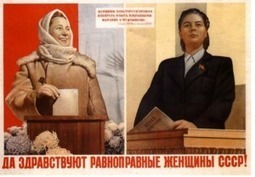
"The state invested money in weapons, but not in the everyday life of its citizens, who were forced to fare for themselves. You enter the store and see empty shelves, over and over again. I remember how my grandmother would turn my mother’s dresses into mine, or how my parents bought me a pair of shoes from the traveling Poles.
Scoop.it!
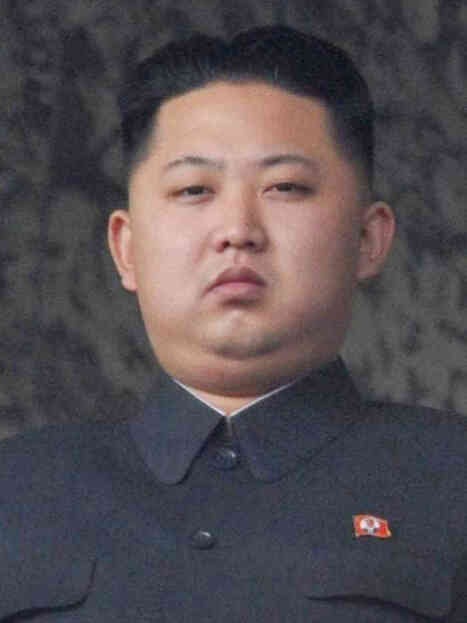
Want to see Kim Jong-un's latest PR stunt, or sing along to Moranbong Band's hits? North Korea Tech rates the most popular YouTube channels posting footage on the secretive state
Reeler Centre's insight:
If you are teaching around the rise of Communism or the Cold War you may want to check these out. They give one an absolutely chilling sense of what it means to live in a totalitarian society. This concert by the Moranbong Band features pictures of Kim Jong-Un...with carbon-copy unsmiling Party faithful applauding at regular intervals. This clip shows delirious citizens throwing themselves into a harbour just to touch Kim Jong-Un's boat. Riveting and chilling stuff...
Scoop.it!
Published on Sep 4, 2014 It’s hard to imagine Venice without the curious, banana-shaped gondolas that glide down the canals. How did these boats come to be the trademark transportation of Venice?
Scoop.it!
Published on Sep 3, 2014 Nato has often seemed to lack purpose, but Kosovo and Afghanistan gave the alliance a second wind at the end of the 20th century, and peacekeeping roles in Libya have helped to sustain it.
Scoop.it!
Published on Sep 2, 2014 More than 2,500 have been killed in the conflict in Ukraine, and relations between Russia and the west are more tense than at any time since the cold war.
Scoop.it!
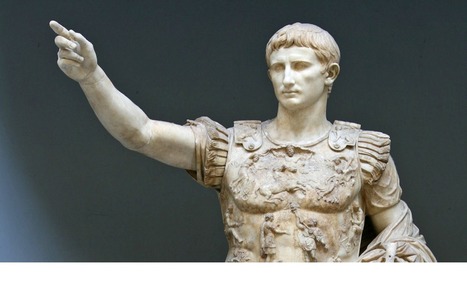
Two thousand years ago Caesar Augustus died. He was Rome's first emperor, having won a civil war more than 40 years earlier that transformed the dysfunctional Roman Republic into an empire. Here are 40 maps that explain the Roman Empire — its rise and fall, its culture and economy, and how it laid the foundations of the modern world.
Scoop.it!
Published on Aug 3, 2014 Welcome back to 8-Bit Philosophy, where gaming makes you smart!
Reeler Centre's insight:
If you're teaching around the rise of Communism you may want to use this pretty funky introduction to Marxism which uses a Mario-Brothers format.
Scoop.it!
Published on Aug 14, 2014 This week, renowned Israeli historian, Ilan Pappe, toured South Africa. He spoke on several campuses around the country about the current Gaza crisis.
Scoop.it!
Published on Jul 31, 2014
|
Scoop.it!
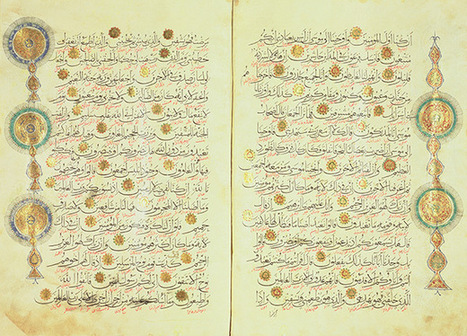
The decline of language skills threatens the study of the past. And machines won’t come to the rescue.
Scoop.it!
Published on Jun 24, 2014 Tracing the stories the Nazis told themselves about their past and destiny, Alon Confino proposes a penetrating new assessment of the Holocaust, showing how a world without Jews was conceivable and imaginable before and during the war.
Scoop.it!
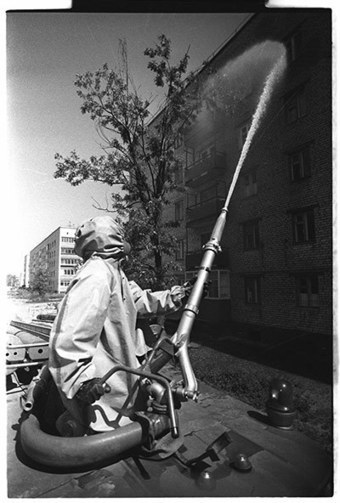
In the immediate aftermath of the explosion on 26 April, 1986, few were prepared to endure the massive radiation levels and document the disaster, but Russian photographer Igor Kostin did. Here is a selection of his finest images.
Scoop.it!
Published on Sep 12, 2014 Discovered in a ditch at Stonehenge, a skeleton reveals signs of human sacrifice. Scientists puzzle over how and, more importantly, why it happened.
Scoop.it!
Published on Aug 11, 2014 Ten historians from 10 countries give a brief history of the first world war through a global lens. Using original news reports, interactive maps and rarely-seen footage, including extraordinary scenes of troops crossing Mesopotamia on camels and Italian soldiers fighting high up in the Alps, these seven brief films explore the war and its effects from many different perspectives.
Reeler Centre's insight:
An excellent series which provides a fresh, compact overview of the war. This link is to the second chapter on the trenches-just click on the Show More button below the video for links to the other chapters as well as interactive maps.
Scoop.it!
Published on Sep 3, 2014 Although Russia insists their military presence in Ukraine is not a hostile occupation, for all practical purposes, Russia has now invaded Ukraine. What is the conflict actually about? How did we get here?
Scoop.it!
Published on Sep 3, 2014 Watch the video as we explain where we are now with the Ukraine crisis and how did we get to this point.
Scoop.it!
Published on Aug 30, 2014 Before the first shots of WWII were fired 75 years ago, a staged attack on German soil was used to justify Hitler's invasion of Poland. Vanessa Johnston reports.
Scoop.it!
Published on Sep 2, 2014 Grant takes a field trip to the Museum to see what new technologies are being used in exhibits geared to capturing the attention of the tech-savvy twenty-first century icrowd.
Scoop.it!
Published on Aug 21, 2014 From Hitler to Stalin to Vlad the Impaler, ISIS is taking pages from history to harness the power of terror.
Scoop.it!
Published on Aug 18, 2014 The bubonic plague, which killed around 1/5 of the world’s population in the 14th century, is still around today -- but it now claims only a few thousand lives each year. How did that number shrink so drastically? Sharon N. DeWitte investigates the causes and effects of the black death and explains how knowing this information can help us prepare for any future outbreaks of the disease.
Scoop.it!
Published on Aug 5, 2014 Johannesburg - In 1914 the Union of South Africa was still a dominion of the British Empire. It sent troops to the war in September of that year. Among those sent to fight were both black and white soldiers.
|




