Introduction and background
The legal mandate and core business of the Department of Forestry, Fisheries and the Environment (DFFE) are to manage, protect and conserve South Africa's environment and natural resources. The mandate is informed by section 24 of the Constitution of the Republic of South Africa, 1996 (Act No. 108 of 1996), which affords everyone the right to (a) an environment that is not harmful to their health or well-being; and (b) to have the environment protected for the benefit of present and future generations, through reasonable legislative and other measures.
To give effect to this constitutional environmental right and the need for sound environmental management and sustainable development, the DFFE has over a period of time developed a comprehensive environmental management legislative/regulatory framework. This regulatory framework comprises acts of parliament (environmental laws), regulations, policies, norms and standards, and other regulatory tools that are aimed at promoting sound environmental management practices in order to protect and conserve the environment for the benefit of current and future generations.
In addition to the development, implementation and ongoing review of a progressive regulatory framework for sound environmental management, other critical environmental management interventions by the DFFE include raising awareness on key environment issues and promoting a culture of environmental activism among ordinary citizens, building capacity within the sector, and establishing and strengthening national, regional and global partnerships to address common environmental challenges.
The long-term vision of the DFFE is to have "a prosperous and equitable society living in harmony with our natural resources", as outlined in our medium-term strategic plan. To support the achievement of this vision, the DFFE has identified five strategic goals, as follows: Environmental economic contribution optimised; Environmental/Ecological integrity safeguarded and enhanced; Social transformation within our communities; Global agenda influenced and obligations met; and A capable and efficient department.
Oceans and Coasts
Purpose: To promote, manage and provide strategic leadership on oceans and coastal conservation
Strategic Outcomes:
Threats to environmental integrity managed and ecosystem conserved
Strengthened knowledge, science and policy interface
Climate Change and Air Quality
Purpose: To lead, promote, facilitate, inform, monitor and review the mainstreaming of environmental sustainability, low carbon emissions, and climate resilience and air quality in South Africa's transition to sustainable development
Strategic Outcomes:
A just transition to a low carbon economy and climate resilient society
Threats on environmental quality and human health mitigated
International cooperation supportive of South African environmental/sustainable development priorities
Biodiversity and Conservation
Purpose: To ensure the regulation and management of biodiversity, heritage and conservation matters in a manner that facilitates sustainable economic growth and development
Strategic Outcomes:
Ecosystems conserved, managed and sustainably used
Biodiversity threats mitigated
Improved access, fair and equitable sharing of benefits
Environmental Programmes
Purpose: To implement the expanded public works programme and green economy projects in the environmental sector
Strategic Outcomes:
More decent jobs created and sustained, with youth, women and persons with disabilities prioritised
Ecosystems rehabilitated and managed
Integrated fire management
Infrastructure, adaptation and disaster risk reduction
Improved human resources capacity of the sector
Chemicals and Waste Management
Purpose: To manage and ensure that chemicals and waste management policies and legislation are implemented and enforced in compliance with chemicals and waste management authorisations, directives and agreements
Strategic Outcomes:
Threats on environmental quality and human health mitigated
An adequately capacitated local sphere of government which is able to execute its environmental management function effectively
Forestry Management
Purpose: To develop and facilitate the implementation of policies and targeted programmes to ensure the management of forests, the sustainable use and protection of land and water, and the management of agricultural risks and disasters
Strategic Outcomes:
Sustainable production of state forests
A transformed forestry sector in line with the master plan
Indigenous forests sustainably managed and regulated
Threats on environmental quality and human health mitigated
Fisheries Management
Purpose: To ensure the sustainability, utilisation and orderly access to marine living resources through improved management and regulation
Strategic Outcomes:
Effective and enabling ..
https://www.dffe.gov.za/overview-department
Despite their critical role in mitigating climate change and providing essential ecosystem services, peatlands face significant threats and remain among the most poorly understood and under-monitored ecosystems globally.
The Global Peatland Hotspot Atlas: The State of the World's Peatlands in Maps evaluates the current status of peatlands worldwide and highlights the threats they face from urbanization, industrialization, land use changes, and climate change. By compiling a series of maps that analyze the global distribution of peatlands in relation to geographic data on these threats, the Atlas offers a comprehensive overview of vulnerable areas.
As a key product of the Global Peatlands Initiative, the Atlas serves as a valuable tool for decision-makers, providing data, evidence and clear insights into the global state of peatlands. By bridging the gap between science and policy, it identifies threats and opportunities, enabling informed decisions that prioritize their sustainable management. Additionally, the Atlas highlights the global potential for peatland conservation and restoration, with a focus on regions particularly vulnerable to future planning and development.
Building on the Global Peatlands Assessment and accompanying Global Peatland Map 2.0, released in 2022, the Atlas showcases updated and new redesigned hotspot maps. It covers an array of thematic layers, including biodiversity and species richness, protected areas, mountain and permafrost peatlands, arid and sub-arid peatlands, drainage and degradation, GHG emissions, traffic infrastructure and urbanization, agriculture, industrialization (e.g., mining, oil, and gas), floods, subsidence, fires, and more.
The Global Peatland Hotspot Atlas is a call to action – not only to protect an ecosystem, but to acknowledge the human dimension and understand how the fate of peatlands is intrinsically linked to the future of our planet and its people. It places peatlands where they belong: at the heart of the global environmental agenda. The time to act is now, and the Atlas marks a crucial step toward safeguarding these ecosystems to ensure they continue supporting the generations to come.
Global Peatlands Initiative Fourth Meeting of the Partners
Co-hosted by the UN Environment Programme and Peru’s Ministry of the Environment, the Global Peatlands Initiative members and partners will meet in Peru from 30 June – 4 July 2026. The 67-member strong GPI gathers in Latin America for the first time ever as a South South collaboration and exchange meeting to shine the spotlight on the work of Peru through the years in the GPI partnership to protect, restore and sustain their critical peatland water-towers in the Andes, the water source for Lima and the Amazon River that builds through the lowland peatland forests and stretches across the Amazon Basin.
Globally, peatlands cover just 3% of the planet's land surface, yet they hold twice as much carbon than all the world's forest biomass combined, and sustain biodiversity, livelihoods, water security and climate stability.
Peatlands are diverse, from the “aguajales’ of the Peruvian Amazon to the “bofedales” of the high Andes, from Colombia to the rainforests of the Congo Basin, Indonesia and South-East Asia, from the Mongolian steppe and the Far North tundra to Patagonia, peatlands are found in almost every country and across every major climate zone on Earth. But today, peatlands are under unprecedented pressure and degrading in 177 countries, putting one of the planet's overlooked yet globally vital ecosystems at risk.
Under the theme “Peatlands as livelihoods and the conditions for their conservation and sustainable management", the meeting will showcase the latest in peatland science, practice, policy and finance. This meeting will serve as a key platform to deepen the science-policy interface, advance South-South and Triangular Cooperation, and step up action towards the conservation, restoration and sustainable management of peatlands worldwide.
Dates: Technical sessions: Lima, Peru from 30 June – 2 July 2026, Field Trips: National Reserve (3-4 July by invitation-only), and Wetland (3 July for GPI meeting participants)
Format: In-person, with online participation for GPI members
Hosts: UN Environment Programme (UNEP) and the Ministry of the Environment, Peru (MINAM)
What to expect
Three days of technical sessions in Lima, followed by south south and triangular exchange-focused field visits. The programme is organised around the four GPI intervention areas:
Science / Knowledge: The latest on tropical peatlands; global mapping and monitoring, ecology and hydrology, climate change and emission pathways, and the role of Indigenous knowledge alongside scientific research.
Policy: Peatlands in NDCs, NBSAPs and Land Degradation Neutrality targets, and collaboration across the Multilateral Environmental Agreements; UNFCCC, CBD, UNCCD, Ramsar Convention on Wetlands and CMS.
Practice: South–South and Triangular Cooperation, the International Tropical Peatlands Centre, regional peatland initiatives, and the practical work of conservation, restoration and rewetting.
Finance: Resource mobilisation for peatland action; public finance instruments, blended finance, and innovative private mechanisms including carbon markets, payments for ecosystem services, and green bonds.
Who will be there
Representatives from many of our 67 GPI members, our valued partners, and country beneficiaries countries which include: Peru, Colombia, Democratic Republic of the Congo, the Republic of the Congo, Mongolia and Indonesia alongside a number of our supporting partner countries of Chile, Uganda, Japan, Brazil and Germany.
Stay connected
Follow #PeatlandsMatter and #GlobalPeatlandsInitiative for live coverage and post-event outcomes across Instagram and LinkedIn.
Share
Find a bank of communications resources - including visuals, text, hashtags, suggested posts - all here.
Coordination of the 4th Meeting of the GPI Members is supported by the International Climate Initiative (IKI) of the German Federal Ministry for the Environment, Nature Conservation, Nuclear Safety and Consumer Protection (BMUKN).
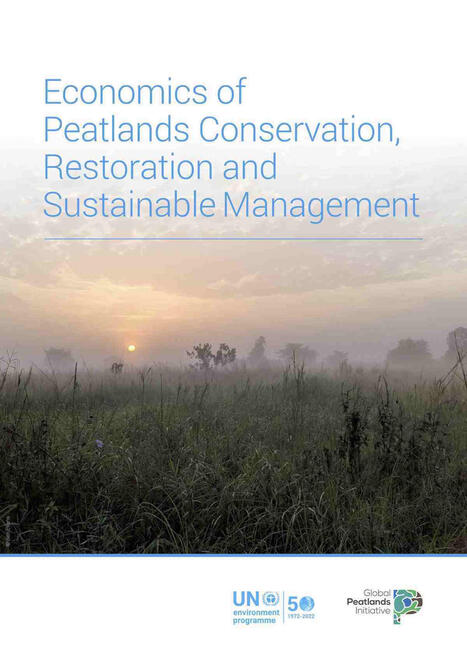
Economics of Peatlands Conservation, Restoration and Sustainable Management
04 November 2021
Peatlands cover less than three percent of the Earth’s surface but are the largest terrestrial organic carbon stock – storing twice as much carbon as in the world’s forests. Despite their potential, globally, peatlands are in decline with 11-15% of these ecosystems drained for grazing, agriculture, forestry, and peat mining.
Peatlands when degraded contribute disproportionately to climate change with greenhouse gas emissions from drained or burned peatlands accounting for five percent of the global carbon budget.
The “Economics of Peatlands Conservation, Restoration and Sustainable Management” policy report, authored by Edward Barbier and Joanne Burgess of Colorado State University, identifies that the leading causes of peatland mismanagement are undervaluation and underinvestment. Launched as part of the Global Peatlands Initiative’s contribution to the UN Decade on Ecosystem Restoration, the report finds that the principal cause for peatlands mismanagement is the undervaluation of their economic contributions. Commercial activities and policies that degrade and convert these high-carbon ecosystems often ignore or fail to take account of their benefits to society. In addition, global peatland conservation and restoration suffer from chronic underinvestment.
Meeting the goal of keeping the global average temperature increase below 2˚C requires urgent action to hold peatland carbon where it is – wet, and in the ground. At the same time, we must re-wet and restore many already drained and degraded peatlands to halt their greenhouse gas emissions and protect the other benefits they provide. Peatlands protection and restoration can be a low-cost, low-tech and high impact nature-based solution for both climate action and biodiversity.
Present in more than 180 countries, peatlands are vital, super-powered ecosystems. Though they cover only 3 per cent of the world’s land, they store nearly 30 per cent of its soil carbon. They provide vital services such as controlling water supplies and preventing floods and droughts and provide many people with food and fuel. They also house rare plants and animals that can only survive in these unique, watery environments.
Despite their importance, peatlands around the world are being drained and converted for agriculture, infrastructure development, mining and oil and gas exploration. Peatlands are also being degraded by fire, overgrazing, nitrogen pollution and extraction of peat as fuel and as a growing medium. Despite covering only 0.4 per cent of the global land surface, drained peatlands are responsible for more than 5 per cent of our carbon emissions, and much more when they are burning.
Meeting the goal of keeping the global average temperature increase below 2˚C requires urgent action to hold peatland carbon where it is – wet, and in the ground. At the same time, we must re-wet and restore many already drained and degraded peatlands to halt their greenhouse gas emissions and protect the other benefits they provide. Peatlands protection and restoration can be a low-cost, low-tech and high impact nature-based solution for both climate action and biodiversity.
Farmlands now cover more than one-third of the Earth's land surface and are perhaps our most vital ecosystems to sustain human-kind. As well as supplying us with food, fodder, and fibre, arable fields and pastures host a bewildering variety of organisms from bats and birds to beetles and worms as well as considerable tree cover. Marked by centuries of human effort and ingenuity, these modified ecosystems are cultural treasures whose protection makes spiritual as well as economic sense.
Yet the way we are using many of these lands is exhausting their vitality. Intensive ploughing and cultivation practices, large monocultures, over-grazing, and the removal of hedges and trees are letting rain and wind erode precious soil. Excessive use of fertilizer is polluting waterways and lowering soil quality. Nitrogen pollution poses an invisible but dangerous threat to peatlands. Pesticides are harming wildlife including insects such as bees that pollinate many crops.
Scientists are helping rural communities restore agricultural ecosystems by using nature to boost farm productivity. Some farmers are reducing tillage and adopting natural fertilizers and pest control. Using crop rotations, and growing more diverse crops, including trees, and integrating them with livestock-rearing can restore biodiversity and provide more nutritious diets. Alliances between farmers and pastoralists are being formalised to allow the sharing of resources with livestock being grazed on cropland after harvest. All these steps can revive the land, rebuilding the organic carbon stores and microorganisms that soak up water and maintain the natural fertility of our soils.
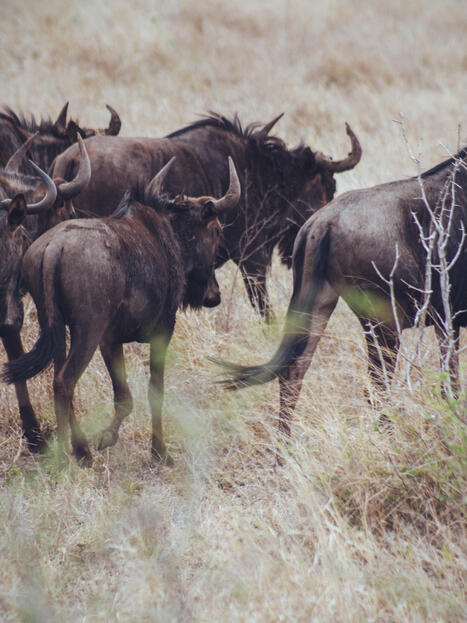
Grasslands, shrublands and savannahs cover approximately half of the world’s terrestrial surface. Distributed from Eurasia and Patagonia to Africa and Australia they are home to millions of people including pastoralists, ranchers, fishers and hunter-gatherers, and contribute to the livelihoods, health and food security of billions more.
Grasslands, shrublands and savannahs are some of the most diverse ecosystems on Earth. Often arid or semi-arid in nature, plants and animals have uniquely adapted to the climate and these areas are hotspots for endemic and often threatened species. Iconic fauna from lions and rhinoceros to giant anteaters and wallabies, with thousands of bird and insect species, make these ecosystems a conservation priority and a tourist draw.
Humans evolved in these areas millions of years ago. Ever since, humans have played an important role in maintaining, cultivating and managing these areas through planned fires, hunter-gathering, and pastoralism. Livestock play a key role in reducing biomass loads, moving around nutrients, trampling and breaking crusted soil surfaces improving soil infiltration, and increasing diversity. Not only is carbon stored in vegetation above the earth’s surface, but there are also significant amounts in roots and tubers below ground and in the soil itself.
Many grasslands, shrublands and savannahs will be affected by climate change, including temperature increases and more variable weather patterns. Degradation of these ecosystems have increased their vulnerability and increases the likelihood of human-wildlife conflicts and disease spillovers. Investments in their restoration are woefully behind that of other ecosystems such as forests.
Reintroductions and protections for key plant and animal species that have been lost or have low populations may be necessary. The balance between woody species and grasses can be restored through use of fire and other management tools.
Restoring shrublands, grasslands and savannahs means working with those using, protecting or studying the land. The extraction of resources such as water, wildlife, minerals, or non-timber forest products must be sustainable. Strengthening governance systems, secure tenure rights for land users and appropriate management practices is equally important.
Big boost to climate action as 38 countries join the Freshwater Challenge
Posted on December, 10 2023
The Freshwater Challenge aims to ensure 300,000km of degraded rivers and 350 million hectares of degraded wetlands are committed to restoration by 2030, and to protect freshwater ecosystems.
In a major boost to global efforts to mitigate climate change and adapt its worsening impacts on societies and economies, 37 countries today joined the Freshwater Challenge - the world’s largest initiative to restore degraded rivers, lakes and wetlands and to protect vital freshwater ecosystems.
The countries from Africa, Asia, Europe, North and South America, and the Pacific were unveiled at a high level event with 15 Ministers hosted by the COP28 Presidency. They joined the six countries that launched the initiative at the UN 2023 Water Conference in New York - Colombia, DR Congo, Ecuador, Gabon, Mexico and Zambia.
The champions and new members - including Botswana, Brazil, Burkina Faso, Cambodia, Canada, Chad, Chile, Dominican Republic, El Salvador, Fiji, France, Finland, Gambia, Germany, Iraq, Kenya, Liberia, Malawi, Mali, Mauritania, Mozambique, Nepal, Netherlands, Niger, Norway, Pakistan, Peru, Republic of Congo, Senegal, Slovenia, Spain, Tajikistan, Tanzania, UAE, Uganda, UK, USA and Zimbabwe - contain over 30% of the world’s renewable freshwater resources and are home to almost 2 billion people.
The Freshwater Challenge aims to ensure 300,000km of degraded rivers - equivalent to more than seven times around the Earth - and 350 million hectares of degraded wetlands, an area larger than India, are committed to restoration by 2030, as well as conserve intact ecosystems.
Healthy freshwater ecosystems are critical to mitigating and adapting to climate change. They are seen as the foundation for a water resilient future. Peatlands are the world’s largest terrestrial carbon store, while river sediment deposited on the sea floor can also sequester large quantities of carbon. Connected floodplains and healthy wetlands can reduce the impact of extreme floods and build resilience to ever increasing droughts.
Thriving mangroves - most of which depend on sediment flow from rivers to survive - help protect coastal communities from storm surges. Densely-populated and agriculturally-rich deltas also rely on the flow of water, nutrients and sediments down rivers to limit salt water intrusion, remain fertile, and stay above the rising seas.
HE Razan Al Mubarak, UN Climate Change High-Level Champion for COP28 said, "With the climate crisis fuelling ever more extreme floods, storms, wildfires and droughts, we urgently need to invest in protecting and restoring our rivers, lakes and wetlands. They are the best natural protection for our societies and economies as well as major carbon stores. Rising to the Freshwater Challenge is key to tackling climate change, but it is also essential to pave the way to a net-zero, nature-positive and resilient future for all.”
Along with accelerating climate action, restoring and protecting healthy freshwater ecosystems will also boost water, food and energy security, enhance peace and stability, reverse nature loss and drive sustainable development.
H.E. Collins Nzovu, Minister of Green Economy and Environment, Zambia said: “The climate crisis is a water crisis. Across the globe, we are witnessing its devastating impacts on our societies and economies - from increasing water scarcity to more extreme floods, droughts and storms, from changing river flows to melting glaciers and rising seas. And these impacts will only get worse: unless we rise to the Freshwater Challenge. So we urge all countries to join us in the Freshwater Challenge. Together, we can reverse the loss and degradation of our rivers, lakes and wetlands - and drastically enhance global efforts to tackle the climate crisis.”
The Freshwater Challenge is a country-driven initiative with an inclusive, collaborative approach to implementation, where governments and their partners will co-create freshwater solutions with indigenous people, local communities, and other stakeholders, including the private sector. During the COP28 event, AB InBev, BCG and IKEA all expressed their support for the Freshwater Challenge.
The Freshwater Challenge calls on all governments to commit to clear targets in their updated National Biodiversity Strategies and Action Plans, National Determined Contributions, National Adaptation Plans, and National Implementation Plan for the Sustainable Development Goals (SDGs) to drastically scale up efforts to protect and restore healthy freshwater ecosystems. It builds on the Kunming-Montreal Global Biodiversity Framework, which included the protection of 30% of the world’s ‘inland waters’ and the restoration of 30% of degraded ‘inland waters’.
Stuart Orr, WWF Global Freshwater Lead said, “Healthy rivers, lakes and wetlands are our best buffer and insurance against the worsening impacts of climate change. Investing in their protection and restoration will produce the most important returns: strengthening climate adaptation and reducing disaster risk as well as increasing water and food security, and reversing the catastrophic decline in freshwater biodiversity. But we need to find new pathways to address this urgently.”
The Freshwater Challenge will also focus on providing the evidence needed at country level to effectively design and implement restoration measures, identify priority areas for restoration, update relevant national strategies and plans, and mobilise resources and set up financial mechanisms to implement the targets.
Led by the coalition of countries, the Freshwater Challenge is supported by Conservation International, IUCN, the Secretariat of the Convention on Wetlands, The Nature Conservancy, Wetlands International, OECD, UNEP (under the auspices of the UN Decade on Ecosystem Restoration), and WWF.
ADDITIONAL QUOTES FROM SUPPORTING ORGANIZATIONS:
Susan Gardner, Director of the Ecosystems Division, UNEP said, “Healthy freshwater ecosystems are essential for our survival. They are also severely impacted by, but help us to combat, the crises of biodiversity loss, pollution and climate change. UNEP commends this country-led initiative and the number of countries signing up to accelerate and align with the commitments in the Paris Agreement and the Kunming-Montreal Global Biodiversity Framework."
James Dalton, IUCN said “At this critical moment in the UNFCCC negotiations, where countries take stock of progress and we collectively look at the challenges ahead, the Freshwater Challenge will mobilise country, community and corporate action to restore freshwater ecosystems for both adaptation and mitigation needs.”
Francesca Antonelli, Head of Rivers & Lakes at Wetlands International said: "Healthy rivers, lakes, peatlands and marshes are key to addressing the climate emergency. The Freshwater Challenge will show how to accelerate and scale up the safeguarding and restoration of wetland ecosystems, and the urgency of tackling the drivers of wetland destruction. COP28 promised to give new prominence to water in climate mitigation and adaptation, and the conclusions of the Global Stocktake must also recognise more strongly than ever the crucial role of water and wetlands in delivering the Paris Agreement.”
Nicole Silk, Global Director of Freshwater Outcomes at The Nature Conservancy said: “Healthy freshwater systems are at the heart of demonstrated, cost-effective, equitable and readily available solutions to the triple planetary crises of climate change, biodiversity loss, and pollution. Yet they have long been undervalued, and particularly underrepresented in the global climate agenda. We must do better. The Freshwater Challenge, and the momentum it’s generating among country leaders at COP28, shows the world is ready for a fresh approach – one that puts fresh water first.”
Maíra Ometto Bezerra, Freshwater Science Lead with Conservation International said: “The fast-increasing number of countries signing-on to the Freshwater Challenge underscores that we are at a watershed moment for freshwater and healthy watersheds. It is more than clear that nations across the world recognize that healthy freshwater ecosystems are a major solution to climate change mitigation and adaptation. Conservation International is deeply invested in working together with countries to effectively create and implement natural climate solutions that tackle the water and climate crises at the same time.”
SUPPORTING COMPANY QUOTES:
Christina Niemelä-Ström, Head of Sustainability, IKEA Supply said: “IKEA welcomes the country-led Freshwater Challenge and encourages more countries in risk areas to join, recognising the importance of collective action to solve the challenges in restoring and protecting water ecosystems. We are committed to do our part, working together with governments, NGOs and local communities. As part of our commitment to be good water stewards, we are currently identifying the most important river basins linked to our supply chains, addressing water scarcity.”
Protecting and restoring rivers, lakes and wetlands is central to climate action and resilience
The planet’s largest freshwater ecosystem restoration and protection partnership
Rivers, lakes and other wetlands are on the frontlines of the climate and nature crises
The important role of healthy freshwater ecosystems has been recognized in key international agreements and agendas, including the Sustainable Development Goals (SDGs), the UN Framework Convention on Climate Change (UNFCCC), the Convention on Biological Diversity (CBD), the UN Convention to Combat Desertification (UNCCD), the UN Decade on Ecosystem Restoration, the Ramsar Convention on Wetlands, and the Sendai Framework for Disaster Risk Reduction.
However, current international approaches to water are not helping countries achieve the targets set out in these global frameworks fast enough.
As a result, rivers, lakes and other wetlands are still undervalued and overlooked, and their rapid loss is undermining hard-won development gains and global efforts to tackle the climate and nature crises:
Rivers and wetlands are the most threatened ecosystems globally;
Since 1970, 22% of the world's remaining wetlands have been lost;
Only 1/3rd of large rivers flow freely from source to sea; and
Freshwater species populations have collapsed by 85% on average since 1970.
WHAT IS THE FRESHWATER CHALLENGE?
The Freshwater Challenge (FWC) is a voluntary, country-led partnership with the goal to restore 300,000 kilometers of degraded rivers and 350 million hectares of degraded wetlands by 2030, while securing the protection of freshwater ecosystems important for biodiversity and ecosystem services.
The Freshwater Challenge is rooted in Targets 2 and 3 of the Kunming-Montreal Global Biodiversity Framework, which commits parties to restore 30% of degraded inland waters and conserve 30% of freshwater ecosystems by 2030, creating a critical milestone for global freshwater ecosystems.
The Challenge’s purpose is to accelerate delivery of national plans and strategies to restore and conserve freshwater ecosystems, by supporting and accelerating targeted interventions for rivers, lakes and other wetlands. The Challenge will increase the overall investment into the restoration and conservation of freshwater ecosystems and substantially increase the social and economic returns on those investments.
By doing so, the FWC will support countries to achieve their international commitments on climate, biodiversity, ecosystem protection and restoration, flood and drought resilience, land degradation, Disaster Risk Reduction and SDGs, aligned to their ambitions for sustainable development.
Members commit, by the end of 2025, to set and, thereafter, implement, quantifiable targets in their national plans to restore and conserve freshwater ecosystems, thereby supporting national and global commitments by 2030. To ensure transparency, member countries' national commitments will be documented and will be publicly accessible on this website.
MEETING THE CHALLENGE
To deliver freshwater ecosystem restoration and protection at scale by 2030, the FWC requires the active support of all actors involved in water-related activities across all sectors – including agriculture, aquaculture, fisheries, forestry, water infrastructure, finance, energy, urban planning, conservation, and many more. Only through the combined efforts of all stakeholders working at different levels, from high-level policy reforms to local grassroots projects will rivers and wetlands be revived and conserved.
Please refer to the Joining section of this website to see how your organization can support delivery of the FWC.
The Freshwater Challenge is a country-led initiative to restore 300,000 km of degraded rivers and 350 million hectares of degraded wetlands by 2030, while securing the protection of freshwater ecosystems important for biodiversity and ecosystem services.
Restoration activities are becoming more and more popular across the world, in an attempt to restore/sustain the function and services associated with coral reef ecosystems. It should be noted that these efforts are unlikely to be effective as a stand-alone action, they should always be done as part of a larger integrated management strategy.
Below we have compiled some of the most recent guidelines on coral reef restoration. Should you know of any additional guidelines that are relevant please send them to Thomas Dallison.
Guide to Coral Reef Restoration: Optimizing efficiency and scale for in situ nurseries and outplanting (2025).
Developed by the Coral Restoration Consortium’s (CRC) Field-based Propagation Working Group — a team of dedicated practitioners who worked together from 2018 to 2023.
This guide brings together the most relevant, widely used methods and lessons learned from years of hands-on experience around the globe. Whether you’re just starting out or looking to scale up your coral restoration program, this guide is designed to support success across diverse goals, environments, and resource levels.
A Practical Guide to Restoration and Rehabilitation of Rubble on Coral Reefs: guidelines from the Rubble Stabilisation Subprogram, summarising recommendations for rubble rehabilitation (2024).
The RRAP Rubble Stabilisation R&D Subprogram is investigating methods to stabilise damaged reef surfaces where dead or degraded corals have become loose and unconsolidated rubble, preventing or slowing reef recovery.
Natural and man-made disturbances (for example, cyclones, ship groundings, crown-of-thorns starfish outbreaks or coral bleaching) can reduce functional and diverse coral reefs to fields of rubble, with an unstable and mobile surface. The lack of stability and frequent motion inhibits recruitment (settlement and regrowth) of young corals back onto reefs and hampers recovery.
Rubble stabilisation, as a reef restoration technique, is in its infancy.
It is also important to be able to identify coral reefs that can most benefit from restoration strategies: those most vulnerable to rubble formation, and those where prevailing wave regimes can make mobile rubble persist and hinder recovery.
Standard operating procedures for larval-based restoration of Maldivian coral reefs (2023)
The Standard Operating Procedure (SOP) for larval-based restoration has been developed in collaboration between CSIRO and the Maldives Marine Research Institute (MMRI). to provide a practical guide for the use of larval-based restoration in the Maldives. The SOP is separated into four main sections: 1) Before coral spawning, 2) During coral spawning, 3) After coral spawning, 4) Deploying coral larvae. While the report focuses on case studies in the Maldives, it is broadly applicable to larval-based restoration across the Indo-Pacific region.
Meeting 30 by 30: The Role of Coral Reef Restoration (2022)
The whitepaper reviews the role of coral reef restoration in the context of climate change and global 30 by 30 targets arguing that while restoration is not the only response to global declines, it has an important role to play to deliver social and ecological goals. The whitepaper also reviews current limitations, barriers, and opportunities, and provides avenues for improving the effectiveness of coral reef restoration and assist evidence-based investment and decision making.
Principles for ecosystem restoration to guide the United Nations Decade 2021–2030 (2022)
To support the implementation of the UN Decade on Ecosystem Restoration and help achieve its goals, there is a need for a shared vision of ecosystem restoration. A key step in creating a shared vision of ecosystem restoration is to adopt principles that underpin the full set of ecosystem restoration activities. These principles detail the essential tenets of ecosystem restoration that should be followed to maximize net gain for biodiversity, ecosystem health and integrity, and human health and well-being across all biomes, sectors and regions.
Although not directly pertaining to reef restoration, these principles for a shared vision of ecosystem restoration are still highly relevant for managers and implementers.
Available in Arabic, Chinese, English, French, Spanish.
A guide to coral reef restoration for the tourism sector (2022)
These guidelines provide an overview of the tourism sector’s engagement with coral reef conservation efforts in the Caribbean region, including results of the public opinion research, considerations before implementing a coral reef restoration project, and guiding principles and best practices for the tourism sector to implement coral reef protection and restoration efforts more effectively.
Translating the ten golden rules of reforestation for coral reef restoration (2022)
A new study has aimed to translate the ten golden rules of reforestation for coral reef restoration. It seeks to apply lessons from restoring terrestrial ecosystems to coral reefs.
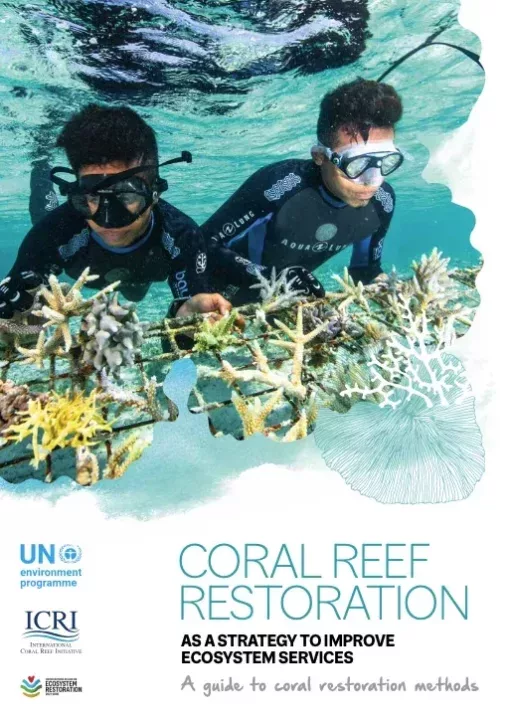
Coral reef restoration as a strategy to improve ecosystem services (2020)
This document presents an overview of the best- available knowledge in the field and provides realistic recommendations for the use of restoration as a management strategy for coral reefs to assist managers, practitioners, policy makers, and funding agencies to make informed decisions. Whilst not designed to reduce climate impacts, coral reef restoration can be a useful tool to support resilience, especially at local scales where coral recruitment is limited, and disturbances can be mitigated. Ongoing investment in coral reef restoration research and development globally will improve the scale and cost-efficiency of the methods currently applied. You can read the policy brief here.
Watch the webinar from the Reef Resilience Network about the guide here.
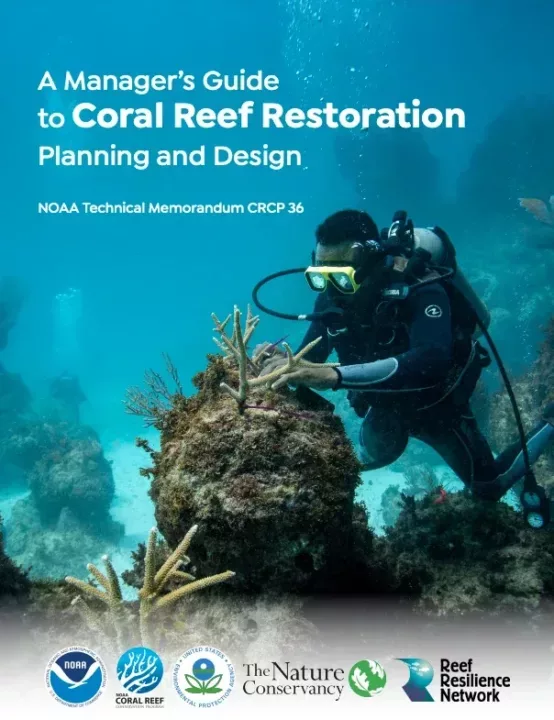
The Manager’s Guide to Coral Reef Restoration Planning and Design supports the needs of reef managers seeking to begin restoration or assess their current restoration program. Based on global best practices, the Guide was developed for reef managers and practitioners, and anyone who plans, implements, and monitors reef restoration activities. Together with a suite of tools and templates, the Guide maps out a six-step, iterative process to help users gather relevant data, ask critical questions, and have important conversations about restoration in their location, culminating in the creation of a Restoration Action Plan to enhance reef resilience and recovery. Within the guide are two Appendices and other tools that can (and should) be used to assist readers in developing a restoration action plan;
Workbook (.doc) – helps document the process, information, and decisions made during Steps 1-4 of the planning cycle.
Action Plan Template (.doc) – can be used to shape a Restoration Action Plan using information summarized when completing the Workbook.
Step 2 Tutorial and Complete Example (.xlsx) – presents a worked example of how to compile, sort, and analyse data to assist in selecting sites for restoration.
Workbook Supplement (2022) (.pdf) – provides a template to document the information used and decisions made during planning to create a Restoration Action Plan.
Watch the webinar from the Reef Resilience Network about the guide here.
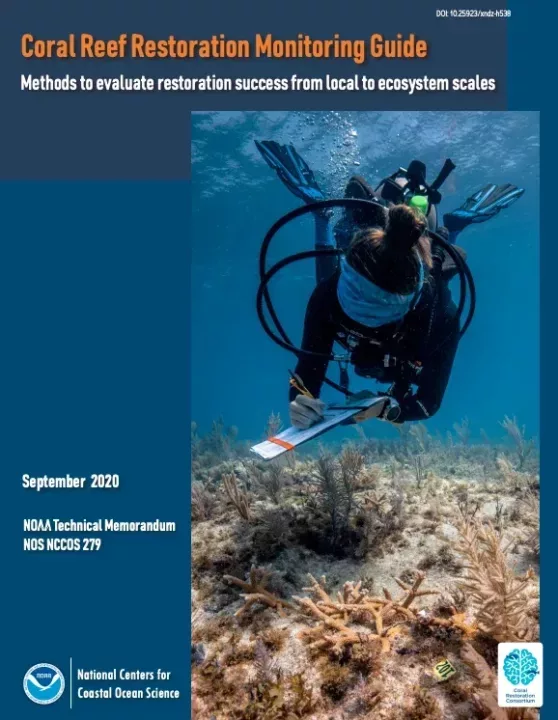
Coral reef restoration monitoring guide: Methods to evaluate restoration success from local to ecosystem scales (2020)
The Coral reef restoration monitoring guide: Methods to evaluate restoration success from local to ecosystem scales. This guide will help any restoration group or government – large or small – decide on a monitoring regimen that fits their budget and capacity. The guide took more than two years to put together – and we are sure this will be a crucial resource to the community as more and more countries engage in coral restoration.
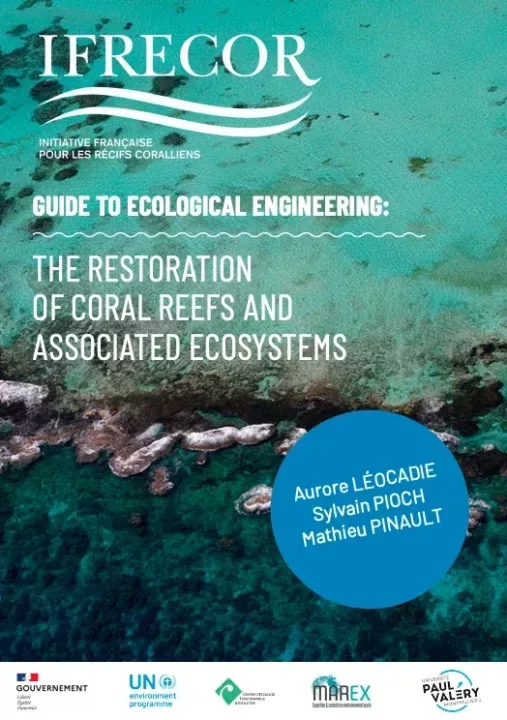
Guide to ecological engineering: the restoration of coral reefs and associated ecosystems (2020)
This guide provides an inventory of ecological engineering techniques employed mainly in France, but also worldwide. It is devoted to the restoration of coral reefs and their associated ecosystems: seagrasses and mangroves. It was produced by the French Coral Reef Initiative (IFRECOR) in French and has recently been translated into English by UNEP.
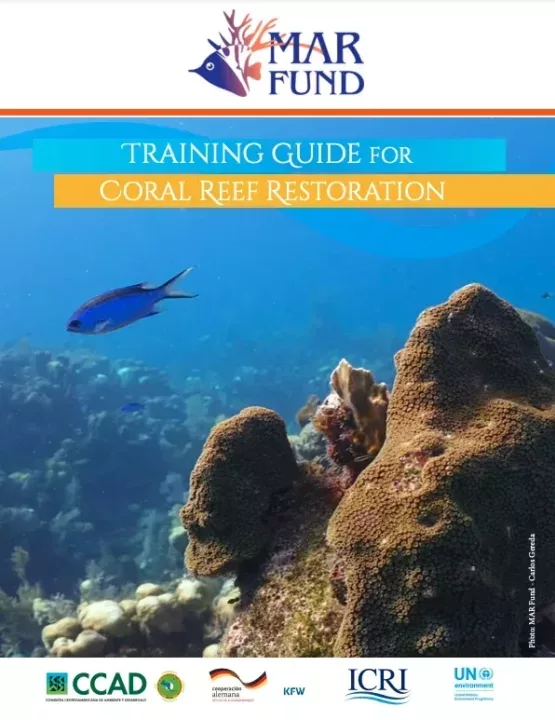
This Guide is a practical, complementary tool for coral reef restoration training. Any individuals wishing to start a restoration project must contact local authorities to learn about the legal implications and obtain the corresponding permits, as well as join working groups with restoration experience to receive proper training. It was produced the Mesoamerican Reef Fund (MAR Fund), Mesoamerican Reef Rescue Initiative (RRI) with the support of ICRI and the UN Environment Programme Small Grants Program.
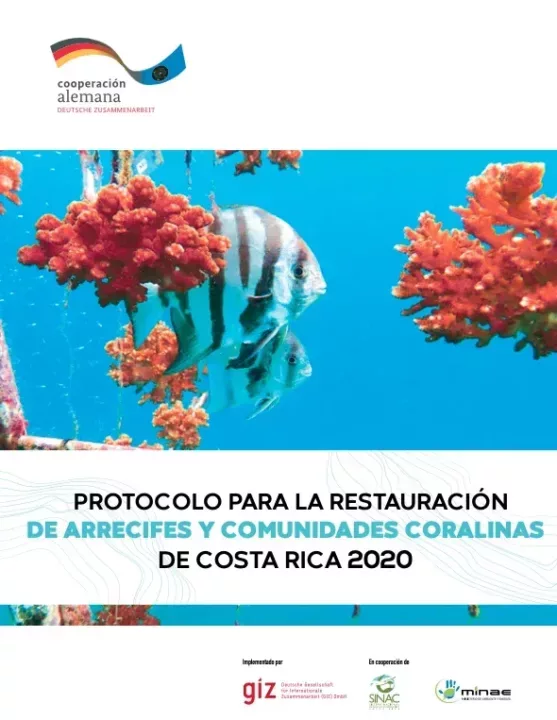
Protocol for the restoration of reefs and coral communities in Costa Rica (2020)
This technical document is aimed to support officials of the National System of Conservation Areas (SINAC), non-governmental non-profit organisations (NGOs) related to the sea, academic centres, diving centres and in general, including any person who loves the ocean and is an enthusiast of coral ecosystems and their conservation.
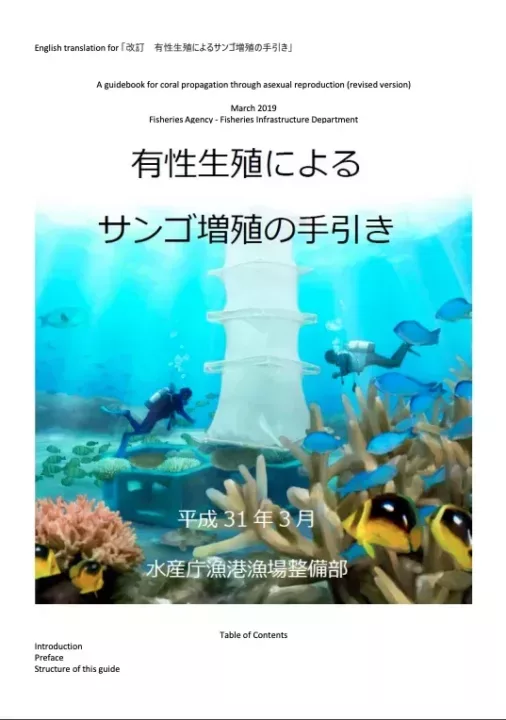
A guidebook for coral propagation through asexual reproduction- revised version (2019)
The English translation of the Japanese coral restoration guidelines. These guidelines provide an overview of the characteristics, functions, and current state of corals in Japan, coral propagation plans and how to go about it. In chapter two it details whole-area propagation techniques for corals and the different methods that could be utilised.
Note: all the text was translated by James Cook University from the Japanese publication of “A guidebook for coral propagation through asexual reproduction- revised version” produced by the Fisheries Agency, the Ministry of Agriculture, Forestry and Fisheries of Japan on their web site (https://www.jfa.maff.go.jp/j/seibi/sango_tebiki.html). All the responsibility of the English text is on the James Cook University, but not the Fisheries Agency.
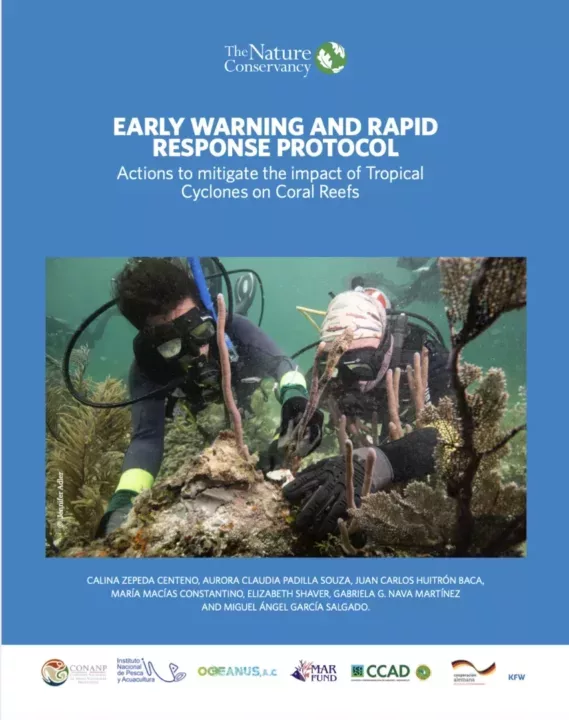
The Early Warning and Rapid Response Protocol: Actions to mitigate the Impact of Tropical Cyclones on Coral Reefs presents a step wise approach to guide First Responders and reef managers in terms of what needs to be done before, during and after a tropical cyclone to mitigate the impacts to coral reefs in an orderly and timely manner. It is also available in Spanish here.
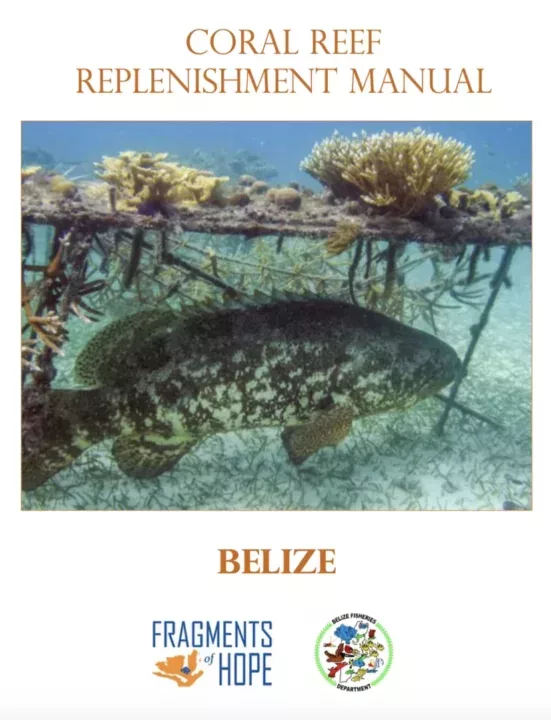
This manual was designed to be used by fisherfolk, licensed tour guides, those involved inMPAs in Belize either for the government or an NGO, students and community members. It presents coral restoration methods that have been working successfully in southern Belize since 2006.
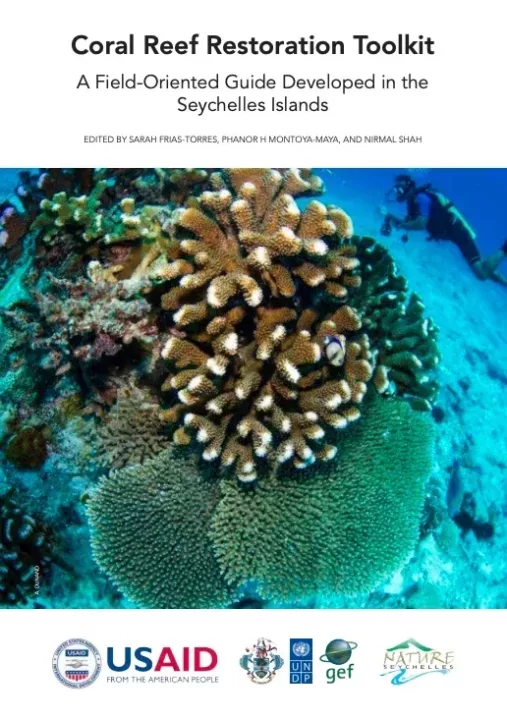
Coral Reef Restoration Toolkit: A Field-Oriented Guide Developed in the Seychelles Islands (2018)
Produced by Nature Seychelles in 2018, the purpose of this Toolkit is to describe how to complete a coral reef restoration project, using the ‘coral gardening’ concept and aims to be a companion for scientists, managers, practitioners and local communities who are facing a coral reef restoration challenge and require guidance using low cost, field-tested methods.
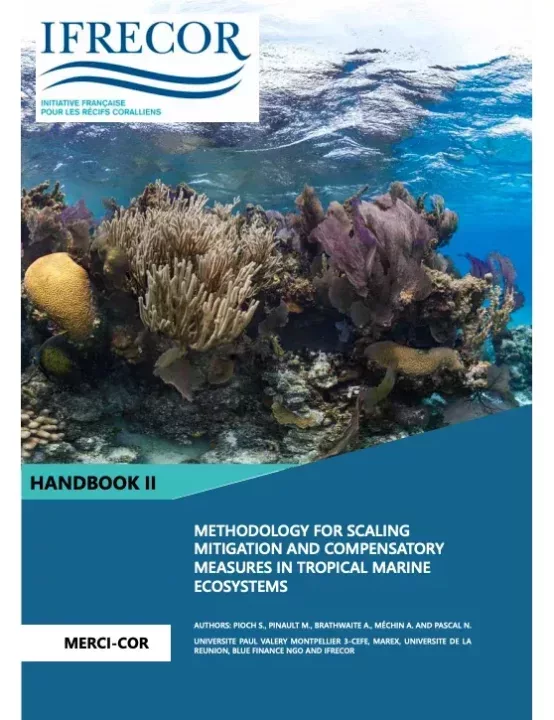
Methodology for scaling mitigation and compensatory measures in tropical marine ecosystems (2018)
The French Coral Reef Initiative (IFRECOR) has developed MERCI-Cor a method to assess the significance of an ecological impact, to ensure better avoidance and reduction of ecological losses in the mitigation hierarchy, and sizing compensatory measures, to offset last residual losses.
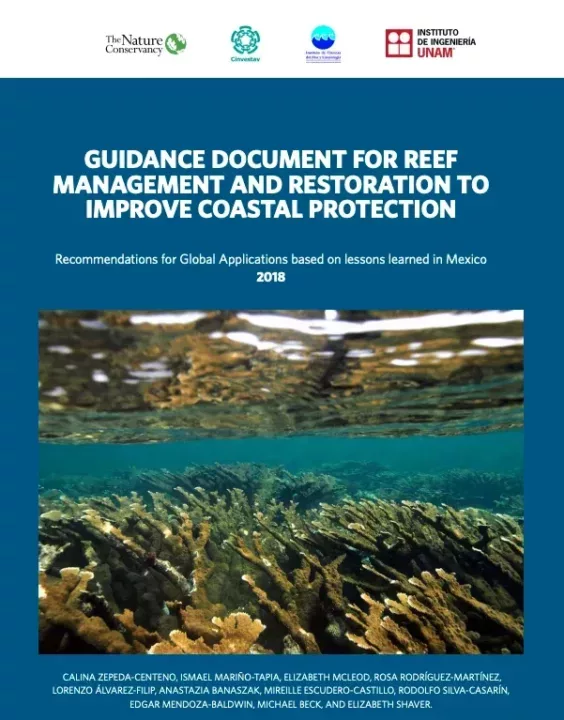
Guidance document for reef management and restoration to improve coastal protection (2018)
This guidance document aims to provide a review and recommendations on reef management and restoration for risk reduction. It synthesizes evidence of the role coral reefs play in coastal protection and the reduction of risks during disasters. It presents ecological, geological, and oceanographic factors that contribute to the coastal protection capacity of reefs and the factors that reduce this capacity. It also presents an array of risk reduction solutions to restore reef protection services, and management approaches that can help support its coastal protection values.
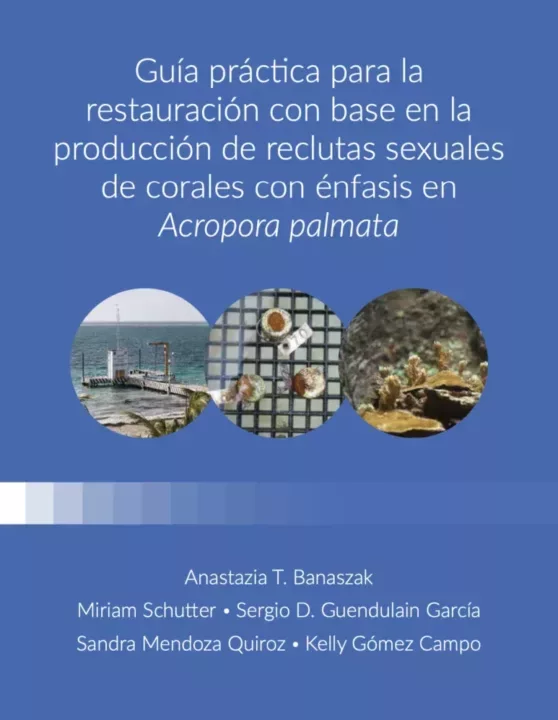
Practical guide to restoration based on the production of coral sexual recruits with an emphasis on Acropora palmata (2018)
This is a practical guide (in Spanish) that provides information on the production and use of coral sex recruits for reef restoration. This guide is aimed at people interested and/or involved in reef restoration and brings together a compilation of experiences acquired over ten years by the team under Dr Anastazia T. Banaszak at the Academic Unit of Reef Systems of the Institute of Marine Sciences and Limnology, of the National Autonomous University of Mexico.
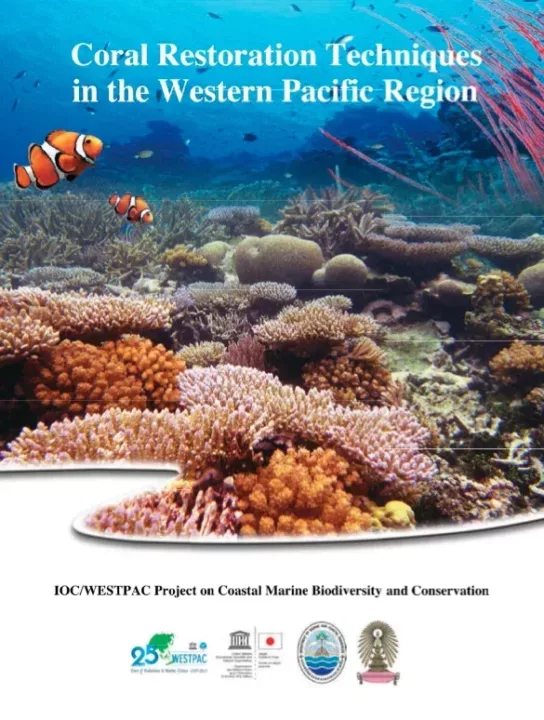
Coral Restoration Techniques in the Western Pacific Region (2014)
The guide was produced by the Indian Ocean Commission Western Pacific (IOC/WESTPAC) project on Coastal Marine Biodiversity and Conservation with the aim of consolidating techniques that are used and available for coral restoration in the Western Pacific Region.
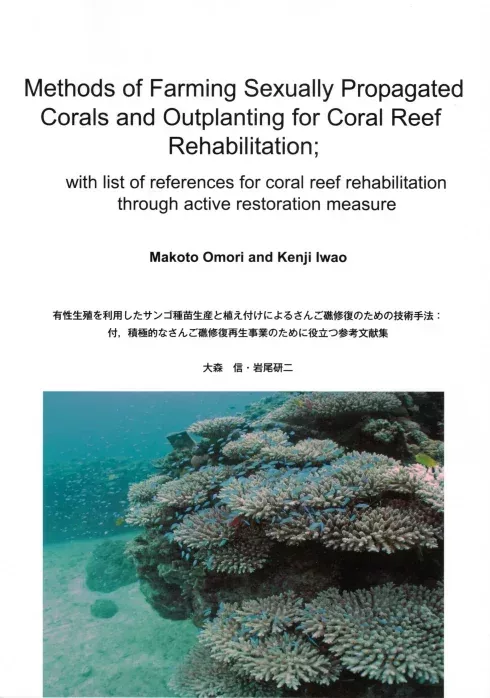
Methods of farming sexually propagated corals and outplanting for coral reef rehabilitation (2014)
The English translation of the Japanese document on farming sexually propagated corals and how to outplant these corals. The document provides detailed step by step instruction on how to get from the spawning of corals all the way to outplanting of the new corals.
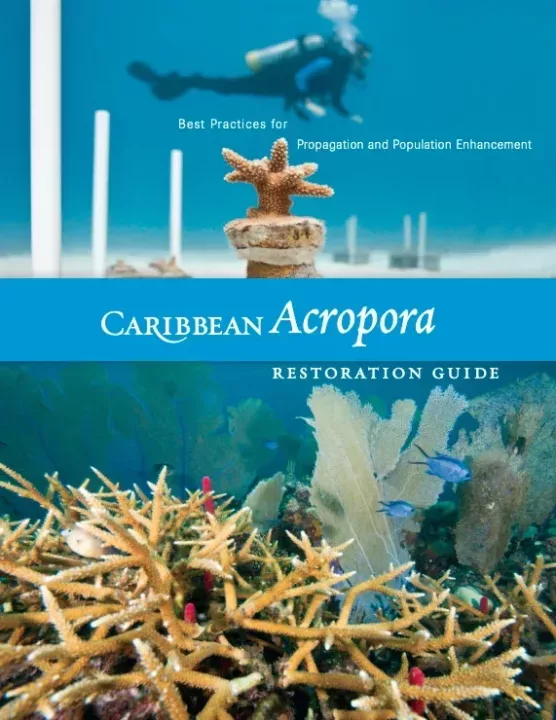
Caribbean Acropora Restoration Guide: Best Practices for Propagation and Population Enhancement (2011)
This Practitioner’s Guide was developed out of a workshop held at the University of Miami Rosenstiel School of Marine and Atmospheric Science (RSMAS) in April 2011. The purpose of this guide is to share the collective knowledge of a community of scientists and restoration practitioners who have been working both independently and collaboratively to restore populations of Acropora corals throughout the Caribbean.
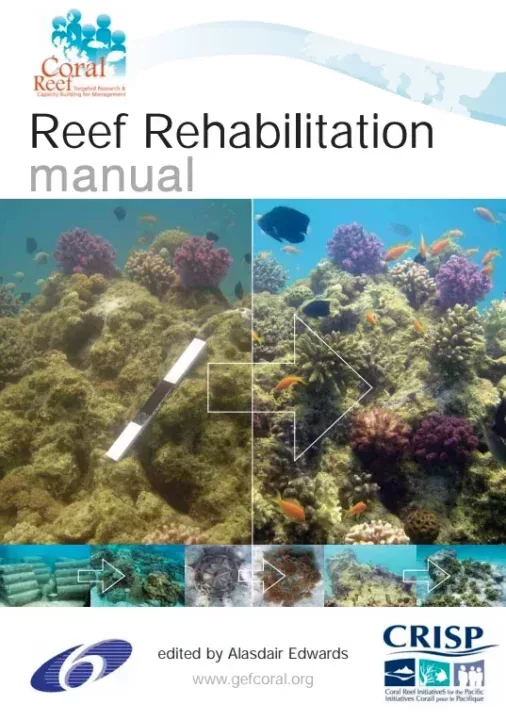
This Reef Rehabilitation Manual is intended to complement the Reef Restoration Concepts & Guidelines and provide more detailed hands-on advice, based on lessons learnt from previous experience, on how to carry out coral reef rehabilitation in a responsible and cost-effective manner.
Mountain agriculture: Opportunities for harnessing Zero Hunger in Asia
Image by:Pixabay
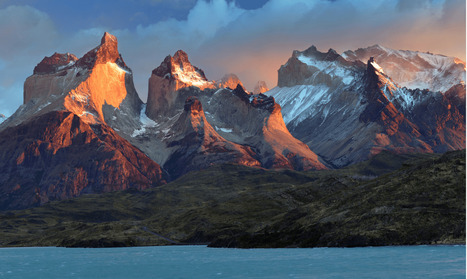
Mountains are home to one tenth of the world’s population, and cover one fifth of the world’s land mass. To most of us, mountain regions offer landscapes of spectacular scenic beauty – but what we don’t see are the lives and struggles of the people who live in the mountains, many of whom are poor and marginalized. Going by the global average, one in eight persons is food insecure, but in rural mountain areas this ratio is one out in two. This means that around 300 million mountain people are food insecure, with half of them suffering from chronic hunger. FAO has been providing global leadership on sustainable mountain development for decades, including overseeing the implementation of the mountain-related chapter of Agenda 21, the blueprint for sustainable development of the 1992 UN Earth Summit, and the International Year of Mountains in 2002. While mountain agriculture has made some headway, identifying innovative responsive solutions that target mountains directly in relation to Sustainable Development Goal 2 – Zero Hunger – remains a work-in-progress.
This publication – led by FAO’s Regional Office for Asia and the Pacific and partners from national governments, national agriculture institutes, universities, international organizations and international research institutes – aims at raising awareness of the issues encountered by mountain farmers in Asia, and outline how mountain agriculture could better contribute to food security and better nutrition in Asia. The objectives of this publication are to
(1) demonstrate constraints, gaps and opportunities in mountain agriculture to tap underutilized areas and resources for Zero Hunger and poverty reduction, (2) identify possible entry points and policy recommendations to develop sustainable mountain agriculture and strengthen food security and nutrition governance, and (3) promote knowledge sharing and exchange of good experience and practices related to mountain agriculture development for Zero Hunger.
Why does mountain agriculture deserve special attention in a Zero Hunger context? Firstly, because hunger remains common in many mountainous areas. While on a global scale, food insecurity has tended to go down, mountain dwellers have fared worse than people living in plains. Secondly, because mountains cover a large part of the world, especially in Asia: the continent hosts more than one-third of the world’s mountains. Many Asian countries are dominated by mountains: for instance, nearly the entire land area in Bhutan is mountainous, and Lao PDR has
89 percent of its land area classified as mountainous or upland – farmers have no option but to derive their livelihoods from mounting agriculture. Thirdly, mountain agriculture can produce a large variety of nutritious foods not normally available from large-scale agriculture practised in the plains. Strengthening mountain agriculture must therefore be set as a priority for achieving Zero Hunger.
But how can mountain agriculture be effectively developed to achieve Zero Hunger? Mountain agriculture faces a number of constraints including inaccessibility, shorter and more pronounced agricultural seasons, ecological fragility, limited infrastructure, and distant markets. Yet, mountains contain more diversity than plain regions: their varied landscapes and the changes in altitude have created a multitude of agro-ecological zones. The genetic variety of agricultural crops and farm animals contained in these zones has the potential to provide diversified and nutritious food for all. The potential of mountain agriculture lies in mountain specialty products (e.g. Future Smart Foods: neglected and underutilized species that are nutritionally dense, climate resilient, economically viable, and locally available or adaptable), off-season products as well as agrotourism.
Conventional approaches in mountain agriculture have not been able to reduce hunger and malnutrition.
The transition to food systems that are nutrition-sensitive, climate-smart and sustainable requires government leadership to reinforce intersectoral efforts and acknowledge the wealth and diversity of mountain agriculture. This publication provides a clear message to policymakers, researchers and practitioners: we must include mountain agriculture in our agendas when tackling hunger and malnutrition, poverty alleviation, conservation and sustainable use of biodiversity, and climate change adaptation. We have to work together in our commitment to include mountain agriculture and “leave no-one behind” on the road towards achieving the Zero Hunger goal.
Affiliate Partner Food and Agriculture Organization of the United Nations (FAO) Type of publication Journal Article Type of Ecosystem Mountains Download Link(s)
PublicationsElevating Mountains in the Post-2020: Global Biodiversity Framework 2.0
Elevating Mountains in the Post-2020: Global Biodiversity Framework 2.0
25 Feb 2020
With the Aichi Biodiversity Targets coming to an end in 2020, the world is preparing for a new set of ambitious biodiversity targets and goals to follow. This brief, prepared for the second Open-Ended Working Group meeting on the Post-2020 Global Biodiversity Framework in February 2020, highlights how mountains are important areas for the world’s biodiversity and why these regions deserve specific attention, and outlines concrete policy recommendations for the inclusion of mountains in the Post-2020 Global Biodiversity Framework.
This brief was prepared by GRID-Arendal and the UN Environment Programme in collaboration with the Mountain Research initiative (MRI), the Global Mountain Biodiversity Assessment (GMBA), GRASP, the Alpine Convention and the Carpathian Convention. It received financial support from the Government of the Grand Duchy of Luxembourg through the Vanishing Treasures project.
South Africa has 10 designated biosphere reserves making it a leader in conservation and sustainable development. These biosphere reserves are located across six provinces and collectively cover a significant portion of the country's land area. They are valuable for biodiversity conservation, scientific research, and education, and play a role in promoting sustainable development.
Here's a more detailed look at some of the biosphere reserves:
Kogelberg Biosphere Reserve:
This is South Africa's oldest biosphere reserve, designated in 1998, and is known for its high plant diversity.
Cape West Coast Biosphere Reserve:
This vast area hugs the western coastline and is home to diverse ecosystems.
Cape Winelands Biosphere Reserve:
This region focuses on connecting people with nature and promoting sustainable practices in the Winelands area.
Waterberg Biosphere Reserve:
Located in the Limpopo Province, this reserve is known for its water-rich environment and is crucial for the region's water supply.
Kruger to Canyons Biosphere:
This biosphere region is located on the western border of Kruger National Park and aims to promote a mutually supportive relationship between people and nature.
Vhembe Biosphere Reserve:
This reserve focuses on conserving the unique biodiversity of the area while supporting sustainable development.
Magaliesberg Biosphere Reserve:
This reserve is located between Pretoria and Johannesburg and is home to a rich diversity of flora and fauna.
Garden Route Biosphere Reserve:
Located along the southern coast, this reserve includes various protected areas and is part of the Cape Floral Region Protected Areas World Heritage Site.
Gouritz Cluster Biosphere Reserve:
This biosphere reserve is the 7th largest in South Africa and is unique for being the only place where three biodiversity hotspots converge.
Marico Biosphere Reserve:
This biosphere reserve is also located in North West Province and is known for its significant biodiversity.
Here's a more detailed look at some of the biosphere reserves:
Kogelberg Biosphere Reserve:
This is South Africa's oldest biosphere reserve, designated in 1998, and is known for its high plant diversity.
Cape West Coast Biosphere Reserve:
This vast area hugs the western coastline and is home to diverse ecosystems.
Cape Winelands Biosphere Reserve:
This region focuses on connecting people with nature and promoting sustainable practices in the Winelands area.
Waterberg Biosphere Reserve:
Located in the Limpopo Province, this reserve is known for its water-rich environment and is crucial for the region's water supply.
Kruger to Canyons Biosphere:
This biosphere region is located on the western border of Kruger National Park and aims to promote a mutually supportive relationship between people and nature.
Vhembe Biosphere Reserve:
This reserve focuses on conserving the unique biodiversity of the area while supporting sustainable development.
Magaliesberg Biosphere Reserve:
This reserve is located between Pretoria and Johannesburg and is home to a rich diversity of flora and fauna.
Garden Route Biosphere Reserve:
Located along the southern coast, this reserve includes various protected areas and is part of the Cape Floral Region Protected Areas World Heritage Site.
Gouritz Cluster Biosphere Reserve:
This biosphere reserve is the 7th largest in South Africa and is unique for being the only place where three biodiversity hotspots converge.
Marico Biosphere Reserve:
This biosphere reserve is also located in North West Province and is known for its significant biodiversity.
I do three things in this video. First - I explain what Agenda 21 REALLY is. Second, I describe smart growth, the city planning concept that Agenda 21 promotes. And finally, I give you my explanation for why smart growth became tangled in a conspiracy theory that also relates to climate change denial and fears of a one world government.
Photo sources: - Flickr user Beyond DC - Flickr user National Renewable Energy Lab - Flickr user Number 10 - Flickr user Reg Natarajan - The United Nations - Wikimedia Commons user Gage Skidmore
Peatlands are unique and rare ecosystems that, despite only covering around 3-4% of the planet’s land surface, they contain up to one-third of the world’s soil carbon, which is twice the amount of carbon as found in the world’s forests. Keeping this carbon locked away is absolutely critical to achieving global climate goals. However, about 12% of current peatlands have been drained and degraded, contributing to 4% of annual global human-induced emissions.
The Global Peatlands Assessment (GPA) aims to provide a better understanding of what peatlands are, where they are found, what condition they are in and how actions can be taken to protect, restore and sustainably manage them. It also provides a valuable baseline for improvement against future assessments and paves the way for the development of a comprehensive global peatland inventory, as called for in the UNEA4/16 Resolution. It includes an updated Global Peatland Map, Regional Peatland Extent Maps, and other Hotspot Maps to highlight threats and opportunities for peatland management.
A major focus of this assessment is on how better peatland management can be deployed as a nature-based solution to halt biodiversity loss, support climate change adaptation and resilience, mitigate further climate change and support communities to improve the sustainability of their livelihoods living in these landscapes. It has been written to guide countries and decision-makers to advance sustainable peatland management by improving mapping, monitoring, and reporting efforts and to encourage urgent action to integrate peatlands into national climate strategies.
The GPA is the most comprehensive assessment of peatlands to date. It has been developed by the UNEP-led Global Peatlands Initiative and supported by a group of 226 peatland experts from all regions of the globe to establish the state of the world’s peatlands.
Global Peatlands Initiative Fourth Meeting of the PartnersGlobal Peatlands Assessment: The State of the World’s PeatlandsGlobal Peatland Hotspot Atlas: The State of the World's Peatlands in MapsWhy training peatlands researchers is fundamental to good decision-making for the climate and natureThe Peatland Breakthrough
Article
Why training peatlands researchers is fundamental to good decision-making for the climate and nature
Action is urgently needed to halt the destruction of peatlands and to restore degraded peatlands, so as to prevent and reduce greenhouse-gas emissions and protect wildlife habitats, but such action can only be taken when decision-makers have sufficient sound evidence on which to base their decisions.
Peatlands resource search
Find the latest publications, briefings and reports from the Global Peatlands Initiative.
searchSearch
Mitigation
Adaptation
Ecosystem conservation
Capacity building
Climate and GHG
Communications
Conservation
Economics / Finance mechanisms
Fires
Global Policy
Hydrology
Livelihoods
National and Regional Policy
Researching peatlands location and status
Restoration
Other
About
An effort by leading experts and institutions to save peatlands as the world’s largest terrestrial organic carbon stock and to prevent it being emitted into the atmosphere.
Image
What is the Global Peatlands Initiative?
arrow_forward_ios
Image
What is peat and where is it found?
arrow_forward_ios
Members
The Global Peatlands Initiative is a multi-partner effort, with the main objective of ensuring peatlands receive the political and scientific attention they deserve.
Safeguarding the soil that sustains us: protecting peatlands
Healthy soils are crucial for the planet’s future and our survival on it. They supply essential ecosystem services such as food provision and water storage and purification and almost 50% of terrestrial biodiversity lives or spends part of its life in them. World Soil Day, which takes place on 5 December, aims to raise awareness of the importance of healthy soil and advocate for the sustainable management of soil resources.
Following World Soil Day, UNEP-WCMC is highlighting the vital role that peat soil plays in sustaining the planet and showcasing the work within one of the major global collaborations on peatlands, the Global Peatlands Initiative (GPI).
Peatlands can act as a powerful nature-based solution to many of the global challenges we are currently facing, including climate change, biodiversity loss and pollution. Yet, peatlands are one of the least known, undervalued, and underinvested ecosystems on Earth, resulting in their global decline today. According to a new report released by the UN Environment Programme (UNEP) and the GPI this November, “an estimated 11-15% of these ecosystems have been drained for agriculture, grazing, peat mining and forestry” and “a further 5-10% are degraded through vegetation removal or alteration”. Without urgent action to conserve and sustainably manage peatlands, these numbers are likely to significantly increase in future.
Peatlands and carbon
Present in almost every country, peatlands are one of our greatest resources for combating climate change. Estimates suggest that while peatlands cover only 3% of the planet, they store twice as much carbon as all the world’s forests. In fact, peatlands are responsible for storing nearly 30% of global soil carbon. But, when damaged or removed, peatlands’ role is reversed due to huge amounts of carbon previously stored being released into the atmosphere. For example, GPI research in 2019 found that degraded peatlands emit nearly 2 billion tons of CO2 per year, about 5% of the total carbon emissions from human activities.
On the other hand, when protected, restored and sustainably managed, these habitats have the potential to reduce global greenhouse gas emissions by 800 million metric tons per year – equivalent to Germany’s annual emissions. A recent report launched by UNEP & IUCN has shown that peatlands can offer 10% of the total mitigation potential (at 2050) expected from nature-based solutions for climate change mitigation worldwide.
Local and global action for peatlands can thus play a significant part in achieving global climate goals.
The Global Peatlands Assessment
One of the biggest challenges to achieving effective safeguarding of peatlands is the lack of knowledge available on these types of systems. In an effort to fill these research and information gaps, earlier this year the GPI kicked off the process to develop a Global Peatland Assessment (GPA). This document will provide a source of knowledge and information on the state of the world’s peatlands, aiming to support action to conserve, restore, and sustainably manage these ecosystems.
The Assessment will critically help to review the priorities for climate, biodiversity, and sustainability action aligned with the best available science. It will also act as a critical baseline for future global peatlands assessments and as a basis for work towards a future Global Peatlands Inventory.
The trajectory for peatlands restoration
Protecting and restoring peatlands can make a significant difference in climate change mitigation and adaptation efforts. The Global Peatlands Assessment marks a key step in filling the research and information gaps to improve peatland conservation, restoration, and sustainable management.
However, many challenges remain. Released at COP26 by UNEP and the GPI, a complementary report highlighted that the principal cause for peatland mismanagement is the undervaluation of their economic contributions. Demonstrating the economic instruments and incentives to scale up the action on peatlands, its authors call for investments of “up to USD 46 billion annually by 2050 to slash almost half the emissions caused by draining and burning peatlands”. Nevertheless, the same report shows that peatlands protection and restoration can be a low-cost, low-tech and high impact nature-based solution to meet the sustainable development goals. The Global Peatlands Assessment (GPA) will illustrate the opportunities that peatland conservation, restoration and sustainable use can offer for a triple win for the climate, people, and the planet.
Find out more about the world of peatlands by exploring the Virtual Peatland Pavilion created for COP26.
Forests and trees make Earth liveable. They provide us with clean air and water. By storing vast amounts of carbon and moderating the climate, they are a critical defence against global heating. They are home to most of the planet’s amazing biodiversity. They provide shade, recreation and a sense of well-being. And they support the livelihoods of billions of people around the world.
Forest ecosystems are under intense pressure from our rising population and its hunger for more land and resources. Globally, we are losing about 4.7 million hectares of tropical forest every year, an area the size of the Dominican Republic or Slovakia, often to make space for agricultural commodities such as palm oil and beef. Many remaining forests are degraded because of logging, firewood cutting, pollution and invasive pests. Even trees outside forests are disappearing to make way for houses, roads and dams and for intensive agriculture. Wildfires, which are made worse by climate change, can devastate forest ecosystems.
Restoring forest ecosystems involves returning trees to former forest land and improving the condition of degraded forests. As well as planting native tree species, it can include conserving wild plants and animals and protecting the soils and water sources that are part of the forest ecosystem. Land cleared for farming that falls into disuse is ideal for forest restoration. In existing forests, native species can be planted to regenerate the tree cover. In some cases, forest trees will re-grow naturally. Forest restoration can also mean nurturing patches of forest and woodland in landscapes that also include busy farms and villages.
About the DatabaseThe WOCAT Global Sustainable Land Management (SLM) Database is the world's leading repository and go-to information hub for documented, field-tested Sustainable Land Management (SLM) practices around the world.
The WOCAT Global Sustainable Land Management (SLM) Database is the world's leading repository and go-to information hub for documented, field-tested Sustainable Land Management (SLM) practices around the world. It serves as comprehensive global platform enabling practitioners, researchers, policy-makers and institutions to document, share, and scale proven land management solutions.
Global Coverage: Provides free access to over 2,000 documented SLM practices from over 100 countries.
Supporting Action: Supports the design of interventions, evidence-based decision-making, knowledge exchange, and the scaling of proven solutions for restoration, biodiversity conservation and climate change adaptation.
UNCCD-Recognised: Recognised by the UN Convention to Combat Desertification (UNCCD) as the primary database for knowledge exchange on SLM. Through successive COP decisions, the UNCCD has encouraged contributions to the database and promoted its use in Global Environment Facility (GEF) programmes and projects.
Contribute to the Database
Are you implementing, researching, or promoting SLM? Share your SLM practices through the Global SLM Database and make your experience accessible to a global community of practitioners, researchers and decision-makers!
Showcase your SLM experience and help others learn from it. By contributing to the Global SLM Database, your knowledge becomes part of an internationally recognized resource that supports learning, policy development, and the scaling of successful solutions worldwide.
Since 2014, the Global SLM Database has been recognized by the UNCCD as the primary recommended database for sharing knowledge and best practices on SLM (Decision 17/COP.11). This recognition has been reaffirmed through Decision 19/COP.14, Decisions 11 and 19/ COP.15 and Decision 18/COP.16, which encourage Parties to contribute good practices and support continued collaboration between the UNCCD Secretariat and WOCAT. Learn more about the WOCAT-UNCCD Partnership
Freshwater ecosystems underpin all human social and economic activity. They are vital for supporting the web of life on Earth and need to be valued, conserved and restored.
The protection, management and restoration of freshwater ecosystems and water resources is fundamental to combating the triple planetary crises of biodiversity loss, pollution and climate change... yet they are also key to combating them. This forms the crux of the UNEP global Freshwater Strategic Priorities, which help to implement the Medium-term Strategy 2022-2025. While access to fresh water, in sufficient quantity, quality and availability, underpins human life, health, well-being and dignity and is a human right, the ecosystems that provide this fresh water are under increasing threat. Freshwater ecosystems including inland water bodies such as rivers, lakes, wetlands and groundwater aquifers, and their biodiversity, are among the most threatened on the planet. They are also closely connected to other ecosystems along our coasts and in the ocean.
Fresh water highlights
Celebrating Water’s Lifeline for Climate, Nature, and People: COP29 Baku Dialogue on Water for Climate Action High-Level Launch
Australia, Bangladesh, Botswana, Brazil, Burkina Faso, Cambodia, Canada, Chad, Chile, Colombia, DR Congo, Dominican Republic, Ecuador, El Salvador, Fiji, France, Finland, Gabon, Gambia, Germany, Greece, Guinea, Iraq, Kazakhstan, Kenya, Liberia, Madagascar, Malawi, Mali, Mauritania, Mexico, Moldova, Mozambique, Namibia, Nepal, Netherlands, Niger, Norway, Pakistan, Panama, Peru, Republic of Congo, Senegal, Slovenia, South Africa, Spain, Tajikistan, Tanzania, UAE, Uganda, UK, USA, Zambia and Zimbabwe.
Countries may join the FWC by making a commitment to establish quantifiable targets (in hectares and/or kilometres) by 2025 in their national plans to restore and conserve freshwater ecosystems, thereby contributing to the achievement of national and/or global commitments by 2030. Those targets can be incorporated into national and/or international plans, such as National Biodiversity Strategies and Action Plans (NBSAPs), Nationally Determined Contributions (NDCs) and National Adaptation Plans (NAPs), Climate Action Pathway for Water, Land Degradation Neutrality (LDN), Sustainable Development Plans, National Plans for Networks of Wetlands, among others.
Birdlife, FAO, International Water Management Institute, UN Water and WWT are ‘Global Supporting Partners’ of the Challenge. UNEP and FAO are the lead agencies for the UN Decade of Ecosystem Restoration, which the FWC goals support. Global or national supporting partners are recognised as organisations supporting FWC implementation in member countries.
Additional non-state partners are welcome to join the FWC as supporting partners and will need to make a public commitment to align their organisation's strategy with the purpose of the FWC and make clear, voluntary commitments of resources and/or capacity to support the delivery of the FWC. On that basis, international non-state partners can express their interest in becoming a Global Supporting Partner of the FWC by contacting info@freshwaterchallenge.org. National non-state partners can apply to their national contact point through the same email: the FWC can help to identify this national contact point, once interest is expressed.
Business Supporter Program:
Businesses have a critical role to play to help member countries achieve the ambitious goals of the FWC. As collective action will be key to driving progress, the Challenge has launched a Business Supporter Program (BSP) to facilitate this.
The BSP offers an opportunity for companies to contribute directly to global water goals; reduce water-related impacts, risks and dependencies; align with emerging sustainability frameworks, and government plans and strategies; build on existing initiatives and platforms; and demonstrate leadership in protecting and restoring critical natural resources. The Program will also foster public-private sector collaboration and alignment.
Businesses that join the BSP will support freshwater restoration and protection work, and disclose the impacts of these activities. They will also publicly support and promote the Freshwater Challenge to accelerate action and encourage others to join the programme.
GSK, Reckitt and EDEKA became the first companies to officially join the Business Supporter Program. Momentum continues to build with IKEA and Diageo also joining the program. Other interested businesses are encouraged to read this overview of the Program and the FAQ as well as the Terms of Participation and Letter of Support - and also to reach out to info@freshwaterchallenge.org to discuss their interest and scope of potential support.
The main role of the Core and relevant Supporting partners of the Freshwater Challenge at both global and national levels is to leverage resources and capacities - including financial, technical, and policy - to support member countries to accelerate the implementation of their national targets.
The type of support will be decided and requested by each country based on needs and national circumstances. Support can also be provided at regional and basin levels, where resources allow.
Currently, there are four Working Groups through which the member countries are supported and the Challenge is further operationalized:
Policy Support and Advocacy
Private Sector Engagement
Resource Mobilisation
Technical Assistance and Knowledge Sharing
The FWC provides a platform for member countries to coordinate and collaborate in two areas to accelerate delivery of freshwater commitments.
Knowledge-sharing and capacity-building
Access to freshwater-related data, information and expertise is critical to (i) understand the social, economic, and environmental risks, and costs associated with the degradation of freshwater ecosystems as well as quantifying the benefits derived from healthy freshwater ecosystems; (ii) prevent disaster and build effective early-warning systems; (iii) develop carbon strategies for freshwater systems to ensure natural functioning for carbon storage and flows; and (iv) successfully identify measures and target funding.
Online Technical and Policy Content
Provided funding is available, an online compendium of content will be developed to provide member countries with access to best practice policy, scientific and technical advice and to highlight existing resources and platforms to support members’ efforts to:
Identify and prioritise the freshwater ecosystems within their territories to restore and conserve;
Identify effective techniques, technologies, and management and policy approaches for undertaking freshwater ecosystem restoration and conservation, including within existing and future protected and conserved areas;
Develop implementation plans and budgets for national budgeting and external funding proposals;
Develop, reform and implement policies and legislation that enable effective and sustained freshwater ecosystem conservation and restoration;
Monitor, evaluate and report on impact; and
Share case studies and lessons learned.
In line with the ‘lean and efficient’ principle, the FWC will avoid as much as possible any duplication of existing material or creation of new material, but rather link to other relevant content platforms and ensure interoperability with existing platforms.
Capacity Building coordination
An important function of the FWC is to coordinate peer learning and the sharing of case studies and lessons learned so as to promote best practices and develop the capacity of teams implementing measures in member countries. Funding permitting, this should be achieved in an efficient and effective manner through briefings, country reports, publications, webinars and online and in person meetings and workshops. Through regular meetings and discussions among member countries and partners, knowledge gaps will be identified, and opportunities explored to address these gaps and promote effective implementation.
Resource Mobilisation for Implementation
Resource mobilisation is key to achieving the goals of the FWC, including facilitating access to funding and promoting voluntary contributions. Resources can be mobilised through national budgets and coordinated across government sectors. Beyond national funding, (existing) external sources can also be identified and secured. The Challenge will help countries leverage resources through existing initiatives, programmes and funds. The private sector and developed country members are encouraged to play an active role in financing the FWC's implementation at the country level.
Resources permitting, Core and relevant Supporting Partners can provide technical and policy support and guidance (targeted financing strategies, financial mechanisms, partnerships etc.) to member countries to access funds and connect them to potential donors or accelerators, which can support the setting and achievement of FWC targets.
While funding for national implementation of restoration and conservation efforts ideally flows directly to members, some governments face challenges in receiving funds. In these cases, other trusted partners can act as intermediaries for managing funds and overseeing project implementation in-country.
Core and Supporting Partners will also aim to facilitate coordination and inclusivity, including alignment across multilateral agreements and frameworks; whole-of-government approach; whole-of-society contribution; and the inclusion of historically marginalized people and communities.
FRESHWATER CHALLENGE
The Freshwater Challenge is a country-led initiative to restore 300,000 km of degraded rivers and 350 million hectares of degraded wetlands by 2030, while securing the protection of freshwater ecosystems important for biodiversity and ecosystem services.
Freshwater ecosystems supply food, water and energy to billions of people, protect us from droughts and floods, and provide unique habitat for many plants and animals, including one third of all vertebrate species. These ecosystems range from mangroves shielding our coasts against tsunamis and erosion, to lakes and rivers teeming with fish, and wetlands that filter and moderate water flows while storing vast amounts of carbon.
Freshwater ecosystems are particularly degraded. They face pollution from chemicals, plastics and sewage as well as over-fishing and over-extraction of water to irrigate crops, generate power and supply industry and homes. Rivers face additional impacts from dams, canalisation and mining for sand and gravel. Wetlands are being drained for agriculture, with some 87 per cent lost globally in the last 300 years, and more than 50 per cent since 1900. One in three freshwater species are threatened with extinction.
Protecting and restoring freshwater ecosystems can involve improving water quality, for instance by treating all waste water before it is discharged. Fishing and mining must be sustainable. Dams can be removed or better designed to restore river connectivity, while water extraction can be managed to maintain minimum flows. Returning water flows in peatlands and other wetlands to natural levels restores their ability to prevent stored carbon from reaching the atmosphere.
We live on a blue planet, with oceans and seas covering more than 70 per cent of the Earth. Oceans feed us, regulate our climate, and generate most of the oxygen we breathe. They underpin key sectors of the economy such as tourism and fisheries. And they harbour biodiversity from whales to plankton in habitats from sun-lit reefs to polar oceans.
Despite their importance, oceans and coasts face unprecedented threats. Millions of tons of plastic waste are entering the world’s oceans and harming creatures including seabirds, turtles and crabs. Climate change is damaging coral reefs and other key ecosystems. People are cutting too much wood from mangroves and clearing them for fish farms and other activities. Overfishing is threatening the stability of fish stocks, nutrient pollution is contributing to the creation of dead zones, and nearly 80 per cent of the world’s wastewater is discharged without treatment.
Restoring oceans and coasts means reducing the pressure on those ecosystems so they can recover, both naturally and by re-seeding or transplanting key species. It also means understanding how to make both ecosystems and communities more resilient in the face of global change. For instance, governments and communities need to make fishing sustainable.
Pollutants must be treated before they reach the ocean, and solid waste like plastics kept out completely. Growing coastal cities should protect, not replace, coastal ecosystems. And coral reefs, mangroves and seagrasses must be carefully managed and actively restored so that oceans continue to support billions of livelihoods globally.
RESTORING LIFE TO THE LAND: The Role of Sustainable Land Management in Ecosystem Restoration
Image by:Pixabay
The UN Decade on Ecosystem Restoration (UNDER) has placed ecosystems firmly in the spotlight for the next ten years. Action must now follow the initial publicity, the stated strategies and the firm intentions. The UNCCD has sought, since its inception, to combat the desertification, land degradation and drought that are at the heart of terrestrial ecosystem deterioration. Article 2 of the Convention states that achieving the objective of combating desertification and mitigating drought “will involve long-term integrated strategies that [focus] on improved productivity of land, and the rehabilitation, conservation and sustainable management of land and water resources, leading to improved living conditions, in particular at the community level.” In 2015, the country Parties of the UNCCD were invited to establish voluntary land degradation neutrality (LDN) targets in light of target 15.3 of the 2030 Agenda for sustainable development, and to date, 127 countries are pursuing a no-net-loss approach to addressing land degradation.
The antidote to land degradation – and vehicle to achieve LDN – is sustainable land management (SLM), and SLM is perhaps the most powerful tool we have to help achieve the UNDER objectives. Twenty-five years of experiences, documented in WOCAT’s Global SLM Database, provides tried and tested practices, and crucially, the ways and means of putting these into use – and upscaling them.
Section 2 of this publication begins by exploring what ecosystem restoration actually means. The UNDER defines restoration as encompassing the full continuum of responses, with its stated aim to prevent, halt and reverse the degradation of ecosystems. One important point needs to be underlined: the UNDER considers “conserving the ecosystems that are still intact” as part and parcel of restoration. This opens up a broad interpretation of ecosystem restoration, and brings a wider selection of SLM practices into the picture. Land degradation is briefly summarized in terms of what it means, how far it extends and its impacts on people and their livelihoods. Sustainable land management is then examined, and there is a brief discussion of associated terms covering a family of approaches that are closely related.
Section 3 first looks briefly at the typology of ecosystems. It shows that categorization is not always based on land use. Nevertheless, the UNDER typology is closely related to that used by WOCAT. This section provides the heart of the publication by demonstrating how SLM has a role to play in all of the eight ecosystems.
It introduces each ecosystem and provides a short analysis of where, and in what ways, SLM can help in restoration. The section then takes four good practices, from various countries, to illustrate where SLM can contribute to each ecosystem. WOCAT’s Global SLM Database has directly provided the large majority of cases: 28 out of 32. Others have been contributed by WOCAT’s partners.
Section 4 addresses the topic of uptake: based on the UNDER’s strategy, it attempts to answer the question of how SLM can be spread more widely, in order to have an impact at watershed, landscape and ecosystem scales. It considers on-site benefits, which accrue mainly to the land users, and off-site impacts, which affect people downstream and downwind. The importance, and role, of gender is examined.
Finally, a conclusion presents some general points followed by specific observations for each of the eight ecosystems. These do not take the form of recommendations, but are relevant for policy formulation and decisions-makers – and for a broader readership too. It is hoped the observations will create a basis to explore the topics, and individual ecosystems or particular SLM practices in more detail.
Affiliate Partner United Nations Convention to Combat Desertification and WOCAT Type of publication Journal Article Type of Ecosystem Farmlands, Forests, Grasslands, Shrublands and Savannahs, Mountains, Oceans and coasts and Peatlands Download Link(s)
Mountains occupy about a quarter of the Earth’s land, harbour most of its biodiversity hotspots and supply fresh water to an estimated half of humanity. Present on every continent, mountains include a multitude of ecosystems holding many unique species such as snow leopards and mountain gorillas.
They are also home to great cultural diversity among people adapted to the challenges of mountain life. Their special traditions and breath-taking scenery attract ever-growing numbers of tourists. Mountain regions are particularly sensitive to degradation from both human pressures and climate change. Steep slopes mean the clearing of forest for farming, settlements or infrastructure can cause serious soil erosion as well as the loss of habitat.
Erosion and pollution harm the quality of water flowing downstream. Climate change threatens the quantity and timing of water supplies to farms, cities, industry and power stations. Fast-rising temperatures are forcing mountain species, ecosystems and the people that depend on them to adapt or migrate. Restoring mountain ecosystems means considering whole landscapes. Nature-based solutions including increased forest cover can conserve soil, safeguard water flows and guard against natural disasters such as avalanches, landslides and floods. Infrastructure such as dams and roads can be planned to avoid fragmenting rivers and other habitats.
Farming techniques such as agroforestry can be more resilient in the face of changing weather patterns. Indigenous knowledge can be a vital resource in keeping the use of natural resources sustainable.
To learn more: Mountains in the Post-2020 Global Biodiversity Framework
THE 2020 ROME CHARTER is led by Roma Capitale and the UCLG Committee on Culture. It aims at promoting the right to participate in cultural life as a condition for a better society. The initiative began in 2019 and it has involved more than 20 cities and 50 contributors. It is an open process: we will be delighted to involve more cities and contributors in the next stages. We think it is now important and urgent to create together a new future in the places that represent today a challenge as well as an opportunity: our cities and communities. The outcome of this initiative is the 2020 Charter of Rome: read it at www.2020romecharter.org
To get content containing either thought or leadership enter:
To get content containing both thought and leadership enter:
To get content containing the expression thought leadership enter:
You can enter several keywords and you can refine them whenever you want. Our suggestion engine uses more signals but entering a few keywords here will rapidly give you great content to curate.


 Your new post is loading...