Your new post is loading...
Renewable energy is energy derived from natural sources that are replenished at a higher rate than they are consumed. Sunlight and wind, for example, are such sources that are constantly being replenished. Renewable energy sources are plentiful and all around us. Fossil fuels - coal, oil and gas - on the other hand, are non-renewable resources that take hundreds of millions of years to form. Fossil fuels, when burned to produce energy, cause harmful greenhouse gas emissions, such as carbon dioxide. Generating renewable energy creates far lower emissions than burning fossil fuels. Transitioning from fossil fuels, which currently account for the lion’s share of emissions, to renewable energy is key to addressing the climate crisis. Renewables are now cheaper in most countries, and generate three times more jobs than fossil fuels. Here are a few common sources of renewable energy: SOLAR ENERGY Solar energy is the most abundant of all energy resources and can even be harnessed in cloudy weather. The rate at which solar energy is intercepted by the Earth is about 10,000 times greater than the rate at which humankind consumes energy. Solar technologies can deliver heat, cooling, natural lighting, electricity, and fuels for a host of applications. Solar technologies convert sunlight into electrical energy either through photovoltaic panels or through mirrors that concentrate solar radiation. Although not all countries are equally endowed with solar energy, a significant contribution to the energy mix from direct solar energy is possible for every country. The cost of manufacturing solar panels has plummeted dramatically in the last decade, making them not only affordable but often the cheapest form of electricity. Solar panels have a lifespan of roughly 30 years, and come in variety of shades depending on the type of material used in manufacturing. WIND ENERGY Wind energy harnesses the kinetic energy of moving air by using large wind turbines located on land (onshore) or in sea- or freshwater (offshore). Wind energy has been used for millennia, but onshore and offshore wind energy technologies have evolved over the last few years to maximize the electricity produced - with taller turbines and larger rotor diameters. Though average wind speeds vary considerably by location, the world’s technical potential for wind energy exceeds global electricity production, and ample potential exists in most regions of the world to enable significant wind energy deployment. Many parts of the world have strong wind speeds, but the best locations for generating wind power are sometimes remote ones. Offshore wind power offers tremendous potential. GEOTHERMAL ENERGY Geothermal energy utilizes the accessible thermal energy from the Earth’s interior. Heat is extracted from geothermal reservoirs using wells or other means. Reservoirs that are naturally sufficiently hot and permeable are called hydrothermal reservoirs, whereas reservoirs that are sufficiently hot but that are improved with hydraulic stimulation are called enhanced geothermal systems. Once at the surface, fluids of various temperatures can be used to generate electricity. The technology for electricity generation from hydrothermal reservoirs is mature and reliable, and has been operating for more than 100 years. HYDROPOWER Hydropower harnesses the energy of water moving from higher to lower elevations. It can be generated from reservoirs and rivers. Reservoir hydropower plants rely on stored water in a reservoir, while run-of-river hydropower plants harness energy from the available flow of the river. Hydropower reservoirs often have multiple uses - providing drinking water, water for irrigation, flood and drought control, navigation services, as well as energy supply. Hydropower currently is the largest source of renewable energy in the electricity sector. It relies on generally stable rainfall patterns, and can be negatively impacted by climate-induced droughts or changes to ecosystems which impact rainfall patterns. The infrastructure needed to create hydropower can also impact on ecosystems in adverse ways. For this reason, many consider small-scale hydro a more environmentally-friendly option, and especially suitable for communities in remote locations. OCEAN ENERGY Ocean energy derives from technologies that use the kinetic and thermal energy of seawater - waves or currents for instance - to produce electricity or heat. Ocean energy systems are still at an early stage of development, with a number of prototype wave and tidal current devices being explored. The theoretical potential for ocean energy easily exceeds present human energy requirements. BIOENERGY Bioenergy is produced from a variety of organic materials, called biomass, such as wood, charcoal, dung and other manures for heat and power production, and agricultural crops for liquid biofuels. Most biomass is used in rural areas for cooking, lighting and space heating, generally by poorer populations in developing countries. Modern biomass systems include dedicated crops or trees, residues from agriculture and forestry, and various organic waste streams. Energy created by burning biomass creates greenhouse gas emissions, but at lower levels than burning fossil fuels like coal, oil or gas. However, bioenergy should only be used in limited applications, given potential negative environmental impacts related to large-scale increases in forest and bioenergy plantations, and resulting deforestation and land-use change. For more information on renewable sources of energy, please check out the following websites: International Renewable Energy Agency | Renewables International Energy Agency | Renewables Intergovernmental Panel on Climate Change | Renewable Sources of Energy UN Environment Programme | Roadmap to a Carbon-Free Future Sustainable Energy for All | Renewable Energy
The Sustainable Development Goals spell out how we can protect our environment and slow climate change, from forests to oceans to everywhere in between. Think about your electricity use and your travel. Check your dinner table. Reuse whatever you can. The possibilities for action are many – and add up fast. Greenhouse gas emissions per person vary greatly among countries. In the United States of America, per capita emissions are more than double the world average of 6.5 tons of CO2 equivalent, while in India they are less than half the world average. Globally, the 10 per cent of the population with the highest income account for nearly half of all emissions. Here are some actions to reduce your impact on the environment. To learn more about climate action, science and solutions, click here. Save energy at home Much of our electricity and heat are powered by coal, oil and gas. Use less energy by reducing your heating and cooling use, switching to LED light bulbs and energy-efficient electric appliances, washing your laundry with cold water, or hanging things to dry instead of using a dryer. Improving your home’s energy efficiency, through better insulation for instance, or replacing your oil or gas furnace with an electric heat pump can reduce your carbon footprint by up to 900 kilograms of CO2e per year. Get more energy tips for your home here. Change your home's source of energy Ask your utility company if your home energy comes from oil, coal or gas. If possible, see if you can switch to renewable sources such as wind or solar. Or install solar panels on your roof to generate energy for your home. Switching your home from oil, gas or coal-powered energy to renewable sources of energy, such as wind or solar, can reduce your carbon footprint by up to 1.5 tons of CO2e per year. Learn more about why switching to renewable energy is key to tackling the climate crisis. Walk, bike or take public transport The world’s roadways are clogged with vehicles, most of them burning diesel or gasoline. Walking or riding a bike instead of driving will reduce greenhouse gas emissions -- and help your health and fitness. For longer distances, consider taking a train or bus. And carpool whenever possible. Living car-free can reduce your carbon footprint by up to 2 tons of CO2e per year compared to a lifestyle using a car. Learn more about how to green your travel. Switch to an electric vehicle If you plan to buy a car, consider going electric, with more and cheaper models coming on the market. In many countries, electric cars help reduce air pollution and cause significantly fewer greenhouse gas emissions than gas or diesel-powered vehicles. But many electric cars still run on electricity produced from fossil fuels, and the batteries and engines require rare minerals which often come with high environmental and social costs. Switching from a gasoline or diesel-powered car to an electric vehicle can reduce your carbon footprint by up to 2 tons of CO2e per year. A hybrid vehicle can save you up to 700 kilograms of CO2e per year. Consider your travel Airplanes burn large amounts of fossil fuels, producing significant greenhouse gas emissions. That makes taking fewer flights one of the fastest ways to reduce your environmental impact. When you can, meet virtually, take a train, or skip that long-distance trip altogether. Taking one less long-haul return flight can reduce your carbon footprint by up to almost 2 tons of CO2e. Learn more about how to green your travel. Reduce, reuse, repair and recycle Electronics, clothes, plastics and other items we buy cause carbon emissions at each point in production, from the extraction of raw materials to manufacturing and transporting goods to market. To protect the climate, buy fewer things, shop second-hand, and repair what you can. Plastics alone generated 1.8 billion metric tonnes of greenhouse gas emissions in 2019 – 3.4 per cent of the global total. Less than 10 per cent is recycled, and once plastic is discarded, it can linger for hundreds of years. Buying fewer new clothes – and other consumer goods – can also reduce your carbon footprint. Every kilogram of textiles produced generates about 17 kilograms of CO2e. Eat more vegetables Eating more vegetables, fruits, whole grains, legumes, nuts, and seeds, and less meat and dairy, can significantly lower your environmental impact. Producing plant-based foods generally results in fewer greenhouse gas emissions and requires less energy, land, and water. Shifting from a mixed to a vegetarian diet can reduce your carbon footprint by up to 500 kilograms of CO2e per year (or up to 900 kilograms for a vegan diet). Learn more about the connections between food and climate change. Throw away less food When you throw food away, you're also wasting the resources and energy that were used to grow, produce, package, and transport it. And when food rots in a landfill, it produces methane, a powerful greenhouse gas. So purchase only what you need, use what you buy and compost any leftovers. Cutting your food waste can reduce your carbon footprint by up to 300 kilograms of CO2e per year. Plant native species If you have a garden or even just a plant or two outside your home, check for native species. Use a plant identification app to help. And then think about replacing non-natives, especially any considered invasive. Plants, animals and insects depend on each other. Most insects will not eat non-native plants, which means birds and other species lose a food source. Biodiversity suffers. Even a single tree or shrub can offer a refuge – just remember to skip insecticides and other chemicals. Clean up your environment Humans, animals and plants all suffer from land and water contaminated by improperly discarded garbage. Use what you need, and when you have to throw something out, dispose of it properly. Educate others to do the same, and participate in local clean-ups of parks, rivers, beaches and beyond. Every year, people throw out 2 billion tons of trash. About a third causes environment harms, from choking water supplies to poisoning soil. Make your money count Everything we spend money on affects the planet. You have the power to choose which goods and services you support. To reduce your environmental impact, choose products from companies who use resources responsibly and are committed to cutting their gas emissions and waste. If you have money that is being invested for you, through a pension fund for instance, it may be supporting fossil fuels or deforestation. Making sure your savings are invested in environmentally sustainable businesses can greatly reduce your carbon footprint. Speak up Speak up and get others to join in taking action. It's one of the quickest and most effective ways to make a difference. Talk to your neighbors, colleagues, friends, and family. Let business owners know you support bold changes – from plastics-free products and packaging to zero-emissions vehicles. Appeal to local and world leaders to act now. Climate action is a task for all of us. And it concerns all of us. No one can do it all alone – but we can do it together. Explore ideas here. For more detailed information on low-carbon lifestyles, see the UN Environment Programme’s Emissions Gap Report 2020. For more on how to reduce carbon-intensive consumption and scale up low-carbon alternatives, see this UNEP policy brief. Illustrations: Niccolo Canova
Credibility and accountability of 1.5°C-aligned net-zero emissions commitments of non-state entities Non-state entities — businesses, financial institutions, cities and regions — play a critical role in getting the world to net-zero emissions no later than 2050. The report by the United Nations Secretary-General’s High-Level Expert Group on the Net-Zero Emissions Commitments of Non-State Entities (HLEG), “Integrity Matters: Net-Zero Commitments by Businesses, Financial Institutions, Cities and Regions,” sets out ten practical recommendations to bring integrity, transparency and accountability to ensure that net-zero pledges are fully aligned with limiting global temperature rise to 1.5°C above pre-industrial levels, by establishing clear standards and criteria. Following the launch of the report, the Secretary-General outlined steps to implement the recommendations, including calling on all existing and new net-zero voluntary initiatives and collective climate action groups to align and revise their standards accordingly. He also called on non-state entities to put forward transition plans, fully aligned with the HLEG report. Businesses, financial institutions, cities and regions with a net-zero pledge are advised to record their alignment with the HLEG report using the implementation checklist. The checklist transcribes the recommendations of the report into a list of criteria and provides guidance on what non-state entities need to consider through each stage of their progress towards being credibly 1.5°C-aligned. You can download the checklist here:
Explainers: Transforming climate issues into action Can renewable energy power a safer future? Does what we eat matter for climate action? Can our ocean be our greatest ally against climate change? Learn more about how climate change impacts are felt across different sectors and ecosystems, and why we must nurture rather than exploit nature’s resources to advance climate action. Learn more about why the shift to renewables is our only hope for a brighter and safer world. What we eat, and how that food is produced, affects our health but also the environment. Here are a few reasons we need to safeguard the ocean as our best ally for climate solutions. Find out how protecting the world’s biodiversity is essential for limiting carbon emissions and adapting to climate impacts. Learn how land plays a key role in the climate system as an essential carbon sink, regulating the planet’s temperature. Water and climate change are inextricably linked. Learn more about how climate change affects the world’s water. Find out how measures to tackle the climate crisis bring enormous gains in terms of public health. Learn about greenwashing, why it is an obstacle to tackling the climate crisis, and what you can do about it. Extreme weather can trigger competition over resources, exacerbate inequalities, and force people to move. But solutions exist. Women and girls are on the frontlines of the climate crisis and uniquely situated to drive action. Find out why it’s time to invest in women. Every fraction of a degree of warming matters. The average surface temperature currently is about 1.2°C above the 1850-1900 average. Why is it so important to not exceed 1.5°C?
The facts on climate and energy Climate change is a hot topic – with myths and falsehoods circulating widely. Find some essential facts here. Share them, use them and talk about them to help counter mis- and disinformation and build support for urgent action.
FACT: Climate change is happening Climate change is already affecting every region on Earth. Changes in rainfall patterns, rising sea levels, melting glaciers, a warming ocean, and more frequent and intense extreme weather events are just some of the changes already impacting millions of people. (IPCC) Climate change can affect our health, ability to grow food, housing, safety and work. Some of us are more vulnerable to climate impacts, such as people living in small island developing countries. Threats like sea-level rise and saltwater intrusion have advanced to the point where whole communities have had to relocate. In the future, the number people displaced by climate change is expected to rise. The changes in the climate are widespread, rapid and intensifying, and some of the changes, such as sea level rise or melting ice sheets, are irreversible over hundreds to thousands of years. (IPCC)
FACT: Climate change is caused by human activity Natural changes in the sun’s activity or large volcanic eruptions have caused ancient shifts in the Earth’s temperatures and weather patterns, but over the last 200 years, these natural causes have not significantly affected global temperatures. Today, it’s human activities that are causing climate change, primarily due to the burning of fossil fuels like coal, oil, and gas. (IPCC) Burning fossil fuels creates a blanket of pollution trapping the sun’s heat on Earth and raising global temperatures. (Global warming then leads to other changes like droughts, water scarcity, severe fires, rising sea levels, flooding, melting polar ice, intense storms and declining biodiversity.) The more of this pollution, such as carbon dioxide (CO2), accumulates in the atmosphere, the more of the sun’s heat gets trapped, the warmer it gets on Earth. There is a strong relationship between cumulative CO2 emissions and the increase in global surface temperature. (IPCC) The amount of CO2 in the atmosphere has been increasing at an unprecedented rate since the Industrial Revolution, when manual labor began to be replaced by machinery fueled by coal, oil and gas. Today, the concentration of CO2 in the atmosphere is about 50% higher than in 1750, far exceeding the natural changes over at least the past 800,000 years. (IPCC)
FACT: Scientists agree that humans are responsible for climate change Multiple independent studies over the past 19 years have found that between 90 and 100 per cent of scientists agree that humans are responsible for climate change, with most of the studies finding a 97 per cent consensus. A 2021 study found a greater than 99 per cent consensus on human-induced climate change in the peer-reviewed scientific literature (reviewed by export in the same field prior to publication) - a level of certainty similar to that of the theory of evolution. The Synthesis Report by the Intergovernmental Panel on Climate Change (IPCC), released in March 2023, categorically confirmed that human activity is the overwhelming cause of climate change. The IPCC’s comprehensive assessments are written by hundreds of leading scientists from around the globe, with contributions from thousands of experts, and endorsed by the governments of every country in the world.
FACT: Every fraction of a degree of warming matters With every increment of global warming, extreme heat and rainfall events become more frequent and more intense. (IPCC) Greenhouse gases, such as carbon dioxide, from human activities are responsible for approximately 1.1°C of warming since 1850-1900. (IPCC) This has already caused significant changes in the climate, including more extreme weather events, which have caused widespread harm to people and nature. (IPCC) If global warming exceeds 1.5°C above pre-industrial levels, there will be more heat waves, longer warm seasons and shorter cold seasons. At 2°C of global warming, extreme heat would more often cross critical tolerance thresholds with devastating impacts on agriculture and human health. Increasing changes to wetness and dryness, to winds, snow and ice, coastal areas and oceans, will affect different regions in different ways. (IPCC)
FACT: The climate is changing faster than humans, plants and animals can adapt If global temperatures keep rising, adapting to climate change will become increasingly difficult, especially for poorer countries. A small island, for example, may become uninhabitable due to sea level rise and lack of sufficient freshwater. In that case, inhabitants may have no other option than to abandon their homes. (IPCC) Adaptation alone cannot keep up with the impacts of climate change. Adaptation is crucial for saving lives and livelihoods, but humans’ ability to adapt to climate change is not limitless. (Insights) Rising sea levels that submerge coastal communities and extreme heatwaves intolerable to the human body are examples of ‘hard’ limits to our ability to adapt. (UNFCCC) With increasing global warming, losses and damages will increase and more human and natural systems will reach the limits of their ability to adapt. Many species and ecosystems are already near or beyond their adaptation limits. (IPCC)
FACT: Climate change is a major threat to people’s health The impacts of climate change are harming human health – through air pollution, disease, extreme weather events, forced displacement, food insecurity and pressures on mental health – and will only get worse with every fraction of a degree of warming. (WHO) The main cause of climate change – the burning of coal, oil and gas – also causes air pollution which in turn can lead to respiratory diseases, strokes, and heart attacks. More than 8.7 million people currently die every year due to outdoor air pollution. (REN21) Replacing fossil fuel-based power plants with renewable energy, such as wind or solar farms, will greatly benefit human health. Wind turbines and solar panels do not release emissions that pollute the air or cause global warming. (REN21)
FACT: Natural gas is a fossil fuel, not a clean source of energy Natural gas is a fossil fuel like oil and coal – formed from the remains of plants, animals, and microorganisms that lived millions of years ago. When burned, it releases carbon pollution into the atmosphere. Burning natural gas was responsible for 22 per cent of global carbon emissions from fuel combustion in 2020 (not far behind oil, 32 per cent, and coal, 45 per cent). (IEA) In addition, the extraction and transport of natural gas often releases methane – a powerful greenhouse gas – into the atmosphere. Natural gas production was responsible for 40 million tons of methane emissions in 2021 – about the same amount of methane emissions as from the oil industry. (IEA) (Methane is about 84 times more potent than CO2, measured over a 20-year period). (UNEP)
FACT: Clean energy technologies produce far less carbon pollution than fossil fuels Clean energy technologies – from wind turbines and solar panels to electric vehicles and battery storage – do require a wide range of minerals and metals (IEA), and produce thus some emissions, but still far less than fossil fuels. (IEA) Solar panels produced today only need to operate for 4-8 months to make up for their manufacturing emissions (and the average solar panel has a lifetime of around 25-30 years). (IEA). Wind turbines, similarly, take only about 7 months to produce enough clean electricity to make up for the carbon pollution generated during manufacture (and they have a typical lifespan of 20-25 years). (ScienceDirect) Most of the carbon pollution generated during a wind turbine’s life occurs during manufacturing. Once it’s up and spinning, the turbine generates close to zero pollution. A coal or natural gas plant, in contrast, burns fuel — and releases carbon dioxide — every moment that it runs. (Yale) Even the most carbon-intensive wind turbine is responsible for far less carbon emissions per kilowatt-hour of electricity produced than any coal or natural gas-fired power plant. (Coal-fired power plants produce 675 to 1.689 grams of CO2 per kilowatt-hour, while natural gas power plants produce 437 to 758 grams — far more than on- and offshore wind which produce, on average, 15 and 12 grams (UNECE), or even the most carbon-intensive wind turbine at 25.5 grams). (Yale) Electric vehicles, over their lifecycle, from manufacturing to disposal, produce about half the carbon emissions of the average internal combustion engine car, with the potential for a further 25 per cent reduction with low-carbon electricity. (IEA)
Photo: Middelgruden offshore wind farm in Denmark. UN Photo/Eskinder Debebe FACT: Entire countries already rely on nearly 100 per cent renewable electricity Costa Rica, Norway, Iceland, Paraguay and Uruguay power their grids with hydro, geothermal, wind and solar energy. (REN21) Some provinces and sub-national states also use nearly 100 per cent renewables-based electricity: South Australia, Quebec (Canada) and Qinghai (China), as well as the islands of Ta’u (American Samoa), Eigg (Scotland) and El Hierro (Spain). (REN21) Scotland and South Australia have met more than 100 per cent of their total electricity demand with wind and solar, sometimes exporting their surplus. (REN21) Other regions have generated surplus electricity with hydropower: Paraguay and Quebec both export their surplus hydropower. (REN21) NOTE: No examples exist of fully renewable-based energy systems that span the electricity, heating, cooling, and transport sectors (the above examples cover only electricity). The foundations of such systems are now being laid, including the technologies, infrastructure and markets. (REN21)
FACT: Renewable energy will soon be the world’s top source of electricity Renewable energy sources – such as water, geothermal, wind and solar – are available in every country, and their potential is yet to be fully harnessed. Almost 30 per cent of global electricity comes from renewables today. (IEA) By 2050, 90 per cent of the world’s electricity can and should come from renewable energy. (IRENA) The world is set to add as much renewable power in the next 5 years as it did in the past 20. (IEA) Renewables are projected to become the largest source of global electricity generation by early 2025, surpassing coal. (IEA) In many regions, renewables are the fastest-growing energy source. (IEA)
FACT: Renewable energy is cheaper than fossil fuels In most parts of the world, electricity from new renewable-energy plants, such as wind or solar, is now cheaper than power from new fossil fuel plants. (IRENA) New onshore wind and solar projects cost roughly 40 per cent less than coal or gas plants built from scratch—and the gap is widening. (BloombergNEF) The world has witnessed a seismic shift in the competitiveness of renewable power options since 2010: Solar has experienced the most rapid cost reductions, with costs of newly commissioned utility-scale projects falling 88 per cent globally between 2010 and 2021 - mostly thanks to continuing technology improvements, greater economies of scale and reduced financing costs for wind and solar power plants. The cost of onshore wind fell by 68 per cent, and offshore wind by 60 per cent since 2010. (IRENA)
FACT: Solar panels and wind turbines make good use of land All energy sources require land: from the plot used for mining coal, to the land taken up by a power plant. Wind farms require a lot of land, but while a coal mine is used just once, a wind farm continues to produce energy, year after year. Over time, an acre of wind or solar can generate more electricity than an acre of coal or uranium mines. Land used for solar and wind farms can be “dual-use” – used for energy production and agriculture at the same time. Once built, a solar or wind farm has so little impact on its land that it is increasingly common to allow grazing and farming on the same acres at the same time. Solar panels do not need to be installed directly on the ground, they can be put on existing structures like rooftops, roads or parking lot canopies, over canals and on agricultural land, and even floated on lakes and ponds. In South-East Asia and Africa, where solar projects tend to compete with agricultural land, “agrivoltaics” and “floatovoltaics” allow agricultural land and water to be “dual-used” for solar panels without compromising water and food resources. (REN21) Solar farms can also be installed on land that is not suitable for other uses – deserts, landfills, old coal mines or contaminated territory (Chernobyl now hosts a solar plant). Solar panels can be put anywhere on Earth because the sun shines everywhere. No other type of electricity generation can match this flexibility.
FACT: Renewable energy is better at withstanding extreme weather events Weather affects all energy sources. (IEA) Gas-fired power plants could not keep up with electricity demand during the exceptionally cold weather in Texas, in the United States, in February 2021, leaving up to 5 million customers without power over a period of four days – primarily due to frozen gas wells and power outages in gas generators. Coal and nuclear plants also experienced outages. (IEA) Increasing the share of wind and solar in the energy mix improves electricity security: a well-diversified energy mix can reduce the risks that come from disruptions in the supply of fossil fuels . Small-scale generators, such as distributed wind and solar panels, can also speed the recovery of communities from disasters or large-scale blackouts, while large thermal power plants take longer to resume normal operations since they need a large part of the system to be restored. (IEA) Systems with distributed resources can be more resilient than centralized systems. Renewable energy technologies reduce vulnerability to climate risks by diversifying the sources of power and using battery storage and smart information technology. Solar energy can also provide energy for emergency communication and natural disaster response in remote areas.
FACT: The transition to clean energy will create millions of jobs The transition to net-zero emissions (away from fossil fuels and towards clean sources of energy) is projected to lead to an overall increase in jobs in the energy sector: about 5 million jobs in fossil fuel production could be lost by 2030, but an estimated 14 million new jobs would be created in clean energy, resulting in a net gain of 9 million jobs globally. (IEA) The number continued to grow worldwide over the past decade, with most jobs in the solar photovoltaic, bioenergy, hydropower and wind power industries. (IRENA). The renewable energy sector employed 12.7 million people, directly and indirectly, in 2022, up from about 7.3 million in 2012. (IRENA) Tens of millions of additional jobs will likely be created in the coming decades as investments grow and installed capacities expand. By 2050, the renewable energy sector is expected to employ at least 42 million people. Energy efficiency measures would create 21 million additional jobs and system flexibility 15 million additional jobs. (IRENA) Every dollar of investment in renewables creates three times more jobs than in the fossil fuel industry. (SG)
FACT: Alternatives to petroleum-based products already exist Many everyday products are still produced using oil or other fossil fuels. The process of extracting and transporting those fuels, then manufacturing the products creates lots of carbon emissions. Most plastics, clothing, tires, digital devices, fertilizer, laundry detergents and countless other everyday items are made from petrochemicals. (IEA) The production of plastic is one of the most energy-intensive manufacturing processes in the world. The material is made from fossil fuels such as crude oil, which are transformed via heat and other additives into a polymer. In 2019, plastics generated 1.8 billion metric tonnes of carbon emissions – 3.4 per cent of the global total. (UNEP) But there are alternatives. Plastic can be made fully or partially from plant materials, such as cellulose, potato or corn starch, sugar cane, maize and soy, instead of petroleum or natural gas. Bio-based plastic can be designed to be structurally identical to petroleum-based plastics. (UNEP) A variety of carbon- and hydrogen-containing materials can replace oil, natural gas and coal as chemical feedstocks. Key among these are bioenergy products, which are a source of both carbon and hydrogen. Alternatively, each element can be obtained separately from gases produced by the iron and steel industry or from CO2 and water. (IEA) Replacing the fossils fuels used to manufacture plastics or fertilizer is possible with biomass (organic material from plants and animals). The hydrocarbons in coal, oil and gas themselves originally came from biomass millions of years ago. There is an enormous opportunity to produce these materials without fossil fuels. For example, bioplastics make up only about 1% of the plastic produced worldwide today. (IEA) However, using plant-based materials must be thoughtfully designed to take into account environmental, social, and economic factors across ecosystems and communities.
FACT: We can still limit climate change, if we act now! The choices we make today will determine the changes in the climate we will experience in the future. (IPCC) Large and sustained reductions in emissions of carbon dioxide and of other greenhouse gas emissions would limit climate change. (IPCC) If we act now, we can limit climate change and preserve a livable planet. We have the knowledge, tools and resources to secure a livable, sustainable future for all.
For a livable climate:
Net-zero commitments must be backed by credible action What is net zero? Put simply, net zero means cutting carbon emissions to a small amount of residual emissions that can be absorbed and durably stored by nature and other carbon dioxide removal measures, leaving zero in the atmosphere. Why is net zero important? The science shows clearly that in order to avert the worst impacts of climate change and preserve a livable planet, global temperature increase needs to be limited to 1.5°C above pre-industrial levels. Currently, the Earth is already about 1.1°C warmer than it was in the late 1800s, and emissions continue to rise. To keep global warming to no more than 1.5°C – as called for in the Paris Agreement – emissions need to be reduced by 45% by 2030 and reach net zero by 2050. How can net zero be achieved? Transitioning to a net-zero world is one of the greatest challenges humankind has faced. It calls for nothing less than a complete transformation of how we produce, consume, and move about. The energy sector is the source of around three-quarters of greenhouse gas emissions today and holds the key to averting the worst effects of climate change. Replacing polluting coal, gas and oil-fired power with energy from renewable sources, such as wind or solar, would dramatically reduce carbon emissions. Is there a global effort to reach net zero? Yes, a growing coalition of countries, cities, businesses and other institutions are pledging to get to net-zero emissions. More than 140 countries, including the biggest polluters – China, the United States, India and the European Union – have set a net-zero target, covering about 88% of global emissions. More than 9,000 companies, over 1000 cities, more than 1000 educational institutions, and over 600 financial institutions have joined the Race to Zero, pledging to take rigorous, immediate action to halve global emissions by 2030. How do we ensure commitments are turned into action? The growth in net-zero pledges has been accompanied by a proliferation of criteria with varying levels of robustness. To develop stronger and clearer standards for net-zero emissions pledges by non-State entities such as businesses, investors, cities and regions, and speed up their implementation, UN Secretary-General António Guterres in March 2022 established a High-Level Expert Group on the Net-Zero Emissions Commitments of Non-State Entities. The Expert Group presented its recommendations at COP27 on 8 November 2022. Are we on track to reach net zero by 2050? No, commitments made by governments to date fall far short of what is required. Current national climate plans – for 195 Parties to the Paris Agreement taken together – would lead to a sizable increase of almost 9% in global greenhouse gas emissions by 2030, compared to 2010 levels. To keep global warming to no more than 1.5°C – as called for in the Paris Agreement – emissions need to be reduced by 45% by 2030 and reach net zero by 2050. Getting to net zero requires all governments – first and foremost the biggest emitters – to significantly strengthen their Nationally Determined Contributions (NDCs) and take bold, immediate steps towards reducing emissions now. Current national plans fall short of what is required Most emissions come from just a few countries The top five emitters (China, the United States of America, India, the European Union, the Russian Federation) accounted for about 60 per cent of greenhouse gas emissions in 2021. The Group of 20 (Argentina, Australia, Brazil, Canada, China, France, Germany, India, Indonesia, Italy, Japan, Republic of Korea, Mexico, Russia, Saudi Arabia, South Africa, Turkey, the United Kingdom, the United States, and the European Union) are responsible for about 76 per cent of global greenhouse gas emissions. By contrast, least developed countries account for about 3.8 per cent of global emissions, while small island developing States contribute less than 1 per cent.
Energy is at the heart of the climate challenge – and key to the solution. A large chunk of the greenhouse gases that blanket the Earth and trap the sun’s heat are generated through energy production, by burning fossil fuels to generate electricity and heat. Fossil fuels, such as coal, oil and gas, are by far the largest contributor to global climate change, accounting for over 75 percent of global greenhouse gas emissions and nearly 90 percent of all carbon dioxide emissions. The science is clear: to avoid the worst impacts of climate change, emissions need to be reduced by almost half by 2030 and reach net-zero by 2050. To achieve this, we need to end our reliance on fossil fuels and invest in alternative sources of energy that are clean, accessible, affordable, sustainable, and reliable. Renewable energy sources – which are available in abundance all around us, provided by the sun, wind, water, waste, and heat from the Earth – are replenished by nature and emit little to no greenhouse gases or pollutants into the air. Fossil fuels still account for more than 80 percent of global energy production, but cleaner sources of energy are gaining ground. About 29 percent of electricity currently comes from renewable sources. Here are five reasons why accelerating the transition to clean energy is the pathway to a healthy, livable planet today and for generations to come. 1. Renewable energy sources are all around us About 80 percent of the global population lives in countries that are net-importers of fossil fuels -- that’s about 6 billion people who are dependent on fossil fuels from other countries, which makes them vulnerable to geopolitical shocks and crises. In contrast, renewable energy sources are available in all countries, and their potential is yet to be fully harnessed. The International Renewable Energy Agency (IRENA) estimates that 90 percent of the world’s electricity can and should come from renewable energy by 2050. Renewables offer a way out of import dependency, allowing countries to diversify their economies and protect them from the unpredictable price swings of fossil fuels, while driving inclusive economic growth, new jobs, and poverty alleviation. 2. Renewable energy is cheaper Renewable energy actually is the cheapest power option in most parts of the world today. Prices for renewable energy technologies are dropping rapidly. The cost of electricity from solar power fell by 85 percent between 2010 and 2020. Costs of onshore and offshore wind energy fell by 56 percent and 48 percent respectively. Falling prices make renewable energy more attractive all around – including to low- and middle-income countries, where most of the additional demand for new electricity will come from. With falling costs, there is a real opportunity for much of the new power supply over the coming years to be provided by low-carbon sources. Cheap electricity from renewable sources could provide 65 percent of the world’s total electricity supply by 2030. It could decarbonize 90 percent of the power sector by 2050, massively cutting carbon emissions and helping to mitigate climate change. Although solar and wind power costs are expected to remain higher in 2022 and 2023 then pre-pandemic levels due to general elevated commodity and freight prices, their competitiveness actually improves due to much sharper increases in gas and coal prices, says the International Energy Agency (IEA). 3. Renewable energy is healthier According to the World Health Organization (WHO), about 99 percent of people in the world breathe air that exceeds air quality limits and threatens their health, and more than 13 million deaths around the world each year are due to avoidable environmental causes, including air pollution. The unhealthy levels of fine particulate matter and nitrogen dioxide originate mainly from the burning of fossil fuels. In 2018, air pollution from fossil fuels caused $2.9 trillion in health and economic costs, about $8 billion a day. Switching to clean sources of energy, such as wind and solar, thus helps address not only climate change but also air pollution and health. 4. Renewable energy creates jobs Every dollar of investment in renewables creates three times more jobs than in the fossil fuel industry. The IEA estimates that the transition towards net-zero emissions will lead to an overall increase in energy sector jobs: while about 5 million jobs in fossil fuel production could be lost by 2030, an estimated 14 million new jobs would be created in clean energy, resulting in a net gain of 9 million jobs. In addition, energy-related industries would require a further 16 million workers, for instance to take on new roles in manufacturing of electric vehicles and hyper-efficient appliances or in innovative technologies such as hydrogen. This means that a total of more than 30 million jobs could be created in clean energy, efficiency, and low-emissions technologies by 2030. Ensuring a just transition, placing the needs and rights of people at the heart of the energy transition, will be paramount to make sure no one is left behind. 5. Renewable energy makes economic sense About $7 trillion was spent on subsidizing the fossil fuel industry in 2022, including through explicit subsidies, tax breaks, and health and environmental damages that were not priced into the cost of fossil fuels. In comparison, about $4.5 trillion a year needs to be invested in renewable energy until 2030 – including investments in technology and infrastructure – to allow us to reach net-zero emissions by 2050. The upfront cost can be daunting for many countries with limited resources, and many will need financial and technical support to make the transition. But investments in renewable energy will pay off. The reduction of pollution and climate impacts alone could save the world up to $4.2 trillion per year by 2030. Moreover, efficient, reliable renewable technologies can create a system less prone to market shocks and improve resilience and energy security by diversifying power supply options. Learn more about how many communities and countries are realizing the economic, societal, and environmental benefits of renewable energy.
“A world powered by renewables is a world hungry for critical minerals. For developing countries, critical minerals are a critical opportunity – to create jobs, diversify economies, and dramatically boost revenues. But only if they are managed properly. The race to net zero cannot trample over the poor. The renewables revolution is happening – but we must guide it towards justice. ” UN Secretary-General António Guterres Without proper management, the increasing demand for critical minerals risks perpetuating commodity dependence, exacerbating geopolitical tensions and environmental and social challenges, including impacts on livelihoods, the environment, health, human security and human rights, and can undermine efforts towards the energy transition. As minerals extraction accelerates to match the needs of the energy transition, it is crucial to ensure that the countries and local communities endowed with these resources are the ones to benefit the most. The Secretary-General’s Panel on Critical Energy Transition Minerals seeks to build trust between governments, local communities and industry, by addressing issues relating to equity, transparency, investment, sustainability and human rights. It builds on existing standards and initiatives, particularly the Working Group on Transforming the Extractive Industries for Sustainable Development and its flagship initiative, ‘Harnessing Critical Energy Transition Minerals for Sustainable Development,’ to strengthen and consolidate existing efforts. Co-chaired by Ambassador Nozipho Joyce Mxakato-Diseko of South Africa and Ms. Ditte Juul Jørgensen, Director-General for Energy of the European Commission, the Panel brings together governments, intergovernmental and international organizations, industry and civil society, to develop a set of common and voluntary principles to build trust, guide the transition and accelerate the race to renewables. Through its work and the development of the principles, the Panel will seek to fulfill the following objectives: - Support a just and equitable transition to renewable energies while harnessing critical energy transition minerals for sustainable development.
- Ensure countries and local communities endowed with these minerals fully benefit economically, including through local value addition, while safeguarding social and environmental protections for affected communities and ecosystems.
- Strengthen international cooperation including through the alignment and harmonization of existing norms, standards and initiatives and agree on areas for enhanced multilateral action.
The work of the Panel is supported by a technical secretariat led by the UN Secretary-General’s Climate Action Team, the UN Environment Programme (UNEP) and the UN Conference on Trade and Development (UNCTAD) and comprised of over a dozen UN system entities.
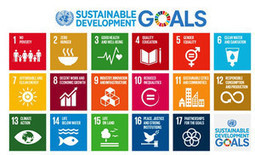
Supporting countries to achieve the SDGs UNECE supports countries in the implementation of the 2030 Agenda and the Sustainable Development Goals (SDGs) thanks to its: - role as a platform for governments to cooperate and engage with all stakeholders on norms, standards and conventions
- unique convening power across the region
- multisectoral approach to tackle the interconnected challenges of sustainable development in an integrated manner
- transboundary focus, which helps devise solutions to shared challenges
Partnerships (SDG 17) between stakeholders including governments, international and regional organizations, businesses, academia and civil society are a driving force of UNECE’s work. This covers three main strategic areas: - Improving connectivity within the region (SDGs, 7, 8, 9, 11, 13)
- Reducing environmental pressures and using resources more sustainably (SDGs 3, 6, 7, 12, 13, 15)
- Contributing to creating more dynamic and resilient economies (SDGs 7, 8, 9, 11, 13)
UNECE works for member countries by: - Supporting evidence-based decision-making through reliable statistics and improved monitoring, analysis, and policy advice
- Fostering cooperation among all stakeholders at the country and regional level
- Building countries’ capacities to implement its norms, conventions and standards, which offer practical tools to improve people’s everyday lives
UNECE promotes women’s economic empowerment and mainstreaming of gender equality in all its activities (SDG 5) UNECE supports concrete cooperation between countries to ensure that good health and well-being remain at the heart of sustainable development. Tackling air pollution Air pollution kills 7 million people worldwide every year, making it more deadly than malaria, tuberculosis and AIDS combined. Under UNECE’s Air Convention, 51 countries in Europe and North America are cooperating to reduce deadly air pollution, achieving major reductions in emissions of harmful substances. Bridging gaps in access to clean water and sanitation 140 million people in the pan-European region still do not have access to clean water. The UNECE/WHO Europe Protocol on Water and Health helps countries design and implement policies to increase access to drinking water and sanitation for all citizens, especially for the most vulnerable members of society. It also links sustainable water management and the prevention, control and reduction of water-related diseases in Europe. Reducing harmful vehicle emissions By driving progress in UN vehicle regulations on emissions and by supporting the development of cleaner fuel technologies, UNECE achieves significant reductions in dangerous emissions from transport (World Forum for Harmonization of Vehicle Regulations). Improving road safety Every year 1.25 million people are killed and around 50 million are injured in road traffic crashes, making it one of the most pressing health emergencies of our time. As host to the UN conventions and agreements on road safety, UNECE supports cooperation for safer transport and works with countries to build capacities for road safety plans that save lives. UNECE also hosts the secretariat and supports the work of the Secretary General’s Special Envoy for Road Safety. Reducing health risks of hazardous materials UNECE supports the safe handling, storage and transport of hazardous materials through standards, technical assistance and by promoting cooperation between countries, reducing risks to health and the environment. Promoting access to healthy housing Access to decent housing has a direct impact on people’s health. UNECE helps countries improve access to healthy housing through reviews, recommendations and policy advice on housing sector policy (Country Profiles on Housing and Land Management), together with standards and capacity-building for housing design, maintenance and retrofitting of existing housing stock. Supporting healthy and sustainable mobility Together with WHO/Europe, UNECE supports countries in the development of integrated policies connecting transport, health and environment. This includes initiatives to promote walking and cycling. Ensuring ageing with dignity and reducing gender gaps in older age Close to 195 million people in the region are 65 or older today and the proportion of persons aged 80+ is growing fast. Promoting health and well-being across the life course is a fundamental part of policy responses to population ageing. UNECE supports countries in their commitment to ensure ageing with dignity and reducing gender gaps in older age through the implementation of the UN policy framework on ageing in the region. This helps to ensure access to quality health and care services and the creation of an enabling, non-discriminatory environment that fosters participation and well-being for women and men at all ages. The sustainable management of water resources is fundamental to achieving the 2030 Agenda for Sustainable Development. UNECE provides an effective platform to strengthen cooperation and works with countries to build capacities and address key water policy challenges and their integration in other policy areas. Facilitating cooperation on shared water resources UNECE’s Water Convention enables effective cooperation between countries for the sustainable management of shared water resources that is essential for environmental protection, drinking water and sanitation, agriculture, industry and energy production. Improving access to clean water The UNECE/WHO Europe Protocol on Water and Health is the only international treaty spelling out countries’ obligations arising from the human right to water and sanitation. It helps countries design policies to increase access to drinking water and sanitation for all citizens, especially for the most vulnerable members of society. Improving water management in cities UNECE works with countries to integrate Improved water and sanitation management as a core component of all urban and housing strategies and policies (Country Profiles on Housing and Land Management and Smart Sustainable Cities Profiles). Safeguarding forest ecosystems for water generation and purification UNECE works to protect forests so they may continue to provide vital ecosystem services such as water generation and purification. In particular, UNECE supports the valuation of forest-water-related ecosystem services through payment schemes. Ensuring environmentally friendly inland water navigation UNECE promotes the use of inland waterways as a sustainable complement to the transport of goods by road and rail and works to reduce the environmental impact of vessels travelling on them. Sustainable energy underpins attainment of the 2030 Agenda for Sustainable Development. UNECE works with countries and stakeholders to attain sustainable and clean energy for all and reduce the greenhouse gas emissions and carbon footprint of the energy sector. Supporting sustainable future energy systems UNECE assists countries in developing sustainable energy systems, national action plans and green economy policies that embrace the energy transition holistically. Through development of appropriate indicators and improving the quality of energy statistics, UNECE also supports enhanced measurement and decision-making for improved energy system management. Advancing energy efficiency UNECE helps countries improve energy efficiency and reduce greenhouse gas emissions.
Performance guidance developed by UNECE supports enhanced energy efficiency of buildings, which in developed countries account for over 70% of electrical power generated and 40% of primary energy. Enhancing interconnected energy systems UNECE is assisting countries in providing energy services sustainably through enhanced electric system integration and interconnection with distributed generation sources and smart energy distribution and use.
UNECE is engaged with governments and the gas industry to enhance the emergence of a global gas market and the uptake of natural gas in transport while reducing methane emissions. Reducing the ecological footprint of fossil fuels UNECE is working with countries and industry to reduce the ecological footprint of fossil fuels: disseminating best practices for deploying high efficiency, low emissions fossil technology with carbon capture and storage; developing standards, technologies and best practices for reporting and reducing methane emissions; and modernizing classification systems to support sustainable resource management. Supporting green and renewable energy UNECE provides a platform for policy makers, financial institutions and technology developers to increase investment in renewable energy technology in the region based on improved data and policy dialogues. UNECE supports countries in increasing their use of green and renewable energy through the development of classification systems to improve the international management and coordination of alternative energy resources, including solar, geothermal, wind, bioenergy and energy from waste.
UNECE supports the use of hydropower by facilitating international cooperation on shared water resources (Water Convention) and by advancing integrated and sustainable water management as part of the water-food-energy-ecosystem nexus. UNECE also supports the sustainable use of forests for wood energy, which is the region’s primary renewable energy source representing 50% of renewable energy use. This includes monitoring, policy advice and review in addition to reporting on current and emerging market trends. Promoting energy efficient transport UNECE promotes energy efficient transport through UN vehicle regulations on improved fuel efficiency and by ensuring that more sustainable fuel technologies including electric, hybrid and hydrogen, become widely available. UNECE also promotes the shift to more energy efficient modes of transport such as rail and inland waterways for long distance haulage. By simplifying and standardizing business processes and fostering the environmental and social sustainability of international trade, UNECE helps countries and companies ensure that economic growth is a catalyst for sustainable development. Accelerating growth through simplified international trade As host to UN Conventions on border crossing, UNECE helps over 70 countries in Europe, the Middle-East and Asia to develop sustainable and resilient cross-border infrastructure to drive economic growth and open new trade routes (TIR Convention). This is complemented by over 480 standards and recommendations on trade facilitation and electronic business (UN/CEFACT, UN/EDIFACT, Single Window) which help countries and companies cut trading costs, reduce bureaucracy and implement the WTO Trade Facilitation Agreement. Removing non-tariff barriers to trade UNECE conducts evidence-based studies to help countries identify and remove regulatory barriers to trade, develop action plans for generating efficiency gains throughout supply chains, and diversify exports. Cutting costs and opening access to markets UNECE norms and standards ranging from agriculture to vehicle regulations help to reduce costs through economies of scale, eliminating technical barriers to trade and enabling countries to access new export markets. UNECE acts as a convening platform to support partnerships among standards bodies, and between standards bodies and decision-makers in businesses, administrations, donor agencies and local communities. This helps bring innovative technological solutions to scale, reducing fragmentation in regulatory requirements and the duplication of standards. It supports coherent regulatory frameworks for sustainable economic growth and competitiveness that limit environmental and social risks (Working Party on Regulatory Cooperation and Standardization Policies). Enhancing agricultural production Food production is increasingly threatened by air pollution, which affects soil quality and crop yields. UNECE supports countries with guidance on reducing ammonia emissions from agriculture. Recommendations and training on the use and implementation of UNECE’s international agricultural quality standards and best practice also help producers, traders and national authorities to increase quality production and yields. This in turn fosters the development of sustainable domestic and international markets. Nurturing the green economy UNECE fosters the development of the green economy by mobilizing public and private stakeholders to develop, commit to and deliver on concrete actions ranging from investment in green technologies to promoting sustainable production and consumption (Batumi Initiative on Green Economy (BIG-E), to which 40 countries and organisations have submitted more than 120 commitments). UNECE also helps strengthen the forest sector’s contribution to the green economy in the region through the implementation of the Rovaniemi Action Plan. The holistic plan promotes sustainable production and consumption of forest products, a low-carbon forest sector, decent green jobs, the long-term provision of forest ecosystem services and policy development and monitoring. Supporting green jobs Through the Transport, Health and Environment Pan European Project in partnership with WHO/Europe, UNECE is working with a range of stakeholders to identify and promote green jobs in the transport sector. Sustainable forest management and green jobs go hand in hand. UNECE works on identifying and promoting green jobs in the forests sector, supporting the implementation of the Rovaniemi Action Plan Promoting sustainable growth of real estate markets UNECE supports sustainable growth in the real estate sector through guidelines and capacity building on land registration, by promoting the use of e-governance, land tenure, spatial information and cadastres, and through recommendations on improving market sustainability. Supporting economic growth through statistics Through statistical work on economic growth and employment, UNECE provides countries with internationally harmonized tools to strengthen knowledge-based decision-making on economic issues, labour market dynamics, gender equality and business processes. Supporting the development of gender statistics and gender equality indicators UNECE conducts methodological work to ensure appropriate measurement of gender issues in official statistics, builds related capacities in national statistical systems, and facilitates the exchange of knowledge and experience between countries. The UNECE Gender Statistics Database highlights key issues and trends in gender equality in the region helping to inform targeted action. Monitoring progress towards achieving gender equality in the region UNECE leads the 5-yearly regional review of progress in the implementation of the Beijing Platform for Action, helping countries and other stakeholders to assess trends in gender equality in the region, identify current challenges, highlight good practices and commit to concrete actions in a range of key areas. Making economies inclusive for all ages Population ageing is a both a major challenge and opportunity for countries of the UNECE region. As part of wide-ranging support to help countries realize the potential of living longer, UNECE tracks progress, shares best practices and develops recommendations for inclusive and flexible employment for older persons and the elimination of all forms of discrimination. Promoting gender-responsiveness is a consideration throughout this work. UNECE supports countries’ to ensure that industry, innovation and infrastructure provide robust foundations for sustainable development. Fostering innovation & entrepreneurship Innovation Performance Reviews enable countries to identify needs and opportunities to build knowledge-based economies. Through policy advice on how to boost investment in technology and R&D, this helps countries to diversify their economies and upgrade technological capabilities across various sectors, helping to create the conditions where entrepreneurship and innovation can thrive. Developing sustainable transport systems Through its 58 international Transport legal instruments, UNECE provides a framework for the development of infrastructure and operations to ensure safe and sustainable transport systems, by road, rail, and inland waterways, facilitating mobility of people and movement of goods. UNECE also helps countries to harness the potential of new technologies through the integration of Intelligent Transport Systems in all modes of transport. Facilitating investment in infrastructure Through international standards and guidance on “People first Public Private Partnerships”, UNECE helps to bring governments and businesses together for the sustainable financing of key infrastructure developments, including in transport, energy and water management. Supporting the sustainable planning of infrastructure & industry UNECE supports cleaner and safer industry and infrastructure through frameworks for assessment and effective planning to ensure their economic, social and environmental sustainability (Convention on the Transboundary Effects of Industrial Accidents, Protocol on Strategic Environmental Assessment, Country Profiles on Housing and Land Management). Promoting gender-responsive standards UNECE supports the development of standards that respond to the needs of women and promotes their participation in the development of such norms in all contexts. Supporting women’s economic advancement and entrepreneurship UNECE supports countries in the promotion of women’s economic advancement, including entrepreneurship, by building skills and knowledge, and fostering professional networks. In South-East Europe, the Caucasus and Central Asia, activities include assessing the business environment for women entrepreneurs and tackling key issues, such as the lack of networking opportunities, difficult access to credit and skills gaps. UNECE helps countries to implement the SDGs at the local level through the development of holistic sustainable urban development strategies. Promoting sustainable housing and land use planning UNECE supports sustainable urban planning though review processes, policy advice and technical assistance to countries. This includes Country Profiles, the development of international guidelines and National Action Plans on different aspects of housing, urban development and land management. UNECE and its 56 member States are committed to the provision of decent, adequate, affordable and healthy housing for all. The right to adequate and affordable housing is enshrined in the Geneva United Nations Charter on Sustainable Housing. Through a network of Geneva UN Charter Centres, analytical studies, and national and regional capacity building activities, UNECE supports countries’ implementation of the Charter at the national and local levels. Harnessing new technologies for Smart Cities UNECE promotes the use of ICTs in city planning and service provision, helping to capitalize on the potential of connectivity for sustainable urban development, including through the use of Key Performance Indicators (United for Smart Sustainable Cities, in cooperation with ITU). UNECE also provides recommendations and policy advice on smart sustainable cities financing and management through Smart Sustainable Cities Profiles. Improving urban air quality Urban air pollution is a growing health risk, with many cities in the UNECE region exceeding WHO limits. UNECE helps countries reduce urban air pollution through measures to reduce harmful emissions from vehicles, through more stringent ceilings on emissions of pollutants (Air Convention) and access to information on pollutant sources (Protocol on Pollutant Release and Transfer Registers). Fostering sustainable mobility in cities UNECE supports sustainable mobility in cities by integrating health and environmental transport objectives into urban and spatial planning. This includes support to the development of urban transport infrastructure, building capacities for urban road safety and UN vehicle regulations on pedestrian protection and public transport vehicles. Encouraging green building Through country reviews and policy recommendations as well as dissemination of good practices on energy efficient housing, UNECE promotes green building in the region. UNECE reports on trends in wooden building construction and promotes the use of wood in housing as a sustainable choice of the future. UNECE supports countries’ progress towards more sustainable systems of consumption and production through a range of complementary approaches. Reducing negative environmental and social impact UNECE’s Environmental Performance Reviews offer a comprehensive tool to help countries identify key environmental challenges and establish concrete recommendations to improve environmental sustainability across all sectors. UNECE’s Protocol on Strategic Environmental Assessment provides a framework for countries to evaluate the environmental consequences of development plans and programmes, while Environmental Impact Assessment under the Espoo Convention facilitates the review and improvement of the environmental performance of future projects. By mobilizing multi-sectoral partnerships and harnessing new technologies for electronic business, UNECE is leading international efforts to advance the traceability and transparency of supply chains for more sustainable production and consumption systems (UN/CEFACT, Sustainable Textiles). UNECE works with countries to reduce the health and environmental risks of industry and infrastructure by strengthening cooperation and capacities for accident prevention, preparedness and response (Convention on the Transboundary Effects of Industrial Accidents, Globally Harmonized System of Classification and Labelling of Chemicals, and action improving coal mine and dam safety). UNECE’s Protocol on Pollutant Release and Transfer Registers promotes transparency, serving as a powerful incentive to achieve further reductions in the release of hazardous chemical substances to air, water and soil. UNECE promotes the integration of standards in regulatory frameworks and the use of standards by policy-makers and business to reduce their impact on ecosystems and facilitate the transition to sustainable modes of production and consumption Facilitating sustainable resource management The United Nations Framework Classification for Resources (UNFC) enables international coordination and reporting on all energy and mineral resources, helping to monitor their sustainable use and stimulating the expansion of renewable and green energy resource use, including energy recovery from waste. UNECE supports the sustainable management of the region’s forest resources and the use of wood as a renewable material of the future. This ranges from sustainability roadmaps (Rovaniemi Action Plan for the Forest Sector in a Green Economy) to the promotion of sustainable forest management certification, and the production of go-to outlook resources for the sector. Promoting sustainable food production and consumption UNECE works with countries to increase the sustainability of food production and consumption and the prevention of food loss, including through the development of international agricultural standards and recommendations. Its International Conventions on Border crossing and the transport of perishable foodstuffs help countries reduce food waste and loss during transport. UNECE’s climate change mitigation work targets cross-cutting areas that help to achieve greenhouse gas reductions. Integrating climate change measures into national policies, strategies and planning UNECE’s Environmental Performance Reviews provide concrete cross-sectoral recommendations for the integration of effective climate change measures within national policy frameworks. Strategic Environmental Assessment offers a tool to ensure that climate change mitigation is addressed within countries’ development plans and strategies. Reducing emissions Reducing air pollution also has benefits for our climate. International cooperation and national commitments under UNECE’s Air Convention have helped to significantly cut air pollutants in 51 countries across Europe and North America. The Gothenburg Protocol is the only international legally-binding instrument with obligations to reduce emissions of short-lived climate pollutants, helping to limit ground-level ozone and black carbon emissions. UNECE helps countries achieve significant reductions in greenhouse gas emissions from transport through more stringent UN Regulations on vehicle emissions and by facilitating the availability of greener fuel sources. Promoting the development of Intelligent Transport Systems and the use of rail and inland waterwayshelps to further limit emissions by reducing traffic congestion. UNECE helps to reduce greenhouse gas emissions from the energy sector via best practices for methane management, through technologies and investments for cleaner energy from fossil fuels, and recommendations on Carbon Capture and Storage. UNECE also promotes the use of innovative wooden-based construction materials, which require between five and twenty-four time less energy than concrete and steel, and contribute to carbon storage. UNECE carries out projects to restore forests and degraded land, helping to increase the potential of forests as carbon sinks in the region. Advancing energy efficiency and renewables Through a comprehensive approach promoting energy efficiency from source to use, UNECE supports countries’ transition to low carbon energy systems. UNECE’s Framework Guidelines for the energy performance of buildings – which represent 40% of combustion-related CO2 emissions in developed countries – help to promote energy efficiency in buildings. UNECE is working with countries to accelerate the uptake of renewable energy across the region. This is supported by the United Nations Framework Classification for Fossil Energy and Mineral Reserves and Resources (UNFC) which has been expanded to allow for the improved management of renewable energy sources and helps identify sustainable energy investments. Strengthening resilience and adaptive capacity By promoting strengthened cooperation and providing practical tools and policy advice, UNECE assists countries in mitigating risks and adapting to the effects of climate change – including to the increasing frequency and severity of extreme weather events. UNECE supports the development and implementation of standards that help prevent and reduce disaster risks and ensure better preparedness and management of crises, including those related to climate change. UNECE’s Water Convention enables effective cooperation between countries to prevent and adapt to the effects of droughts and floods. UNECE’s Convention on the Transboundary Effects of Industrial Accidents provides a framework to reduce environmental and health risks from industrial facilities in the event of extreme weather-related accidents. This includes the promotion of appropriate land-use planning together with measures to enhance preparedness through emergency exercises and effective contingency plans. As part of holistic support to countries in the development of sustainable transport systems, UNECE provides policy advice and develops best practices on transport resilience to climate change. Providing tools to measure and adapt to climate change Quality statistics provide the basis for effective decision-making for climate action. UNECE plays a leading role in global efforts to advance climate change statistics, producing the first ever Recommendations on Climate Change-Related Statistics. UNECE’s Expert Forum on Climate Change Statistics provides a key international platform to support this work. UNECE has developed a modelling tool to help governments develop transport policies that minimize CO2 emissions (ForFITS). UNECE also monitors the role of forests in the region in climate change mitigation and adaptation, and supports ongoing assessment of the role of forests as carbon sinks. UNECE helps countries to reduce environmental pressures and protect the environment for present and future generations. Promoting the sustainable use and preservation of ecosystems UNECE’s Environmental Performance Reviews provide holistic policy advice enabling countries to sustainably manage their ecosystems and halt the loss of biodiversity. This is done through assessment and recommendations on national biodiversity conservation policies, on the integration of nature conservation and biodiversity considerations in sectoral policies, and on meeting their international treaty commitments. UNECE promotes cross-sectoral measures to reduce pollution. These include measures to improve the conservation and sustainable use of inland freshwater ecosystems (Water Convention), enhancing cooperation for the effects of air pollution on ecosystems & biodiversity (Air Convention), and strengthened management of land resources through integrated urban planning that considers urban-rural linkages. Environmental protection is a collective responsibility. UNECE’s Aarhus Convention promotes access to information and public participation in environmental matters, making it easier for governments to involve citizens, non-governmental organizations and other groups in shaping their environment, from the design and planning of new developments, to public consultations on how to face the challenges of climate change. UNECE helps to strengthen the sustainable management of the region’s forests. As part of a holistic approach, UNECE assists countries in addressing deforestation and land degradation by building capacities for the protection, restoration and management of forest ecosystems. Strengthening environmental monitoring UNECE helps to build countries’ capacities to improve statistics for the System of Environmental-Economic Accounting (SEEA), which provides a basis for the analysis of the sustainable use of natural resources. The Shared Environmental Information System enables countries across the pan-European region to connect databases and make environmental data more accessible, so facilitating regular environmental assessments and reporting. UNECE works with countries and stakeholders in the forest sector to develop and use criteria and indicators for sustainable forest management at local, national and regional level. UNECE’s Water Convention supports cooperation between countries to monitor the status and quality of water resources, bringing together experts and stakeholders. UNECE’s Air Convention supports countries in monitoring air quality thanks to a network of over 150 sites providing data to assess the environmental and health impacts of air pollution.
The trade programme works to develop closer economic relations among member States, as well as to better integrate their economies into the world economy. The trade programme's inter-governmental bodies make policy recommendations, develop standards for use in trade and assist member States in implementing them. These bodies also suggest ways and means of creating legal and administrative frameworks for fostering trade. Work includes a range of activities to assist member States with: trade facilitation; regulatory and standards policy; commercial agricultural standards; and e-business standards. Steering Committee on Trade Capacity and Standards Trade Facilitation and Electronic Business (UN/CEFACT) Agricultural Quality Standards (WP.7) Regulatory Cooperation and Standardization Policies (WP.6) Studies on non-tariff barriers to Trade During the UN/CEFACT 33rd Forum in Geneva, Switzerland from 1 to 5 April 2019 experts from around the world will progress the guidance and standards projects on Single Window, Internet of Things, Smart Containers, Data Pipeline, UN/LOCODE, eIMO-FAL, Waste Management, eQuality Certificate, Sustainable Textile and Leather Traceability. Three conferences will also be organized during the week on Supporting MSMEs Access International Trading Markets, Harmonizing Accounting/Audit Data Requirements, New Technologies. Participation is free of charge. Registration to this semi-annual event and more information available. Food loss and waste: We are currently wasting the unimaginable amount of over 1.6 billion tons of food worth 1.2 trillion USD every year. This number will increase hugely by the year 2030 to 2.1 billion tons wasted and a value of 1.5 trillion USD (source Boston Consulting Group, 2018), if we do not take immediate action. Food loss and waste does not only mean being unable to feed the many hungry or losing money and income, it also means maintaining a food production and distribution system where natural resources are used for food that is never eaten while being responsible for 8% of the greenhouse gas emissions. Can we really afford this and neglect the wide-reaching implications of billions of tons of food lost and wasted? For more information, please consult the brand new UNECE resource page on the food loss and waste challenge. - UN/CEFACT has recently published several White Papers, Guidelines and Executive Guides which are available on the website.
- UN/CEFACT has over a dozen active projects ranging from Single Window recommendations to eQuality Certificates and Sustainable tourism to Blockchain. If you are interested in joining our work, please contact us at cefact@un.org
- UNECE’s recent Symposium on nuts and dried fruit highlighted how for many communities around the world, the sustainable trade in nuts and dried fruit is the key to improved food security, rural development and sustainable livelihoods for all including women, youth and the elderly
- UNECE’s work on meat-cut descriptions is an important element for the growing international electronic trade in meat worldwide, the recent UNECE symposium for e-trade in meat underlined.
- The 16th MARS Group meeting in Geneva showcased technical research on initiatives to improve market surveillance across the EU and examined the experience of participants in the use of WP.6 Recommendation S, when applying predictive risk management tools for targeted market surveillance.
- Working Party 6, in collaboration with the Kyrgyz Economic University, organized a Workshop on Women Entrepreneurshipwhich raised awareness regarding the challenges faced by women in business, when trading internationally, and identify measures to build capacity for increased female entrepreneurship.
ROOM VIII, PALAIS DES NATIONS, GENEVA, SWITZERLAND
UNECE’s work on sustainable energy is designed to improve access to affordable and clean energy for all and help reduce greenhouse gas emissions and the carbon footprint of the energy sector in the region. It promotes international policy dialogue and cooperation among governments, energy industries and other stakeholders. The focus is on energy efficiency, cleaner electricity production from fossil fuels, renewable energy, coal mine methane, natural gas, classification of energy and mineral reserves and resources, and energy security. Read more Sustainable Resource Management Deep Transformation of the Energy System Reducing the Environmental Footprint of Fossil Fuels Regional Cooperation, Projects and Partnerships HOTEL QUBUS, NADWIŚLAŃSKA STREET 6, CRACOW, POLAND STARTING AT 10.00 AM, SALLE XI, PALAIS DES NATIONS, GENEVA SALLE XI, PALAIS DES NATIONS, GENEVA INCLUDING 10TH SESSION OF THE EXPERT GROUP ON RESOURCE MANAGEMENT (1-3 MAY), ROOM XII, PALAIS DES NATIONS, GENEVA Welcome address for the UNECE Resource Management Workshop, Busan, Republic of Korea by Scott Foster The World's Fossil Fuel Dependency Sustainable Energy Efficiency
The UNECE Committee on Housing and Land Management works to promote - energy efficient and adequate housing, including for those with special needs and vulnerable population groups
- compact, inclusive, resilient, smart and sustainable cities
- transparent and efficient land use, and property registration
This work is based on key United Nations policy documents on housing and urban development, including, Geneva UN Charter on Sustainable Housingand Strategy for Sustainable Housing and Land Management 2014-2020. Prepare for the DAY OF CITIES! On 8 April 2019, the event Day of Cities is organized to bring together Mayors, urban managers and other key municipal practitioners for an exchange of views and knowledge sharing of good practices and successful planning strategies. The event will precede UNECE Commission's 68th session, which will be held on 9-10 April 2019. The theme of this session is "Smart sustainable cities: Drivers for Sustainable Development". From Committee on Housing and Land Management to Committee on Urban Development, Housing and Land Management
Since the adoption of recent international and regional agreements, such as the New Urban Agenda and the Geneva UN Charter on Sustainable Housing, the Committee has widened its scope of activities to confront emerging urban challenges in the UNECE region. Hence, the proposal to add urban development in its name to to adequately reflect the broadened scope of work. The proposal for the name change to Committee on Urban Development, Housing and Land Management was endorsed by the Committee at its recently concluded 79th session. The UNECE Urban Week 2018, organized by the Committee on Housing and Land Management, focused on sustainable urban solutions. It opened with the photo exhibition on women affected by homelessness titled "Women Without Walls" on World Habitat Day (1 October 2018). The exhibition will run until 12 October 2018. The main event of the Urban Week was the 79th session of the Committee on 4-5 October 2018, where the proposal to change the name of the Committee to Committee on Urban Development, Housing and Land Management was endorsed.
The environmental challenges in our region are many and interlinked. Air pollution caused some 600,000 deaths in 2012, and more than 100 million people still do not have access to safe drinking water and adequate sanitation. Added to these, releases of hazardous chemicals, climate change, effective engagement of the public in decision-making and access to environmental information and justice are among major concerns we need to address urgently. Read more List of Environment Ministers in the UNECE Region Environmental
Monitoring and Assessment Education for
Sustainable Development Environmental Performance
Reviews Environmental governance is improved through mobilizing consensus and formulating environmental policy, developing international environmental law and supporting international initiatives. UNECE helps member countries put these norms and rules into practice by organizing seminars, workshops and advisory missions and by publishing guidance and compilations of best practice. SALLE S-1, PALAIS DES NATIONS GENEVA, SWITZERLAND PALAIS DES NATIONS, GENEVA, SWITZERLAND SALLE VII, PALAIS DES NATIONS GENEVA, SWITZERLAND.
|
Key reports on climate impacts and solutions from around the United Nations. Highlights UNFCCC | NDC Synthesis Report National climate action plans remain insufficient to limit global temperature rise to 1.5 degrees Celsius and meet the goals of the Paris Agreement. Read the report UNEP | Production Gap Report Governments plan to produce double the fossil fuels in 2030 than would be consistent with limiting warming to 1.5°C. Read the report UNEP | Adaptation Gap Report Progress on climate adaptation is slowing when it should be accelerating to catch up with rising climate impacts. Read the report WMO | State of the Climate in Latin America and the Caribbean 2023 8 May 2024 The WMO State of the Climate in Latin America and the Caribbean 2023 report confirmed that it was by far the warmest year on record. Sea levels continued to rise at a higher rate than the global average around much of the Atlantic region, threatening coastal areas and small island developing States.The report highlights the need for more investment in National Meteorological and Hydrological Services to strengthen forecasts and life-saving early warnings Report WMO | State of the Climate in Asia 2023 23 April 2024 Asia remained the world’s most disaster-hit region from weather, climate and water-related hazards in 2023. Floods and storms caused the highest number of reported casualties and economic losses, whilst the impact of heatwaves became more severe, according to the report from the World Meteorological Organization (WMO). Report WMO | State of the Climate in Europe 2023 22 April 2024 In 2023, the impacts of climate change continued to be seen across Europe, with millions of people impacted by extreme weather events, making the development of mitigation and adaptation measurements a priority. The report provides descriptions and analysis of climate conditions and variations from across the Earth system, key events and their impacts, and a discussion of climate policy and action with a focus on human health. Report WMO | State of Global Climate 2023 Report 19 March 2024 The State of the Global Climate 2023 report from the World Meteorological Organization (WMO) shows that records were once again broken, and in some cases smashed, for greenhouse gas levels, surface temperatures, ocean heat and acidification, sea level rise, Antarctic sea ice cover and glacier retreat. Weather hazards continued to trigger displacement in 2023, showing how climate shocks undermine resilience and create new protection risks among the most vulnerable populations Report WMO | The Global Climate 2011-2020: A Decade of Acceleration 5 December 2023 The rate of climate change surged alarmingly between 2011-2020, which was the warmest decade on record. Continued rising concentrations of greenhouse gases fuelled record land and ocean temperatures and turbo-charged a dramatic acceleration in ice melt and sea level rise, according to a new report from the World Meteorological Organization (WMO). The report, “the Global Climate 2011-2020: A Decade of Acceleration” emphasizes the need for much more ambitious climate action to try to limit global temperature rise to no more than 1.5°C above the pre-industrial era. Report UNEP | An Eye on Methane: International Methane Emissions Observatory 2023 Report 1 December 2023 The latest “Eye on Methane” report from the UN Environment Programme and the International Methane Emissions Observatory takes stock of progress harnessing an imminent data revolution that can accelerate methane reduction on a global scale. Credible data has the potential to deliver the transparency needed for rapid climate action, but only if reconciled, integrated and put into the hands of those who can act on it. The report provides decision makers a framework of action to track and monitor methane emissions to plan targeted and ambitious action. Report WMO | Provisional State of the Global Climate 2023 30 November 2023 The provisional State of the Global Climate report by the World Meteorological Organization (WMO) confirms that 2023 is set to be the warmest year on record. Data until the end of October shows that the year was about 1.4 degrees Celsius above the pre-industrial 1850-1900 baseline. The past nine years, 2015 to 2023, were also the warmest on record. “Greenhouse gas levels are record high. Global temperatures are record high. Sea level rise is record high. Antarctic sea ice is record low. It’s a deafening cacophony of broken records,” said WMO Secretary-General Prof. Petteri Taalas. WMO Report UNEP | Emissions Gap Report 2023 20 November 2023 This report by the UN Environment Programme (UNEP) finds that current pledges under the Paris Agreement put the world on track for a 2.5-2.9°C temperature rise above pre-industrial levels this century – far above the 1.5°C limit that would avoid the worst impacts of climate change. The report also finds that none of the G20 countries are reducing emissions at a pace consistent with their net-zero targets. The report calls for all nations to deliver economy-wide, low-carbon development transformations, with a focus on the energy transition. UNEP Report WMO | Greenhouse Gas Bulletin 15 November 2023 The abundance of heat-trapping greenhouse gases in the atmosphere once again reached a new record in 2022, according to this report from the World Meteorological Organization. Global averaged concentrations of carbon dioxide (CO2), the most important greenhouse gas, were a full 50 per cent above the pre-industrial era for the first time, and they continued to grow in 2023. Methane concentrations also grew, and levels of nitrous oxide, the third main gas, saw the highest year-on-year increase on record from 2021 to 2022. WMO Report WHO | The Lancet Countdown Report 15 November 2023 Climate inaction is costing lives and livelihoods today, with new global projections revealing the grave and mounting threat to health of further delayed action on climate change. But profound and swift action to tackle the root causes of climate change and to support adaptation efforts could offer a lifeline for health. In its eighth iteration, this report draws on the expertise of 114 scientists and health practitioners from 52 research institutions and UN agencies, including the World Health Organization, to provide its most comprehensive assessment yet, tracking the relationship between health and climate change across five key domains and 47 indicators. The Lancet Countdown Report UNU-EHS | Interconnected Disaster Risks 2023 25 October 2023 Interconnected Disaster Risks is an annual science-based report from the United Nations University – Institute for Environment and Human Security (UNU-EHS). The 2023 report warns of six tipping points ahead of us and the role climate change plays in pushing us towards these tipping points. It explains the potential consequences of surpassing these thresholds for both people and planet and assesses options to avoid them through a new framework that categorizes risk mitigation solutions into four types: avoid, adapt, delay, and transform. UNU-EHS Report WMO | United in Science 2023 14 September 2023 At the halfway point of the 2030 Agenda, the science is clear – the planet is far off track from meeting its climate goals. This undermines global efforts to tackle hunger, poverty and ill-health, improve access to clean water and energy and many other aspects of sustainable development, according the United in Science 2023 report, a multi-agency report coordinated by the World Meteorological Organization (WMO). WMO Report WMO | State of the Climate in the South-West Pacific 2022 18 August 2023 Sea level rise threatens the future of low-lying islands whilst increasing ocean heat and acidification harms vital and vulnerable marine ecosystems, according to the State of the Climate in the South-West Pacific 2022 report from the World Meteorological Organization (WMO). The report provides a snapshot of climate indicators including temperatures, sea level rise, ocean heat and acidification, and extreme weather events in 2022. It also highlights the socio-economic risks and impacts on key sectors like agriculture. WMO Report WMO | State of the Climate in Asia 2022 27 July 2023 Extreme weather and climate change impacts are increasing in Asia, which ricocheted between droughts and floods in 2022, ruining lives and destroying livelihoods. Melting ice and glaciers and rising sea levels threaten more socio-economic disruption in future, according to a new report from the World Meteorological Organization (WMO). The expected increase in the frequency and severity of extreme events over much of Asia will impact agriculture, which is central to all climate adaptation planning. WMO Report WMO | State of the Climate in Latin America and the Caribbean 2022 5 July 2023 Extreme weather and climate shocks are becoming more acute in Latin America and the Caribbean, as the long-term warming trend and sea level rise accelerate, according to WMO’s report on the state of the climate in the region. Temperatures over the past 30 years have warmed at the highest rate on record and the newly arrived El Niño is likely to further increase temperatures and bring even more extreme weather. The report addresses agriculture, food security, and energy as top priority areas for adaptation and mitigation, highlighting the impacts of persistent droughts and the unexploited potential of renewable energy. The report also stresses the need for strengthened early warning systems across the region. WMO Report WMO | State of the Climate in Europe 2022 19 June 2023 Climate change is taking a major human, economic and environmental toll in Europe, the fastest warming continent of the world. The year 2022 was marked by extreme heat, drought and wildfires. Sea surface temperatures around Europe reached new highs, accompanied by marine heatwaves. Glacier melt was unprecedented. The State of the Climate in Europe 2022 report, the second in an annual series, was produced jointly by the World Meteorological Organization and the European Union’s Copernicus Climate Change Service. WMO Report WMO | Global Annual to Decadal Climate Update 17 May 2023 Global temperatures are likely to surge to record levels in the next five years, fueled by heat-trapping greenhouse gases and a naturally occurring El Niño. According to this report issued by the World Meteorological Organization, there is a 66% likelihood that the annual average near-surface global temperature between 2023 and 2027 will be more than 1.5°C above pre-industrial levels for at least one year. There is a 98% likelihood that at least one of the next five years, and the five-year period as a whole, will be the warmest on record. The Paris Agreement refers to the 1.5°C threshold for long-term warming over many years. This report predicts the level will be breached temporarily, with increasing frequency, but not permanently. WMO Report IPCC | Climate Change 2023: Synthesis Report 20 March 2023 More than a century of burning fossil fuels as well as unequal and unsustainable energy and land use have led to global warming of 1.1°C above pre -industrial levels. This has resulted in more frequent and more intense extreme weather events that have caused increasingly dangerous impacts on nature and people in every region of the world. But there are multiple, feasible and effective options to reduce greenhouse gas emissions and adapt to human-caused climate change, and they are available now, said scientists in this IPCC report. Taking effective and equitable climate action will not only reduce losses and damages for nature and people, it will also provide wider benefits, the report points out, underscoring the urgency of taking more ambitious action now to secure a livable sustainable future for all. Synthesis Report UNEP | One Atmosphere: An Independent Expert Review on Solar Radiation Modification Research and Deployment 27 February 2023 Solar Radiation Modification – a speculative group of technologies to cool the Earth – requires far more research into its risks and benefits before any consideration for potential deployment, according to an Expert Panel convened by the United Nations Environment Programme. The panel finds that Solar Radiation Modification is not yet ready for large-scale deployment to cool the Earth. Rapid reduction in greenhouse gas emissions must remain the global priority, the report states. UNEP Report WMO | State of the Global Climate in 2022 21 April 2023 The State of the Global Climate 2022 shows the planetary-scale changes on land, in the ocean and in the atmosphere caused by record levels of heat-trapping greenhouse gases. The years 2015-2022 were the eight warmest on record, despite the cooling impact of a La Niña event for the past three years. Melting of glaciers and sea level rise - which again reached record levels in 2022 - will continue to up to thousands of years. Antarctic sea ice fell to its lowest extent on record, and the melting of some European glaciers was, literally, off the charts. WMO Report UNEP | Emissions Gap Report 2022: The Closing Window 27 October 2022 Inadequate progress on climate action calls for urgent sector and system-wide transformations – in the electricity supply, industry, transport and buildings sectors, and the food and financial systems – as current climate pledges leave the world on track for a temperature rise of 2.4-2.6°C by the end of this century. UNEP Report WMO | Greenhouse Gas Bulletin 26 October, 2022 The latest report warns that atmospheric levels of the three main greenhouse gases - carbon dioxide, methane, and nitrous oxide - reached new record highs in 2021, showing the biggest year-on-year jump in methane concentrations since systematic measurements began nearly 40 years ago. Moreover, the increase in carbon dioxide levels from 2020 to 2021 was larger than the average annual growth rate over the last decade. WMO Report WMO | United in Science 2022 13 September 2022 As global warming increases, “tipping points” in the climate system cannot be ruled out and the ambition of emissions reduction pledges for 2030 needs to be seven times higher to be in line with the 1.5 °C goal of the Paris Agreement. WMO Report WMO | State of the Climate in Africa 2021 8 September 2022 Water stress and hazards like withering droughts and devastating floods are hitting African communities, economies, and ecosystems hard. Rising water demand combined with limited and unpredictable supplies threatens to aggravate conflict and displacement. WMO Report IPCC | Climate Change 2022: Mitigation of Climate Change 4 April 2022 Without immediate and deep emissions reductions across all sectors, limiting global warming to 1.5°C (2.7°F) is beyond reach. In the scenarios assessed, limiting warming to around 1.5°C requires global greenhouse gas emissions to peak before 2025 at the latest, and be reduced by 43% by 2030; at the same time, methane would also need to be reduced by about a third. According to the report, there is increasing evidence of climate action. In 2010-2019, average annual global greenhouse gas emissions were at their highest levels in human history, but the rate of growth has slowed. An increasing range of policies and laws have enhanced energy efficiency, reduced rates of deforestation and accelerated the deployment of renewable energy. IPCC Report WMO | State of Global Climate 2021 18 May 2022 Record atmospheric greenhouse gas concentrations and associated accumulated heat have propelled the planet into uncharted territory, with far-reaching repercussions for current and future generations. This report finds the past seven years are on track to be the seven warmest on record, based on data for the first nine months of 2021. A temporary cooling “La Niña” event early in the year means that 2021 is expected to be “only” the fifth to seventh warmest year on record. But this does not negate or reverse the long-term trend of rising temperatures. Global sea level rise accelerated since 2013 to a new high in 2021, with continued ocean warming and ocean acidification. The report combines input from multiple United Nations agencies, national meteorological and hydrological services and scientific experts. It highlights impacts on food security and population displacement, harming crucial ecosystems and undermining progress towards the Sustainable Development Goals. WMO Report IPCC | Climate Change 2022: Impacts, Adaptation, Vulnerability 28 February 2022 Human-induced climate change is causing dangerous and widespread disruption in nature and is affecting the lives of billions of people around the world, says this Intergovernmental Panel on Climate Change (IPCC) report. People and ecosystems least able to cope are being hardest hit. Increased heatwaves, droughts and floods are already exceeding plants and animals’ tolerance thresholds, driving mass mortalities in species such as trees and corals. These weather extremes are occurring simultaneously, causing cascading impacts that are increasingly difficult to manage. They have exposed millions of people to acute food and water insecurity, especially in Africa, Asia, Central and South America, on small islands and in the Arctic. To avoid mounting loss of life, biodiversity and infrastructure, urgent, ambitious, and accelerated action is required to adapt to climate change, at the same time as making rapid, deep cuts in greenhouse gas emissions. IPCC Report WMO| Greenhouse Gas Bulletin 25 October 2021 The abundance of heat-trapping greenhouse gases in the atmosphere once again reached a new record in 2020, with the annual rate of increase above the 2011-2020 average. That trend has continued in 2021, according to the latest Greenhouse Gas Bulletin. Concentration of carbon dioxide, the most important greenhouse gas, reached 413.2 parts per million in 2020 and is 149 per cent of the pre-industrial level. Methane is 262 per cent of the level in 1750 when human activities started disrupting the Earth’s natural equilibrium. The economic slowdown from COVID-19 did not have any discernible impact on atmospheric levels of greenhouse gases and their growth rates, although there was a temporary decline in new emissions. Roughly half of carbon dioxide emitted by human activities today remains in the atmosphere. The other half is taken up by oceans and land ecosystems, but their ability to act as “sinks” may become less effective in the future. WMO Report WMO and others | The State of the Climate in Africa 2020 19 October 2021 This report provides a snapshot of climate change trends and impacts in Africa, including sea level rise and the melting of the continent’s iconic glaciers. It highlights the region’s disproportionate vulnerability and shows how the potential benefits of investments in climate adaptation, weather and climate services and early warning systems far outweigh the costs. The report adds to the scientific evidence underlining the urgency of cutting global greenhouse gas emissions, stepping up climate ambition and increasing financing for adaptation. Greater weather and climate variability mean that up to 118 million extremely poor people in Africa may face drought, floods and extreme heat by 2030. Without response measures, poverty alleviation efforts will slow and gross domestic product could fall by up to 3 percent by 2050. WMO Report UN | United in Science 2021 16 September 2021 COVID-19 paused but did not slow the relentless advance of climate change. Record levels of greenhouse gases in the atmosphere commit the planet to dangerous future warming, according to a new report that links the latest findings from across the United Nations. Rising global temperatures are fuelling extreme weather throughout the world, impacting economies and societies. The average global temperature for the past five years was among the highest on record, and the scale of recent changes across the global climate system is unprecedented over many centuries to many thousands of years. Even with ambitious action to slow greenhouse gas emissions, sea levels will continue to rise and threaten low-lying islands and coastal populations throughout the world. The findings reinforce critical momentum behind climate action to avoid the worst impacts of climate change. UN Report IPCC | Climate Change 2021: The Physical Science Basis 9 August 2021 Climate change is widespread, rapid and intensifying. That is the key finding of the latest scientific report from the Intergovernmental Panel on Climate Change. It finds changes in the Earth’s climate in every region and across the whole climate system. Many changes are unprecedented in thousands, if not hundreds of thousands of years. Some, such as continued sea-level rise, are irreversible over hundreds to thousands of years. The report points to strong and sustained reductions in emissions of carbon dioxide and other greenhouse gases to limit climate change. Benefits for air quality would come quickly, while global temperatures would take 20-30 years to stabilize. The report, issued by the IPCC’s Working Group I and approved by 195 member governments, is the first in a series leading up to the 2022 IPCC Sixth Assessment Report. It includes a closer look at the regional dimensions of climate change and builds on advances in attributing specific weather and climate events to climate change. IPCC Report WMO | State of the Global Climate 2020 20 April 2021 The State of the Global Climate 2020 finds the year was one of the three warmest on record, despite a cooling La Niña event. The global average temperature was about 1.2° Celsius above the pre-industrial (1850-1900) level. The six years since 2015 have been the warmest on record, with 2011-2020 the warmest decade on record. The report documents indicators of the climate system, including greenhouse gas concentrations, increasing land and ocean temperatures, sea level rise, melting ice and glacier retreat and extreme weather. It also highlights impacts on socioeconomic development, migration and displacement, food security and land and marine ecosystems. WMO Report WMO | Greenhouse Gas Bulletin 23 November 2020 The global slowdown from the COVID-19 pandemic has not curbed rising levels of greenhouse gases, said the World Meteorological Organization in releasing its latest WMO Greenhouse Gas Bulletin. Carbon dioxide levels have pushed past another record threshold, after rising in 2019 at a rate faster than the average for the last 10 years. WMO Report WMO | The State of the Climate in Africa 2019 26 October 2020 Increasing temperatures and sea levels, changing precipitation patterns and more extreme weather are threatening human health and safety, food and water security and socio-economic development in Africa, according to the State of the Climate in Africa Report devoted exclusively to the continent. The report provides a snapshot of current and future climate trends and associated impacts on the economy and sensitive sectors like agriculture. It highlights lessons for climate action in Africa and identifies pathways for addressing critical gaps and challenges. WMO Report WMO | 2020 State of Climate Services 2020 13 October 2020 Between 1970 and 2019, 79% of disasters worldwide involved weather, water, and climate-related hazards. These disasters accounted for 56% of deaths and 75% of economic losses from disasters associated with natural hazards reported during that period. As climate change continues to threaten human lives, ecosystems and economies, risk information and early warning systems (EWS) are increasingly seen as key for reducing these impacts. This latest WMO report highlights progress made in EWS capacity – and identifies where and how governments can invest in effective EWS to strengthen countries’ resilience to multiple weather, water and climate-related hazards. WMO Report WMO | United in Science 2020 9 September 2020 Climate change has not stopped for COVID19. United in Science 2020, a new multi-agency report from leading science organizations, highlights the increasing and irreversible impacts of climate change, which affects glaciers, oceans, nature, economies and human living conditions and is often felt through water-related hazards like drought or flooding. It also documents how COVID-19 has impeded our ability to monitor these changes through the global observing system. WMO Report WMO | State of the Global Climate in 2019 10 March 2020 The tell-tale physical signs of climate change, such as increasing land and ocean heat, accelerating sea level rise and melting ice, contributed to making 2019 the second warmest year on record according to a new report compiled by a network led by the World Meteorological Organization. The report documents the increasing impacts of weather and climate events on socio-economic development, human health, migration and displacement, food security and land and marine ecosystems. WMO Report WMO | State of the Global Climate in 2018 28 March 2019 The physical signs and socio-economic impacts of climate change are accelerating as record greenhouse gas concentrations drive global temperatures towards increasingly dangerous levels, according to a new report from the World Meteorological Organization. The WMO Statement on the State of the Global Climate in 2018 , its 25th anniversary edition, highlights record sea level rise, as well as exceptionally high land and ocean temperatures over the past four years. This warming trend has lasted since the start of this century and is expected to continue. WMO Report IPCC | Special Report 8 October 2018 Limiting global warming to 1.5ºC would require rapid, far-reaching and unprecedented changes in all aspects of society, the Intergovernmental Panel on Climate Change (IPCC) said in a new assessment. With clear benefits to people and natural ecosystems, limiting global warming to 1.5ºC compared to 2ºC could go hand in hand with ensuring a more sustainable and equitable society. IPCC Report WMO | Greenhouse Gas Bulletin 22 November 2018 The WMO Greenhouse Gas Bulletin reports on atmospheric concentrations of greenhouse gases in the earth’s atmosphere. The report found that levels of heat-trapping greenhouse gases in the atmosphere have reached another new record high, according to the World Meteorological Organization. There is no sign of a reversal in this trend, which is driving long-term climate change, sea level rise, ocean acidification and more extreme weather. WMO Report IPCC | AR5 Synthesis Report: Climate Change 2014 2 November 2014 The Synthesis Report (SYR) of the IPCC Fifth Assessment Report (AR5) provides an overview of the state of knowledge concerning the science of climate change. It shows that human influence on the climate system is clear, and recent anthropogenic emissions of greenhouse gases are the highest in history. Recent climate changes have had widespread impacts on human and natural systems. IPCC Report
Greenwashing presents a significant obstacle to tackling climate change. By misleading the public to believe that a company or other entity is doing more to protect the environment than it is, greenwashing promotes false solutions to the climate crisis that distract from and delay concrete and credible action.
Greenwashing manifests itself in several ways – some more obvious than others. Tactics include: - Claiming to be on track to reduce a company’s polluting emissions to net zero when no credible plan is actually in place.
- Being purposely vague or non-specific about a company’s operations or materials used.
- Applying intentionally misleading labels such as “green” or “eco-friendly,” which do not have standard definitions and can be easily misinterpreted.
- Implying that a minor improvement has a major impact or promoting a product that meets the minimum regulatory requirements as if it is significantly better than the standard.
- Emphasizing a single environmental attribute while ignoring other impacts.
- Claiming to avoid illegal or non-standard practices that are irrelevant to a product.
- Communicating the sustainability attributes of a product in isolation of brand activities (and vice versa) – e.g. a garment made from recycled materials that is produced in a high-emitting factory that pollutes the air and nearby waterways.
Why care about greenwashing, and how does it relate to climate change?
The science is clear: greenhouse gas emissions, such as carbon and methane, from human activities are wrapping the Earth in a blanket of pollution that has warmed the planet and led to severe impacts such as more intense storms, droughts, floods and wildfires. To limit climate change and preserve a livable planet, emissions need to be cut nearly in half by 2030 and reduced to net zero by 2050. Every fraction of a degree of warming matters and, as put by the former chair of the High-Level Expert Group on the Net-Zero Emissions Commitments of Non-State Entities, “the planet cannot afford delays, excuses, or more greenwashing”. Greenwashing undermines credible efforts to reduce emissions and address the climate crisis. Through deceptive marketing and false claims of sustainability, greenwashing misleads consumers, investors, and the public, hampering the trust, ambition, and action needed to bring about global change and secure a sustainable planet. How is the UN tackling greenwashing?
Since the adoption of the Paris Agreement in 2015, an increasing number of companies have pledged to reduce their greenhouse gas emissions to net zero - a level where any remaining emissions would be absorbed by forests, the ocean or other “carbon sinks.” However, those claims are often based on questionable plans, including emissions offsetting and “insetting” – rather than actual emission cuts. As such, the transparency and integrity of such claims remain critically low and risk creating a failure to deliver urgent climate action. In response to the rise in greenwashing in net-zero pledges, the Secretary-General established a High-Level Expert Group tasked with developing stronger and clearer standards for net-zero emissions pledges by companies, financial institutions, cities and regions, and speed up their implementation. In its report “Integrity Matters,” the Expert Group outlined ten recommendations for credible, accountable net-zero pledges and detailed the necessary considerations for each stage towards achieving net zero and addressing the climate crisis. A checklist for companies to follow is available here. Following the report, UN Climate Change published a Recognition and Accountability Framework and Draft Implementation Plan to begin operationalizing the expert group’s recommendations, improve transparency and maximize the credibility of climate action pledges, plans and transition progress. To further accelerate action and hear from “first movers and doers,” the UN Secretary-General is convening a Climate Ambition Summit at the UN Headquarters in New York on 20 September 2023. This summit is designed along three tracks: ambition, credibility, and implementation, leaving “no room for back-sliders, greenwashers, blame-shifters or repackaging of announcements of previous years”.
What can you do?
- Learn more: as a consumer, understanding the common greenwashing tactics and what constitutes sustainable practices and products is crucial to recognizing and avoiding greenwashing.
- Spend wisely: when possible, take time to research and choose products from companies who use resources responsibly and are committed to cutting their emissions and waste. A great place to start your research is to check if the company is aligned with any of the UN’s climate and sustainability initiatives, such as the UNFCCC’s Race to Zero or Fashion Industry Charter for Climate Action, and the UN Alliance for Sustainable Fashion, among others.
- Consider a product’s lifecycle: when evaluating a product, it is crucial to consider its entire life cycle, starting from the extraction of raw materials to its eventual disposal, while also taking into account the environmental consequences associated with its materials and packaging.
- Look for transparency and accountability: it is often hard to know if companies are on track to meet their net zero commitments, and the absence of standardized and comparable data makes it hard to assess progress. The UN-backed credibility standards and criteria make it possible to reward leading entities taking bold, credible steps.
For more tips on actions, you can take for a healthy planet, check out the ActNow campaign. Close-up: the fashion industry Due to raw material extraction, long supply chains and energy-intensive production, the fashion industry is responsible for 2 to 8 per cent of global carbon emissions (for context, the shipping and aviation industry combined account for about 5 per cent of global emissions). Significant efforts are underway to reduce the fashion industry’s pollution – including through the UN-backed Fashion Charter – but greenwashing remains a challenge. A recent report found that 60 per cent of sustainability claims by European fashion giants are “unsubstantiated” and “misleading.” This has resulted in confusion for consumers and growing mistrust of what is and is not sustainable. But with one of the most influential marketing engines on Earth, the fashion industry has the potential to drive positive change and be a leader towards a more sustainable future, through both action and communications. The Sustainable Fashion Communication Playbook is a guide for fashion communicators – marketers, brand managers, imagemakers, media, influencers and beyond – to help counter greenwashing and advance progress towards the Paris Agreement and Sustainable Development Goals.
The United Nations Secretary-General, António Guterres, on 31 March 2022, established a High-Level Expert Group on the Net-Zero Emissions Commitments of Non-State Entities to develop stronger and clearer standards for net-zero emissions pledges by non-State entities – including businesses, investors, cities, and regions – and speed up their implementation. With the launch of the report “Integrity Matters: Net Zero commitments by Businesses, Financial Institutions, Cities and Regions” at the UN Climate Conference (COP27) in Sharm-el Sheikh, Egypt, the Group has successfully finalized its work and delivered on its mandate.
“We must have zero tolerance for net-zero greenwashing,” said the Secretary-General at the launch event that took place on 8 November 2022. The report provides clarity in four key areas – environmental integrity, credibility, accountability, and the role of governments. The Secretary-General has issued specific asks to implement the Group’s recommendations, a process led by his Climate Action Team, in close collaboration with the United Nations Framework Convention on Climate Change (UNFCCC). He also described the expected next steps for existing and new net-zero voluntary initiatives, ahead of the Climate Ambition Summit and COP28. Among other things, the Secretary-General called on non-State entities to put forward credible and transparent transition plans and to submit them before the end of this year. Since the adoption of the Paris Agreement in 2015, the world has seen an increasing number of net-zero commitments by non-State actors, in particular from the private and financial sectors, as well as from local government and regions. The growth in pledges has been accompanied by a proliferation of criteria and benchmarks to set net-zero commitments with varying levels of robustness. This misleads consumers, investors, and regulators with false narratives, and it feeds a culture of climate misinformation and confusion. The ten recommendations, outlined in the report, are a how-to guide for credible, accountable net-zero pledges and detail what non-State actors need to consider through each stage of their progress towards achieving net-zero ambitions and addressing the climate crisis. For more details on what were the Group’s objectives, scope of work, mode of operation, composition, timeline, staffing and budget, see the Terms of Reference. Chaired by Catherine McKenna, the former Canadian Minister of Environment and Climate Change, the High-level Group consisted of 18 independent experts with significant experiences across a diversity of sectors, countries, and regions. Meet the former members here.
Climate change refers to long-term shifts in temperatures and weather patterns. Such shifts can be natural, due to changes in the sun’s activity or large volcanic eruptions. But since the 1800s, human activities have been the main driver of climate change, primarily due to the burning of fossil fuels like coal, oil and gas. Burning fossil fuels generates greenhouse gas emissions that act like a blanket wrapped around the Earth, trapping the sun’s heat and raising temperatures. The main greenhouse gases that are causing climate change include carbon dioxide and methane. These come from using gasoline for driving a car or coal for heating a building, for example. Clearing land and cutting down forests can also release carbon dioxide. Agriculture, oil and gas operations are major sources of methane emissions. Energy, industry, transport, buildings, agriculture and land use are among the main sectors causing greenhouse gases. Humans are responsible for global warming Climate scientists have showed that humans are responsible for virtually all global heating over the last 200 years. Human activities like the ones mentioned above are causing greenhouse gases that are warming the world faster than at any time in at least the last two thousand years. The average temperature of the Earth’s surface is now about 1.2°C warmer than it was in the late 1800s (before the industrial revolution) and warmer than at any time in the last 100,000 years. The last decade (2011-2020) was the warmest on record, and each of the last four decades has been warmer than any previous decade since 1850. Many people think climate change mainly means warmer temperatures. But temperature rise is only the beginning of the story. Because the Earth is a system, where everything is connected, changes in one area can influence changes in all others. The consequences of climate change now include, among others, intense droughts, water scarcity, severe fires, rising sea levels, flooding, melting polar ice, catastrophic storms and declining biodiversity. People are experiencing climate change in diverse ways Climate change can affect our health, ability to grow food, housing, safety and work. Some of us are already more vulnerable to climate impacts, such as people living in small island nations and other developing countries. Conditions like sea-level rise and saltwater intrusion have advanced to the point where whole communities have had to relocate, and protracted droughts are putting people at risk of famine. In the future, the number of people displaced by weather-related events is expected to rise. Every increase in global warming matters In a series of UN reports, thousands of scientists and government reviewers agreed that limiting global temperature rise to no more than 1.5°C would help us avoid the worst climate impacts and maintain a livable climate. Yet policies currently in place point to a 3°C temperature rise by the end of the century. The emissions that cause climate change come from every part of the world and affect everyone, but some countries produce much more than others.The seven biggest emitters alone (China, the United States of America, India, the European Union, Indonesia, the Russian Federation, and Brazil) accounted for about half of all global greenhouse gas emissions in 2020. Everyone must take climate action, but people and countries creating more of the problem have a greater responsibility to act first. We face a huge challenge but already know many solutions Many climate change solutions can deliver economic benefits while improving our lives and protecting the environment. We also have global frameworks and agreements to guide progress, such as the Sustainable Development Goals, the UN Framework Convention on Climate Change and the Paris Agreement. Three broad categories of action are: cutting emissions, adapting to climate impacts and financing required adjustments. Switching energy systems from fossil fuels to renewables like solar or wind will reduce the emissions driving climate change. But we have to act now. While a growing number of countries is committing to net zero emissions by 2050, emissions must be cut in half by 2030 to keep warming below 1.5°C. Achieving this means huge declines in the use of coal, oil and gas: over two-thirds of today’s proven reserves of fossil fuels need to be kept in the ground by 2050 in order to prevent catastrophic levels of climate change. Adapting to climate consequences protects people, homes, businesses, livelihoods, infrastructure and natural ecosystems. It covers current impacts and those likely in the future. Adaptation will be required everywhere, but must be prioritized now for the most vulnerable people with the fewest resources to cope with climate hazards. The rate of return can be high. Early warning systems for disasters, for instance, save lives and property, and can deliver benefits up to 10 times the initial cost. We can pay the bill now, or pay dearly in the future Climate action requires significant financial investments by governments and businesses. But climate inaction is vastly more expensive. One critical step is for industrialized countries to fulfil their commitment to provide $100 billion a year to developing countries so they can adapt and move towards greener economies.
Four key climate change indicators – greenhouse gas concentrations, sea level rise, ocean heat and ocean acidification – set new records in 2021. This is yet another clear sign that human activities are causing planetary-scale changes on land, in the ocean, and in the atmosphere, with dramatic and long-lasting ramifications. The key to tackling this crisis is to end our reliance on energy generated from fossil fuels - the main cause of climate change. “The good news is that the lifeline is right in front of us,” says UN Secretary-General António Guterres, stressing that renewable energy technologies like wind and solar already exist today, and in most cases, are cheaper than coal and other fossil fuels. We now need to put them to work, urgently, at scale and speed. The Secretary-General outlines five critical actions the world needs to prioritize now to transform our energy systems and speed up the shift to renewable energy - “because without renewables, there can be no future.” Make renewable energy technology a global public good For renewable energy technology to be a global public good - meaning available to all, and not just to the wealthy - it will be essential to remove roadblocks to knowledge sharing and technological transfer, including intellectual property rights barriers. Essential technologies such as battery storage systems allow energy from renewables, like solar and wind, to be stored and released when people, communities and businesses need power. They help to increase energy system flexibility due to their unique capability to quickly absorb, hold and re-inject electricity, says the International Renewable Energy Agency. Moreover, when paired with renewable generators, battery storage technologies can provide reliable and cheaper electricity in isolated grids and to off-grid communities in remote locations. Improve global access to components and raw materials A robust supply of renewable energy components and raw materials is essential. More widespread access to all the key components and materials - from the minerals needed to produce wind turbines and electricity networks, to electric vehicles - will be key. It will take significant international coordination to expand and diversify manufacturing capacity globally. Moreover, greater investments are needed to ensure a just transition - including in people’s skills training, research and innovation, and incentives to build supply chains through sustainable practices that protect ecosystems and cultures. Level the playing field for renewable energy technologies While global cooperation and coordination is critical, domestic policy frameworks must urgently be reformed to streamline and fast-track renewable energy projects and catalyze private sector investments. Technology, capacity and funds for renewable energy transition exist, but there needs to be policies and processes in place to reduce market risk and enable and incentivize investments - including through streamlining the planning, permitting and regulatory processes, and preventing bottlenecks and red tape. This could include allocating space to enable large-scale build-outs in special Renewable Energy Zones. Nationally Determined Contributions, countries’ individual climate action plans to cut emissions and adapt to climate impacts, must set 1.5C aligned renewable energy targets - and the share of renewables in global electricity generation must increase from today’s 29 percent to 60 percent by 2030. Clear and robust policies, transparent processes, public support and the availability of modern energy transmission systems are key to accelerating the uptake of wind and solar energy technologies. Shift energy subsidies from fossil fuels to renewable energy Fossil-fuel subsidies are one of the biggest financial barriers hampering the world’s shift to renewable energy. The International Monetary Fund (IMF) says that about $5.9 trillion was spent on subsidizing the fossil fuel industry in 2020 alone, including through explicit subsidies, tax breaks, and health and environmental damages that were not priced into the cost of fossil fuels. That’s roughly $11 billion a day. Fossil fuel subsidies are both inefficient and inequitable. Across developing countries, about half of the public resources spent to support fossil fuel consumption benefits the richest 20 percent of the population, according to the IMF. Shifting subsidies from fossil fuels to renewable energy not only cuts emissions, it also contributes to the sustainable economic growth, job creation, better public health and more equality, particularly for the poor and most vulnerable communities around the world. Triple investments in renewables At least $4 trillion a year needs to be invested in renewable energy until 2030 – including investments in technology and infrastructure – to allow us to reach net-zero emissions by 2050. Not nearly as high as yearly fossil fuel subsidies, this investment will pay off. The reduction of pollution and climate impact alone could save the world up to $4.2 trillion per year by 2030. The funding is there - what is needed is commitment and accountability, particularly from the global financial systems, including multilateral development banks and other public and private financial institutions, that must align their lending portfolios towards accelerating the renewable energy transition. In the Secretary-General’s words, “renewables are the only path to real energy security, stable power prices and sustainable employment opportunities.”
Dear Friends, I am delighted to join you to launch our Panel on Critical Energy Transition Minerals. And I thank you all for your involvement – particularly I thank our co-chairs – Your Excellency Nozipho Joyce Mxakato-Diseko and Your Excellency Ditte Juul Jørgensen. Of course, from South African and from the European Commission so we have the guarantee of a perfect global view. One principle shines from the heart of this initiative – and that principal is justice. Justice for the communities where critical minerals are found; and I just finished reading the book Cobalt Red. And so I am particular aware of how communities suffer in these situations. Justice for developing countries in production and trade; and justice in the global energy revolution. That revolution is in now in full swing. New wind power was up sixty percent last year, compared to 2022; and new solar soared by eighty-five per cent – according to the International Energy Agency. So there is no question: the lights are going out on the fossil fuel era and this is of course essential if we want to keep climate under control and if we want to keep 1.5 degrees still possible. Now, delaying tactics from the fossil fuel industry cannot change that. Misinformation, distortion, and spin can’t change that – no matter how many billions of dollars are thrown at them. But to keep the worst of climate chaos at bay – by limiting the global temperature rise to 1.5 degrees Celsius – we must supercharge both the roll-out of renewables, and the phaseout of fossil-fuels. We need to flip the script. Now, between now and the end of this decade the share of electricity generated by fossil fuels must fall from sixty to thirty per cent. And the share generated by renewables must rise from thirty to sixty per cent – according to the International Energy Agency. Now, critical minerals are at the core of this shift. A world powered by renewables is a world hungry for copper, lithium, nickel, cobalt and rare earth metals: Electric cars – and my wife just bought an electric car – so we are now perfectly in line – I have no car myself – so we are now perfectly in line with the right approach. Electric cars need six times more of these minerals than cars powered by fossil fuels. Offshore wind farms need thirteen times more than similar gas power plants. In a world heading to net zero by 2050, the International Energy Agency projects demand for critical minerals multiplying three and a half times over this decade. Now for developing countries with large reserves, critical minerals represent obviously a critical opportunity. An opportunity to create jobs, to diversify their economies, and to boost revenues. But they could also be an important instrument in order to guarantee that these countries can achieve the Sustainable Development Goals. Simply, it is essential that everything is managed properly. And too often, production of these minerals leaves a toxic cloud in its wake: pollution; wounded communities, childhoods lost to labour and sometimes dying in their work. And developing countries and communities have not reaped the benefits of their production and trade. This must change. As we reshape how we power our societies and economies, we cannot replace one dirty, exploitative, extractive industry with another dirty, exploitative, extractive industry. The race to net zero cannot trample over the poor. So developing countries cannot be shackled to the bottom of the clean energy value chain – relegated to suppliers of basic raw materials. It is absolutely essential that added value takes place in the countries that produce these raw materials and that added value is not only in developed countries. Because that’s where the largest part of value chain takes place. So little wonder that resource-rich developing countries are calling for urgent action to ensure that they, and their communities, benefit from the production and trade of critical minerals; and that people and nature are protected. And that require serious investments and that requires a serious institutional framework, adequate laws and adequate relations between Member States and the companies that exploit those resources to make sure human rights are effectively protected. So this Panel is an important part of the United Nations’ response. You – our panel members – from across government, industry, civil society and more – are evidence that there is a real desire to do things differently. Every voice must be heard. And I strongly welcome your engagement. And of course we hope that you are develop a set of voluntary global principles to guide governments, industry and others involved in critical minerals value chains. What we are looking for fairness, transparency, investment, sustainability and human rights. And they should draw from existing standards and initiatives – strengthening and consolidating them. And of course many gaps still need to be filled. So I have asked for initial recommendations ahead of the UN General Assembly in September. And the whole United Nations system all the agencies that are relevant will be behind you. The work is complex – but the world cannot wait. And renewables revolution is happening – but we must make sure that it is done in a way that moves us towards justice. So your vital work to help make that a reality starts today and I’m extremely grateful for the generosity with which you have accepted our invitation. Thank you very much.
Sustainable Development About Sustainable Development: Sustainable development is “development that meets the needs of the present without compromising the ability of future generations to meet their own needs”, as famously phrased by the Brundtland Commission in 1987. The 2030 Agenda and the Sustainable Development Goals (SDGs) that were adopted by the UN Member States in September 2015 for the period 2016-2030 reflect an ambitious and transformative framework – a paradigm shift in international development that has the potential to put the world on a more sustainable path and ensure a life of dignity for all. In addition, the new agenda is underpinned by goals on peaceful and inclusive societies and effective institutions, means of implementation and follow-up mechanisms to make the agenda work. While the MDGs were of limited relevance for the UNECE region as a whole, the 2030 Agenda is designed as a universal framework for all countries, regardless of their level of development. UNECE activities are closely related to many of the areas of the SDGs and will be instrumental for translating the new framework into concrete measures throughout the region and beyond. The concept of sustainable development was endorsed by the world’s Governments at the 1992 Earth Summit in Rio de Janeiro and reaffirmed at the United Nations Conference on Sustainable Development in 2012 (Rio+20). Despite progress, social, economic and environmental considerations have yet to be fully integrated in policy-making, business practices and lifestyles throughout this diverse region. The Regional Survey on the Planning, Implementation, Follow-up and Review of the Sustainable Development Goals is available in Englishand Russian. Please see responses.
We work to promote sustainable transport which is safe, clean and competitive, through the development of freight and personal mobility by inland transport modes, by improving traffic safety, environmental performance, energy efficiency, inland transport security and efficient service provision in the transport sector. Climate Change and Sustainable Transport Intelligent Transport Systems Transport, Health, Environment (THE PEP) Transport Facilitation and Security Transport Infrastructure Development The 81st annual session of the Inland Transport Committee (ITC) will be held from 19 to 22 February 2019, in Geneva. Among the highlights of the session will be the expected adoption of the ITC strategy until 2030. Additionally, on 18 February a WP.1 - WP.29 Joint Event on the safe deployment of automated vehicles will take place. A second side event on 19 February will focus on digitization and e-docs in transport enabling growth and development. See the weekly programme and other related documents.
Download the UNECE Quick Stats We focus on raising UNECE countries’ capacity in official statistics by helping national statistical offices and other stakeholders to coordinate their work and fill statistical gaps. Our work aims to address the increasing demand for high quality and comparable data among countries. By bringing together experts from across the statistical community, we look for common efficiencies and innovative ways to tackle persistent and emerging challenges in official statistics. Conference of European Statisticians Population, Gender and Society Sustainable Development and Environment Modernization of Official Statistics Technical Cooperation and Capacity Building Sharing data between the many entities that produce the data and those who turn them into statistics is becoming ever more important in today’s world. It’s no longer possible to correctly measure global production and trade, for example, without information about the global activities of multinational enterprise groups—and to get this information, data must be shared beyond national borders. UNECE, other international organizations, national statistical offices and central banks are together developing ways to share data across countries to improve economic statistics, reduce the response burden on businesses, and enable effective economic policymaking. The UNECE Task Force on Exchange and Sharing of Economic Data is working to define what data should be shared among statisticians, and how, to ensure the quality of GDP and other key economic statistics. The Task Force focuses on establishing safeguards, secure environments and clear legislation for data to be exchanged. It is devising mechanisms to ensure that such exchange is exclusively for statistical purposes, and that strict confidentiality is maintained. Meanwhile, the latest guidance on migration statistics also emphasizes the crucial importance of data sharing for producing accurate statistics on international migrant flows. - The System of Environmental-Economic Accounting (SEEA) is a framework that combines economic and environmental statistics to show the relationship between them, permitting monitoring and informed policymaking about environmental conditions and economic responses. On 21-21 February a joint UNECE-OECD seminar will explore key topics in the implementation of the SEEA: water accounting, environmental taxes and subsidies, experimental ecosystem accounting. The seminar will address policy applications, communication strategies and technical implementation.
28 February to 01 March 2019
We work to promote policy dialogue on various facets of demographic change across the UNECE region, with a particular focus on ageing. Population and Development People in the 2030 Agenda The rapid increase in the oldest-old population aged 80 and over brings with it critical challenges for individuals, families, communities and policy makers. The latest Policy Brief on Ageing focuses on innovative social services and supportive measures that help individuals of advanced old age to continue living at home independently. UNECE Policy Brief on Ageing No. 20: "Innovative social services and supportive measures for independent living in advanced age" GENEVA, PALAIS DES NATIONS GENEVA, PALAIS DES NATIONS Secretary-General's message on 4th UNECE Ministerial Conference on Ageing Celebrating the International day of Older Persons Realizing population and development commitments beyond 2014
Forestry and Timber Timeline of the Forestry and Timber Section The United Nations vision is of a world in which all types of forests and trees outside forests are sustainably managed, contribute to sustainable development and provide economic, social, environmental and cultural benefits for present and future generations (UNFF, Strategic Plan for Forests 2017-2030). The joint ECE/FAO Forestry and Timber Section supports developing evidence-based policies for sustainable forest management and communicates about the many products and ecosystem services provided to society while assisting countries of the region to monitor and manage forests. Learn to Love Forests! Did you know that earth has more than 60,000 known tree species? Or that more than 25% of the medicines we use originate in rainforest plants? Or that one third of our biggest cities, including New York, Bogota, Tokyo and Barcelona, get a significant proportion of their high-quality drinking water from protected forests? There is so much to learn about forests and their benefits to society. This year's celebration of the International Day of Forests will focus on Forests and Education and will see a range of activities organized by the Joint ECE/FAO Forestry and Timber Section. Find out more here. SWITZERLAND, GENEVA, PALAIS DES NATIONS, CONCORDIA 4 ROOM VIII, GENEVA, SWITZERLAND
|




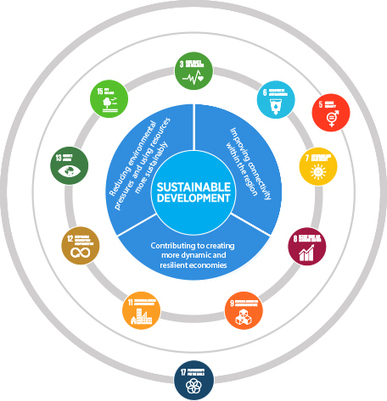



![Secretary-General's remarks for the Launch of the Panel on Critical Energy Transition Minerals [As delivered] | United Nations Secretary-General | Biodiversity, Climate Change, Environment, Conservation, Forestry, Fisheries, Oceans and Coasts | Scoop.it](https://img.scoop.it/Ob2uy403lr9W0Sw8GaaBWjl72eJkfbmt4t8yenImKBVvK0kTmF0xjctABnaLJIm9)