Your new post is loading...
Pan-African Parliament President Meets South Africa’s Minister of International Relations and Cooperation The President of the Pan-African Parliament (PAP), H.E. Chief Fortune Charumbira, met today with the Minister of International Relations and Cooperation of the Republic of South Africa (DIRCO), Hon. Ronald Lamola. This meeting marked their first engagement since Mr.Lamola’s appointment as South Africa’s Minister of Foreign Affairs. During the discussions, President Charumbira sought South Africa’s support, as the host nation of the Pan-African Parliament, to drive critical regional initiatives forward. Central to their dialogue was the urgent need for the ratification of the Malabo Protocol, which would enhance the legislative and oversight powers of the PAP. They also deliberated on advancing institutional reforms within the African Union (AU) and the role of the Pan-African Parliament in fostering greater continental unity and development. Adequate funding for the Pan-African Parliament was a significant point of discussion, with President Charumbira emphasizing the importance of financial support to enable PAP to effectively fulfill its mandate of representing the aspirations of African citizens. H.E. Chief Charumbira congratulated Minister Lamola on his appointment and expressed deep gratitude to the Republic of South Africa for its continued commitment to the Pan-African Parliament. He acknowledged the invaluable facilities and resources South Africa provides as the host country, ensuring the smooth functioning of PAP throughout the year. This meeting underscores the critical partnership between the Pan-African Parliament and its host country and reaffirms their shared commitment to advancing the African Union’s Agenda 2063 and promoting a united, prosperous Africa.
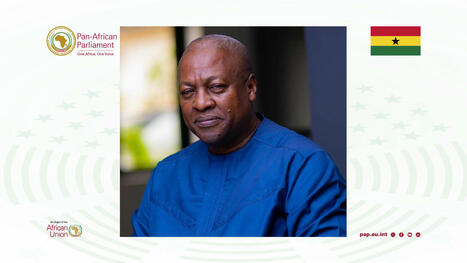
Congratulatory Message to the President – Elect of the Republic of Ghana, John Dramani Mahama On behalf of the Bureau, the entire membership of the Pan-African Parliament and indeed on my own behalf, I wish to convey our hearty congratulations to the President-elect of the Republic of Ghana, Mr. John Dramani Mahama, on his resounding victory in the Presidential elections.
Mr. Mahama is a former member of the Pan-African Parliament.
The re-election of Mr. Mahama to serve a second term as President of the Republic of Ghana is as much an expression of the people of Ghana’s nostalgic remembrance of his first term as President as it is a reaffirmation of their confidence and belief in his tried and tested leadership.
The Pan-African Parliament applauds the former Vice President of Ghana, Dr. Mahamudu Bawumia, for putting the interests of Ghana first by graciously conceding defeat and congratulating the President-elect thus reaffirming Ghana’s enduring democratic character. The Pan-African Parliament also applauds the people of Ghana for the peaceful manner in which the elections were conducted.
The Pan-African Parliament cherishes the strong bonds of solidarity that exist between the continental legislature and the Republic of Ghana and looks forward to the further enhancement of these relations with the Republic Ghana under the able stewardship of one of our own.
Long Live Ghana! Long Live Representative Democracy! H.E. Chief Fortune Z. Charumbira
PRESIDENT OF THE PAN-AFRICAN PARLIAMENT
Pan-African Parliament Advocates for Africa’s Climate Resilience at COP29 in Baku The Pan-African Parliament (PAP) is in Baku, Azerbaijan, to actively participate in the 29th United Nations Climate Change Conference of the Parties (COP29), underscoring its commitment to championing Africa’s climate resilience and justice. The Pan-African Parliament (PAP) reaffirms its commitment to advancing Africa’s climate resilience and justice agenda as it takes part in the 29th United Nations Climate Change Conference of the Parties (COP29) in Baku, Azerbaijan. As part of its engagement, today the Pan-African Parliament delegation, led by the President of the institution, H.E. Chief Fortune Charumbira, held a significant side event under the theme: "Strengthening Africa’s Climate Resilience: Advancing Adaptation Strategies and Securing Climate Justice”. This platform brought together African parliamentarians, climate negotiators, policymakers, and international stakeholders to address Africa’s unique challenges in adapting to climate change while advancing the principles of climate justice. Africa is disproportionately affected by the impacts of climate change, despite its minimal contribution to global greenhouse gas emissions. The continent faces worsening droughts, floods, and food insecurity, which threaten its development and livelihoods. In response, the Pan-African Parliament seeks to amplify Africa's voice at COP29 by advocating for robust climate finance, equitable adaptation strategies, and the inclusion of justice principles in global climate frameworks. The side event explored the continent’s urgent adaptation needs in critical areas such as agriculture, water resources, infrastructure, and public health while focusing on the importance of scaling up financial resources for resilience-building projects. Discussions also emphasized the need to integrate climate justice into international agreements, ensuring that African nations, that bear an unequal burden of climate change, receive equitable support. The event further highlighted the role of African parliamentarians in driving national adaptation plans and ensuring governments are held accountable for their climate commitments. The President of the Pan-African Parliament, H.E. Chief Fortune Charumbira, emphasized the significance of this moment, stating: "As we convene at COP29, Africa's call for climate justice is louder than ever. The Pan-African Parliament stands resolute in ensuring that Africa’s priorities are not just acknowledged but acted upon. This is a moment for the global community to demonstrate solidarity and deliver equitable solutions for a continent on the frontlines of climate change.Africa stands at the forefront of the climate crisis, not by choice but by circumstance. Despite contributing a mere 4% of global greenhouse gas emissions, our continent suffers disproportionately from climate-induced disasters that threaten livelihoods and reverse decades of development progress,” said H.E. Chief Charumbira. He highlighted the Pan-African Parliament’s pivotal role in shaping policies and fostering legislative action to address these challenges, citing the Model Law on Climate Change in Africa as a prime example. This framework, designed to harmonize climate governance across the continent, aims to bolster resilience, advance adaptation strategies, and integrate locally led initiatives into national policies. He called for COP29 to prioritize adaptation and loss and damage financing for Africa, which requires an estimated $53 billion annually by 2030 to meet its climate resilience needs. The Pan-African Parliament aimed to achieve several outcomes through this engagement, including raising global awareness of Africa’s resilience and adaptation needs, securing increased climate finance tailored to African priorities, and fostering partnerships that reinforce Africa's Common Position on climate action. The discussions are expected to result in actionable recommendations that will advance Africa’s adaptation goals and strengthen its representation in the COP29 final agreements. Dr. Mithika Mwenda, Executive Director at PACJA underscored the significance of these momentous two weeks at COP29. He declared these pivotal days will determine whether COP29 is a success or failure for Africa. Adaptation finance is the cornerstone of climate resilience. “Any deal struck must deliver equitable, accessible climate finance that reaches the grassroots where the impacts of climate change are felt most. Community-driven initiatives are essential, but success requires the collective action of parliamentarians, civil society, and partners like PACJA, which has been instrumental in amplifying African voices,” said Dr. Mwenda. The Pan-African Parliament delegation to COP29, led by H.E. Chief Fortune Charumbira, is made up of Hon. Sakata Garry, Chairperson of the Committee on Rural Economy, Agriculture, Natural Resources and Environment; Hon. Abdallah Barkat Ibrahim, Vice-chair of the Committee on Rural Economy, Agriculture, Natural Resources and Environment; Hon. Sulayman Saho, Rapporteur of the Committee on Rural Economy, Agriculture, Natural Resources and Environment; Hon. Tafanana Zhou, Member of the Committee on Rural Economy, Agriculture, Natural Resources and Environment; Hon. Yousef Mohamed Alfakhri, Member of the Committee on Rural Economy, Agriculture, Natural Resources and Environment; Hon. Mahamat Saleh Ahmat Khayar, Rapporteur of the Committee on Rules; Hon. Laila Dahi, Member of Committee on Justice and Human Rights; and Hon. Khadija Arouhal, Member of the Committee on Gender, Family, Youth and People with Disabilities.
Pan-African Parliament Adopts Key Reports on Education, Child Protection, and Social Rights The Plenary of the Pan-African Parliament has adopted a series of reports aimed at guiding Africa’s socio-economic and human rights agenda. During the Fourth Ordinary Session of the Sixth Parliament, Permanent Committees presented comprehensive reports on critical issues facing the continent, emphasizing the African Union (AU) Theme for 2024 : “Educate an African Fit for the 21st Century: Building Resilient Education Systems for Increased Access to Inclusive, Lifelong, Quality, and Relevant Learning in Africa.” Discussions centered on strengthening education systems and ensuring inclusivity for Africa’s children, women, and vulnerable populations. The Committee on Justice and Human Rights Chairperson Hon. Jean Marie Nibirantije delivered the Activity Report for September to November 2024. Hon. Nibirantije highlighted the AU’s dedication to safeguarding child rights as part of Agenda 2063, noting persistent challenges such as child marriage, female genital mutilation (FGM), and drug abuse. The Pan-African Parliament recently held a seminar to raise awareness on effective child protection policies. Its recommendations called for enhanced regional collaboration, better data collection, and stronger stakeholder engagement. The committee’s resolution urged member states to prioritize child protection, aligning with the AU's vision of a safe, exploitation-free environment for all African children. Hon. Koudio Kouakuo Bertin, Chairperson of the Committee on Education, Culture, Tourism, and Human Resources, presented outcomes from a workshop held in collaboration with the International Centre for Girls’ and Women’s Education in Africa (AU/CIEFFA) from October 28–30, 2024. The workshop focused on advancing girls’ education and expanding vocational training opportunities. Resolutions adopted underscored the need for gender-sensitive policies and greater investment in vocational training to empower young women with skills for Africa’s evolving economies. The #AfricaEducateHer campaign, a focal point of discussion, gained strong support from parliamentarians advocating for accessible, high-quality education for girls across the continent. Hon. Mahmoud El-Sayed Mohamed Saad, Deputy Chairperson of the Committee on Health, Labour, and Social Affairs, reported on a joint seminar titled “Fostering an Africa Fit for Children,” addressing child labour, healthcare access, and challenges faced by children with albinism. Seminar recommendations emphasized regional cooperation, addressing policy gaps, and culturally sensitive approaches to child protection. Hon. Saad advocated for better data collection and investments in human resources to create supportive environments for African children’s development. The committee called for a unified approach to tackle issues such as drug abuse and stigma faced by children with albinism. Hon. Dr. Eng. Sherif El Gabaly, Chairperson of the Committee on Cooperation, International Relations, and Conflict Resolution, reported on insights from the UN Summit of the Future 2024. His presentation highlighted global challenges like climate change, conflict, and migration, and detailed the Pact for the Future, which promotes a more integrated and peaceful global order. A key resolution was the adoption of a Model Law on the Right to Nationality and the Eradication of Statelessness, ensuring Africans’ rights to nationality are protected. The Committee on Gender, Family, Youth, and People with Disabilities, led by Hon. Dao Gabala Mariam, reported on an advocacy mission to promote AU protocols supporting rights for persons with disabilities, the elderly, and vulnerable groups. Hon. Mariam’s report called for inclusive policies to support socio-economic integration and improve social protection for these groups. Parliamentarians strongly supported these recommendations, highlighting the need for policy alignment across African nations to uphold citizens' rights. These discussions underscore the Pan-African Parliament’s crucial role in advancing AU goals. By adopting these reports, the Permanent Committees reinforced their commitment to addressing Africa’s pressing challenges, from child protection and gender equality to the eradication of statelessness. With these resolutions progressing toward implementation, Africa is moving closer to a more inclusive, sustainable, and equitable future, aligning with Agenda 2063 and the AU’s strategic objectives for a thriving continent.
Pan-African Parliament Concludes Fourth Ordinary Session with Solidarity for Palestine and Key Resolutions for Africa's Progress The Fourth Ordinary Session of the Sixth Parliament of the Pan-African Parliament concluded in Midrand, South Africa, with significant achievements. Guided by the African Union’s 2024 theme, “Educate an African Fit for the 21st Century: Building Resilient Education Systems for Increased Access to Inclusive, Lifelong, Quality, and Relevant Learning in Africa,” the session underscored the Parliament’s commitment to addressing Africa’s developmental challenges. The session saw the adoption of key resolutions poised to shape the continent’s future. Among these was the 2024–2028 Strategic Plan, a four-year roadmap aligning the Parliament’s vision with Africa’s overarching priorities. Model laws were also endorsed, addressing pressing issues such as the right to nationality, the eradication of statelessness, and labour migration—marking critical steps toward protecting human rights and advancing social justice. A resolution on peace and security reaffirmed the Parliament’s dedication to combating conflict and promoting stability across the continent. Additionally, the Pan-African Parliament resolved to actively participate in the United Nations Summit for the Future, amplifying Africa’s voice on the global stage. A declaration of solidarity with Palestine highlighted the Parliament’s enduring advocacy for justice and self-determination. Emerging recommendations emphasized the need for further action. These included fostering an Africa fit for children through joint seminars on Agenda 2063, advocating for the ratification of protocols on the rights of older persons, persons with disabilities, and social protection, and addressing challenges related to industrialisation and economic integration. The Parliament stressed that its decisions must translate into actions that drive tangible progress. A prominent outcome of the session was a declaration of solidarity with the people of Palestine. The Parliament called for an immediate cessation of armed conflict and military activities in Palestinian territories. It urged Israel to cease its attacks and withdraw from occupied Palestinian lands to end longstanding hostilities. The declaration further called on the African Union (AU) to prioritize the Palestine question by formulating a resolution advocating for peace and justice. The Parliament also recommended designating a specific day for collective African solidarity with Palestine, reflecting Africa’s historical commitment to justice, self-determination, and human rights. H.E. Chief Fortune Charumbira, President of the Pan-African Parliament, expressed profound gratitude to members for their dedication and contributions. Reflecting on initial challenges, including logistical setbacks, he commended members for their resilience and unity. He acknowledged the collective efforts that achieved significant milestones and encouraged members to bring these achievements back to their national parliaments for effective implementation. Chief Charumbira noted that the session’s successes were a testament to the shared commitment to Africa’s development and urged members to sustain this momentum in their future work. Hon. Dr. Fatimetou Habib, the newly elected First Vice President of the Pan-African Parliament, extended heartfelt thanks to her colleagues for their support and pledged to fulfill the responsibilities of her new role with dedication. She emphasized the importance of collaboration and expressed gratitude to the bureau members and staff for their contributions. Second Vice President Hon. Dr. Ashebiri Gayo echoed the sentiments of unity, calling for continued collective efforts to advance Africa’s development agenda. He urged members to maintain their commitment to fostering stronger collaboration among African legislators. As the session concluded, members were reminded of their shared responsibility to drive the implementation of Agenda 2063 and ensure the success of the African Continental Free Trade Area (AfCFTA), a pivotal tool for economic liberation. The Parliament reiterated its role in promoting peace, addressing conflicts, and emphasizing financial accountability within the African Union. Mobilizing resources to support its activities was highlighted as a key priority. The closing session reflected a profound commitment to Africa’s collective progress. Members were urged to report the session’s outcomes to their national parliaments and engage their citizens on the importance of the Pan-African Parliament. By fostering greater awareness and collaboration, the Parliament aims to ensure its resolutions, recommendations, and declarations translate into meaningful action, reinforcing its role as a cornerstone institution in Africa’s transformation journey.
Pan-African Parliament Adopts 2024-2028 Strategic Plan at Fourth Ordinary Session In a landmark step toward greater continental unity and progress, the Pan-African Parliament (PAP) has officially adopted its Strategic Plan for 2024-2028. This significant event occurred during the Fourth Ordinary Session of the Sixth Parliament in Midrand, South Africa, under the African Union’s 2024 theme: “Educate an African Fit for the 21st Century: Building Resilient Education Systems for Increased Access to Inclusive, Lifelong, Quality, and Relevant Learning in Africa.” The Strategic Plan marks a pivotal step in advancing Africa’s governance, integration, and sustainable development over the next five years. H.E. Chief Fortune Charumbira, President of the Pan-African Parliament, addressed the plenary with a message of optimism and unity, stating, “The Pan-African Parliament Strategic Plan for 2024-2028 embodies our commitment to accelerating the continent's legislative, social, and economic progress. This roadmap reflects our collective aspirations and aligns with Agenda 2063, the African Union’s (AU) blueprint for transforming Africa into a global powerhouse.” His message emphasized the plan’s role as a dynamic roadmap designed to bring tangible benefits to African citizens, thus strengthening PAP’s influence on the global stage. The Strategic Plan focuses on enhancing the effectiveness of PAP in several key areas. By developing and promoting continental model laws, PAP aims to unify legislation across the continent, thereby fostering economic development and integration. Enhanced legislative oversight will enable PAP to hold AU institutions and policies accountable, ensuring transparency and integrity among member states. The plan also strengthens PAP’s commitment to representation, reinforcing its role as a key voice in continental decision-making. Additionally, it prioritizes building institutional capacity to improve PAP’s operational efficiency and financial sustainability, supporting its mission as the AU's legislative arm. Chief Charumbira highlighted that PAP’s approach for this period represents a shift from activity-based implementations to a results-driven strategy focused on measurable outcomes. This shift is intended to ensure that PAP’s efforts directly benefit African citizens. The Plan’s Theory of Change and Strategic Map outline a framework for fostering legal harmonization, fiscal responsibility, and citizen engagement, all aligned with Agenda 2063—a comprehensive vision for African unity and prosperity. The anticipated outcomes of the Strategic Plan illustrate the transformative impact PAP envisions. Through improved legal harmonization across member states, PAP aims to achieve policy coherence and unity throughout Africa, advancing the objectives of Agenda 2063. By enhancing fiscal accountability and policy compliance, PAP seeks to ensure equitable and responsible resource allocation within AU programs, supporting sustainable development continent-wide. With a stronger representative role, PAP will actively shape and monitor the implementation of key initiatives, ensuring that Africa’s voice resonates in the policy-making spaces that shape its future. With strengthened institutional capacity, PAP aims to bolster its global influence, effectively advocating for African interests on the international stage. Professor Benon Basheka, a consultant who spoke after the adoption, commended the collaborative effort behind the Plan and underscored its alignment with Agenda 2063. “The adoption of this strategic plan underscores PAP’s dedication to meeting the needs of African citizens,” he noted. “The alignment of our strategic activities with Agenda 2063 exemplifies our commitment to Africa’s shared future.” The adoption of the Strategic Plan was widely celebrated by African legislators, who praised the dedication of all involved in its creation. They expressed confidence in the Plan’s potential to drive Africa’s development and integration. As PAP embarks on this ambitious agenda, Chief Charumbira called on all stakeholders—member states, civil society, regional bodies, and youth—to join hands in the collective effort toward a unified and empowered Africa. Together, PAP and its partners will work toward realizing a prosperous, integrated, and resilient continent, enhancing Africa’s role on the world stage.
Caucus on Youth of the Pan-African Parliament Discusses Strategic Agenda for Empowering Africa’s Future Leaders Amid the ongoing Fourth Ordinary Session of the Sixth Parliament of the Pan-African Parliament in Midrand, South Africa, the Youth Caucus convened with a shared commitment to advancing youth empowerment and increasing young Africans' representation in governance. Guided by the African Union’s 2024 theme, “Educate an African Fit for the 21st Century: Building Resilient Education Systems for Increased Access to Inclusive, Lifelong, Quality, and Relevant Learning in Africa,” the Caucus outlined its vision and strategic priorities for the years ahead, setting a bold agenda for transformative change across the continent. Key agenda items included the 2024 Youth Conference and a series of initiatives planned for 2025-2026. The Caucus highlighted upcoming events such as the Statutory Meeting of the Youth Assembly during Pan-African Parliament sessions, the observance of International Youth Day on 12 August 2025, and a Youth Day celebration. Planned activities also include participation in the ECOSOCC Youth Forum from 15-17 April 2025 and a regional advocacy campaign in September 2025 to encourage African states to ratify the African Youth Charter. Closing the year, a youth conference scheduled for December 2025 will spotlight the African Union’s theme, “Justice for Africans and People of African Descent through Reparations.” Under the leadership of Chairperson Hon. Laila Dahi from Morocco, the Youth Caucus has established itself as a powerful advocate for the rights and interests of Africa’s youth. Dedicated to promoting youth-led development, the Caucus focuses on addressing challenges in education, employment, healthcare, and leadership representation. Their work plan centers on four key areas: policy advocacy, civic engagement, youth empowerment, and partnership building. By lobbying for youth-centered policies and creating programs to equip young people with essential skills, the Caucus aims to cultivate a generation that is politically aware, engaged, and prepared to lead. However, challenges remain. During the session, members voiced significant concerns about funding shortages, underscoring the need for stronger financial and institutional backing. They called for greater engagement from political authorities to enhance the Caucus’s impact. Discussions also explored funding solutions, including partnerships with NGOs, youth associations, and the private sector, as well as grants that could support the Caucus’s initiatives long-term. This meeting marks an important milestone as the Youth Caucus moves forward with renewed resolve to make Africa’s young people active participants in shaping the continent’s political, economic, and social landscape. Their advocacy and initiatives underscore a commitment to building a future where Africa’s youth can thrive and lead, fostering a more inclusive and prosperous continent for generations to come.
Pan-African Parliament Committees Adopt Key Reports at the Ongoing Fourth Ordinary Session of the Sixth Parliament Several Permanent Committees of the Pan-African Parliament have adopted crucial reports, underscoring the Parliament’s commitment to addressing Africa's most pressing social, economic, and humanitarian challenges during the ongoing Fourth Ordinary Session of the Sixth Parliament. The session is being held under the African Union’s 2024 theme, “Educate an African Fit for the 21st Century: Building Resilient Education Systems for Increased Access to Inclusive, Lifelong, Quality, and Relevant Learning in Africa.” This theme reflects the Pan-African Parliament's dedication to fostering inclusive growth, social protection, and unified policies that create opportunities for all Africans. The adoption of these reports marks a pivotal moment, with the documents now set to advance to the Plenary for further discussion and potential inclusion in the Parliament’s Resolutions and Recommendations. Collectively, these legislative initiatives demonstrate the Parliament’s comprehensive approach to addressing challenges related to social protection, human rights, and economic development across the continent. The Committee on Gender, Family, Youth, and People with Disabilities took a significant step by adopting the Draft Report of the Advocacy Mission, which focuses on advocating for the ratification of key African Union protocols aimed at championing the rights of persons with disabilities, older persons, and social protection. This report reflects a concerted effort to safeguard and empower vulnerable groups, ensuring their full integration into Africa's socio-economic development. Following the adoption, Committee Chairperson Hon. Dao Gabala Mariam praised the collaborative efforts that led to this milestone, stating, “We appreciate the roles played by everyone leading to this day of adopting this report. Together, we will build a better Africa.” Her remarks highlight the committee's unity and its commitment to tackling inequalities and promoting social justice. Another key achievement was the adoption of the Model Law on the Right to Nationality and the Eradication of Statelessness in Africa by the Committee on Cooperation, International Relations, and Conflict Resolution. With statelessness affecting millions across the continent, this model law represents a critical step toward ensuring that every African is guaranteed the fundamental rights and protections tied to nationality. Committee Chairperson Hon. Dr. Sherief Mostafa Al-Gabaly emphasized the significance of this achievement and reaffirmed the committee’s commitment to ongoing improvement, saying, “We will continue working towards perfecting this report to achieve the desired outcomes for our continent.” His comments underscore the committee's determination to address the complex legal and humanitarian challenges hindering Africa’s unity and stability. The Committee on Trade, Customs, and Immigration Matters also made strides by adopting the Draft Report on the Joint Workshop for the Validation of the Model Law on Labour Migration in Africa. In a continent where cross-border labour movement is crucial to economic growth, this report lays the groundwork for a regulatory framework that will protect migrant workers' rights while supporting economic integration. Committee Chairperson Hon. Senator Bideri John Bonds commended the dedication of committee members, stating, “I applaud the committee members for their participation and focus as we move toward shaping a better Africa.” His words reflect the committee's mission to create a fair and effective migration framework that fosters prosperity for all African nations.
AUC calls on the Pan-African Parliament to spearhead the adequate funding of the union by member states The Deputy Chairperson of the African Union Commission, Her Excellency Dr Monique Nsanzabanganwa, has urgently appealed to the Pan-African Parliament to spearhead the push for AU Member States to provide sufficient resources for the Union’s critical programs. Addressing members of the Pan-African Parliament on the state of financing of the Union during the Fourth Ordinary Session of the Pan-African Parliament, Dr Monique Nsanzabanganwa, urged the Pan-African Parliament through its inter-parliamentary roles and established structures—including the Conference of Speakers of African Parliaments and the Conference of Clerks and Secretary-Generals of National and Regional Parliaments—to champion a commitment by AU Member States to fully fund the African Union. To secure predictable and sustainable financing for the African Union, the Deputy Chairperson of the African Union Commission further challenged the Pan-African Parliament to work closely with national parliaments and stakeholders on the following priorities: Advocate for the fulfilment of financial commitments: Actively advocate for adherence to the Johannesburg financing targets and fully implement the AU 0.2% import levy, ensuring Member States’ collective support for a self-reliant Union; Ensure timely and full contributions: Support initiatives to guarantee that Member States fulfil their assessed contributions in full and on time, upholding principles of capacity to pay, equitable burden sharing, and solidarity. Predictable funding is essential for the Union’s stability and effectiveness; and Strengthen Domestic Resource Mobilization: Encourage and facilitate efforts to enhance domestic resource mobilization, fostering the institutional capacity of Member States to generate and manage resources effectively, thereby supporting the Union’s financial sustainability. “Let us work together to ensure that the Union is sustainably financed by Africans, for Africans. The Africa We Want' and the Africa to be inherited by our children, an Africa where our people thrive, and our unity strengthens us,” she emphasized. Contributing to the debate on the state of financing of the Union, Hon. Senator Danson Mungatana, the leader of the Kenya delegation to the Pan-African Parliament, called for stronger financial accountability within the African Union Commission, emphasizing the need for direct engagement with Pan-African Parliament committees to ensure oversight of member contributions. He questioned the lack of clarity on fund usage, stating, “When I give my money as a normal citizen, I would like to know how this money is spent.” Hon. Mungatana also advocated for candidate accountability in upcoming AUC leadership transitions, urging that they come to have open dialogue with PAP MPs as it would boost public trust and enhance the integrity of the African Union. Hon. Salek Abderrahman Musa (Western Sahara/Sahrawi Republic) expressed deep concern over the African Union’s shift to online interactions with the Pan-African Parliament, echoing Hon. Mungatana’s call for more direct accountability. Hon Musa questioned why AU commissioners no longer attend Pan-African Parliament sessions in person, recalling the days when “we used to come to this chamber, we used to receive the commissioners from the African Union.” He argued that this move risks undermining the Pan-African Parliament’s importance as a core AU body. He urged AU leadership to prioritize face-to-face engagement, stressing that such interactions are vital for transparency and trust between the AU and PAP. Current Funding State of the Union In 2015, the Assembly of Heads of State and Government, meeting here in South Africa, adopted Decision 578, setting progressive targets to reach self-financing over five years:100% of the operational budget, 75% of the program budget, and 25% of the Peace Support Operations budget. A subsequent decision in Kigali in 2016 instituted a 0.2% import levy as a resource mobilization mechanism to support Member States in meeting their contributions. The Assembly directed the Commission to reform the Union to ensure accountability and transparency in resource use, reducing dependency on external donors. “Almost a decade since these historic decisions, the financial sustainability of the Union still calls for our collective efforts. We must congratulate Member States on meeting the first target of fully funded operational budget. However, their contribution in program budget, which rose from 6% in 2016 to 45% in 2019 has since been declining and stands at 9% in 2025 budget. This is far from the 75% envisaged,” Dr Monique Nsanzabanganwa pointed out. She lamented that progress on the 25% target on peace support operations has been sporadic. “It was just above 4% in 2017, had declined to 3% in 2020, and nil between 2021 and 2023. It is in 2024 that an exceptional effort was made to the level of 11% of PSO needs. Unfortunately, for 2025 budget, the share of member states assessed contributions again dropped to nil”, she noted. The Union has also underperformed on the 0.2% levy on eligible imports, with only 17 Member States who have implemented the levy since 2019. This situation challenges our commitment to a financially sustainable African Union funded and owned by Africans. In 2021, a cap of US$250 million on Member States' assessed contributions was introduced as a temporary measure to help Member States navigate the economic impacts of COVID-19. However, not only has this cap persisted beyond the pandemic, but contributions have also consistently fallen short, stabilizing around US$200 million. Compounding this shortfall, the Union's operational needs have grown, particularly with the establishment of essential offices such as the AfCFTA Secretariat and the Africa CDC, demanding more significant financial commitment.
H. E. Dr Monique Nsanzabanganwa, Deputy Chairperson of the AUC's full address to the Pan-African Parliament on the State of Financing of the Union H.E. Dr. Monique Nsanzabanganwa, Deputy Chairperson of the African Union Commission (AUC), addressed the Plenary of the Pan-African Parliament on the State of Financing of the Union. She stated, “Your Excellencies, you represent the hopes of Africa and the vision of Africa,” emphasizing the crucial role of the Pan-African Parliament (PAP) in shaping policies that resonate across the continent towards the united and prosperous Africa envisioned by Agenda 2063. Dr. Nsanzabanganwa noted the need for “timely and full contributions” from Member States, highlighting that current contributions to the program budget have declined significantly, falling to just 12% this year and projected to drop further to 9% next year, well below the anticipated 75%. Read the full statement attached below:
Hon. Duduzile Zuma-Sambudla elected Chairperson of the Southern Caucus of the Pan-African Parliament Hon Duduzile Zuma-Sambudla has been elected the new Chairperson of the Southern Caucus of the Pan-African Parliament (PAP). In a keenly contested election held today, Hon Zuma-Sambudla, polled 17 votes, while her contender, Hon Mdumiseni Ntuli, polled 12 votes. Out of the 45-membership of the Southern Caucus, only 29 were present at the meeting during the elections. The election of the new Caucus Chairperson became necessary when the former Chairperson, Hon Pemmy Castelina Pamela Majodina, was appointed Minister of Water and Sanitation by the South African government and therefore had to vacate her membership of the Pan-African Parliament and consequently the position of the Chairperson of the Southern Caucus. Hon Zuma-Sambudla is a member of the Umkhonto WeSizwe Party (MKP) and was formally sworn-in as a member of the Pan-African Parliament during the September Meeting of the PAP. Her contender, Hon Mdumiseni Ntuli, is the National Assembly Chief Whip of the Majority Party. Hon Zuma- Sambudla in her acceptance speech thanked all members for choosing her to lead them and called upon their cooperation and unity to make the Southern Caucus a formidable force to reckon with within the Pan-African Parliament. The Southern Caucus consists of Members of Parliament (MPs) from Botswana, Eswatini, Malawi, Mozambique, Namibia, South Africa, Lesotho, Zambia and Zimbabwe The PAP Rules of Procedure provide for each of the five geographical regions to form a regional caucus composed of its members. The regional caucuses are established by Rule 83 of the Rules of Procedure. They consist of all the Members from that region. Their main function is to select names from among their members for: nomination for the election of the PAP President or Vice-Presidents; membership to Permanent Committees; participation in other parliamentary bodies or proceedings; perform any other function as assigned to it by the Bureau or the Permanent Committee on Rules, Privileges and Discipline or by resolution of Parliament. Furthermore, the Chairperson of a regional Caucus provides the Bureau or other appropriate authority with the lists of names and other information as decided by the Caucus.
Pan-African Parliament opens fourth Ordinary Session as it emphasises oversight role in Africa’s development goals The Fourth Ordinary Session of the Sixth Parliament of the Pan-African Parliament has commenced today in Midrand, South Africa, under the theme "Educate an African Fit for the 21st Century." This session underscores the pivotal role of education in advancing Africa's development and addresses the need for resilient and inclusive educational systems across the continent. In his opening remarks, H.E. Chief Fortune Charumbira, President of the Pan-African Parliament, called on African legislators to enhance their oversight capabilities. This, he stressed, is essential for the successful implementation of Africa’s Agenda 2063, a comprehensive strategy for sustainable development in Africa. He emphasized the importance of the Parliament's role in ensuring accountability and progress toward these long-term goals, urging members to act decisively and without fear in holding governments accountable. The session also highlights the contributions of the Pan-African Parliament's various committees, which are actively working in different regions to fulfill their mandate and support the African Union's vision. This collaborative effort is critical for addressing challenges and fostering development across the continent. Hon. Anna Thandi Moraka, Deputy Minister of International Relations and Cooperation of the Republic of South Africa warmly welcomed delegates, reaffirming the host country’s dedication to Pan-African cooperation and the African Union's educational priorities. She emphasized the importance of collective efforts among African nations to enhance educational systems and ensure they are equipped to meet future challenges. During the session, a keynote address was delivered by the Guest of Honour, H.E. Igor Sergeyenko, Chairman of the House of Representatives of the National Assembly of Belarus. He emphasized the importance of cultivating strategic partnerships between Africa and Belarus, with a particular focus on education. H.E. Sergeyenko highlighted Belarus's dedication to supporting African educational initiatives through both technical and policy-based collaboration. Messages of solidarity from various institutions including the African Commission on Human and Peoples’ Rights (ACHPR) and the AU- Economic Social and Cultural Council(ECOSOCC) as well as the Parliament of African Diaspora reinforced the widespread support for the Parliament's mission to enhance educational systems across Africa. These messages reiterated the call for inclusive, lifelong, and quality education to prepare Africa’s youth for the future. Additionally, newly designated members of the Pan-African Parliament were officially sworn in, introducing fresh voices and perspectives to the institution. As the session progresses, the parliament will concentrate on advancing policies and strategies aimed at strengthening Africa’s education system. The goal is to provide quality, accessible, and relevant education that aligns with the continent's development objectives.
Pan-African Parliament Leadership adopts agenda and sets strategic direction for upcoming Ordinary Session The Bureau of the Pan-African Parliament (PAP), alongside the Bureaux of Permanent Committees, Regional Caucuses, Women’s Caucus, and Youth Caucus, has adopted the agenda for the 4th Ordinary Session of the Sixth Parliament, set to officially open on 4 November 2024.
Meeting today at Parliament headquarters in Midrand, the leadership structure of the continental legislature emphasized the importance of collective leadership, strategic planning, and effective representation in advancing the continent's goals.
In his opening address, the President of the Pan-African Parliament, H.E. Chief Fortune Charumbira, highlighted the leadership's duty to ensure the programme of the Session aligns with the Parliament's mission and the expectations of African citizens. “The Bureau is obligated by the Rules of Procedure to consult with the Bureaux of Permanent Committees and Caucuses on the agenda for each session. This practice is vital for fostering collective leadership, institutional ownership of PAP’s programs, and ensuring coordination across all levels,” he remarked.
As part of the joint session, the Bureaux reflected on the mandate of the Pan-African Parliament to bridge continental governance with the needs of African citizens. The President further underscored this commitment, stating, “The Pan-African Parliament must reflect on its journey, evaluate its effectiveness, and assess whether its programs and activities align with the hopes, ideals, and aspirations of African citizens.”
Following a comprehensive review of the year’s remaining calendar and available resources, the leadership agreed that the upcoming Ordinary Session should focus on PAP’s five-year strategic plan, aiming for measurable outcomes that align with the African Union’s Agenda 2063, flagship projects, and seven key result areas, or “Moonshots.
This final Session of the year will run until 15 November 2024 and will be held under the African Union Theme for 2024: "Educate an African Fit for the 21st Century: Building Resilient Education Systems for Increased Access to Inclusive, Lifelong, Quality, and Relevant Learning in Africa."
|
The Pan-African Parliament Marks 20th Anniversary with Focus on Justice and Reparations in Dakar The Pan-African Parliament (PAP) has launched a commemoration in Dakar to mark its 20th anniversary, with a resolute focus on preparing for the African Union’s 2025 theme, “Justice for Africans and People of African Descent Through Reparations.” Running from December 5 to 8, the event gathers leaders, civil society organizations, the media, and representatives from the diaspora to forge partnerships and amplify the call for justice across the continent and beyond. The choice of Dakar, a city deeply tied to the history of the transatlantic slave trade, underscores the symbolic importance of this gathering. As a gateway to Gorée Island—a stark reminder of the atrocities of slavery—Dakar provides a poignant setting for discussions on restorative justice and reparations. The commemoration reflects on the structural and historical inequalities stemming from Africa’s past while emphasizing the Pan-African Parliament’s unique role in advocating for solutions that prioritize justice, equity, and a fairer future. In her keynote address, Hon. Lucia Dos Passos, 3rd Vice President of the Pan-African Parliament, highlighted the Parliament’s central role in advancing the reparations agenda. She noted that this commemoration is a pivotal moment for the Pan-African Parliament to align its vision with the African Union’s 2025 theme. It represents not just a reflection on the Parliament’s achievements over the past two decades but also a forward-looking strategy to harness collective energy for justice. “Dakar, with its indelible connection to Africa’s painful history, serves as a call to action for all stakeholders to turn historical reckoning into meaningful progress. As the deliberative body of the African Union, the Pan-African Parliament has a unique role to play in this process of restorative justice. Reparations are not limited to material or financial compensation; they represent an act of recognition, a commitment to correct structural inequalities, and a promise to build a fairer future for generations to come. To achieve this goal, we need to mobilize all the driving forces on our continent. That’s why this event focuses on the commitment of three strategic players: the African diaspora, the media, and civil society,” she stated. The event emphasizes the importance of building synergies among these stakeholders, recognizing their pivotal role in amplifying the call for justice. Discussions have centered on how the African diaspora can serve as a bridge between the continent and global advocacy networks, how civil society organizations can channel grassroots demands into actionable policies, and how the media can shape public opinion to sustain momentum for reparative justice. In 2024, the Pan-African Parliament and the Economic, Social, and Cultural Council (ECOSOCC) of the African Union mark a shared milestone of 20 years. This joint anniversary highlights two decades of advocating for legislative harmonization, social and cultural integration, and inclusive citizen participation in continental governance. “ECOSOCC hopes that during our four days of intense discussion and reflection, significant progress will be made in this area, thanks to the potential for synergies and other forms of collaboration to be established between the Pan-African Parliament, ECOSOCC, and their various partners. The multi-stakeholder partnership strategy favored by the Pan-African Parliament is crucial to achieving the objectives of Agenda 2063 and the MDGs. As a reminder, Agenda 2063 crystallizes the aspirations of the African people to achieve, within a realistic timeframe, an integrated, prosperous, and peaceful Africa led by its citizens,” said Mr. Alpha Faye, Member of the ECOSOCC General Assembly. Dr. Barryl Biekman, Chair and one of the founders of the African World Studies Institute based in the Netherlands, representing the diaspora, highlighted the alignment of the AU’s 2025 theme with the conclusion of the United Nations Decade for People of African Descent (2015–2024). “This strategic focus underscores the importance of the diaspora in achieving the African Union's vision for justice, reparations, and integration into the broader Africa We Want framework under Agenda 2063. Platforms like the Pan-African Parliament will be critical in facilitating dialogue, strengthening advocacy, and driving legislative efforts to support the reparations agenda and justice for persons of African descent globally,” she said. Gilbert Borketey Boyefio, Secretary General of the African Parliamentary Press Network (APPN), emphasized the critical role of the media in promoting the visibility and relevance of the Pan-African Parliament’s work. “The visibility and relevance of the work of the Pan-African Parliament rely on its capacity to build strategic partnerships with the media, which has the platform to inform, educate, and shape the mindset of citizens. The APPN, as part of our mandate to make parliamentary information accessible to African citizens, has been working closely with the Pan-African Parliament to educate and inform the public about the work and activities of the continental parliament. Through this partnership, the Pan-African Parliament has organized numerous trainings for members of the media to build their capacity and enhance their understanding of the Parliament and its place within the African Union architecture. The APPN is poised to partner with the Pan-African Parliament to champion the AU’s 2025 theme,” said Mr. Boyefio. Panelists and participants from across the continent and the diaspora present in Dakar for this activity have lauded the Pan-African Parliament’s commitment to advancing justice as a cornerstone of Africa’s transformative agenda under Agenda 2063: The Africa We Want. With its mandate as a continental legislative body, the Pan-African Parliament is uniquely positioned to harmonize frameworks, drive legislative advocacy, and champion the reparations agenda on the global stage. The gathering will conclude on December 8, 2024, with a visit to Gorée Island, a UNESCO World Heritage Site that once served as a hub of the transatlantic slave trade. The visit will honour the resilience of Africa’s people and underline the urgent need for justice and reparations to heal the wounds of the past while laying the foundation for a more equitable future.
Pan-African Parliament Adopts Priorities and Calendar of Activities for 2025 The leadership structures of the Pan-African Parliament (PAP), including the Bureau of the Pan-African Parliament, Bureaus of Permanent Committees, Regional, Women, and Youth Caucuses, and the Secretariat, have adopted the 2025 Calendar of Activities following a two-day retreat. This retreat focused on setting priorities and laying the foundation for the development of Committee and Institutional Work Plans for 2025. The Annual Joint Meeting (JPM) was guided by PAP’s unwavering commitment to results-based management (RBM), a core approach aimed at enhancing the Parliament's efficiency, accountability, and transparency. Through this retreat, the Pan-African Parliament sought to ensure that each Committee’s objectives, activities, and resource allocations are directly linked to measurable outcomes aligned with the Parliament’s Strategic Plan 2024–2028 and the relevant focus areas of the 2nd Decade Implementation Plan of Agenda 2063. Expressing gratitude to the Members of the Bureaus and Parliamentarians for their dedication to crafting a clear roadmap to address Africa’s challenges in 2025, the President of the Pan-African Parliament, H.E. Chief Fortune Charumbira, emphasized the pivotal role of the Committees within the institution. “The Committees are the engine of the Parliament,” said H.E. Chief Charumbira. “They enable the Parliament to perform its core oversight, advisory, and consultative functions. This structure allows the Pan-African Parliament to address multiple issues simultaneously and conduct in-depth investigations on matters of concern.” He added: “Aligning Committee activities with the Pan-African Parliament’s strategic objectives and the ‘moonshots’ of the 2nd Decade Implementation Plan strengthens the traceability, attribution, and measurability of our contributions to Agenda 2063. This results-based approach ensures that each structure directly advances the Parliament's goals, fostering accountability and demonstrating tangible progress toward the African Union’s vision.” The 2024 JPM, held in Pretoria, South Africa, also spotlighted the Bureau’s priorities for 2025 and Annual Work Plans for the various organs of the Pan-African Parliament, including Regional Caucuses, Permanent Committees, and Women and Youth Caucuses. These discussions provided indicators for monitoring and reporting progress before the formal adoption of the 2025 Calendar of Activities.
PRC Sub-Committee on Human Rights, Democracy, and Governance convenes at the Pan-African Parliament The Pan-African Parliament is hosting the Permanent Representatives' Committee (PRC) Sub-Committee on Human Rights, Democracy, and Governance (HRDG) meeting on 22–23 November 2024. This two-day event brings together key stakeholders from across the African Union (AU) to discuss pivotal governance initiatives and strategize on advancing human rights and democracy, thereby reinforcing the objectives of Agenda 2063. The choice of the Pan-African Parliament as the venue underscores its growing significance within Africa’s governance architecture. In recent years, the Pan-African Parliament has emerged as a central platform for addressing critical continental issues, including legislative alignment and the promotion of democratic governance. Hosting this meeting highlights the increasing recognition of the Pan-African Parliament as a hub of influence and collaboration among AU institutions and member states. The opening ceremony, marking the final PRC Sub-Committee on HRDG meeting for 2024, began with welcome remarks from Ms. Lindiwe Khumalo, Clerk of the Pan-African Parliament. Speaking on behalf of the President of the Pan-African Parliament, she welcomed PRC members to the "People’s Parliament" and reaffirmed the institution’s commitment to collaborating with the Sub-Committee. Ms. Khumalo emphasized the Pan-African Parliament’s mandate to promote human rights, strengthen democratic institutions and culture, and uphold good governance, transparency, and the rule of law across AU organs, Regional Economic Communities (RECs), and member states. H.E. Amb. Natalina Edward Mou, Chairperson of the PRC Sub-Committee on HRDG and Permanent Representative of the Republic of South Sudan to the AU, delivered remarks emphasizing the importance of collective action in addressing Africa’s governance challenges. Additionally, Amb. Salah Hammad, Acting Head of the African Governance Architecture-African Peace and Security Architecture (AGA-APSA) Secretariat, spoke on behalf of the AU Commissioner for Political Affairs, Peace, and Security (PAPS), reaffirming the AU’s dedication to aligning governance and human rights efforts with the aspirations of Agenda 2063. Over the two days, discussions will include critical presentations on transformative governance initiatives, updates on the Pan-African Parliament’s role in fostering legislative coherence and citizen engagement, and efforts to harmonize state reporting processes for human rights, democracy, and governance instruments. The agenda also features a session on the PRC Sub-Committee’s 2025 work plan, aimed at setting actionable priorities to strengthen governance and human rights frameworks. During the meeting, Ms. Lindiwe Khumalo highlighted the Pan-African Parliament’s integral role in bridging AU institutions, member states, and citizens through inclusive governance mechanisms. She described the Pan-African Parliament as a catalyst for implementing AU decisions, noting its efforts to address the Union’s low implementation rates by leveraging the oversight capabilities of its national members to popularize and drive key resolutions. Ms. Khumalo also underscored the Pan-African Parliament’s advocacy for self-sufficiency, emphasizing the need to reduce reliance on external funding. Members of the Pan-African Parliament influence national budgetary processes to boost domestic resource mobilization and allocate more funding to AU initiatives. Additionally, she addressed the Pan-African Parliament’s work in streamlining treaties and initiatives, noting that member states often face challenges managing overlapping agreements. The Pan-African Parliament mitigates this issue by developing model laws that harmonize and standardize these efforts, enhancing their efficiency and effectiveness across the continent. The PRC Sub-Committee on HRDG, operationalized in October 2019, is mandated to promote AU shared values in human rights, democracy, and governance. It also formulates policies and drafts decisions on matters related to human rights, democracy, and good governance.
Pan-African Parliament and State of the African Diaspora Unite for a Shared Vision of Global African Empowerment The Pan-African Parliament and the State of the African Diaspora (SOAD) have taken a landmark step toward fostering collaboration by signing a Memorandum of Understanding (MoU). This historic agreement, signed at the Pan-African Parliament Headquarters in Midrand, South Africa, underscores their shared commitment to uniting the African continent and its Diaspora under the principles of peace, development, and unity. The MoU establishes a strategic framework for cooperation, highlighting several areas of mutual interest. Key priorities include co-hosting an Africa-Diaspora Summit, establishing a permanent African Diaspora Desk at the Pan-African Parliament, institutionalizing a Statement of Solidarity from SOAD at the Pan-African Parliament’s Ordinary Sessions, and jointly commemorating African Diaspora Day. It also outlines plans to grant observer status to the SOAD Parliament at the Pan-African Parliament’s sittings, facilitate reciprocal information sharing, and pursue joint fundraising initiatives to support programs that uplift African communities worldwide. Both parties emphasized the importance of adapting their collaboration to emerging issues and conducting periodic reviews of priority areas to ensure relevance and impact. The mechanisms of cooperation reflect the MoU’s intent to establish a seamless partnership. Both parties committed to jointly implementing projects, sharing knowledge and expertise, and engaging in collaborative research and advocacy. Planned activities include public sensitization on diaspora-related issues, coordination with regional and international organizations, and active participation in statutory meetings. Regular consultations and annual evaluations will ensure that the partnership achieves its objectives and remains responsive to the evolving needs of the African continent and its Diaspora. The implementation of the MoU will be guided by a jointly developed Plan of Action that details specific collaborative activities and programs. Both parties recognized the importance of prudent financial management and equitable resource allocation in all joint initiatives. They also committed to engaging in joint fundraising and strategic resource mobilization to support their shared goals. All activities under the MoU will prioritize efficiency and minimize duplication of efforts. The MoU also underscores the importance of joint media and public engagement. The Pan-African Parliament and SOAD will work together to enhance the visibility of their partnership and initiatives through media platforms, ensuring public awareness of their shared goals. To safeguard the integrity of their collaboration, strict confidentiality protocols will govern the handling of sensitive information, and intellectual property rights arising from joint efforts will be managed in alignment with relevant African Union regulations. Reflecting on the significance of this partnership, H.E. Chief Fortune Charumbira, President of the Pan-African Parliament, expressed optimism about the collaboration, stating:
"We are looking forward to a progressive working relationship for the betterment of the livelihoods of Africans across the globe. It is high time that Africans everywhere come together for a better cause." Dr. Louis-Georges Tin, Prime Minister of the State of the African Diaspora, highlighted the historical nature of the event, calling it:
"A truly historic moment that bridges the African continent with its diaspora in unprecedented ways." This MoU represents the start of a transformative partnership aimed at fostering unity, addressing shared challenges, and amplifying the voices of African people both on the continent and across the diaspora. By working together, the Pan-African Parliament and SOAD aspire to build a future defined by prosperity, peace, and shared progress.
Hon. Dr. Fatimetou Habib Elected First Vice President of the Pan-African Parliament Hon. Dr. Fatimetou Habib of Mauritania has been elected as the First Vice President of the Pan-African Parliament during the Fourth Ordinary Session of the Sixth Parliament, currently being held in Midrand, South Africa. Hon.Dr.Habib, nominated by the North Africa Regional Caucus as their preferred candidate, garnered strong support in the election. She succeeds Hon. Prof. Massouda Mohamed Laghdaf, who vacated the role following her appointment as Minister of Employment and Vocational Training. Hon.Dr.Habib, a respected gynecologist and Fourth Vice-President of Mauritania’s National Assembly, is recognized for her dedication to peace and development. With an extensive background in education, healthcare, and policy, Hon. Dr. Habib’s qualifications resonated with members of the Pan-African Parliament, who view her as a leader capable of advancing Africa’s educational and developmental goals. In her first address as Vice President, Hon. Dr. Habib expressed gratitude, saying: “Thank you, Honourable Members. I thank you all for your support and, in particular, the North Africa Caucus for their continuous encouragement. This support is a testament to our shared vision. I would also like to extend my gratitude to our President of the Republic, who currently chairs the African Union. Together, as sisters and brothers, we can build a stronger Africa. Thank you.” Introducing herself to the plenary with humility and purpose, Hon. Dr. Habib emphasized her Mauritanian roots, noting her country’s strategic role as a bridge between West and North Africa and her commitment to fostering regional integration. Her election was warmly received by the Pan-African Parliament President, H.E. Chief Fortune Charumbira, who praised the unity demonstrated by the North Africa Caucus. “The consensus shown by North Africa in putting forward a single candidate is deeply encouraging,” he remarked, underscoring the importance of unity within the Pan-African Parliament. He noted that Hon. Dr. Habib’s strong support reflects a shared commitment to the Parliament's mission. As First Vice President, Hon. Dr. Habib is now set to apply her expertise to the Pan-African Parliament’s goals of developing policies that advance educational systems capable of empowering a new generation of African leaders ready for the challenges of the 21st century and beyond. A former Vice President of Mauritania’s National Assembly, Hon. Dr. Habib highlighted her dedication to “a strong Africa, a united Africa, and a coherent Africa.” She has held several key government roles, including as Minister of Social Affairs, Childhood, and Family, where she advanced social policies supporting women’s and children’s welfare. Additionally, she coordinated PRAO-Mauritania, focusing on poverty reduction and social cohesion. Active in politics, she ran on the national women’s list for the INSAF party, emphasizing unity and civic duty in her campaigns. Known for her dedication to peace, stability, and social development, Hon. Dr. Habib brings a respected leadership profile with her background in gynecology, underscoring her commitment to public health and family welfare.
Pan-African Parliament Vice President stresses the Role of Parliaments in 21st Century Global Governance at P20 Addressing the 10th G20 Parliamentary Speakers’ Summit (P20) gathered from 6-8 November 2024 in Brasilia, Brazil, Hon. Lucia Dos Passos, 3rd Vice President of the Pan-African Parliament, underscored the pivotal role that parliaments play in shaping a global governance structure suited to the complex challenges of the 21st century. The P20 was created in 2010 and is led by Speakers and Presidents of the G20 countries' parliaments. The group aims to engage parliaments to strengthen global collaboration. The theme for this year’s Parliamentary Speakers’ Summit was “Parliaments for a Just World and a Sustainable Planet”. The Brasilia gathering was the second participation of the Pan-African Parliament since the African Union (AU) was officially admitted as a member of the G20 countries. The legislative arm of the AU has set out to represent and defend the interests of African citizens in this global platform. Uniting Voices for Global Change Leading the Pan-African Parliament delegation to this forum, Hon. Dos Passos told Speakers of G20 legislatures that Parliaments are the echoes of the people's aspirations. She highlighted that these essential bodies are instrumental in addressing critical global challenges including climate change, socio-economic and gender inequalities, migration, public health crises, terrorism, unconstitutional governments, and cybersecurity threats. “In a world where these challenges transcend borders, parliaments act as the custodians of democracy and advocates for humane governance policies,” she said. The Pillars of Democratic Legitimacy Hon. Dos Passos articulated that parliaments form the backbone of representative democracy, vital for legitimizing evolving global governance paradigms in today’s interconnected world. By ensuring that the voices of people resonate in international decision-making, parliaments fortify global agreements. "Our oversight is crucial; it brings transparency, legitimacy, and accountability to governance," she asserted. Collaboration Beyond Borders She emphasized the need for coordinated responses to transborder issues like climate change, epidemics, and terrorism. "These challenges recognize no boundaries," she noted, underscoring the power of collaboration. By ratifying international treaties and holding governments accountable, parliaments empower nations and enable them to navigate global challenges effectively. Ensuring Accountability and Trust Hon. Dos Passos concluded by emphasizing the responsibility of parliamentary committees and caucuses. Their focus on regular scrutiny, national contributions to international bodies, budget allocations, and the implementation of global commitments plays a pivotal role in enhancing transparency and accountability. Such efforts ensure that global institutions maintain public trust and operate efficiently in addressing the world's pressing issues. G20 Speakers’ Summits (P20) aim to bring a parliamentary dimension to global governance, raise awareness, build political support for international commitments, and ensure that these are effectively translated into national realities. The Summits also seek to promote inter-parliamentary cooperation, enhance engagement between governments, parliaments and other stakeholders in the implementation of various G20 outcomes, and advance the 2030 Agenda for Sustainable Development.
Pan-African Parliament Plenary Sets the Stage for a Bold Strategic Plan to Shape Africa’s Future The fourth Ordinary Session of the sixth Pan-African Parliament is underway, marking a pivotal moment that highlights the challenges and opportunities facing the institution as it works to advance Africa’s collective aspirations. Today’s plenary brought together parliamentarians and experts to discuss the draft Pan-African Strategic Plan for 2024-2028, reviewing past achievements and charting a course to realize the continent's development goals. The session opened with an address from H.E. Chief Fortune Charumbira, President of the Pan-African Parliament, who emphasized the need for a strategic plan that could effectively navigate Africa's complex political, economic, and social landscapes. “We must rise to the challenge of designing a plan that reinforces our commitment to a better Africa,” he remarked, calling for a unified vision and collective action. The proposed 2024-2028 strategic plan aims to align the Parliament’s objectives with the African Union’s Agenda 2063 and the AU’s 2024 theme, “Educate an African Fit for the 21st Century: Building Resilient Education Systems for Increased Access to Inclusive, Lifelong, Quality, and Relevant Learning in Africa.” Recognizing education as a cornerstone of development, the plan focuses on creating inclusive, accessible systems that foster a knowledge-based economy, reduce inequality, and promote a prosperous Africa. Amid ongoing global and regional challenges, the strategic plan acknowledges the importance of addressing both internal and external factors influencing Africa’s development. In recent years, the continent has faced political instability, economic setbacks, widening social disparities, and environmental crises. These challenges have tested the resilience of the Pan-African Parliament, which seeks to ensure African voices are represented in international discussions on critical issues such as global security, trade, and climate change. Through this draft strategic plan, the Parliament aims to be a strong advocate for peace, development, and inclusivity, with a focus on youth empowerment, gender equality, and sustainable growth. The draft strategic plan is informed by a thorough analysis of the institution’s strengths, weaknesses, opportunities, and threats (SWOT). Its strengths include its continent-wide scope, alignment with AU frameworks, and its capacity to engage diverse stakeholders, from governments and civil society organizations to the private sector. However, the plan also identifies weaknesses that hinder the Parliament’s effectiveness, such as the non-binding nature of its decisions, budget limitations, and limited public visibility. These challenges impact the institution's ability to fulfill its mandate and achieve meaningful outcomes. Opportunities highlighted include the potential ratification of the Malabo Protocol, which would grant the Parliament legislative powers, and initiatives like the African Continental Free Trade Area (AfCFTA) that could strengthen integration. Collaboration with youth organizations to tackle emerging issues such as climate change, unemployment, and education also presents a promising avenue. Conversely, the strategic plan acknowledges threats the Parliament must navigate, including geopolitical tensions, political resistance to deeper integration, and Africa’s vulnerability to cyber threats and disinformation. Global power shifts and economic uncertainties further complicate the Parliament’s mission to advocate for Africa’s interests. The plan, therefore, emphasizes a flexible and responsive approach to these challenges, underscoring the importance of strategic partnerships and innovative solutions to secure the continent’s future. The draft plan outlines four key strategic objectives. First, it aims to develop model laws addressing critical areas such as labor rights, gender equality, human rights, and climate change, providing legal frameworks that member states can adapt. A second major objective is to enhance the Parliament’s oversight role over AU policies and budgets, ensuring efficient allocation of resources to achieve development goals. Third, the plan seeks to bolster the Parliament’s advocacy role in global forums, particularly concerning trade and climate policy. Lastly, it focuses on increasing the Parliament’s financial sustainability by diversifying funding sources, reducing dependency on donor aid, and securing long-term resources for its programs. As discussions continued, there was a strong emphasis on the need for collaboration and accountability. Parliamentarians and stakeholders called for a cohesive approach to implementing the strategic plan, which will require significant coordination with AU bodies, regional organizations, and national governments. Building internal capacity within the Pan-African Parliament, especially in human resources, technical expertise, and research, was also seen as essential for success. Developing a detailed implementation framework with timelines, measurable outcomes, and regular monitoring will be critical in ensuring the plan’s goals are met. The session adjourned with a sense of anticipation, as participants are set to reconvene on Monday to refine the strategic plan. While progress was made, this meeting marks only the beginning of a crucial process to shape Africa’s legislative agenda for the next five years. The Pan-African Parliament’s future role as a champion for the continent’s development depends on the successful implementation of this plan. The decisions made here will significantly influence Africa’s trajectory toward unity, progress, and development, underscoring the importance of sustained engagement and commitment from African leaders to build a future marked by prosperity, innovation, and collaboration across the continent.
Building Africa’s Future: Key Presentations to the Pan-African Parliament on Sustainable Finance, Disaster Preparedness, Industrial Growth, and Human Rights At the Fourth Ordinary Session of the Sixth Parliament of the Pan-African Parliament, under the African Union's theme, “Educate an African Fit for the 21st Century: Building Resilient Education Systems for Increased Access to Inclusive, Lifelong, Quality, and Relevant Learning in Africa,” key presentations highlighted the challenges and aspirations shaping Africa’s future. The theme emphasized the continent's mission to nurture educated, resilient, and empowered citizens capable of driving sustainable growth. Her Excellency Dr. Monique Nsanzabaganwa, Deputy Chairperson of the African Union Commission, addressed the esteemed Assembly, emphasizing the critical role of the Pan-African Parliament in advancing Agenda 2063, the continent’s blueprint for a united and prosperous future. She underscored the importance of aligning parliamentary efforts with the African Union’s larger plans, including its newly adopted five-year strategy. In a call to action, she urged parliamentarians to act as ambassadors of Agenda 2063, advocating for its integration into national budgets and policy frameworks. Reflecting on financial sustainability, Dr. Nsanzabaganwa acknowledged both progress and setbacks in the AU’s journey toward self-financing. While member states had successfully met the initial target of fully funding the AU's operational budget, contributions to the program budget had significantly declined. The Peace Support Operations budget, despite recent achievements, continued to face shortfalls. Notably, the underperformance of the 0.2% import levy imposed on member states presented a significant challenge to the vision of a self-reliant AU. She urged the Pan-African Parliament to advocate for timely and complete financial contributions, as well as to strengthen domestic resource mobilization, ensuring that Africa’s resources fund its own ambitions. Eva Grace Kuvuma, Interim Group Director General of the African Risk Capacity (ARC), then presented ARC's critical role in building resilience against climate-related disasters. Since its establishment in 2012, ARC has worked with African governments to mitigate the impacts of weather-induced threats and disease outbreaks. Offering services such as capacity building, early warning systems, and risk pooling, ARC currently supports 39 member states, although only 14 have ratified the ARC Treaty. Kuvuma called for greater political support from the Pan-African Parliament, urging parliamentarians to champion ARC as a uniquely African solution to the continent's challenges. By investing in ARC and encouraging participation in its risk pools, member states could significantly enhance their resilience to climate-related impacts. Dr. Msingathi Sipuka, Chief of Staff for AUDA-NEPAD, passionately addressed the importance of industrialization for economic resilience, particularly in the face of global economic challenges. He acknowledged Africa's progress in sectors such as automotive production, textiles, and cocoa processing, citing countries like Morocco, South Africa, Mauritius, Ghana, and Côte d'Ivoire as examples of success. However, Dr. Sipuka noted that Africa still contributes less than 2% to global manufacturing and faces significant barriers such as inadequate infrastructure, a widening skills gap, and regulatory challenges. He highlighted AUDA-NEPAD's strategies to address these obstacles, including initiatives in agriculture, health, digital infrastructure, and special economic zones, all aligned with frameworks like Agenda 2063 and the African Continental Free Trade Area (AfCFTA). By prioritizing education, healthcare, infrastructure, and innovation, Africa could build a robust manufacturing sector capable of supporting sustainable growth. Honorable Remy Ngoy Lumbu, Chairperson of the African Commission on Human and Peoples’ Rights, delivered a powerful message on the urgent need to advance democracy and human rights across the continent. He expressed concern over ongoing challenges, particularly those affecting youth, women, and children. He also highlighted the human rights dimensions of migration, urging governments to strengthen efforts to prevent the tragic loss of life, particularly in perilous migration routes such as those crossing the Mediterranean. These presentations collectively underscored the interconnected priorities of financial sustainability, climate resilience, industrial growth, and human rights. The speakers reminded the Assembly that the Pan-African Parliament has a vital role in shaping an empowered, self-sufficient, and resilient Africa. As discussions unfolded, it became clear that these issues are deeply interrelated and central to the continent's aspirations for a sustainable future—an Africa where its people thrive, its economies grow, and its unity prevails.
Hon. Remy Ngoy Lumbu, Chairperson of the African Commission Human and Peoples’ Rights address to the Pan-African Parliament on the State of Human Rights in Africa Current human rights trends and priorities in Africa By Rémy Ngoy Lumbu Chairperson of the African Commission on Human and Peoples’ Rights TRENDS: - Positive aspects:
- Creation of the Continental Free Trade Area;
- Mobilisation of young people against poor governance in certain countries;
- Adoption by the African Union of instruments for the protection of the rights of individuals, drafted under the leadership of the African Commission, in particular the Protocol to the African Charter on Human and Peoples‘ Rights on the Rights of Citizens to Social Protection and Social Security, adoption of the Protocol to the African Charter on Human and Peoples’ Rights relating to specific aspects of the right to a nationality and the eradication of statelessness in Africa by the African Union;
- Recent entry into force of the Protocol to the African Charter on the protection of the Rights of Older Persons and the Protocol on the Rights of Persons with Disabilities in Africa;
- The trend towards abolition of the death penalty on the continent and observance of a moratorium on executions in most States parties;
- Ongoing AU reforms for greater effectiveness and efficiency;
- Adoption of Agenda 2063 which sets out the broad aspirations of “the Africa we want”, with a plan for assessing progress made in its implementation;
- Prohibition and criminalisation of practices harmful to girls, in particular female genital mutilation and child marriage in most countries, etc.
- Areas of concern:
- Continuing deterioration of the security situation, resulting in massive human rights violations, war crimes, migratory flows and forced displacements, food insecurity and health crises:
- Persistence of terrorist attacks in the Sahel region;
- Protracted armed conflicts in Sudan, Somalia, Eastern DRC, the Amhara region of Ethiopia and the Far North region of Cameroon;
- Inter-community conflicts between livestock breeders and farmers in several countries;
- Political instability due to unconstitutional changes of government (Gabon, Niger, Mali, Burkina Faso and Guinea);
- Persistence of sexual violence, gender-based discrimination and the low rate of women's participation in decision-making bodies;
- Restrictions on freedom of expression, association and assembly;
- Arbitrary arrests and detentions and persistent attacks and reprisals against human rights defenders, journalists and other media professionals;
- Crackdowns and excessive use of force on demonstrators are still widespread on our continent;
- The tragedy of the numerous migrants who have gone missing in the Mediterranean Sea or off the coast of Africa, or who have died on migratory routes;
- Persistence of torture and ill-treatment in prisons and places of detention;
- Prison overcrowding;
- Respect for economic and social rights remains a major challenge for the continent:
- Youth unemployment (60% of the population are under 25);
- Lack of or inadequate basic social infrastructure (schools, health centres, etc.)
- Exploitation and inequitable distribution of resources;
- Corruption and its impact on the development of our countries;
- The effects of climate change: the recent devastating floods in East Africa (Burundi, Kenya, Tanzania, Somalia and Chad)
- Low rate of ratification of regional and international human rights instruments;
- Low rate of implementation of decisions adopted by human rights bodies;
- Interferences with the independence of the judiciary;
- Sham democracies: Lack of confidence in electoral commissions and systematic challenges to election results, absence of the rule of law, a stranglehold by the Executive on the other branches of government, etc. The consequence is the increase in coup d'états, often with popular support.
- Dependence on external financing: Donors have their own priorities which they pursue through the projects they fund;
- Dependence on foreign expertise in many areas, including mining, major construction projects, etc.
- Continued enforcement of the death penalty in some African countries. I would like to take this opportunity to commend and thank the PAP for its considerable support. In a resolution dated 5 July 2024, it expressed its commitment to working with the Commission and all other stakeholders to facilitate the adoption of the draft protocol by the AU policy organs. The draft text has been effectively reintroduced into the approval circuits and should in principle be considered shortly by the Specialised Committee on Justice and Legal Affairs during its 10th Ordinary Session scheduled to take place in November/December 2024.
PRIORITIES States are in a better position to propose priorities. As a suggestion, the following areas should be prioritised at national level: - Addressing the causes of armed conflict and terrorism through a human rights-based approach
- Combating malnutrition
- Improving governance, transparency and accountability
- Ensuring independence of the judiciary by avoiding interference from the Executive or the Legislative branches in the administration of justice. Such authorities should not be involved in the Supreme Council of the Judiciary or managing the careers of magistrates.
- Establishing credible and transparent electoral commissions (not controlled by the ruling party)
- Increasing the participation of women and young people in decision-making bodies
- Designing school curricula that meet the needs of the countries concerned (in particular development of the agricultural sector, food processing and preservation, exploration and processing of raw materials, energy production, manufacturing of medicines, etc.).
- Achieving greater economic independence from former colonial and other powers: Financing 100% of national and AU budgets,
Cooperation between African countries with a view to processing raw materials in Africa and by Africans, increasing trade between African countries, trading in national currencies, implementing major projects such as hydroelectric dams, etc. - Ensuring that National Human Rights Commissions are independent and adequately resourced to carry out their work;
- Promoting a strong civil society: protection of journalists and human rights defenders against reprisals
AUC Chairperson calls for Unity, Reform, and Renewal of Pan-Africanism in his farewell address to the Pan-African Parliament In his final address to the Pan-African Parliament during the Fourth Ordinary Session of its Sixth Parliament, His Excellency Moussa Faki Mahamat, Chairperson of the African Union Commission, delivered a powerful message calling for unity, reform, and a renewed commitment to Pan-Africanism. Speaking under the African Union Theme for 2024: “Educate an African Fit for the 21st Century,” H.E. Mahamat underscored the crucial role of the Pan-African Parliament in shaping Africa’s future, reflecting on the challenges and achievements of his two terms in office. Pan-African Parliament: The Voice of the People Opening his remarks, H.E. Mahamat emphasized the Parliament’s foundational role as the “voice of the people” within the African Union (AU) structure. He celebrated its mission to unify Africa’s diverse voices and represent the continent’s collective aspirations. He acknowledged the Parliament's evolution over time, stating that it has reached “the fullness of its institutional maturity.” The Chief Executive Officer of the Union argued that this maturity necessitates transforming the Parliament from a consultative body to a legislative institution. “The transformation from a consultative organ to a full legislative institution is imperative,” H.E. Mahamat stated, explaining that legislative authority would empower the Pan-African Parliament to make decisions that genuinely reflect the will of the African people. He urged AU leaders to consider further reforms to solidify the Parliament’s role in advancing the AU’s goals, particularly those outlined in Agenda 2063, the continent’s blueprint for socioeconomic transformation. Institutional Reforms and Financial Independence Reflecting on his tenure, H.E. Mahamat highlighted the AU’s institutional reforms aimed at enhancing governance, transparency, and financial autonomy. He stressed that these reforms are essential for reducing the AU’s reliance on external funding and ensuring that African priorities remain at the forefront. However, he also noted the need for increased resources for the Pan-African Parliament to fulfill its mandate effectively, stating, “Financing and resourcing the Pan-African Parliament is crucial for it to function optimally.” The Chairperson called on the AU to prioritize resource mobilization strategies that would enable the Parliament to carry out its role effectively. He praised the Parliament’s efforts to represent Africa’s diverse interests and pledged that the AU would continue striving for a sustainable and independent African Union. Pan-Africanism and Africa’s Global Influence The AUC Chairperson’s address also touched on Africa’s growing influence on the international stage, emphasizing the AU’s recent inclusion in the G20. “This historic inclusion marks a significant geopolitical shift,” he said, noting that the AU’s place in the G20 amplifies Africa’s voice on global issues such as economic policy, debt relief, and climate finance. He encouraged Parliament members to engage with their counterparts worldwide to strengthen Africa’s case for a permanent seat on the United Nations Security Council, arguing that such a move would reflect Africa’s role in promoting global peace and security. While celebrating these milestones, H.E. Mahamat autioned against a diminishing spirit of Pan-Africanism, describing it as a rising challenge. He expressed concern over the “waning of the Pan-African spirit” in recent years, with increasing individualism and particularism threatening Africa’s unity and shared vision. Faki urged the Parliament to “bridge gaps, foster cooperation, and represent the voices of the peoples,” positioning the institution as a guardian of Pan-African ideals that could inspire a renaissance across the continent. Agenda 2063 and Strategic Partnerships Central to the Chairperson’s vision for Africa’s future is Agenda 2063, which he described as “a commitment to transform the lives of Africans.” He commended the Parliament for its role in integrating Agenda 2063 into national policies and holding Member States accountable, asserting that this is essential for realizing a prosperous, integrated, and peaceful Africa. He encouraged the Pan-African Parliament to foster strategic partnerships that align with Africa’s long-term objectives, particularly those that promote economic integration through initiatives like the African Continental Free Trade Area (AfCFTA). By reducing poverty, creating jobs, and boosting Africa’s global competitiveness, the AfCFTA is a key driver in achieving the ambitious targets set out in Agenda 2063, he noted. Responses from the Pan-African Parliament Following H.E. Mahamat’s address, the Pan-African Parliament President, H.E. Chief Fortune Charumbira, expressed deep appreciation for Faki’s encouragement and guidance. Charumbira echoed Faki’s call for the Parliament to embody the “voice of the people” across areas such as education, trade, security, and youth empowerment. He emphasized that the Parliament’s strategic plan must be people-centered and responsive to Africa’s needs, aligning with Agenda 2063’s focus on inclusive development. H.E. Charumbira also reiterated the importance of promoting Pan-Africanism, stressing that “a renewed spirit of Pan-Africanism is essential” for Africa’s unity and resilience. He reaffirmed the Parliament’s commitment to amplifying Africa’s voice on the global stage and working collaboratively with other AU bodies to realize the continent’s vision. A Lasting Legacy In closing, H.E. Mahamat expressed optimism for Africa’s future and confidence in the continued growth and maturity of the Pan-African Parliament. He called upon the Parliament to carry forward the ideals of Pan-Africanism and to embrace its full potential as a legislative force within the AU. With his tenure drawing to a close, Faki’s parting words reflected a vision of a united, self-reliant, and resilient Africa, ready to face the challenges of the 21st century. H.E. Mahamat’s final address stands as a testament to his dedication to the African Union and its mission. His emphasis on reform, financial independence, and Pan-Africanism leaves a lasting mark, inspiring the Pan-African Parliament and the AU to continue striving for a united, prosperous, and resilient Africa.
Messages of Solidarity at Pan-African Parliament highlight Africa’s democratic progress, economic integration, and vision for inclusive development At the Fourth Ordinary Session of the Sixth Parliament of the Pan-African Parliament in Midrand, South Africa, distinguished guests delivered powerful messages of solidarity, each highlighting the significance of education, democracy, and development for Africa. Held under the theme, “Educate an African Fit for the 21st Century: Building Resilient Education Systems for Increased Access to Inclusive, Lifelong, Quality, and Relevant Learning in Africa,” the session showcased the collaborative vision of African leaders and allies dedicated to building a stronger, more educated continent. Mr. Khalil Boudali, Presiding Officer of the African Union (AU) ECOSOCC, underscored education as the foundation of sustainable development, emphasising its role in lifting communities out of poverty and fostering economic growth. He called for resilient, inclusive education systems that reflect Africa’s diverse cultures and challenges, asserting that lifelong learning is essential for equipping Africans of all ages with adaptable skills for today’s rapidly evolving world. Mr.Boudali encouraged collaboration between governments, civil society, and the private sector to build educational infrastructure and promote policies prioritising education across African nations. Hon. Remy Ngoy Lumbu, Chairperson of the African Commission on Human and People’s Rights, focused on the Commission’s commitment to education as a right essential to achieving Africa’s Agenda 2063 vision. Citing education as a tool for societal transformation, Hon.Lumbu stressed the importance of investing in education to create a prosperous Africa guided by sustainable development. He highlighted various resolutions the Commission has adopted to support educational access and quality, urging member states to allocate budgetary resources to this cause and to report on their progress to the Commission. H.E. Ambassador Andre Nzapayeke, Dean of African Ambassadors accredited to the Republic of South Africa, brought a message of solidarity that celebrated Africa’s progress toward democracy, rule of law, and respect for human and people’s rights. He acknowledged the recent advancements in democratic governance, with Botswana as a shining example, and emphasized that African leaders must continue prioritising these values to foster peace and stability across the continent. Amb.Nzapayeke expressed optimism about the AU’s recent inclusion in the G20, urging African leaders to use this platform strategically to amplify Africa's voice on the global stage. He emphasised that this opportunity should be leveraged to advance the African Continental Free Trade Area (AfCFTA) and enhance economic integration across the continent. Nzapayeke noted that peace and security are critical prerequisites for Africa's development, underscoring that economic growth and unity must remain at the forefront of Africa's agenda if the continent is to realize its full potential. The Parliament also welcomed a message from Dr. Louis-Georges Tin, Prime Minister of the State of the African Diaspora, who reflected on the historical connection between Africa and its diaspora, now formally recognised as the “continent’s sixth region”. Dr. Tin highlighted the economic and cultural potential of the African diaspora and expressed the diaspora's willingness to contribute to Africa’s development through financing for smart cities, healthcare, and education. He called for enhanced pan-African unity and collaboration, advocating for the inclusion of the diaspora's voice in the Pan-African Parliament and support for restitution of African cultural treasures taken during colonial times.
Pan-African Parliament validation workshop sets Strategic course for African Unity and Development The Pan-African Parliament (PAP) marked a pivotal step toward shaping its future with a validation workshop for the 2025-2028 Strategic Plan at its headquarters in Midrand, South Africa. In his opening remarks, H.E. President Chief Fortune Charumbira highlighted the Parliament's evolving role as a central voice for Africa's citizens and a driver of development across the continent. President Charumbira described the Strategic Plan as a five-year roadmap designed to deepen Africa’s economic integration, democratic governance, and stability. "This Strategic Plan is our collective vision, crafted through extensive consultations with our stakeholders," he remarked, noting that the Parliament consulted with representatives from African Union (AU) institutions, civil society, and regional bodies to shape the vision of a united and empowered Africa. Anchored in the AU's Agenda 2063, the Strategic Plan aims to adapt PAP's activities to Africa’s evolving social, political, and economic landscape. “The Pan-African Parliament is not just another institution; it is the legislative voice of Africa, committed to fully involving our people in building the Africa we aspire to,” President Charumbira stated, emphasizing PAP's mission to be the guardian of African citizens' aspirations. One key feature of the workshop was a structured program designed to refine the strategy by incorporating insights from prior consultations, particularly with PAP committees. President Charumbira underscored the goal of enabling PAP to effectively fulfill its legislative and oversight roles, while championing human rights, economic integration, and good governance. He urged the Parliament to commit to transparency and inclusivity, ensuring the strategy reflects Africa’s achievements and challenges alike. In his welcome remarks, the 4th Vice President of PAP, Hon. Djiddar Mamar, called the workshop "a crucial endeavor for the Pan-African Parliament and for Africa." He encouraged participants to collaborate towards actionable resolutions that would embody the needs and aspirations of African citizens. Professor Benon Basheka, an independent consultant, presented his perspectives on the plan’s strategic goals, including PAP’s role in model law development, legislative harmonization, and AU policy oversight. He highlighted operational efficiency, financial sustainability, and capacity building as key priorities, emphasizing the need for an evidence-based approach that strengthens PAP’s impact on African governance. “The Pan-African Parliament must be a unifying legislative force that drives economic growth, democratic governance, and peace,” he said, stressing the need for policies that bolster Africa's development. The Strategic Plan draft presented at the workshop outlined key objectives, including developing model continental laws, promoting ratification and domestication of AU protocols, and reinforcing PAP’s operational framework to enhance oversight and accountability. These initiatives aim to elevate PAP’s role from harmonizing legislative standards across member states to advancing meaningful integration in Africa. Throughout the workshop, participants focused on developing a plan that positions PAP not only as a legislative arm of the AU but also as a bridge between the Union and Africa’s citizens. Hon. Mamar highlighted this vision in his address, noting that the final draft will be presented for review and adoption at the upcoming PAP plenary, where African legislators will have the opportunity to endorse the strategy. The workshop underscored PAP’s unique role as a forum for African voices and a legislative body for socio-economic transformation. By aligning its objectives with Agenda 2063, PAP stands prepared to lead Africa toward a prosperous, peaceful, and integrated future. The 2025-2028 Strategic Plan seeks to solidify PAP’s role as a leading force for unity and development in Africa, employing a results-oriented approach to place the Parliament at the heart of the African integration process. This phase in PAP's strategic planning also reflects its commitment to align with Agenda 2063 and the AU’s Second Ten-Year Implementation Plan, which prioritize parliamentary functions, economic integration, and citizen engagement across the continent.
|