Your new post is loading...
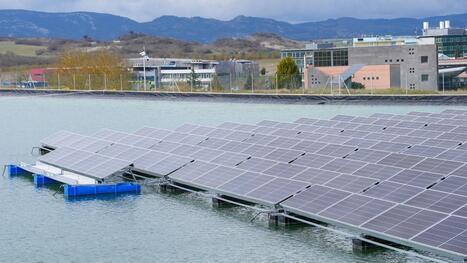
El Gobierno Vasco ha presentado las “Zonas de actuación prioritaria del EVE hasta 2030”, una iniciativa liderada por Mikel Jauregi que, a través del denominado Modelo EVE, pretende impulsar un desarrollo ordenado y realista de energías renovables, especialmente eólica y fotovoltaica, para avanzar hacia una mayor autonomía energética en Euskadi. El plan fija como objetivo duplicar la generación renovable, pasando del 7,9% actual al 15% del consumo eléctrico en 2030, con el fin de mejorar la seguridad de suministro, reforzar la competitividad industrial y reducir la dependencia de factores externos. Para ello, el EVE promoverá grandes proyectos mediante colaboración público-privada, con una coinversión prevista de 80 millones de euros que permitirá incorporar 450 MW de nueva potencia, a lo que se suma el crecimiento del autoconsumo, que podría añadir otros 300 MW tras el notable incremento registrado en los últimos años. La selección de las zonas prioritarias se basa en criterios como la disponibilidad de recurso renovable, la viabilidad ambiental y urbanística, la proximidad a infraestructuras eléctricas y la rentabilidad comercial, aspectos recogidos en mapas públicos que orientarán la planificación. Este modelo ya se está aplicando en proyectos como el Parque Eólico de Labraza y la planta fotovoltaica Ekienea, que será la mayor de Euskadi, y supone un cambio tras dos décadas sin nuevos grandes parques eólicos, además de integrarse en una estrategia más amplia de autonomía estratégica dentro del escudo industrial vasco, dotado con 215 millones de euros para reforzar la resiliencia energética.
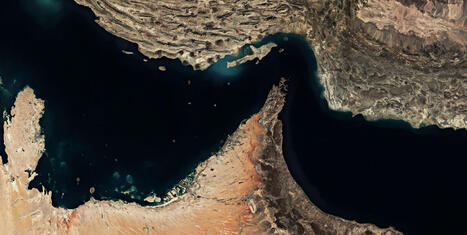
This note presents initial thinking from DNV’s Energy Transition Outlook research team on the implications of the war in Iran for the global energy system and the energy transition. The note highlights four key points: (1) Iran’s closure of the Strait of Hormuz that has triggered a major energy supply shock, likely keeping oil and gas prices high for an extended period. (2) The disruption that reinforces energy security concerns worldwide, accelerating the shift toward renewables and nuclear despite higher costs and structural challenges. The blockage of a key global transit route has sharply reduced oil and gas flows, with no producer able to quickly replace the missing supply. As a result, global energy markets face sustained tightness and elevated prices, worsened by infrastructure damage and ongoing geopolitical risk. (3) Higher energy prices that are driving inflation and increasing costs across transport, industry, and agriculture, hitting energy-importing countries the hardest—especially in Asia. (4) The crisis that strengthens the case for reducing dependence on fossil fuels, boosting momentum behind renewables, batteries, and nuclear. However, the transition will take time and significant investment, particularly in a high-interest-rate environment.
El Gobierno central, dentro del plan integral de respuesta a la crisis de Oriente Medio aprobado en un Consejo de Ministros extraordinario, ha incluido "un paquete masivo de deducciones" para impulsar el autoconsumo energético y las bombas de calor, según anunció el presidente del Ejecutivo, Pedro Sánchez. En rueda de prensa, Sánchez señaló que estas deducciones, vía Impuesto de la Renta de las Personas Físicas (IRPF), se dirigirán a la instalación de placas solares, así como a puntos de recarga, bombas de calor o climatización de edificios, y se enmarcan en ese eje del plan más de "naturaleza estructural" y estratégica orientado a impulsar la soberanía energética y convertir a España "en un país cada vez más resiliente a este tipo de crisis externas".
El Observatorio de la Transición Energética y la Acción Climática (OTEA), una iniciativa del centro de investigación Basque Centre for Climate Change (BC3), ha publicado su Informe Anual sobre Transición Energética y Acción Climática correspondiente al ejercicio 2025. El documento recoge la evolución de distintos indicadores relacionados con el clima y la energía, así como sus implicaciones en la economía y la sociedad.
As EU energy ministers meet to discuss energy prices, security of supply and the upcoming European grids package, civil society coalition Beyond Fossil Fuels is urging European governments to adopt structural measures needed to bring down Europe’s energy bills and reduce exposure to volatile fossil fuel markets ahead of the next European Council on 19-20 March. The call comes as Europe faces another energy price shock triggered by escalating conflict in the Middle East – the third fossil-fuel-driven energy crisis in just 15 years. Disruptions to shipping through the Strait of Hormuz have already pushed European gas prices sharply higher, with increases of up to almost +60%, particularly hitting gas-dependant economies such as Italy (+58%), Germany (+52%), the Netherlands + 56%, and driven oil prices above $100 per barrel. In a continent still heavily dependent on fossil gas imports, such geopolitical shocks risk abruptly driving up energy bills again for households and businesses, highlighting the urgent need to accelerate the transition to secure, homegrown clean energy. As many as one in 10 European households struggled to heat their homes adequately before the start of the latest crisis.
Wood Mackenzie's cross-sector analysis found the European Union's Industrial Accelerator Act will likely stem the pace of industrial decline but lacks the comprehensiveness and binding force required to achieve its stated goal of increasing manufacturing to 20% of EU GDP by 2035. The legislation represents the EU's most comprehensive attempt to reverse two decades of manufacturing decline. Adopted by the European Commission, the IAA introduces "Made in EU" requirements across public procurement, restricts foreign ownership in strategic sectors to 49%, and establishes streamlined permitting systems for industrial projects. However, Wood Mackenzie's assessment across macroeconomics, carbon policy, power and renewables, hydrogen, chemicals, metals, and battery supply chains identifies a consistent pattern. Ambitious headlines, but implementation choices water them down.
Desde el inicio de la guerra en Irán, el Gobierno Vasco ha anunciado el primer paquete de medidas del escudo industrial de Euskadi con 1.047 millones de euros con una subida del 51,4% en ayudas para la transformación y diversificación de las pymes. Tras la reunión del Consejo de Gobierno, los consejeros de Economía, Trabajo y Empleo, de Hacienda y Finanzas, y de Industria, Transición Energética y Sostenibilidad del Gobierno Vasco han comparecido hoy en rueda de prensa junto a la portavoz del Gobierno Vasco, para anunciar conjuntamente las medidas que pondrá en marcha el Gobierno Vasco ante el impacto del conflicto en Oriente Medio. Las medidas presentadas en el Consejo de Gobierno buscan dar respuesta a las principales necesidades trasladadas por los representantes de la industria vasca para hacer frente a las consecuencias del conflicto de Oriente Medio.
El Consejo de Ministros, a petición del Ministerio para la Transición Ecológica y el Reto Demográfico (MITECO), ha autorizado la liberación de productos petrolíferos equivalentes al consumo de 12,3 días de consumo nacional. La liberación corresponde a la contribución de España al acuerdo alcanzado por los miembros de la Agencia Internacional de la Energía (AIE) para poner a disposición del mercado 400 millones de barriles durante 90 días, con el objetivo de moderar el impacto de la guerra en Irán y el bloqueo del Estrecho de Ormuz al tránsito de buques petroleros.
En una carta dirigida a la presidenta de la Comisión Europea, Ursula von der Leyen, y al presidente del Consejo Europeo, António Costa, Statkraft, Fortum, Vattenfall, Iberdrola, EDP, Ørsted, EDF y Engie advierten contra el desmantelamiento de mecanismos de mercado que funcionan adecuadamente y que sustentan la inversión, la seguridad de suministro y una energía asequible en toda Europa. Las compañías firmantes subrayan que Europa se encuentra en una encrucijada crítica: o acelera la transición energética y la innovación para cerrar la brecha de competitividad, o corre el riesgo de socavar décadas de avances en la transformación energética e industrial europea.
Global renewable energy installed capacity is set to expand at a rapid pace over the next five years, driven by the high scalability of solar PV deployment, persistent cost deflation, and increasingly robust policy tailwinds. Worldwide renewable energy installed capacity is forecast to more than double, from 4.1TW in 2025 to 8.4TW by 2031, registering a compound annual growth rate (CAGR) of 13% during the period. GlobalData’s latest report, “Renewable Energy: Strategic Intelligence,” reveals that worldwide renewable energy capacity reached a new peak in 2025.
La Asociación de Empresas de Energías Renovables – APPA Renovables – considera que la actual inestabilidad internacional vuelve a evidenciar la necesidad de reforzar la seguridad energética de España con soluciones autóctonas, competitivas y descarbonizadas. En un contexto marcado por crisis recurrentes en los mercados energéticos internacionales, la Asociación reclama medidas inmediatas para electrificar más demanda, reducir la fiscalidad sobre la electricidad, acelerar el almacenamiento y apostar con mayor ambición por biocarburantes y gases renovables.
La Comisión Europea ha presentado un paquete de apoyo a la financiación de la eficiencia energética, orientado a impulsar inversiones en eficiencia energética y renovación de edificios en la Unión Europea. La iniciativa se enmarca en la Clean Energy Investment Strategy y tiene como objetivo superar las barreras que actualmente limitan la inversión en proyectos de eficiencia energética, mediante el despliegue de soluciones innovadoras de financiación y asistencia técnica dirigidas a Estados miembros, actores del mercado y otras partes interesadas. El paquete pretende reforzar el marco de financiación existente, acelerar el ritmo de inversión y contribuir a reducir los costes energéticos para hogares y empresas, apoyando así la transición hacia una economía europea más competitiva y energéticamente eficiente.
Uno de los primeros impactos de la guerra en Irán es la fuerte volatilidad en los precios energéticos, que está trasladándose con rapidez a los precios en las gasolineras. En este contexto, la ministra de Transición Ecológica, el ministro de Economía, Comercio y Empresa y la presidenta de la Comisión Nacional de los Mercados y la Competencia (CNMC) han acordado reforzar la labor de supervisión de este organismo en el ámbito de sus competencias, con el objetivo de contribuir al correcto funcionamiento de estos mercados, reforzar la transparencia y velar por las buenas prácticas en la formación de los precios.
|
La Comisión Europea lanzó simultáneamente una consulta pública y un Call for Evidence destinados a definir el nuevo marco de eficiencia energética de la UE para la década posterior a 2030. Ambas iniciativas acompañarán la evaluación de impacto que respaldará la propuesta legislativa prevista para Q4 2026, en línea con el objetivo de reducción del 90% de emisiones en 2040 y la senda hacia la neutralidad climática en 2050. Los principales elementos del texto son: (1) La eficiencia energética se plantea como eje estratégico para 2040, ya que será clave para cumplir los objetivos climáticos mediante una integración en todos los sectores y una modernización normativa; además, permitirá reducir la dependencia de combustibles fósiles, mejorar la seguridad energética, abaratar costes, reforzar la competitividad y garantizar energía asequible. (2) Existen problemas estructurales que dificultan aprovechar su potencial, como la falta de implementación del marco actual, la fragmentación de ayudas e incentivos, la dificultad para atraer inversión privada, sistemas energéticos poco optimizados, baja adopción de medidas derivadas de auditorías, presión creciente de sectores emergentes, estancamiento de la electrificación y dificultades para descarbonizar calefacción y refrigeración. (3) La Comisión justifica una acción coordinada a nivel de la UE porque los desafíos son transfronterizos, por lo que se necesita un marco común que evite la fragmentación, aproveche economías de escala, aporte estabilidad regulatoria, mejore el mercado interior y acelere la reducción de emisiones. (4) El futuro marco posterior a 2030 deberá alinear eficiencia con competitividad, descarbonización e independencia energética, impulsar inversiones, integrar mejor la eficiencia en la planificación, facilitar la electrificación, fomentar la innovación y simplificar normas sin reducir la ambición climática. (5) La Comisión solicita contribuciones sobre aspectos clave como el funcionamiento de la directiva actual, barreras regulatorias y financieras, mejoras en la planificación energética, obstáculos a la electrificación, optimización de sectores complejos y opciones para simplificar y armonizar el marco normativo. El plazo para realizar aportaciones durante el “Call for evidence” finaliza el jueves, 16 de abril de 2026. La consulta pública finaliza el próximo viernes 12 de junio de 2026.
Se ha publicado en el Boletín Oficial del Estado (BOE) el Real Decreto‑ley 7/2026 mediante el cual se aprueba el Plan Integral de Respuesta a la Crisis en Oriente Medio. Entre las medidas mas relevantes incorporadas se encuentran: (1) El impulso a la transición energética y al desarrollo de energías renovables, mediante la habilitación de nuevos plazos para reajustar hitos administrativos, la ampliación de la vigencia de permisos en tecnologías complejas y la introducción de mecanismos como la suspensión automática de plazos en caso de medidas cautelares. Asimismo, se refuerza el papel del almacenamiento energético, se flexibiliza el acceso para la demanda y se impulsa el autoconsumo, las comunidades energéticas y las Zonas de Aceleración Renovable, junto con el fomento del biometano y criterios de sostenibilidad para centros de datos. (2) El refuerzo de la competitividad industrial, a través de la reducción de peajes para industrias electrointensivas, la creación de instrumentos para la descarbonización y una mayor flexibilidad en los contratos energéticos, así como incentivos al almacenamiento de gas. (3) La adopción de medidas fiscales, que incluyen rebajas temporales en impuestos energéticos, la reducción del IVA en distintos suministros y la ampliación de deducciones vinculadas al autoconsumo, la eficiencia energética y la movilidad eléctrica. (4) La incorporación de medidas sociales, como la prórroga del bono social eléctrico y térmico, la protección de los consumidores vulnerables frente a cortes de suministro y la concesión de ayudas directas a transportistas y a sectores como la agricultura, la ganadería y la pesca.
El Consejo de Ministros ha aprobado un Real Decreto-ley de respuesta a las consecuencias de la guerra ilegal iniciada en Irán. Para ello, el Gobierno impulsa un plan que alcanza los 5.046 millones de euros con el objetivo de abaratar posibles incrementos de precios que afecten a la ciudadanía, respondiendo así a la demanda social de tomar decisiones para combatir la inflación. En esa línea, el Ministerio de Hacienda propone varias medidas de carácter fiscal entre las que destacan la reducción del 21% al 10% el IVA del combustible, la luz y el gas; la disminución al mínimo permitido por la UE del impuesto sobre hidrocarburos y bonificaciones y ayudas a los sectores más afectados. La vigencia de la mayoría de estas medidas se extenderá hasta el 30 de junio de 2026.
El Ministerio para la Transición Ecológica y el Reto Demográfico (MITECO) ha publicado los resultados de la primera convocatoria RENOCICLA de ayudas al impulso de la economía circular de bienes de equipo para energías renovables, disponible aquí. Las 47 actuaciones de inversión en el reciclado, reutilización, ecodiseño e investigación industrial seleccionadas recibirán 86,1 millones de euros del Plan de Recuperación, Transformación y Resiliencia (PRTR) con fondos europeos NextGenEU. En conjunto han comprometido una inversión de 216,8 millones que contribuirán a facilitar la gestión integral de la vida útil de componentes de estas tecnologías, desde la fase de diseño hasta la recuperación de materias primas valiosas para su aprovechamiento en nuevos ciclos productivos.
According to Ember´s latest report 'The energy security fallout: from fossil fuel fragility to electric independence' three -quarters of the world’s population live in fossil-importing countries. Net importers spent $1.7 trillion in 2024. If fuel prices rise, this number rises. For every $10 per barrel increase in oil prices, global net import costs rise by around $160 billion per year. Scaling electrotech – EVs, renewables and heat pumps – to replace imported fossil fuels in road transport, heating, and power, would enable importers to cut their fossil fuel imports by 70%. The global fleet of electric vehicles avoided oil consumption equivalent to 70% of Iran’s exports in 2025. Global solar growth in 2025 alone could displace gas-fired electricity equivalent to all LNG exports through the Strait of Hormuz that year. This crisis will accelerate what was already underway. Asia, which imports 40% of its oil through the Strait of Hormuz, now faces the same reckoning Europe did in 2022 — but with increasingly cost-competitive electrotech alternatives available. The bull case for LNG as Asia’s transition fuel is now much weaker. And peak oil has been brought sharply forward: the International Energy Agency has already cut its 2026 demand growth forecast, and the peak it previously put at 2029 may already be here.
El programa, que se desarrollará entre 2026 y 2030, impulsará proyectos científicos y tecnológicos en nueve áreas estratégicas como inteligencia artificial, ciberseguridad, descarbonización o salud personalizada. La iniciativa se articula a través de cuatro líneas de financiación destinadas a estrategias públicas, proyectos basados en retos, apoyo a investigación con proyección europea y grandes infraestructuras científicas.
El incremento en las cuotas del autoconsumo, especialmente en cuanto a la energía fotovoltaica, ha sido el causante de que Euskadi alcance el 19,6% de producción renovable. Aunque lejos de las cifras que prevé la Estrategia Vasca de Cambio Climático de cara a 2050, lo cierto es que la Comunidad Autónoma Vasca (CAV) produjo durante el pasado año el 16,6% con renovables, una cifra que se eleva hasta en tres puntos al incluir datos procedentes de instalaciones de autoconsumo. Estos son algunos de los datos dados a conocer a raíz de la presentación del ‘Informe del sistema eléctrico español 2025’ y ‘Las renovables en el sistema eléctrico español 2025’, dos documentos que ha sido presentados por Red Eléctrica, empresa encargada del transporte y la operación del sistema español.
Gracias al Listado Vasco de Tecnologías Limpias, 113 pymes vascas han obtenido en 2025 la correspondiente deducción fiscal en su declaración del Impuesto de Sociedades del 35% del importe de los equipos adquiridos. En concreto, el departamento de Industria, Transición Energética y Sostenibilidad el pasado año recibió la solicitud de 253 empresas para acogerse a las ventajas fiscales del Listado, de las cuales se aprobaron el 93%. De todas ellas, 133 correspondían a pymes y 35 a grandes empresas. Por Territorios el mayor número de solicitudes fue procedente de Gipuzkoa con un 36,3%, seguido de Bizkaia con un 33,2% y Araba con un 30,43%. Las tecnologías más solicitadas están en el ámbito de la eficiencia energética. El Listado recoge una relación de 64 tecnologías de las cuales 11 pertenecen al sector de energías renovables, 19 a la economía circular y 29 a la contaminación cero. Las solicitudes registradas en 2025 se concentran principalmente en tecnologías vinculadas a la economía circular, la reducción de emisiones y la eficiencia energética, ámbitos clave para la descarbonización de la industria y la mejora del uso de recursos.
For the second time in four years, energy markets in Asia dependent on imported fossil fuels find themselves at the mercy of global commodity markets. Although each country’s immediate exposure to the Iran conflict varies, all face the indirect threat of higher costs driven by tighter fossil fuel markets and elevated geopolitical risk premiums. Asian economies are reacting to the current crisis in various ways, but the risks of fossil fuel dependence are forever. Absent an accelerated transition to renewable energy, commodity market volatility will continue to undermine energy and economic plans, elevate borrowing costs, and cloud investor returns states the Institute for Energy Economics and Financial Analysis.
Basque Trade & Investment (BasqueTrade), la agencia para la internacionalización de las empresas vascas integrada en el Grupo SPRI, ha dado a conocer los resultados del estudio sobre la participación y trayectoria profesional de las mujeres en las pymes exportadoras de Euskadi. El informe, elaborado bajo el marco del proyecto europeo WOMEX – The role of women in the competitiveness of exporting SMEs y financiado por el programa Interreg Europe, ofrece una radiografía actualizada del tejido empresarial vasco exportador desde una perspectiva de género.
En línea con la publicación oficial del Industrial Accelerator Act (IAA), la Comisión Europea ha abierto el periodo de feedback público de la propuesta de Reglamento del IAA dentro del marco del Clean Industrial Deal. Durante este proceso, cualquier parte interesada puede remitir comentarios sobre la propuesta. Todas las aportaciones serán recopiladas y presentadas por la Comisión al Parlamento Europeo y al Consejo, con el objetivo de alimentar el debate legislativo. Las contribuciones se publicarán en la plataforma de la Comisión y deberán ajustarse a sus normas de participación. El plazo permanecerá abierto hasta el próximo 25 de mayo de 2026.
The Global Renewables Alliance (GRA) today issued a statement launching a five-point Renewables Action Plan, calling on governments to urgently accelerate renewable energy deployment in response to renewed global energy price shocks. The alliance warns that the latest crisis in the Middle East once again exposes the fragility of a fossil fuel dependent global energy system, urging governments to “treat the oil and gas price shocks reverberating through the world economy as a pivotal turning point and urgently accelerate the transition to renewable energy.”
|