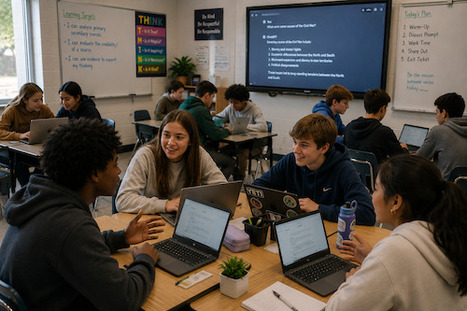
One of the biggest questions surrounding generative AI in education is no longer simply whether students use it. AI can help someone brainstorm, receive feedback, organize ideas, revise writing, conduct research—or avoid doing the learning altogether.
So perhaps the better questions are:
- What intellectual work should the student still perform?
- What evidence would demonstrate that the student actually learned?
This connects to the idea of cognitive offloading—using a tool to reduce the mental effort required to complete a task. We already do this with calculators, calendars, search engines, and navigation systems.
Generative AI greatly expands what we can hand over. The challenge is deciding what can be offloaded productively and what thinking remains necessary for developing understanding, judgment, creativity, and expertise.
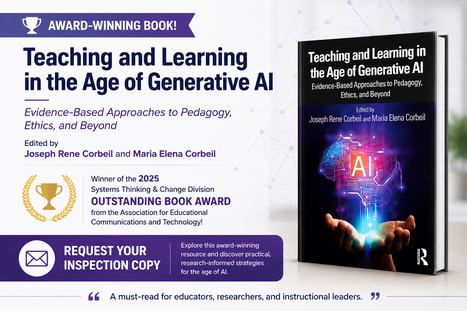
These are among the issues explored in our award-winning book, Teaching and Learning in the Age of Generative AI.
We would love to hear your perspective:
When does AI become a useful learning support—and when does it begin replacing the learning?







 Your new post is loading...















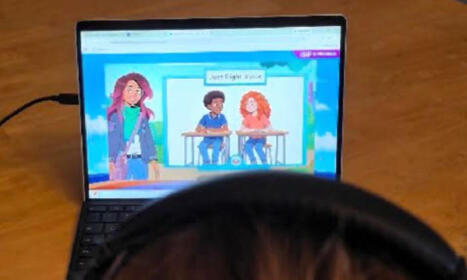







"[T]he problem with screen-time rules is that they measure the device rather than what students are doing with it. That's particularly problematic with young children because sometimes the screen is... an accessibility tool"