 Your new post is loading...
The nervous system is an extensive network of nerves that travels throughout the body, maintaining normal functions from breathing to controlling the muscles and regulating body temperature. But occasionally, injury or the development of underlying conditions candamage the complex nerves and result in nerve injuries. Nerve injuries can occur on any nerve within the human body and certain types of nerveinjuries are more frequently diagnosed than others.
At Injury Medical & Chiropractic Clinic, chiropractor Dr. Alex Jimenez offers innovative options and improved assistance for people who have experienced an injury as a result of an auto accident. Dr. Jimenez can provide complete care for automobile accident victims by offering help with legal referral services as well as extended chiropractic options for treating common auto accident injuries, such as soft tissue injuries and whiplash. After being involved in an automobile accident, symptoms of back pain, neck pain, and headaches most commonly result soon after. Whiplash is a soft tissue injury frequently diagnosed after a car crash and results when a person’s body has absorbed the great force of two automobiles impacting into each other. The term whiplash is used to describe a wide variety of injuries of the neck caused by an abrupt and rapid, back and forth snapping motion of the head, such as when an individual is rear-ended in a car. The symptoms for whiplash can range from mild neck pain, stiffness, and discomfort to severe injury on the spinal cord, fractures, or dislocations.
Neuropathy is a term that refers to damage or injury to the nerves. People who suffer from diabetes frequently experience this disorder due to the abnormal range of sugar in their blood. In cases of diabetes where the blood sugar is alarmingly high, the nerves that are passing through the blood vessels can become damaged. Managing diabetes is extremely important to treat neuropathy. With proper treatment, the affected person can lead a normal life. Neuropathy may cause further complications if the blood glucose levels are not within a normal range, therefore, it is essential to continue taking any prescribed diabetes medicines to keep the blood sugar levels under control. People with severe diabetes may be advised to take insulin injections. Diabetes that is not properly controlled can cause many health complications like neuropathy. Following a healthy lifestyle and the best treatment options for each person can play a crucial role in managing diabetes and helping prevent or treat diabetic neuropathy.
Peripheral neuropathy is a medical condition caused by damage to the peripheral nervous system, the central nervous system that transfers information from the brain and spinal cord to the rest of the nerves in the body. The damage caused to the peripheral nervous system as a result of neuropathy interferes with the complex connection of nerves and communications. Each peripheral nerve serves a specialized function in every specific portion of the body, which can cause a wide variety of symptoms when the nerves are damaged. Individuals affected by peripheral neuropathy may experience temporary numbness, tingling or prickling sensations known as paresthesia, and sensitivity to touch or muscle weakness. In some cases, severe symptoms of the condition may occur, such as burning pain that intensifies at night, muscle wasting, paralysis, and organ or gland dysfunction.
The shoulder consists of three bones which come together to form the shoulder joint: the arm bone or the humerus, the collarbone or the clavicle, and the shoulder blade or the scapula at the glenoid. When an individual sustains damage or injury to the shoulder, any of these bones may be affected. Shoulder fractures may be characterized as any of the following types of injuries and the proper treatment should follow according to the broken bone.
Shoulder pain can be caused by a variety of factors. Many people usually seek medical help for their symptoms after suffering an accident that results in injury or when age begins to present discomfort in the shoulder joints among other but, a frequent diagnosis for shoulder pain given is shoulder bursitis. Shoulder bursitis is a medical condition which results in the inflammation of the bursa in the shoulder. These can be found near multiple joints and their role is to facilitate smooth movements and decrease friction between the various joints. But, when a bursa housed within the shoulder becomes inflamed, it can eventually lead to shoulder bursitis.
The hamstring muscles are the large group of muscles found on the posterior side of the thigh, extending from the bottom of the pelvis to the back of the shin bone. This set of tendons are essential towards the body’s functions to extend the hip joints and bend the knee joints. The hamstring is used during multiple sporting activities and everyday activities alike but, when you experience a pulled hamstring muscle, its symptoms can affect the body’s movements. There are different types of hamstring injuries and depending on the severity, symptoms can be categorized into three different grades, each varying from each other.
Whiplash is medically defined as an injury produced when the soft tissue in the spine is stretched and strained after the head jolts abruptly in a quick, back-and-forth movement in any direction. This sudden shift of the head often leads to the damage of the ligaments and tendons in the neck, causing the familiar symptoms associated with this type of injury. A whiplash injury commonly occurs during an automobile accident, although strenuous sports and activities, such as swimming, can also cause injury. The most common symptoms of whiplash are pain and stiffness in the neck that, despite being mild in most cases, can cause limited mobility in the individual or may cause headaches as a result.
The structure of the cervical area of the spine consists of 7 vertebrae, normally aligning into a slight C-shaped curvature referred to as cervical lordosis. The curve of the cervical spine is constructed to support the head and spine, simultaneously balancing the body. But occasionally, the neck will develop an abnormal curve that causes the spine to lose its natural misalignment and could result in further complications. Occasionally, a normal cervical lordosis will develop an abnormal curvature where the neck will exceedingly begin to curve forward, misaligning the spine. The inward cervical curvature can make the head appear insignificantly pushed forward from its normal position.
Cervical radiculopathy is a medical term used to describe a series of symptoms resulting from various conditions on the cervical spine due to dysfunction on one or multiple spinal nerve roots. The majority of the conditions affecting the spine in the neck area result in compression of the nerves which trigger the physical symptoms relating to radiculopathy. There’s numerous types of damage that can cause cervical radiculopathy to develop. The irritation of the spinal nerve roots caused by compression will damage the nerves, leading to pain, tingling and loss of sensation in the hands and arms, as well as muscle weakness. These symptoms are characteristically known when a person has experienced cervical radiculopathy
Arthritis through degeneration, also known as osteoarthritis, results in the breakdown of the bone and cartilage of the spine over time from the natural wear and tear that comes with aging. Arthritis can occur in different areas of the spine causing impairing neck or low back problems but, among the different types of osteoarthritis, facet joint arthritis is among the most common of all the degenerative lumbar spine conditions. The joints are covered with articular cartilage that function jointly with the spinal disc spaces between each vertebra to allow movement and flexibility on the spine. Although, like other joints in the body covered with articular cartilage, the facet joint cartilage will breakdown as a result of degeneration which makes them more prone to be affected by arthritis.
Spondylolisthesis is a condition of the lower back that develops when a single vertebra in the lumbar spine shifts forward over the vertebrae below it, misaligning the natural structure of the spine. The most common cause for this condition is degeneration in the spine. Degeneration begins around the age of 50 and can lead to many issues if left untreated but starting out early with the appropriate exercises will benefit your symptoms associated with spondylolisthesis. Physical therapy is one of the non-surgical ways to treat spondylolisthesis. After completing treatment, following up with a proper routine of stabilization exercises together with flexion and stretching will strengthen the back muscles, restoring back your stability to better support the spine and help you deal with the condition and its symptoms.
El Paso’s chiropractor, Dr. Alex Jimenez discusses the causes of sciatic nerve pain and its symptoms. Sciatica, refers to a group of symptoms instead of a single condition. Sciatic pain most commonly affects the lower back, hip, buttocks, and outer side of the leg. The greater majority of the population has experienced some form of low back pain in their lifetime and the causes for their sciatic nerve pain are numerous. Sciatica is characterized by symptoms of sharp pain extending from the lower back down to the leg, tingling sensations and numbness that is caused by compression, irritation, or pressure of the sciatic nerve.
|
During the growing stages of children and adolescents, the structures of the body such as the bones, muscles, tendons and all other tissues begin to grow rapidly. Throughout these years, it’s also common for kids and teens to live active lives and participate in physical activities or sports but, as the body grows, the changing tissues can sometimes develop growth conditions or be more prone to suffer injuries. Osgood-Schlatter disease (OSD) is a common condition causing knee pain in children and growing adolescents. It can be characterized as an inflammation located on the area just below the knee where the patellar tendon from the kneecap attaches to the tibia, or shinbone. Sinding Larsen Johansson syndrome (SLJ) is another condition resulting in knee pain in children and adolescents. This condition also occurs at the bottom of the patella or kneecap.
Nerve injuries can occur from a variety of conditions, disorders, or dysfunctions. From direct trauma to an underlying condition such as diabetes or arthritis, the peripheral nerves are most commonly the ones at a higher risk of suffering from damage or injury. Nerve injuries require a gradual process of treatments and the healing time in which the nerve can regenerate relies on the extent of the nerve damage and type of injury. Neuropraxia is a milder form of nerve injury where the nerve transmissions are completely blocked or interrupted but the nerve fibers, including the axon and protective sheath that make up the nerve, remain intact. The main cause for this condition is bone fracture or dislocation due to the nerve being suddenly stretched. In rare cases, neuropraxia can also occur as a result of blunt injury or prolonged pressure on the nerve. The most common signs and symptoms for neuropraxia include impairment or loss of normal motor or sensory function, weakness or paralysis of the muscles, abnormal sensations such as numbness, tingling, or burning sensations, and pain along the affected region of the nerve. When it comes to nerve injuries where the nerve has not been severed, such as neuropraxia, the healing process is gradual and can regenerate over the course of time. It is also possible to reduce the symptoms of the condition.
Temporomandibular joint disorder, simply abbreviated as TMJ, is a disorder that affects the joint that connects the jaw to the skull, the temporomandibular joint. According to Kelley’s Textbook of Rheumatology, this joint disorder affects more than 10 million Americans. TMJ causes a variety of symptoms however, this disorder has been known to cause anxiety. Anxiety is a condition that progressively develops over time through an individual’s life experiences or as a result of genetics. Besides these conditions, it is possible for anxiety to occur though other factors including Temporomandibular joint disorder. This condition can be difficult to experience on its own and its associated symptoms, along with anxiety, can challenge any person’s lifestyle.
The shoulders are the most mobile joints in the human body. Since the ball of the upper arm is anatomically larger than the shoulder socket that holds it, the shoulders are supported by muscles, tendons, and ligaments to ensure they remain in a stable or normal position. Because the shoulder can be unstable, it is often a site for many common issues to develop. Below are 5 common causes of shoulder pain and their associatedsymptoms.
Tendonitis is characterized by the inflammation and swelling of a tendon due to irritation. This painful condition most commonly occurs at the site where the tendon attaches to the bone. It may also occur along the length of the tendon, near the area where the muscle and tendon join together. The tendons are band-like structures of fibrous tissue that attach the muscle to bone. There are many tendons housed within the human body, varying in size, from large sized tendons found surrounding the knee joint to the smaller sized tendons found in the fingers. But, when these bands of tissue become irritated, they can swell and become inflamed. Shoulder tendonitis, or rotator cuff tendonitis is among one of the most common sites for damage or injury of the tendon.
An anterior cruciate ligament (ACL) sprain or tear is known as one of the most common knee injuries frequently seen in athletes, although a torn ACL could result from everyday activities as well. High demand sports, such as soccer, football, and basketball, where rapid pivoting and turning are most frequent, can most often result in injury to the ligaments of the knee. An ACL injury can result in various ways but the great majority are non-contact related injuries. Incorrectly landing from a jump or stopping abruptly from a run are distinct causes for a torn ligament. Quickly changing direction may also result in injury. Occasionally, collision or direct contact, as in a football tackle, can also cause an anterior cruciate ligament tear.
The structure of the neck, or cervical spine, consists of 7 vertebrae, extending from the skull to the upper torso, or the thoracic spine. The bones, ligaments, tendons, and muscles of the neck function together to support and balance the head as well as provide mobility. But, when a condition or injury causes an abnormality or damage to the cervical spine, the well-known symptoms of pain and stiffness can develop. Neck pain is occasionally experienced by many people although some causes for neck pain are more common than others.
Spasmodic torticollis, also known as cervical dystonia, is a medical condition in which the muscles of the neck involuntarily contract and causes the posture of the head to abnormally twist or turn to it’s side or in some cases, tilt forward or backward. Torticollis may also cause muscle spasms or pinched nerves that could result in symptoms of pain and discomfort. The symptoms are known to progress gradually and reach a stage where the condition stabilizes. A person affected by cervical dystonia may experience abnormal head movements towards a single direction or in different directions. Other symptoms include neck pain that radiates from the neck to the shoulders accompanied by severe headaches.
A broken neck, or cervical fracture, is diagnosed when a single or multiple of the seven cervical vertebrae in your neck suffer an injury that results in a fracture, break or crack, in the bone. Trauma to the cervical spine resulting in injury are known to be fairly common, especially among athletes but a broken neck usually leads to further complications and pain. There’s various ways of preventing a fracture to your cervical spine. The neck is a very important structure that supports the head, connecting it to the shoulders and the body as well as protecting the spinal nerve roots that connect from the brain to the rest of the body. Avoiding injury is optimal for everyone as a fractured neck can result in serious complications depending on the degree of the injury.
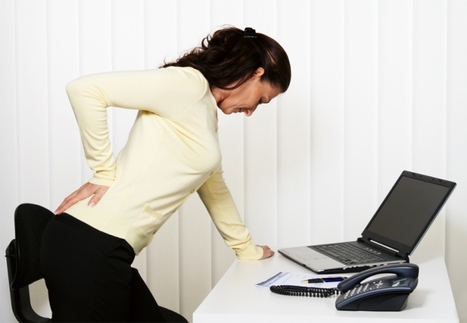
While low back pain is remarkably common, the issues are caused by a variety of conditions or injuries involving the intricate network of spinal muscles, nerves, bones, discs, or tendons in the lumbar spine. An affliction to any of the local structures of the lumbar spine can result in radiating pain that may travel to other parts of the body but the symptoms and severity of low back pain vary greatly for each individual. These are 5 common conditions that could be the source of your low back pain.
The irritating pain that accompanies tight muscles along with limited mobility and the numbness that extends down your buttocks and legs are the all too familiar symptoms associated with low back pain relating to conditions of the lumbar spine. But, when your lumbar back pain points to the sacroiliac joint instead, what are your treatment options? The function of the sacroiliac joint is to support the movements of the lower extremities. With overuse or underuse, the local muscles surrounding the joint may become inflamed or tight, adding pressure and stress that will often lead to sacroiliac joint dysfunction, the possible true cause for your low back pain.
Your low back pain could be caused by many reasons, characterized by the familiar symptoms of sciatica, but an additional pain, numbness, or tingling in both of your legs could be indicating another common condition associated with low back pain, lumbar spinal stenosis. Lumbar spinal stenosis is a progressive spinal condition identified by degenerative changes in the spine that lead to a narrowing of the spinal canal. Through time, the narrower spinal canal begins to pinch the spinal nerve roots causing the well-known low back pain.
|

















Dr. Jimenez discusses the importance of nerve health. The nervous system found within the human body is an extensive structure that channels nerve impulses from the brain to the extremities, supporting all of the body's functions. Nerve injuries can result from a direct injury or an underlying condition.