Your new post is loading...
Decrying Economic System, Which Promotes ‘Hoarding of Wealth by the Few,’ Speakers from Developing Countries Demand More Input into Global Decision-Making 29 September 2009 General AssemblyGA/10866 Department of Public Information • News and Media Division • New York Sixty-fourth General Assembly Plenary 13th Meeting (AM)
Decrying Economic System, Which Promotes ‘Hoarding of Wealth by the Few,’ Speakers
from Developing Countries Demand More Input into Global Decision-Making
General Assembly President Closes Annual Debate Pledging to Work With Member States towards Renewed Commitment to Promoting Inclusive Multilateralism
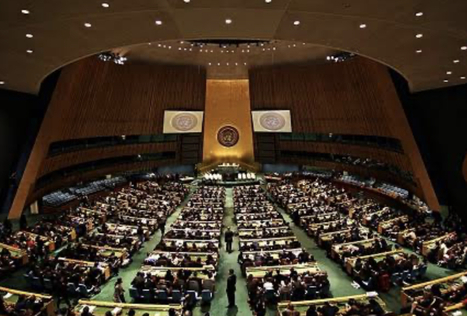
No longer satisfied with a power balance that favoured the few but risked imperilling the many in another economic tailspin, world leaders addressing the General Assembly today appealed for a new brand of multilateralism that reflected developing nations’ concerns in global decision-making, as they wrapped up the annual general debate.
The week-long debate heard 192 speakers, including 107 Heads of State and Government, who took the floor tooutline national objectives and forcefully call for a more equitable “power equation”, both within the Organization and on a host of issues: from restructuring the global financial architecture to strengthening food security, concluding the protracted Doha Round of world trade talks, and reviving the disarmament agenda, to name a few.
“I am heartened that inside this hall -– as well as outside -– in the various meetings and events on the sidelines, there was a renewed commitment to promoting an effective and inclusive multilateralism,” said General Assembly President Ali Abdussalam Treki, in his closing remarks.
Indeed, the Assembly was uniquely placed to forge collective strategies for the common good, he continued. Throughout the week, the world body heard calls for dialogue and a willingness to act together, notably on climate change, an issue that had sent ripple effects across the global economy in the areas of health, food production, and peace and security. He had detected a readiness among States to agree on reducing greenhouse gas emissions and make the upcoming United Nations Climate Change Conference in Copenhagen a success.
Similarly, there had been broad agreement on the need for a collective response to an unprecedented global financial crisis, he said, which included ideas for making the Bretton Woods institutions more inclusive and transparent. On disarmament, broad concern at the proliferation of weapons of mass destruction had been punctuated with appeals for a nuclear-weapon-free world. Among the strongest calls were those urging the comprehensive reform of the United Nations, whose Security Council had to be made more democratic, open and, thus, legitimate.
“We can collectively achieve all these goals,” Mr. Treki declared, assuring delegates that he would conduct such work with transparency and respect for the General Assembly’s central role in the United Nations.
Among the 16 delegations taking the floor today, Samuel Santos López, Nicaragua’s Minister of Foreign Affairs, agreed, saying economic policies should be decided within the most representative institution -- not within groups such as the Group of Eight (G-8) and Group of Twenty (G-20), which championed an economic system that promoted the subjugation of nations and the “hoarding of wealth by the few”. Citing Nicaragua’s national experience, he spoke of an alternative development model that transformed the structures of poverty and marginalization that were breeding grounds of public safety problems. “Our model is based on democratic reform, expressed in popular will, which we call ‘Citizen Power’”, he said.
For Samuel Abal, Papua New Guinea’s Minister of Foreign Affairs, Trade and Immigration, concern at the growing number of global conflicts was heightened by illicit trade and use of small arms and light weapons. That situation continued to cause untold suffering to millions around the world and Papua New Guinea was no exception. Global debate on small arms had focused on curbing the use of such weapons, but the supply side of the issue had never been comprehensively discussed. As such, Papua New Guinea supported the proposed comprehensive Arms Trade Treaty which would address a key element in the arms issue.
Adding to that, Togo’s representative said terrorism was a scourge that had to be fought through better, universalized, international legal measures. The illegal flow of drugs along the West African coastline posed a real threat and destabilized the region. Given the scope of the scourge, one country alone could not eradicate it. Togo thus called for international support to help restore a secure climate that was vital for development to prevail. Despite its limited resources, Togo had been ruthless in weeding out the plague of drug traffickers, with neighbouring support, he added.
“No more will we depend on just a few industrialized nations to solve the world’s economic problems,” said Hassan Wirajuda, Indonesia’s Minister for Foreign Affairs, adding that, through the G-20, developing nations would be heard. Influence in that new power distribution should be replicated in bodies like the Security Council. A throwback to life at the end of the Second World War, the Council was paralysed by an undemocratic composition and veto system that could no longer guarantee collective security. It had to become more democratic, accountable. In reforming the Council –- and global economic governance –- States had to realize that prosperity without democracy was but a bubble.
Lifting peoples’ living standards also meant relentlessly tackling HIV/AIDS, said Botswana’s representative. The global economic crisis had placed people living with HIV/AIDS at greater risk, as budget constraints had prompted cuts in health programmes. It was essential that Governments move toward the 2010 goal of achieving universal access to HIV/AIDS prevention, treatment care and support. Botswana was committed to combating the devastating pandemic and had attended the midterm review last year on the status of implementation of the 2001 Declaration of Commitment on HIV/AIDS.
Also speaking today were the Foreign Affairs Ministers of Grenada and Norway.
The representatives of Djibouti, Cape Verde, Saint Vincent and the Grenadines, Moldova, Greece, Denmark, Seychelles, Togo and Mali also addressed the Assembly.
The Permanent Observer of the Holy See also spoke.
The General Assembly will reconvene at 10 a.m. Tuesday, 6 October, to take up the Secretary-General’s report on the work of the Organization.
Background
The General Assembly met today to continue and conclude its general debate.
Statements
PETER DAVID, Minister of Foreign Affairs of Grenada, said the United Nations was the best place to face the numerous challenges of today’s world. “We cannot respond to one challenge and choose to ignore another, because all are interconnected,” he said, adding: “Indeed, working together is the raison d’être, the essence of ‘united’ in United Nations.” Climate change remained at the top of the global agenda but for small island States, the threat was particularly pronounced, he said. He called on the international community to support the most vulnerable and encouraged States to reach the targets set out for the upcoming Copenhagen Summit on the United Nations Framework Convention on Climate Change (UNFCCC).
With respect to the global economic and financial crisis, he said that his country has pursued sustainable economic development that included revitalizing the agricultural sector, increasing labour productivity, diversifying the export services sector, strengthening the national investment environment and modernizing their tax system. He added that Grenada sought partnerships with the international community and the United Nations system. Towards achievement of the Millennium Development Goals, Grenada had reduced violence against women, thereby increasing primary school enrolment, and had improved access to antiretroviral drugs for people with HIV/AIDS.
As to security, he said that there was a need for more intervention to stop drug trafficking and small arms proliferation, which he said was as lethal as nuclear weapons. On the situation in Honduras, he called for the immediate restoration of President José Manuel Zelaya. Concerning Cuba, he called for an end to the United States embargo. He also called for a resolution to the long‑standing Palestinian-Israeli and wider Middle East conflict. Finally, he said his country supported United Nations reform, particularly with regard to the Security Council. “ Grenada is proud to continue playing its role at the United Nations,” he said. “We support the pursuit of international peace and security, the rule of law, the fight against terrorism, and the eradication of poverty and the promotion of human rights.”
SAMUEL ABAL, Minister of Foreign Affairs, Trade and Immigration of Papua New Guinea, said his country firmly believed that strengthening international peace and security was fundamental to achieving human development, progress and prosperity. Papua New Guinea denounced weapons of mass destruction and was fully committed to the principle of a world free of such weapons. To that end, it was a State party to the South Pacific Nuclear-Free-Zone Treaty and was supportive of the South-East Asia Nuclear-Weapon-Free Zone. Papua New Guinea was now working earnestly towards early ratification of the Nuclear Non-Proliferation Treaty and the Comprehensive Nuclear Test Ban Treaty. It also looked forward to contributing constructively to the United Nations peacekeeping operations.
A continuing major concern for Papua New Guinea was the increase in global conflicts heightened by illicit trade and use of small arms and light weapons, he continued. That situation continued to cause untold suffering to millions around the world, and Papua New Guinea was no exception. Global debate on small arms had focused on curbing the use of such weapons, but the supply side of the issue had never been comprehensively discussed.
Papua New Guinea, therefore, supported the proposed Arms Trade Treaty which was still under negotiation and which would deal with one of the key elements in the arms issue. He stressed that small arms and light weapons threatened communities in his country. The Government had prioritized the need to comprehensively address that issue through commissioning a 2005 National Gun Summit Report which would be implemented soon.
Turning to the various global crises, he expressed strong support for calls to reform the international financial architecture to include major developing countries like China and India. Such reforms would better reflect today’s global economic realities and provide effective management of the global process which needed to be fair, equitable and transparent.
Achieving the Millennium Development Goals remained an integral development priority of the Government, he continued. Those Goals had been incorporated into Papua New Guinea’s medium-term development strategy, focusing on 15 national targets and 67 indicators under a national road map. Those targets and indicators had been specifically designed to reflect the country’s stage of development. A joint Millennium Development Goals project was launched in 2008 along with a National Steering Committee made up of representatives of the Government, the United Nations, academia and civil society. It was mandated to build national awareness and to facilitate a strong data collection and analysis regime in the country.
SAMUEL SANTOS LÓPEZ, Minister of Foreign Affairs of Nicaragua , said that although his country had been impoverished by historical circumstances like so many others within Latin America and the Caribbean, it had remained a land of beauty and natural resources and, indeed, was symbolic of reconciliation and national and international unity.
The country is one of the safest in the continent and it permanently and decisively combated organized crime, not only with coercive and punitive measures, but with an alternative model of development that transformed the structures of poverty and marginalization that were the breeding ground of public safety problems. He said: “Our model is based on democratic reform, expressed in popular will which we call ‘Citizen Power’.”
He noted several of his country’s successful development-oriented campaigns, including the “From Marti to Fidel” initiative, which had reduced illiteracy to slightly over 3 per cent. He also noted a strategy dealing with the H1N1 virus that had controlled the virus’ spread, as well as a nutrition programme that had been selected by the Food and Agriculture Organization (FAO) as one of the top four in the world. In addition, President Daniel Ortega had proposed a Central American Agriculture Policy that would transform the region into a food-production zone. Clean drinking water had been made available to 217,000 families and programmes such as “Zero Hunger” and “Zero Usury” were launched.
Turning to energy issues, he mentioned the country now had a reserve of electrical power of almost 43 per cent, whereas two years ago it was negative by 3.2 per cent. Nicaragua had made efforts to promote the use of alternative energy sources and supported initiatives aimed at developing civilian nuclear energy for peaceful purposes. He mentioned the urgency of climate change, and the need for Copenhagen to be a place to act and not simply debate and called for a true commitment to counteract the harmful effects of global warming.
On regional issues, he said Nicaragua embraced the cause of Puerto Rico’s independence, as well as the return of the Malvinas Islands to their rightful owner. Moving on to the issues of the economy, he mentioned that unfortunately the global financial crisis came upon the heels of decreased official development assistance (ODA), which was still made conditional by international financial institutions. There was reluctance by developed countries to replace the present model with one that was more just.
He said economic policies should be decided within the most representative institution, not within groups such as the Group of Eight and G-20, which were “promoters of the model of domination by the few over the majority, a model which is characterized by exclusion”. In addition, it was not possible to put a kind face on perversion, or on arrogance; that was the essence of the prevailing economic system, which promoted “the exploitation of one human by another, the subjugation of nations, the hoarding of wealth by the few. This is why we are in the crisis, not due to lack of resources.”
JONAS GAHR STØRE, Minister of Foreign Affairs of Norway, said that this was a moment for all to seize. “The new tone of voice we have heard from the United States […] is setting forceful persuasion above persuasive force and extending a hand to those who are willing to unclench a fist,” he said. The challenges ahead for the international community included crises of finances, food, energy, climate and health, and required collective action, he said. On climate change, he said the large, developed countries should commit themselves to measurable, reportable and verifiable actions.
Turning next to the global economic and financial crisis, he said that it had negatively affected the attainment of the Millennium Development Goals. To counter that, Norway had increased its official development assistance in absolute terms after the financial crisis hit, “to show solidarity with those who are less fortunate than we are”. Norway had also tripled its health-related contributions since 2000 and millions of lives had been saved.
Maternal health, however, remained a particular concern, he said, and reducing mother and child mortality was pivotal, he said, adding that there had been an appalling rise of rape and other forms of sexual violence that “reveal an ugly story of men around the world still regarding women and children as secondary citizens”. To give women the services and rights that men take for granted, was a matter of vital importance, he said.
On security, he said the international community should continue to support the United Nations Assistance Mission in Afghanistan (UNAMA), and that, in terms of nuclear disarmament, the Review Conference of the Nuclear Non-Proliferation Treaty next year had to set a clear and specific agenda for the eradication of nuclear arsenals. Regarding Iran, he said that Iran itself should remove the doubts surrounding its nuclear ambitions.
Beyond nuclear weapons, he said that small arms, cluster munitions and landmines were responsible for actual destruction of mass proportions, and he urged all States to accede to the Convention on Cluster Munitions and to try to control the small arms trade. Finally, he said that Norway had been elected to the Human Rights Council and that, last week, the country had submitted its first report on the human rights situation in Norway to take a critical look at its record and invite constructive criticism “as we believe all States should welcome similar constructive criticism of their own records”.
HASSAN WIRAJUDA, Minister for Foreign Affairs of Indonesia, said the Assembly was meeting amid intertwined crises, the most urgent of which was the current economic and financial turmoil, which had put millions out of work and pushed more than 100 million people below the poverty line. “No more will we depend on just a few industrialized nations to solve the world’s economic problems,” he said, adding that, through the G-20, the developing world would be heard in international decision-making. Indeed, the world was building a new and constructive “power equation”, whose distribution of influence should be replicated in other bodies, including the Security Council.
Also, financial institutions and instruments would need to be regulated, and Indonesia was working within the G-20 to reform the International Monetary Fund (IMF) and multilateral development banks, which must deliver concessional financing without conditions to low-income countries. He said that such efforts had set refreshing precedents in terms of access to financial resources and transparency. Climate change, and food and energy security were problems that fed on one another, and they had come about through a failure to form an effective international partnership to address a large bundle of challenges.
At its root, the current international situation had been set in motion by a failure of multilateralism. That failure could be rectified, he said, notably in Copenhagen this December, as States came together to reach consensus on a new climate accord. As the host country to the 2007 Bali Conference on Climate Change, Indonesia fervently hoped the upcoming meeting would yield a new framework to strengthen the Kyoto Protocol. That framework must stipulate deep emissions cuts, financing for adaptation and mitigation, and a priority role for forests. In that context, he noted the Indonesia Forest Carbon Partnership.
Turning to food security, he said Indonesia’s investment in agriculture had led to a surplus in rice production, to be allotted for both buffering national stocks and contributing to global food security. Through similar reform, a global partnership for energy security had a better chance of making a technology breakthrough that would increase fuel-burning efficiencies. With a new spirit of multilateralism, the impasse in the Doha Round of world trade talks could be broken in 2010, and protectionist barriers –- rising again amid fears sparked by the economic crisis –- torn down. Such efforts should also bring about the fulfilment of the 2002 Monterrey Consensus.
In addition, he said there was no reason why that spirit of reform could not resuscitate the disarmament agenda. In a truly democratic world order, nuclear Powers would live by their commitment to the Non-Proliferation Treaty by slashing arsenals and abiding by the Comprehensive Nuclear-Test-Ban Treaty. In turn, non‑nuclear countries would continue to refrain from building nuclear weapons. A window of opportunity had been opened with the adoption of Security Council resolution 1887 (2009) and process between the United States and the Russian Federation to cut arsenals.
Regarding United Nations reform, he called the Security Council a “throwback to the world at the end of the Second World War” paralysed by an undemocratic composition and veto system that could no longer guarantee collective security. The 15-member body had to become more democratic, transparent and accountable. Indonesia was a great believer in democratic reform, which had saved the country from being totally crushed by the 1997 Asian financial crisis.
Continuing, he said Indonesia had transitioned from a highly centralized, authoritarian regime to a decentralized, fully democratic system, and since 2004, had fine-tuned its reforms. A second wave of reform would allow it to become a developed nation by 2025. As the world’s third-largest democracy, Indonesia hoped that the world, as it reformed economic governance, would understand that “prosperity without democracy is but a bubble”, and that democracy that did not deliver development would not endure.
ROBLE OLHAYE ( Djibouti) said the current financial and economic turmoil had reached the shores of Africa and compounded the continent’s difficulties. Poor countries had no choice but to work hard to restore growth and recover lost ground in order to reach internationally agreed development goals. He emphasized that the global crisis could not be an excuse to avoid existing international aid commitments.
Turning to the tense standoff with Eritrean forces in the north of Djibouti, he said the Security Council had consistently condemned Eritrea’s forceful occupation of his country’s territory, Ras Doumeira and Doumeira Island, and in Council resolution 1862 (2009), had demanded, among other things, that Eritrea withdraw it forces and military hardware to locations prior to the standoff.
Eritrea had rejected the resolution and the matter had essentially remained the same, he continued. The militarization of that key strategic Red Sea maritime route did not auger well for peace in the region or for international shipping and investment. The dispute between Eritrea and Djibouti must not be allowed to fester any longer, he said urging the Council to act with all means at its disposal.
Turning to the situation in Somalia, he said the capital, Mogadishu, was essentially a “war zone” and most of the civilian population had been displaced. Civilians were also enduring horrendous collateral damage. African Union peacekeepers had kept the Transitional Government in power, but they were continuously under attack and the need for more troops could not be overemphasized, including the training and equipping of Somali forces. He urged all well-meaning Somalis, as well as people and Governments of goodwill everywhere, to act to create a lasting and stable environment for the Somali people.
Djibouti was eager that peace and security would be restored in the northern part of the Yemen, within the framework of its territorial integrity, sovereignty and unity. On the issue of Council reform, he said Africa, the continent with the largest number of countries, needed to have a permanent voice in the conduct of world affairs. Specifically, Africa must have no fewer than two permanent seats with all the prerogatives and privileges of permanent membership in the Council, including the right of veto; and five non-permanent seats. The recent global crises underscored the urgency for Africa’s meaningful involvement in the United Nations and world affairs. ANTONIO PEDRO MONTEIRO LIMA ( Cape Verde) expressed “unequivocal disdain” for the violence in neighbouring Guinea, and then paid tribute to the victims of the “odious act”, which threatened stability within the region. Peace and security were essential to the progress of humanity, he declared, and said that those two principles had never been threatened the way they were today.
Cape Verde was greatly concerned by threats such as terrorism, human trafficking, weapons proliferation, and drugs, all of which threatened the foundation of the democratic rule of law, and undermined the legitimate wishes of the people. They also harmed development efforts and thus, what was needed was a “fair-balanced multilateral perspective” to help.
Continuing, he said organized crime was becoming a problem in Cape Verde, which was “fertile ground” for the spread of such activity because it was an emerging democracy with a fragile economy. His country was unable to deal with the problem alone, and he called for a deploying of joint capabilities. Cape Verde would not allow itself to be poor and unstable and the key would be to diversify partnerships, and use multilateralism to combat challenges.
He noted efforts to establish a Zone of Peace in the South Atlantic, and said such an arrangement was important if countries in that region were to ensure progress and peace, as well as to reach the Millennium Development Goals. He mentioned a likelihood that the Goals might not be reached because of the financial crisis, especially in light of a decline in global gross domestic product (GDP), and an increase in poverty, unemployment, malnutrition and the cost of goods. He urged international partners to develop joint efforts especially for developing countries to become more inclusive, in order to avoid an unprecedented human crisis.
He affirmed the urgent need to tackle climate change and noted the success of the Secretary-General’s Climate Change Summit last week. If the world did not act now, it might be too late to avoid serious harm being done to the planet. Participants at the Summit had been convinced there was no more time for evasion and that the moment for action was now. For example, coastal regions and small island nations faced serious risks, and Cape Verde, for its part, was coping with desertification and water shortages.
He said Cape Verde had made efforts to take the most advantage of river basins, saving water and using modern technology, especially in irrigation. There was an active policy which helped the local agricultural sector. In addition, research and development for renewable energies was under way. The international community must do all it could to help small island nations, especially since forced migration due to climate change was a serious concern. He reiterated the importance of the ocean and the need to preserve it as a unique repository.
CAMILLO GONSALVES ( Saint Vincent and the Grenadines) said there was an issue under all the other current challenges: “A struggle by the powerful to cling to their dominion, long after the legitimate bases of their power have faded.” He went on to criticize the Security Council, the Bretton Woods institutions and the blockade on Cuba. Noting that the G-20 suffered from a lack of legitimacy, he said the geopolitical status quo remained. “Although we have a seat in this hallowed building, it is often the seat of a spectator in a historical drama.” On the subject of the global economic and financial crisis, his country suffered from its consequences, although it had played no part in its creation. Saint Vincent and the Grenadines faced three threats: globalization; climate change; and stigmatisation, he continued. The World Trade Organization (WTO) had destroyed the country’s trade in bananas; changing weather patterns threatened tourism; and the G-20, the Organisation for Economic Cooperation and Development (OECD) and other organizations discriminated against the Saint Vincent and the Grenadines when they claimed to be rooting out so-called “tax havens”. Another menace was the illicit trade in firearms and narcotics. His country, which produced neither a gun nor a kilo of cocaine, was awash in weapons and drugs, he said.
The citizens of Saint Vincent and the Grenadines would soon vote on a new constitution to transform the country into an independent republic, he announced, before turning to the subject of international relations. It was necessary for multilateral cooperation to be inclusive and participatory and, to that end, poor and developing countries were urged to help remake the United Nations. The global economic and financial crisis, poverty and development weren’t academic issues; climate change wasn’t theoretic and United Nations reform wasn’t a “diplomatic parlour game”, he said, and concluded: “We stand now in the autumn of our discontent. But, as Gandhi said, ‘healthy discontent is the prelude to progress’.”
ALEXANDRU CUJBA ( Republic of Moldova) said a reformed, robust and effective United Nations was needed to deliver prompt reactions and sustainable responses to today’s global challenges. Moldova supported the ongoing process of reform of the Organization, and he said the expansion of the Security Council was a matter of equity and efficiency. That body must reflect the legitimate aspirations of regional groups, and it was also necessary to allocate an additional non-permanent seat for the Eastern European group.
Regarding the global financial crisis, he said his country’s previous communist Government in Chisinau, the capital, had denied the crisis’ existence during 2008. It was only after the previous Government’s defeat in July elections that officials began to sound the alarm. The current Administration, the Alliance for European Integration, had assumed the responsibility for managing the crisis by taking several actions, including attracting funds from international financial organizations, securing foreign investment, and reviving the real sector of the economy. It also relied on the support of European institutions and international structures to promote the rule of law, safeguard human rights, and ensure democratic institutions functioned.
With respect to the peaceful resolution of conflicts, Moldova believed that the demilitarization and democratization of the Transnistrian region was indispensable for a viable solution to the Transnistrian problem. The new liberal democratic governance coalition planned to take measures to identify a solution to that problem in the current 5+2 format. Moldova would revive its efforts to withdraw foreign troops from the country, replace the present peacekeeping operations with a multinational mission and integrate the country in all socio‑economic areas. The Government appreciated the activity of the European Union Border Assistance Mission on the Moldovan-Ukrainian border and its close cooperation with relevant bodies of both States in charge of border management.
On the issue of terrorism, Moldova fully supported and participated in the global fight against that scourge, he said. It implemented measures at the national level and complied with international instruments, such as the Global Counter-Terrorism Strategy. It was dedicated to finalizing the talks on the comprehensive convention on international terrorism and organizing, under the United Nations auspices, a high-level conference on terrorism.
European integration was a major goal of Moldova’s foreign and internal policies and it welcomed positive developments in European Union-Moldova relations, especially after the victory of the Alliance for European Integration in the parliamentary elections in July 2009. The new Government would rehabilitate the country’s image in the international arena and negotiate for a new association agreement with the European Union. Its leaders were firmly committed to reforming the country’s socio-economic system and democratic process had been resumed. He counted on the support and opportunities offered by the United Nations and its Member States to promote the country’s political and socio‑economic objectives, its integration aspirations with Europe, and to resolve the Transnistrian problem and withdrawal of foreign troops.
ANASTASSIS MITSIALIS ( Greece) said that the annual gathering at the Assembly was important, but not enough. “What is needed first and foremost is political will –- will to turn words into deeds,” he said, adding that the international community was at a critical juncture. The planet was in a state of environmental emergency, the socio-economic effects of which could dwarf the current economic and financial crisis.
He said the upcoming United Nations Conference in Copenhagen would be the litmus test of each country’s commitment to an ambitious, all-inclusive climate change agreement. Greece had shown its commitment by supporting the most vulnerable countries’ adaptation to climate change with €21 million through the end of 2011. Humanitarian and development aid, however, had to be streamlined to be more effective and productive, he said.
With respect to migration, he said that currently some 192 million people were being forced from the lands of their birth, and almost 1 million people have been arrested since 2000 while trying to cross from Turkey to Greece, in a quest for a better life. The international community should work together to find solutions to that problem, as well as to the problem of human trafficking. On the subject of human rights, he said that Greece has submitted its candidacy to the Human Rights Council and that women’s rights needed special attention.
Concerning security, he said that Greece was the Chair of the Organization for Security and Cooperation in Europe (OSCE) and, in that capacity, had aimed to build consensus and achieve collective solutions to long-standing conflicts. The most significant achievement, he said, was the launch of the Corfu Process, a debate on the future of Europe’s security.
In the region, Greece had sought cooperation on a number of issues, but he added that long-standing disputes persist, among them one over the issue of the name of the former Yugoslav Republic of Macedonia. Regrettably, no substantive or tangible progress had so far been achieved, despite the fact that Greece had taken “huge steps towards compromise”. Greece had accepted the use of the term “ Macedonia” along with a geographical qualifier that reflected reality
In terms of Cyprus, he said that issue was still “an open wound at the very heart of Europe”. A new round of talks had started under the auspices of the United Nations, but Greece opposed artificial deadlines, strict time frames and threats of a permanent division. The current situation, he said, was unacceptable, but Turkey held the key to the solution. Greece, for its part, was probably the most sincere supporter of that country’s inclusion in the European Union. Despite Greek investment in rapprochement, Turkish jet fighters kept flying low over Greek-island homes and the Turkish Parliament maintained a threat of war against Greece. “We need the leadership of the United Nations if we are to carry out our ultimate mission: safeguarding the dignity, lives and freedoms of the citizens we represent,” he said.
CARSTEN STAUR ( Denmark) said the world needs the United Nations to “provide global answers to global challenges”, such as climate change. The international community must act now to avoid potentially disastrous changes in the global climate, he said, and called for an agreement at the upcoming United Nations Climate Meeting in Copenhagen. Such an accord must include a common goal for a significant reduction in CO2 emissions, a road to achieve those targets and the policies and measures to sustain them.
He went on to say that economic growth and checking climate change were not incompatible goals, as evidenced by the “green economy” of his own country. He also reminded the Assembly of the security risks associated with climate change and welcomed the recent report of the United Nations Secretary-General on the issue. On the subject of Millennium Development Goals, it was imperative that all donors delivered on aid commitments, particularly in light of the global economic and financial crisis. Moreover, next year’s Summit on the Goals offered an opportunity to consider how they could be attained more expediently.
On peace and security matters, he said the international community should hold the Government in Afghanistan accountable while helping build its capacity. In Pakistan, the international community should help with the creation of a stable, democratic and prosperous State, as such a move would further peace and development in the region. He also noted the need for a comprehensive and speedy implementation of the Malakand strategy. With regard to the Middle East, all parties should honour the Road Map. Also, Denmark favoured expanding the diplomatic Quartet on the Middle East peace process with a regional dimension and that Syrian and Lebanese peace tracks should become a permanent Quartet agenda item.
Pirates operating off the coast of Somalia and other places presented a new type of challenge, which Denmark had taken the lead in trying to solve by identifying legal and practical solutions. Finally, he called for reform of the Security Council and an overhaul of security assessments and procedures within peacekeeping operations. “This Organization holds great legitimacy and moral force, and we encourage the United Nations –- Member States, as well as the entire organizational system –- to seize the moment and take the lead in addressing the new global challenges,” he said.
RONALD JUMEAU ( Seychelles) delivered his statement on behalf of President James Michel, and said that with a population of just over 85,000, the Seychelles was painfully aware of its vulnerability as a nation at the mercy of global tides. This vulnerability was marked by economic and other crises and the increasingly destructive effects of climate change. The country’s inherent vulnerabilities and economic imbalances meant it had to face the crises earlier than other countries. Thus, it had arranged a standby deal with the IMF and was discussing debt re‑scheduling through the Paris Club. This process marked a milestone in the relationship between multilateral financial institutions and a small island developing State. It had proved that the instruments of the global economy could be adapted to meet the needs of a smaller partner. It was an example of a responsibility shared. “Through shared responsibility, a crisis can be contained,” he said.
Turning to the unrest in Somalia, he said the conflict had spread beyond its borders to piracy on the high seas. Seychelles was directly affected, as pirates lay siege to the yachting, tourism and fishing industries of the western Indian Ocean. The long-term impact was much wider, since as insurance costs increased for shipping, the costs of transporting essential goods also escalated. While noting other States’ role in fighting piracy, he urged the international community to take additional actions, such as strengthening the rule of law in Somalia. Other actions included expanded coordination and sharing of information among States in the region, and the use of sufficient military force in the region to deter the pirates.
Nowhere was shared responsibility more needed than in protecting and nurturing the planet’s shared environment, he said. In small island developing States, preservation of the environment was about the economy and survival. The international response had been inadequate so far, and there was no clear agreement weeks from Copenhagen. The Alliance of Small Island States (AOSIS) would call for measures needed for its survival, including a peak in global green house gas emissions by 2015 and a subsequent decline, and a reduction in greenhouse gas emissions by more than 85 percent by 2050.
Seychelles lauded the United Nations for its contribution to advancing the world’s understanding of how climate change was damaging the planet. The Intergovernmental Panel on Climate Change had shown that climate change was a disaster waiting to happen. It was the international community’s duty and responsibility to prevent it.
KODJO MENAN ( Togo) reaffirmed his country’s commitment to peace, security and development, all of which were at the core of the work of the United Nations. Togo was a part of the Organization’s recent initiatives to mobilize global support for economic, social and cultural change. He said political, administrative and economic governance was crucial to attaining peace and security, and, without a shadow of a doubt, to speeding up achievement of the Millennium Development Goals.
However, sustainable development would not be possible without a climate of peace and national cohesion, he warned. In that regard, since 2006, the Government of Togo had taken measures to promote democracy and reinforce poverty reduction programmes. Global agreements and agreements with the European Union had allowed the country to carry out free and democratic legislative elections in 2007. Togo had also taken steps towards constitutional reform, namely within the National Commission for Human Rights.
Continuing, he said there had been huge initiatives to revamp the judiciary sector in order to bring the administration and the people closer together. Government measures to ensure freedom of expression demonstrated this. As a mark of respect for human rights the Government had also put forward a bill to abolish the death penalty, which was adopted in June 2009.
The Government had also taken measures to improve the health and education sector, having earmarked significant funds towards health reforms for 2009-2013. To revive a deteriorating, cash-strapped education sector, it had committed to putting in place a plan to allow the country to integrate a fast track “education for all” plan by 2010. In terms of economic reform, Togo had taken appropriate steps to streamline public spending and to create a favourable climate for business and foreign investment. He took the opportunity to call on bilateral and multilateral partners to help Togo get its social and economic plans off the ground.
He said terrorism, which hindered peace and sustainable development, was a scourge that had to be fought through better, universalized, international legal measures. The illegal flow of drugs along the West African coastline posed a real threat and destabilized the region. Given the scope of the scourge, one country alone could not eradicate it. Togo thus called for international support to help restore a secure climate that was vital for development to prevail. Despite its limited resources, Togo had been ruthless in weeding out the plague of drug traffickers, with neighbouring support.
Two decades of economic stagnation had caused new challenges, namely food, financial and environmental crises. To alleviate the effects of the financial shock, it was necessary to put in place policies that would increase agricultural and energetic production among developing countries. To quell the resurgence of such crises, he urged for a joint global initiative to consider restructuring the economic system. In that regard, he praised the G-20 pledge to boost global business, by earmarking $50 billion for Africa from 2009-2011, as well as the African Development Bank’s initiative to fund businesses in Africa with more than $500 million.
OUMAR DAOU ( Mali), described the current General Assembly as an opportune moment to tackle burning issues that were affecting the international community, to share worries about global challenges and to try and find durable solutions that were in line with peoples’ profound aspirations. He went on to say that the global economic and financial crisis that erupted last year had spared no country but had severely weakened the economies of fragile States, especially within Africa. Also, fluctuating food and petrol prices had reduced revenue and increased inflation in a number of such countries.
Current economic, food and environmental crises had plunged hundreds of millions of people into poverty. To solve the global financial and economic crisis, it was crucial to make the international monetary system more democratic, by including the concerted efforts of developed and developing countries for a durable outcome. It was also crucial to revive global development partnerships, to ensure conditions for poverty reduction, better health care and education, and gender equality, in line with the Millennium Development Goals.
Still, he cautioned, a lot remained to be done to attain those goals, despite progress made by developing countries. He pointed out that donor countries, international financial institutions and development organizations had to pay attention to landlocked developing countries like Mali, since their geographical isolation made it extremely difficult for them to aspire to economic growth and social well-being within a global economy.
Turning to climate change, he said it was one of the planet’s biggest challenges, and urged the international community to intensify efforts towards a global solution at the forthcoming Copenhagen climate summit. Next, he said peace and security were indispensable to all development processes, and drew the Assembly’s attention to the forthcoming conference in Bamako on peace, security and development in the Sahel-Sahara region. He also acknowledged progress in African Union-led efforts towards peace and reconstruction.
C.T. NTWAAGAE ( Botswana) welcomed the United Nations reforms made to streamline rules, mandates and policies that would promote transparency, coherence and efficiency. Global cooperation was necessary to meet today’s challenges and uplift the living standards of people around the globe. Botswana was committed to tackling the devastating HIV/AIDS pandemic and had attended the mid-term review last year of the status of implementation of the 2001 Declaration of Commitment on HIV/AIDS. He stressed that the global economic crisis had placed people living with HIV/AIDS at greater risk as budget constraints prompted cuts to health programmes. It was essential that Governments move towards the 2010 Goal of achieving universal access to HIV/AIDS prevention, treatment care and support.
Turning to situations throughout the wider continent, he said Somalia remained a dangerous place rife with kidnappings, banditry and piracy –- even peacekeepers had not been spared. International support and assistance was urgently required to deploy a stabilization force to strengthen the African Union Mission in Somalia (AMISOM) and support long-term peace in the country.
Regarding the situation in the Democratic Republic of the Congo and the Great Lakes Region, he appreciated the collective efforts of the United Nations Organization Mission in the Democratic Republic of the Congo (MONUC), the Special Representative of the Great Lakes Region and other international initiatives. But the international community should not underestimate the gravity of the challenges that hampered that Region’s lasting stability and sustainable development. The efforts of regional bodies like the African Union must be combined with the work of the United Nations to help Great Lakes countries manage conflict and post‑conflict situations.
Botswana was disturbed by the emerging trend in Africa, and other parts of the world, of coups and unconstitutional transfers of power, he continued, expressing his “unreserved condemnation” of the coups that had taken place in Mauritania, Guinea, Guinea-Bissau, Madagascar and Honduras. Botswana would have been very disappointed “if someone like [Andry] Rajoelina, who masterminded the overthrow of a democratically elected Government in Madagascar”, had been allowed to address the Assembly.
He said the Southern African Development Community (SADC) had correctly decided to suspend the regime in Madagascar from participating in councils and structures of the subregional organization. The African Union maintained the principled position of automatically suspending any regime that came into power by overthrowing the constitutional order. The international community had to be united in its determination to isolate the regime in Antananarivo and could not embrace them in the international forums.
Another disturbing development that undermined democracy was the attempt at constitutional change by leaders and political parties that had lost elections. The international community could not condone leaders whom, for their own selfish interests, changed their countries’ constitutions to ensure they remained in power. The world needed to ensure that elections were credible and reflected the sovereign will of the people. Governments should not be allowed to conduct elections and then temper the outcome to suit their interests. With respect to the International Criminal Court, Botswana reiterated its position that it was fully committed to respecting the Court’s integrity and impartiality, and supported the principle of universal jurisdiction under international law and practice.
CELESTINO MIGLIORE, Permanent Observer of the Holy See, began by noting that the deliberations of the preceding session of the Assembly had been dominated by preoccupation with the global financial crisis. It was only fitting that this year, delegations have been asked to focus on effective responses to global crises: multilateralism and dialogue among civilizations. He invoked the preamble of the United Nations Charter to “reaffirm faith in fundamental human rights, in the dignity and worth of the human person, in the equal rights of men and women and of nations large and small”.
He mentioned the intertwining of various world crises in the last months and said that they provoked discussion on presuppositions of thought and principles of individual, social and international behaviour, which extended well beyond the financial field. He added that “high human and spiritual values serve to renovate the international order from within, where the real crisis lies”. The theme of peace and development coincided with the inclusion of all peoples in the human family.
He mentioned a recent appeal by Pope Benedict XVI, who had said that, in the face of unrelenting growth of global interdependence, there was a strongly felt need, even in the middle of a global recession, for an urgent reform of the United Nations, as well as economic institutions and global finance, so that the concept of the family of nations can acquire real teeth. Such reform was urgent, in order to find innovative ways to implement the principle of the “responsibility to protect” and give poorer nations an effective voice. The more interdependent the world became, the greater the need for the United Nations.
“We must always remember that true development involves an integral respect for human life,” he said. Unfortunately, in some parts of the world, development aid was tied to recipient countries’ willingness to adopt programmes, which discouraged the demographic growth of certain populations by methods and practices disrespectful of human dignity and rights. In that regard, it was both “cynical and unfortunate that frequent attempts continue to be made to export such a mentality to developing countries, as if it were a form of cultural progress or advancement”.
Every human being had a right to good governance, and should be guaranteed a free and dignified life, he said, adding that dignity should include personal responsibility and respect for the dignity of others. At the origin of the current global crises is the pretence of States and individual persons that only they have rights and they are reluctant to take responsibility for their own and other people’s integral development. “Often in the activity of international organisms is reflected an inconsistency already widespread in the more developed societies; on the one hand, appeals are made to alleged rights, arbitrary and non-essential […].while, on the other hand, fundamental and basic rights, already explicit in the Universal Declaration of Human Rights, remain unacknowledged and are violated in much of the world.”
The principle of the responsibility to protect was formulated at the 2005 World Summit and received the unanimous consensus of all United Nations Member States, he said. That principle “becomes a touchstone” of principles of truth in international relations and global governance. He said that the recognition of the dignity of every man and woman ensured that Governments always undertook with every means to prevent and combat crimes of genocide, ethnic cleansing and any other crimes against humanity. Thus, recognizing their interconnected responsibility to protect, States would realize the importance of accepting the collaboration of the international community, as a means of fulfilling their role of providing responsible sovereignty.
He acknowledged the work of peacekeepers and the role they played in stabilizing innumerable local conflicts and making reconstruction possible. Nevertheless, he pointed out that the United Nations had not been able to resolve many conflicts, and in many of those, serious crimes against humanity had occurred. That was why acceptance of the principle of the responsibility to protect, and of the underlying truths, which guide responsible sovereignty, could be the catalyst for the reform of the Security Council. In that context, he noted the Honduran people and their continued suffering from the too-long political upheaval. He said that the Holy See urged concerned parties to find a prompt solution.
He ended with the issue of climate change, saying that “the protection of the environment continued to be at the forefront of all multilateral activities because it involved in cohesive form the destiny of all the nations and the future of every individual man and woman”. He added that the recognition of the double truth of interdependence and personal dignity also required that environmental issues be taken as a moral imperative and translated into legal rules capable of protecting the planet.
Rights of Reply
Exercising his right of reply in response to Djibouti’s statement, the representative of Eritrea said Djibouti had been engaged in a public campaign against his country for quite some time. When those efforts were initially made, Eritrea had chosen not to respond through a similar diplomatic and media campaign, as it did not want to fall into the trap of escalating a crisis created by others as part of misguided and destabilizing policies in the Horn of Africa.
He said it was strange to condemn a Member State on the basis of incomplete and one-sided information, and then request the Secretary-General to send a United Nations fact-finding mission. He was seriously concerned that it had become common practice to embroil countries in an endless crisis, only in the desire to gain control of regions by managing those crises. There were various crises that illustrated that trend, among which was that between Djibouti and Eritrea.
Recalling that, on 10 June 2008, Djibouti had launched an unprovoked attack on an Eritrean border unit, he said it was important to note that, through patience, Eritrea had contained that ploy. Eritrea’s desire was to restore and cultivate good relations with Djibouti, on the basis of full respect for territorial integrity and sovereignty. He called on Djibouti to stop allowing Mount Musa Ali to be occupied by troops hostile to his country. Eritrea did not have any territorial ambition and had not occupied land that belonged to Djibouti.
Responding, the representative of Djibouti, also speaking in exercise of right of reply, said her delegation’s statement this morning had referred to tangible facts that regional and international organizations had witnessed for themselves since the start of the crisis between the two countries. The conclusions of the United Nations fact-finding mission were unequivocal: Eritrea had rejected mediation efforts to resolve the crisis. Security Council resolution 1862 (2009) condemned Eritrea’s action against theRas Doumeira and Doumeira Islands; requested its withdrawal of forces and a return to the status quo ante; and called for dialogue in the search for a diplomatic end to the crisis.
There had been a lack of cooperation on the part of Eritrea, she continued. Indeed, Eritrea, since its accession to independence, had launched aggressions against various countries, including Yemen, Sudan, Ethiopia and, most recently, against Djibouti. She said Djibouti had spared no effort to stop that from happening. “You need two to have a dialogue,” she said, emphasizing that no Member of the United Nations could disrespect international law, and thus, it was time that resolution 1862 (2009) be implemented.
In response, the Representative of Eritrea wished to clarify that resolution 1862 (2009) and other findings had been issued based on unacceptable facts on the ground. Eritrea wished for the restoration of normal relations with Djibouti.
The representative of Djibouti then recalled, as he had stated previously, that the facts spok
Poverty Eradication, Climate Change, International Financial System among Key Agenda Items as Second Committee Approves Organization of Work 17 September 2009 General AssemblyGA/EF/3237 Department of Public Information • News and Media Division • New York Sixty-fourth General Assembly Second Committee 1st Meeting (AM)
Poverty Eradication, Climate Change, International Financial System among Key
Agenda Items as Second Committee Approves Organization of Work
Poverty eradication, climate change, the international financial system and development were among key topics approved for consideration by the Second Committee (Economic and Financial) this morning as it approved its organization of work for the sixty-fourth session of the General Assembly.
The Committee also adopted its programme of work (document A/C.2/64/L.1) as Chair Park In-kook ( Republic of Korea) welcomed other members of its new Bureau: Vice-Chairpersons Mohamed Cherif Diallo ( Guinea), Carlos Enrique García González ( El Salvador), Dragan Mićić ( Serbia) and Rapporteur Denise McQuade ( Ireland).
Issues slated for review included macroeconomic policy questions, including international trade and development, the international financial system, external debt and commodities; operational activities for development, including United Nations activities and South-South cooperation; and follow-up to, and implementation of, the outcome of the 2002 International Conference on Financing for Development and the 2008 Review Conference.
Other topics to be considered were: groups of countries in special situations, including the Third United Nations Conference on the Least Developed Countries, and the outcome of the International Ministerial Conference of Landlocked and Transit Developing Countries; globalization and interdependence, including the role of the United Nations in promoting development in that context, preventing and combating corrupt practices, and science and technology; poverty eradication, including implementation of the Second United Nations Decade for the Eradication of Poverty (2008-2017), women in development, and human resources development; and agriculture development and food security.
The Committee was also expected to take up permanent sovereignty of the Palestinian people in the Occupied Palestinian Territory, including East Jerusalem, and of the Arab population in the occupied Syrian Golan over their natural resources; information and communications technology for development; sustainable development, including implementation of Agenda 21, the Programme for the Further implementation of Agenda 21 and the outcomes of the World Summit on Sustainable Development, and follow-up to, and implementation of, the Mauritius Strategy for the Further Implementation of the Programme of Action for the Sustainable Development of small island developing States.
Also under sustainable development, the Committee was expected to consider the International Strategy for Disaster Reduction, protection of global climate for present and future generations, implementation of the United Nations to Combat Desertification, the Convention on Biological Diversity, the report on the twenty-fifth session of the United Nations Environment Programme (UNEP) Governing Council, sustainable mountain development, and the promotion of new and renewable sources of energy.
Others items on the Committee’s agenda were implementation of the outcome of the United Nations Conference on Human Settlements (Habitat II) and strengthening of the United Nations Human Settlements Programme (UN-Habitat), global partnerships, and programme planning.
The Second Committee will meet again at 10 a.m. on Monday, 5 October, to begin its general debate.
General Assembly Endorses World Financial Crisis Summit Outcome, Setting in Motion Sustained Follow-Up; Will Assess Millennium Summit’s Progress at 2010 Meeting 9 July 2009 General AssemblyGA/10844 Department of Public Information • News and Media Division • New York Sixty-third General Assembly Plenary 95th Meeting (AM)
GENERAL ASSEMBLY ENDORSES WORLD FINANCIAL CRISIS SUMMIT OUTCOME, SETTING IN MOTION
SUSTAINED FOLLOW-UP; WILL ASSESS MILLENNIUM SUMMIT’S PROGRESS AT 2010 MEETING
The General Assembly today endorsed the outcome of the Conference on the World Financial and Economic Crisis and Its Impact on Development, which, among other things, outlined the need for sustained follow-up within the United Nations system to the issues raised during that historic meeting held from 24 to 30 June.
In adopting the draft resolution “Outcome of the Conference of the World Financial and Economic Crisis and Its Impact on Development”, as orally revised (document A/63/L.75), the Assembly answered the Conference’s invitation to createan ad hoc open-ended working group that would report to it before the end of its upcoming sixty-fourth session. It also asked the Economic and Social Council (ECOSOC) to coordinate system-wide follow-up, including through the possible establishment of an ad hoc panel of experts on the crisis and its impact on development.
A representative of the Secretariat informed Member States that there was currently insufficient information to evaluate the programme budget implications of paragraphs 54 and 56 (e), which respectively invite the Assembly to create the working group and request ECOSOC to make recommendations regarding the creation of the expert panel. The Secretary-General would submit statements of any programme budget implications to the Assembly and ECOSOC as soon as specific decisions were taken on the creation of those two bodies and details on their format were available.
Speaking in explanation of position, Cuba’s representative said that while her delegation had joined the consensus, it believed that the outcome fell short of needed actions and contained precedents that could be problematic. As a whole, the agreed text did not deal in depth with the reform of the current “anti-democratic” financial system, which needed to be rethought and restructured. Of special concern was the reference to “human security”, which not only did not have an intergovernmental definition, but was sometimes interpreted as grounds for interference in a State’s affairs. Cuba also did not recognize the reference to “fundamental principles of effectiveness of trade”, which it believed was intended to distract from the need to aid developing countries. Moreover, the document did not sufficiently recognize problems of the countries of the South.
Venezuela’s representative confirmed the observations and reservations which his delegation had stated when the outcome was adopted during the Conference. Venezuela supported Cuba’s comments and stressed its view on human security which had been expressed in previous meetings.
(For an expanded summary of the Conference outcome and explanations of position, see Press Release DEV/2754 of 26 June 2009).
Earlier today, the Assembly decided to convene a high-level plenary meeting in 2010 at the commencement of its sixty-fifth session, as a follow-up to the Millennium Summit. By adopting the draft resolution on the “Follow-up to the outcome of the Millennium Summit” by consensus, as orally amended in the French version by consensus, the Assembly encouraged all Member States to be represented at the level of Heads of State and Government at that meeting, the dates of which are still to be decided (document A/63/L.76).
Further to the text, the Assembly decided to hold consultations on the scope, modalities, format and organization of the high-level plenary with a view to concluding talks before the end of 2009. It thus requested the Secretary-General to submit a report to it at the beginning of its sixty-fourth session.
A representative of the Secretariat said there were no programme budget implications for the high-level plenary in 2010 provided the meeting was held within the Assembly’s overall workload and entitlements. Any potential financial requirements would be reported to the Assembly by the Secretary-General at the beginning of its sixty-fourth session if details regarding the meeting’s scope were available.
Dismantling of Protectionist Trade Measures, Fulfilment of Aid Pledges among Issues, as Debate Continues at UN Conference on World Financial Crisis 29 June 2009 General AssemblyDEV/2756 ECO/159 Department of Public Information • News and Media Division • New York Conference on World Financial and Economic Crisis 8th & 9th Meetings (AM & PM)
DISMANTLING OF PROTECTIONIST TRADE MEASURES, FULFILMENT OF AID PLEDGES AMONG
ISSUES, AS DEBATE CONTINUES AT UN CONFERENCE ON WORLD FINANCIAL CRISIS
Hears from More Than 25 Speakers, Following Friday’s Adoption of Outcome Document
Struggling to recover from steep declines in export earnings, tax revenues and overall economic growth, delegates from developing and middle-income countries alike today pressed rich nations to dismantle protectionist trade measures and fulfil pledges for official development assistance to avert a humanitarian catastrophe, as the plenary debate of the Conference on the World Financial and Economic Crisis and Its Impact on Development continued at United Nations Headquarters.
The Conference, which began on 24 June, has brought together world leaders to assess the worst global economic downturn since the Great Depression and identify emergency and long-term responses to mitigate its impacts. On 26 June, delegates adopted a sweeping outcome document that contained recommendations to fight the recession and establish safer and fairer financial practices. Among other measures, they called for more resources for social protection, food security and human development, and follow-through on commitments for increased development assistance.
Throughout today’s debate, representatives of Governments and observer missions stressed that many open, export-dependent economies were still suffering the impacts of sustained high food and fuel prices, and battling the severe impacts of climate change that included drought, flooding and soil erosion.
The representative of Belarus, one of 27 speakers today, told delegates that new protectionist measures brought particular harm to small, export-oriented countries. They had been used not only to protect domestic markets but to pressure other nations -– and that was unacceptable. He urged the United Nations and the World Trade Organization to ensure the early cancellation of protectionism measures, and United Nations agencies particularly to help affected countries deal with consequent losses.
The situation was especially severe in Tajikistan, whose delegate said that economic growth for the first four months of 2009 had reached only 2.9 per cent, versus an average of 8 per cent during the last eight years. Exports had declined by 41 per cent in the first quarter and imports by 11 per cent. While he appreciated policy responses taken by countries worldwide, he urged developed countries to ensure that their actions did not harm -- but helped -- countries in neighbouring and interconnected regions. He asked the United Nations to include in the agenda of future reforms the establishment of an initiative or fund to support landlocked countries.
Congo’s representative said that, while his Government had seen progress over the last ten years on various fronts, the global financial meltdown had forced it to review its growth targets. The forestry sector had contracted by 50 per cent, while Congo’s oil dependence, debt burden and high production costs were all major challenges that the Government sought to address.
Shedding light on the macroeconomic situation, the delegate of Cape Verde said forecasts expected a 1.7 per cent drop in global gross national product and a 2.1 per cent slowdown in income. Behind such figures lay a human tragedy that involved a loss of hope. The situation threatened countries’ ability to meet the Millennium Development Goals, particularly for women and children, and could worsen social tensions. It would be illusory to expect any country to face such challenges alone and Cape Verde -– a young, dynamic country -- risked losing its middle income economy status.
“We are at a critical juncture that requires rapid, decisive and coordinated action,” Afghanistan’s delegate said. The causes of the crisis had to be addressed and all had to work together to prevent a tenuous situation from becoming a social and human disaster. As a post-conflict, least developed and landlocked country, Afghanistan would be pressed to implement its national development strategy and achieve its Millennium Development Goals without intensified global support.
He saw the potential of North-South collaboration, as well as that between countries in the South, saying that Afghanistan could testify to the value of various types of partnerships. Cooperation could best be accomplished by improving international and regional institutions, supporting global and regional cooperation and increasing the effectiveness of such efforts in recipient countries.
Agreeing, the Secretary-General of the Inter-Parliamentary Union said the health of the world economy should not be measured simply in terms of stock market recovery, but in terms of its ability to provide jobs that valued the dignity of work. The debate over good governance of international financial institutions should involve making them more responsive to people’s real needs, and opening them to greater parliamentary scrutiny and support.
He insisted that the crisis was one that had been foretold. “We cannot claim to have been ignorant”, he said. At its most basic level, it concerned morals and ethics. At a very minimum, the response must be one in which “business as usual” was abandoned, and a better equilibrium between the voice of society, the role of the State and the dynamics of the market was found.
Also speaking in today’s debate were Bolivia, Swaziland, Tunisia, Ghana, Eritrea, Panama, Ethiopia, Moldova, Iceland, Albania, Democratic People’s Republic of Korea, Croatia, Montenegro, Jordan, Mauritania, Nepal, Malawi, and Trinidad and Tobago.
Representatives of the Permanent Observer Mission of Palestine and the Holy See also delivered remarks, as did a representative of the Common Fund for Commodities.
The Conference will conclude its debate tomorrow, Tuesday, 30 June. After, the General Assembly will take up the reports of the Fifth Committee (Administrative and Budgetary), and take action on a draft resolution on the situation in Honduras.
Background
The General Assembly today met to continue the plenary debate of its Conference on the World Financial and Economic Crisis and Its Impact on Development, which aims to identify emergency and long-term responses to mitigate the impact of the crisis, especially on vulnerable populations, and initiate dialogue on the transformation of the international financial architecture. (For days one through three of the Conference, see Press Releases DEV/2747, DEV/2748, DEV/2749, DEV/2750, DEV/2751, DEV/2752, DEV/2753 and DEV/2754.)
Statements
RAYMOND SERGE BALE ( Congo) said the crisis provided an opportunity to review the entire global financial system and create a new vision of life based on solidarity. Recalling that the Group of 20 recently met in London to bring lasting solutions to the present situation, he said today’s Conference must establish a new starting point for nations, particularly developing nations. In that context, he welcomed measures taken in intergovernmental discussions on the outcome document. All parties, including people themselves, must be mobilized on the basis of coordinated solidarity, and he expressed hope that the trend would continue. “Reshaping the global financial system is everybody’s business,” he said.
He said Africa was experiencing the impacts of a crisis it did not create, just at a time when it was beginning to see progress on various issues. Export revenue was a major lever for nascent African economies. They were vulnerable because of the nature of trade with developed countries. In Congo, the forestry sector had contracted by 50 per cent. Its dependence on oil, its debt burden and high production costs were major challenges that the Government sought to address. Progress had been seen in the last ten years, but the crisis had forced Congo to review its growth targets. Also, protection of the Congo Basin was vital to sustainable development of the country and adequate funding was needed to preserve it. The United Nations must play a key role in coordinating international development.
PABLO SOLÓN-ROMERO ( Bolivia), first condemning the coup d’état in Honduras, said today’s Conference was a triumph of democratic participation. Indeed, the global financial crisis was structural and systemic, and it called for far-reaching measures. A few regulatory measures did not constitute a solution. For capitalism, there was no Mother Earth -- just raw materials. It generated luxury and waste for a few, while many died of hunger. Life itself had become a good and natural disaster a source of business. There was a choice at hand. Poor countries could not continue to pay for rich countries’ serious errors -- money was flowing out of them towards the rich nations. “This is unacceptable”, he said. Developed countries must pay the bill for promoting today’s disaster.
To compensate poor countries, he said developed nations must contribute an additional 1 per cent of gross domestic product to a fund for developing countries. They also needed to open multilateral trade immediately. The North must stop promoting Free Trade Agreements that only led to social upheaval. They must open their markets and immediately cancel the debt of poor nations. Developing countries must stop financing the North and use the reserves to leverage the crisis to attain sustainable development. Finally, it was essential to guarantee poor nations the space needed for commercial, trade and financial measures to attain their rights to food, water and all basic services. “We cannot confuse the protectionism of sharks with the protectionism of sardines,” he said. Also, there must be a full restructuring of the World Bank and International Monetary Fund. They could not reform themselves. The United Nations must play a determining role in their reform. In closing, he said the free will of the market could no longer be allowed to trigger instability. The world needed new institutions, based on solidarity, social justice and the rights of Mother Earth.
ABDUJABBOR SHIRINOV ( Tajikistan) said the country’s economy faced serious difficulties, as economic growth for the first four months of the year was 2.9 per cent, compared with an average of 8 per cent during the last eight years. In the first quarter of 2009, exports had declined by 41 per cent and imports by 11 per cent, while remittances were down by more than 30 per cent. The country had also experienced additional difficulties because of the global energy and food crises.
It would be very difficult for Tajikistan to deal with the current problems without assistance from the international community, the United Nations and other global and regional financial organizations and institutions. Tajikistan welcomed the recommendations of the Commission of Experts and, while it appreciated the policy responses taken by countries worldwide, he urged developed countries to ensure that their actions did not harm, but helped countries in the neighbouring and interconnected regions. For example, developed countries subsidized cotton producers, which harmed cotton producers from poor countries like his own. He called on developed countries to stop that practice.
He asked the United Nations to include in the agenda of future reforms the establishment of an initiative or fund to support landlocked countries and to see a rapid replenishment of the initiative or fund from the international donor community, he said. He supported the outcome document.
JOEL M. NHLEKO ( Swaziland) said small, open and vulnerable developing countries like his own, while not directly affected by the financial crisis due to their weak integration into world capital markets, had been impacted more directly by the contraction in advanced nations. Such secondary effects were as yet being unravelled, implying that the poorest countries had not seen the worst of the turmoil. They were now contending with falling exports, commodity prices, balance of payments shortfalls, sliding access to trade and diminished foreign direct investment. Most developing countries lacked the individual financial capacity to either affect the system or provide the necessary stimulus to jump start their economies.
While he appreciated recent efforts of the Group of 20, it was only fitting that the United Nations hold today’s Conference. The decisions taken would consolidate what was being done by other actors in other forums. In that pursuit, developed countries should steer the “global ship out of these perilous waters”, taking measures to boost global demand, stabilize financial markets and unlock credit markets. They should also fulfil official development commitments. Developing countries could not sit idly by -– they had to deepen economic and structural reforms, boost private savings and maintain political and macroeconomic stability. For its part, Swaziland’s poverty reduction strategy and action plan rested on two pillars: investing in infrastructure and enhancing health delivery and skills development. In closing, he said developed and developing countries alike must do whatever possible to boost economies and arrest the slippage into abject poverty for the most vulnerable.
JALEL SNOUSSI ( Tunisia) said the global financial crisis showed the failure of a certain model, and it was an unprecedented crisis that required an unprecedented response. It had taken place at a decisive stage in the process of the Millennium Development Goals (MDGs), which had been left on the back burner since the financial crisis had begun. The international architecture needed to be revised. It needed to be reviewed to make it more open, transparent and inclusive and to make the international economy became more stable.
In such an environment, it was crucial for States to coordinate their efforts in economic and political affairs, he said. The United Nations had the necessary legitimacy and should be able to play a governing role, and a more significant role, in the international financial world. The Economic and Social Council could serve as a central mechanism. It was necessary to extend control over the financial bodies that created risk. Further, more rigorous standards must be created for risk assessment and the use of complex financial products. Tunisia also supported the creation of a follow-up mechanism for the Conference
LESLIE KOJO CHRISTIAN ( Ghana) said the crisis presented significant challenges for developing countries, especially those in Africa. In fact, the crisis represented a serious setback for the African continent at a time when it was gradually, but steadily making progress in economic performance and management. One worrying, but likely consequence of the crisis for all developing countries was the reduction of internal and external finance, which posed difficulties for funding health, education, infrastructure and nutrition programmes. The key challenge facing Africa, therefore, was determining how to manage the current crisis, while ensuring development progress was not reversed.
He noted that among the policy responses to the crisis, African countries had taken steps to mitigate its impact, including through interest rate reductions, recapitalization of financial institutions, increasing liquidity to banks and firms, fiscal stimulus packages, trade policy changes and regulatory reforms. Some had set up task forces and committees to monitor the crisis. In Ghana restrictions had been imposed on travel budgets, official procurement and the creation of new posts. Nevertheless, financial constraints continued to limit responses and the international community needed to provide appropriate assistance to prevent a humanitarian catastrophe. Among other things, rich countries should make more efforts to meet existing aid and debt reduction commitments. Disbursements should be accelerated and access to existing finance facilities improved. The International Monetary Fund should put in place a new facility with relaxed conditions to support African economies during the crisis, and early capital to the African Development Bank should be increased. The International Monetary Fund’s (IMF) gold reserves should be sold to release additional resources.
ARAYA DESTA ( Eritrea) said his delegation agreed with the statement made by Bangladesh on behalf of the least developed countries. The cause of the financial crisis was rooted in human greed and had gone on without mercy to cause colossal damage around the world. The impact of the crisis compounded the recent crises in food and fuels and had severe ramifications for the poorest and most vulnerable populations. The crisis had rapidly spread to developing countries and emerging market economies, which had been impacted by lower export revenues, less tourism, increased unemployment, decreased capital flows and fiscal budgetary constraints.
It should be emphasized that the current crisis had triggered a slowdown in global economic growth, which showed itself in a demand–driven fall in international trade, falling commodity prices, declining remittances, shrinking foreign direct investment, and the potential decline of official development assistance. Those conditions were added onto the ongoing global food crisis, volatile energy prices and climate change challenges. The Conference should lead to immediate collective actions, which should include a strong follow-up mechanism and the reform of the international financial institutions, especially governance of the International Monetary Fund.
YAVEL FRANCIS LANUZA ( Panama) said the global economic and financial imbalances had directly affected developing countries. The call of today’s Conference reflected the urgency of in-depth discussion on the situation and, in that context, she recognized the legitimacy conferred on the United Nations. Indeed, the Conference was an important step on the right path and it should produce recommendations for countries and regions without creating a “single recipe”. She also expressed hope that it would strengthen discussions on the causes of the crisis. The time had come to stress the importance of strengthened financial systems.
She said diversified financial services played an important role in Panama, and the country had established solid regulatory institutions. The financial and trade interrelationship was increasingly complex, and made it necessary to use effective supervision mechanisms. Developing economies had been impacted by multiple and interlinked commercial transactions with trade partners, a drop in basic goods prices and contraction of financial credit. More than ever, all forms of cooperation were positive, not only in the North-South axis, but between developing economies. Without prejudice for the need to adopt an adjustment mechanism, she said nations must avoid implementing measures that would reverse progress in commercial and trade relations. The growth and well-being of citizens were the ultimate goals of country actions. In that context, she trusted that the United Nations’ role would continue to develop in a prominent way and complement that of other international organizations. In closing, she rejected the destabilization that had taken place yesterday in Honduras.
RETA ALEMU NEGA ( Ethiopia) said the global economic crisis had become a human development crisis and was pushing millions of people back into poverty and placing the survival of the poor and vulnerable groups at risk. The prospects of reaching the Millennium Development Goals had also been compromised and their achievement looked more distant than ever. The African continent was becoming the victim of the consequences of the crisis, which was testing the continent’s recent progress in various social and economic areas. The collective efforts of the international community to address those challenges had been stalled.
Ethiopia believed it was time for the international community to take concrete measures to address the global economic crisis, including committing to the provision of additional resources to poor countries. The delegation fully supported the creation of the Global Economic Coordinating Council, with adequate representation of developing countries’ practitioners and policy-makers. The United Nations should continue to play an important role in addressing this and possible future crises, and it was urgent to strengthen the coordination and coherence of its activities among its agencies and other international Organizations.
ANTONIO PEDRO MONTEIRO LIMA ( Cape Verde) said his country was suffering the effects of a crisis for which it was not responsible. Without sustained global efforts, it could find progress made in the last thirty years called into question. That was unacceptable and he urged the international community to understand the causes of the crisis, so as to avoid a repeat. He said market deregulation and liberalism were among the causes of the turmoil, which had led many countries to break with past practices. Countries must act to avoid an unprecedented humanitarian crisis. Without necessary measures -- notably on the substance of the problem -- more than 53 million people in 2009 could join the hundreds of millions who already lived below the poverty level. Forecasts showed an expected 1.7 per cent drop in global gross national product and a 2.1 per cent slowdown in income. Behind such figures lay a human tragedy that involved a loss of hope.
He said that situation would impact countries’ ability to meet the Millennium Development Goals, particularly for women and children, whose food needs were particularly threatened. It also could worsen social tensions, and leaders must act in a determined way to diffuse extremism. In addition, there should be more transparency in the United Nations and global financial institutions. Indeed, protectionism would condemn millions more into poverty. Cape Verde, an archipelago nation, was particularly vulnerable to soil erosion and desertification. It produced only 20 per cent of its food needs and could cultivate only 10 per cent of its land. Despite that, the nation was based on democratic governance, an economic system free from corruption and a good social system. Its dynamism was due to pragmatism and strict financial management. However, the crisis had reduced foreign direct investment and a drop in real estate, tourism and remittances. It would be illusory to expect any country to face such challenges alone. Cape Verde risked losing its middle income economy status. “We are a young State”, he said. After the current crisis, it would grow stronger and go further.
ALEXANDRU CUJBA ( Moldova) aligned himself with the statement made by the Czech Republic on behalf of the European Union, saying the scale of the crisis and extent of the meltdown were underestimated and the crisis went across all borders and impacted emerging markets. It had impacted the real sector of most States, had spread into all sectors and had a human face, impacting Wall Street and Main Street. The Millennium Development Goals had been sidetracked and it was necessary to achieve those goals. He welcomed the commitment of development assistance that had been made during the Conference.
The crisis should bring together the leaders of the major economies to stabilize and secure the global economy. The speakers in the hall had described the crisis as the most severe crisis since the Great Depression of the 1930s. Moldova had experienced growth and poverty reduction in recent years, and now its people were being pushed back into poverty and vulnerability. The recent surge in food and energy prices, and natural disasters, such as the 2007 drought and 2008 flood, had diverted resources from national programmes. Even with that, the country registered 7.2 per cent growth in gross domestic product (GDP) in 2008. But, during the first quarter of this year, its economic figures declined and tax revenue declined. The country’s gross domestic product dropped by 6.9 per cent during the first quarter of this year, compared with same period of 2008. Only through common efforts and the genuine contribution of all members of the “G-192” would the international community succeed, he said.
ANDREI DAPKIUNAS ( Belarus) objected to new protectionism measures that had been taken under the pretext of protecting consumers. Such behaviour brought particular harm to small, export-oriented countries and, ultimately, would lead to a dead end. Protectionist measures had been taken not only to protect domestic markets, but to pressure other nations -– and that was unacceptable. Given that, he urged the United Nations and the World Trade Organization to ensure the early cancellation of protectionism measures, while United Nations agencies especially should help affected countries to deal with losses stemming from protectionist measures. He called the Secretary-General to work with the World Trade Organization and the World Bank to implement decisions taken by the Chief Executives Board.
He said the crisis also provided a unique opportunity to move towards sustainable development. Vital to that was access to modern energy sources. Without such access, it would not be possible to achieve a high level of human development. Access to modern energy sources was needed to ensure high quality health and education services, and to deal with climate change. He called on the United Nations to develop an integrated energy agenda. With the World Bank, the Organization should support countries with measures to boost energy efficiency, energy savings and new and renewable sources of energy.
EMIL BREKI HREGGVIðSSON ( Iceland) said the experience of his country, which was one of the first to be caught in the world financial storm in 2008, underscored the need for the crisis to be resolved in a collective manner. Together, the international community should work constructively and resolutely to promote sustainable recovery, taking the human dimension into account at both the national and the international level. Iceland believed that the active participation of the United Nations and wider cooperation with the Bretton Woods institutions was essential to address the challenges facing the world. It supported reforms already under way within the international financial institutions, which aimed for more equitable representation and more flexible instruments for countries in need. Closer cooperation would also be needed on financial regulation and supervision to mitigate future crises, and must be complemented by greater political commitment to implement recommendations made by the international financial institutions. Iceland was also strongly committed to concluding the Doha Round of trade negotiations and called on all countries to observe pledges to avoid protectionism.
He further stressed that all efforts should be made to protect the poor and vulnerable and to keep the Millennium Development Goals on track. Accountability at all levels should be ensured, while aid effectiveness should be harmonized and aligned through the application of the Paris Declaration and the Accra Agenda for Action. With two thirds of the increase in world energy use over the next 25 years expected to come from developing countries, access to clean and cost-effective energy resources would be essential to poverty reduction, and the transfer and development technologies for such new energy sources should be accelerated. Promotion of gender equality and women’s empowerment must also continue during these trying times. Indeed, harnessing women’s energy and talent was essential to economic recovery.
ADRIAN NERITANI ( Albania), aligning himself with the European Union, said the financial meltdown threatened to reverse “hardly achieved” development goals. Its spillover effects were due to mismanaged globalization in an increasingly interdependent world. The formulation and enforcement of international standards might result in increased power for international institutions, which risked growing inflexible if they did not accommodate multiple rules of sovereign nations that competed in global markets. National response plans, in wide consultation with society and the private sector, were crucial to a collective global response.
He said the United Nations had the legitimacy to discuss important issues and effectively make decisions. It also had a comparative institutional advantage in the current architecture and its impacts could be far-reaching if countries pursued serious reforms. With that in mind, Albania had been implementing the “One UN” programme. It had blunted the initial impacts of the crisis, as its integrated financial markets and lower household and business indebtedness offered natural protection, and it continued to achieve positive economic growth. But, it was clear that such behaviour might not compensate for risks stemming from a less diversified growth, over-reliance on remittances and an insufficient culture of risk management in financial institutions. As such, the United Nations would remain indispensable in helping developing countries address multiple crises. He urged supporting the establishment of a global impact and vulnerability alert system.
ENAYETULLAH MADANI ( Afghanistan), delivering a statement by ZAHIR TANIN, said the global financial crisis had exacerbated other problems of energy, environment and food that particularly affected developing countries. Afghans had felt such stress first-hand, as rising wheat prices had threatened a deadly food shortage this past winter. Post-conflict countries, least developed countries and landlocked least developed countries faced unique challenges. As one of them, Afghanistan would find it difficult to implement its national development strategy and achieve its Millennium Development Goals without intensified global support. Insecurity caused by the Taliban in parts of the country, coupled with several recent natural disasters, had increased the need for resources, notably humanitarian assistance. As a result of the crisis, Afghanistan’s exports and imports, and reconstruction of infrastructure, transportation and health sectors had been severely weakened.
“We are at a critical juncture that requires rapid, decisive and coordinated action,” he said. The causes of the crisis had to be addressed and all had to work together to prevent a tenuous situation from becoming a social and human disaster. The United Nations had an important role in coordinating international cooperation and he encouraged countries to ensure that United Nations development agencies were fully resourced, particularly so they could increase technical and financial assistance to landlocked developing countries. He saw the potential of North-South collaboration, as well as that between countries in the South. Afghanistan could testify to the value of various types of partnerships. Cooperation could best be accomplished by improving international and regional institutions, supporting global and regional cooperation and increasing the effectiveness of such efforts in recipient countries. Urging donor countries to meet commitments made at the recent Group of 20 meeting, he also called on them to reduce official development assistance allocations outside the Government system, and rather channel funds through the core budget and trust funds. A lack of donor coordination, incomplete reporting and unpredictable aid were challenges to be addressed. He concluded by reiterating the call for an early and successful conclusion to the Doha Round of World Trade Organization trade negotiations.
SIN SON HO (Democratic People’s Republic of Korea) said the global economic and financial crisis was negatively impacting the political, economic, cultural and other areas of many countries, regardless of their level of economic development. The developing countries had suffered the most, which was the inevitable result of the capitalist economies. The implementation of the internationally agreed targets for development, such as the Millennium Development Goals, had been gravely challenged. His delegation valued the fact that the United Nations, the most comprehensive forum encompassing 192 Member States, considered such important issues as analyzing the causes of the current crisis and the reform of the international financial architecture.
The Democratic People’s Republic of Korea supported the outcome document, but was of the view that the document was not the complete and adequate solution to the current crisis. It constituted the initial stage in enabling the Assembly to proceed with an innovative negotiation process to boldly reform the international financial structure and promote world economic growth in a sustainable way. The only way to move out of today’s global economic and financial crisis was to replace the outdated system with a new international economic order that ensured equal sovereignty and the interest of all countries, he said. It was imperative to restructure the old international financial system that relied heavily on the United States dollar.
Archbishop CELESTINO MIGLIORE (Holy See) said it must not be forgotten that poor people in both the developed and developing world, who were suffering most, were also the least able to defend themselves against the crisis. This disparity threatened to undermine any long-term resolution to the crisis. Given the vulnerability of so many of the world’s poor, he endorsed the measures designed to help them in the short-term, as well as those longer-term mechanisms that sought, among other things, to stabilize capital flows in order to prevent a recurrence of the crisis. Since such long-term measures may require a stronger political consensus to enact them, they should focus on sustainability.
Continuing, he welcomed the commitments expressed by the G-20 in April to take steps to end the crisis, but said it was regrettable that so little of that aid targeted the world’s poorest. Further, that assistance should be offered with as few conditionalities as possible. The elimination of agricultural export subsidies could provide significant help to poor countries. Practicable and enforceable mechanisms aimed at transparency were also needed. Too often, in the past, economics had sought to remove values from its discussions, instead of aiming to create a more just financial system. In view of the fact that the marginalization of peoples could lead to, and worsen, conflicts, the poorest countries should be given priority in the crisis. An ethical approach should also be undertaken and should include the participation of civil society.
RANKO VILOVIC (Croatia) aligned himself with the statement made by the Czech Republic on behalf of the European Union and said it was unequivocally clear that the gravity of the financial and economic crisis commanded nothing less than globally coordinated efforts. Croatia welcomed the convening of the Conference as a timely forum to hear, for the first time, from the whole United Nations membership, especially developing countries. The Croatian Central Bank had taken several precautionary measures to maintain the orderly functioning of markets, avert destabilizing pressures on the national currency, and address the fallout of the crisis on the country’s financial system.
Given the urgency of the crisis, the United Nations had a central role to play in tackling the impact of the crisis on the world‘s most vulnerable people and had well established and achievable benchmarks set by the international community already in place. But, in order to provide meaningful development on the ground, the United Nations needed to streamline its operations and better coordinate and reshape funds, programmes and agencies. Croatia believed that the Conference should build on earlier comprehensive responses launched by the Group of 20 and others in their efforts to mitigate an extended global recession and promote global recovery, he said. This Conference reaffirmed for Croatia the important role that international financial institutions had to play alongside the United Nations, in responding to the systematic issues of the crisis. It also underscored the need to strengthen and reform them, to improve their effectiveness and enhance their capacity as a platform for international cooperation.
NEBOJŠA KALUDJEROVIĆ (Montenegro), aligning himself with the European Union, said the convening of the Conference was timely, as the financial, food and energy crises, the flu pandemic and climate change were negatively influencing economic systems and social equilibrium. Negative spillover effects could create volatile environments, and increase social, religious and cultural tensions that carried paramount political and security repercussions. Hard-earned progress on the Millennium Development Goals, and other internationally agreed development goals, risked being halted and even reversed, while the burden carried by the world’s most vulnerable populations was only increasing.
Thus, it was imperative to achieve international solidarity in addressing the needs of the world’s poor, placing development issues at the top of the global agenda, he explained. Echoing calls for comprehensive and coordinated efforts to support poor nations, he urged donors to fulfil their official development assistance commitments. The United Nations, as the only universal body, had the power to influence change. Montenegro recognized that better coordination among various agencies, funds and programmes was needed to achieve solid results. He welcomed the recent Group of 20 agreement, notably the $1 trillion package designed to mitigate the impacts of the crisis on developing countries. He urged using public-private partnerships to find innovative financing for development, and ensuring that policy measures promoted a green recovery. In that context, he reiterated the importance of reaching a post-2012 climate change agreement.
Turning to his country, he said Montenegro had experienced 9 per cent growth, but was heavily dependent on foreign direct investment and tourism. It had not been immune to the impacts of the financial crisis and, as such, had adopted an anti-crisis package that included a provision to intervene in the economy with guarantees for credit support. Other crucial elements included a reduction of personal income tax rates and the elimination of electricity market distortions. The goal of such measures was to safeguard the most vulnerable sectors of the economy. In closing, he said that only in coming together in coordinated action would the world be able to effectively address the impacts of the global financial crisis.
KHALID ABDULLAH KARAYYEM SHAWABKAH (Jordan) said the world economy was facing an acute crisis, the most severe since the 1930s, and that was a threat to development and sustainable growth and the achievement of the Millennium Development Goals. A multilateral response to the problem was crucial, because of the challenge in trying to limit its scope and duration and its economic, social and environmental impact. The crisis went beyond the capabilities of a single State, and it required a collective, multilateral response. The economies of the developing countries were not the cause of the crisis, but its victims, and those developing economies were less capable of adapting to the crisis. They had less capacity to inject liquidity into their financial systems or to create employment. They were more vulnerable to fluctuations in the market.
International financial institutions were suffering from distortions, he continued. The reform of those institutions was of the essence, to ensure the viability of the international economy in the future, he said. The international system needed bold reforms to create an economic system that ensured development for the weakest economies.
Jordan was concerned that the crisis put the developing States in a more vulnerable position and threatened to annul the development achieved so far, he said. The crisis might limit official development assistance (ODA) and prevent investments and financial transfers and affect certain sectors, such as tourism. As a country with a small economy, Jordan was more susceptible to economic fluctuations. Jordan would do what it could, within national and international frameworks, and hoped that the international solutions would restore confidence in the world economy.
ABDERRAHIM OULD HADRAMI ( Mauritania) said that, of all the challenges facing the United Nations and the international community, all 192 countries were unanimous on the financial crisis. That crisis exacerbated the situation of developing States, which were already weakened by the food crisis, and imperilled the lives of millions of people. The number of people who were chronically malnourished was forecast to rise to over 1 billion, while 55 to 90 million people would be plunged into poverty. Rising poverty and unemployment, coupled with rising prices and growing debt, would be crushing for developing countries, especially in Africa. The ability of those countries to access foreign investment and aid would become increasingly difficult. In that regard, the Millennium Development Goals would be undermined.
He said Mauritania faced severe threats from increasing drought and other effects of climate change. The Government was, with development partners, undertaking an action plan to empower women and promote microfinance and rural and urban development, among other things. But, the crisis had proven that the non-inclusiveness of the international financial system and insufficiency of its instruments could not provide the responses needed today. That outdated system had to be rebuilt on solid ground and should account more fully for the needs of developing countries. Further, any response should be in line with the Doha Agreement, particularly the commitments regarding development aid by developed countries. He hoped that the Conference’s final outcome document would galvanize the conscience of the world community, orienting it towards the realization of the goals of the United Nations, international cooperation and development, and the well-being and prosperity of all the world’s peoples.
MADHU RAMAN ACHARYA ( Nepal) said the crisis had impacted the least developed countries severely and disproportionately. The situation in landlocked developing countries had been exacerbated by their remoteness and bottlenecks in transit transport systems. The crisis had decelerated growth, reduced investment and seriously undermined development efforts. Most importantly, it had revealed ripple effects in social and human development. The world had failed to anticipate and appreciate its full scope, having depended on the “invisible hand” of the market-driven economy.
The global response had thus far been piecemeal, and efforts had not matched the scale of the problem -– it would be anyone’s guess how much of the $18 trillion collective stimulus packages was going to help the most vulnerable countries. He welcomed the S1.1 trillion G-20 package, but said only a limited share -- $50 billion -- of that amount was targeted to low-income nations and there was no explicit reference to the most vulnerable countries. There was no clear strategy for making the increased Strategic Drawing Rights of the International Monetary Fund available to the most vulnerable countries in a transparent way. The crisis offered an opportunity to start a greener economy and begin comprehensive reform of the global trade and financial architecture. The response should be clear: good policy; good vigilance; and more resources. For its part, the United Nations should take a proactive role, through a more inclusive and development-oriented economic and financial policy. It should address multiple challenges, including the food and energy crises. In closing, he urged the creation of a global stimulus package to restore growth, confidence, credit and jobs.
STEVE D. MATENJE ( Malawi) said that, in developing countries, particularly the least developed of them, the crisis was aggravating hunger and malnutrition for poor families, women, children and people with disabilities and increasing unemployment, reducing revenues and fuelling civil unrest. It was wiping out the prospects for eradicating extreme poverty, hunger and malnutrition, and would likely have serious repercussions for the achievement of the internationally-agreed development goals. Combined with the devastating effects of HIV/AIDS, tuberculosis and malaria, it was bound to quickly become a humanitarian crisis of unprecedented proportions, thereby wiping out the development gains made over the last few years. Although Malawi had enjoyed a robust growth rate of 9.7 per cent of its gross domestic product in 2008, it now faced a real danger of seeing that growth reversed unless urgent action was taken.
He said the United Nations should serve as a common forum to deliberate and find innovative solutions to address the crisis. It was hoped the outcome of the Conference would address the issues most important to the economic prosperity of developing countries. For Malawi, those included promoting economic growth as a means of reducing abject poverty and ensuring food and nutritional security at the household and national levels, which was key to the successful implementation of the internationally agreed development goals. Its agricultural polices had demonstrated that, if properly managed, agricultural input subsidies for poor farmers could contribute dramatically to increases in food production. Malawi wished to request that its bilateral and multilateral development partners increase agricultural investment and reconsider their policies on agricultural subsidies for least developed countries. The United Nations should also remain actively engaged in recognizing and addressing the special needs of the least developed countries and the landlocked developing countries.
MARINA ANNETTE VALERE (Trinidad and Tobago), identifying with the statement made on behalf of the Caribbean Community, said that while early indications suggested there was a slowing of the crisis, the timing of a recovery remained unknown. A fall in demand had led to lower energy prices, meaning that for countries like hers, many large planned industrial projects had been postponed. Fortunately, her country would still see a rise in economic growth, owing to its low debt ratios and high levels of reserves. But, like the wider Caribbean regions, it had already experienced large declines in its main export products. Among other things, that posed a serious challenge not just to attaining the Millennium Development Goals, but to gains already made, making the extension by Governments of social safety nets imperative.
She said considerable fiscal deterioration was already visible and would likely, despite any recovery, remain diminished after the crisis was over. Moreover, the room for discretionary fiscal action over prolonged periods of time was limited even in countries that started with a strong fiscal position. The outlook for many countries in the Caribbean remained sombre and, in that regard, the United Nations must embrace the recommendations derived from the Conference, which had, among other things, highlighted the urgent need for a reform of the international financial architecture. That reform should reorient that system towards the needs of developing countries and towards the shared goal of improved economic growth.
Noting the role of world trade in that system, she emphasized that protectionism would be widely detrimental. While the International Monetary Fund clearly needed reform, it was important to remember that countries with strong economic policies had been extended needed support. Trinidad and Tobago was also encouraged by changes at the World Bank, which seemed to recognize the particular needs of developing countries. Regional and subregional groups must also be utilized to address the needs of this and future generations.
MANSOUR, Permanent Observer of Palestine said he supported the final document adopted by consensus last week. There was widespread consensus that the current crisis was the most difficult since the Great Depression and had hit the most vulnerable people the hardest. The United Nations had to undertake its rightful role in producing measures that promoted development and helped fulfil the Millennium Development Goals. The United Nations should ensure the coherence of the international financial systems, so as to lay the basis for a global economy.
The reform of the financial architecture was necessary to help ensure accountable Governments, he said. The Palestine economy had been severely impacted by the crisis, as economic contributions from Palestinian expatriates declined. In addition, the restrictions deliberately inflicted by Israel, and in violation of humanitarian and human rights and laws, had damaged the Palestinian social structure and its ability to achieve the Millennium Development Goals.
The latest report by the United Nations Conference on Trade and Development (UNCTAD) showed that Israel’s incursion into Gaza in December 2008 and January 2009 had caused great economic damage. Israel also had imposed restrictions on cash into the Gaza and that had created a continued liquidity shortage. He called on the international community to exert its influence to bring an end to the illegal Israeli policies that hindered the Palestinian economy. He urged the fulfilment of donor pledges to bolster the institutions of the future Palestinian State. He called attention to the most vulnerable, who were suffering and were looking to the United Nations to find the way forward.
ALI MCHUMO, Common Fund for Commodities, said many delegates had mentioned the role of commodities in the economic prospects of many developing countries and the commodity sector’s role in the present financial and economic crisis was underlined in the Report of the Commission of Experts. Chapter 4 highlighted the detrimental effects of commodity price volatility as a key source of instability in the global economic system, and called on the international community to explore ways to mitigate the risks from commodity fluctuation. The Report of the Secretary-General also highlighted commodity price fluctuation as playing an important role in the origin and cause of the crisis.
The Common Fund believed it was necessary to agree on a global framework to address the commodity problem in a comprehensive and holistic manner, so long-lasting solutions were reached. The Common Fund partnered with the United Nations Conference on Trade and Development (UNCTAD), United Nations Development Programme (UNDP), and the Agricultural Commodities Programme and launched a Global Initiative on Commodities that brought together stakeholders from across the world to underline the importance of commodities for the development process, he said. The Initiative identified four aspects of commodity issues that needed to be addressed in a sustained way: the supply capacity limitations under which commodity producers operate; the lack of diversification of their production export base; effective participation in the value chain; and the need for an international enabling environment, including an equitable, predictable and rule-based international trade system.
The Initiative identified some key areas that would provide growth and reduce poverty in the commodity-dependent developing countries, he said. Those included significant improvements in international development assistance that reversed the trend of declining aid for agricultural development and the need to design policies that effectively mobilized capital to enhance commodity producers’ access to financial services. Placing commodities in the framework of discussions that addressed the current crisis would give a new impetus to a long-lasting solution to commodity problems, he said.
ANDERS B. JOHNSSON, Secretary-General of the Inter-Parliamentary Union, said the immediate response to the crisis in many severely impacted countries involved the disbursement of significant amounts of remedial funding and he urged countries to ensure greater transparency and accountability in that process. Parliaments could do much to achieve that purpose, and a few had set up special oversight procedures. The crisis highlighted that, once again, States needed to live up to their development assistance commitments. Without external support, many poor countries would not be able to meet the Millennium Development Goals. More and better governance was needed, and the State must assume a more assertive role in that process. Parliaments had played a major role in ensuring that tighter control be applied to the financial system.
He said employment was also central to the debate, as the health of the world economy should not be measured simply in terms of stock market recovery, but in terms of its ability to provide jobs that valued the dignity of work. States must also recognize that the crisis impacted women and men differently, and solutions must thus build on women’s potential, recognize their contributions and promote gender equality. Finally, he said parliamentarians wished to contribute to the design of an improved system better attuned to citizens’ aspirations. Closer interaction should be ensured with international financial institutions. The debate over good governance of international financial institutions should involve making them more responsive to people’s real needs and opening them to greater parliamentary scrutiny and support. In closing, he said he insisted that the crisis was one that was foretold. “We cannot claim to have been ignorant,” he said. At its most basic level, it concerned morals and ethics. At a very minimum, the response must be one in which “business as usual” was abandoned, and a better equilibrium between the voice of society, the role of the State and the dynamics of the market was found.
Wide-Ranging Proposals to Mitigate World Financial Crisis Adopted by Consensus at United Nations Conference in New York 26 June 2009 General AssemblyDEV/2754 ECO/157 Department of Public Information • News and Media Division • New York Conference on World Financial and Economic Crisis 6th & 7th Meetings (AM & PM)
Wide-ranging proposals to mitigate world financial crisis adopted
By consensus at united nations conference in new york
General Assembly President Says Outcome Document First Step Towards Future Path of ‘Solidarity, Stability and Sustainability’
With the world facing the worst financial crisis since the Great Depression, Government leaders and senior ministers meeting at United Nations Headquarters in New York today agreed on a sweeping action plan to help blunt the impact of the economic downturn, especially for developing counties, but “in the interest of all nations [...] to achieve more inclusive, equitable, balanced, development-oriented and sustainable economic development to help overcome poverty and inequality”.
“We are all in this crisis together. While each country has primary responsibility for its own economic and social development, we will continue to work in solidarity on a vigorous, coordinated and comprehensive global response to the crisis, in accordance with our respective abilities and responsibilities”, the political leaders pledge in the outcome of the Conference on the World Financial and Economic Crisis and Its Impact on Development, which was convened by the General Assembly President, Miguel d’Escoto Brockmann.
Hailing the consensus adoption of the document as a first step towards putting the world on a path towards solidarity, stability and sustainability, Mr. d’Escoto said the Assembly –- the “G-192” -– had now been established as the central forum for the discussion of world financial and economic issues, “a major achievement” in itself. He added that the historic Conference had also called on the Assembly to follow up on the issues raised -- from bolstering the role of the United Nations to strengthening South-South trade and reform of the Bretton Woods institutions -- through the establishment of an ad hoc open-ended working group that would report to it before the end of its upcoming sixty-fourth session.
Cautioning against complacency, he urged concerted action to tackle other crises hovering in the background, such as global warming, food insecurity, fuel and clean water shortages, and humanitarian emergencies. “The proposals we have adopted today point in this direction [...] but we will not be content so long as these pressing issues remain unresolved”, he said, adding that he believed the Assembly was on the verge of taking a new step towards a human family that was focused on economic and ecological justice and “which is united with itself, nature and Mother Earth”.
The nearly 60-paragraph text (document A/CONF.214/3), which will be forwarded to the Assembly for adoption during its current session, expresses world leaders’ belief that the crisis, “which began in the world’s major financial centres, has spread throughout the global economy [and is] negatively affecting all countries, particularly developing countries, threatening the livelihoods [and] development opportunities of millions of people”.
On the way forward, the leaders pledged to combine their short-term responses to meet the immediate impact of the financial and economic crisis, particularly on the most vulnerable countries, with medium- and long-term responses that necessarily involve the pursuit of development and the review of the global economic system. In that context, they proposed a course of action that included, among others, strengthening the capacity, effectiveness and efficiency of the United Nations and its development system. They also request the Economic and Social Council to coordinate system-wide follow-up to the outcome document’s recommendations, and consider setting up an ad hoc panel of experts on the crisis and its impact on development.
The wide-ranging text stresses that developing countries did not cause the crisis, but were nevertheless being affected by it, and the leaders said their endeavours must be guided by the need to address the human costs: an increase in the already unacceptable number of poor and vulnerable, particularly women and children, who suffer and die of hunger, malnutrition and preventable or curable disease; a rise in unemployment; the reduction in access to education and health services; and the current inadequacy of social protection in many countries.
The leaders were particularly concerned about the impact on countries in special situations, including least developed countries, small island developing States and landlocked developing countries, and on African countries and countries emerging from conflict. They were equally concerned about the specific development challenges of middle-income countries and low-income countries with vulnerable and poor populations.
They agreed that their collective responses to the crisis must, therefore, be made “with sensitivity to the specific needs of these [developing countries]”, which included, among others: trade and market access; access to adequate financing and concessionary financing; debt sustainability; trade facilitation measures; the Millennium Development Goals; and previously agreed development commitments. Therefore, an adequate share of any additional resources -— both short-term liquidity and long-term development financing —- will need to be made available to developing countries, especially the least developed countries.
“Going forward, our response must focus on creating jobs, increasing prosperity, strengthening access to health and education, correcting imbalances, designing and implementing environmentally and socially sustainable development paths and having a strong gender perspective”, the document says, adding that the collective response must also strengthen the foundation for a fair, inclusive and sustainable globalization supported by renewed multilateralism. “We are confident that we will emerge from this crisis stronger and more vigorous and more united.”
Expressing their commitment to restoring confidence and economic growth and creating full and productive employment and decent work for all, the leaders also pledge to, among other things, make national stimulus packages work for all, help contain the effects of the crisis and improve future global resilience, and improve regulation and monitoring mechanisms. “We stress the urgent need for further reform of the governance of the Bretton Woods institutions, on the basis of a fair and equitable representation of developing countries, in order to increase the credibility and accountability of these institutions.”
Citing a consensus on the need to modernize the global financial institutions, they said such reforms should enhance the perspective, voice and participation of developing countries, including the poorest. They specifically called for inclusive consultations on further reforms to improve the responsiveness of the World Bank. Looking forward to accelerated progress to increase the credibility and accountability of the International Monetary Fund (IMF), “we strongly support completion of the next quota review, which [...] is expected to result in an increase in the quota shares of dynamic economies, particularly in the share of emerging market and developing countries as a whole, to be completed no later than January 2011”.
The Conference, which will run through Monday, 29 June, also held the last of its four round-table panel discussions, today focusing on the “Contributions of the United Nations development system in response to the crisis”. It featured Hilde F. Johnson, Deputy Executive Director of the United Nations Children’s Fund (UNICEF); Helen Clark, Administrator of the United Nations Development Programme (UNDP); Thoraya Obaid, Executive Director of the United Nations Population Fund (UNFPA); Manuel Aranda da Silva, Deputy Executive Director a.i. of the World Food Programme (WFP); and Pedro Páez, former Minister for Economic Coordination of Ecuador and member of the Commission of Experts of the President of the General Assembly. It was chaired jointly by Ralph E. Gonsalves, Prime Minister of Saint Vincent and the Grenadines, and Dipu Moni, Minister for Foreign Affairs of Bangladesh. (See Press Release DEV/2755.)
The other three round tables considered, respectively, “The role of the United Nations and its Member States in the ongoing international discussions on reforming and strengthening the international financial and economic system and architecture”, “Coordinated and collaborative actions and appropriate measures to mitigate the impact of the crisis on development”, and “Present and future impacts of the crisis on, inter alia, employment, trade, investment and development goals and the Millennium Development Goals”.
The Conference has also featured plenary sessions, during which more than 100 delegations have expressed their concerns and shared national experiences on the myriad challenges posed by the global economic slowdown and how they could be best addressed. Today, Celso Amorim, Minister of External Relations of Brazil, echoed the sentiments of many earlier speakers that it was at the United Nations that countries without a voice in existing financial governance structures could put forth their views.
Some of those countries were among the world’s poorest -– those that were the hardest hit by the economic turmoil -– and their interests must be borne in mind in collective actions towards recovery, he said. A swift conclusion of the Doha Development Agenda would send a strong message against protectionism. Today’s challenges also called for reforms to global governance, as the current structures of the Bretton Woods institutions fell short in terms of legitimacy and effectiveness. Quotas and voting rights must be updated. Finally, he added that the Conference was an historic opportunity to change, and the balanced outcome document was a testament to the United Nations’ vitality.
Mali’s representative, speaking on behalf of the least developed and landlocked countries, said a comprehensive solution to the crisis, that put an end to the waste of limited natural resources, reformed the global financial architecture and laid the basis for a sustained recovery, was required. Useful proposals had already been made, but the group of landlocked countries had special circumstances that made them especially vulnerable to outside pressures.
Indeed, with 12.5 per cent of global land area and 4 per cent of the world population, they had a gross domestic product (GDP) equivalent to only 0.3 per cent of global GDP, and the crisis was already reducing even that low level. They received only 0.34 per cent of foreign direct investment, while 21 of them had a foreign trade deficit. Moreover, growth rates had declined by a range of 6 to 13 per cent. Landlocked countries also faced challenges because they were far removed from international markets. As such, they were the most affected by the downturn in global trade. Today, more than ever, support from donors and other financial institutions was critical to fulfilling the 2003 Almaty Programme of Action, which aimed to establish a new global framework for developing efficient transit transport systems in landlocked and transit developing countries.
Also making statements in the general debate today were ministers of Chile and the Democratic Republic of the Congo. The State Secretary of Austria spoke, as did the Director of the Research Department of the Bank of Israel.
Representatives of Nauru, Philippines, Iran, Namibia, France, Qatar, Costa Rica, Lebanon, Uzbekistan, Syria, Monaco, Libya, Maldives, Venezuela, San Marino, Senegal, Singapore, Uruguay, Belgium, Argentina, Mongolia and Djibouti also addressed the Assembly.
Speaking in explanation of position on the outcome document were the representatives of the United States, Czech Republic (on behalf of the European Union), Cuba, Venezuela, Nicaragua, Canada, Iran, Jamaica (on behalf of the Caribbean Community), Bolivia, Sudan (on behalf of the “Group of 77” developing countries and China) and Japan.
A representative of the International Union for Conservation of Nature and Natural Resources also spoke.
The Conference will reconvene at 10 a.m. Monday, 29 June.
Background
The General Assembly today met to conclude the plenary debate of its Conference on the World Financial and Economic Crisis and Its Impact on Development, which aims to identify emergency and long-term responses to mitigate the impact of the crisis, especially on vulnerable populations, and initiate dialogue on the transformation of the international financial architecture. (For day one of the Conference plenary, see Press Release DEV/2747.)
Statements
CELSO AMORIM, Minister of External Relations of Brazil, said that it was at the United Nations that countries without a voice in existing financial governance structures could put forth their views. Some were among the world’s poorest -– those that were the hardest hit by the economic downturn -– and their interests must be borne in mind in collective actions towards recovery. Noting that last December the depth and scope of turmoil was largely unknown, he said the decision to create a mandate for today’s Conference had proved timely. Six moths later, despite some positive signs, the picture was still gloomy: hard-earned gains had been lost, while demand had contracted and trade finance for poor countries further dimmed recovery prospects.
A swift conclusion of the Doha Development Agenda would send a strong message against protectionism, he said. Most developing countries depended on agricultural exports and eliminating distorting subsidies by rich countries would have an important impact on developing nations’ ability to trade. While developed countries should fulfil their official development assistance (ODA) commitments, those alone would not suffice -– additional measures by multilateral institutions were needed and the resources of both the International Monetary Fund (IMF) and the World Bank must be increased. Brazil favoured a new allocation of special drawing rights. Counter-cyclical policies -– targeting social protection and industry bailouts, among other things -– should not be the privilege of the rich; poor countries needed them the most.
The path to full recovery would be long, he said, and the role of the State, alongside private enterprise, must be reappraised during the process. Brazil, while affected by the crisis, was spared its worst effects, due primarily to the fact that it diversified trade partners, invested in the internal market, and promoted infrastructure expansion. Today’s challenges called for reforms to global governance, as current structures of the Bretton Woods institutions fell short in terms of legitimacy and effectiveness. Quotas and voting rights must be updated. In closing, he said the Conference was an historic opportunity to change. The balanced outcome document was a testament to the United Nations’ vitality.
REINHOLD LOPATKA, State Secretary in the Federal Ministry of Finance of Austria, aligning his remarks with those made on behalf of the European Union, warned that the crisis might not be short-lived and posed serious threats to all countries, but particularly the low-income and least developed countries. Their hard-won achievements in fighting poverty and hunger, reaching sustainable economic growth, and making progress towards the internationally agreed development goals were jeopardized. The recommendations from the Commission of Experts convened by the President of the General Assembly contained a series of valuable proposals to counter the crisis.
He said Austria was convinced that the success of a rapid and effective response to the crisis on a global scale largely depended on the common efforts of donors, developing countries, organizations like the United Nations Development Group and the international financial institutions. Improving the quality and effectiveness of aid by accelerating the implementation of the Paris Declaration and the Accra Agenda for Action would be decisive. Applying best practices in such effectiveness as part of the crisis response would also help retain public support for ODA, despite the economic downturn. In that context, the capacity of the United Nations to “Deliver as One” should be strengthened and duplication of effort avoided. To make the fourth United Nations Conference on the Least Developed Countries in 2011 a success, the least developed countries and organizations within the United Nations system should work to produce a tangible result. Further, the Financial Transaction Tax was one way to scale up resources for development, and Austria was looking forward to the Secretary-General’s report on innovative sources of development finance at the sixty-fourth General Assembly.
PAULA QUINTANA, Minister of Planning of Chile, speaking briefly on behalf of the Union of South American Nations (UNASUR), said that bloc welcomed the convening of the current Conference, which would show the world that the United Nations had an important role to play in issues related to the economic development of its Member States. For that reason, the countries of the Union would actively support the implementation of the Conference’s outcome document to ensure that it was an effective tool for a joint and coordinated response to the impact of the global financial and economic crisis on development.
Continuing in her national capacity, she said the timely holding of the Conference was an example of the viability and ability of the United Nations to respond to the major challenges of the day. The crisis had presented the international community with stark challenges and choices. It had revealed weak points that demanded speedy actions to shore up, at both national and multilateral levels, to mitigate its impact on development for the developing countries. At the global level, specific measures would be needed to first stabilize financial markets and restore confidence, and then to bolster commitment and solidarity, especially among those that bore greater responsibility for the crisis.
She went on to say that the international community could not forget the origins of the crisis or the conditions under which it had been allowed to occur. “We are paying for the imbalance between the market and Government carried to the extreme”, she said, noting that the weaknesses of the financial regulations system coupled with irresponsible behaviour and a lack of transparency had let to excessive risk-taking. That had precipitated a serious financial contraction that had led the world to where it was today. Financial stability was a global good requiring broad leadership capable of creating a new global financial architecture. In that regard, she said the United Nations –- “the G-192” -- should spearhead such a reform process and ensure that the new financial architecture was equitably redesigned and its decisions implemented.
KARNIT FLUG, Director, Research Department, Bank of Israel, pointed out that the global economic crisis, if left unchecked, could undermine poverty reduction rates and slow economic gains. She called on delegates to confront such concerns before they were exacerbated. With its vast network of agencies, the United Nations was most suited to address the impacts on developing countries. Essential to any response were various principles. Increased coordination among countries was needed, and additional information exchange would enhance the effectiveness of actions. Counter-cyclical fiscal stimulus was desirable whenever possible, but it must be tailored to each country’s circumstances. Preserving global trade was necessary, and it was most important that nations not enact protectionist legislation.
She said improved financial regulation, including better harmonization of accounting standards, was needed and existing international financial institutions must be improved. Indeed, the responsiveness and representation of the IMF and the World Bank should be improved, with greater flexibility to extend assistance to countries as needed. Israel, a small export-oriented economy, was highly integrated into the global economy and had been substantially impacted by the crisis. Its monetary policy had responded swiftly, with the Bank of Israel cutting its key rate dramatically in successive steps. In the last year, it regularly bought foreign currency. Exports were crucial to Israel’s growth and, as such, growth forecasts in the near future depended on what happened to international trade. In Israel, as elsewhere, the crisis had highlighted deficiencies in the function, regulation and supervision of financial markets, and Israel would draw on lessons gained abroad regarding required reforms. She concluded by saying that her country understood that the crisis was multifaceted. The bodies and mechanism that sought to minimize the impacts must work in concert.
MARLENE MOSES ( Nauru), speaking on behalf of the Pacific small island developing States, said the Conference must, in clear and unambiguous terms, identify and acknowledge the root causes of the financial and economic crisis. It must also determine how the international community could strengthen and better coordinate its ongoing emergency response, including proposals for mitigating the negative impacts of the crisis on sustainable development and strengthening funding mechanisms available to the most affected developing countries.
While the Pacific islands did not want to apportion blame, the delegation nevertheless believed there must be an agreed understanding of what went wrong, so the international community could learn from its mistakes. With that in mind, she said, policy failures, loose monetary policies, inadequate regulation and lax supervision had collided to create financial instability. Moreover, a number of international financial institutions had continued practices, such as deregulation and capital market liberalization that were now recognized as having contributed to the rapid spread of the financial contagion.
As for the impact of all this on her region, she said that, although the Pacific islands’ banking systems appeared to be shielded thus far, the market value of the offshore investments held by the region’s trust funds had declined. Tourism, a main driver of most of regional economy linked to overseas economic conditions, was also on the decline. Growth forecasts for the tourism industry had been revised downwards, as it was clear that potential visitors who were seeing their incomes fall, were likely to decrease their discretionary spending, foreign holidays included. She added that remittances from citizens living abroad, on which the region was highly dependent, would also be negatively impacted. While the region was taking steps on its own to address those and other challenges, much more needed to be done. Pacific small islands would need financial support from their development partners to help blunt the impacts of the crisis and help them promote development objectives in areas such as health, education and environmental protection.
OUMAR DAOU (Mali), speaking on behalf of the least developed and landlocked countries, said a comprehensive solution to the crisis that put an end to the waste of limited natural resources, reformed the global financial architecture and laid the basis for a sustained recovery was required. Useful proposals had already been made, but the group of landlocked countries had special circumstances that made them especially vulnerable to outside pressures. Indeed, with 12.5 per cent of global land area and 4 per cent of the world population, they had a gross domestic product (GDP) equivalent to only 0.3 per cent of global GDP, and the crisis was already reducing even that low level. They received only 0.34 per cent of foreign direct investment (FDI), while 21 of them had a foreign trade deficit. Moreover, growth rates had declined by a range of 6 to 13 per cent.
Beyond those dire circumstances, he stressed that the least developed and landlocked countries also faced challenges owing to their remote location from international markets. As such, they were the most affected by the downturn in global trade, which was not easily remedied given their tight local markets. Specific attention should, therefore, be paid to those particular countries, especially to improve transportation infrastructure, obtaining special treatment for their goods, and mobilizing private funding and investment. Today, more than ever, support from donors and other financial institutions remained critical to fulfilling the Almaty Programme of Action. He urged the Group of 20 to implement their recovery plans quickly. Further, a concise declaration that reflected the will to act and establish a true global partnership was needed from the Conference.
HILARIO G. DAVIDE, JR. ( Philippines) said that speaking of the world economic crisis brought the international community to contemplate other crises, including the ecological crisis, which was euphemistically called the climate change, the food and the energy crisis. Indeed, the financial crisis was the inevitable result of those other catastrophes, which together indicated a “serialized retaliation by an aggrieved Mother Earth”. Common sense, experience and scientific findings were convincing that climate change was the primary cause of those crises. But, while the United Nations was preoccupied with searches for solutions to those crises, not much could be done if Member States and their peoples were not moved to humbly accept their direct and indirect responsibility, and to show sincerity in restoring and repairing nature’s harmony.
“We should now stop blaming each other”, he said, stressing that now was the hour of unity. This Conference brought to the fore a genuine and firm resolve to determine the outlines of the future global regulatory framework and ensure that the impact on the development agenda was minimized. For its part, the Philippines was embarking on an Economic Resiliency Plan (ERP) to stimulate its economy through government spending, tax cuts and public-private sector projects. It was also implementing a Comprehensive Livelihood and Emergency Employment Programme to protect its poorest and was upgrading health care through such instruments as the Philippine Health Insurance Corporation. Elsewhere, the Government was confident that the gravest implications of the crisis were easing, but proceeding cautiously lest a misstep cause its people to “shoot ourselves in the foot”. It had also proposed to the Association of South-East Asian Nations (ASEAN) and its three dialogue partners, China, Japan and the Republic of Korea, surveillance and credit tightening, as well as a strengthening of the Chiang Mai Initiative at the regional level. Like others, it also called for an early and successful conclusion of the Doha Round of trade negotiations.
MOHAMMAD KHAZAEE ( Iran) said lax Government oversight in major developed countries, together with extensive discrimination in the current world economic order, had led to the crisis and contributed to its speedy spread. Provisions such as the right of veto in the United Nations Security Council, or decision-making power in the Bretton Woods institutions, had been widely and unilaterally misused for imposing and escalating abiding injustices. He was disappointed to see that the solutions to the economic crisis were being crafted mainly by a “discriminatory process” and self-authorized bodies such as the G-8 and G-20. Such approaches aimed to shift the burden of addressing the crisis on those countries that bore the least responsibility for causing it.
So, the crisis was partly due to prevailing systemic injustices coupled with the neglect of the legitimate rights of nations, disregard for norms and the greed of a few, he said. It was against such a backdrop that an ambitious, substantive and comprehensive reform of the international economic and financial system seemed more necessary than ever. The outdated systems in place today, which zealously followed a doctrine solely based on market liberalism and profit-taking, had been exposed as a failure. Not only had it been unable to ensure global economic stability, it had also failed to sound the alarm ahead of the meltdown of key financial markets. He stressed that reforms must go beyond mere “cosmetic repairs”, and the discussion must include a central role for the United Nations, which would lend legitimacy to any final decisions on the matter.
KAIRE M. MBUENDE ( Namibia) said his country attached great importance to today’s Conference, as it was taking place at a critical moment in history. The current financial crisis had arrived in the midst of food and energy crises. Net food-importing countries like his had had to divert resources from development to emergency relief, while imports of high-priced food had destabilized national budgets. Indeed, the financial and economic downturn revealed existing imbalances in the world economic and financial architecture, international financial and economic institutions were not in a position to effectively carry out their mandates, and there was a need for effective surveillance and warning systems at the global level.
He said that Namibia’s real gross domestic growth of 4.1 per cent in 2007 had fallen to 2.4 per cent in 2008 -- due mainly to reduced mining activity as a result of the crisis -– and was expected to drop to a mere 1 per cent in 2009, as the impact of the crisis continued to unfold. The Government had taken various counter-cyclical measures to stimulate domestic demand and growth. It implemented fiscal and monetary policies to ensure that shocks were absorbed. Namibia had noted recent commitments made by the Group of 20 and called for their immediate fulfilment to bring the global economy back on the growth path. Regional and subregional development banks had to be recapitalized to respond to requests for development financing, and world trade had to be resuscitated. He was deeply concerned at the impasse in the Doha Round of trade negotiation. In closing, he said the crisis was global and required concerted, coordinated actions to find a solution.
JEAN MAURICE RIPERT ( France) said that, by its violence and extent, the crisis had touched the entire world and threatened to undue recent progress in development goals. Indeed, it was a crisis like no other and, among other things, was a symptom of an insufficiently regulated international financial system. The global response must, therefore, be commensurate to the challenges and be inclusive. The United Nations can and must contribute to defining a coherent response by supporting efforts at the international level in a range of different forums. Unprecedented measures had already been adopted at April’s Group of 20 summit in Italy, with many of their programmes having subsequently been launched. Further, a refusal to engage in protection had been expressed at the summit, and the issue of tax evasion and illegal capital flows was also touched on. That Group had also decided to work towards fairer representation within the international financial system.
He emphasized that France remained committed to its ODA obligations and would continue to support debt alleviation measures through the “Evian Approach”. It would remain one of the main defenders of new financial international regulations. It had also been among the first countries to call for a strong response to the food price crisis and had increased its commitments to agricultural development by $1 billion over five years. France was also working to find new, more reliable sources of financing. Market mechanisms would be one avenue for that pursuit, as would mechanisms for sharing funding. Though considerable, those efforts would not ensure the global, inclusive system that was hoped for. Thus, commitments to such a system must be preserved and the United Nations should play a central role in reforming that system. A decent work framework should be incorporated in all those efforts, which must continue since a great deal remained to be done. In that, dialogue and cooperation would be invaluable.
NASSER ABDULAZIZ AL NASR ( Qatar) said that, while the crisis started in developed countries, the poorest nations would eventually carry the heaviest burden, as they were the least capable of taking protective action. Thus, their best interest must be the starting point for finding a solution. Underlying factors to the current situation included inconsistent and insufficiently coordinated macroeconomic policies and inadequate structural reform. Current estimates showed that global financial flows to developing countries would decline by half, and the impact of the crisis was now being felt in all aspects of the global economy. Trade volumes were projected to deteriorate and the ability to provide food security would be limited.
He said solutions would not be found through fiscal reform only -– an integrated approach that recognized the interaction among all such issues would be needed. Citing the International Labour Organization (ILO), he said 45 million new job seekers entered the labour market annually, meaning that 300 million new jobs in the 2009 to 2015 period were needed. Also, the IMF had been excluded from playing a role in the developed countries’ response to their financial difficulties and far-reaching changes to its role were needed. In reforming the global financial system, it was imperative that two objectives -– achieving stability and providing financing for development -– be mutually reinforcing processes. Reform should be undertaken in a way that provided adequate resources to developing countries, without hindering their ability to develop domestic resources. It should reflect the weight -– and full fledged responsibility -- of developing countries in a manner commensurate with their role in trade and finance. Finally, he recalled that Qatar had hosted last year’s Follow-up International Conference on Financing for Development, in part to promote international partnership so that developing countries could achieve sustainable development.
JAIRO HERNANDEZ-MILIAN ( Costa Rica) said the United Nations must play a vital role in assessing the impact of the current crisis “that is shaking the world”. As a multilateral forum, the Organization’s involvement would help ensure that developing countries did not carry the bulk of the burden for a crisis they did not cause. The world had watched as financial giants had collapsed amid a system that lacked sufficient oversight and control. It had also watched as the impact of that collapse spread, affecting, among other things, employment, social security, foreign investment, tourism and remittances. As for the Latin American region, the challenges would be greatest for the most vulnerable communities. So the key tasks for the region’s Governments was to ensure that democratic institutions and social protection mechanisms remained on stable ground.
He said Costa Rica hoped the current economic downturn did not evolve into a structural crisis leading to a deep regional or global recession; his country could not afford to lose ground towards attaining the Millennium Development Goals. He said that, at the international level, responding to the crisis involved the reinvention of certain sections of the international system. “We need financial architecture with more transparent systems of control, regulation and information, in order to prevent ourselves from repeating this story”, he said, appealing for a more symmetric distribution of burdens among countries. Overall, reform processes should unfold in an ethical manner, with a view towards social protection and reducing individual suffering. Finally, he urged the Assembly to keep an eye on other ongoing challenges, such as climate change. “This crisis gives us a creative opportunity to redesign the international economy to one that brings into harmony the production of goods and services and information technology, on the one hand, and social development and environmental sustainability, on the other”, he said.
NAWAF SALAM ( Lebanon) said the financial and economic crisis had created new challenges for developing countries, forcing them to divert resources originally earmarked for development to other areas that would help them cope. The economic, human and social impacts were alarming. In 2009: unemployment was estimated to increase by 59 million people; the number of undernourished to reach 1 billion; and the level of FDI to developing nations to drop by 32 per cent. The root causes of today’s situation lay principally in deficient regulations and mounting international imbalances. Coordinated action among all States was needed and, in that context, he recommended the adoption of a global stimulus package to help developing countries recover.
For their part, developed nations had to scale up assistance by providing adequate and predictable financing without conditionality, which could help poor nations find the necessary fiscal space to implement counter-cyclical measures, he said. While encouraged by the recent Group of 20 commitment to make $1.1 trillion available for global recovery, he noted with concern the adoption of protectionist measures by 17 of its 20 members. Also, the Bretton Woods institutions must be substantially reformed, particularly their governance structures. Describing Lebanon’s situation, he said that, while the country had been able to minimize the crisis’ adverse effects, it could not be completely shielded, especially as 20 per cent of its gross national product (GNP) came from remittances. The Government had adopted a development-oriented plan to reinvigorate the economy that included a significant wage increase for public and private sector employees.
MURAD ASKAROV ( Uzbekistan) said that, in the face of the current crisis, human civilization had reached a critical moment. For the first time, States could not address the challenges by merely creating new markets or new mechanisms. Indeed, everyone had witnessed the collapse of financial giants that until recently had represented the very epitome of economic success. It was clear that deep structural reforms were needed, and such restructuring must lead to mechanisms that served the global good, rather than their own interests or the interests of a few. Success in that endeavour hinged on the effectiveness and coordination of measures taken by individual States and at multilateral levels.
He went on to say that Uzbekistan had begun to take a series of measures as soon as the effects of the crisis began to appear, including the recapitalization of its banks and simplification of its taxation system. It had, in effect, retooled the foundations of its economy and, in the process, had put in place various social protection schemes and set in motion initiatives that would create nearly 100,000 new jobs. On the way forward, he called on the Assembly to consider measures aimed at creating a more stable financial and economic system. Stakeholders should work together to find common denominators on which a new model for socio-economic development, banking and trade could be based. He added that the efforts of the G-20 and the G-8 should not focus solely on resolving problems among their respective memberships. Rather, they should help with drafting recipes to ensure the current “financial illness” was addressed in a manner that ensured sustainable development for all.
BASHAR JA’AFARI ( Syria) noted the agreement among speakers that the world was confronting one of the most dangerous crises in many decades. It was being worsened by both the food crisis and the threats posed by climate change. As a result, aid and foreign direct investment had declined, potentially undermining the Millennium Development Goals and other development goals. Unlike developed countries, developing countries lacked the resources to counter the crisis. The rapid expansion of the crisis was clear proof that radical reform of the international financial system was needed. The current system was not democratic; rather, it imposed the will of the most developed countries.
Because Syria had a strategic reserve of foreign currency and was among the least indebted countries, he said trust in its economy should be strengthened. Nevertheless, the Syrian Government was working to lessen the impact of the crisis on its economy and people. Among other developments, the Economic and Social Commission for Western Asia (ESCWA) had recently adopted the Damascus Declaration. However, measures undertaken by some developed countries had reduced the trust in the international economic system. States taking unilateral measures should avoid using such policies. Obstacles preventing countries from joining the World Trade Organization that stemmed from political motivations did not contribute to the creation of an enabling atmosphere vis-à-vis the global response. He stressed that the global response should not ignore the situation of peoples under foreign occupation. Because the crisis was global, solidarity in fashioning a response was required, and the outcomes of the Conference should seek to implement genuine reform in the Bretton Woods institutions.
GILLES NOGHÈS ( Monaco) noted that a lack of financial market regulation had played a role in creating the current recession. The collapse of trade and reversal of capital flows had only worsened the tenuous situation related to high food prices. As with the climate crisis, the economic and financial crisis impacted the most vulnerable populations, particularly women, who constituted the majority of labour in developing country export sectors. Given that situation, Monaco, working with Andorra, decided to finance a joint programme of the World Food Programme (WFP) and the United Nations Population Fund (UNFPA) to reduce the vulnerability of women of child-bearing age.
Achievement of the Millennium Development Goals was already in question before the financial and economic crisis, he continued. The situation called on all to work together, as the spectre of a humanitarian disaster required a concerted and coordinated response. For its part, Monaco supported several measures of the United Nations System Chief Executives Board for Coordination (CEB), including to create minimum social protections that met humanitarian needs. His Government also supported the creation of a follow-up mechanism. He welcomed the adoption of an “unprecedented” programme by the Group of 20 that included provision of budget recovery resources. Expressing Monaco’s grave concern at the environmental crisis, he said the Government would contribute to creating a green economy, notably by putting in place essential climate change adaptation measures.
IBRAHIM DABBASHI ( Libya) said everyone understood that the current crisis had led to one of the worst economic downturns in the past 60 years, causing deep socio-economic fissures and threatening to undermine achievements by developing countries to attain internationally agreed development goals. It should not be a surprise then that export volume in developing countries was declining, unemployment was rising, and social conditions and services were fraying. With that in mind, he said, it was clearly time to deal effectively with the current inequitable and antiquated financial mechanisms and institutions, by reforming them in a manner that ensured not only fairness, but a heightened awareness of the needs of the world’s most vulnerable populations and communities.
He went on to say that Libya was concerned by decisions that had been taken by such groups as the G-20, which adopted measures and plans out of sight of the wider international community, and especially the developing world. Indeed, such decisions must at least include broader regional groupings, as well as increased participation by African countries. Beyond action at that level, the international community must stand by its pledges to assist Africa and other developing regions attain the goals to which all nations had agreed were critical for sustainable development and stability.
He stressed the importance of bringing about a truly global recovery, driven by higher quality ODA and better representation of developing countries in decision-making processes. History had shown that economic unilateralism in many cases led to political unilateralism. Therefore, the United Nations should take a priority role in defining not only the reform of global finance structures, but also the role and methods of interaction between its Member States and those institutions.
AHMED KHALEEL ( Maldives) said that as a member of two of the three most vulnerable groups identified by the United Nations -- the least developed countries and the small island developing States -- his country’s fragile economy had felt a tremendous and unimaginable impact from the crisis. It was stretching already-limited resources to deal with the country’s inadequate housing, lack of modern transportation systems, substance abuse and unprecedented fiscal problems. Coming after a series of other challenges in the past few years, which started with the “Asian tsunami”, the crisis was causing shortages in foreign currency, price hikes in primary commodities, and the withdrawal of private capital flows and foreign investment. The tourism sector, which accounted for 30 per cent of GDP, had declined by 11 per cent in the first four months of 2009. Moreover, oil price fluctuations and falling tuna prices were negatively affecting the fishing industry.
He said the Maldives was committed to working with the international community to take all necessary precautionary measures to ensure that the crisis did not adversely affect the well-being of its peoples. But, it did not have the necessary fiscal capacity and institutional arrangements to counter the fallout. Its only means of funding domestic expenditures came through borrowed sources and foreign grants, thereby aggravating its pubic external debt burden. By the end of 2009, forecasts said that debt levels would reach 45 per cent of GDP, with debt servicing increasing to 10 per cent of total exports of goods and services. That would unravel the modest development achievements it had made in the last decade. Urgent assistance was needed to stabilize the situation and maintain the growth rate, employment levels, and physical and social infrastructure, while expanding the social safety net for the most needy. That assistance was also needed to maintain the country’s development trajectory, which had put it on track to meet the Millennium Development Goals. Further, the world’s commitment to “seal the deal” during climate change negotiations in Copenhagen was imperative to the country’s future.
Adoption of Outcome Document
The Conference began its afternoon session with the adoption by consensus of its outcome document contained in document A/CONF.214/L.1
Explanation of Vote
Speaking in explanation of vote, the United States representative welcomed the last three days as an important opportunity to discuss the global crisis. His Government had listened with great interest and had held many informative discussions with delegations from all regions. The outcome offered views in several paragraphs on the governance and operational aspects of international financial institutions, and the Bretton Woods institutions in particular. Those bodies had governance structures independent of the United Nations. Any decisions on their reform could only be made by shareholders and their boards of governors. The United States did not interpret the language in the document as endorsing a formal United Nations role in decisions affecting them.
Regarding paragraph 15, he said that when countries faced an acute shortage of foreign reserves, they should implement efficient policy and monetary responses. Trade measures would not solve balance-of-payments problems associated with capital account pressures, a widening fiscal gap or other corporate failures. Use of them should be avoided and only resorted to when applied in accordance with World Trade Organization (WTO) rules. Articles 12 and 18 related to the General Agreement on Trade and Tariffs and the Understanding on the Balance-of-Payments Provisions. Those conditions included requirements not included in the outcome. There was no provision under the WTO Agreement for use of “trade defense measures” to address balance-of-payments issues. Paragraph 15 also described temporary capital restrictions and debt standstills as a way to address foreign reserves shortages. The United States did not condone the use of capital controls. If used, they should be taken only as a last resort on a temporary basis and in line with existing multilateral and bilateral agreements.
On paragraph 20, which encouraged regional reserve currency arrangements, he said such arrangements should be judged by whether they contributed to regional and global financial stability. Paragraph 25 noted that the WTO was engaged in a monitoring process. Duplicative efforts should not be undertaken across other bodies. Proposals suggested in the paragraph could undermine existing monitoring and reporting process, and all countries needed to be vigilant about how they responded to the crisis.
Regarding paragraph 27, on unemployment, he said the United States was committed to allowing labour migration to meet labour market needs. On paragraph 28, the United States interpreted the reference to ODA targets to mean donor countries’ individual targets. For paragraph 34, which focused on the need for a structured framework for cooperation in the area of debt, he said such a framework should be explored in line with existing structures, including the Paris Club. Regarding paragraph 35, he said the United States joined others in supporting a general special drawing right (SDR) allocation that would inject $250 billion into the world economy. However, they were a monetary asset and not suitable for development finance. On paragraph 37, the United States interpreted international commitments to include internationally agreed financial standards. Paragraph 38 referred to promoting double taxation agreements, which should apply only in instances when significant double taxation existed between relevant jurisdictions. Finally, regarding paragraph 54, the United States’ strong view was that the United Nations did not have the expertise to provide direction for meaningful dialogue on a number of issues, such as reserve systems or the international financial architecture.
The representative of the Czech Republic, speaking on behalf of the European Union, expressed satisfaction with the Conference and its outcome document. It deeply appreciated the work of the facilitators, as well as the spirit of cooperation exhibited by Member States. The Conference had been a most important event, which allowed smaller and poorer countries to express their positions. Further, the United Nations had shown its resolve to act as one. The ambitious document provided the basis for the Organization to contribute to ongoing discussions on ways out of the crisis and on reforms of the formal global financial architecture. It also contained substantial steps for follow-up, including, among other things, the establishment of a Panel of Experts. It further addressed a number of issues that were dealt with in other intergovernmental organization and forums.
He said the European Union would continue to participate in each of those forums, respecting each organization’s mandate. The current crisis required concerted international action, and the European Union was determined to play a constructive role to that end. Underlining that the United Nations was “one big family united against adversity”, he said there was no doubt that the path of development would prevail.
Cuba’s representative said that, while his country had joined consensus, it believed the text fell far below the requirements of the most heavily affected nations. It also included elements that created precedents that could prove dangerous to the United Nations. The crisis, which began in the main developed countries, was the result of severe systemic problems that went beyond regulatory policy and the financial sector. Indeed, it demonstrated the failure of the neo-liberal doctrine and of the current financial structure. It was, Cuba believed, time to pass on to a new paradigm of financial relations. The outcome document lacked a serious diagnosis of the root causes. It contained no commitment regarding the provision of new financial resources that were urgently needed by developing countries, nor did it address the existing commitment by developed countries to earmark 0.7 per cent of their GDP for aid, and instead indicated that the developing world was relegated to accepting humiliating alms under conditions.
“We must rethink everything that was created from the Bretton Woods institutions through today”, he said, stressing that the United Nations should play a vital role in that work, which could not be done by closed meetings such as the G-20. The outcome document did not focus with sufficient depth on the reform of financial institutions, which should be restructured from the bottom up. In particular, Cuba rejected the mention of the controversial concept of “human security”, which lacked a clear definition and connoted an interventionist tendency. The document also mentioned the so-called principles of aid effectiveness, which was linked to South-South cooperation. Cuba did not recognize those principles as mentioned, which it believed were used to deflect attention from the issue of aid commitments from the developed to the developing world. The solution to the financial, economic, food, energy and climate crises would only be possible if the full participation of all nations was ensured.
The representative of Venezuela, while welcoming the outcome document, said it was important to highlight that it had major deficiencies, such as an insufficient emphasis on the United Nations’ role in the response to the financial crisis. The reference in paragraph 3 to human security was alarming. Imperial powers might make the most of that to violate rules governing relations between States concerned. Regarding paragraph 16, which referred to the Group of 20 summit, he noted that the General Assembly should be responsible for making economic and financial decisions for the peoples of the world. He observed with concern, in paragraph 22, references to the World Bank, saying that the recipes of the Bretton Woods institutions were responsible for the crisis today. Venezuela viewed with grave concern the principles of aid effectiveness, stated in paragraph 30. His country’s activities, through Petro Caribe, for example, were based on solidarity and complimentarity.
Nicaragua’s representative congratulated today’s outcome as an historic milestone for the General Assembly, which had demonstrated it had a central role in shaping a new international order. The outcome was a compromise text and sent a common message on the global recession. He reiterated that the financial crisis started just a few blocks away, in the offices of greedy Wall Street bankers. The effects of the crisis varied, but the texts’ reference to it reflected a call to the developed countries to change their neo-liberal focus. He rejected the concept of human security linked to the affairs of any State. Any mention of it in the text reflected the fact that the international order did not provide minimum conditions. Today, countries had called for a new financial order that did not include a unipolarity of one currency, criminalization of migrants, and one in which finance institutions really worked for peoples’ well-being. Reforms to the world economic system must have the goal of providing full representation for developing nations. Bretton Woods institutions were obedient to the United Nations Charter, which included the right to self-determination. He was pleased to have joined the world’s consensus and asked that the outcome’s agreements be implemented immediately.
The representative of Canada acknowledged the timeliness of the Conference as an opportunity to discuss the risks faced as a result of the crisis. But, he said he wished to clarify Canada’s stance on several items. While Canada was “very supportive” of the United Nations’ role in addressing the crisis, he noted that several paragraphs delved into the internal workings of international financial institutions, which had distinct governance structures charged with oversight of their policies. Canada did not endorse a formal role for the United Nations in the ongoing reforms within those institutions.
Continuing, he said developing countries should take measures to address the acute shortage of reserves. Balance-of-payment mea
Round Table Experts Outline Strategies to Help Developing Countries Strengthen Economies, Boost Financial Systems, Protect Most Vulnerable Citizens 25 June 2009 General AssemblyDEV/2752 ECO/155 Department of Public Information • News and Media Division • New York Conference on World Financial and Economic Crisis Round Table II (AM)
round table experts outline strategies to help developing countries strengthen
economies, boost financial systems, protect most vulnerable citizens
Panellist, Troubled by Stalled G-20 Initiative, Cautions against Reading Too Much into ‘Green Shoots’ Recovery Predictions
Calling for vigorous international cooperation to blunt the fallout from the global financial crisis, a panel of senior United Nations officials and Government experts today highlighted strategies –- ranging from a temporary moratorium on debt repayment to increased South-South trade and targeted policymaking -– that could help developing countries strengthen their economies, bolster their financial systems and protect their most vulnerable citizens during the economic downturn.
Opening the second of four round table discussions taking place during the Conference on the World Financial and Economic Crisis and Its Impact on Development, which opened yesterday in New York, Co-Chair Jean Asselborn, Deputy Prime Minister and Minister for Foreign Affairs and Immigration of Luxembourg, said that as the crisis continued to cascade outward from the financial centres that had given it birth, those developing countries that had thought they were too small, too remote or growing too fast to feel the effects were now facing a new reality as their economies contracted and foreign investment dwindled.
He said that, equally troubling and pertinent to the theme of the discussion -- “Coordinated and collaborative actions and appropriate measures to mitigate the impact of the crisis on development” -- was the prediction that poor countries might continue to feel the pinch for some time after the developed world began to recover, especially since they had limited finances to mitigate the effects of the crisis and little capacity to attract investors who could help with infrastructure rehabilitation, technology enhancements or other development priorities. Stakeholders must therefore consider seriously how broad cooperation could bolster the public good of a renewed international financial system, and determine the most appropriate rules with respect to development.
Besides Co-Chair Tongloun Sisoulit, Deputy Prime Minister and Minister for Foreign Affairs of the Lao People’s Democratic Republic, the panel also included: Supachai Panitchpakdi, Secretary-General, United Nations Conference on Trade and Development (UNCTAD); Noeleen Heyzer, Executive Secretary, United Nations Economic and Social Commission for Asia and the Pacific (ESCAP); Martin Khor, Executive Director, South Centre; Robert Johnson, former Chief Economist, United States Senate Banking Committee, and former Senior Economist, Senate Budget Committee; and Yaga Venugopal Reddy, former Governor, Reserve Bank of India.
Mr. Supachai said that, as the crisis lingered, UNCTAD was following several troubling trends, chiefly the notion that the recent “green shoots” sparked by minimal signs of life in the economy of the United States were harbingers of a real and sustainable recovery. That was not the case. “Just look around. Look more closely,” he said, emphasizing that a few faintly positive economic reports could not hide the fact that real estate markets were still severely depressed, creditors were still clinging to their cash, and foreign direct investments was dwindling. So, while the idea of green shoots might be “somewhat good” for consumer confidence, measures to ensure good fiscal management and decision-making must remain in place for some time to come.
He went on to express concern about the status of the $1.1 trillion package agreed by the Group of Twenty (G-20) in London, the bulk of it to be made available through the International Monetary Fund (IMF). That initiative had stalled and there was a lack of clarity as to how the IMF would actually distribute the funds. Other trends requiring close attention were the predicted “lag effect” in the global labour markets since job creation was expected to stall through 2010 as nations struggled to “get a handle” on the true impact of the crisis; the rising tide of protectionism; and a real shortage of the resources that had kept countries growing at normal rates of 5 or 6 per cent, and helped them to meet at least some of the Millennium Development Goals.
All those trends pointed to the all-important need to address the debt sustainability of developing countries, he said, calling for cooperation on initiatives on a scale beyond mere restructuring to include a temporary moratorium on debt repayments. Such a deal had been struck in the aftermath of the devastating Indian Ocean tsunami of 2004 and Hurricane Mitch in 1998. Moreover, special arrangements must be made for least developed countries, landlocked developing countries and small island developing States, many of which held debt beyond 100 per cent of gross domestic product.
Focusing on the situation in Asia and the Pacific, Ms. Heyzer said the economic and financial crisis threatened to roll back human development gains and spark a human tragedy in the region, which was the most trade-dependent in the world. Unless immediate measures were taken, some 23 million people stood to lose their jobs in the near future. Avoiding such a calamity called for the international community to rally its collective strengths so as to stabilize markets and capital flows, halt the decline and initiate broad-based recovery.
Such cooperation was no longer a choice but an imperative, she said, especially since, for the first time, developing countries could not trade their way out of recession because the crisis had started among some of their key trade partners and investors. The crisis therefore provided an opportunity for countries in the Asia-Pacific and other developing regions to coordinate the creation of more home-grown market initiatives, as well as finance and trade mechanisms. Indeed, ESCAP was beginning to witness the seeds of a new paradigm that could better address persistent issues specific to developing regions and, hopefully, identify ways to boost domestic demand.
At the same time, she cautioned that lack of social protection was an obstacle for developing regions. Indeed, only 30 per cent of elderly persons in the Asia-Pacific region had pensions and only 20 per cent of all people had access to health care. There was also a need for fiscal stimulus policies that would address the needs of women and ensure that recovery efforts were implemented in a sustainable manner, she said, noting specifically on that point, that regional groupings and actors should develop plans with an eye towards ecological preservation and ensuring greener economies. The Secretary-General’s global “Green New Deal” and ESCAP’s low-carbon Green Growth Initiative provided good starting points to that end.
Calling on developing countries to take advantage of the huge potential of strengthened South-South trade, she said broader recovery efforts should be built on strong regional foundations and be more coordinated and effective in managing risk and identifying volatility. The crisis was an opportunity to build societies and communities that were better able to withstand shocks. By taking ownership of their own economic revival, developing regions could make the leap to building a better future for their people and all humanity.
Mr. Khor said the developed world had an international obligation to help people and countries suffering through no fault of their own. Their recovery should not be debt-based, but grant-based, he said, and new initiatives should be called “compensatory financing”. With the nearly $2 trillion funding gap the crisis had engendered, external financing could be made available from new Special Drawing Rights that the IMF could issue to developing countries.
While echoing Mr. Supachai’s call for a temporary moratorium on debt repayments, he said also that developing countries should be allowed the policy space to take appropriate measures to address the impact of the crisis. In the past, such space had been blocked by the loan conditions of the Bretton Woods institutions and other multilateral bodies. Now that it was clear that some of those very bodies were unable to predict or manage financial shocks, the Conference might recognize the right of developing countries to undertake trade measures within rules of the World Trade Organization to address that issue.
Mr. Khor also stressed that the Conference might consider taking serious action on one of the most important elements of reforming the international financial system -- the long-overdue debt arbitration system. Pleased that the draft outcome document called for the establishment of a working group that would be tasked with follow-up, he said it would compile the suggestions and recommendations made over the past three days, and hopefully its work could ensure that the United Nations would again be at the centre of economic and financial policymaking.
For his part, Mr. Johnson said that, while many might see the financial meltdown as “just rewards” for the pain inflected on the developing world by certain sectors, the fallout affected all nations and “perhaps vengeance does not have a healthy place” in the discussion. New York and London, two key centres that had triggered the current turmoil, had played, and would continue to play, important roles in driving the world economy. Since the financial rebalancing to come would seriously impact spending, job creation, and investment in those two major cities, the effects would certainly be felt elsewhere. At the same time, rebalancing must be carried out because the legitimacy of the financial intuitions must be restored and because such reform would diminish the extent to which the present type of crisis could impact the rest of the world in the future.
Mr. Reddy urged viewing crisis management in the broader concept of development and identifying areas of convergence, for instance, creating policies that would simultaneously mitigate the impact of the crisis, protect the poor and ensure adequate levels of socio-economic growth. To the extent that the financial sector would enable the development sector, some harmony must be maintained between the two, he said, adding that actions must also be harmonized among the financial and development sectors and relevant institutions. There was also a need for coordination and collaboration among countries and regions to ensure policy space so that the long-term impact of the crisis could be addressed, and to stave off such shocks in the future.
During the ensuing brief discussion, several speakers agreed that the financial crisis, with the attendant slowdown of growth in advanced economies, would affect low-income countries in many ways, including through falling remittances, reduced capital flows and reduced demand for their exports. At the same time, they saw the crisis as an opportunity to explore ways to strengthen South-South regional cooperation and trade agreements. Other speakers highlighted the need for industrialized nations to uphold their official development assistance commitments and other arrangements agreed by the G-8 (Group of Eight) and the G-20. They also urged the Conference not to pull back from beginning the discussion on an overhaul of the international financial system.
Participating in the discussion were the representatives of India, Gabon, Bangladesh, Czech Republic (on behalf of the European Union), Republic of Korea, Ghana, Venezuela, Indonesia, Madagascar, United States, Côte d'Ivoire and Congo.
International Economic Reform Requires Some Member States to Give Up Their ‘Voice’ in Favour of Others, Experts Say in Round Table Discussion 24 June 2009 General AssemblyDEV/2750 ECO/153 Department of Public Information • News and Media Division • New York Conference on World Financial and Economic Crisis Round Table I (PM)
INTERNATIONAL ECONOMIC REFORM REQUIRES SOME MEMBER STATES TO GIVE UP THEIR ‘VOICE’
IN FAVOUR OF OTHERS, EXPERTS SAY IN ROUND TABLE DISCUSSION
Speakers Call for Correction of ‘Glaring’ United Nations Absence from Proposed Responses to Global Economic Crisis
Experts addressing the role of the 192 United Nations Member States in the global economic architecture said today that reforming the financial and economic systems would require some States to give up part of their “voice” so that others could be heard, as Nobel Laureate Joseph Stiglitz asserted that “failure to create adequate institutions for managing globalization has put the global economy at risk”.
The remarks were among the contributions made during a round table discussion on “The role of the United Nations and its Member States in the ongoing international discussions on reforming and strengthening the international financial and economic system and architecture”. Co-chaired by Prime Ministers David Thompson of Barbados and Prime Minister Mirko Cvetković of Serbia, it was the first of a series taking place as part of the Conference on the World Financial and Economic Crisis, running from 24 to 26 June. (For a summary of today’s plenary, see Press Release DEV/2747.)
Featuring as panellists were Joseph Stiglitz, Professor at Columbia University and Chairman of the Commission of Experts of the President of the General Assembly on Reforms of the International Monetary and Financial System; Ngozi Okonjo-Iweala, Managing Director of the World Bank; Alicia Bárcena, Under-Secretary-General and Executive Secretary of the Economic Commission for Latin America and the Caribbean (ECLAC); Andrei Bougrov, Managing Director and member of the Board of Directors of the Interros Company, former Principal Resident Representative of Russia, Executive Director and member of the Board of Directors, International Bank for Reconstruction and Development; and Yu Yongding, former Director, Institute of World Economics and Politics, Chinese Academy of Social Sciences and former member, Monetary Policy Committee, People’s Bank of China.
Setting the tone for the discussion, Prime Minister Thompson highlighted the effect of the crisis on developing countries, particularly the smallest ones, saying that progress on international objectives such as the Millennium Development Goals was under threat. The crisis also undermined the ability to tackle climate change, food and energy security, reduce poverty and provide other social needs. The subsequent growing loss of confidence in international institutions called for reform of the basic financial and economic governance systems and structures.
He recalled that, since the last quarter of 2008, there had been much talk of reforming and strengthening the system -- by the G-8, G-20 and the Boards of Directors of the World Bank and the International Monetary Fund (IMF). But the absence of the United Nations was a glaring omission, and today’s round table was designed to address the absence of a robust role for the Organization, both in dealing with the short-term requirements and the longer-term needs of structural change.
Mr. Stiglitz, a Nobel Prize-winning economist, said the current crisis had highlighted the ways in which activities in one part of the world could affect other parts. For instance, the failure on the part of the United States and Europe to regulate their financial institutions in an appropriate way had inflicted costs on their own economies, as well as the global economy. With economic policies still determined at the national level, the world was now facing the consequences of lacking an overarching institution to manage globalization.
Despite broad agreement on the need for a stimulus package, the absence of coordination meant there was a risk that each country would undertake a stimulus focused on maximizing domestic benefits, he said. The Commission of Experts felt strongly about the need for an inclusive decision-making process that was “not G‑8, not G‑20 but a G‑192 -- that’s where the United Nations needs to play a central role”. Its report recommended the creation of a global economic coordinating council to identify gaps in existing economics arrangements and deficiencies in the workings of the current arrangements.
Noting that developing countries lacked the resources to undertake a successful stimulus plan, he said that, while efforts to assist them were commendable, most assistance was offered in the form of credit. For the least developed countries, that raised concerns of another debt crisis. That category of countries would require grants in addition to credit. There was also a need to create new credit facilities and disbursement mechanisms, a matter addressed in the report.
He said the crisis also highlighted the importance of re-examining the economic doctrines upon which those models were based and the basic policy perspectives that had been advocated as a result, such as capital- and financial-market liberalization. However, there was also a concern that regulatory reforms would not be deep enough, and that the special interests that had once pushed for deregulation would push for only cosmetic reforms. Already, some countries were advancing the view that some banks were too big for restructuring.
Ms. Okonjo-Iweala said that, as part of the debate on global economic and financial governance, States must consider giving low-income and emerging market countries more of a voice. Revenue in developing countries had shrunk by $200 billion, and around 95 million people were expected to fall into poverty as a result, in addition to the hundreds of millions more who were already classified as poor. Core spending on education, health, nutrition and social safety net programmes would not be met. “What will United States do? What will China do? What will Europe do?” she asked.
She said the World Bank was watching to see whether the United States would continue to depend on domestic consumer spending to fuel its economy, or whether China would continue its reliance on exports as its economic engine. The reaction of those economic giants would help the World Bank determine its own next steps. In the meantime, its President, Robert Zoellick, had called on developed countries to consider devoting 0.7 per cent of their fiscal stimulus packages to the needs of developing countries.
Existing institutions needed recalibrating, and the World Bank had begun doing that by including more African countries on its Board and recalibrating voting rights, she said. “Institutions need to cultivate the ability to listen more to what they’re trying to tell us about how we should support assistance,” she said, stressing that trying to implement those changes in existing institutions was very important. For its own part, the World Bank had created a $1.2 billion facility through which it could “fast-track” resources to countries hit by the food and energy crises in recent months. It had already disbursed $730 million to more than 33 countries, largely in the form of grants. It was now using those instruments as part of its response to the global crisis.
Ms. Bárcena said news that Member States had agreed on an outcome document was raising expectations about United Nations-led reform, but also questions as to whether the international community would follow suit. Some countries were wary of overregulation while others feared there would not be enough regulation. Others still were concerned that certain powerful States would choose to operate outside the multilateral framework. She stressed that the world financial architecture was part of a larger global structure, and not a building block to be dealt with separately.
“Politics needs to be brought back into the equation,” she said, adding that the United Nations should step in to protect vulnerable economies. In the poorest parts of the world, when the main breadwinner became unemployed, a family could lose everything, including the ability to keep their children in school and to afford family health care. Noting that the Commission had proposed the creation of a coordination forum, she said it should be housed within the United Nations. Similarly, the Commission’s suggestion to establish an international panel of experts could be carried out in the same mould as the Intergovernmental Panel on Climate Change.
A panel of experts within the United would bring together views from all parts of the world, she continued, pointing out that the World Trade Organization, for example, lacked an institutional agreement with the United Nations and needed to be brought into the reform process more formally. Countries were asking, “What’s going to happen with trade?”, she said, explaining that the Latin American and Caribbean region had suffered a 30 per cent decline in trade.
Mr. Bougrov said that, when the founders of the Bretton Woods institutions had met in 1944, they had been fuelled by a need to undertake post-war reconstruction. They had also had the will to follow through and enough leadership to pave the way. Today, the world had the need and the will, but missed the leadership. Leadership “won’t fall from the sky or come out automatically”, but would originate from having a clear understanding of events and next steps. The Commission served the purpose of providing that clarity.
As shareholders in bodies such as the World Bank and International Monetary Fund (IMF), Member States must lead the reform process within those international financial institutions. “When the hurricane took the house, Dorothy said ‘We’re not in Kansas anymore’. The financial hurricane had a similar impact,” he said. “In the new conditions, we must aspire to manage risk and allocate capital well. That’s where we’ve failed so far.”
Mr. Yu, referring back to the Commission’s report, said it represented a comprehensive re-examination and rethinking of the policies and underlying theory currently guiding the world economy. It emphasized the importance of policy coordination on a global scale, so that the United States -- which had chosen an expansionary policy -- would be forced to consider the consequence of that policy on countries such as China, which held more than $1 trillion in reserves. If United States policies led to inflation, China stood to suffer greatly as the value of the dollar dropped. In turn, China would no longer be able to rely on exports to fuel growth, because the world was in an economic recession.
He pointed to the report’s suggestion to rethink the use of the United States dollar as a store of value, especially in light of the increase in the United States national debt, among other things, saying it had led to concerns about the currency’s stability. Quoting the report, he said now was an ideal time to overcome political resistance to a new global monetary system. “The report has lots of specific suggestions. It’s time to carry out the reform of the international financial system.”
Nearly all speakers in the ensuing discussion affirmed the need for change, although some questioned who would do the changing. They also called for more surveillance of systemically significant institutions, and for more attention to alternative sources of financing, such as Islamic banking or pooled funds, including the Chiang Mai Initiative of the Association of Southeast Asian Nations (ASEAN).
Summing up the discussion, Prime Minister Cvetković said the views aired proved that the United Nations had a role in international financial and economic governance, with many speakers advocating a stronger role for the Organization. “Every country should be involved in the response. We need to play catch-up.”
Also participating in the discussion were the representatives of Malaysia, Czech Republic (on behalf of the European Union), Cuba, Venezuela, Democratic Republic of the Congo, Ghana, India, Guyana, Côte d’Ivoire, Saudi Arabia, Sweden, United Republic of Tanzania, Norway, Barbados, Indonesia, United States and China.
Representatives of the World Trade Organization and the United Nations Educational, Scientific and Cultural Organization (UNESCO) also participated, as did several speakers representing non-governmental organizations.
The World Bank has launched a R2 billion ($120 million) spekboom restoration bond. Amazon commits to buying a large share of carbon credits from this 14-year deal. Proceeds target overgrazed land in South Africa’s Eastern Cape. This outcome-based bond links returns to verified environmental results. Investors gain principal protection plus above-market yields. Bond Structure Drives Climate Finance The bond matures in 2040. It offers a 2.41% base interest rate. Additional payments depend on carbon credit sales to Amazon. These credits stem from restoring Albany thicket ecosystems. Spekboom plants fight soil erosion and boost carbon sequestration. The project operator, Imperative, handles restoration across 1.7 million hectares. Over 80% of this area faces degradation from overgrazing. BNP Paribas acts as lead manager and bookrunner. The deal registers on the Verra carbon registry. This ensures verifiable credits. Each credit equals one tonne of CO2 removed. Upfront, $25 million funds the initial phase on 10,000 hectares. The bond expands efforts to 50,000 hectares. Fencing keeps out goats but lets native antelope graze. Investors include Nuveen, Impax Asset Management, Mackenzie Investments, Metlife Investment Management, Alliance Bernstein, Legal & General, Skandia Investment Group, and Morgan Stanley. Michael Bennett, World Bank’s head of market solutions, notes higher total returns than standard bonds. This structure pulls private capital into biodiversity projects. The World Bank has raised $945 million via similar outcome bonds. Others cover rhinos, Amazon reforestation, and waste reduction. Eastern Cape Gains Jobs and Resilience Restoration creates local jobs in the Eastern Cape. Spekboom, or “bacon tree,” retains water and supports other species. It sequesters carbon efficiently at low cost. The first phase fences land and plants thickets. This combats centuries of goat damage. Meanwhile, blended finance models grow. FirstRand recently sold a R2.5 billion bond. It rewards invasive plant removal in Cape Town’s catchment. Such deals blend public and private funds for climate goals. They address global biodiversity loss as reported by News24. Investors eye these bonds for risk-adjusted returns. Principal stays safe. Yields tie to measurable outcomes. Jobs emerge in emerging markets. This spekboom restoration bond sets a model. It proves capital markets can fund green projects. More issuers eye similar structures. Private money will flow to sustainability. Investors secure profits while aiding resilience. Africa leads in innovative climate finance.
By Anvee Bhutani Amazon said Tuesday it will invest in one of the world's largest nature-based carbon-removal projects, backing the restoration of more than 50,000 hectares of degraded land in South Africa's Eastern Cape and agreeing to purchase 1.95 million carbon-removal credits generated by the project over more than a decade. The project is expected to restore the region's Albany thicket ecosystemby planting 180 million spekboom shrubs, a native succulent known for its ability to capture carbon from the atmosphere while improving soil health and supporting biodiversity. Amazon said the project is expected to create about 11,000 jobs by 2030 and generate more than $500 million in economic value for local communities through wages, procurement, landowner payments and community investment. Amazon said its purchase commitment of carbon-removal credits from the project enabled the World Bank to launch a Spekboom Outcome Bond, giving investors confidence there would be a buyer for the project's future carbon credits. Amazon said the project is part of its Climate Pledge commitment to reach net-zero carbon across its operations by 2040. Write to Anvee Bhutani at anvee.bhutani@wsj.com (END) Dow Jones Newswires June 30, 2026 10:23 ET (14:23 GMT) Copyright (c) 2026 Dow Jones & Company, Inc.
A large reforestation project on the Kuzuko private Game Reserve in the Eastern Cape will see more than 25 million Spekboom cuttings (Portulacaria afra) planted over the next 18 months. This is part of an ongoing rewilding process that will boost biodiversity, create jobs in the region and tackle climate change by capturing about 1.5 million tonnes of carbon dioxide from the atmosphere over the next 30 years.The project is a direct response to the call for action by the UN Decade on Ecosystem Re Feb 21, 2023 1 min read Updated: Mar 28, 2023 A large reforestation project on the Kuzuko private Game Reserve in the Eastern Cape will see more than 25 million Spekboom cuttings (Portulacaria afra) planted over the next 18 months. This is part of an ongoing rewilding process that will boost biodiversity, create jobs in the region and tackle climate change by capturing about 1.5 million tonnes of carbon dioxide from the atmosphere over the next 30 years. The project is a direct response to the call for action by the UN Decade on Ecosystem Restoration for individuals and organisations to rapidly upscale the implementation of ecosystem restoration projects so that millions of hectares of degraded land are restored by the year 2030. Spekboom is an indigenous succulent tree with beneficial effects on the landscape – fallen leaves are trapped by the plant’s stems, decomposing to form new topsoil; the canopy slows rainwater, reducing runoff and further loss of topsoil; stems and root systems allow water into the soil, increasing moisture content, and the shade from the canopy reduces the soil surface temperature, slowing the rate of moisture loss – all of which allows other species to flourish. Kuzuko is a VERRA carbon standard verified project, so carbon credits can be issued for the carbon sequestered by the Spekboom thicket, which will be used to repay the initial investment, fund further restoration work and additional social initiatives. The project is developed under VERRA’s Climate Community and Biodiversity (CCB) Standards. www.kuzukoproject.co.za
The Spekboom restoration bond launched by the World Bank marks a breakthrough in outcome-based climate finance. The World Bank has launched a R2 billion ($120 million) spekboom restoration bond. Amazon commits to buying a large share of carbon credits from this 14-year deal. Proceeds target overgrazed land in South Africa’s Eastern Cape. This outcome-based bond links returns to verified… The Spekboom restoration bond launched by the World Bank marks a breakthrough in outcome-based climate finance. The World Bank has launched a R2 billion ($120 million) spekboom restoration bond. Amazon commits to buying a large share of carbon credits from this 14-year deal. Proceeds target overgrazed land in South Africa’s Eastern Cape. This outcome-based bond links returns to verified environmental results. Investors gain principal protection plus above-market yields. Bond Structure Drives Climate Finance The bond matures in 2040. It offers a 2.41% base interest rate. Additional payments depend on carbon credit sales to Amazon. These credits stem from restoring Albany thicket ecosystems. Spekboom plants fight soil erosion and boost carbon sequestration. The project operator, Imperative, handles restoration across 1.7 million hectares. Over 80% of this area faces degradation from overgrazing. BNP Paribas acts as lead manager and bookrunner. The deal registers on the Verra carbon registry. This ensures verifiable credits. Each credit equals one tonne of CO2 removed. Upfront, $25 million funds the initial phase on 10,000 hectares. The bond expands efforts to 50,000 hectares. Fencing keeps out goats but lets native antelope graze. Investors include Nuveen, Impax Asset Management, Mackenzie Investments, Metlife Investment Management, Alliance Bernstein, Legal & General, Skandia Investment Group, and Morgan Stanley. Michael Bennett, World Bank’s head of market solutions, notes higher total returns than standard bonds. This structure pulls private capital into biodiversity projects. The World Bank has raised $945 million via similar outcome bonds. Others cover rhinos, Amazon reforestation, and waste reduction. Eastern Cape Gains Jobs and Resilience Restoration creates local jobs in the Eastern Cape. Spekboom, or “bacon tree,” retains water and supports other species. It sequesters carbon efficiently at low cost. The first phase fences land and plants thickets. This combats centuries of goat damage. Meanwhile, blended finance models grow. FirstRand recently sold a R2.5 billion bond. It rewards invasive plant removal in Cape Town’s catchment. Such deals blend public and private funds for climate goals. They address global biodiversity loss as reported by News24. Investors eye these bonds for risk-adjusted returns. Principal stays safe. Yields tie to measurable outcomes. Jobs emerge in emerging markets. This spekboom restoration bond sets a model. It proves capital markets can fund green projects. More issuers eye similar structures. Private money will flow to sustainability. Investors secure profits while aiding resilience. Africa leads in innovative climate finance. Source: Further Africa
Promoting biodiversity and enhancing climate protection The Spekboom Project
in the Eastern Cape (South Africa) As in many other regions of the world, livestock farming has historically been the primary economic foundation for many people in the Eastern Cape province of South Africa. However, intensive land use over the last 200 years has led to infertile soils and an unstable groundwater level. The Spekboom Project tackles this very problem and helps to restore the damaged ecosystems while simultaneously providing a future perspective for the local population. The project focuses on reintroducing the spekboom, a succulent shrub native to South Africa also known as the elephant bush. By replanting this shrub on degraded land, CO2 is absorbed from the atmosphere and the soil can regenerate. The Spekboom Project covers around 2,390 hectares of degraded former ranchland and aims to sequester around 902,000 metric tons of CO2 over 30 years. Supporting the ecosystem Spekboom is widespread across South Africa and its leaf litter makes a significant contribution to the microbial revitalization of the soil. At the same time, the plant creates favorable microclimatic conditions for other thicket shrubs to thrive. It also serves as a food source for elephants and other herbivores. Once it has taken root, it enhances the water retention capacity in the soil, ultimately benefiting a variety of other organisms. Overall, spekboom supports an ecosystem of around 1,500 plant species. Lowering soil temperatures An often underestimated benefit of spekboom thicket is its impact on the microclimate. This is because even small shrubs provide protection from direct sunlight, reducing the surface temperature of the soil by almost 50 percent. These lower soil temperatures provide a more stable environment for less resilient species to re-establish themselves in the damaged habitat. Since the project is located in one of the world's 36 biodiversity hotspots as identified by Conservation International, the introduction of spekboom benefits thousands of plant and animal species that rely on this ecosystem. Offering opportunities to the community However, nature is not the sole focus of the project. The project area is situated in one of the poorest districts in South Africa, which is affected by 60-80 percent unemployment. Many of the people living there are day laborers without a regular income to support their families. Through their integration into the Spekboom Project and their regular participation, the local residents receive a predictable salary and thus also an economic perspective. The local acceptance of the project is therefore particularly high. The main work includes cultivating and planting the spekboom as well as erecting fences to protect the young plants from animals during the early growth stages. In the long term, the fences are to be dismantled in favor of the creation of wildlife corridors.
A young spekboom plant. Image: Gianluigi Guercia/AFP/Getty Images The World Bank has teamed up with Amazon.com on a bond whose proceeds will go toward rehabilitating ecosystems in South Africa’s Eastern Cape Province. The $120 million, 14-year bond sold to large institutional investors ties returns to carbon credits generated by restoring land degraded by centuries of overgrazing. Amazon has agreed to buy a “large share” of the credits, the World Bank said Thursday. In addition to the carbon-linked payments, the bond carries a 2.41% interest rate. “Investors will expect to obtain a total return on the bond that will be higher than the yield of a typical World Bank bond,” Michael Bennett, head of market solutions and structured finance in the Treasury department of the Washington-based lender, said in an interview. The deal marks the latest in a series of so-called outcome-based bonds sold by the World Bank, as it looks for ways to bring private investors into projects targeting biodiversity, sustainability and development needs. Proceeds of the South Africa bond, the longest of its kind issued by the World Bank, will go toward restoring thickets of Spekboom, a plant that sequesters carbon and helps soil retain water. Spekboom, which has been decimated by South Africa’s goats, means “bacon tree” in Afrikaans, a reference to its plump, succulent leaves. Including the Spekboom bond, the World Bank has raised $945 million through outcome-based bonds, with returns tied to projects ranging from boosting the Black rhino population to reforestation in the Amazon and reducing plastic waste in Ghana and Indonesia. The South Africa bond will pay an annual coupon comprised of an interest rate and an additional payment that will depend on income generated from the sale of carbon credits to Amazon, as well as the overall success of the project. A carbon credit represents a ton of climate-warming carbon dioxide or its equivalent removed or prevented from reaching the atmosphere. Companies like Amazon buy them to offset their own emissions. BNP Paribas SA was the lead manager and bookrunner for the transaction. The project has been registered on the Verra carbon registry. The project is operated by Imperative, a company that’s working to restore the Albany thicket, which is a 1.7 million hectare (4.2 million acre) expanse of succulent shrubs, including Spekboom, of which more than 80% has been degraded by overgrazing. “It’s a very efficient plant for water retention and from a carbon-sequestration perspective,” Bennett said. “It can produce a relatively high level of carbon sequestration for the cost of putting it into the ground.” Fashionable shrubs In recent years, Spekboom shrubs have been marketed in South Africa as garden plants prized for their hardiness and carbon-absorbing qualities. In their natural environment, they reduce soil erosion and provide a canopy for other species to grow. The first phase of the project covers 10,000 hectares of land, with the bond intended to help finance a 50 000-hectare expansion. The land will be fenced to keep out goats, while still allowing native antelope to jump over and graze. While the bulk of the bond’s proceeds will be used to finance the World Bank’s sustainable lending programs, $25 million will be directed to the Spekboom project as an upfront payment arranged through a hedge with BNP Paribas, the World Bank said. Investors in the bond include Nuveen, a unit of the US’s TIAA, Impax Asset Management Plc, Mackenzie Investments, Metlife Investment Management, Alliance Bernstein Holding LP, Legal & General Group Plc, Skandia Investment Group and Morgan Stanley Investment Management. “The general idea of outcome bonds is to get institutional investors taking risk on projects that — let’s say — they wouldn’t take risk on directly,” Bennett said. “We’ve hoped other people would follow because we think it is a valuable way to fund projects and a valuable use of the capital market. We know there are some other issuers working on transactions.” Earlier this month, Johannesburg-based FirstRand sold a R2.5 billion ($152 million) bond that rewards investors on the rate of removal of invasive vegetation in the water catchment area supplying Cape Town. The invasive plants suck up excessive amounts of water. © 2026 Bloomberg
|
GA/10860 23 September 2009 With Crises in Food, Energy, Recession Hitting All at Once, ‘the World Looks to Us for Answers’, Secretary-General Says, Opening General Debate General Assembly President Hails United Nations as Most legitimate Forum For Concerted Global Action, as 30 World Leaders Address Session’s First Day
Amid signs that countries were slowly pulling back from the brink of recession, United Nations Secretary-General Ban Ki-moon today cautioned world leaders attending the General Assembly’s annual debate that serious challenges remained, and that tackling the fallout from ongoing crises in food, energy and climate would require nothing less than rising to the call of an exceptional moment in history.
“If ever there were a time to act in a spirit of renewed multilateralism –- a moment to create a United Nations of genuine collective action –- it is now,” Mr. Ban said, opening the Assembly’s sixty-fourth general debate with a call for collective action. “Now is our time,” he declared, urging member States to be united in purpose and united in action.
Laying out his vision, he expressed hope that this year would see significant progress on various fronts, including in the creation of a nuclear-free world. Amid new pledges by the United States and the Russian Federation to reduce nuclear arsenals, and optimism that next year’s Review Conference on the Treaty on the Non-Proliferation of Nuclear Weapons (NPT) would offer a fresh start, the Secretary-General said that action on the issue now could helpbring the Comprehensive Nuclear Test Ban Treaty into force.
As for the ongoing fight against poverty, he drew attention to the fact that the “near poor” were becoming the new poor, and that an estimated 100 million people risked falling below the poverty line this year. With that in mind, he was creating the Global Impact Vulnerability Alert System (GIVAS) to provide real-time data on the world’s socio-economic picture. Further, a summit on the Millennium Development Goals would also be convened at Headquarters in 2010 to mount a final push towards the 2015 deadline.
Turning to the Organization’s work in the field, Mr. Ban called for consolidating progress in Darfur and delivering on world body’s mandate, especially as the African Union-United Nations Hybrid Operation in Darfur (UNAMID) –- which still lacked critical assets -– would be 90 per cent deployed by year’s end. Among other situations, he said that, in Myanmar, if next year’s elections were to be accepted as credible, all political prisoners, including Daw Aung San Suu Kyi, must be released.
Regarding the situation in Gaza, he underscored that issues of justice and accountability had to be addressed and negotiations revived towards achieving a two-State solution. Elsewhere, the United Nations was committed to standing with the people of Afghanistan and Pakistan, and solidifying gains in countries like Timor-Leste, Haiti, Sierra Leone and Nepal.
Above all, the United Nations was committed to offering a voice to the voiceless and defending the defenceless. With crises in food, energy, recession and pandemic flu hitting all at once, “the world looks to us for answers”, he said, adding: “If we are to offer genuine hope to the hopeless, if we are to truly turn the corner to economic recovery, then we must do so for all nations and all people.”
Picking up that thread, the President of the General Assembly, Ali Abdussalam Treki, said the biggest challenges –- peace and security, environmental degradation, extreme poverty, simultaneous economic, food and energy crises and disarmament –- could only be tackled through a well-functioning multilateral system.
As the United Nations chief deliberative policy-making organ, the Assembly held legitimacy unmatched by any other body or organization, and he pledged to work with States to forge consensus on a revitalized Assembly and a reformed Security Council. In the area of human rights, racial discrimination, xenophobia and intolerance continued to plague societies across the globe, and the Assembly would need to support the development of the Human Rights Council.
Recalling that peace required global cooperation, United States President Barack Obama said his Government was ready to begin a new chapter of international cooperation -- one that recognized the rights and responsibilities of all nations. Recalling that he had assumed office at a time when many viewed the United States with mistrust, he said it was his deep belief that in 2009 -- more than at any other time -- the interests of nations and peoples were shared.
He said the United States would live up to its values and lead by example. It had re-engaged the United Nations, joined the Human Rights Council and fully embraced the Millennium Development Goals. Challenging all Member States to work together and with more urgency to ensure global peace and security, Mr. Obama laid down four pillars towards a more peaceful word, including eliminating nuclear weapons, curbing global warming, ending intractable conflicts and creating a fair global economic and trade system.
He noted the General Assembly had often become a forum for sowing discord -- but twenty-first century leadership demanded more. No world order that elevated one nation over others would succeed. “The choice is ours,” he said. “We can be remembered as a generation that chose to drag the arguments of the twentieth century into the twenty-first […] or one that chooses to come together to serve the common interest of all human beings.”
Similarly, Ugandan President Yoweri Kaguta Museveni said Africa was entering a phase of growth and transformation. Uganda had faired well during the recession, mainly because of strong regional trade, but it would do much better when roads, electricity and railways were in place. Progress in those infrastructure areas had been slow, due to dependence on foreign funding, which tended to be frivolous and erratic.
How could growth and transformation be expected in such a situation? he asked, and said the whole of Africa needed to “wake up” and cooperate on finding solutions. Indeed, Africa could no longer be held hostage to foreign funding in such vital areas, he said, stressing that African nations faced a double task: to transform from pre-industrial to modern economies and to cope with problems caused by others, including the global financial crisis and environmental deterioration. The need for dialogue among civilizations was long overdue, he added.
On that point, Dmitry Medvedev, President of the Russian Federation, said the international community had felt the need, as never before, for informal collective leadership, and an increased role for forums like the Group of Eight (G-8) and Group of 20 (G-20). Among problems that could not be solved without the United Nations was the imbalance of existing world economic governance mechanisms, the inadequacy of their “rules of the game” and the chasm between financial markets and the real economy.
He said the United Nations had to strengthen its influence and preserve its multinational nature. Reforming the Security Council was essential to those efforts and the time had come to step up the search for a compromise formula for its expansion. In addition, real progress in nuclear disarmament would be impossible without addressing national missile defence and non-nuclear strategic offensive arms potential. He expected work on a new treaty to fully take into account relevant provisions of the joint document endorsed by himself and the United States President at their meeting in Moscow earlier this year.
Hu Jintao, President of China, said that, as the world moved further towards multi-polarity and economic globalization, democracy in international relations had gained greater public support. At the same time, prospects for global economic recovery were unclear and he called on the United Nations to achieve a more balanced global economic system, notably by creating an international environment conducive to developing country growth. Developed countries should open their markets by reducing or exempting tariffs, while developing nations should upgrade South-South cooperation.
For its part, China would continue to open to the rest of the world, he said, pledging support to developing countries hurt by the financial crisis. Such efforts would include assistance for attainment of the Millennium Development Goals, increased assistance to Africa, the reduction -- or cancellation -- of debt for heavily indebted poor countries and promotion of regional monetary and financial cooperation.
Also speaking today were the Heads of State of Brazil, Libya (on behalf of the African Union), Qatar, Turkmenistan, Chile, Uruguay, Algeria, Republic of Korea, France, Argentina, Tajikistan, Monaco, Colombia, South Africa, Czech Republic, El Salvador, Equatorial Guinea, Dominican Republic, Iran, Bolivia, Ukraine and Poland, as well as the Heads of Government of Sweden (on behalf of the European Union), Italy, United Kingdom and Australia.
The General Assembly will reconvene at 9 a.m. Thursday, 24 September, to resume its general debate.
Background
The General Assembly met this morning to begin its annual general debate.
Statement by the Secretary-General
Opening the sixty-fourth session’s general debate, United Nations Secretary-General BAN KI-MOON recalled that the Assembly gathered every September in a solemn rite –- to reaffirm the United Nations’ founding charter and faith in the principles of peace, justice, human rights and equal opportunity for all. Delegates assessed the state of the world and laid out a vision for the way forward.
This year, however, the Assembly had been asked to rise to an exceptional moment: amid the many crises of food, energy, recession and pandemic flu, the world looked to the 192-member body for answers.
“If ever there were a time to act in a spirit of renewed multilateralism –- a moment to create a United Nations of genuine collective action –- it is now,” he said. It was time to put the “united” back into the United Nations.
Laying out his vision, he asked world leaders to make this year one in which the Organization rose to the greatest challenge facing the human family: the threat of catastrophic climate change. Indeed, just yesterday, 100 Heads of State and Government recognized the need for a climate agreement that all nations could embrace, in line with their abilities, consistent with what science required, and grounded in “green growth” –- the lifeline of the twenty-first century.
He urged that this year see a world free of nuclear weapons. It was a cause that had lain dormant for too long, which was why, last October, he had proposed a five-point plan for putting disarmament back on the global agenda. The Russian Federation and the United States had pledged to cut nuclear arsenals and this May, there would be a chance to push for real progress at the United Nations Review Conference on the Nuclear Non-Proliferation Treaty (NPT).
Moreover, tomorrow’s historic Security Council Summit, chaired by the President of the United States, offered a fresh start. “With action now, we can get the ratifications to bring the Comprehensive Nuclear-Test-Ban Treaty (CTBT) into force,” he said.
In the fight against poverty, he hoped this year would bring a focus on those left behind, as a new crisis was at hand. The near-poor were becoming the new poor and an estimated 100 million people risked falling below the poverty line this year.
Markets might be bouncing back, but incomes and jobs were not, he said. People believed the global economy was stacked against them, which was why he had put forward a Global Jobs Pact for balanced and sustainable growth, and was working to create a new Global Impact Vulnerability Alert System, which would provide real-time data on the world’s socio-economic picture.
A special summit on the Millennium Development Goals also would be convened at this time next year. “With only five years to go, we must mount a final push towards 2015,” he stressed. Rightly, women and children had been placed at the forefront.
The prevention of sexual violence against women also must be a priority. “Let us agree: these acts are an abomination,” he stressed. Leaders of every nation were personally accountable when such crimes were committed within their borders. When women died in childbirth or were raped as a weapon of war, the United Nations could not look the other way, and he reminded delegates they had recently agreed to create a single agency to address women’s issues.
Along similar lines, he said the Assembly also had reaffirmed the responsibility to protect. “Where conflicts arise, justice and accountability should follow,” he said, which was why the work of the International Criminal Court was so vital. He looked forward to the Review Conference next May as a chance to strengthen its mandate.
Turning to the United Nations’ work in the field, he said none of those noble goals could be achieved without peace, security and justice. In Darfur, that meant consolidating progress and delivering on the mandate. While the mission would be 90 per cent deployed by year’s end, it lacked critical assets, and in that context, he urged continued work to stabilize the Sudan and to shore up the comprehensive peace with the Southern Sudan.
Noting that Somalia continued to demand attention, he said the United Nations, in Sri Lanka, would continue to press for settlement, reconciliation and respect for the principle of responsibility. He welcomed the Government’s pledge to allow all displaced persons to return by the end of January.
In Myanmar, the release of some political prisoners last week fell short of what was needed, and he called for doing “much more” in the best interests of the country and its people. If next year’s elections were to be accepted as credible, all political prisoners –- including Daw Aung San Suu Kyi –- must be released.
In Gaza, people continued to suffer, he stressed. Issues of justice and accountability had to be addressed and he urged reviving negotiations towards a two-State solution and comprehensive peace in the Middle East. He supported United States President Barack Obama’s efforts for the resumption of peace talks and would work within the Quartet to that end.
While recent elections in Afghanistan had revealed serious defects, the world should not forget that progress had been made, he continued. The United Nations was committed to standing with the Afghan people, as well as with the people of Pakistan. Significant progress also had been made in Timor-Leste, Haiti, Sierra Leone and Nepal. Quiet progress had been made in Iraq and fresh opportunities created in Cyprus. It was time to take stock and move forward.
On a final note, Mr. Ban reminded delegates that their common ambition should be to make the United Nations’ outward renovation work a symbol of the Organization’s inward renewal. The United Nations had made progress in “Delivering as One” and in “getting peacebuilding right” so that societies emerging from war did not slide back into conflict. It had created the Department of Field Support and was developing the “New Horizons” strategy to make peacekeeping more agile and effective.
“We need the strong support of Member States, just as we do to secure the safety of our brave staff serving in dangerous places,” he said.
In his travels from the Arctic ice rim to the steppes of Mongolia, to the Democratic Republic of the Congo, and to summits in Trinidad and Tobago, London and L’Aquila –- he had spoken out on one point above all others: the United Nations was the voice of the voiceless, the defender of the defenceless.
“If we are to offer genuine hope to the hopeless, if we are to truly turn the corner to economic recovery, then we must do so for all nations and all people,” he said. “We are here to take risks, to assume the burden of responsibility, to rise to an exceptional moment, to make history.” This year, of all years, asked no less.
Statement by General Assembly President
ALI TREKI, President of the United Nations General Assembly, said the sixty‑fourth session was taking place as the international community faced multiple crises and enormous challenges in areas from international peace and security, to environmental degradation and climate change, to extreme poverty and deadly infectious diseases. The setbacks to the achievement of the Millennium Development Goals; the economic, financial, food and energy crises; disarmament and non-proliferation were all challenges in the backdrop of this session.
Those challenges could only be addressed through a well-functioning multilateral system that would ensure effective and collective action. As the embodiment of multilateralism, the United Nations was the most legitimate forum for ensuring concerted global action. The Assembly was “the chief deliberative policymaking organ of the United Nations”, and held a global membership and legitimacy unmatched by any other organization. Mr. Treki pledged to work with Member States to forge a consensus on a revitalized Assembly, a more representative and reformed Security Council, and other initiatives to improve the effectiveness and management of the Organization.
Turning to crucial issues facing the world, he said the international community needed to work towards a global climate change agreement in Copenhagen and a more comprehensive and coherent approach towards peace, security and development in Africa. He said the upcoming high-level Assembly meeting, scheduled for the start of the sixth-fifth session in 2010, would be held just five years before the achievement of the Millennium Development Goals and offered an opportunity to identify the impediments to progress towards the Goals.
Supporting post-conflict peacebuilding would continue to be a major concern for Member States, as would the promotion and protection of human rights. He noted that the Assembly would review the follow-up to the outcome of the Durban Review Conference as racial discrimination, xenophobia and intolerance challenged societies across the globe. The Assembly would be required to support the development of the Human Rights Council. The question of Palestine and the Arab-Israeli conflict remain unresolved despite its place on the Assembly’s plenary agenda for many years, and still posed a serious threat to international peace and security. A comprehensive and lasting settlement was needed, he said.
The Organization had a unique responsibility in striving for the rule of law within international affairs and was the universal centre for international standard setting in various fields of international law. Yet the rule of law meant little without the accountability of law, and in the face of violations of international law, there had to be effective means of redress. While the international community was constantly strengthening accountability mechanisms, including dispute resolutions, it had far to travel to fulfil this part of the vision. The law itself had to reinforce the common belief in the fundamental dignity of all human beings, Mr. Treki said.
Statements
LUIZ INáCIO LULA DA SILVA, President of Brazil, said he would focus on three perils haunting the planet: the ongoing economic crisis; the lack of stable world governance; and the threat of climate change. As he had said a year ago, history would never forgive the serious blunder of dealing with the “impacts” rather than the “causes” of the crisis.
For example, he said, the current economic crisis was more than a crisis of “big banks”. It was a crisis of “big dogmas”. An economic, political and social outlook that had been held to be unquestionable had simply fallen apart. A senseless system based on absurd doctrines, such as markets regulating themselves, had proved itself bankrupt. Furthermore, the fact that a total collapse of the system had been avoided had apparently given rise to irresponsible acquiescence in certain sectors. Most of the underlying problems had been ignored. There was enormous resistance to adopting mechanisms to regulate financial markets.
At the G-20 meetings and in other venues with world leaders, he continued, he had insisted on the need to irrigate the world economy with a significant volume of credit. He had defended the regulation of financial markets, the widespread adoption of anti-cyclic policies, the end of protectionism and the fight against tax havens. He had proposed true reform of the multilateral financial agencies.
The world could no longer be run by the same rules and values that had prevailed 65 years before, he stated. Likewise, the United Nations and the Security Council could no longer be run under the structures imposed after the Second World War. The world was growing “multilateral” and also “multi-polar,” based on regional integration, such as South America’s creation of the Union of South American Nations (UNASUR). And rather than being in conflict with the United Nations, such a world would invigorate the Organization.
It would take political will to confront and overcome situations that conspired against peace, development and democracy, he continued. Without political will, throwbacks such as the embargo against Cuba would continue. There would be more coups such as the one that had toppled the constitutional President of Honduras, granted refuge in Brazil’s embassy in Tegucigalpa since Monday. The international community must demand that he be returned to the Presidency of his country and must ensure the inviolability of Brazil’s diplomatic mission in Honduras.
Finally, he said, the threat of climate change would continue to grow unless all countries took action to turn back global warming. His country would arrive in Copenhagen with precise alternatives and commitments based on a National Climate Change Plan that included an 80 per cent cut in deforestation of the Amazon by 2020. Further, despite the fact that Brazil was self-sufficient in oil and major reserves had recently been found, Brazil would not turn into an oil giant but would consolidate its role as a world power in green energy.
Meanwhile, he said the developed countries must set emission-reduction goals far beyond those tabled to date. Plus, the funding for technological innovations to protect the environment in developing countries was totally insufficient.
BARACK OBAMA, President of the United States, said that, while he had been in office for just nine months, he was aware of the expectations that accompanied his Presidency –- they were rooted in a discontent with a status quo that had allowed people to be increasingly defined by their differences and outpaced by their problems. At the same time, such expectations were rooted in hope that real change was possible and that the United States would lead in bringing it about, he said.
He had come to office at a time when many viewed the United States with mistrust, but it was his deep belief that in 2009, more than at any other time, the interests of nations and peoples were shared. Religious beliefs could forge new bonds or tear people apart. Technology harnessed could light the path to peace or darken it. What happened to the hope of a child anywhere could enrich the world –- or impoverish it. “We must embrace a new era of engagement based on mutual interests and mutual respect,” he said. “Our work must begin now.”
“ America will live its values, and we will lead by example,” he said, noting that his Administration would work with all Members States to disrupt, dismantle and defeat Al-Qaida and its extremist allies. In Afghanistan and Pakistan, the United States and others were helping to develop their Governments’ capacity to lead in that effort, and advance their peoples’ security. In Iraq, it had removed American combat brigades from cities and set a deadline of next August to remove all such brigades from Iraqi territory. He pledged to keep his promise to remove all troops by the end of 2011.
He said the United States had outlined a comprehensive agenda to seek a world without nuclear weapons. In Moscow, the United States and the Russian Federation had announced they would pursue reductions in strategic warheads and launchers. At the Conference on Disarmament, they agreed to a plan for negotiating an end to the production of fissile materials for nuclear weapons, and this week, the Secretary of State, Hillary Rodham Clinton, would become the first senior American representative to the annual Members Conference of the Comprehensive Nuclear-Test-Ban Treaty.
The United States also had re-engaged the United Nations, he explained, saying “we have paid our bills”, joined the Human Rights Council, signed the Convention on the Rights of Persons with Disabilities and fully embraced the Millennium Development Goals. Some actions had yielded progress and others had laid the groundwork for it in the future. But such efforts could not fall to America alone; all had to bear their share of responsibility for a global response to global challenges.
Recalling that peace rested on the cooperative effort of the world, Mr. Obama pointed out that the General Assembly had often become a forum for sowing discord. Twenty-first century leadership demanded more, and no world order that elevated one nation over others would succeed. “Old habits and old arguments are irrelevant to the challenges faced by our people,” he said, calling for building new coalitions that bridged old divides. “The choice is ours: we can be remembered as a generation that chose to drag the arguments of the twentieth century into the twenty-first […] or one that chooses to come together to serve the common interest of all human beings.”
With that, he put forward four pillars, fundamental to a future the United States wished to see, calling first on States to stop the spread of nuclear weapons and seek a world without them. Today, the threat of proliferation was growing in scope and complexity. Failing to act invited a nuclear arms race in every region. A fragile consensus stood in the way of that frightening outcome -– the basic bargain that shaped the Nuclear Non-Proliferation Treaty (NPT), which outlined States’ right to peaceful nuclear energy and that those with nuclear weapons had the duty to move towards disarmament.
He said the United States would pursue a new agreement with the Russian Federation to substantially reduce strategic warheads and launchers, and complete a Nuclear Posture Review that opened doors to deeper cuts. It also would host a summit next April reaffirming nations’ duty to secure nuclear material on their territory and help those unable to do so. Such efforts must work to strengthen the NPT.
When International Atomic Energy Agency (IAEA) inspections were avoided and United Nations demands ignored, people were less safe and all nations were less secure, he said, adding that the Governments of North Korea and Iran threatened to take the world down that dangerous slope. He was committed to diplomacy that opened a path to a more secure peace for both nations, but if they ignored international standards, they must be held accountable. “We must insist that the future does not belong to fear.”
Turning to the second pillar –- the pursuit of peace -– he said efforts must begin with an unshakeable determination that the murder of innocent people would never be tolerated. In confronting extremists that promoted conflict by distorting faith, he said the United States would forge partnerships, share intelligence, coordinate law enforcement and protect people. The most powerful weapon in its arsenal was the hope of human beings –- the belief that the future belonged to those who built, not destroyed.
The United States would boost support for peacekeeping and energize efforts to prevent conflicts. In the Sudan, he said, it would pursue lasting peace through support of people in Darfur and implementation of the Comprehensive Peace Agreement. Elsewhere, from Haiti to the Congo to East Timor, it would work with the United Nations to support lasting peace.
In addition, the United States would continue to seek a just and lasting peace between Israel and Palestine, and the Arab world. Just yesterday, he had met with Prime Minister Benjamin Netanyahu and President Mahmoud Abbas. While progress had been made, he continued to call on Palestinians to end incitement against Israel, and reiterate that America did not accept the legitimacy of continued Israeli settlements.
He said the time had come to relaunch negotiations –- without preconditions –- that addressed the permanent status issues: security for Israelis and Palestinians, borders, refugees and Jerusalem, he said. The goal was clear: two States living side by side in peace and security -– a Jewish State with true security for all Israelis, and a viable, independent Palestinian State with contiguous territory, that ended occupation begun in 1967. The United States would also pursue peace between Israel and Lebanon, Israel and Syria, and a broader peace between Israel and its many neighbours.
Turning to the preservation of the planet, he said the danger posed by climate change could not be denied and nations’ responsibility to meet the challenge could not be deferred. Without action, efforts to end conflict would be eclipsed by wars over refugees and resources; development would be devastated by drought. “The days when America dragged its feet on this issue are over,” he said, adding that the country would press ahead with deep cuts in emissions to reach the goals set for 2020, and eventually 2050.
On the final pillar –- creating a global economy that advanced opportunity for all people –- he said the world was still recovering from the worst economic crisis since the Great Depression. Across the globe, there were promising signs, yet little certainty about what lay ahead. At the upcoming G-20 meeting in Pittsburgh, the United States would work with the world’s largest economies to chart a course for balanced growth. That would mean vigilance, to ensure efforts did not let up until people were back to work, rekindling demand, and strengthening regulation for all financial centres.
Indeed, there was a moral and pragmatic interest in the broader questions of development. The United States had set aside $63 billion to carry forward the fight against HIV/AIDS, to end death from tuberculosis and malaria, to eradicate polio, and strengthen public health systems. The United States would join others in contributing H1N1 vaccines to the World Health Organization.
Growth could not be sustained unless all embraced their responsibility. Wealthy nations had to open their markets to more goods, and reform international institutions to give more countries a greater voice. Developing countries had to root out corruption that precluded progress. The United States would support honest police and independent judges, civil society and a vibrant private sector.
“Our goal is simple: a global economy in which growth is sustained and opportunity is available to all,” he said. Such changes would not be easy but he believed the world’s people hoped that for their children. Democracy and human rights were essential to achieving such goals. The test of leadership would not be the degree to which nations fed the fears of their people. As an African American, he would never forget that he would not be here today without the steady pursuit of a more perfect union in the United States. While America had too often been selective in its promotion of democracy, that only reinforced its commitment.
“We have reached a pivotal moment,” he said. “The United States stands ready to begin a new chapter of international cooperation -– one that recognizes the rights and responsibilities of all nations.” With confidence in its cause, and commitment to its values, the United States called on all nations to help it build the future people deserved.
MUAMMAR AL-QADHAFI, Leader of the Revolution of Libya, speaking also on behalf of the African Union, said he hoped this gathering would be a historic one. He also congratulated United States President Barack Obama on his first address to the General Assembly. This year’s debate was being held in the midst of many challenges and the world should unite and defeat these challenges, which included climate change, the economic crisis and the food crisis.
He said many Member States were not present when the United Nations was created by three countries years ago. They created the Charter but the Preamble was different from the provisions and articles. No one objected to the Preamble, but he rejected everything that came after. The Preamble of the United Nations Charter said nations were equal, whether large or small. The veto power bestowed upon the five permanent members of the Security Council was, therefore, against the Charter, and he neither accepted nor recognized it.
Continuing, he said the Charter’s Preamble stated that military force should not be used unless there was a common interest. But 65 wars, with millions of victims, had broken out since the creation of the United Nations. Moreover, the Preamble said if there was aggression against any country, the United Nations together would check such actions. Despite that, countries which held the veto used aggressive force against “the people”, even as the Charter said no nation had the right to intervene in the internal affairs of another.
He went on to express concern that right now, calls for reforming the Organization focused only on increasing the number of Member States. That would only make things worse. For instance, adding more Security Council seats would “give rise to more super-Powers, crush the small people and create more poverty”. Such an impractical move would also generate more competition among countries. In any case, the Council should act according to the rules of the United Nations. The solution was to close the admission of new Member States and provide equality among those already belonging to the Organization, he said.
Currently, the Assembly was like a decor without any substance. “You just make a speech and then you disappear...that’s who you are right now,” he said. Setting that right would mean that the Security Council could serve as a tool for implementing resolutions adopted by the Assembly. The Council should represent the interests of all countries, through individual seats or seats held by unions that represented each region of the world. There were equal votes in the Assembly and there should be equal votes next door in the Security Council, he declared, adding that ultimately, for a united and peaceful world, serious Organizational reform was needed.
Keeping his focus squarely on Security Council dynamics, he said that the 15-member body practised “security feudalism” for those who had a protected seat. “It should be called the terror council”, he said, underscoring that terrorism could exist in many forms. The super-Powers had complicated interests and used the United Nations for their own purposes. Indeed, the Security Council did not provide the world with security, but gave it “terror and sanctions”. He was not committed to adhere to the Council’s resolutions, which were used to commit war crimes and genocides. He reiterated that the Council did not provide security and the world did not have to obey the rules or orders it decreed, especially as it was currently constituted.
Regarding Africa, the African Union deserved a permanent seat in the Security Council for the suffering it had endured for many years. This had nothing to do with reform, he said, declaring that Africa deserved compensation, amounting to some $77.7 trillion for the resources and wealth that had been stolen in the past. Colonization should be criminalized and people should be compensated for the suffering endured during the reign of colonial power.
Africans were proud and happy that a son of Africa was now governing the United States of America and it was a great thing -- it was a glimmer of light in the dark of the past eight years, he said.
However, he noted the money spent by the United States and the city to secure United Nations Headquarters during the annual Assembly. While thanking the United States for its efforts in hosting the Organization for the past 50 years, he said the United Nations should hold its annual debate in another hemisphere for the next 50 years. He complained about the trouble some diplomats and their staff had in securing visas from the United States Government.
YOWERI KAGUTA MUSEVENI, President of Uganda, said Africa had gotten grasp of the development compass in the last 15 to 20 years. Uganda’s economy had grown at the rate of 6.5 per cent a year for the two decades and had grown 7 per cent the last year, despite the global recession. Those reasonable rates of growth had been achieved despite the fact that three vital infrastructural elements remained to be resolved decisively.
In the areas of electricity, roads and railways, he said progress had been slow due to a dependence on foreign funding, which tended to be frivolous and erratic. Rising tax collections have now put Uganda in position to fund projects in those areas and foreign investments were welcome, of course. But Africa could no longer be held hostage to foreign funding in those vital infrastructural areas in which there were shameful global inequities. The United States, for example, had an electrical usage rate of 14,124 kilowatts per capita per year, while Africa had 574, and some African countries had rates as low as 9 kilowatts.
How could growth and transformation be expected in such a situation, he asked, and said the whole of Africa needed to “wake up” and cooperate on finding solutions to that matter and to the poor condition of roads. In China, the cost of transporting a ton of cargo between Beijing and Shanghai by rail, was $12. In East Africa, the cost was $65.
He said another two bottlenecks were related to the export of raw materials and the lack of progress in modernizing subsistence and traditional agriculture. The present process of exporting raw materials was called “modern slavery” by many Africans since it brought in only 10 per cent of the final processed product. The modernization of farming meant the implementation of initiatives to improve products and equipment, irrigation systems, breeding stocks and agro-practices.
Africa was entering a phase of growth and transformation, he said. Uganda had faired well during the recession because of regional trade, but it would do much better when the three infrastructural elements of roads, electricity and railways were in place. Africa had great growth potential that was not yet tapped and multilateral action would unlock the dormant potential. The situation was similar to the current global crisis, which had been caused by lax regulations in managing the world’s economics. Multilateral actions had been required to stop money-laundering and to strengthen regulations.
In conclusion, he said African countries had a double task. One was to transform their economies from pre-industrial to modern ones. The other task was to cope with problems caused by others, such as the global financial crisis and environmental deterioration. The need for dialogue among civilizations was long overdue.
SHEIKH HAMAD BIN KHALIFA AL-THANI, Amir of Qatar, said the current General Assembly coincided with an extremely special international situation; one that took place at “critical junctions of major historical developments”. That had given rise to the opportunity to regulate international interactions and systems. Those opportunities were a “pre-renewal” for a new future, especially after the financial market crisis, 11 September 2001 and other events.
He urged that the United Nations system needed quick renewal and strengthening of its institutions so that it conformed to the new realities of the world. Global events had altered the world map, changed the balance of power, and had also generated a “renewal-seeking movement” in the United States that “we are all following with interest”.
He added that the international community had become “confused”, and it was now clear that peace and prosperity required more than bi-polarity or the hegemony of one country, no matter how advanced that country was. “It is clear that the serious crises of the world were exacerbated when nations and the international order tried to tackle issues not from the United Nations framework but from another setting.” The situation in the Middle East was one of those issues.
Highlighting the contribution that small States could make on issues, he said that although the sizes of States were not equal that “it is time to go back to the United Nations system that accommodates everyone and is a venue recommended by all and a charter accepted by all nations of the earth”. It was necessary to use the United Nations to solve intractable crises with a legitimate international consensus.
Turning to the issue of energy, he highlighted Qatar’s involvement with energy alternatives, its concern with global climate change and the impact of that phenomenon on the environment and life on planet. Moreover, there could not be peace or prosperity when there was an energy crisis. He thanked Secretary General Ban Ki-moon for his United Nations Summit on Climate Change, which was a forum to discuss the issue’s serious threats. He said it was the duty of the international community to respond to these new challenges.
Finally, he noted that Qatar’s North Field has made that country the world’s third largest producer of natural gas; consumption of which was less harmful to the environment. Thus, the Government of Qatar was promoting its use, as well as encouraging efficiency using other forms of alternative energy such as solar power.
GURBANGULY BERDIMUHAMEDOV, President of Turkmenistan, said today’s world demanded closer coordination among States and international organizations. How effective that interaction was would determine how global problems of ecology, energy, food, water distribution and poverty would be solved. It would be impossible to discuss achieving those goals without reaffirming the United Nations’s most important role. For more than 60 years, it had been the main guarantor of universal peace, security and development.
Regarding United Nations reform, he said the Organization had to improve its effectiveness. Reform must be sensible, targeted and related to the global community’s real needs. Supporting efforts to bring more openness to the United Nations, he said the Security Council’s structure had to be improved, notably to create closer interaction with the General Assembly.
He said the permanent neutrality of Turkmenistan, and features of its legal status, provided opportunities for positive influence on the process in the Central Asia and Caspian Sea region. The idea would be to create permanent mechanisms for discussing regional problems and working out mutually acceptable decisions. Security of one country could not be guaranteed in a lack of regional security.
On energy, he said discussion centred not on accepting preventive measures or local agreements on aspects of fuel transport, but on the creation of a new, universal model of relations in the world energy space –- those based on a multilateral balance of interests. In line with a General Assembly resolution on “Reliable and stable transit of energy resources and its role in securing stable growth and international cooperation” (2008), Turkmenistan had held a high-level international conference on that issue. A proposal from it outlined the creation of a legal document on the transit of energy resources, which would take into account proposals of interested countries and organizations. Turkmenistan fully supported that idea and called on interested States to put forward proposals.
Taking up disarmament and reduction of weapons arsenals, he said countering distribution was a main issue on the global agenda. Turkmenistan was convinced that the fewer armaments, the more stable the world’s development. All countries in his region were parties to the 2006 Treaty that established a nuclear-free zone in Central Asia, and he called for holding an international conference in the first half of next year under United Nations auspices. He also welcomed proposals aimed at assisting global disarmament processes.
Among the most serious issues today was effectively countering international terrorism, illegal drug trafficking and trans-border organized crime, he said. Such problems were especially important in his region and only through joint efforts could those threats be resisted. The United Nations should increase its participation in coordinating models of international cooperation that aimed to neutralize those threats.
Turning to the revival of Afghanistan, he said Turkmenistan would continue to provide assistance to that country for reconstruction, and social and humanitarian purposes. The United Nations, with its peacemaking experience, should suggest new political-diplomatic models for solving Afghanistan’s problems and take into account the potential of the United Nations Regional Centre for Preventive Diplomacy for Central Asia.
The serious after-effects of the world financial and economic crisis demonstrated the need to join efforts in shaping a global architecture of security and establishing conditions for equal relations among States, based on recognized international legal norms, he said. Responsibility, morality and humanism were criteria that current and future generations would use to assess the Assembly’s work. As a member of the world community, Turkmenistan would contribute to strengthening the high principles in such international affairs.
MICHELLE BACHELET, President of Chile, said that, while six decades of international collaboration had led to “significant progress”, the current economic crisis had given new urgency to the need for global collaboration on combating climate change and world hunger, among other things. On the issue of poverty, she reminded the Assembly that more than 1 billion people suffered from hunger globally -- 50 million of them in Latin America alone.
She noted the “sad paradox” that at the same time Governments in developed countries spent trillions of dollars to revitalize the economy, the World Food Programme had seen its budget reduced by half. She then observed that less than 0.1 per cent of what had been spent on the financial rescue plans could end the food crisis, and she added that the issue of global hunger should be put on the agenda –- in the Assembly and at the forthcoming meeting of the G-20.
“[It] is not possible that, on the pretext of the economic crisis, the executives of the investment banks, which were at the centre of the current crisis, gambling irresponsibly with financial assets, should today be back to business as usual,” she continued, decrying the excessive bonuses still being paid out by some companies. The world could not continue that way, especially since the collapse of financial institutions in some countries had revealed a “crisis of conception”, where the State and the public sector were now seen as parts of the problem, not the solution. While widespread damage had thus far been averted, it was time for all to recognize the need for constructing realistic, fair and pragmatic models that ensured advancement for all peoples.
Turning to her own country, she said that, having learned the lessons of the past, Chile had developed stricter and more effective financial regulation and more solid macroeconomic foundations, with better capitalized banking systems. “Today, reform cannot wait -– either domestically…or abroad.” On the issue of the United Nations, she said Chile supported the Organization’s recent efforts in the areas of human rights, development and climate change. Her country favoured reform and enlargement of the Security Council and supported the “important work” being done by the Peacebuilding Commission.
Regarding climate change, she warned that, unless the countries coordinate at the highest level, the upcoming Copenhagen Conference would not attain its goal, and she urged the Assembly, “Let us not use the economic crisis as an excuse for not reaching an agreement that our citizens are demanding.”
TABARE VAZQUEZ, President of Uruguay, demanded the immediate restoration of constitutional order in the Republic of Honduras and the restoration of those democratically elected by the Honduran people to their posts. He further called for the integration of the American continent without exclusions, exceptions or embargoes, such as the one on Cuba, without second-class partners. “We are all Americans,” he said, “and equals.”
As one of the main contributors of troops to United Nations Peacekeeping Operations, he noted that the difficulties encountered in the peacekeeping system -– such as their growing demand and complexity –- far from being discouraging, should be a stimulus to better coordination of efforts with other Member States and the Secretary-General to stabilize areas affected by conflicts, protect the civilian population, strengthen institutions and promote economic and social development of affected countries. States must also cooperate in the fight against terrorism, while maintaining absolute respect for international law and human rights.
Uruguay, which had signed a wide range of human rights conventions, would be one of the first signatories to the Optional Protocol of the International Pact on Economic, Social and Cultural Rights, he said. The country was also party to the main international conventions on the environment and sustainable development.
In a time of globalization, it was not only the economy that had to be globalized; “peace, freedom, democracy, justice, dignity and the welfare of the people must be globalized as well”, he said. Among the many policy and actions undertaken by Uruguay to that end, was its firm commitment to tobacco-control policies. Citing the World Health Organization (WHO) statistic that smoking was “the leading avoidable cause of death worldwide”, he noted that Uruguay had become the first smoke-free country in the Americas, which was no small matter when one considered it caused more than 5 million deaths annually. His delegation had sponsored and promoted the resolution to create a smoke-free United Nations. “It is a partial, but auspicious advance in the fight against this epidemic,” he said.
He also spoke of Uruguay’s efforts to become a country providing equal opportunity access to information technologies through the Ceibal Project, providing every student and teacher in the public primary school system with a laptop computer having Internet access. He anticipated that, by the end of 2009, every student and teacher in the elementary school system would have received an XO prototype. The programme developed intelligence and introduced deep changes in teaching and learning, offering equal access to information starting in childhood. The project would provide knowledge that was indispensable for becoming a member of society and ensuring its proper functioning.
In closing, he quoted Michel de Montaigne, who had said: “There is no greater destiny for human beings than taking care of the task of being human.” Five centuries later, it should not be remembered as something solely of the past, but something to be assumed as a task of the present. “I believe there is no other option if we really want to survive as a species and to improve as human beings,” he said.
ABDELAZIZ BOUTEFLIKA, President of Algeria, said the global economic crisis was again at the centre of the Assembly’s debate. It was only through an integrated, concerted approach to international relations that States could collectively surmount today’s problems and deal with the menace that weighed on peace and security. Describing the current state of affairs, he called for ending opaque commercial and financial practices imposed in the name of free trade, and incoherence in the face of the crisis, seen most notably in the unfair treatment of developing nations.
In negotiations to conclude a treaty to replace the Kyoto Protocol, a spirit of compromise and solidarity was needed, particularly because developed countries had been motivated by narrow national interests. He said such behaviour also had been seen on the issue of non-proliferation and disarmament, which had suffered from non-compliance of certain nuclear Powers, and in the fight against impunity. The question of human rights was based on a selective approach, casting suspicion on efforts in that area.
He favoured measures that would strengthen existing structures to counter the financing of terrorism. In that context, the African Union had launched an appeal, and he supported its efforts to make it concrete. He hoped the United Nations would make progress on reform in the General Assembly, Security Council and Economic and Social Council.
Indeed, he continued, a revitalized Assembly would be able to find compromiseon Security Council reform. Equitable representation in the Council was needed, in line with the demands of our time. In addition, the preservation of peace, promotion of development and respect for human rights were necessary for building an Arab-Maghreb region that was stable and integrated. The United Nations had supported Algeria in settlement of disputes in the Western Sahara, in line with the United Nations Charter, he added.
Continuing, he said Algeria was fully committed to Palestinians and their situation. Indeed, the Middle East would not be able to achieve peace without a just and sustainable solution to that question. Pressure must be brought to bear on Israel and its policy of aggression towards Palestinians. Noting that Algeria had joined all African efforts to end obstacles to development, he said the African Union’s collaboration with the United Nations had led to reduced tension on the continent. In closing, he reiterated his hope that international affairs be carried out in a manner that reinforced the multilateral system.
LEE MYUNG-BAK, President of the Republic of Korea, began by underscoring the special historical ties between his country and the United Nations, which had enabled it to carry out unprecedented democratic elections in 1948. The United Nations had come to his country’s rescue only two years into its independence, once the Korean war had broken out in 1950. He acknowledged the Organization’s invaluable support in that regard.
Regarding Republic of Korea’s international contributions, he said the country was striving to become a “Global Korea” by actively ensuring the well‑being of all human beings. Although financial support was crucial, he said it was fundamental to overcome poverty through a development model that was fit for each cou
General Assembly to Establish Working Group to Follow Up Matters Discussed During Conference on Impact of World Financial and Economic Crisis 31 July 2009 General AssemblyGA/10851 Department of Public Information • News and Media Division • New York Sixty-third General Assembly Plenary 102nd Meeting (AM)
GENERAL ASSEMBLY TO ESTABLISH WORKING GROUP TO FOLLOW UP MATTERS DISCUSSED
DURING CONFERENCE ON IMPACT OF WORLD FINANCIAL AND ECONOMIC CRISIS
The General Assembly today decided to establish an ad hoc open-ended working group to follow up on issues described in the outcome document of the conference on the impact of the world financial and economic crisis on development and report to the world body before the end of its sixty-fourth session.
Acting without a vote, the Assembly adopted a text (document A/63/L.77) submitted by its President, Miguel d’Escoto Brockmann ( Nicaragua), which paid due recognition to “the depth of the current financial and economic crisis and the urgency of follow-up action”.
The world body also reaffirmed the notion of a State-driven process to tackle the consequences of the crisis for development. Formally known as the United Nations Conference on the World Financial and Economic Crisis and Its Impact on Development, the event took place at New York Headquarters in late June.
Following the draft’s adoption, several speakers took the floor. Canada’s representative, speaking also on behalf of Australia and New Zealand, said he anticipated a State-led process that would engage all Members States, with facilitators playing a helpful role. He emphasized, however, that before the process could begin States must first define and agree on the scope and organization of work, working methods and composition, as well as a timeline. Sudan’s delegate, speaking on behalf of the “Group of 77” developing countries and China, said she looked forward to the early appointment of the working group’s co-chairs.
Also touching on those points, Sweden’s representative, speaking on behalf of the European Union, said the co-chairs would be appointed from the membership, and although relevant stakeholders would be part of the discussions, participation in the working group should reflect participation in the Conference itself. Among other elements needing agreement, was the possible establishment of a “sunset clause”.
However, the representative of Saint Vincent and the Grenadines, aligning himself with a statement made earlier on behalf of the Caribbean Community (CARICOM), said the urgency of the crisis called for the work to start as soon as possible. The crisis was only just beginning in the developing world, as opposed to some larger countries, where it was coming to an end. He argued that the contours, mandate and scope of the working group were well-delineated in the consensus outcome document, and there was no need for “a procedural dance” on those issues.
Jamaica’s representative, who spoke on behalf of CARICOM, emphasized that the fall in commodity exports, tourism revenues, remittances and foreign investment, amid rising unemployment, had been so dramatic that several Caribbean countries had been forced to enter into a borrowing relationship with the International Monetary Fund (IMF), or were contemplating one.
He pointed out that small island developing States had no voice in exclusive groups, and thus saw the United Nations as the only forum in which they could engage on matters of such fundamental importance. Among the issues meriting the working group’s attention were access to concessionary financing and grants for small, highly indebted, vulnerable countries, and the outright provision of resources to the most vulnerable. Others included the need to level the playing field with respect to the treatment of off-shore jurisdictions, and to strengthen the United Nations Committee of Experts on International Cooperation in Tax Matters, as part of reforming the global economic architecture. CARICOM suggested that the working group consider the possibility of re-evaluating the criteria for measuring the economic sustainability of middle-income countries.
Egypt’s representative underscored the reason for establishing the working group -- to strengthen the ability of the United Nations to take on the responsibility of addressing the crisis, in terms of both operation and structure. Those efforts should be coordinated between both developed and developing countries, and in a manner that complemented international efforts in other forums, such as the Group of 20 (G-20), whose membership should be expanded to include more developing countries, especially African countries. He said he also looked forward to increased coordination between the Group of Eight (G-8) and the United Nations.
Reiterating Egypt’s statement at the Conference, he said it was important to generate more financial resources in the interest of developing countries, in line with previous agreements. On top of that, new resources were needed to help the developing world address the negative impacts of the crisis. He also stressed that the economic stimulus packages of the advanced industrial States should not create imbalances in the world economy through new protectionist policies.
Echoing others who spoke today, he called for a review of the governance structures of the World Bank and the International Monetary Fund (IMF), saying their decision-making processes should reflect the role of developing countries in the world economy and their thoughts on conditionality and policy space. The Joint Coordination Committee of the Non-Aligned Movement and the Group of 77 stood ready to address all those issues.
Closing the meeting, the Assembly President thanked delegations for establishing the open-ended working group, calling it “a matter of technical and practical necessity”. He said the two co-chairs, one from the North and one from the South, would be announced soon.
Following presentation of the draft resolution, the Assembly Secretary explained that the working group was expected to meet from 24 July 2009 to 13 September 2010, for a total of 16 meetings -- four during the sixty-third session and 12 in the sixty-fourth. While the exact dates were still to be determined, there was an understanding that no two working groups of the Assembly would meet at the same time.
He explained that a pre-session document and a post-session document, both containing 17 pages of text in all six official languages, would result in additional requirements of $76,000. However, efforts would be made to absorb those additions into existing budgets.
The General Assembly will meet again at a date and time to be announced.
Delegates Called on to Translate Bold New Framework into Effective Action, as United Nations Conference on World Financial Crisis Concludes 30 June 2009 General AssemblyDEV/2757 ECO/160 Department of Public Information • News and Media Division • New York Conference on World Financial and Economic Crisis 10th Meeting (PM)
DELEGATES CALLED ON TO TRANSLATE BOLD NEW FRAMEWORK INTO EFFECTIVE ACTION,
AS UNITED NATIONS CONFERENCE ON WORLD FINANCIAL CRISIS CONCLUDES
Hears Final Speakers, after Adopting Outcome Document Friday; Assembly President Says Historic Text Beginning of Important, Necessary Journey
After five days of debate, the United Nations Conference on the world financial crisis concluded today, with General Assembly President Miguel d’Escoto Brockmann urging delegates to be inspired by the work they had done on the outcome document “and sustain the same sense of urgency and commitment as we translate this bold new framework into effective action”.
In closing remarks today at United Nations Headquarters, Mr. d’Escoto said the Conference on the World Financial and Economic Crisis and Its Impact on Development, which began 24 June, had focused world attention on a crisis that was gripping everyone around the globe and required urgent steps to solve pressing problems and reform outdated institutions.
The Conference, which ended today, had brought together world leaders to assess the worst global economic downturn since the Great Depression and identify emergency and long-term responses to soften its many impacts. On 26 June, delegates adopted a sweeping outcome document that contained recommendations to fight the recession and establish safer and fairer financial practices. Among other measures, they called for more resources for social protection, food security and human development, and follow-through on commitments for increased development assistance.
The conference inspired the attendance of 60 Member States at the cabinet level and the participation of more than 170 Member States during the plenary sessions, Mr. d’Escoto said. He said there was a significant degree of resonance between the many calls and pleas made during the conference and the decisions and recommendations enveloped in the outcome document. For this and many reasons, the final declaration of the conference met the test of a plan of action suitable for the times. “It is, in short, a historic landmark –- the beginning, not the end, of an important and necessary journey.”
In a statement made on behalf of Secretary-General Ban Ki-moon, Under-Secretary-General for Economic and Social Affairs Sha Zukang said the Member States had used sheer political will to arrive at a consensus document that he termed a “milestone”.
The global consensus achieved during the conference had helped shape a defined role for the United Nations in dealing with the global financial and economic crisis, he said. The conference had delivered a powerful message to all countries, and the document would help contain the effects of the financial crisis as it provided a way forward to improve the global economy’s resilience.
A representative of the African Union said no region had been spared the adverse effects of the global financial and economic crisis. Though the poverty it had sparked was not new to Africa, the current crisis was different from past situations in terms of its source and severity. She said preventing future crises required concerted efforts at the global level and developed nations had a duty to assist developing nations in the areas of aid, trade and debt relief.
Also speaking today were the representatives of Sweden and the Permanent Observers of the Organisation Internationale de la Francophonie and the Institute for Democracy and Electoral Assistance (IDEA).
Background
The United Nations Conference on the World Financial and Economic Crisis and Its Impact on Development reconvened today to conclude its plenary debate.
Statements
ELIZABETH TANKEU, African Union Commissioner for Trade and Industry, said no region had been spared the adverse effects of the global financial and economic crisis. The poverty it engendered was not new to Africa, but the current crisis was different from those in the past in terms of source and severity. In the past, Africa’s development partners had attributed the causes to internal factors -– a lack of good economic and political governance, conflict and political instability. However, African leaders, within the framework of the African Union and the New Partnership for Africa’s Development (NEPAD), had made tremendous progress towards eliminating those development constraints. Many had adopted measures aimed at improving governance, and enhancing democracy and the rule of law.
She said preventing future crises required concerted efforts at the global level. Developed nations had a duty to assist developing nations in the areas of aid, trade and debt relief. As such, they must deliver on aid commitments; support Africa’s regional integration and economic diversification efforts; allocate part of their stimulus packages to a vulnerability fund to assist African countries in mitigating the social and economic consequences of the crisis; fund the “Aid for Trade” initiative; and give due support to African regional financial institutions, including the African Development Bank. An early, successful conclusion to the Doha Round of World Trade Organization talks would also help African countries mitigate the impacts. Finally, she said a fundamental change in the financial governance architecture was needed and the shortcomings of global markets had to be addressed. She hoped that the Conference’s outcome and follow-up processes would meet expectations.
ANDERS LIDÉN ( Sweden) said that the order of the day was to determine how to go through the current economic crisis while safeguarding the progress made towards poverty reduction and creating conditions for renewed growth and progress. Following its assumption of the European Union (EU) Presidency tomorrow, managing the economic and financial crisis would be one of its two priorities, the other being climate change. Sweden was supporting national efforts in response to the crisis, and its official development assistance (ODA) was exceeding the internationally agreed target of 0.7 per cent of gross national income. It was now essential that all donors delivered on their international official development assistance commitments. In November, European Union Development Ministers would review progress in that regard.
It was equally important to make development cooperation more effective, he continued. The most vulnerable groups must be protected. The private sector and infrastructure investment also must be sustained. It was necessary to continue efforts on an ambitious, action- and results-oriented response to the Paris Declaration and the Accra Agenda for Action. Securing agreement to a European Union operational framework for that very purpose would be a key aspiration for the Swedish European Union Presidency.
Continuing, he highlighted the need to refrain from protectionist measures and work towards an inclusive globalization and an open world economy. The European Union had an important role to play in that regard. The European Union was, and should remain, at the forefront, promoting free trade and increased market access for developing countries. The Union had also adopted a coordinated strategy to support the financial sector in stabilizing markets. A few days ago, the European Union Heads of State and Government had concluded that, although that strategy had been effective, Governments still needed to stay alert for possible further measures.
During its Presidency, Sweden would make further efforts to strengthen the European Union agenda on policy coherence and development, he added. His Government also intended to provide a supplementary contribution of some $92 million to the International Development Association of the World Bank; provide about $13 million to counter the effects of high and volatile food prices; increase its support for trade and microfinance in the poorest countries; and make a special provision for nutrition and social protection for the most vulnerable. Sweden had also allocated funds to improve maternal health through promoting sexual and reproductive health and rights. A Swedish risk capital company had been given a grant to support private sector investments in developing countries. His Government was also setting up a high-level advisory council with the private sector to make better use of the experience of Swedish enterprises in developing countries.
MASSIMO TOMMASOLI, observer of the Institute for Democracy and Electoral Assistance, said 15 September 2008 marked the first-ever celebration of the United Nations International Democracy Day and the collapse of the Lehman Brothers investment bank, which sparked the beginning of the worst financial crisis since the Great Depression. Notwithstanding, the crisis provided an opportunity for reform. But, any reform would depend on the quality of the political institutions and how deep the democratic practice and culture had permeated a given country or region.
The gender dimension of the crisis, which was global and systemic, had to be addressed, as women made up the majority of the poor, he said. When democratic public spaces were weak, their weakness contributed to fuelling a financial crisis by the absence of transparency and accountability. On the other hand, because of that weakness, the most vulnerable population, including the unemployed, did not have a voice when the impact of the economic crisis was unequally shared within the society.
Nations with a weak democratic tradition may face setbacks, such as anti-immigration sentiment and nationalism and political tensions and challenges, he said. The institute believed that international efforts at monitoring the global impact of the crisis should also take into account its democracy-building dimensions and policy implications, in order to provide analysis for use by partners and policy makers.
MOUSSA MAKAN CAMARA, a Permanent Observer for the Organisation Internationale de la Francophonie, said that his organization had been among the first ones to elaborate recommendations on the scale of the problem and draw attention to the need for concerted action. Heads of State and Government sharing the French language had reaffirmed their commitment to solidarity, which was at the heart of Francophonie. They had also reaffirmed that cooperation continued to be the basis for good functioning of financial markets and called for coordinated intervention to make the international financial system more coherent. In the Declaration of Quebec, which was adopted in October 2008, they had called for a summit on the financial crisis. The President of France was then mandated by his peers to bring that message to the G-20 meeting in Washington, D.C., in November.
He said that, on the eve of the G-20 meeting in London in April 2009, the Secretary-General of Francophonie and his counterpart of the Commonwealth had released a joint communiqué calling for wider dialogue to ensure that solutions proposed benefited the large and the small, the richest and the poorest. The Secretaries-General had called for concerted solutions, based on solidarity. It was in that spirit that the Secretariat of the Commonwealth and Francophonie had organized, in April, on the margins of the General Assembly of the World Bank and International Monetary Fund, a ministerial meeting on viability of debt. The Ministers of Finance of the Francophonie and the Commonwealth had then circulated a ministerial declaration on that matter.
The summit in Quebec, two G-20 meetings, and other international and regional events had demonstrated that the States were conscious of the need to act in solidarity in the search for solutions to the financial crisis, he continued. Solutions proposed had shown that no measure was enough in itself and that not all measures were needed in all countries. It was necessary to ensure a reasonable balance between short and long-term goals in the search for stability and development. Agriculture had to be relaunched, and the goals of food sovereignty needed to be met. It was also important to rethink the development goals for the least developed countries and resume Doha negotiations, to reduce dependence on traditional markets. All of that was true, but an increased impetus was also required on implementation. The crisis offered an opportunity for that. The General Assembly was in a position to place the countries experiencing difficulties at the centre of the efforts to address the crisis.
The Assembly then adopted “Credentials of representatives to the Conference on the World Financial and Economic Crisis and Its Impact of Development” (A/CONF.214/6) as contained in paragraph 13 of the Report of the Credentials Committee.
The Assembly also adopted the draft report of the Conference (A/CONF.214/8), as introduced by Rapporteur Maged Abdelaziz ( Egypt).
In a statement made on behalf of Secretary-General BAN KI-MOON, the Under-Secretary-General for Economic and Social Affairs, SHA ZUKANG, gave his support for the Conference and the outcome document, in which the Member States used sheer political will to arrive at a consensus outcome. He said the document was a milestone achieved by all Member States to address the impact of the financial crisis.
This global consensus helped shape a defined role for the United Nations. It aimed to make the stimulus and other recovery efforts work for everybody. It would help contain the effect of the crisis, improve the economy’s resilience, and reform the international financial and economic architecture. The outcome document should help provide more balance and sustained economic development as it helped overcome poverty and inequality, he said. The conference would send a powerful message to all countries, rich and poor. The way forward of the outcome document provided a new mandate for intergovernmental bodies, including the General Assembly and Economic and Social Council (ECOSOC). On behalf of the Secretariat, he pledged his full support to those endeavours.
General Assembly President MIGUEL D’ESCOTO BROCKMANN again labelled the conference an historic one that had given the world an opportunity to hear the voices of the “G-192” on the financial crisis. The outcome document adopted by consensus on 26 June was the first step in a long process of putting the world on a path of solidarity, stability and sustainability.
He said the Conference had focused on a crisis that was gripping the world and needed urgent steps to solve the problems and reform institutions. The many Heads of States and Government, ministers and representatives assembled at the Conference repeatedly expressed the conviction that the world’s economic problems could not be solved without dealing with the broader issues of global governance and the sustainability of “our dear Mother Earth”. He said he considered the package of decisions and recommendations of the outcome document, under the heading “The Way Forward”, to be pivotal and carefully balanced. They were also time sensitive and required the coordination and cooperation of several institutions. These included the General Assembly, the United Nations Development System, the President of the General Assembly and the Secretary-General. He intended to soon begin a process of consultations with these bodies, including the President-elect of the Assembly’s sixty-fourth session.
He said the convening of the Conference within seven months of the decision taken in Doha inspired the attendance of 60 Member States at the cabinet level and the participation of more than 170 Member States in the plenary sessions. He said the Conference represented the first global meeting on the crisis to bring together the “G-192” and key representatives of the civil society, the private sectors and members of the United Nations system. The Assembly heard consensus on an ambitious outcome document that included common understanding on the causes and impact of the crisis, the need for urgent action to increase official development assistance and speed up its delivery, the need to deal with debt and global liquidity, and the need for reform of the international financial and economic system and architecture for improved regulation and monitoring.
The final outcome was a plan of action appropriate to the times, he said. “It is, in short, a historic landmark –- the beginning, not the end, of an important and necessary journey.”
“So let us be inspired by this work and sustain the same sense of urgency and commitment as we translate this bold new framework into effective action,” he said. “We quite solemnly and gladly assume these responsibilities and obligations.”
He then concluded the conference.
‘Business as Usual’ Not Enough to Maintain Traction in Development Effort during Financial Crisis, Say UN Officials in Round Table Discussion 26 June 2009 General AssemblyDEV/2755 ECO/158 Department of Public Information • News and Media Division • New York Conference on World Financial and Economic Crisis Round Table IV (AM)
‘BUSINESS AS USUAL’ NOT ENOUGH TO MAINTAIN TRACTION IN DEVELOPMENT EFFORT
DURING FINANCIAL CRISIS, SAY UN OFFICIALS IN ROUND TABLE DISCUSSION
Asking the donor community to keep funds flowing, top officials from United Nations agencies, speaking at a round table discussion this morning on the Organization’s development response to the crisis, warned that business as usual would not be enough to maintain traction on development.
Gathered at a round table on the final day of the Conference on the world financial crisis, they suggested that hard data would become increasingly important in coming years to better target United Nations programmes towards recipients, as social safety nets were in danger of disappearing in many nations as a result of the world financial and economic crisis.
Hilde F. Johnson, Deputy Executive Director of the United Nations Children’s Fund (UNICEF), one of five panellists offering an overview of contributions of the United Nations development system in response to the crisis, told participants “we need to know more”, and that it was time to improve a policy response that, so far, had been based on past experience, anecdotal evidence or fragmented information.
Speaking alongside Ms. Johnson were Helen Clark, Administrator of the United Nations Development Programme (UNDP); Thoraya Obaid, Executive Director of the United Nations Population Fund; Manuel Aranda da Silva, Deputy Executive Director a.i. of the World Food Programme (WFP); and Pedro Páez, former Minister for Economic Coordination of Ecuador, and member of the Commission of Experts of the President of the General Assembly.
Ralph E. Gonsalves, Prime Minister of St. Vincent and the Grenadines, chaired the meeting jointly with Dipu Moni, Minister for Foreign Affairs of Bangladesh.
Opening the discussion, Prime Minister Gonsalves said the development function of the United Nations fell mainly to its Economic and Social Council. Over the years, a number of funds, programmes and agencies were established through intergovernmental agreements to enhance its capacity, thus fulfilling the United Nations mandate to solve “international problems of an economic, social, cultural, or humanitarian character” and to become “a centre for harmonizing action of nations”.
In time, many of those organs had expanded and began operating like independent principalities, he said, introducing complexities that required more coordination than before. In response, world leaders at the 2005 World Summit had proposed that the United Nations, and its Economic and Social Council, be strengthened.
Beginning in 2006, the General Assembly resolved to enhance system-wide coherence, an effort that Mr. Gonsalves said was still in the experimental stage and limited to the United Nations. “There is need to speed up implementation and extend coverage,” he said.
Reporting on the response by the United Nations development family to the crisis, Miss Clark, head of the United Nations Development Programme, explained that the Chief Executives Board for Coordination (CEB) –- which brought together the executive heads of United Nations funds, agencies and programmes ‑‑ had prepared a joint response to the crisis, under which UNDP and the World Bank would be tasked with developing a response mechanism to the crisis’s human dimension.
Those organizations had decided also that the response in each country would be driven by local needs, she said. The UNDP was already helping the Government of Mauritius prepare a stimulus package, among other things. It was involved in developing an alert system to track the impact of shrinking funds on the most vulnerable people, with a report to be published in September.
She added that UNDP was bringing climate change into the core of its thinking on poverty and development, and was hoping for an outcome in Copenhagen that would place the world on a sustainable path out of poverty. A new climate change financing mechanism could have a very significant impact on development, she said, suggesting that development could be viewed in new and innovative ways.
Ms. Obaid, head of UNFPA, said a large number of those at risk of being pushed into poverty would be women. The World Bank had predicted that their impoverishment would lead to an increase in infant and maternal death, a rise in female drop-out rates and more violence against women. The international community must do something to prevent a “collapse in human development”, and to protect its investments towards the advancement of women and girls’ well-being. Data showed that even a 10 per cent shortfall could result in 1.8 million unsafe abortions and 19,000 maternal deaths.
The UNFPA would continue to advocate for increased investment in health under the leadership of the World Health Organization, she said. It would work with Governments to ensure that Millennium Development Goal 5 ‑‑ improving maternal health ‑‑ remained an essential component of Government plans and budgets. The Agency’s total package for sex and reproductive health services amounted to $23 billion in 2009, and was likely to peak at $33.3 billion in 2014.
She noted that there was a temptation to cut public services in times of crisis. But, Governments should learn to see that investment in maternal health could advance other international goals, sometimes in unforeseen ways. For instance, given that around 80 per cent of the crops in Africa were grown by women, and 90 per cent of rice farmers in Asia were women, $6 billion in health services could save women’s lives and increase national productivity.
She said the World Health Organization and UNFPA were also involved in national health planning and budgeting. “People everywhere are looking to leaders to put people first,” she said, adding that ways must be found to include civil society in the conversation, and within that, the voices of women and girls.
Mr. da Silva, whose focus was hunger, said the cost of the staple food basket was 20 per cent more expensive in the first quarter of 2009 than the 5-year average in three quarters of the countries where those prices were monitored. A vast majority of people had no food safety net, and in tough times people just don’t eat, he said.
“Vulnerable households are taking children out of school, reducing expenditures on health and eating less and eating less well,” he explained. Even a few months of inadequate food and nutrition could condemn a person and a full generation in a country, for life.
Speaking as ad interim deputy chief, he said WFP hoped to expand its programme to newly vulnerable households, through school feeding programmes, mother-and-child health and nutrition programmes, cash transfers and food vouchers, and local food purchases. But, out of a budget of $6.4 billion for 2009, only $1.5 billion had been received, forcing WFP to prioritize amongst its goals. “With increased need coming from conflicts, this prioritization is going to become extremely, extremely difficult,” he said, explaining that it would be a painful choice between whether children should die in Sudan, or in Somalia, or Ethiopia.
Ms. Johnson, Deputy Executive Director of UNICEF, said the poorest countries were already taking a hard hit from the crisis. For instance, in the Democratic Republic of the Congo, the Government had estimated a drop of 70 per cent in revenue, requiring a complete readjustment to their budget. It would result in more hunger, more disease, and less education and more child labour ‑‑ and often girls left school first.
She said acute malnutrition was on the rise in many countries, including Afghanistan and the Central African Republic. In Bangladesh, children were increasingly being put to work, taken out of school to gather vegetables for resale. The financial crisis came on top of the food crisis, and now “they should not take a triple hit, with development assistance being cut by rich countries”.
United Nations agencies had discussed a country crisis response mechanism, she said, where the United Nations country teams would occupy the same table as international financial institutions. She said, now, the various entities would have to agree on who would do what and how. For its part, UNICEF planned to study 44 pilot programmes that delivered social protection services, with the goal of scaling up 18 of those programmes in response to the crisis.
So far, she said the Agency had based its policy responses on past experiences, anecdotal evidence or fragmented information. It was now beginning to use satellite monitoring to bolster its projects. “We need to know more.”
A fifth panellist and a member of the Commission of Experts, Mr. Páez warned against those with a “vested interest in lowering the profile of [the Conference],” and harked back to the General Assembly President’s call for the United Nations to unite in the face of crisis.
“Some criticize the United Nations for lack of expertise,” he said, before pointing out that the President of the General Assembly had created a Commission of Experts, which was loosely modelled on the Intergovernmental Panel of Climate Change that brought government and academia together to create an informed response to a complex crisis.
“We have to set up solutions in terms of strategic changes, not palliatives,” he said, adding that events like this could make a breakthrough possible. But, he pointed out that without a proper mechanism to follow up on the outcome of the Conference, everything could be diluted and the opportunity to set up conditions for a bright future for humanity “could be lost for a long time”.
Following the comments by panellists, the representatives of Barbados, China, Bangladesh, India, Czech Republic (speaking on behalf of the European Union), Benin, Australia, Indonesia, United States, Côte d'Ivoire, Ghana, Sweden and Japan also made comments.
Many voiced encouragement for the ideas being explored by United Nations entities and asked that they report periodically to Member States on progress. They also asked those entities to advocate on behalf of Member States to ensure that disbursement mechanisms used by financial institutions were fair, transparent and devoid of strict conditionalities. The representative of Benin went further, saying there was a “values crisis” and that there was a need to review the principles on which development was based.
The representatives of several developing countries said their countries wanted financing to support their budgets, and, in the words of the representative of Barbados, asked that budget support not be “clogged” with unnecessary conditionalities. The representative of Bangladesh suggested that United Nations agencies exercise as much flexibility as possible when working with individual Governments, and they not dismiss national programmes outright because of a few details.
Delegates also asked questions of each other, with representatives of developing countries asking developed nations whether they would be willing to provide aid, when many rich countries were running high budget deficits. In some countries, the legislature was working to limit the budget deficit to no more than 3 per cent of gross domestic product. In the course of that discussion, the representative of Sweden announced that her Government would contribute $10 million to UNICEF in support of the crisis.
Officials from the Joint United Nations Programme on HIV/AIDS (UNAIDS), United Nations Environment Programme (UNEP), World Intellectual Property Organization (WIPO), and the International Telecommunications Union (ITU) also spoke.
The representatives of a few civil society organizations also participated, with one speaker saying there was outrage within civil society at attempts to block change and return as quickly as possible to business as usual. “Even as you work indefatigably on an urgent task, you need support to resist attempts at reform of institutions of governance.”
Round Table Panellists Stress Need for Multifaceted Approach in Designing Response to Multidimensional Global Economic Downturn 25 June 2009 General AssemblyDEV/2753 ECO/156 Department of Public Information • News and Media Division • New York Conference on World Financial and Economic Crisis Round Table III (PM)
round table panellists stress need for multifaceted approach in designing
response to multidimensional global economic downturn
Experts Highlight Importance of Addressing Human Rights, Decent Jobs, Trade
As it wrestled to design a response to the multidimensional and unprecedented global economic downturn, a panel of United Nations and financial experts from several intergovernmental organizations stressed today that, in order to be successful, the world community would have to employ a multifaceted approach addressing employment, trade, investment and development.
Opening the third of four round tables being held as part of the three-day Conference on the World Financial and Economic Crisis and its Impact on Development, Co-Chair Diego Borja, Ecuador’s Minister for Coordination of Economic Policy, highlighted trade and development as two channels through which the economic contagion had passed from the developed world to the developing countries. Serious repercussions were already visible as declining trade pushed up unemployment and growing financing shortages prevented infrastructure expansion. Average per capita gross domestic product in the developing world was expected to drop precipitously from over 4 per cent to zero.
To tackle the theme of the discussion -- “Present and future impacts of the crisis on, inter alia, employment, trade, investment and development, including the achievement of the internationally agreed development goals and the Millennium Development Goals” -- he urged participants to envision the still-unseen impacts of the crisis, particularly as they might unfold across income groups and regions. It was also pertinent to ask whether the Millennium Development Goals, which read more than ever like a list of urgent development needs, would still be feasible and affordable. The question of how fiscal stimulus packages would allow for economic growth in the developing world was also critical.
In addition to Co-Chair Bert Koenders, Minister for Development of the Netherlands, the panel featured: Navanethem Pillay, United Nations High Commissioner for Human Rights; Sha Zukang, Under-Secretary-General for Economic and Social Affairs; Abdoulie Janneh, Executive Secretary of the Economic Commission for Africa (UNECA); Valentine Rugwabiza, Deputy Director-General of the World Trade Organization; Stephen Pursey, Director, Policy Integration Department, International Labour Organization (ILO); and François Houtart, Emeritus Professor, Catholic University of Louvain (Belgium) and founder of the Tricontinental Centre (New Louvain).
Ms. Pillay said the rapid deterioration of livelihoods among both rural and urban poor families was not only a crisis of development but one of human rights. Coupled with food and fuel price shocks, rising unemployment presented fundamental challenges to social welfare. Already at the margins of stable employment, women, children and migrant workers were losing jobs at higher rates, disproportionately jeopardizing their economic and social rights. In such a climate, they were forced to accept increasingly marginal and dangerous employment. Women often ate last and least, while girl children were the first to be withdrawn from school.
Underlining the value that a human rights perspective could bring to national and international responses by bringing to light discrimination based on gender, ethnicity and nationality, she said States that did not address the current crisis by levelling the playing field were unjust. A human rights approach envisaged the participation of the most affected people. It also enhanced accountability, transparency and responsibility within development mechanisms. As such, all development partners should promote human rights, equity and social inclusion while integrating human rights into their programmes. Moreover, the ongoing reflection on the causes of the economic crisis should be seen as an opportunity to rectify the system that had triggered the downturn.
Expanding on those triggers, Under-Secretary-General Sha said the crisis was the result of regulatory failure in developed countries as well as a breakdown in the international financial architecture. Regrettably, developing countries would continue to be battered by, among other things, high costs of borrowing, a sharp contraction in global trade, declining remittances and falling official development assistance. Average per capita growth was expected to dwindle to zero in the developing countries, with the sharpest contractions in sub-Saharan Africa and South Asia, where millions of people had already been pushed into poverty. Shrinking governmental fiscal capacity had reduced investment in infrastructure and eroded capacity for climate change mitigation and adaptation.
The only solution to that dire situation was to respond in a way that put the world on a more sustainable growth path, he said. A coherent approach was required, and immediate actions should include more stimulus plans designed to work for all. Unfortunately, more than 80 per cent of the current stimulus programmes were targeted at developed countries. An extra $500 billion would be needed for developing countries in 2009 and 2010. There was also a need for a temporary moratorium for countries in severe financial distress, to restore access to trade financing and to meet aid and other commitments. Limits to migration and restrictions on migrant workers should be avoided. Even if indications of a nascent recovery proved true, risk remained very high. “The challenges we face are real, they are serious and they are interconnected, and they will not be overcome in a short amount of time.”
Mr. Janneh, outlining the damage that the global recession had inflicted in Africa, said that any initial sense that its effects would be limited by the continent’s relative isolation had proved utterly false. Broad damage was now visible across multiple sectors, and economic growth rates were forecast to fall from 6 per cent to 2 per cent. Specifically, the crisis was negatively affecting African trade, with export levels having retreated significantly, particularly in such commodities as oil and diamonds. Unless improvements were seen soon, African countries would be tempted to adopt protectionist policies.
The crisis had changed the way in which the world thought about development, he said, adding that many experts, recognizing that developing countries needed counter-cyclical policies, had declared the Washington Consensus dead. For their part, African countries had taken steps to mitigate the crisis, while also maintaining their commitment to macroeconomic stability. Like all developing countries, however, they would continue to need the international community’s support. To that end, proposals made at the London Group of Twenty (G-20) meeting were promising, but the remaining challenge was implementing those commitments in such a way that they reached their intended beneficiaries.
Ms. Rugwabiza, expanding on the trade dimension, emphasized its predicament as a victim of the economic crisis. Forecasts put the contraction in trade at 10 per cent and suggested that the beginning of a recovery was not yet in sight. That would have severe consequences for developing countries, which depended on trade to a higher degree than did developed nations, and would continue to do so. Those circumstances clearly illustrated the interconnected nature of economies as well as the fact that globalization was much more advanced than previously thought. They also suggested a need for more regulation in the multilateral rules governing trade.
As the world community weighed possible ways for trade to reprise its role as a driver of economic growth, national stimulus plans could do some good, but they were not enough, she said, emphasizing that stability and confidence must also be re-injected into the global economy. One way to do that was by establishing relevant global trade rules and particularly by concluding the Doha Round of trade negotiations. That would require leadership, and the urgency was obvious: trade was falling for the first time in more than 65 years. Further financing would also be needed, and, while the G-20’s decision to inject billions into the global economy was a step in the right direction, other obligations must be met. That was especially true since those commitments were, in some cases, the only outlay for infrastructure development in developing countries.
Mr. Pursey, noting the acute social implications of prolonged distress in labour markets, highlighted the need to incorporate a decent work framework into recovery schemes. To that end, ILO had outlined five different scenarios for job growth depending on growth in output. They showed that while the possible scale and duration of global labour market distress could vary, job losses were certain -– making it essential to increase social protection.
He stressed that the creation of decent jobs should not just be a hopeful outcome, but an essential ingredient for global economic recovery. Using policies that had worked in the past and applying them to the current challenges, ILO was calling for a Global Jobs Pact that would accelerate employment creation, recover jobs and sustain enterprise. It would also invest in employment-intensive infrastructure, including green jobs; prepare women and men for the new skills that would be needed in a future, recovered world economy; and establish a floor for social protection.
Mr. Houtart said it was no coincidence that the economic crisis had converged with others, such as the food and fuel crises, noting that the uncontrolled development of capital had aggravated financial imbalances. The food prices shocks of 2008 suggested the dangers of commodifying foodstuffs, while the energy crisis had roots in speculative practices.
Just as a new set of rules had been created by the New Deal following the Great Depression, he said, so the Commission of Experts appointed by the President of the General Assembly had proposed measures to allow the financial and monetary system to function anew. But the question should be asked: would they would be applied with the same logic that had led to the present situation. Indeed, would they allow the extension of monocultures and lead to a familiar, albeit greener, automobile industry? Would a restored financial system be based again on unequal growth, or would it challenge the previous iteration’s main philosophy?
Suggesting that new paradigms were needed, he said the Conference was only one early step towards establishing them. Moreover, an effective global response to the crisis was not merely a matter of being against the market or anti-trade. In order to succeed, more reality and less dogma would be required. Indeed, free trade would be excellent if all countries were equal; it could best be described today as “sharks versus sardines”, he said, adding, “We not only need regulations, but alternatives. We need another definition of growth, of prosperity and of civilization.”
The ensuing discussion touched on questions ranging from how the flexibility of the current system could be harnessed to effect change, to how to increase financing for African countries -– possibly through some forms of insurance –- to thus allow them to participate in different world markets, how the credit squeeze affected microfinance, and how to address more effectively the consequences for women, among other questions.
Some speakers underlined the tension between the past success of market-oriented growth strategies and the current catastrophe, frequently attributing it to unbridled faith in the “wisdom” of free markets. Others warned that the United Nations still lacked the political will to break with an outdated and inequitable financial system and embrace one that fostered development.
Summing up the debate, Mr. Koenders said Wall Street might be rallying, but the world was still reeling. For the first time in many years, North and South had the opportunity to work together. While they might differ on certain parts of the draft Conference outcome document, it presented a menu of immediate and critical actions upon which a significant number of countries could agree. Moving forward, employment should be a key focus of the response. Clearly no one was happy with falling trade, and the process of opening markets remained “front and centre” in the ongoing response.
Also participating in the discussion were the representatives of Indonesia, Gabon, Ethiopia, Guatemala, Côte d’Ivoire, United States, India, China, Czech Republic (on behalf of the European Union), Italy, Benin and Turkey.
The Permanent Observer Mission of the Holy See also participated.
A representative of the International Organization for Migration also spoke, as did speakers representing civil society, women and non-governmental organizations.
DEV/2751-ECO/154 25 June 2009 Delegates Call for Swift Measures to Restructure International Finance Bodies, on Second Day of United Nations Conference on World Financial Crisis 25 June 2009 General AssemblyDEV/2751 ECO/154 Department of Public Information • News and Media Division • New York Conference on World Financial and Economic Crisis 3rd, 4th & 5th Meetings (AM, PM & Night)
DELEGATES CALL FOR SWIFT MEASURES TO RESTRUCTURE INTERNATIONAL FINANCE BODIES,
ON SECOND DAY OF UNITED NATIONS CONFERENCE ON WORLD FINANCIAL CRISIS
Ecuador ’s President Says Current Economic Order ‘Clan of the Powerful;’ Need for Global Stimulus, Shape of Reform among Issues Raised by Over 50 Speakers
Decrying a world economic order that had rewarded the powerful, marginalized the poor and promoted an unbridled capitalism that ignited unprecedented financial contagion, General Assembly delegates today urged swift and concerted measures to restructure international finance bodies and forge people-centred policies that addressed human security.
In a marathon second day of the Conference on the World Financial and Economic Crisis and its Impact on Development, more than 50 speakers took the floor over three meetings to assess the severity of the current situation, offering ideas about how to bring economic growth back into positive territory, stimulate credit and investment flows, create jobs and breathe new life into stalled trade talks.
Newly elected Ecuadorian President Rafael Correra said the current international system was like a “clan of the powerful” that talked about equality, but did not treat anyone fairly. To change the situation, he proposed the creation of a development bank for the South, whose goal would be to finance development projects and, thereby, improve systemic competitiveness. Linked to that would be a common reserve fund for his region -– Latin America -– which would give countries a choice as to where to deposit some $200 billion that had thus far been placed in banks of the global North.
“The current international financial system forces us, against all sense of justice, to provide cheap financing to the North and, at the same time, to seek expensive funding in the North”, he declared.
He also supported the creation of a regional payment system -– a preamble of a regional central bank -– that would allow for more autonomy, and the proposed establishment of a common monetary system, which would begin as an electronic currency to facilitate regional exchange. At the global level, he said the creation of a coordinating entity that could issue Special Drawing Rights would help break a monopoly in the provision of liquidity that guaranteed the dominance of the United States dollar and asymmetric decisions of the International Monetary Fund (IMF). Channelling those rights through such bodies as the Food and Agriculture Organization (FAO) would prevent the Fund from re-editing its asymmetry.
Ralph E. Gonsalves, Prime Minister of Saint Vincent and the Grenadines, also questioned why countries should be forced to borrow from those whose bad advice and reckless regulatory neglect had precipitated the crisis. The responsibility lay in the world’s unregulated financial centres, and in those who considered it their right to prescribe other peoples’ policy space. A good solution required a framework for a modern, competitive and many-sided “post-colonial” economy that was at once local, national, regional and global. To deal with the fallout, his country sought to strengthen bonds with other nations through various regional groupings.
At the same time, Heidemarie Wieczorek-Zeul, Federal Minister for Economic Cooperation and Development of Germany, pointed out that it would take an organization with the United Nations legitimacy to fully tackle the crisis. With today’s Conference, countries were strengthening the United Nations role in global economic governance and she welcomed the proposed creation of a panel of experts that included expertise from all regions.
She stressed the need for a global stimulus package that would benefit the poorest and embrace an ecological dimension. More financing was needed for development, which could be mobilized by fighting tax evasion, making greater use of instruments -- like emissions trading and “debt2health” swaps -- and having banks accept financial responsibility for the crisis. The allocation of Special Drawing Rights would provide an important foreign reserve cushion for developing countries in need.
Building on that, Reneet Kaur, Minister of State for External Affairs of India, underscored that today’s conference was the first United Nations gathering on the global financial and economic system since 1944. It was vital that the Organization’s convening power be used to hear the voice of the entire global community. At the Bretton Woods institutions, voice and quota reform needed to be accelerated. Lending by international financial institutions and multilateral development banks must also increase, and associated loan conditionalities must soften.
At the heart of the economic turmoil was a crisis of human security, some speakers noted. Nobuhide Minorikawa, Japan’s Parliamentary Vice-Minister for Foreign Affairs, said his country had started to advocate the concept of human security in the aftermath of the East Asian financial crisis of the late 1990s. In tackling threats that crept up on individuals across national borders, countries should take multisectoral, people-centred measures that focused on protecting -– and empowering -- communities “to take on the crisis themselves”.
Taking care not to lose sight of the human face behind the crisis, developed and developing countries must take all possible actions to help world recovery, he said. Efforts should begin with providing liquidity to maintain the integrity of the banking system: capital injections into financial institutions; and disposal of non-performing loans.
In such efforts, Håkon Gulbrandsen, State Secretary for International Development of Norway, underscored the importance of addressing illicit financial flows out of developing countries, estimated at “many times” the amount of global official development assistance (ODA).
Also speaking in today’s debate was the Prime Minister of Saint Lucia.
The Personal Representative of the President of Algeria spoke, as did the Deputy Prime Minister of Luxembourg and ministers of Ireland, Barbados, Finland, Estonia, Sri Lanka, Malaysia, Morocco, El Salvador, Mozambique, Nicaragua, Suriname, United Arab Emirates, Madagascar, Haiti, Angola and Kenya.
The First Deputy Minister of Ukraine also spoke, as did deputy ministers of Egypt, Nigeria and Thailand. Vice-ministers of the Republic of Korea and Guatemala also delivered remarks.
Also addressing the Assembly were Secretaries of State representing Switzerland, Spain, Hungary, Slovakia and the United Republic of Tanzania.
The Director-General for Multilateral and Global Affairs in the Ministry for Foreign Affairs of Slovenia and the Director General for Foreign Economic Relations and Under-Secretary of the Treasury of Turkey spoke, as did the Director of United Nations and International Organizations of the Ministry of Foreign Affairs of Côte d’Ivoire and the Director-General for Economic and Financial Multilateral Cooperation of Italy.
The Director-General for Development of the European Community also spoke.
The Governor of the State Bank of Pakistan addressed the Assembly, as did the Governor of the Kuwait Fund for Arab Economic Development and the Resident Representative to the World Bank of Saudi Arabia. Also delivering statements were representatives of Canada (also on behalf of Australia and New Zealand), Saint Kitts and Nevis, Cameroon, Samoa, Botswana, Kazakhstan, Indonesia, Colombia, Peru and Liechtenstein.
The day also featured two round table discussions under the theme of “Examining and overcoming the deepening world financial and economic crisis and its impact on development”.
The morning round table -- entitled “Coordinated and collaborative actions and appropriate measures to mitigate the impact of the crisis on development” –- was chaired by Tongloun Sisoulit, Deputy Prime Minister and Minister for Foreign Affairs of the Lao People’s Democratic Republic; and Jean Asselborn, Deputy Prime Minister and Minister for Foreign Affairs and Immigration of Luxembourg. (Issued separately as Press Release DEV/2752)
It included panellists Supachai Panitchpakdi, Secretary-General of the United Nations Conference on Trade and Development (UNCTAD); Noeleen Heyzer, Executive Secretary of United Nations Economic and Social Commission for Asia and the Pacific (ESCAP); Martin Khor, Executive Director of the South Centre; Robert Johnson, former Chief Economist of the United States Senate Banking Committee and former Senior Economist of the Senate Budget Committee; and Yaga Venugopal Reddy, former Governor of the Reserve Bank of India.
The afternoon round table on “Present and future impacts of the crisis on, inter alia, employment, trade, investment and development, including the achievement of the internationally agreed development goals and the Millennium Development Goals” was chaired by Diego Borja, Minister of Coordination of Economic Policy of Ecuador; and Bert Koenders, Minister for Development Cooperation of the Netherlands. (See Press Release DEV/2753)
It featured panellists Navanethem Pillay, United Nations High Commissioner for Human Rights; Abdoulie Janneh, Executive Secretary of the United Nations Economic Commission for Africa (ECA); Valentine Rugwabiza, Deputy Director-General of the World Trade Organization; Sha Zukang, Under-Secretary-General of the Department of Economic and Social Affairs; Stephen Pursey, Director, Policy Integration Department of the International Labour Organization (ILO); and François Houtart, Emeritus Professor at the Catholic University of Louvain (Belgium).
The Conference will resume at 10 a.m. Friday, 26 June.
Background
The General Assembly today continued the plenary debate of its Conference on the World Financial and Economic Crisis and its Impact on Development, which aims to identify emergency and long-term responses to mitigate the impact of the crisis, especially on vulnerable populations, and initiate dialogue on the transformation of the international financial architecture. (For day one of the Conference plenary, see Press Release DEV/2747)
Statements
RAFAEL CORREA, President of Ecuador, said he could not understand the schemes that always ended up trampling the poorest and the disinherited, while the powerful took pleasure at the expense of the hunger and unhappiness of the great majority. The current system seemed to be a “clan of the powerful” who talked about equality, but did not treat anyone fairly. Indeed, equality had been used rhetorically or reviled by power. Those who were different were gathered today, to show that another world was possible.
By way of background, he explained that, after 11 September 2001, the United States had lowered interest rates, a decision taken in a deregulated environment, which had exacerbated sub-prime lending, particularly for mortgages. In 2004, it had raised rates to offset inflation, which did not stop banks from securitizing assets to gain more liquidity. When delinquency grew, panic spread, volatility went up and markets crashed.
While the crisis had originated in the financial markets of North America, the global South was the main victim, he said. For years, the United States had maintained huge trade and fiscal deficits, with the compliance of the International Monetary Fund (IMF). The financial debacle was a symptom of the crisis of a system that privileged the speculative financial economy over the real economy. Since October 2007, immense amounts of money had flowed to rescue the private financial sector. This year, the gross domestic product (GDP) of Latin America and the Caribbean would drop between 1.5 and 2 per cent. World Trade Organization estimates showed that global trade would contract by 9 per cent in 2009, the most since the Second World War.
Reforming the Bretton Woods institutions would be an insufficient stop-gap solution, he said. With that, he proposed enhancing the integration of spaces of supranational monetary-financial sovereignty. His region was already working to create a development bank for the South. The goal would be to finance development projects, notably multinational ones, to improve systemic competitiveness. Linked to that would be a common reserve fund for Latin America, which would prevent countries from depositing some $200 billion in the banks of the global North. By joining reserves in that way, the region would need less money to tackle regional contingencies.
“We must insist that Governments retrieve control of their banks,” he said. He also supported the creation of a regional payment system -- a preamble of a regional central bank -- that would allow for more autonomy with respect to the financial circuits of the North. Finally, he proposed consolidating a common monetary system, which would begin as an electronic currency to facilitate regional exchanges. That goal was already under way in the Bolivarian Alternative for the Peoples of our Americas, as was a single payment compensation system.
“The current international financial system forces us, against all sense of justice, to provide cheap financing to the North and, at the same time, to seek expensive funding in the North,” he said. Countries needed to negotiate a regional monetary agreement now, which would only be possible with the political will of regional Governments. At the global level, he promoted the creation of a coordinating entity of “planetary proportions” based on a monetary council that endorsed new foreign exchange commitments and regional institutional arrangements, with an issuance of Special Drawing Rights. Issuance of Special Drawing Rights would help break a monopoly in the provision of liquidity that had guaranteed the unipolarity of the United States dollar, and the asymmetric decisions of IMF. Channelling Special Drawing Rights through bodies such as the Food and Agriculture Organization (FAO) and the United Nations Environment Programme (UNEP) would prevent the Fund from re-editing its asymmetry. “The Fund has already betrayed the principles on which it was based,” he said.
For its part, Ecuador had freed itself from an illegitimate external commercial debt. An audit commission had been set up to examine that debt, and he stressed that such audits should be the norm, not the exception. The reduction of remittances was the expression of social discrimination and employment restrictions affecting migrant workers, and he demanded their elimination. On climate change, he said it was time to tackle the issue on both a technical and political level, making use of duly regulated markets. Last week Ecuador had presented its Yasuni-ITT Initiative, under which it vowed not to exploit oil reserves in order to prevent carbon dioxide emissions.
The developing world had the creative, technical and political capacities to promote their own responses, he said. It demanded financial regulation with more controls on investments; regulation of international commodities markets; a new industrial policy with environmentally friendly industries; and universal social policies.
RALPH E. GONSALVES, Prime Minister and Minister of Finance of Saint Vincent and the Grenadines, aligning himself with yesterday’s statement by the Caribbean Community (CARICOM), said the small, open and vulnerable Caribbean economies had been “globalized” out of their agricultural exports, particularly bananas; were in danger of being “climatized” out of tourism because of sea-level rise and global warming; and stigmatized out of attempts to diversify through financial services. Contrary to the title of the Conference, the countries of the Caribbean viewed the world to be ensnared in more than a mere financial and economic crisis -- it was a profound crisis of capitalist globalization. Regulatory failure of banks, insurance companies and other financial institutions reflected the triumph of neo-liberal ideology, which had sought to roll back any interventionist role of the State in an effort to be minimalist. But “the chickens have come home to roost, as the poor and the working people suffer consequentially”, he said, listing the crisis’ numerous impacts, such as rising poverty and unemployment, shrinking foreign direct investment and strained social safety nets.
Remarking that the crisis had laid bare an unsustainable and unethical mode of production, consumption and distribution, he said the “limited” and “unimaginative” corrective measures suggested by some States and institutions seemed “bereft of logic and value”. He questioned why countries should be forced to borrow from those whose bad advice and reckless regulatory neglect had precipitated the crisis in the first place. The responsibility for the crisis lay in the world’s unregulated financial centres and in those who had considered it their right to prescribe and proscribe other people’s policy space. In contrast, in its search for a solution, the Government of Saint Vincent and the Grenadines would seek an enhanced space where the role of the State was vital. In its view, a good solution to the crisis required a framework for a modern, competitive, many-sided post-colonial economy that was at once local, national, regional and global. It must be people-centred.
In dealing with the crisis, he said, his country had sought to strengthen bonds with other nations through various regional groupings, and added that the spirit of multilateralism must inform the engagement of the United Nations in the crisis. Believing that United Nations involvement was essential, Saint Vincent and the Grenadines had been “deeply” and “centrally” engaged in drafting the Conference’s outcome document, and its Permanent Representative was a co-facilitator. While the document did not fully reflect all of the country’s interests, needs and ambitions, it was an important and actionable first step. Its 20-point action plan touched on the peculiar needs of small island developing States; called for a people-centred solution; stressed the need for solidarity and the need to restore confidence in open trade; and acknowledged the right of developing countries to employ trade defence mechanisms. It also called for national stimulus packages that did not affect other countries adversely, and demonstrated an understanding that developing countries needed the flexibility to implement counter-cyclical measures.
He called on the General Assembly to implement the outcome document’s call for an intergovernmental working group to be established, so as to operationalize the 20 principles. Quoting John Maynard Keynes, he said the crisis had exposed the contradictions and inequalities of capitalism as practiced by the world. “This moment […] must be the point at which we take financial ideological orthodoxy outside of the box of stagnation and failure,” he said. Applauding the vision of the Government of Venezuela, which had first conceptualized a formal United Nations conference on the crisis, he also welcomed efforts taken by allies in the North, particularly the new regulatory and institutional arrangements proposed by President Barack Obama of the United States.
STEPHENSON KING, Prime Minister and Minister for Finance, Economic Affairs of Saint Lucia, said that, in the developing world, there was a sense that making a few adjustments here and there, while the old rules stayed intact, would no longer serve the cause of international development. In carving a solution, the world should seize the opportunity to bring about fundamental reform.
He said that, in Saint Lucia, agriculture had long been a source of foreign exchange earnings, made possible through the preferential arrangement with the United Kingdom. The economic union in Europe and the formation of the World Trade Organization had placed pressure on that preferential status, and had forced Saint Lucia to compete with producers from larger countries who worked at much lower costs. Amid that backdrop, Saint Lucia had sought to diversify its economy and had begun investing heavily in tourism, building infrastructure to accommodate jets, cruise ships and yachts. Investors had received generous concessions to build hotels. In turn, the Government had invested in education and health, and introduced new technologies in agriculture, while improving the financial services and manufacturing sectors. To carry out those activities, the country had resorted to borrowing. “We could borrow because of prudent management on our part, both before and after independence,” he added, and it had been so successful that Saint Lucia had graduated from its many special assistance programmes.
But, just as the debts were coming due, when tax concessions were ending, and a trained cadre of young persons was coming out of the education system, the bubble had burst, he said. Saint Lucia’s small island economy made it vulnerable to external shocks, even though it was a middle-income State that had managed its affairs astutely. Tourism had declined by 8.8 per cent in the first four months of 2009 compared to 2008. Credit was less available and remittances had declined. The rising cost of capital had implications for debt sustainability. Falling revenue had made the situation worse by limiting the flexibility to counteract the recession. In response, his Government had enunciated a stimulus package that included measures to enhance efficiency in Government revenue collection, among other things. The country was also participating in a response being developed by the Eastern Caribbean Central Bank.
For its part, the international community could help by making available a significantly larger amount of funding, he said. Through the World Trade Organization, it should extend the preferential privileges enjoyed by small States for another five years, as part of the recovery package. The innovative financing mechanism should be made into reality, and the mitigation and adaptation funds of the United Nations Framework Convention on Climate Change should be capitalized. Special consideration should be given to middle-income countries, as they were the most likely recover in the shortest time. With the hurricane season just beginning, such assistance would help in dealing effectively with potential disasters brought on by hurricanes, for instance.
PETER POWER, Minister for Overseas Development of Ireland, said the crisis was more far-reaching and unpredictable than many had feared. Its impact was being felt in different countries and communities in different ways, and it was seriously undermining progress on the Millennium Development Goals. For the planet’s poorest people -- not least the 1 billion people without enough food to eat -- the financial and economic crisis was becoming a human calamity. In fact, macroeconomic statistics could not demonstrate the crisis’ true extent. Households across the developing world were facing stark choices and asking if they had the resources to meet basic consumption needs and the costs of keeping children in school. As a direct consequence of the economic crisis, several hundred thousand infants would die this year, many of malnutrition. That simple, unacceptable reality demanded a more urgent, concerted and effective response by the international community to restore economic growth, while also protecting the most vulnerable from the economic storm.
He said that Ireland and its European Union partners supported targeted, counter-cyclical measures aimed at protecting the most vulnerable and sustaining economic activity and employment. Aid effectiveness should also be improved based on the Accra Agenda for Action. Recently, there had been important positive action by the Group of 20 and by the World Bank-IMF Development Committee, but the crisis had, nonetheless, confirmed the urgent need to reform those international financial institutions. Moreover, the United Nations had a key role to play in efforts to help developing countries tackle the full range of social, economic, financial and environmental challenges facing them. Coordination among the United Nations, the international financial institutions and relevant regional organizations should be strengthened. An ambitious, balanced and comprehensive agreement in the World Trade Organization’s Doha Development Round was also needed.
He underlined the “cruel fact” that live-saving results needed to be delivered to the least developed countries in a situation where budgets for overseas assistance were under serious pressure everywhere. With difficulty, Ireland had decided to adjust its official development assistance (ODA) budget in 2009 in order to allow its economy to return quickly to sustainable growth. That was crucial to enable it to resume expansion of its aid programme. The difficult environment challenged everyone to recommit to global development and to examine and overcome old habits. To ensure that sustainable international development was an achievable goal, a clearer accounting to development partners and each other was needed.
DARCY BOYCE, Minister of State, Ministry of Finance, Investment, Telecommunications and Energy of Barbados, said that nothing short of far-reaching and radical reform of the international financial system and the institutions responsible for administering global economic governance would suffice. Institutional reforms must ensure that all countries had an equal voice and fair representation in decision-making, that the institutions were responsive to the interests of all members, that they had clear responsibilities and mandates and that they transparently conducted their business with accountability to the entire membership. In that, small countries could be effective partners, but must be accorded a seat at the table. Recognizing that the United Nations must play a greater role in global economic rule setting, Barbados welcomed the possible formation of a General Assembly working group to advance the Conference’s proposals.
Stressing the continuing impact of the crisis on the Caribbean region, he said the Caribbean Community had not been passive in its response. However, the region’s lack of fiscal space had prevented it from engaging in more aggressive and sustained counter-cyclical measures. Still, the Government of Barbados had supported external sectors, while safeguarding jobs to the extent feasible and to the end of ensuring the protection of the most vulnerable segments of society.
In the larger arena, he said, the crisis had exposed the need for an urgent re-evaluation of the criteria used by the international financial institutions to graduate middle-income developing countries, epically those with high degrees of economic openness to the rest of the world. If the graduation from borrowing from multilateral development banks was rolled back, the world would begin to address the most fundamental aspect of those institutions’ governance. Indeed, the original purpose of aiding development was no less important today. Middle-income developing countries also needed grants or concessionary financing to mitigate damage from climate change. Small, highly indebted, middle-income countries like Barbados also needed access to critical capital to keep their economies afloat. Thus, commitments to multilateral development banks needed to be kept, so those banks could raise more capital in the near future.
HEIDEMARIE WIECZOREK-ZEUL, Federal Minister for Economic Cooperation and Development of Germany, said the crisis was threatening development and its impacts would be lasting. The long-term implications were the worst: every child sent to work rather than to school would lose out for the rest of his or her life, while every mother unable to pay for proper medical attention during childbirth risked her life. Poor Governments, forced to cut back now on social spending -– health and education included -- would lose the invaluable human capital needed for the future.
Without immediate action, an average of between 200,000 and 400,000 more children would die annually between now and 2015. “We must do everything to prevent such a humanitarian catastrophe from taking place”, she said. The financial and economic crisis was a “rupture of historic dimensions” –- a clear failure of market radicalism. She called for shaping a global economy that served people and included social and ecological rules obeyed by all. While the G-20 had taken some far-reaching decisions, it would take an organization with the United Nations legitimacy to tackle the crisis. With the Conference, countries were strengthening the United Nations role in global economic governance, and she welcomed the proposed creation of a panel of experts, which should include expertise from all regions.
As for action to take, she stressed the need for a global stimulus package that would benefit the poorest and embrace an ecological dimension. While Germany would deliver on its ODA pledges, she said more financing was needed for development, which could be mobilized by fighting tax evasion, making greater use of instruments like emissions trading and “debt2health” swaps and having banks accept financial responsibility for the crisis. Also, the allocation of Special Drawing Rights would provide an important foreign reserve cushion for developing countries in need. At the same time, poor countries must not be pushed into a renewed spiral of debt by development partners. However, if countries really wished to boost the economy, they needed to engage women and unleash their economic and political potential. Today’s Conference provided a unique chance to enter a new era of international cooperation and she encouraged all to adapt global governance to the realities of the twenty-first century.
SYED SALIM RAZA, Governor, State Bank of Pakistan, aligning himself with the “Group of 77” developing countries and China, noted that, as a result of extensive deliberations based on mutual respect and accommodation, the Conference had produced a consensus draft outcome document. It provided the framework, direction and timelines for action needed to combat the crisis. Indeed, experts had voiced a fear that the financial and economic crisis would aggravate the risk of debt distress in vulnerable developing countries. Already, protectionist trade measures were expected to cause further contractions in trade. Children, women, the working poor, migrants and people already at a disadvantage were among those vulnerable to a human and development catastrophe, especially with Governments finding it more difficult to maintain social safety nets.
In Pakistan, he said, foreign direct investment was in decline and the Government’s ability to tap resources from international financial markets to fund development activities had been severely affected. Steps were being taken to broaden the exports base and to diversity its trade in the region, but the results would take time to realize. The Government had also resorted to curtailing non-development expenditure and prioritizing development activities, because its ability to expand its resource base was limited. With regard to the banking system, the Government was giving banks room to consolidate their current balance sheets, so they would not have to worry about the steep rise in minimum capital requirements in the future. Monetary policy designed to reduce demand pressure was now being made more accommodative. Steps were being taken to alleviate financing constraints facing exporters. Even with such steps, the challenges to developing countries’ economies would grow larger if the economies in developed countries did not respond to their respective stimulus packages.
He said the establishment of the open-ended working group of the General Assembly was a welcome development. He was also heartened by international resolve to work in solidarity on a response. That included commitments to explore mechanisms to provide adequate resources to developing countries; recognize the right of developing countries to consider trade defence measures; and frame fast-disbursing assistance packages to quickly assist developing countries. It also included commitments to resist protectionist tendencies; expand the scope of regulation and supervision; improve early-warning systems through even-handed surveillance; enhance the coherence and coordination of policies and actions between the United Nations and international financial institutions; and establish an ad hoc panel of experts, among other things. If the international financial architecture was to be redesigned, it should be “UN inclusive”. The idea of setting up a global economic coordination council, preferably under the Economic and Social Council, should be seriously considered.
PAAVO VÄYRYNEN, Minister for Foreign Trade and Development of Finland, aligning his statement with the one made on behalf of the European Union, said it had been crucially important that Member States reach agreement on the Conference’s outcome document. While differences of opinion remained, broad consensus existed for future action. The United Nations needed to focus on the impact of the crisis on developing countries and in cooperation in the field with the international financial institutions. Further, while there had been some progress already in strengthening the financial resources of those institutions and accelerating their reform process, it was at least as important to enhance reforms in the United Nations system. System-wide coherence and the “One UN” concept were crucial, and the Economic and Social Council should be strengthened.
He said that, in addition to improvements to the international multilateral system, the development focus must be more comprehensive and rigorous. Commitments, such as those made in Monterrey, Doha, Paris and Accra, must be safeguarded and development funding increased and made more effective. Development policy coherence and effectiveness should also be strengthened. Poverty reduction must also be a goal in all international negotiations across such areas as trade, energy, climate change and the environment, particularly as the Doha Round continued and at the Copenhagen Climate Change Conference. The principles of sustainable development must be foremost, so that the basis of prosperity was not undermined. Social sustainability was too often narrowly understood as progress in education, health care and social welfare. It should also be conceived of as good governance, human rights and democracy, and recognized as a necessary precondition for all development.
URMAS PAET, Minister for Foreign Affairs of Estonia, aligning his remarks with those made on behalf of the European Union, said the crisis had serious implications for developing economies, which were increasingly dependent on trade, foreign investment and remittances to meet their economic growth and social needs. Following hard on the heels of the food and fuel price shock, it was hitting developing countries through many channels, which together dropped net inflows and created a serious financing shortfall. Some countries were limiting hard currency exchange for their people, impeding both tourism and exports. The United Nations family had an important role in creating a coherent response. Also paramount was the need to remake the international situations, particularly the development finance institutions. Those institutions should play a strong counter-cyclical role, by providing credit in areas where commercial players had retreated.
He said Estonia had felt the crisis quickly and sharply, and despite the first positive signs of a halt in the recession, continued to face risks to economic growth. Although it had collected considerable reserves, eating up those savings as if they were fast food during the crisis was not a rational solution. Thus, it was also working to cut budget expenses, keep reserves for the future and hoped to join the euro area in 2011.
Trade was also important in fighting the global recession, he said, underlining that a gradual approach to liberalization was necessary to allow countries to adjust to the world market. Trade policy reform needed to be designed to contribute to sustainable development. To that end, reforms were crucial for creating a conducive environment and “transparency” was the key word in creating support for changes. Turning to foreign direct investment, he emphasized that Estonia’s experience also showed that the liberal investment framework, together with other elements, like the rule of law, good governance, modern infrastructure and general openness of the people, created the most attractive investment environment.
GAMINI LAKSHMAN PEIRIS, Minister of Export Development and International Trade of Sri Lanka, said the causes of the global crisis were complex and involved continued instability in fuel prices, widening economic imbalances, constrained access to financing and failed regulatory and early-warning systems. There was now an unprecedented urgency to find sustainable solutions. Macroeconomic adjustments and shock therapy would not prevent future crises. The aggravation of balance of payment difficulties, slowing income from remittances and drying up of trade financing all would have drastic socio-economic impacts.
While increased globalization had led to an unprecedented expansion of the world economy, it had made developing countries vulnerable to economic downswings created in the developed world, he continued. However, it was encouraging that emerging nations had, on the one hand, paid attention to safeguarding their domestic agriculture and rural economic activity and, on the other, maintained positive growth rates. Sri Lanka was among those countries, having recorded a 6.2 per cent growth rate in 2008 and an expected 1.5 per cent growth rate for the first quarter of 2009. The depressed global climate threatened to constrain resource flows for investment in developing countries, which would directly impact job markets and could lead to higher unemployment rates. As such, he urged early enhancement of resource flows.
Existing institutional mechanisms might not be sufficient to contain financial market volatility, he said, adding that there were systemic and practical defects in existing international aid. To correct such defects required reforming the governance framework in the Bretton Woods institutions. While welcoming efforts to enhance the voice of developing countries in them, he said true participation had yet to materialize. Also, it was important to introduce an alternative reserve asset to provide liquidity support to ensure smooth functioning of the world trade and payments system. The Special Drawing Rights mechanism had failed to play the anticipated role. Regional initiatives were also crucial, and he agreed that, in the absence of adequate short-term financing, regional commercial reserves and reserve support arrangements would help sustain overall development efforts. Finally, he said developing country debt must be addressed more pragmatically, as debt accumulation often had to do with factors beyond the control of developing countries. A mechanism should be explored that would compensate borrowing countries against unfavourable developments, such as currency appreciation.
AHMAD HUSNI MOHAMAD HANADZLAH, Minister of Finance of Malaysia, said the crisis was caused by a “casino capitalism” mentality that was focused on short-term gains and an imbalanced global economic model that depended on consumption regardless of debt. The tentative shoots of recovery seemed to be withering away. Global growth was certain to be low at a time of higher oil prices. Further, countries could be tempted to take protectionist measures that would further threaten recovery and, indeed, 17 G-20 countries were known to be taking protectionist measures. A combination of those actions posed a threat to the most vulnerable countries, which depended on aid and had no oil reserves. The world should respond by focusing on the immediate and looking at the past only to the extent that it could inform future action. Actions by the international community must be guided by what worked, rather than focusing on divisive ideological battles.
He called for unity and a common focus in bringing about a fundamental rethinking on the relationship between consumption, debt, risk and economic growth. “We cannot return to a model in which global economic growth is underpinned by the demand of Americans borrowing more, sustained by the purchase by the rest of the world of American financial instruments,” he said. It required a level of regulation that could prevent bubbles, and yet promote innovation. Financial institutions should return to their role of allocating capital to the most productive investments and activities. In addition, the international financial architecture must better inform and alert Governments of systemic flaws. Trade, aid and the environment must work in favour of the others. The United Nations had an important role to play in sustaining action on those matters.
In Malaysia, he said, two stimulus packages had been launched, worth $20 billion. The country was trying to make its economy more broad-based, leveraging on innovation and entrepreneurship to spawn value-added industries. It would focus on liberalizing the services sector. However, Malaysia was not liberalizing to conform to a new economic orthodoxy, but to benefit from dynamics that were shaping in the global marketplace. Since economic progress was often associated with expectations for the future, Governments across the world must make the effort to foster hope among people that, out of this crisis, a new dawn would emerge.
PRENEET KAUR, Minister of State for External Affairs of India, said the United Nations provided a unique forum with unparalleled legitimacy and inclusivity. This gathering was the first conference on the financial and economic system and architecture since the United Nations had held a conference on the monetary and financial system in Bretton Woods in 1944, with the participation of the then 44 members of the United Nations. It was vital that the Organization’s convening power be used to hear the voice of the entire global community. Developing countries were not the cause of the crisis, which some had dubbed “the Great Recession”; yet, they were among the worst affected victims. The loss in export earnings and remittances translated into less room for investments in infrastructure, education and health. At the G-20 meeting in London, Prime Minister Manmohan Singh had said such countries must receive an increased flow of resources from international financial institutions.
He added that any reform must reflect contemporary realities. At the United Nations, the General Assembly must be revitalized along with real reform of the Security Council, which India believed required expansion in both the permanent and non-permanent categories of the Security Council and reform of its working methods. The Economic and Social Council needed to be more robust. At the Bretton Woods institutions, voice and quota reform needed to be accelerated. To revive the world economy, lending by international financial institutions and multilateral development banks must increase, enabling countries to undertake counter-cyclical measures. The world must address the ability of those banks to do that. Associated loan conditionalities needed to be softened. To address regulatory and systemic flaws, there should be a better system of surveillance and regulation. An early-warning system was also needed to spot a build-up of risk. Protectionist tendencies must not be permitted and developing countries must be given policy space to determine measures to best fit their specific requirements.
Describing India’s response, he said the country had fared better than others, having made aggressive use of fiscal and monetary policy, with a particular focus on infrastructure investment. There were huge investments in the rural and farm sector, as well. On the international level, India had actively engaged in the G-20 framework, which had put together a $1.1 trillion package. The Commission of Experts, which the President of the General Assembly had appointed, had also made several recommendations deserving serious consideration.
SALAHEDDINE MEZOUAR, Minister of Finance and Economy of Morocco, said the United Nations was the right forum to identify strategies to come out of the crisis, while also ensuring that achieving the Millennium Development Goals remained a priority for the international community. Still, efforts should not be limited to the United Nations. Work must begin to reform the financial system and to ensure the participation of all countries in combating the crisis.
He stressed that the effects of the crisis would be lasting, with developing countries among the most affected. A credit crunch at the global level had already occurred, as had a slowdown of remittances. The social impacts of those events had been serious, with millions, particularly in Africa, being plunged into poverty. Social economic survival was at stake, and threatened to undermine two decades of progress. In that situation, the international community should provide support and solidarity for the poorest countries, guided by the Monterrey Consensus and the G‑20’s programmes, among others. Diversification towards innovative financing mechanisms was also needed, along with investments in infrastructure, education, health and other social services. Moreover, the crisis should not be a pretext for protectionism. A balanced approach within the Doha framework was needed, instead. National recovery plans should similarly avoid protectionism, which would be harmful for trade and capital flows.
He said Morocco had already felt the impact of the crisis, but projections indicated the country would emerge from it in the next two years. The Government had engaged in crisis management through the public and private sectors, opting, not for a recovery policy, but one that shored up gains that had already been made. He said recovery efforts on an international scale would prove insufficient if reforms were not made to the global financial architecture, underlining the suggestions of the both the Commission of Experts appointed by the President of the General Assembly and the G-20. Further, there was a collective responsibility to mobilize massive, emergency measures to aid the African continent during the crisis.
HÉCTOR MIGUEL DADA HIREZI, Minister of Economy of El Salvador, aligned himself with the statements by with Group of 77 and China and the Rio Group. He said the Conference was enabling all nations to participate in the search for a solution to the crisis, while bringing their individual approaches to bear on immediate concerns, as well as on reforming the international structure to promote long-term economic stability and equity.
He said the new Government in El Salvador had been formed out of an internal crisis that had resulted, in part, from the workings of the international system. El Salvador’s internal troubles resulted from a long civil war, combined with the effects of outside policies that were designed to limit the capacity of the State. Those policies were also based on the philosophy that the market could regulate itself. Now, the new Government was undertaking measures to relieve the effects that those previous policies had had on the poor, by redesigning its economic strategies through dialogue with different segments of society. In view of the threat to development, the President had launched an anti-crisis programme that would generate temporary employment to improve the lot of the poor. Subsidies were also in place for health and education in both urban and rural areas, also targeted at the poor.
He said the report by the Commission of Experts contained measures related to long-term structural changes. The Government of El Salvador had begun assuming that challenge, using medium-term national development goals to replace old policies that had not achieved results. New mechanisms were now in place to implement those policies, which were designed to allow the different segments of society to share both the costs and benefits of recovery. The President had also established an economic and social council, which was welcomed by the labour movement, small business owners and cooperatives, as well as large business owners. To adapt to a future economic system, it was necessary for all nations to participate in a dialogue. They needed to discuss international mechanisms to bring about real solidarity, and to soften the effects of potential crises in the future. The world was now trying to confront a conceptual challenge. It was the first step in creating a more united world.
MANUEL CHANG, Minister of Finance of Mozambique, said the crisis had broken at a time when sub-Saharan Africa, the region lagging behind in achieving the Millennium Development Goals, was witnessing impressive economic performances owing to prudent macroeconomic and structural reforms, including good governance, transparency and implementation of an appropriate business environment. It was already clear that Africa would be severely affected by the global economic recession, resulting in far less growth than the 5 per cent average achieved in recent years. Many African Governments were, in fact, already revising their growth targets downwards, because of a lack of funding for infrastructure, falling exports and declining prices of raw materials. Urgent action was needed from Africa’s development partners through innovative, flexible financing solutions. Those should be in line with the agreements made in Doha in December 2008. Indeed, the crisis should not be seen as an obstacle for the financial resources that had been committed, which should be made through direct budget support, infrastructure projects, aid for trade, private capital flows, public-private partnerships, concessionary funds and liquidity facilities, among other things.
Turning to Mozambique’s efforts to combat the crisis, he said that, despite an adverse physical environment, the country’s overall economic performance had been reasonably robust in the last decade, with growth rates reaching about 7 per cent of the real GDP. Poverty had decreased from 69.4 per cent in 1997 to 54.1 per cent in 2003, and was expected to decline to 45 per cent by year’s end. Yet, statistical reports revealed that, among other things, Mozambique’s national currency was depreciating in the face of the crisis. That negatively impacted the balance of payments, foreign reserves and fiscal income, and was expected to slow economic growth to 4.3 per cent in 2009. In the real economy, the agricultural, industry, tourism, transport and fish sector were also being threatened.
Against that backdrop, he said, several lessons should be learned. First, policies should be development with more vigilance and follow-up. Second, Governments should play a proactive role for good market performance. The international economic and financial architecture needed reform and should be adapted to the real needs of the twenty-first century, by being inclusive and equitable in terms of representation.
JEAN ASSELBORN, Deputy Prime Minister and Minister for Foreign Affairs and Immigration of Luxembourg, aligning himself with the European Union, said the human cost of the crisis was significant. It had begun with the crash in the sub-prime mortgage market in the United States and had spread to the international financial market, triggering a worldwide recession. Jobs disappeared and the level of private international capital declined. The crisis exacerbated the effects of the food and energy crisis, and those of climate change, especially for developing countries. New estimates released by FAO last week said that 1 billion people were suffering, and that 100 million more may be pushed into hunger. It was essential to coordinate efforts to deal with the crisis within the United Nations, which was the most legitimate body for such an endeavour.
He pointed to the Secretary-General’s report on the impact of the crisis on development, and echoed its finding that IMF would need up to $140 billion to deal with the emergency. The international community must work towards a true global partnership for development, using a multilateral approach. He welcomed the measures being taken by United Nations agencies, funds and programmes, particularly in the establishment of a system-wide mechanism for an early-warning system.
He said downscaling trade aid was irresponsible, immoral and counterproductive. Donor countries must respect the commitments made with regard to the quantity and quality of aid they would give. Luxembourg, which was also badly hit by the crisis, nonetheless, intended to take its obligations seriously. In 2008, it had devoted 0.95 per cent of its gross national income to official development assistance, and would raise it to 1 per cent of gross national income in coming years. He called on Member States to make the necessary effort to live up to their own commitments, saying: “We have to show real solidarity.” The crisis offered an opportunity to redefine priorities and redraw the world’s institutions to adapt to modern realities, which, he hoped, would have the Economic and Social Council playing a central role. The fact that the Conference had produced an outcome document showed that the international community was capable of speaking in one voice when the situation so required.
ALBERTO JOSÉ GUEVARA OBREGON, Minister for Finance of Nicaragua, said that for developing countries, the drop in exports, imports, remittances, tourism and internal demand had led to cutbacks in national expenditures, weakening their economies even more. “And for our countries, this is but the first few months of the crisis,” he noted, urging the Assembly to remember that shocks occurring in other regions most often affected the developing world long after -- and in far different ways -- than they might have first manifested. It remained to be seen whether, over the next two or three years, developing countries in the Latin American and Caribbean region and elsewhere could revive national spending and funding for health and education, which were priorities. After decades of sacrifice, structural adjustments and fiscal and monetary discipline, developing countries were finding that many of the gains they had made were rapidly eroding.
Still, he acknowledged, the crisis was affecting everyone, and most developing countries, especially those without adequate social safety nets, were expecting low GDP and would find it difficult in the near future to access external financing. Nicaragua, which had been growing at a steady economic pace, was due to show a similar slowdown this year. There was an urgent need to reform the governance and polices of international financial institutions so that they ceased to hinder the development and self-determination of the developing world. Indeed, poor countries were being forced to adopt pro-cyclical policies, while those that had sparked the financial meltdown were rewarded for their greed.
He said the $1 trillion package approved by the G-20 London Summit must be delivered in a timely fashion and without conditions. Sadly, only $50 billion would be devoted to the least developed countries. That was less that one year of ODA commitments and, at any rate, “an insignificant sum considering the present divide between current accounts and fiscal deficits of developing countries”. He also called for a moratorium on foreign debt repayment, which, if not addressed, threatened to spark a new crisis. Such an action had been taken following the devastating Indian Ocean tsunami in 2004. “The combination of global stimulus, a moratorium regarding the external debt and the opening of international commerce would […] help needy countries overcome the crisis,” he declared, adding that such measures would form the basis for increased global aggregate demand and contribute to a broad-based recovery.
HǺKON GULBRANDSEN, State Secretary for International Development of Norway, thanking the co-facilitators for preparing a “bold and strong” outcome document, said now was not the time for business as usual. Concerted action was needed to protect the poor and vulnerab
Spekboom Reforestation in South Africa Project summary by Nicholas Daniel People, Nature, and Carbon: our project visit in South Africa What an incredible 10-days in South Africa developing one of our Nature-based Solution carbon removal projects. It is hard to summarise the whole experience in words, as there was such a wealth of constructive knowledge sharing, friendships and collaboration that took place in a beautiful region with extraordinary local people. Our aim was to reforest degraded Sub-Tropical Thicket with the reintroduction of a succulent shrub called Spekboom (also known as the Elephant Bush) which is indigenous to the Eastern Cape of South Africa. What unfolded for me and the in-depth knowledge that the whole project team gained, was far beyond anyone’s expectations. Our time on the ground helped us truly understand how a thicket biome reforestation project can deliver socio-economic impact, influence the future evolutionary direction of that ecosystem, and restore the soil health. The visit was truly insightful and left a profound impact on us all. Personally, for me, the experience has reinvigorated my passion for practical on the ground solutions, especially those outside of corporate value chains. It has been incredible to dive into the complexities of the project and its associated risk management strategies to understand how it can deliver tangible and meaningful impacts. It is inspiring to learn how these impacts go beyond carbon removal and will provide water security, biodiversity gain, soil restoration and employment opportunities for the local communities. Below I cover three main aspects, including our experience working in the field, the amazing interactions we had with the local community and finally the key learnings that I have discovered around the need for collaboration to regenerate our soils and nature. Life working in the field Instantly we were thrown in at the deep end and it quickly became clear that this was going to be a lot of hard work, requiring grit and determination to get a successful job done. To gather the insight and gain a true understanding of the project, we got our hands dirty from the get-go, building, digging, planting, and fencing alongside the workers in the field. With many blistered hands and lots of sunburn by the first lunch break, we all quickly gained a huge amount of appreciation and respect for the complex socio-economic and ecological considerations required to make the project successful.
We all had to quickly adapt to life in the field, embrace the experience and get stuck in. Up early every morning, typically without power as the grid would go down for hours at a time, we would have breakfast at 7am and then be out in the field on the back of a pickup truck by 8am. We all had a sharp wake up call to the intense physical work required (quite a contrast to our current desk jobs!) especially as we got further into the week and the initial anticipation and excitement wore off and was replaced with aches and pains. At first the work was a little slow. It took a bit of getting into, not only because we didn’t know how to build the 2m high fences or the best ways to plant spekboom, but also as the local workers were shy at first and it took a day or so for us to form relationships and build trust. We then quickly learnt their techniques, from using the pliers properly for fencing, to best practice for swinging a pickaxe all day, and planting the Spekboom to give it the best chance of survival.
By the second day of the project visit we started to really get into the swing of things, and it was hugely rewarding, not only due to the work we delivered but also the impression we left on our project partner EcoPlanet and the local workers in the field. I was personally so proud of the whole ClimatePartner team, many of us who had never met before, being based in different European offices across different departments. We all clicked into a very special and closeknit team, with a fantastic attitude towards every task. It was a privilege to work alongside my international colleagues, who all gave 110% right up until the final day, which has resulted in some incredible friendships and a deep appreciation and respect for one another. By the end of our fieldwork, we were proud to have put up around 2 kilometers of fencing and planted just short of 1,000 new Spekboom plants, along with a range of other community projects. Other tasks we completed included planting cuttings to form roots in the nursery and planting two irrigated rows of Spekboom that will be the mother plants for future cuttings. These are important to mitigate project risk, as they can be used to replant in areas where the saplings have not survived or have been destroyed by wildlife. One of the most rewarding projects we completed was building a community vegetable grow house for the local workers, alongside planting a range of fruit trees. Creating the grow house from scratch gave everyone a great sense of achievement and it turned out to be a fantastic piece of carpentry! We also expanded a chicken coop to provide eggs to the workers.
Additional community projects like the grow house and chicken coop are important in contributing to the social impact of the project. The workers’ families living in local towns across the Eastern Cape of South Africa tend to have poor nutrition. By giving the workers access to fresh produce and a sustainable way to grow healthy foods, the most vulnerable members of the workforce can be supported in times of need.
The people and community Opportunity in the Eastern Cape historically came through agriculture. However, this sector is currently failing because these landscapes have been degraded to the point where the soils are no longer fertile, and the water tables are no longer stable. This makes projects like this particularly important in the region, looking at impact beyond carbon sequestration and soil regeneration to provide economic opportunity for the local community. As we spent more time in the field with the local workers and EcoPlanet, it led to some amazing relationships being developed. We showed them that we were hard working, which in turn bought us a lot of respect and led to some meaningful and important conversations taking place. I developed a good friendship with Mozolisi a field worker who taught me the best way to swing a pickaxe! After many hours of hard work, we had talked about football and other trivial subjects, and then he wanted to get a better understanding of why I was there. ‘Yes, but why?’ At first, he could not understand. ‘Why would you want to come all the way from London to be in the field in the middle of the Eastern cape, miles from anywhere to work with me?’ When I explained further that ClimatePartner were providing the finance for EcoPlanet to complete the work, he displayed a great deal of gratitude and respect for the support we were providing to him, his family, and his community. The field workers had been informed about the purpose of our visit and the wider project goals, which created a shared sense of joy. We sang songs together, and they had a great appreciation for us being there. The following days were filled with song and laughter. A particular favourite of mine was ‘Shosholoza’: Shosholoza (Moving Fast And Strong)
Kulezontaba (Through those Mountains)
Stimela siphum'e South Africa (On A Train From South Africa) As I got to know Mozolisi and the other workers better and they got over their camera shyness, we took a few selfies and had great fun, which made the tough field work more bearable. As our conversations developed, it made me more inquisitive into their lives and how they lived. Mozolisi went on to explain that he had never had a stable job in his life, always picking up some manual labour work here and there where he could. He told me how he would stand on the side of the road in town with a sign saying he was available for work and would get picked up for few hours at a time, all cash in hand, to try and put food on the table for his wife and two girls. His eldest daughter was now 13 years old and still studying at school and he explained how tough it was to never know when he would next have work and be able to provide for his family.
It was emotional to learn about the hardship that all the workers were facing in the Eastern Cape of South Africa. To see how badly the soils are degraded, the devastating impact intensive agriculture has had on the landscape and to hear from the locals about such scarce employment opportunities, was a real wake up call to the stark reality of life there. The more we started to form friendships, the more they started to open up about their life stories. Most had left school by their early teens, there was no culture around completing education, and many would get into trouble in various ways early on in life. One of the local towns has a 49% unemployment rate, and everyone I spoke with said they were unemployed and had nothing at all to do before the job working on the project. A local called Stone, who had recently been promoted to Farm Manager, and Khuli who was the project manager, were full of passion and energy for the project and it was amazing to work alongside them. They explained to me that when they would announce they were hiring, word would spread around the area like wildfire and the next day they would have 200 people at the gates looking for work. It was brilliant to learn more about the selection process, which requires a 50:50 ratio men to women split, and they also ensure that the workforce come evenly from the two towns on each side of the farm to give equal opportunities. It doesn’t matter who you are, how old you are or what background you are from – if you can do the work, you get the job. The workers all receive travel allowances so they can get to and from the farm, and are paid above minimum wage, with a bonus on top if they hit their fencing or planting daily targets. Most importantly, the workers receive help in opening bank accounts to ensure they are on the payroll with official pay slips. Few of the workers previously had bank accounts, and this means they now have access to government benefits, including the right to claim unemployment if they find themselves out of work and have a claim to the government backed pension in the future. What I can say for sure is that the whole project team had a profoundly positive experience, and with a lot of hard work, collaboration, laughter, blood, sweat and tears we formed some incredible relationships and left the project inspired. The final day of our field work was very emotional. As we came down the gravel dirt track towards the area we had been working on, there was song and music in the air, getting louder and louder as we approached the gate. This was not rare, most days we would hear workers in their groups singing, laughing, and joyfully going about their work in the field, however as we came around the corner, everyone was gathered in one big group, singing, dancing, and clapping their hands. This was a truly emotional experience for everyone in the team, myself included.
The time we had spent together had been very special, the stories we had shared and the passion and gratitude all the locals had shown towards us really pulled at our heart strings. There was also the realization that as with all good things, it was coming to an end, and we would be leaving soon. We all started to join in with the singing and dancing, until an elder gentleman from the group stepped forward and hushed everyone so that he could say a few words. He spoke of the conflict South Africa had dealt with in the past, the brutality and war along with the hardships that they were all currently facing today. He went on to highlight the importance of the work that we were providing, not only for the 85 workers there, but for the whole surrounding community that was benefiting because of it. The message from the elder was from the heart and very clear. The gratitude with which he spoke to and the direct acknowledgment that they need our ongoing support, really demonstrated the importance of this project and I had to hold back the tears. After his speech everyone started singing the South African National Anthem, which was very fitting as I was to later learn that the national anthem really represents the coming together of diversity in South Africa, the coming together of so many different groups, languages, and cultures. It was a beautiful representation following the elder’s speech; it was an honour to be part of that after such an incredible trip. It felt appropriate to say a few words on behalf of ClimatePartner in response, although I had absolutely nothing prepared. I thanked them all for having us in their magnificent country, thanked them for being such inspiring people, and then outlined the importance of the work we were all doing here - beyond the pay checks it provides them with today, and how it will help to restore the natural habitat, provide the ecosystems for wildlife, and give a helping hand to this land to make it thrive again. It was so warming and surprising to see all the local workers agreeing and nodding along to my comments. My interpretation was that the majority of them were here for the money, and I am sure most are, however, to have such a collective appreciation for the impact that the Spekboom planting will have to help restore the land was amazing. Despite many locals not having an in depth understanding of the biology and ecology of the thicket biome it was so refreshing to see that they could relate to the bigger impacts of the project. Key learnings – Soil, Nature & Collaboration By the end of the trip one thing was very clear. It takes so many different parties at such different levels to make a project like this work. Nature-based Solutions are incredibly complex, and it takes everything from a company like ClimatePartner to provide the pre-financing, to having the right coordinator on the ground like EcoPlanet to implement the work, whilst also having buy-in from the local community with the right workforce. Continuous communication between all these parties is required, otherwise the project will be at risk. The true star of the project is the Spekboom. It is a pioneer species, and an ecological engineer of the land. Found in a variety of thicket biomes across South Africa, it does an incredible job of restoring of the soil through its leaf litter, which results in microbial restoration. Spekboom creates favorable microclimatic conditions for other thicket shrubbery to flourish. Not only is it a delicious plant and a favorite of elephants and a range of other herbivores, but it is also hardy and resilient to the sometimes-brutal environment of expansive thicket planes. Once established, it can bind soil and increase water retention, which can ultimately support a multitude of other organisms in the thicket biome. The two photos below that were taken on the project site via an Infrared Thermal Imaging camera, show that even small shrubs can provide shading from direct sunlight. This can reduce the surface soil temperature by nearly 50% (44.5 degrees vs. 26.3 degrees). These lower soil temperatures that can be achieved through the reintroduction of Spekboom, provide a more stable environment for less hardy species to start to reestablish themselves in the degraded habitat.
It is vital to look at the bigger picture and start to integrate long term visions for the landscape in the short-term objectives of the project. The fence building is an interesting aspect of this as we see a shift in human wildlife conflict, away from hunting of carnivorous predators to defend livestock to suddenly the biggest conflicting species becoming natural herbivories. The Kudu, Warthog, Duiker and Rheebucks now become the conflict species to ecological restoration and are the main cause of small Spekboom sapling mortality. It is now the herbivores who pose a threat to the newly planted saplings and recovering ecosystems. The bigger picture is that the fences won’t have to be there forever and it’s a short-term strategy to restore the habitat until it has the capacity to hold natural livestock again. Wildlife plays a key role in a healthy thicket biome, trimming and propagating the trees and providing fertiliser to the soil. In the future they will play a key part in regenerating the landscape. A potential and aspirational long-term goal is to reintroduce not only the herbivores. If the scale of the project allows, there is a plan to reintroduce predators in a managed way that creates a natural closed loop system once again.
We are trying to restore ecosystems and put back what has been taken away by livestock over 200 years of intensive agricultural practice. It’s going to be an interesting paradigm shift to move away from managing land for livestock with a top-down focus, to a bottom-up systematic approach. Initially there will be conflicting ideologies as we need to reduce the numbers of wildlife to establish primary thicket biomes again, and fencing is a fantastic ethical management system to achieve that. The long-term goal of this project would look towards dropping the fencing and creating wildlife corridors as ecosystem restoration only happens at scales large enough to hold healthy sized populations of fauna. If you want to have positive wildlife outcomes, whilst they are initially a threat to the small saplings, natural herbivores are an incredibly important part of the carbon cycle, not only storing but also putting carbon back into the soil. This project has the potential, with the right pre-financing, to be expanded to a much larger area. There could be a future vision to create conservancies between landowners and smallholder farmers. By educating the next generation of local landowners on the future possibilities available, such as eco-tourism, we can drive for larger landowner collaboration and start to revalue the natural habitat, wildlife, and ecosystem services.
Once we start understanding how valuable the ecosystem is in terms of the services that it delivers to us, right from the basics of providing freshwater or having good topsoil for growing vegetables, the true co-benefits of carbon financing can start to be realised. It comes down to a drastic need to change our value systems to accommodate and acknowledge the true value of nature. It is no easy task, and I don’t have a definitive answer as to how this can be achieved, however we need to revalue and reassess how we can financially put a cost on all these different aspects that we are talking about.
As I mentioned at the start, this project visit has reignited a true passion for the opportunities we have to invest beyond corporate value chains. Taking this project as an example, if the long-term objectives are successful and we overcome the complex socio-economic and ecological challenges, we will be able to achieve a direct correlation to biodiversity net-gain, wildlife conservation, water security, soil regeneration, gender equality, and increased economic prosperity across the local community.
Sustainable Development Since 1990 Cultivating Resilience.Growing Futures. Food & Trees for Africa is a leading social enterprise accelerating climate action, strengthening food security, and developing sustainable enterprises across the continent. "Food & Trees for Africa has consistently demonstrated the ability to execute high-impact, sustainable programmes at scale across the continent." Sanjeev Raghubir Chief Sustainability Officer, Shoprite Group 92% Project Success & Survival Rate Our Focus Areas Where food security, environmental restoration and education converge to build a more resilient Africa. Regenerative Food Systems Regenerating land and livelihoods by building food systems at every scale, from school gardens to commercial farms. Explore Programmes→ Tree Planting & Restoration Tree Planting & Restoration Sustainability Education Sustainability Education Institutional Services Professional Impact Governance As a social enterprise, our team of qualified professionals bridges the gap between corporate frameworks and the non-profit world, delivering verified impact assurance backed by three decades of field expertise. Explore B2B Solutions Core Institutional Competencies - Corporate Activations
- Impact Assurance
- Portfolio Management
- Sustainability Communications
- Strategic Advisory
Ready to grow Africa's future? Pioneering sustainable development in food security and environment across Southern Africa since 1990.
World Bank teams up with Amazon for a $120m Spekboom bond The World Bank has teamed up with Amazon on a bond whose proceeds will go toward rehabilitating ecosystems in South Africa’s Eastern Cape Province. The $120-million 14-year bond, which was sold to large institutional investors, is designed so that returns are pegged to the number of carbon credits produced by restoring land depleted from centuries of overgrazing. Amazon has agreed to buy a “large share” of the credits generated through the project, the World Bank said in a statement on Thursday. In addition to the payment linked to carbon credits the bond was priced at a 2.41% interest rate, the bank said. “The investors will expect to obtain a total return on the bond that will be higher than the yield of a typical World Bank bond,” Michael Bennett, head of market solutions and structured finance in the Treasury department of the Washington-based lender, said in an interview. The deal marks the latest in a series of so-called outcome-based bonds sold by the World Bank, as it looks for ways to bring private investors into projects targeting biodiversity, sustainability and development needs. Proceeds of the South Africa bond will go toward restoring thickets of Spekboom, a plant that sequesters carbon and helps soil retain water. Spekboom, which has been decimated by South Africa’s goats, means “bacon tree” in Afrikaans, a reference to its plump, succulent leaves. Including the Spekboom bond, the World Bank has so far raised $945 million through outcome-based bonds, where returns have been tied to activities targeting everything from raising the Black rhino population, to reforestation in the Amazon as well as the reduction of plastic waste in Ghana and Indonesia. The South Africa bond will pay an annual coupon comprised of an interest rate and an additional payment that will depend on income generated from the sale of carbon credits to Amazon, as well as the overall success of the project. A carbon credit represents a ton of climate warming carbon dioxide or its equivalent removed or prevented from reaching the atmosphere. Companies like Amazon buy them to offset their own emissions. BNP Paribas SA was the lead manager and bookrunner for the transaction. The project has been registered on the Verra carbon registry. The World Bank project is operated by Imperative, a company that’s working to restore the Albany thicket, which is a 1.7-million-hectare (4.2 million acre) expanse of succulent shrubs including Spekboom of which more than 80% has been degraded by overgrazing. “It’s a very efficient plant for water retention and from a carbon sequestration perspective,” Bennett said. “It can produce a relatively high level of carbon sequestration for the cost of putting it into the ground.” FASHIONABLE SHRUBS In recent years, Spekboom shrubs have been marketed in South Africa as garden plants prized for their hardiness and carbon-absorbing qualities. In their natural environment they reduce soil erosion and provide a canopy for other species to grow. The first phase of the World Bank project covers 10 000 ha of land, with the bond intended to help finance a 50 000 ha expansion. While the portions of land to be used will be fenced off to keep goats out, the barrier will be low enough to allow antelopes indigenous to the area to jump over them and graze. “The general idea of outcome bonds is to get institutional investors taking risk on projects that — let’s say — they wouldn’t take risk on directly,” Bennett said. “We’ve hoped other people would follow because we think it is a valuable way to fund projects and a valuable use of the capital market. We know there are some other issuers working on transactions.” Earlier this month, Johannesburg-based FirstRand Ltd. sold a R2.5-billion bond that rewards investors on the rate of removal of invasive vegetation in the water catchment area supplying Cape Town. The invasive plants suck up excessive amounts of water.
$120m World Bank outcome bond links investor returns to verified ecosystem restoration in South Africa Project targets 50,000 hectares of degraded land $120m World Bank outcome bond links investor returns to verified ecosystem restoration in South Africa - $120m World Bank outcome bond links investor returns to verified ecosystem restoration in South Africa
- Project targets 50,000 hectares of degraded land and ~11,000 jobs across local SMEs
- Long-term carbon credit offtake agreement with Amazon underpins performance-linked returns
In South Africa’s Eastern Cape, climate finance is taking root in a form few investors would expect. At the centre sits spekboom, a resilient native plant with an outsized role in carbon removal and ecosystem recovery. The World Bank has priced a $120 million outcome bond to scale restoration across the Albany thicket biome. The instrument, issued via the International Bank for Reconstruction and Development, matures in 2040 and introduces a structure where financial returns depend partly on measurable environmental outcomes. Unlike traditional green bonds, this model ties a portion of investor yield directly to the success of restoration on the ground. The approach blends conservation, carbon markets, and structured finance into a single instrument designed for scale. Linking capital to measurable outcomes The bond offers full principal protection backed by the World Bank’s triple-A credit rating. Investors receive a fixed coupon alongside a performance-linked component tied to carbon outcomes. To enable upfront funding, investors accept a lower base coupon than a comparable World Bank bond. The foregone return is redirected through a structured transaction arranged by BNP Paribas, unlocking early-stage capital for restoration. “The objective of the project is land restoration, starting in the Eastern Cape, in what is known as the Albany thicket,” said Michael Bennett, head of market solutions and structured finance at the World Bank. He described a landscape shaped by decades of overgrazing, particularly by goats, which has driven erosion, reduced water retention and weakened carbon sequestration capacity. The bond structure mobilises $25 million in private capital to support a 50,000-hectare restoration programme led by Imperative, a company specialising in ecosystem recovery. Jobs, SMEs and long-term economic spillovers The project extends beyond environmental outcomes. It is expected to create around 11,000 jobs, many through small and medium-sized enterprises involved in planting, monitoring and land management. “This is a project expected to have a much longer life, even longer than the 14.5-year life of our bond, so it is a combination of the two,” Bennett said. “They are employing small and medium-sized enterprises on the ground and providing them with training. Therefore, the impact includes not only jobs created by this project but also training and knowledge transfer for the local folks on the ground who will be doing the actual work.” For policymakers and investors, the model offers a rare alignment between climate mitigation, rural development and enterprise growth. Carbon markets underpin performance returns As spekboom regenerates, it generates carbon removal units verified under the Verra standard. These credits are critical to the bond’s performance-linked return. A significant share of future credits has already been secured through a long-term purchase agreement with Amazon. The company will buy credits at a fixed price for more than a decade, providing revenue certainty. Part of this revenue flows back to investors. If restoration targets are met, the bond can outperform a standard World Bank issuance. If not, investors retain their principal and base return. Efficiency is central to the model. “It’s a very efficient plant for water retention and from a carbon sequestration perspective, so it has qualities required for a bond of this type because it can produce a relatively high level of carbon sequestration for the cost of putting it into the ground, which is important for a bond of this type. We needed to produce enough carbon credits to repay the activity,” Bennett said. Restoring ecosystems through working landscapes The project avoids excluding landowners. Instead, it uses partial land leasing, fencing off degraded sections while keeping surrounding land productive. “In most cases, it’s not all of anyone’s farm that is being fenced off,” Bennett said. “It’s just a portion.” The strategy targets intensive grazing pressure, particularly from goats, which have historically stripped vegetation. By limiting access to sensitive areas, the project allows spekboom to re-establish. As the plant returns, it forms a canopy that restores soil stability, improves water retention and enables biodiversity recovery. Over time, degraded land begins to function again as a resilient ecosystem. “But it is also a native species of this area. So, it’s a story of restoring land that has been degraded over hundreds of years of human activity, back to its more native state,” Bennett said. A scalable template for outcome-based finance This marks the World Bank’s seventh outcome bond and its second in South Africa, following a wildlife conservation bond focused on black rhino populations. The structure reflects a broader shift in climate finance. Investors are increasingly seeking instruments that link capital deployment to verified outcomes, rather than relying solely on use-of-proceeds frameworks. For executives and policymakers, the implications are clear. Outcome-based instruments could unlock new pools of capital for nature-based solutions, particularly in emerging markets where ecological degradation and economic vulnerability intersect. The Eastern Cape project offers a test case. If it delivers, it may reshape how restoration is financed globally, turning ecosystems into investable assets while maintaining accountability through measurable impact.
Rolling back the desert The Kuzuko Thicket Restoration Project will restore more than 5000 hectares of degraded land in the Eastern Cape of South Africa. Teams from local communities will be trained to plant cuttings of the indigenous thicket tree commonly known as spekboom. Healthy spekboom thicket creates a favoured habitat for animals and insects. The restored thicket will also capture millions of tons of carbon dioxide over the project’s lifespan. Learn more about the KuzukoThicket Restoration Project and spekboom by watching the video. About The Kuzuko Thicket Restoration Project The Kuzuko Thicket Restoration Project will restore damaged ecosystems, benefit poor communities through job creation and capture carbon from the atmosphere. It will do so by restoring more than 5000 hectares of degraded land in the Kuzuko Reserve in the Eastern Cape of South Africa. This project is the flagship initiative of Spekboom Trading; a partnership between Inqo Investments and AfriCarbon. Inqo Investments specialises in addressing poverty and social needs and AfriCarbon facilitates investments in restoration of ecosystems through community participation. The spekboom plant is the inspiration behind the company’s name. This succulent tree briskly fixes carbon from the air, storing it in its leaves, stems and roots. Some of this carbon is transferred into soils from fallen leaves and old roots. This stored carbon can be sold for carbon credits, which are bought by companies to offset their carbon emissions. Once established, spekboom thicket forms the base for a healthy diverse ecosystem. If you are interested in purchasing carbon credits produced by the Kuzuko Thicket Restoration Project, please contact us directly. Dr Anthony Mills Dr Anthony Mills studied at several universities – including the University of Cambridge, the University of Cape Town, Trent University in Canada, and Stellenbosch University – and has a multi-disciplinary training in the fields of environment and development, soil science, ecology. Anthony has researched the effects of land use on carbon stocks in several ecosystems in South Africa and has published extensively on this topic in peer-reviewed scientific journals. He is a member of staff in the Department of Soil Science, Stellenbosch University. Anthony is also CEO of C4 EcoSolutions, a business he established in 2006, which today comprises a team of 14 climate change adaptation professionals. The focus of C4 EcoSolutions’ work is designing and implementing ecosystem restoration projects in developing countries. The main clients of the business are the United Nations Environment Programme, the United Nations Development Program, the South African government’s Department of Environmental Affairs, the Food and Agriculture Organisation of the United Nations, and the International Finance Corporation. C4 EcoSolutions works in more than 40 countries across Africa, the Pacific, the Caribbean and Asia. David Louw David Louw is a Chartered Accountant (SA) with wide experience in the Hospitality, Media, Agriculture (wine and game) Industries. Previously Director and Shareholder of the Protea Hotel Group and Radio K-FM (CEO). He is currently on the board of a number of privately owned businesses operating in game farming, hospitality and wine farming industries. Christopher John Bertie Chris is a chartered accountant (SA), a former partner at Ernst & Young and MD of Halcyon Hotels (a company that operated hotels and restaurants in the Western Cape). He is currently an independent consultant and in some cases a non-executive director, working with a selected client base in the hospitality and wine industries. Community Kuzuko Thicket Restoration Project will provide work for more than 150 people in an area of South Africa where unemployment approaches 50%. Planters will not only learn skills that are directly applicable to the project’s work, but also additional valuable skills related to: - first aid and health & safety;
- fire awareness and firefighting;
- personal and sexual health; and
- personal finance.
Conservation The conservation benefits of the project are significant. When spekboom blankets the landscape, biodiversity increases dramatically. In addition to a wide range of mammals, birds and insects, the project will help to conserve the black rhinoceros and African elephant, which have been placed on the IUCN Red List of Critically Endangered species. Once the spekboom cuttings start growing, new topsoil is generated as the trees shed their leaves and as the earthworms in these ecosystems return to eat the leaf litter. As the topsoils regenerate, other plants move back into the ecosystem and animals return. Thicket restoration will also stop the extreme erosion of soil into rivers and dams. In the degraded desert landscape, rain falls on a hard brown surface and runs off quickly. In restored spekboom thicket, rainwater soaks into dark rich soils and flows slowly into deep aquifers that then release water into streams and rivers. Even in the dry season, the rivers will flow. The restored landscape acts like a green sponge rather than a brown concrete-like slab. Consequently, the overall functioning of water catchments will be improved. Capturing Carbon The Kuzuko Thicket Restoration Project will put a new arrow in the quiver of carbon credits across the world. At present carbon credits are largely associated with either renewable energy projects or projects to conserve existing forests. The Kuzuko Thicket Restoration Project differs fundamentally from all of these projects. Instead of preventing further emissions of carbon into the atmosphere, it captures carbon while healing ecosystems that have already been badly damaged. Spekboom is a succulent tree that briskly fixes carbon from the air, storing it in its leaves, stems and roots. Some of this carbon is transferred into soils from fallen leaves and old roots. This stored carbon can be sold as carbon credits, which are bought by companies to offset their carbon emissions. Once established, spekboom thicket forms the base for a healthy diverse ecosystem. The Kuzuko Thicket Restoration Project has achieved the toughest verification standards possible – obtaining both Verified Carbon Standard (VCS) and Carbon, Community and Biodiversity Alliance (CCBA) Gold status. To learn more about carbon credits and carbon trading, please visit the AfriCarbon website. If you are interested in purchasing carbon credits produced by the Kuzuko Thicket Restoration Project, please contact us directly. Brochures & Reports - Mills, A.J., Blignaut, J.N., Cowling, R.M., Knipe, A., Marais, C., Marais, S., Pierce, S.M., Powell, M.J., Sigwela, A.M. & Skowno, A. 2010. Investing in sustainability. Restoring degraded thicket, creating jobs, capturing carbon and earning green credit. Published by Climate Action Partnership, Cape Town, and Wilderness Foundation, Port Elizabeth. Download Report
- Nocita, M., Bachmann, M., Müller, A., Kooistra, L., Powell, M., Mills, A. & Weel, S. Soil spectroscopy as a tool to assess organic carbon, iron oxides and clay content in the Subtropical Thicket Biome of Eastern Cape Province of South Africa. In: Proceedings of the 6th EARSeL (European Association of Remote Sensing Laboratories) SIG Imaging Spectroscopy Workshop, Tel Aviv, 2009.
- Marais, C., Cowling, R.M., Powell, M. & Mills, A. 2009. Establishing the platform for a carbon sequestration marketing South Africa: The Working for Woodlands Subtropical Thicket Restoration Programme. XIII World Forestry Congress, Buenos Aires.
- Van den Broeck, D., Weel, S., Boogerd, C., Trollope, W.S.W., Dube, S. Of a vegetation monitoring programme for the Thicket communities in the Great Fish River Reserve. South African Wildlife Management Association Conference 2008. Eastern Cape Parks.
- Mills, A.J., O’Connor, T.G., Bosenberg, D.W., Donaldson, J., Lechmere-Oertel, R.G., Fey, M.V. & Sigwela, A. 2003. Farming for carbon credits: implications for land use decisions in South African rangelands. VII International Rangeland Congress, Durban, South Africa.
- Lloyd, J.W., van den Berg, E.C. & Palmer, A.R. 2002. Patterns of transformation and degradation in the Thicket Biome, South Africa. Terrestrial Ecology Research Unit, University of Port Elizabeth, Port Elizabeth. Report No. 39.
- Turpie, J.K., Lechemer-Oertel, R.G., Sigwela, A., Antrobus, G., Donaldson, J., Robertson, H., Skowno, A., Knight, A., Koelle, B., Mills, A.J., Kerley, G., Leiman, A. & van Zyl, H. 2003. The ecological and economic implications of conversion to game farming in the xeric succulent thicket of the Eastern Cape, South Africa. In: Turpie JK (ed.) An ecological-economic appraisal of conservation on commercial farmland in four areas of South Africa. Conservation Farming Report, National Botanical Institute, Cape Town.
- Hobson, F.O., Stuart-Hill, G.C. & Swart, M.L. 1993. Establishment of spekboom: unpublished preliminary results. Dohne Research Station, Stutterheim.
- Midgley, J.J. 1991. Valley Bushveld dynamics and tree euphorbias. In: Zacharias, P.J.K., Stuart-Hill, G.C. & Midgley, J. (eds.) Proceedings of the first Valley Bushveld/Subtropical Thicket Symposium, 8-9. Special Publication, Grassland Society of Southern Africa.
- Stuart-Hill, G.C. 1989. Succulent valley bushveld. In: Danckwerts, J. & Teague, W.R. (eds.) Veld Management in the Eastern Cape. 165-174. Department of Agriculture and Water Supply.
Publications Spekboom in the News
Did you know? Spekboom is indigenous to the Eastern Cape and is highly effective at storing carbon
#nurseytour #spekboomrestorationproject #growingtheeasterncape #greeneconomy #Amazon
|