


AUTOIMMUNITY
20.9K views |
+24 today

 Your new post is loading...
 Scoop.it! 
MCTDfoundation.org is a non-profit, online gathering place, for those living with the Mixed Connective Tissue Disease (MCTD), their friends, families, support systems and medical providers. 
Scoop.it!

About 10 British Columbians with Type 1 diabetes will be surgically implanted with packets containing lab-grown cells that are coaxed into behaving like true insulin-producing pancreatic cells in hopes of reversing their disease.
Scoop.it!

Scientists at Helmholtz Zentrum München have discovered a mechanism that amplifies the autoimmune reaction in an early stage of pancreatic islet autoimmunity prior to the progression to clinical type 1 diabetes. If the researcher
Gilbert C FAURE's insight:
Tregs inside and miRNA
Scoop.it!

Semin Immunopathol. 2018 Jan 11. doi: 10.1007/s00281-017-0663-8. [Epub ahead of print] Review
Gilbert C FAURE's insight:
Abstract Atypical hemolytic uremic syndrome (aHUS), C3 glomerulopathy (C3G), and paroxysmal nocturnal hemoglobinuria (PNH) are prototypical disorders of complement dysregulation. Although complement overactivation is common to all, cell surface alternative pathway dysregulation (aHUS), fluid phase alternative pathway dysregulation (C3G), or terminal pathway dysregulation (PNH) predominates resulting in the very different phenotypes seen in these diseases. The mechanism underlying the dysregulation also varies with predominant acquired autoimmune (C3G), somatic mutations (PNH), or inherited germline mutations (aHUS) predisposing to disease. Eculizumab has revolutionized the treatment of PNH and aHUS although has been less successful in C3G. With the next generation of complement therapeutic in late stage development, these archetypal complement diseases will provide the initial targets. KEYWORDS:
Scoop.it!

EXTON, Pa., Jan. 10, 2018 /PRNewswire/ — On-going, independent research conducted by Spherix Global Insights over the past several years highlights expanding use of Pfizer’s JAK inhibitor Xeljanz (tofacitinib) in rheumatoid arthritis (RA), with momentum anticipated to continue. Over the past year, the Xeljanz user-base and rheumatologist reported satisfaction with the agent in RA has …
Scoop.it!
PLoS One. 2018 Jan 5;13(1):e0186475. doi: 10.1371/journal.pone.0186475. eCollection 2018.
Gilbert C FAURE's insight:
Abstract
OBJECTIVE: Dementia is a common neurological disease that substantially affects public health. A previous study revealed that dementia occurs when the body's immune system attacks the cells of the brain, indicating that dementia may be similar to autoimmune rheumatic diseases (ARDs). In the current retrospective cohort study, we focused on middle-aged ARD patients (45 years or older) to investigate the association between ARDs in middle-aged people and dementia by using a nationwide population-based database in Taiwan. METHOD: Our study analyzed the medical data of the Taiwanese population from 2001 to 2012, with a follow-up period extending until the end of 2011. We identified middle-aged patients with ARDs by using the Taiwan National Health Insurance Research Database. We selected a comparison cohort from the general population that was randomly frequency-matched by age (in 5-year increments), sex, and index year and further analyzed the dementia risk by using a Cox regression model that considers sex, age, and comorbidities. RESULTS: The study enrolled 34,660 middle-aged ARD patients (77% female, mean age = 59.8 years) and 138,640 controls. The risk of developing dementia was 1.18 times higher for middle-aged patients with ARDs compared with patients without ARDs after adjustment for age, sex, and comorbidities. Among the patients with ARDs, the subgroups with rheumatoid arthritis, systemic lupus erythematosus, and Sjögren syndrome (SS) were associated with a significantly higher dementia risk (adjusted hazard ratio [HR] 1.14, 95% confidence index [CI] 1.06-1.32; adjusted HR 1.07, 95% CI 0.86-1.34; adjusted HR 1.46, 95% CI 1.32-1.63, respectively). Furthermore, primary SS and secondary SS patients had the highest risks of dementia among all the ADR subgroups (adjusted HR 1.35, 95% CI 1.18-1.54; adjusted HR 1.67, 95% CI 1.43-1.95 respectively). CONCLUSION: This nationwide retrospective cohort study demonstrated that dementia risk is significantly higher in middle-aged patients with ARDs compared with the general population.
Scoop.it!
Gilbert C FAURE's insight:
Abstract Interleukin 35 (IL-35) is a heterodimeric cytokine composed of IL-12p35 and Ebi3 subunits. IL-35 suppresses autoimmune diseases while preventing host defense to infection and promoting tumor growth and metastasis by converting resting B and T cells into IL-10-producing and IL-35-producing regulatory B (Breg) and T (Treg) cells. Despite sharing the IL-12p35 subunit, IL-12 (IL-12p35/IL-12p40) promotes inflammatory responses whereas IL-35 (IL-12p35/Ebi3) induces regulatory responses, suggesting that IL-12p35 may have unknown intrinsic immune-regulatory functions regulated by its heterodimeric partner. Here we show that the IL-12p35 subunit has immunoregulatory functions hitherto attributed to IL-35. IL-12p35 suppresses lymphocyte proliferation, induces expansion of IL-10-expressing and IL-35-expressing B cells and ameliorates autoimmune uveitis in mice by antagonizing pathogenic Th17 responses. Recapitulation of essential immunosuppressive activities of IL-35 indicates that IL-12p35 may be utilized for in vivo expansion of Breg cells and autologous Breg cell immunotherapy. Furthermore, our uveitis data suggest that intrinsic immunoregulatory activities of other single chain IL-12 subunits might be exploited to treat other autoimmune diseases.
Scoop.it!
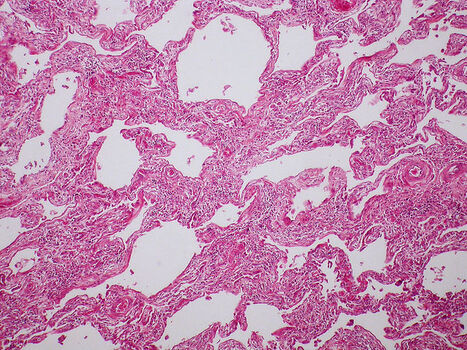
A chronic autoimmune disease of the skin, called scleroderma, is not contagious or infections and often not harmful. However, when this connective tissue d
Scoop.it!

High-dose methylprednisolone pulses were one of the main treatments for anti-neutrophil cytoplasmic autoantibody (ANCA) associated vasculitides (AAV) but had obvious side effects. We aimed to know the impact on renal survival and identify the prognostic factors of this treatment in Chinese AAV patients with severe renal involvement. One hundred and eleven AAV patients with an estimated glomerular filtration rate (eGFR) of 10ml/min/1.73 m2 or less at admission were included. The MP group (n = 57) received intravenous methylprednisolone 500 mg/d for 3 days, while the control group (n = 54) had not. The outcomes and adverse events between two groups were compared. Besides, predictors for dialysis independence and good response of intravenous methylprednisolone were analyzed using Cox regression analysis and ROC curves respectively. Their median duration of follow-up was 31 (range 3 to 134) months. Eleven patients in MP group and 20 patients in control group were died (P = 0.056). Twenty-one patients (36.8%) in MP group and 29 patients (53.7%) in control group were on maintaining dialysis (P = 0.088). Twenty-one patients in MP group remained dialysis independent, more than those in control group (4 patients, P <0.01). Urine protein creatinine ratio (hazard ratio 1.730, 95% confidence interval 1.029 to 2.909, P = 0.039) and the treatment of intravenous methylprednisolone pulses (hazard ratio 0.362, 95% confidence interval 0.190 to 0.690, P = 0.002) were the independent risk factors for dialysis independence. Those patients with serum creatinine≥855μmol/L and urine protein ≥3.7g/24h at admission may have worse responses to intravenous methylprednisolone pulses (sensibility 56.7%, specificity 85.0%, PPV 100.0% and NPV57.1%). Intravenous methylprednisolone pulses could improve the long-term outcome in term of dialysis independence and tend to decrease mortality for Chinese AAV patients with severe renal involvement.
Scoop.it!

Scoop.it!

Journal of Immunology Research is a peer-reviewed, Open Access journal that provides a platform for scientists and clinicians working in different areas of immunology and therapy. The journal publishes research articles, review articles, as well as clinical studies related to classical immunology, molecular immunology, clinical immunology, cancer immunology, transplantation immunology, immune pathology, immunodeficiency, autoimmune diseases, immune disorders, and immunotherapy.
|
Scoop.it!

A type 1 diabetes screening test for children is being developed in a bid to try and prevent the condition. JDRF, which focuses on funding research to help eventually cure, treat and prevent type 1 diabetes and complications associated with condition, has provided a US diagnostic company with a grant of $700,000 (£519,000). The money will be used to find a way of testing young people for the condition using their saliva or blood.
Scoop.it!
F1000Research Article: Recent advances in understanding and management of acquired thrombocytopenia.There are numerous congenital and acquired causes of thrombocytopenia. Thrombocytopenia could be a result of decreased bone marrow production, increased consumption, increased destruction, splenic sequestration or a combination of these causes. In this review, we have focused on some of the serious acquired causes of thrombocytopenia. There have been some significant advances in our understanding of the pathophysiology, diagnostic testing, and treatment of immune thrombocytopenia, heparin-induced thrombocytopenia, thrombotic thrombocytopenic purpura, and atypical hemolytic uremic syndrome over the past five years. These advances have resulted in a significant decrease in mortality and morbidity of patients with these disorders. Despite these advances, we are still faced with numerous unanswered questions in the pathophysiology and management of these complex thrombocytopenic disorders.
Scoop.it!

Imagine making a spreadsheet of every meal you've ever eaten, every hand you've ever shook, every bit of dust that's ever gotten in your eye
Gilbert C FAURE's insight:
?
Scoop.it!
Curr Opin Pediatr. 2016 Aug;28(4):463-9. doi: 10.1097/MOP.0000000000000375. Review
Gilbert C FAURE's insight:
Abstract
PURPOSE OF REVIEW: Vitiligo and alopecia areata are common, disfiguring skin diseases. Treatment options are limited and include nontargeted approaches, such as corticosteroids, topical calcineurin inhibitors, narrow band ultraviolet B phototherapy, and other immune-modifying agents. The purpose of this article is to review shared, novel mechanisms between vitiligo and alopecia areata, as well as discuss how they inform the development of future targeted treatments. RECENT FINDINGS: Vitiligo and alopecia areata are both autoimmune diseases, and striking similarities in pathogenesis have been identified at the level of both the innate and adaptive immune system. Increased reactive oxygen species and high cellular stress level have been suggested as the initiating trigger of the innate immune system in both diseases, and genome-wide association studies have implicated risk alleles that influence both innate and adaptive immunity. Most importantly, mechanistic studies in mouse models of vitiligo and alopecia areata have specifically implicated an interferon (IFN)γ-driven immune response, including IFNγ, IFNγ-induced chemokines, and cytotoxic CD8 T cells as the main drivers of disease pathogenesis. These recent discoveries may reveal an effective strategy to develop new treatments, and several proof-of-concept clinical studies support this hypothesis. SUMMARY: The identification of IFNγ-driven immune signaling pathways has enabled discoveries of potential new treatments for vitiligo and alopecia areata, and supports initiation of larger clinical trials.
Scoop.it!
Int J Rheum Dis. 2018 Jan 4. doi: 10.1111/1756-185X.13249. [Epub ahead of print]
Gilbert C FAURE's insight:
Abstract
BACKGROUND: Complement system plays a crucial role in the pathogenesis of systemic lupus erythematosus (SLE). Excessive activation of complement causes tissue injury and SLE occurrence is typically associated with congenital deficiencies of the early components of the classical complement pathway. Mannose-binding lectin (MBL) is recognized as important causative factor in the etio-pathogenesis of SLE and MBL-2 gene has evolved as a candidate gene for SLE susceptibility. AIM: This study was done to assess the functional MBL (fMBL) level in SLE patients in remission and its co-relation with disease severity and outcome. METHODS: Functional MBL levels were compared with age and sex matched healthy controls and were correlated with duration of illness,complement levels and anti-double- stranded DNA antibody levels. RESULTS: Mean fMBL level in patients was found to be 696.19 ± 408.98 U/mL and 579.52 ± 393.87 U/mL in the control group. Four children had very low fMBL levels (< 40 U/mL). Functional MBL levels were higher in patients with SLE even when the disease was in remission as compared to healthy controls, although not statistically significant. CONCLUSION: Large variation exists in fMBL levels in patients with SLE even when in remission. Very low fMBL levels were found in some children with younger age of onset of SLE, multisystem involvement and severe course of the disease. Positive correlation of MBL levels with anti-ds DNA titers suggest that its values vary with activity and could be a potential biomarker of the disease.
Scoop.it!
Am J Epidemiol. 2018 Jan 1;187(1):34-44. doi: 10.1093/aje/kwx191.
Gilbert C FAURE's insight:
Abstract Breastfeeding, age at introduction of foods, and food diversity in infancy were studied for associations with advanced islet autoimmunity and type 1 diabetes. During 1996--2004, a total of 5,915 newborns with human leukocyte antigen-conferred susceptibility to type 1 diabetes were enrolled in the prospective Finnish Type 1 Diabetes Prediction and Prevention Nutrition Study. Children were assessed at intervals of 3-12 months for the appearance of 4 types of islet autoantibodies and type 1 diabetes up to the age of 15 years. Survival models indicated the 3 variables of interest were not associated with advanced islet autoimmunity or type 1 diabetes in the cohort. Early introduction of solid foods was associated with increased risk of advanced islet autoimmunity in children up to age 3 years (for <3 months vs. >4 months, hazard ratio = 2.33, 95% confidence interval: 1.39, 3.91; for 3-4 months vs. >4 months, hazard ratio = 2.18; 95% confidence interval: 1.38, 3.47) but not in longer follow-up (P for interaction = 0.046). Similar results were observed for age at introduction of roots, cereals, egg, and meat relative to risk of advanced islet autoimmunity. No consistent, long-term associations between infant feeding and advanced islet autoimmunity or type 1 diabetes were observed.
Scoop.it!
Autoimmunity. 2018 Jan 8:1-7. doi: 10.1080/08916934.2017.1423286. [Epub ahead of print]
Gilbert C FAURE's insight:
Abstract
Complement convertases are enzymatic complexes, which play a critical role in propagation and amplification of the complement cascade. Under physiological conditions, convertases decay shortly after being formed in either spontaneous or inhibitor-driven process. Prolongation of their half-life by C3NeF autoantibodies that prevent convertase dissociation results in pathogenic condition often manifested by renal diseases. However, the diagnosis of convertase abnormalities is difficult due to the labile nature of these enzymes and low credibility of existing methods. Only recently, two-step functional assays employing C5-depleted serum or C5 inhibitors were introduced. Their advantage is convertase formation in the physiological milieu of whole serum and the drawback is inter-assay variability due to variations in rabbit erythrocytes used for the haemolysis-based readout. Abovementioned problems demand the application of the internal standard in each experiment. Obtaining a defined preparation of autoantibodies is complicated due to ethical and practical considerations. We found that recombinant, his-tagged factor B (fB) variant K323E retains full hemolytic activity and possess the ability to form convertases with prolonged half-life either in fB-depleted serum or when mixed with normal human serum. Such dominant character of K323E mutation allows using recombinant protein as a reference in functional convertase assays, not limited to these using rabbit erythrocytes. Additionally, our results demonstrate that gain of function mutations in complement components mimic the phenotype of C3NeF. Hence, patients with such "genetic C3NeF" would not benefit from B-cell depletion (e.g. by rituximab) and therefore should be properly diagnosed in order to choose suitable therapeutic intervention.
Scoop.it!

ABSTRACT
Scoop.it!
Reprograming of endogenous mouse alpha cells into functional beta cells, which significantly delays diabetes onset in autoimmune diabetic mice, and the successful reprograming of human alpha cells into beta cells with the same strategy represent a promising way for treating type 1 diabetes.
Scoop.it!
Endogenous pathogenic antibodies can be enzymatically converted into anti-inflammatory mediators in inflamed tissues, revealing a new strategy to treat autoimmune diseases.
Gilbert C FAURE's insight:
Highlights
•Glycosyltransferase fusions convert endogenous IgG into anti-inflammatory IgG •Platelets enable site-specific sialylation by releasing sugar-nucleotide donors •Inhibitory FcγRIIB, STAT6, and type II FcγRs are required for anti-inflammatory activity Summary Self-reactive IgGs contribute to the pathology of autoimmune diseases, including systemic lupus erythematosus and rheumatoid arthritis. Paradoxically, IgGs are used to treat inflammatory diseases in the form of high-dose intravenous immunoglobulin (IVIG). Distinct glycoforms on the IgG crystallizable fragment (Fc) dictate these divergent functions. IgG anti-inflammatory activity is attributed to sialylation of the Fc glycan. We therefore sought to convert endogenous IgG to anti-inflammatory mediators in vivo by engineering solubilized glycosyltransferases that attach galactose or sialic acid. When both enzymes were administered in a prophylactic or therapeutic fashion, autoimmune inflammation was markedly attenuated in vivo. The enzymes worked through a similar pathway to IVIG, requiring DC-SIGN, STAT6 signaling, and FcγRIIB. Importantly, sialylation was highly specific to pathogenic IgG at the site of inflammation, driven by local platelet release of nucleotide-sugar donors. These results underscore the therapeutic potential of glycoengineering in vivo.
Scoop.it!

Jack Cush, MD, and Doruk Erkan, MD, MPH, discuss this sometimes frustrating condition
|






