 Your new post is loading...

|
Scooped by
Gust MEES
September 22, 2020 3:50 PM
|
Seit vergangener Woche heißt es für iPhone-Nutzer wieder Update-Zeit, denn Apple hat iOS 14 veröffentlicht. Doch schon kurz nach dem Release wurde der erste größere Bug in iOS 14 entdeckt, der die Standard-Apps bei Browser und Mail-Programm auf Apple-Einstellungen zurücksetzt.
Seit vergangenem Mittwoch stehen iOS 14 und iPadOS 14 zum Download bereit. Mit den neuen Apple-Betriebssystemen stehen Nutzern viele praktische Neuerungen zur Verfügung. Weniger praktisch ist aber ein Bug in iOS 14, den iPhone-Nutzer jetzt entdeckt haben.
So gibt es Meldungen darüber, dass nach der Installation von iOS 14 und dem Neustart die manuell ausgewählten Standard-Apps für Browser und Mail-Programme auf Apple-Einstellungen zurückgesetzt werden. Oder anders gesagt: Wer vor der Installation des iOS-14-Updates etwa Google Chrome als Standard-Browser eingestellt hatte, der hat nach der Installation plötzlich wieder den Safari-Browser von Apple als Standard, wie "9to5mac.com" berichtet. Learn more / En savoir plus / Mehr erfahren: https://www.scoop.it/t/apple-mac-ios4-ipad-iphone-and-in-security
|
|
Scooped by
Gust MEES
August 15, 2020 7:00 AM
|
Xcode projects are being exploited to spread a form of Mac malware specializing in the compromise of Safari and other browsers.
The XCSSET malware family has been found in Xcode projects, "lead[ing] to a rabbit hole of malicious payloads," Trend Micro said on Thursday.
In a paper (.PDF) exploring the wave of attacks, cybersecurity researchers said an "unusual" infection in a developer's project also included the discovery of two zero-day vulnerabilities. Learn more / En savoir plus / Mehr erfahren: https://www.scoop.it/t/apple-mac-ios4-ipad-iphone-and-in-security
|
|
Scooped by
Gust MEES
June 2, 2020 9:52 AM
|
Sign in with Apple—a privacy-enhancing tool that lets users log in to third-party apps without revealing their email addresses—just fixed a bug that made it possible for attackers to gain unauthorized access to those same accounts.
“In the month of April, I found a zero-day in Sign in with Apple that affected third-party applications which were using it and didn’t implement their own additional security measures,” app developer Bhavuk Jain wrote on Sunday. “This bug could have resulted in a full account takeover of user accounts on that third party application irrespective of a victim having a valid Apple ID or not.”
Jain privately reported the flaw to Apple under the company’s bug bounty program and received a hefty $100,000 payout. The developer shared details after Apple updated the sign-in service to patch the vulnerability.
Sign in with Apple debuted in October as an easier and more secure and private way to sign into apps and websites. Faced with a mandate that many third-party iOS and iPadOS apps offer the option to sign in with Apple, a host of high-profile services entrusted with huge amounts of sensitive user data adopted it. Learn more / En savoir plus / Mehr erfahren: https://www.scoop.it/t/apple-mac-ios4-ipad-iphone-and-in-security
|
|
Scooped by
Gust MEES
April 26, 2020 7:13 PM
|
Sicherheitsforscher haben in der Apple Mail-App eine schwerwiegende Sicherheitslücke entdeckt, über die sich Angreifer offenbar Zugriff auf iPhones und iPads verschaffen können. Die Lücke soll den Forschern zufolge seit acht Jahren bestehen. Wie Sie sich vor Angriffen schützen, verraten wir Ihnen im Video. Learn more / En savoir plus / Mehr erfahren: https://www.scoop.it/t/apple-mac-ios4-ipad-iphone-and-in-security
|
|
Scooped by
Gust MEES
February 26, 2020 5:45 PM
|
To most iOS users, pasteboard is simply part of the way to copy and paste data from one place to another. Although a malicious app should only be able to access pasteboard data while active, Mysk’s bypass was to write a demo app, KlipboardSpy, paired to a foreground widget visible in Today View, to prove the hack worked under real-world conditions. Moreover:
As the pasteboard is designed to store all types of data, the exploit is not only restricted to leaking location information. By gathering all these types of content, a malicious app can covertly build a rich profile for each user, and what it can do with this content is limitless.
That’s not only location data, then, but potentially anything the user has copied into pasteboard, including passwords and bank details. Learn more / En savoir plus / Mehr erfahren: https://www.scoop.it/t/apple-mac-ios4-ipad-iphone-and-in-security https://www.scoop.it/topic/apple-mac-ios4-ipad-iphone-and-in-security/?&tag=iOS
|
|
Scooped by
Gust MEES
February 13, 2020 9:35 AM
|
Die US-amerikanische Sicherheitsfirma Malwarebytes hat ihrem jährlichen Report zum Status von Malware-Angriffen rund um den Globus veröffentlicht. Demnach wurden erstmalig Macs öfter das Ziel von Angriffen als Windows-PCs. Allerdings unterscheiden sich die Arten von Angriffen.
Die Studie konnte eine Steigerung von 400 Prozent in der Gesamtanzahl von Angriffen auf Macs feststellen. Da sich gleichzeitig die Nutzerbasis auf Mac-System erhöht hat, ist die relevantere Angabe die entdeckten Angriffe pro Endpunkt. Das waren 4,8 in 2018, in 2019 ganze 11,0. Eine Steigerung von mehr als 100 Prozent. Zum Vergleich: Windows-Systeme entdeckten durchschnittlich 5,8 Angriffe in 2019. Learn more / En savoir plus / Mehr erfahren: https://www.scoop.it/t/apple-mac-ios4-ipad-iphone-and-in-security https://www.scoop.it/topic/apple-mac-ios4-ipad-iphone-and-in-security/?&tag=Mac
|
|
Scooped by
Gust MEES
January 28, 2020 6:06 PM
|
|
|
Scooped by
Gust MEES
January 23, 2020 5:24 AM
|
Apple, qui se présente volontiers comme le champion de la confidentialité, essuie depuis quelques jours une attaque en piqué sur plusieurs fronts. Il y a tout d'abord ces requêtes insistantes — et sans doute pas dénuées d'arrière-pensées — de l'administration Trump pour forer une porte dérobée dans l'iPhone. Il y a également cette histoire d'abandon du chiffrement intégral des sauvegardes iCloud.
On n'est que mercredi, et voici un nouveau souci pour Apple. Des chercheurs de Google ont mis au jour des failles de sécurité dans le système de prévention intelligente du traçage (Intelligent Tracking Prevention, ITP) de Safari. Ironie de l'histoire, ces vulnérabilités ont pu permettre aux malandrins de suivre à la trace les utilisateurs du navigateur, alors que cet ensemble de fonctionnalités est justement censé mettre des bâtons dans les roues des pisteurs professionnels. Learn more / En savoir plus / Mehr erfahren: https://www.scoop.it/t/apple-mac-ios4-ipad-iphone-and-in-security https://www.scoop.it/topic/apple-mac-ios4-ipad-iphone-and-in-security/?&tag=Safari
|
|
Scooped by
Gust MEES
December 28, 2019 11:18 AM
|
Ein Sicherheitsforscher von Googles Project Zero hat Einblicke in iPhone-Angriffe gegeben, über die sich ein Gerät ohne Nutzerinteraktion beherrschen lässt.
Ende Juli hatten Mitglieder des Project Zero von Google für Schlagzeilen gesorgt mit dem Verweis auf eine gute Handvoll schwerer Sicherheitslücken in der Chat-App iMessage in Apples mobilem Betriebssystem iOS. Insider hatten den Wert der Schwachstellen mit zugehörigem Zero-Click-Exploit, der seine Wirkung ohne Zutun und Wissen des Nutzers entfaltet, auf mehrere Millionen US-Dollar geschätzt. Das Google-Team erhielt aus dem Bug-Bounty-Programm des Konkurrenten aber keinen Cent.
iPhone-Angriff in wenigen Minuten Learn more / En savoir plus / Mehr erfahren: https://www.scoop.it/t/apple-mac-ios4-ipad-iphone-and-in-security
|
|
Scooped by
Gust MEES
December 11, 2019 7:18 AM
|
So, when renowned investigative cybersecurity journalist Brian Krebs recently published a quizzical article entitled The iPhone 11 Pro’s Location Data Puzzler, tongues began to wag.
What puzzled Krebs is that the privacy interface for Location Services on his iPhone didn’t seem to work as he expected, which he rightly thought was worth investigating carefully.
After all, thanks to GPS, modern smartphones can work out where you are with astonishing precision, even when you’re offline and have no other positioning data to refer to.
Learn more / En savoir plus / Mehr erfahren: https://www.scoop.it/t/apple-mac-ios4-ipad-iphone-and-in-security
|
|
Scooped by
Gust MEES
December 5, 2019 11:45 AM
|
The Lazarus group, which has been named as one of North Korea's state-sponsored hacking teams, has been found to be using new tactics to infect macOS machines.
Dinesh_Devadoss, a threat analyst with anti-malware merchant K7 Computing, took credit for the discovery and reporting of what is believed to be the Lazarus group's first piece of in-memory malware on the Apple operating system.
In-memory infections, also known as fileless malware, operate entirely within the host machine's volatile RAM. This allows the software nasty to avoid setting off any antivirus systems that monitor files in storage or otherwise don't regularly scan all of system memory for threats
The malware sample found by Dinesh_Devadoss was dissected this week by Mac security guru Patrick Wardle, who says that the attack is a new spin on the classic Lazarus group tactic for slipping its malware onto the machines of unsuspecting users; by not installing any files during the secondary stage of the attack where the actual malicious activity occurs. Learn more / En savoir plus / Mehr erfahren: https://www.scoop.it/topic/apple-mac-ios4-ipad-iphone-and-in-security/?&tag=Lazarus+group https://www.scoop.it/t/apple-mac-ios4-ipad-iphone-and-in-security
|
|
Scooped by
Gust MEES
October 17, 2019 4:54 PM
|
The more recent iPhone hack was a feat that was previously seen as impossible. Not only did hackers infiltrate iOS, they also gained access to a slew of information available on a victim's iPhone: location data, photos, and messages were all up for grabs.
Now, a cybersecurity expert predicts even more Apple hacks going forward. Alex Heid, chief research and development officer at the cybersecurity firm SecurityScorecard, told Business Insider that Apple is now a top target for hackers seeking money or power. Learn more / En savoir plus / Mehr erfahren: https://www.scoop.it/t/apple-mac-ios4-ipad-iphone-and-in-security
|
|
Scooped by
Gust MEES
September 30, 2019 3:25 PM
|
Ein Sicherheitsforscher hat eine schwerwiegende iPhone-Schwachstelle publik gemacht, die offenbar hunderte Millionen Apple-Smartphones betrifft, darunter beliebte Modelle wie das iPhone 8 oder das iPhone X. Das Problem: Apple hat offenbar keine Möglichkeit, die Lücke zu schließen. Learn more / En savoir plus / Mehr erfahren: https://www.scoop.it/t/apple-mac-ios4-ipad-iphone-and-in-security
|
|
|
Scooped by
Gust MEES
August 31, 2020 10:32 AM
|
MacOS is thought of as more secure than Microsoft’s Windows, but the amount of malware targeting Apple’s operating system is growing. Apple has taken steps to mitigate malware on macOS through a process called notarization—but even this can be bypassed by new and improved adware, a security researcher has discovered.
The adware campaign uses notarized malware, meaning it was scanned and "approved" by Apple and will run on Catalina and Big Sur, security researcher Patrick Wardle has found. “As far as I know, this is the first time hackers have been able to abuse Apple's new notarization,” Wardle told me. Learn more / En savoir plus / Mehr erfahren: https://www.scoop.it/t/apple-mac-ios4-ipad-iphone-and-in-security
|
|
Scooped by
Gust MEES
August 6, 2020 6:23 AM
|
Für die Absicherung von iPhone und iPad ist seit dem iPhone 5s ein spezieller Co-Prozessor zuständig, auch Secure Enclave genannt. Nach Berichten soll es allerdings jetzt dem für Jailbreaks bekannten Team Pangu gelungen sein, diesen Sicherheitschip zu knacken. Das sollte eigentlich nicht möglich sein und wäre für Apples Sicherheitskonzept ein schwerer Schlag. Der Chip ist vom System abgeschottet, speichert sensibelste Daten wie Fingerabdruckdaten, FaceID-Daten, Verschlüsselungs-Keys und verspricht Datensicherheit und sicheres Apple Pay. Offensichtlich ist durch diesen Fehler aber der Zugriff auf die Secure Enclave möglich, was sogar ein Entschlüsseln eines iOS-Gerätes ermöglichen würde.
Was die Entdeckung besonders brisant macht: Der Fehler soll den so genannten ROM der Secure Enclave betreffen, einen Nur-Lese-Speicher, den Apple nicht aktualisieren kann. Durch ein Update kann man den Fehler wohl nicht beheben, allenfalls durch das Austauschen des Chips. Auch die Sicherheitschips der Macs sollen betroffen sein. Learn more / En savoir plus / Mehr erfahren: https://www.scoop.it/t/apple-mac-ios4-ipad-iphone-and-in-security
|
|
Scooped by
Gust MEES
April 26, 2020 7:32 PM
|
|
|
Scooped by
Gust MEES
April 6, 2020 7:42 PM
|
The vulnerabilities were identified in the Webkit browser engine and Safari. When combined together, the flaws would let infected websites to activate cameras on iPhone, iPad, and Mac.
Eventually, Pickern hijacked the iPhone’s camera and notified Apple product security team about it. The company patched the flaws in January and rewarded Pickern with a handsome amount.
See: Vulnerability in Zoom video conference app lets Mac’s camera hijacking
As for Apple’s Security Bounty Program; launched in December last year, the program offers white hack hackers and security research some big bucks. You can also become a part of it. More information on the Security Bounty Program is available here. Learn more / En savoir plus / Mehr erfahren: https://www.scoop.it/t/apple-mac-ios4-ipad-iphone-and-in-security
|
|
Scooped by
Gust MEES
February 16, 2020 7:36 AM
|
The Mac vs. PC debate isn't nearly as intense as it was earlier in the 21st century, but a new malware report could stoke the flames a little bit for the first time in years.
Antivirus company Malwarebytes released a big ol' report about the prevalence of different types of malware across different operating systems this week. There's plenty to chew on, but the most eye-catching finding is that, for the first time anyone can remember, Macs are more susceptible to malware than Windows PCs.
Malwarebytes measured the average number of threats detected per endpoint, which basically means "device" in this context. In 2018, Macs only averaged 4.8 threats per endpoint, but that number ballooned to 11 in 2019. Windows devices, by comparison, only saw 5.8 threats per endpoint last year. Learn more / En savoir plus / Mehr erfahren: https://www.scoop.it/t/apple-mac-ios4-ipad-iphone-and-in-security https://www.scoop.it/topic/apple-mac-ios4-ipad-iphone-and-in-security/?&tag=Mac
|
|
Scooped by
Gust MEES
February 13, 2020 5:38 AM
|
Selon un rapport de la solution de sécurité Malwarebytes, les ordinateurs de la marque Apple auraient été victimes de deux fois plus d'infections que les PC Windows en 2019.
Malwarebytes, l'éditeur du logiciel éponyme qui permet de supprimer les logiciels malveillants, vient de publier un rapport sur le niveau de menace actuel des malwares en tous genres. Grâce aux statistiques collectées par la protection en temps réel, la firme a pu analyser les infections détectées pour l'année 2019 partout dans le monde.
La grande surprise de ce rapport concerne les Mac. Alors que les ordinateurs d'Apple sont généralement perçus comme étant plus sûrs que les PC équipés de Windows, les chiffres montrent une tout autre réalité. En 2019, Malwarebytes a détecté en moyenne 11 infections par appareil pour les Mac, largement plus que les 5,8 infections par appareil pour Windows. Ce chiffre a plus que doublé par rapport à 2018, où le logiciel comptait 4,8 infections pour chaque Mac. Learn more / En savoir plus / Mehr erfahren: https://www.scoop.it/t/apple-mac-ios4-ipad-iphone-and-in-security https://www.scoop.it/topic/apple-mac-ios4-ipad-iphone-and-in-security/?&tag=Mac
|
|
Scooped by
Gust MEES
January 23, 2020 2:33 PM
|
|
|
Scooped by
Gust MEES
January 12, 2020 6:09 AM
|
From law enforcement to hacking firms everyone wants to hack iPhone. But Google, Apple’s arch-rival of sorts, has been hacking iPhone devices by identifying and exploiting critical vulnerabilities since last year.
This time, Google’s team of white hat hackers at Project Zero has identified exploitable flaws to compromise targeted iPhone devices.
According to Samuel Groß, the clickless flaw doesn’t require the victim to click on a malicious link to infect their device and attackers only need the targeted iPhone’s Apple ID to remotely compromise the phone.
It merely takes a few minutes for a hacker to steal data from the phone including passwords, emails, and text messages along with enabling other functions like microphones and cameras. All this without the user’s permission or knowledge. Learn more / En savoir plus / Mehr erfahren: https://www.scoop.it/t/apple-mac-ios4-ipad-iphone-and-in-security https://www.scoop.it/topic/apple-mac-ios4-ipad-iphone-and-in-security/?&tag=iPhone
|
|
Scooped by
Gust MEES
December 11, 2019 9:33 AM
|
|
|
Scooped by
Gust MEES
December 6, 2019 12:46 PM
|
The Lazarus hacking group has been caught trying to sneak a new ‘fileless’ Trojan on to Apple macOS computers disguised as a fake cryptocurrency trading application.
The discovery was reported by K7 Computing’s Dinesh Devadoss to Mac security expert Patrick Wardle, who immediately spotted similarities to previous attacks.
The first of these, from 2018, was the ‘Apple.Jeus’ malware, which also used a cryptocurrency trading application to lure high-value targets in order to steal cryptocoins.
In October 2019, the hackers retuned with a new backdoor Trojan that spreads using the same approach – a cryptocurrency application posted to GitHub for victims to download.
To make the applications appear trustworthy, both campaigns used the ruse of setting up fake software companies using legitimate certificates.
Both were connected to the suspected North Korean Lazarus Group, widely blamed for big attacks such as WannaCry in 2017 and Sony Pictures in 2014. Learn more / En savoir plus / Mehr erfahren: https://www.scoop.it/topic/apple-mac-ios4-ipad-iphone-and-in-security/?&tag=Lazarus+group https://www.scoop.it/t/apple-mac-ios4-ipad-iphone-and-in-security
|
|
Scooped by
Gust MEES
October 29, 2019 9:00 PM
|
|
|
Scooped by
Gust MEES
October 6, 2019 9:35 AM
|
DDoS-for-hire services, also known as DDoS booters, or DDoS stressors, are abusing macOS systems to launch DDoS attacks, ZDNet has learned.
These attacks are leveraging macOS systems where the Apple Remote Desktop feature has been enabled, and the computer is accessible from the internet, without being located inside a local network, or protected by a firewall.
More specifically, the attackers are leveraging the Apple Remote Management Service (ARMS) that is a part of the Apple Remote Desktop (ARD) feature.
When users enable the Remote Desktop capability on their macOS systems, the ARMS service starts on port 3283 and listens for incoming commands meant for the remote Mac.
HUGE "AMPLIFICATION FACTOR"
But sometime this year, cyber-criminals have realized that they can abuse the ARMS service as part of a so-called "DDoS amplification attack." Learn more / En savoir plus / Mehr erfahren: https://www.scoop.it/t/apple-mac-ios4-ipad-iphone-and-in-security
|


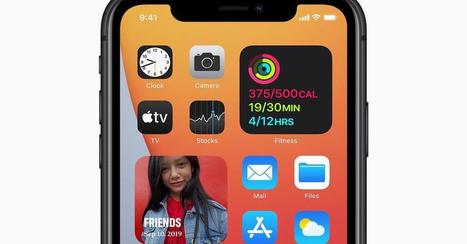


























Seit vergangener Woche heißt es für iPhone-Nutzer wieder Update-Zeit, denn Apple hat iOS 14 veröffentlicht. Doch schon kurz nach dem Release wurde der erste größere Bug in iOS 14 entdeckt, der die Standard-Apps bei Browser und Mail-Programm auf Apple-Einstellungen zurücksetzt.
Seit vergangenem Mittwoch stehen iOS 14 und iPadOS 14 zum Download bereit. Mit den neuen Apple-Betriebssystemen stehen Nutzern viele praktische Neuerungen zur Verfügung. Weniger praktisch ist aber ein Bug in iOS 14, den iPhone-Nutzer jetzt entdeckt haben.
So gibt es Meldungen darüber, dass nach der Installation von iOS 14 und dem Neustart die manuell ausgewählten Standard-Apps für Browser und Mail-Programme auf Apple-Einstellungen zurückgesetzt werden. Oder anders gesagt: Wer vor der Installation des iOS-14-Updates etwa Google Chrome als Standard-Browser eingestellt hatte, der hat nach der Installation plötzlich wieder den Safari-Browser von Apple als Standard, wie "9to5mac.com" berichtet.
Learn more / En savoir plus / Mehr erfahren:
https://www.scoop.it/t/apple-mac-ios4-ipad-iphone-and-in-security