1
When does faith become public responsibility?
Posts on interfaith diplomacy and Christian formation show religious practice moving between private devotion, family life, institutions, and civic order.
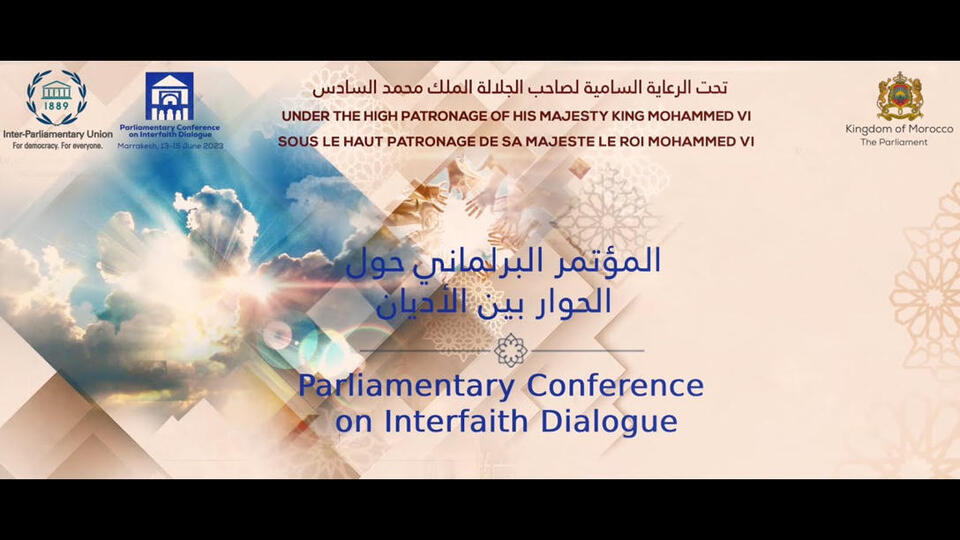
Interfaith, Religion brings the institutional frame. A conference item from the Inter-Parliamentary Union and a related article on parliamentary diplomacy present interfaith work as part of public problem-solving, not only as a meeting of clergy or communities.
Christian Spiritual Counseling brings the language of formation and responsibility. Its selections move from prayer and communion to an article arguing that Christians should care about the rule of law, placing private belief inside a wider civic ethic.
The same topic also narrows public religion to ordinary disciplines. Posts on homes as places of prayer and on silence in a fast-moving world show family life and contemplative practice as social habits, not only interior devotion.
Together, the two topics show religion being framed as moral infrastructure. Dialogue appears in parliamentary settings, prayer is discussed as a household practice, and doctrine is linked to continuity, obedience, memory, and public order.
Further reading
-
-
-
-
3 Reasons Christians Should Care About the Rule of Law
thegospelcoalition.orgChristian Spiritual Counseling
-
Weekly Communion: Remembering Christ's Sacrifice
christianstandard.comChristian Spiritual Counseling
-