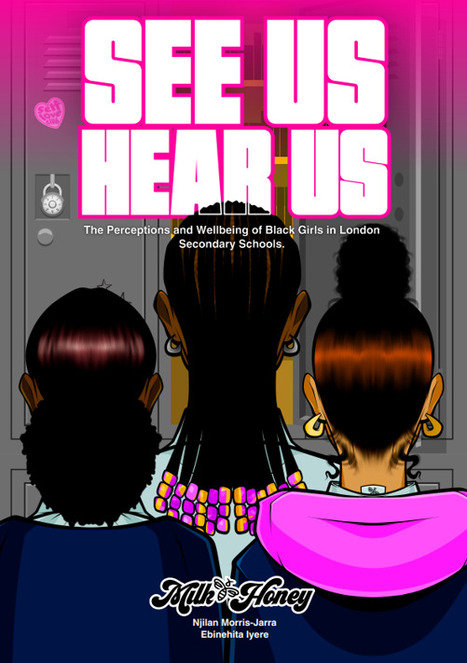
While dialogue and policy on Black children in the UK education system typically focuses on Black boys, there is little research centring the unique experiences of Black girls in British schools. Of the research that exists, we often see a ‘copy and paste’ application of the educational experiences of Black girls in America, where more substantial research exists. The vital differences and visceral nuances of Black girlhood in Britain are neglected in such studies.
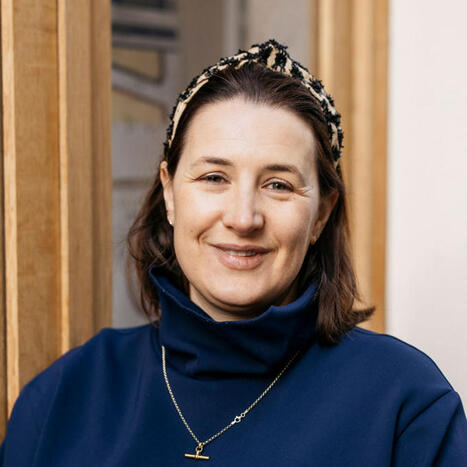
This piece of research sits as a corrective. It builds on See Us, Hear Us: On girlhood and growing up Black in Lambeth, a pilot research study commissioned by Milk Honey Bees in 2023, which explored the complexities, nuances and experiences of girlhood whilst living in the London Borough of Lambeth.
This report was written by Njilan Morris-Jarra and Ebinehita Iyere, with research undertaken by 6 peer researchers and co-ordinated by Sophie Arinde. Milk Honey Bees is a creative and expressive safe space for Black girls to flourish and put H.E.R (Healing, Empowerment and Resilience) first.
The gender pay gap has gradually reduced over the last two decades. Traditional human-capital-based explanations of the gender pay gap are increasingly at odds with evidence on earnings. There has been an increasing gap in education performance favouring younger women across most EU Member States and in many other countries. Educational attainment generally has a strong positive correlation with earnings. This report sets out the evidence on gender gaps relevant to the labour market (employment, wage and education gaps) and explores the extent to which other educational factors such as the choice of field of study may in part explain the persistence of gender gaps in pay.
The archive, called DigitalSF, provides free access to thousands of photos, maps and primary source documents relating to the history of the city. Key subject collections of value to researchers include urban development, LGBT Plus history and Afro American history
Gendered violence is a pervasive problem in Australian society, shaping women’s and girls’ experiences across almost every domain of public and private life. Until now, Australia has lacked quantitative prevalence data documenting teachers' experiences of sexism, misogyny and sexual harassment in schools. This report addresses that gap through a national survey of 2,668 Australian Education Union (AEU) member teachers. Monas University.
This is a recording of a Zoom webinar from 25 June 2024. This was held as a pre-conference event ahead of an in-person conference celebrating 45 years since the publication of Beyond the Fragments: Feminism and the Making of Socialism (1979). The webinar brought together scholars working on histories of feminist print culture to contextualise the book and explore the relationship between the women's movement and print.
Please note there is a short 10 minute break in the middle of the Zoom. There is also a gap in one of the papers due to a loss of signal causing the Zoom to cut out briefly.
The organisers are Rachel Collett and Alfie Steer, and speakers are Gail Chester, Hayley Kavanagh, Annabel Wearring-Smith, Sarah Colborne, Eleanor Careless, and Amy Todd.
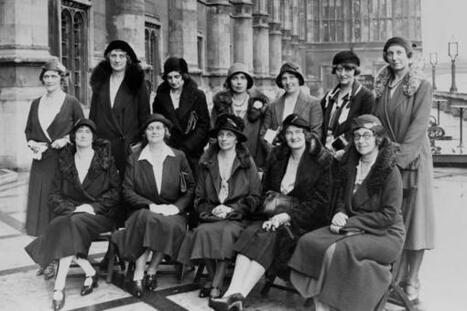
A few weeks ago, I wrote a short newsletter about Hansard to mark the digital release of all the volumes from 1809 on https://hansard.parliament.uk. I was also invited onto Matt Chorley’s show on BBC Radio 5 Live to discuss that release and the history of Hansard, with Jack Horner, editor of the Official Report.
This UN Women portrait series places the diversity of women farmers’ voices and experiences at the centre of global action on sustainable development and food systems through 12 stories of resilience, innovation, ancestral knowledge, and collective action.
The Economics of Power and Poverty in the Home begins by exploring what can be measured about the sharing of resources and the distribution of well-being within households, with particular attention to gender disparities and child poverty. Taking stock of a wide range of economic and social science research, it offers a critical assessment of available microeconomic models and measurement tools, examining what they can illuminate about intra-household dynamics. Olivier Bargain then investigates the key demographic, economic, and social factors that shape inequalities within households, including women's participation in the labour market and their control over income and assets, as well as broader contextual influences such as economic crises, social movements, media and role models, and the enduring impact of formal and informal norms. Some of these factors are also relevant as potential markers for policy intervention and the targeting of social programs, especially when they help to identify instances of acute inequities within families. Turning explicitly to redistributive policies, the volume analyses how cash transfers, in-kind benefits, and taxation can shift power dynamics within households and affect the poverty status of women and children.Throughout, the book critically engages with recent developments in academic and policy debates, and outlines directions for future research. It concludes by addressing the normative challenges households present for the design of equitable public policies, such as the complexities of redistributing resources both between and within households.
Download the Five X More report exploring Black women’s mental health during pregnancy and after birth, including experiences of support, care and access.
Since 1984, Development Alternatives with Women for a New Era (DAWN) has been a key force in feminist scholarship, activism, and advocacy from the global South. Marking its 40th anniversary, this timeline traces four decades of feminist movements through DAWN’s lens: in blue, key moments shaping women’s rights and feminist agenda in the global South; […]
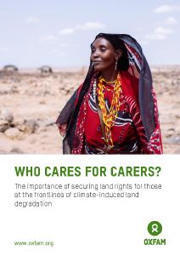
Climate-induced land degradation is often framed as an environmental challenge, but it is also a crisis of care and inequality. As droughts, floods, and other climate impacts intensify, the people who sustain ecosystems, food systems and rural livelihoods face growing burdens while frequently lacking secure rights to the land they depend on. Women in rural […]
Conditions in prisons were thrown into the spotlight by the wider battle for women’s rights.
In the early 1900s, many suffragettes were imprisoned and many experienced brutal force feeding. Nurses were amongst those who joined the public outcry, both as suffragettes and pointing out that there were often no nursing staff onsite to help suffragettes recover after this ordeal. Speakers at this event explored nurses who were suffragettes, arrested and imprisoned.
This event, from August 2026, was held as part of the RCN Scotland exhibition 'Prison Nursing Unlocked' which explored the fascinating history of healthcare in prisons, from the work of early reformers like Elizabeth Fry to the vital contribution that nurses make to prisoner health today.
Aug 11, 2026 » The Centre for Young Lives and Agenda Alliance have today published a new briefing, Meeting the needs of young women and girls in the implementation and delivery of Young Futures Hubs, setting out how the Government's Young Futures Hubs can better support young women and girls by tackling VAWG, improving mental health outcomes, and widening access to opportunity.
Is Supported by the Pakistan Association of Women Publishers and Editors (PAWPE) and the UK’s Teesside University, it aims to preserve digitise and research women’s literary, lifestyle and art publications in Pakistan. It includes information on its aims, lists of research publications, background information on Pakistan women’s magazines . Plus links to materials from events.
Listen to this episode from Round the Studios on Spotify. Karen has been gallivanting up in Skye with her two dogs for the last week, so sadly there's no guest on this week's episode! But don't be dismayed as she has recorded a pilot episode base don some of her research on the Glasgow Society of Lady Artists. This is a tester to see if it is something you would like to hear more of. If you do, please let her know via her instagram @scottishwomenhistory.The Glasgow Society of Lady Artists (GSLA) was established by eight students of The Glasgow School of Art in 1882. The club, with its pro-woman ethos, attempted to combat sexism and misogyny in the Scottish art world. However, it quickly developed into a club for forward-thinking women of Glasgow, and further afield, with a list of women from an array of professions and backgrounds including doctors and nurses, teachers, political activists and socialites.Dr Karen Mailley is an academic and heritage professional who has worked in the museum and heritage sector(s) for over a decade. She specialises in heritage outreach and engagement with a community focus using archives, material culture and feminist and intersectional methodologies as the core foundation of her work. She is a Scottish Representative for GEM and an Associate Fellow of the Royal Historical Society. She has just been elected by the Glasgow Society of Women Artists to become their Archivist.Karen’s main research focus is related to gender and the built environment in Scotland since 1880. She has been published in The Scottish Society for Art History, The Decorative Arts Society Journal, Decorating Dissidence, EPOCH Magazine, The Bottle Imp and Historic Environment Scotland. Along with her fellow History Girl, Dr Rachael Purse, she has featured on STV's The People's History Show and Stephen Jardine's Moring Radio Show. Hosted on Acast. See acast.com/privacy for more information.
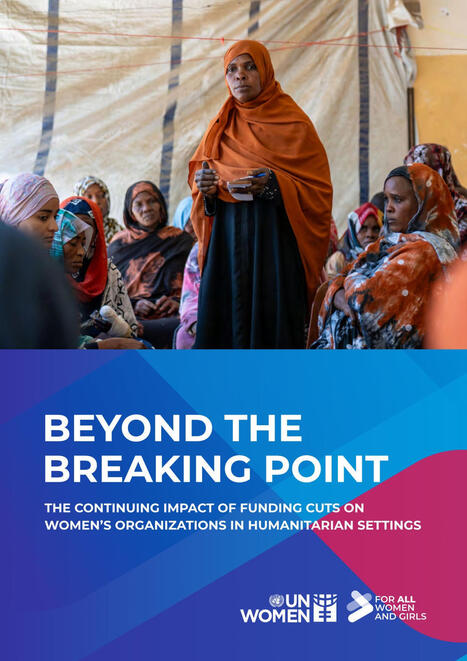
The publication examines the continuing impact of humanitarian funding cuts on women-led and women’s rights organizations across 52 countries and contexts. Drawing on evidence from 855 organizations, it highlights the consequences for women and girls and identifies priorities for protecting gender-responsive, locally led humanitarian action.
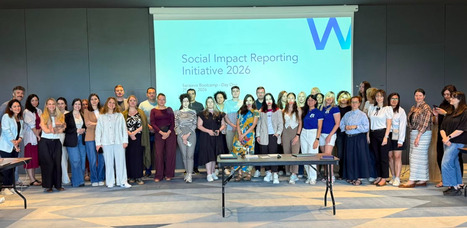
WAN-IFRA's Women in News has launched a new round of its Social Impact Reporting Initiative (SIRI), focused on investigative journalism in the Western Balkans and Ukraine.
This briefing note examines the gendered impacts of the collapse of water, sanitation and hygiene services in Gaza. Drawing on interviews with 21 displaced women and girls from across the Gaza Strip, alongside a review of humanitarian evidence, it documents how severe water shortages are affecting women’s health, safety and daily survival. The note identifies […]
To get content containing either thought or leadership enter:
To get content containing both thought and leadership enter:
To get content containing the expression thought leadership enter:
You can enter several keywords and you can refine them whenever you want. Our suggestion engine uses more signals but entering a few keywords here will rapidly give you great content to curate.




 Your new post is loading...