Your new post is loading...

|
Scooped by
Ed Rybicki
September 24, 2016 11:42 AM
|
Here’s good news for anyone affected by chikungunya this year: the virus is unlikely to infect them ever again. This has been confirmed to TOI by virologists from AIIMS who said that the chikungunya virus has only one serotype and hence the risk of repeated infection is minimal.
|
|
Scooped by
Ed Rybicki
September 24, 2016 11:39 AM
|
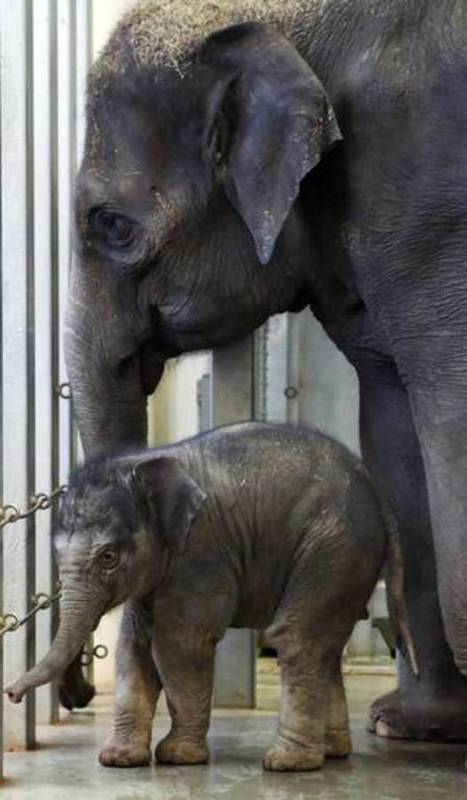
An Asian elephant at the Oklahoma City Zoo has tested positive for the EEHV1A virus for the second time in five months, a zoo official aid Friday. Low levels of the virus were detected in Achara's blood in a round of testing done this week. Each of the zoo's five elephants is tested weekl
|
|
Scooped by
Ed Rybicki
September 23, 2016 1:11 PM
|
Spread the newsBrazil to begin Zika vaccine trials in humans RIO DE JANEIRO – Brazil will begin testing a vaccine
|
|
Scooped by
Ed Rybicki
September 22, 2016 4:54 AM
|
“The risk to the wider population is negligible as the tick that carries CCHF is not established in the UK and it cannot survive here.”
|
|
Scooped by
Ed Rybicki
September 21, 2016 6:03 AM
|
Accusations of impropriety feature in escalating dispute.
|
|
Scooped by
Ed Rybicki
September 14, 2016 6:23 AM
|
Ebola is 40 today! The discovery of filoviruses: Marburg and Ebola Marburg virus In 1967, the world was introduced to a new virus: thirty-one people in Marburg and Frankfurt in Germany, and Belgrade in the then Yugoslavia, became infected in a linked outbreak with a novel haemorrhagic fever agent. Twenty-five of them were laboratory workers associated…
|
|
Scooped by
Ed Rybicki
September 12, 2016 7:11 AM
|
Viral hepatitis is a leading cause of death and disability worldwide. Unlike most communicable diseases, the absolute burden and relative rank of viral hepatitis increased between 1990 and 2013. The enormous health loss attributable to viral hepatitis, and the availability of effective vaccines and treatments, suggests an important opportunity to improve public health.
|
|
Scooped by
Ed Rybicki
September 12, 2016 7:08 AM
|
Epidemiologist credited with eradicating smallpox. Born on Sept 7, 1928, in Lakewood, OH, USA, he died of complications from a broken hip on Aug 19, 2016, in Towson, MD, USA, aged 87 years.
When Donald “D A” Henderson took the helm of WHO's global campaign to end smallpox in 1966, he faced scepticism from the public health community that the disease affecting at least 10 million people in more than 50 countries at the time could be eradicated. Over the next 11 years, thousands of health workers vaccinated people in smallpox hotspots in Africa, Brazil, and South Asia using a newly developed freeze-dried vaccine administered via a jet gun that injected it further into the skin. But rather than vaccinate large swaths of the population, they adopted a strategy developed by epidemiologist William Foege to identify and isolate people with the disease and vaccinate everyone in close proximity, and in turn everyone in contact with those people. The last case of smallpox was recorded in Somalia in 1977 and 3 years later WHO declared it eradicated.
|
|
Scooped by
Ed Rybicki
September 9, 2016 9:41 AM
|
Sidney Perkowitz scans the impacts of Star Trek on science, technology and society.
|
|
Scooped by
Ed Rybicki
September 7, 2016 5:34 AM
|
Africa is experiencing reoccurrence of avian influenza outbreaks with huge negative impact on the economy of the continent as a result of high mortality rate and extreme contagiousness of the disease. The epidemiology of highly pathogenic avian influenza (HPAI) in Africa during the 2006-2008 outbreaks was complex and linked to movements of poultry commodities and wild birds. The peculiar risk factors, negative economic impact and the potential of being used as a biological weapon necessitates the development of a comprehensive control programme for the prevention or eradication of the disease. It is the opinion of this paper that development of new influenza vaccine technologies will provide affordable comprehensive control programmes for avian influenza prevention in Africa. To keep pace with the variability of the viruses, there is need for frequent redesign of avian influenza (AI) vaccines to match the circulating subtypes and on this is predicated the necessity of the development of influenza vaccine technology for a country, zone or region. The new vaccine technologies have been shown to have the potentials of giving vaccines with required criteria of purity, safety, efficacy, potency, low cost and short response time. The concept of most new vaccine technologies is biased towards removal of influenza virus from the system of vaccine development and at the same time obtaining more effective, potent and safe influenza vaccines. The new influenza vaccine technologies include gene-based, genomics-based, subunit, plant-based, VLPs and universal vaccine technologies. These technologies have the potential to provide vaccines that will not just be used as intervention strategies to lessen severity of the disease but as preventative vaccination. Also routine vaccination will not just be as a tool of last option in disease endemic areas, but one to prevent the disease.
Key words: Technologies, avian influenza, vaccine, eradication, prevention, comprehensive, control, programme.
|
|
Scooped by
Ed Rybicki
September 7, 2016 5:09 AM
|
An outbreak of the hemorrhagic yellow fever disease in Uganda that killed three people earlier this year has ended, health authorities in the East African nation said.
|
|
Scooped by
Ed Rybicki
September 6, 2016 4:47 AM
|
Background The safety and immunogenicity of SAAVI DNA-C2 (4 mg IM), SAAVI MVA-C (2.9 x 10 9 pfu IM) and Novartis V2-deleted subtype C gp140 (100 mcg) with MF59 adjuvant in various vaccination regimens was evaluated in HIV-uninfected adults in South Africa.
Methods Participants at three South African sites were randomized (1:1:1:1) to one of four vaccine regimens: MVA prime, sequential gp140 protein boost (M/M/P/P); concurrent MVA/gp140 (MP/MP); DNA prime, sequential MVA boost (D/D/M/M); DNA prime, concurrent MVA/gp140 boost (D/D/MP/MP) or placebo. Peak HIV specific humoral and cellular responses were measured.
Results 184 participants were enrolled: 52% were female, all were Black/African, median age was 23 years (range, 18–42 years) and 79% completed all vaccinations. 159 participants reported at least one adverse event, 92.5% were mild or moderate. Five, unrelated, serious adverse events were reported. The M/M/P/P and D/D/MP/MP regimens induced the strongest peak neutralizing and binding antibody responses and the greatest CD4+ T-cell responses to Env. All peak neutralizing and binding antibody responses decayed with time. The MVA, but not DNA, prime contributed to the humoral and cellular immune responses. The D/D/M/M regimen was poorly immunogenic overall but did induce modest CD4+ T-cell responses to Gag and Pol. CD8+ T-cell responses to any antigen were low for all regimens.
Conclusions The SAAVI DNA-C2, SAAVI MVA-C and Novartis gp140 with MF59 adjuvant in various combinations were safe and induced neutralizing and binding antibodies and cellular immune responses. Sequential immunization with gp140 boosted immune responses primed by MVA or DNA. The best overall immune responses were seen with the M/M/P/P regimen.
|
|
Scooped by
Ed Rybicki
September 5, 2016 4:46 AM
|
The black soldier fly, Hermetia illucens, could help solve global food shortages by feeding livestock. It can even be used to make diesel fuel.
|
|
|
Scooped by
Ed Rybicki
September 24, 2016 11:41 AM
|
Deer hunting season doesn't start for a couple more weeks, but a virus has already taken out dozens of deer.
|
|
Scooped by
Ed Rybicki
September 23, 2016 1:12 PM
|
THURSDAY, Sept. 22, 2016 (HealthDay News) -- An experimental DNA-based vaccine protected monkeys from infection with the birth defects-causing Zika virus, and it has proceeded to human safety trials, researchers report.
|
|
Scooped by
Ed Rybicki
September 22, 2016 4:58 AM
|
Health workers in western Niger are racing to contain an outbreak of Rift Valley fever that has killed at least 21 people over the past month, an aid agency said on Wednesday [21 Sep 2016].
The highly contagious disease, which is transmitted to humans by mosquitoes or close contact with contaminated animals, has infected 52 people in Niger's western region of Tahoua since late August, the country's health ministry said.
The Alliance for International Medical Action (ALIMA) and Niger's health authorities have opened an emergency treatment center, in the region's hardest-hit district of Tchintabaraden, to look after the infected and stop the disease from spreading.
"Unfortunately, the 52 severe cases officially registered at present only represent the tip of the iceberg," ALIMA's medical coordinator Oumarou Maidadji said in a statement.
With no specific treatment or effective human vaccine, Rift Valley fever can cause blindness and severe haemorrhaging, leading the victim to vomit blood or even bleed to death.
Herders and farmers [and veterinarians] are deemed at higher risk of infection from the disease, which can devastate livestock.
Niger's health ministry said people in the Tahoua region, especially pastoralists, should avoid handling meat from infected animals, boil raw milk before consumption, and ensure that the corpses of dead animals are buried carefully.
ALIMA is also working with local partners and doctors to provide a mobile clinic which travels the region to inform the public about the disease and how to prevent it from spreading.
|
|
Scooped by
Ed Rybicki
September 21, 2016 11:25 AM
|
A yellow fever outbreak in Angola and Congo has been brought under control by a major vaccination campaign, the World Health Organization’s director of infectious hazard management Sylvie Briand has said. “One (piece of) good news is that this outbreak is under control now. We haven’t had any new cases in Angola since June 23, …
|
|
Scooped by
Ed Rybicki
September 20, 2016 6:05 AM
|
Researchers have identified an illness that is carried by mosquitoes and has never been seen in the Caribbean.
|
|
Scooped by
Ed Rybicki
September 14, 2016 6:15 AM
|
The Antwerp Institute of Tropical Medicine (ITM) is staging a week-long international conference to mark the 40th anniversary of the discovery of the Ebola virus. | Daily {adj} news in English.
|
|
Scooped by
Ed Rybicki
September 12, 2016 7:09 AM
|
Infectious diseases disproportionately affect low-income and middle-income countries, yet many do not have optimal therapies or vaccines,1, 2 as underscored by the west African Ebola virus outbreak.3 Product developers are increasingly focusing on Africa and countries with high disease burden. However, regulatory processes and systems in many African countries are weak and unclear.4, 5 For these reasons, in 2006 WHO established the African Vaccine Regulatory Forum (AVAREF) to build capacity of regulatory and ethics agencies, and improve harmonisation of practices in support of product development. AVAREF has played a crucial role in the successful development of several vaccines and Ebola virus therapies.6, 7
|
|
Scooped by
Ed Rybicki
September 12, 2016 7:06 AM
|
|
|
Scooped by
Ed Rybicki
September 7, 2016 7:28 AM
|
A New Metric That Uses Citation Rates to Measure Influence at the Article Level.
|
|
Scooped by
Ed Rybicki
September 7, 2016 5:11 AM
|
Ihekweazu said in the statement that the case reported from Gombe died on August 22, 2016, while other cases are still alive.
|
|
Scooped by
Ed Rybicki
September 6, 2016 5:02 AM
|
We investigated the synergistic effects of co-infection by zucchini yellow mosaic virus (ZYMV) and cucumber mosaic virus (CMV) on viral distribution in the vascular tissues of cucumber. Immunohistochemical observations indicated that ZYMV was present in both the phloem and xylem tissues. ZYMV-RNA was detected in both the xylem wash and guttation fluid of ZYMV-inoculated cucumber. Steam treatment at a stem internode indicated that ZYMV enters the xylem vessels and moves through them but does not cause systemic infection in the plant. CMV distribution in singly infected cucumbers was restricted to phloem tissue. By contrast, CMV was detected in the xylem tissue of cotyledons in plants co-infected with CMV and ZYMV. Although both ZYMV-RNA and CMV-RNA were detected in the xylem wash and upper internodes of steam-treated, co-infected cucumbers grown at 24 °C, neither virus was detected in the upper leaves using an ELISA assay. Genetically modified CMV harboring the ZYMV HC-Pro gene was distributed in the xylem and phloem tissues of singly inoculated cucumber cotyledons. These results indicate that the ZYMV HC-Pro gene facilitates CMV entry into the xylem vessels of co-infected cucumbers.
|
|
Scooped by
Ed Rybicki
September 5, 2016 11:16 AM
|
Research published this week in the journal Vaccine, reports field trials of the oral vaccine SAG2 in Ethiopian wolves,Africa’s most threatened carnivore and the world’s rarest canid. The trials, undertaken by the University of Oxford and the Ethiopian Wildlife Conservation Authority in the Bale Mountains of Ethiopia, are the first ever conducted in wild populations of an endangered carnivore. Researchers from Ethiopia and UK tested various types of baits and ways to deliver the vaccine, trialling SAG2 in three wolf packs. Of 21 wolves trapped after vaccinations, 14 were positive for a biomarker indicating that the animal had ingested the bait; of these, half showed antibody titres in blood above the universally recognised threshold, and 86% had levels considered sufficient to provide protective immunity to wildlife. Wolves were closely monitored after the vaccination; all but one of the wolves vaccinated were alive 14 months later (higher than average survival).
|


 Scoop.it!