Author summary Most fungal RNA viruses are transmitted by cytoplasmic interchange without leaving the host. We report the cryo-electron microscopy structure, at near-atomic resolution, of the double-stranded RNA Rosellinia necatrix quadrivirus 1 (RnQV1); this virus infects the fungus Rosellinia necatrix, a pathogenic ascomycete to a wide range of plants. At difference most dsRNA viruses, whose capsid is made of protein homodimers, RnQV1 is based on a single-shelled lattice built of 60 P2-P4 heterodimers. Despite a lack of sequence similarity, P2 and P4 have a similar α-helical domain, a structural signature shared with the dsRNA virus lineage. In addition to organizing the viral genome and replicative machinery, P2 and P4 have acquired new functions by inserting complex domains in preferential insertion sites. Whereas the P2 insertion domain has a fold like that of actin-binding proteins, the structure of the P4 insertion domain indicates proteolytic activity. Understanding the structure of a fungal virus capsid with enzyme activities could allow its development as nanoreactors for biotechnological application.
In 1981, R. Edgar Hope-Simpson proposed that a ‘seasonal stimulus’ intimately associated with solar radiation explained the remarkable seasonality of epidemic influenza. Solar radiation triggers robust seasonal vitamin D production i
Younger patients, women, and white patients with HPV-related cancers had superior survival at 5 years, indicating that increased HPV vaccination and better access to cancer screening and treatment are likely needed to reduce survival disparities
What is the Marburg virus and why is it considered dangerous? The Marburg virus is probably most easily introduced as the sister of the infamous Ebola virus. The viruses are similar in their genetic and structural makeup, they’re transmitted from human-to-human and their clinical presentation in humans is similar. But there are some marked differences. For example, apart from overlapping in two countries, they have been detected in different parts of the African continent. Marburg virus has been reported in sporadic outbreaks in eastern and southern Africa – including Uganda, Kenya, the Democratic Republic of Congo (DRC) and Angola. A case of Marburg virus disease in South Africa was traced back to potential exposure in Zimbabwe. For its part, Ebola has also been reported in the DRC and Uganda, as well as Sudan, Gabon, Guinea, Sierra Leone and Liberia. There are also differences in the natural ecology of the two viruses. Current evidence supports the hypothesis of circulation of Marburg virus in cave dwelling bats such as Rousettus aegyptiacus (or Egyptian fruit bat), while most believe that the Ebola virus are associated with forest dwelling bat species.
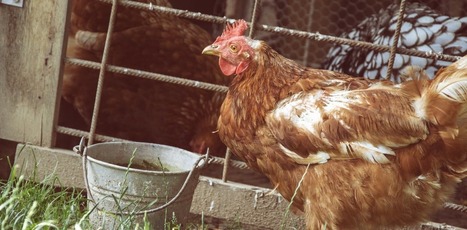
The strain of avian influenza detected in wild and domestic birds in Uganda recently is the same virus that has spread through Asia and Europe over the past four months. Revealed as the H5N8 avian influenza strain, it is thought to have spread across continents via wild migratory birds. In Africa, aside from Uganda, the H5N8 outbreak has also been recorded in Nigeria and Tunisia this year. The risk of humans being infected by H5N8 is low, but should this happen, the virus can cause severe illness and death. Since the outbreak in Uganda was reported, a number of East African countries have increased their monitoring while the Democratic Republic of Congo, Kenya, Rwanda, South Sudan, and Tanzania have imposed a ban on poultry from Uganda. But African countries face challenges in detecting such outbreaks because they have weak avian influenza surveillance systems.
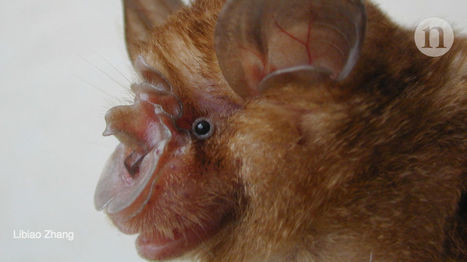
Chinese scientists find all the genetic building blocks of SARS in a single population of horseshoe bats.
After a detective hunt across China, researchers chasing the origin of the deadly SARS virus have finally found their smoking gun. In a remote cave in Yunnan province, virologists have identified a single population of horseshoe bats that harbours virus strains with all the genetic building blocks of the one that jumped to humans in 2002, killing almost 800 people around the world. The killer strain could easily have arisen from such a bat population, the researchers report in PLoS Pathogens1 on 30 November. They warn that the ingredients are in place for a similar disease to emerge again.
The way the flu season has gone in Australia dos not bode well for us in North America. Our flu vaccine is not that effective against the type of strains that predominated down under.
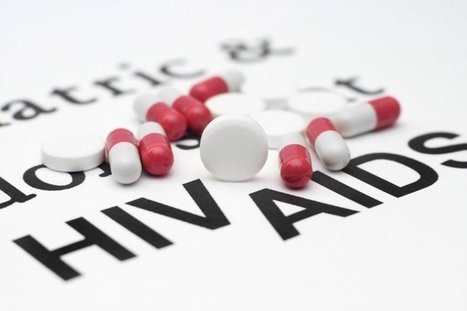
Human testing of a new experimental HIV vaccine has been launched in southern Africa, the first time in more than a decade that two big HIV vaccine efficacy trials are being carried out concurrently.
Don Dizon, MD of Massachusetts General Hospital discusses the use of immunotherapy in cervical cancer treatment. He explains a clinical trial where an HPV protein was used for treatment and although there was a low response rate, there was overall improvement of over 50%. This was recorded at the 2017 Society of Gynecologic Oncology (SGO)’s Annual Meeting on Women’s Cancer® in National Harbor, MD.
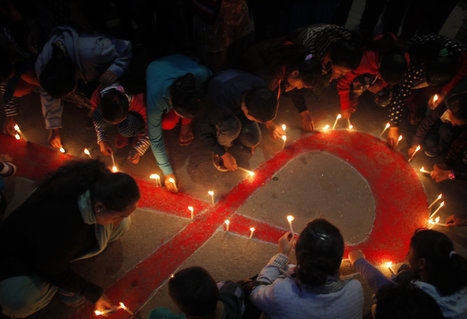
The World Health Organization’s most recent data on global deaths has good news for the African continent, including fewer people dying of HIV/AIDS and malaria.
Canadian doctor suggests 'man flu' is real Canadian doctor suggests 'man flu' is real. t's a term mocking a man's ability to handle the flu, but a Canadia
A chemical found in marijuana, known as tetrahydrocannabinol, or THC, has been found to potentially slow the process in which mental decline can occur in up to 50 percent of HIV patients, says a new study.
The World Health Organisation recently declared the end of the most recent outbreak of Ebola in the Democratic Republic of Congo (DRC). By the time the outbreak was contained, eight people had been infected. Four survived. The first patient diagnosed in the outbreak (the index case) – a middle aged man who died on his way to hospital - got ill in April. It’s not clear how he became infected. But those who helped transport him to the hospital also became sick. This outbreak had the second lowest number of patients among all the eight Ebola outbreaks in DRC since 1976. The last one in 2014 lasted for three months and three quarters of the 66 people diagnosed with the disease died. The outbreak was traced back to a pregnant woman who had slaughtered a monkey brought home by her husband. The disease spread when she underwent a traditional surgical operation after becoming ill.
New analysis of long-term Dengvaxia® data found differences in vaccine performance based on prior dengue infection Company will ask regulators to update product
The International Coordinating Group (ICG) on vaccine provision for yellow fever has provided 1.4 million vaccine doses for an immunization campaign that starts on Saturday (2 December) to help control an ongoing yellow fever outbreak in Nigeria.
Credit: Phil Jones, Senior Photographer, Augusta University AUGUSTA, Ga. (Nov. 29, 2017) - A decade of data on hundreds of boys and girls who received the HPV vaccine indicates the vaccine is safe ..
Japanese doctor wins global Maddox prize for standing up for science in the face of a lawsuit, media blacklisting and other harassment by anti-vaccine activists.
To get content containing either thought or leadership enter:
To get content containing both thought and leadership enter:
To get content containing the expression thought leadership enter:
You can enter several keywords and you can refine them whenever you want. Our suggestion engine uses more signals but entering a few keywords here will rapidly give you great content to curate.


 Your new post is loading...
 Scoop.it!