Your new post is loading...
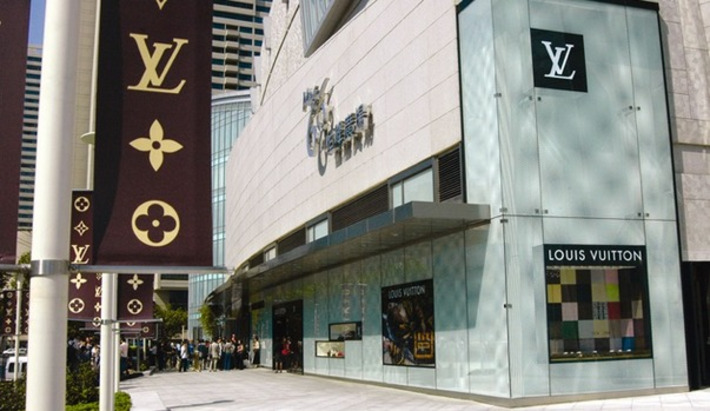
The three brands which the VIP want to meet are always the same: they want to visit Hermes for an unlimited supply of Birkin bags, shop at Chanel and visit the mythical apartments of Coco Chanel in the rue Cambon, or go to Louis Vuitton and buy three bags of the same type, because “it’s not expensive and Vuitton bags make good gifts”
Supermarket chain installs smartphone-friendly online shopping system to enable holidaymakers to place an order before they fly...
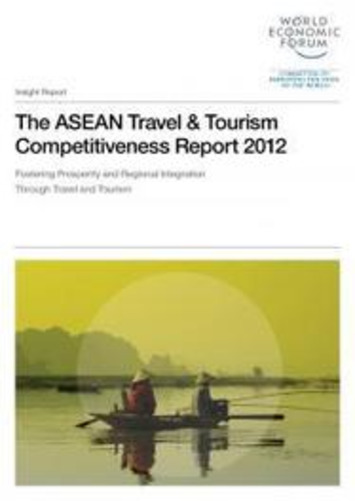
Travel and tourism (T&T) is an increasingly important driver of economic prosperity and social progress. It is estimated that the T&T sector accounts for about 9 percent of GDP and employment worldwide. For ASEAN, the sector has long been considered as critical for the creation of the ASEAN Economic Community. The potential of T&T in the region is indeed enormous. The region is blessed with a wealth of natural and cultural heritage. It possesses a long tradition of tourism, and is strategically located at the heart of Asia. The extraordinary diversity of ASEAN countries further enhances their attractiveness. Yet, despite the many benefits of T&T, numerous obstacles continue to hinder its development. Using a unique methodological framework, The ASEAN Travel & Tourism Competitiveness Report 2012 identifies the obstacles to address and the strengths to leverage for ASEAN to unleash the potential of T&T.
Luxury is all about exclusivity, providing unique experiences, fostering deeper customer engagement, and creating emotion around a brand. Yet, while 40 percent of luxury customers access the internet daily through a smartphone, fewer than 4 percent of brands fully leverage the contextual mobile-social advantages to market these attributes. While the general perception of mobile is that of a mass-marketing medium, its capability for social interaction and highly personalized content also lends itself well to providing targeted offerings to a high-demand audience that expects incomparable service. The integration of social networks with inherent mobile location features (now collectively coined "SoLoMo") is transforming customer engagement with brands and revolutionizing marketing.
Fliers are spending more and more time in terminals, thanks to long layovers and recommendations that travelers arrive hours before their scheduled departure time.
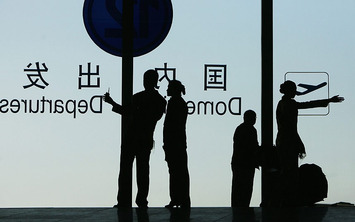
While retailing and the airport environment was improving at China’s domestic airports, there are still 110 million departing passengers per year who buy nothing. Making the offer more compelling, ensuring price promises are in place and are marketed heavily, giving customers more time to spend and improving service were among the keys to changing this.
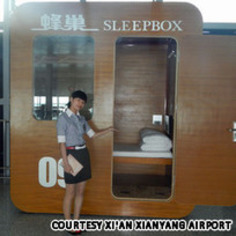
The three-terminal air hub recently put up 20 wooden cabins in Terminal 3 and in the connecting area to Terminal 2. According to Chinese media, this is the first airport in mainland China to set up such accommodation.
38.6 million mainland Chinese citizens ventured outside the country’s borders in the first half of this year, a nearly 20 percent rise over the same period last year. As the duty-free refund group Global Blue recently noted, Chinese tourists in Europe spend on average of €813 (US$1,011) on tax-free goods on each trip, accounting for 25 percent of untaxed purchases in France last year.
The Swedish furniture brand helps weary travels relax by installing a modern and comfortable lounge in Roissy-Charles de Gaulle.
“The truly wealthy, the real millionaires, they will not want to buy LV Louis Vuitton or Gucci because they are too commonplace. Rich people are getting richer and they want exclusiveness and more self-indulgence.”
Chinese travelers have behaviors and preferences that distinguish them from their Western counterparts. They tend to take longer trips and travel in larger groups, for instance. 41 percent of Chinese travelers go with friends or colleagues, compared with only 12 percent of U.S. travelers. Shopping is very important to Chinese travelers. Although they spend less overall than most travelers from developed markets, the Chinese spend 40 percent of their travel budgets on shopping once they reach their destinations, compared with 19 percent for U.S. travelers and 14 percent for the French.
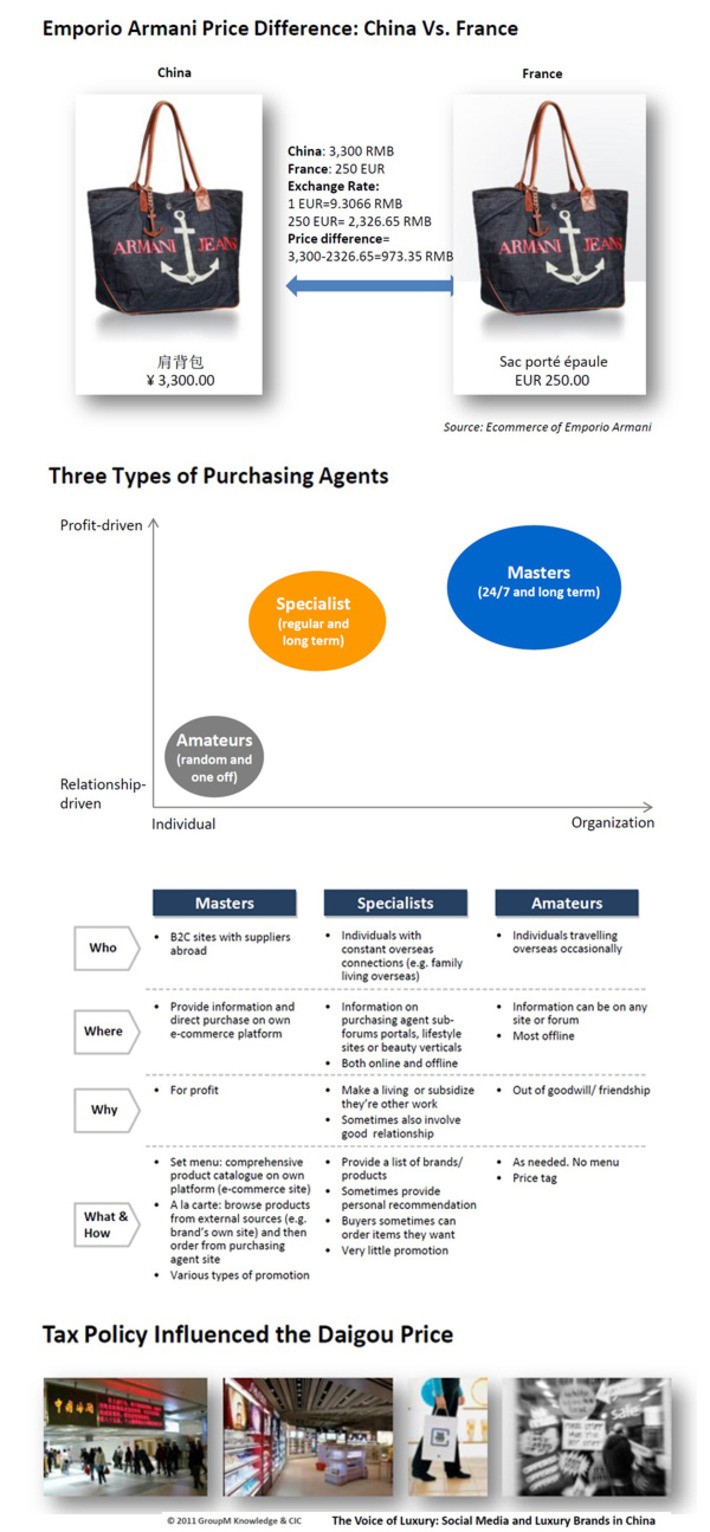
Chinese have realised early the price of luxury goods is much cheaper abroad. However, most of people are actually unable to travel overseas as often as they’d like, so purchasing agents (Daigou, “代购”) are emerging quickly in China.
Many luxury companies, especially the more established ones, have moved onto second- and third-tier cities. Now these cities have become the new battlegrounds where they compete to win more luxury consumers and to grab more market share. The flip side of that, however, is that first-tier Chinese cities are looking for more sophisticated ways of shopping: they no longer want luxury goods just to show off.
A rising class of affluent globe-trotters from China, Russia and Brazil is spurring retailers to expand their presence in high-end airports from the United States to Germany to China.
Oliver Jaycock, London Luton Airport’s Marketing Manager said “Airports present a unique and inherently complex environment which passengers must navigate. The challenge for airports is making this process for passengers easy. Partnering with Google to map every square inch of London Luton Airport’s terminal building means passengers, for the first time at any UK airport can use Google’s indoor maps to guide their own way effortlessly through the terminal”.
Despite uncertainties, 2011 passenger traffic rose 6 percent above 2010 levels. Boeing expects this trend to continue over the next 20 years, with world passenger traffic growing 5 percent annually
Retail offerings are expanding beyond duty-free and souvenir shops as U.S. airports shift toward a retail-focused model common in Europe and Asia. In many cases, prices will match what you would find at the mall, though selections—typically catering to travelers—may be limited.
Plenty of data about Coty...
Chinese consumers are brand-obsessed when they do their shopping, though not in the way some might expect. Chinese consumers are adventurous shoppers who are constantly trying out new brands and are rarely loyal to one.
China has been ranked as the developing market with the best e-commerce potential, according to a report released by AT Kearney today (27 June).
The World's 10 most Innovative Airlines 2012 by Airlinetrends (pdf)
China will build 70 new airports within the next three years, the head of the country's aviation watchdog has said, as part of ambitious expansion plans in the industry despite an economic slowdown.
A plan to bring free Wi-Fi to Los Angeles International Airport this summer could be back on track.
The spreading wildfire of luxury second-hand shops in China continues to rage in China’s first- and second-tier cities (as well as over the border in Hong Kong).
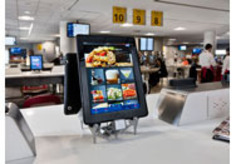
OTG, which manages restaurants in airports, says its deploying 7000 iPads at three North American airports. Travelers will be able to use the tablets to order meals from OTG's restaurants while checking email, browsing the Web, and playing games.
|
|