Psicogeriatría
244 views | +0 today
 
Scooped by Servicio de Geriatría
onto Psicogeriatría
April 9, 2019 5:23 PM
Scoop.it!

How Machine Learning Can Help Prevent Hospitalizations

How Machine Learning Can Help Prevent Hospitalizations | Psicogeriatría | Scoop.it
“It doesn't take artificial intelligence to tell you that a preventable hospitalization is not good. A hospital is not a bed-and-breakfast. No one says, "hey, for fun, let's get a hospital room overlooking the parking garage this weekend." A preventable hospitalization is by definition one that could have been prevented. Thus, it costs people, insurance companies, businesses, the government, and society considerable time, effort, and resources that could have been diverted to more productive activities. Plus, a hospitalization may expose a patient to potential badness such as hospital food, being separated from friends and family, medication errors, and antibiotic-resistant bacteria. Again human intelligence can tell you all this. Where artificial intelligence may be helpful is in reducing such preventable hospitalizations, and Clover Health is an example of a company aiming to do this.

Hospitalizations that could have been prevented continue to be a major problem. A 2010 report from the Agency for Healthcare Research and Quality (AHRQ) indicated that in 2008 "one out of every ten hospital stays was potentially preventable" and that "potentially preventable acute conditions accounted for 3.9 percent of all hospital stays, and potentially preventable chronic conditions accounted for 6.2 percent." That would translate to a lot of money going down the proverbial toilet. These rates get even higher when you focus on those who are older or economically disadvantaged. A study from the Centers for Medicare and Medicaid Services found that in 2009, among a sample of those eligible for both Medicare and full Medicaid benefits "26 percent of hospitalizations were potentially avoidable."

Why are these potentially preventable hospitalizations occurring? Humans are like cars, except that humans are a lot more complex and rarely have fuzzy dice hanging from them. In order to keep your car out of the mechanic's shop or the scrap heap, you have to regularly check, take care of, and maintain the car. This includes taking preemptive measures such as routinely changing the oil and the tires. Similarly, preventive care is so important for humans, especially those with more complex medical situations like older adults.”
No comment yet.
Your new post is loading...
Scooped by Servicio de Geriatría
October 19, 1:28 PM
Scoop.it!

Gut microbiome modulation can improve cognitive function in older adults: a systematic review and meta-analysis | Age and Ageing | Oxford Academic

Gut microbiome modulation can improve cognitive function in older adults: a systematic review and meta-analysis | Age and Ageing | Oxford Academic | Psicogeriatría | Scoop.it

Gut microbiome modulation through probiotic, prebiotic and synbiotic supplementation can improve cognition in older adults. Whilst heterogeneity and paucity of high-quality literature exists, the overall evidence is positive. Gut microbiome modulation therefore holds huge promise as a viable strategy to support cognitive health in older people, particularly considering the interventions are mostly already commercially available and low-risk.

No comment yet.
Scooped by Servicio de Geriatría
April 17, 4:56 PM
Scoop.it!

Los medicamentos antiamiloides para el alzhéimer no muestran un efecto clínicamente significativo | Cochrane Iberoamérica

Los medicamentos antiamiloides para el alzhéimer no muestran un efecto clínicamente significativo | Cochrane Iberoamérica | Psicogeriatría | Scoop.it
Servicio de Geriatría's insight:
Las terapias antiamiloide en la enfermedad de Alzheimer han demostrado ser eficaces para reducir la carga de amiloide cerebral, pero este efecto no se traduce de forma consistente en beneficios clínicamente relevantes sobre la cognición o la funcionalidad. Los efectos observados son, en general, de pequeña magnitud y su relevancia práctica resulta discutible. Además, no están exentas de riesgos, destacando la aparición de alteraciones como edema cerebral o microhemorragias, especialmente preocupantes en población anciana. Por otro lado, los pacientes incluidos en los ensayos suelen diferir de los que vemos en la práctica geriátrica habitual, lo que limita la aplicabilidad de los resultados. En conjunto, el balance entre beneficios y riesgos es incierto, particularmente en pacientes mayores con comorbilidad o fragilidad, lo que lleva a cuestionar su uso generalizado en este contexto clínico.
No comment yet.
Scooped by Servicio de Geriatría
March 10, 6:22 AM
Scoop.it!

AI in healthcare: an introduction for clinicians | BMJ Evidence-Based Medicine

No comment yet.
Scooped by Servicio de Geriatría
August 24, 2025 2:22 PM
Scoop.it!

Educational Strategies for Clinical Supervision of Artificial Intelligence Use | New England Journal of Medicine

Many learners are more facile with the use of large language models in medicine than their supervisors are. The authors provide an approach to clinical supervision that can mitigate the perils an
No comment yet.
Scooped by Servicio de Geriatría
February 27, 2024 3:31 AM
Scoop.it!

A Third of Older Adults Are Interested in Online-Only Health Services | Geriatrics | JAMA | JAMA Network

A Third of Older Adults Are Interested in Online-Only Health Services | Geriatrics | JAMA | JAMA Network | Psicogeriatría | Scoop.it
Poll results from more than 2600 respondents found that about 8% of adults aged 50 to 80 years reported using an online-only direct-to-consumer health care service. This may increase though. About one-third of the respondents expressed interest in using these services in the future, th
No comment yet.
Scooped by Servicio de Geriatría
February 17, 2024 4:23 AM
Scoop.it!

AI’s Threat to the Medical Profession | Artificial Intelligence | JAMA | JAMA Network

AI’s Threat to the Medical Profession | Artificial Intelligence | JAMA | JAMA Network | Psicogeriatría | Scoop.it
This Viewpoint discusses the potential drawbacks of the use of artificial intelligence (AI) in medicine, for example, the loss of certain skills due to the reliance on AI, and how physicians should consider how to take advantage of the potential benefits of AI without losing control ove
No comment yet.
Scooped by Servicio de Geriatría
December 29, 2023 11:21 AM
Scoop.it!

New Horizons in artificial intelligence in the healthcare of older people | Age and Ageing | Oxford Academic

New Horizons in artificial intelligence in the healthcare of older people | Age and Ageing | Oxford Academic | Psicogeriatría | Scoop.it
Abstract. Artificial intelligence (AI) in healthcare describes algorithm-based computational techniques which manage and analyse large datasets to make inferenc
No comment yet.
Scooped by Servicio de Geriatría
December 13, 2023 2:13 AM
Scoop.it!

Artificial intelligence in geriatric medicine: Potential and pitfalls - Stefanacci - 2023 - Journal of the American Geriatrics Society - Wiley Online Library

See the Reply by Nihal Haque in this issue.
No comment yet.
Scooped by Servicio de Geriatría
December 13, 2023 1:00 AM
Scoop.it!

Digital Technology for Diabetes | NEJM

Digital Technology for Diabetes Monitors to measure glucose levels have been paired with software controlling insulin delivery. The authors examine the state of the art in digital technology t
No comment yet.
Scooped by Servicio de Geriatría
October 13, 2023 5:48 AM
Scoop.it!

Socially Assistive Robots for People Living with Dementia in Long-Term Facilities: A Systematic Review and Meta-Analysis of Randomized Controlled Trials | Gerontology

Socially Assistive Robots for People Living with Dementia in Long-Term Facilities: A Systematic Review and Meta-Analysis of Randomized Controlled Trials | Gerontology | Psicogeriatría | Scoop.it
Abstract. Background and Objective: The purpose of our study was to explore the immediate and long-term effects of socially assistive robots (SARs) on neuropsychiatric symptoms (NPSs), behavioral and psychological symptoms of dementia (BPSD), positive emotional experiences, and social interaction in older people living with dementia. Methods: We set keywords and used Boolean operators to search the CINAHL, Cochrane Library, EMBASE, IEEE Digital Library, MEDLINE, PsycINFO, PubMed, Web of Science, Scopus, and Chinese Electronic Periodical Service from inception to February 2022 for randomized controlled trials. The Cochrane Collaboration bias assessment tool was used to assess article quality, and RevMan 5.4.1 software was used to conduct the meta-analysis. Results: A total of 14 studies were included in the meta-analysis. SARs can help people living with dementia reduce their NPS of depression and anxiety, provide happiness from positive emotional experiences, and improve their social interaction through conversation. However, there was no significant improvement in agitation behavior, overall BPSD, or quality of life in people living with dementia. In follow-up, it was found that the effect of SRT was limited. Conclusion: SARs can reduce depression and increase positive emotions in people living with dementia. They may also reduce the burden on healthcare workers during the COVID-19 pandemic. This research was registered on PROSPERO CRD42020169340.
No comment yet.
Scooped by Servicio de Geriatría
November 10, 2021 3:21 AM
Scoop.it!

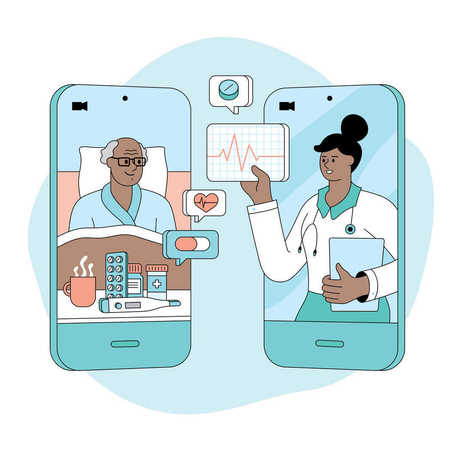
How Telehealth Expansion Can Support Comprehensive Virtual Care | NEJM Catalyst

How Telehealth Expansion Can Support Comprehensive Virtual Care | NEJM Catalyst | Psicogeriatría | Scoop.it
The Covid-19 pandemic brought telehealth into its own as a viable and sometimes preferable way to deliver care. We now have the opportunity to realize its full value in improving health an
No comment yet.
Scooped by Servicio de Geriatría
November 9, 2021 12:36 PM
Scoop.it!

Can digital technologies improve health?

Can digital technologies improve health? | Psicogeriatría | Scoop.it

If you have followed the news on digital technology and health in recent months, you will have read of a blockbuster fraud trial centred on a dubious blood-testing device, a controversial partnership between a telehealth company and a data analytics company, a social media company promising action to curb the spread of vaccine misinformation, and another addressing its role in the deteriorating mental health of young women. For proponents and critics alike, these stories encapsulate the health impact of many digital technologies, and the uncertain and often unsubstantiated position of digital technologies for health.

No comment yet.
Scooped by Servicio de Geriatría
October 1, 2021 3:38 PM
Scoop.it!

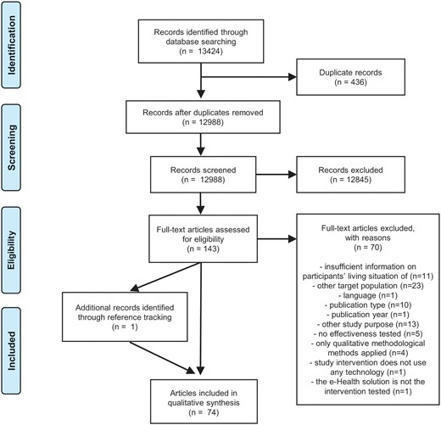
Effectiveness of e-Health Solutions for Aging With Cognitive Impairment: A Systematic Review | The Gerontologist | Oxford Academic

Effectiveness of e-Health Solutions for Aging With Cognitive Impairment: A Systematic Review | The Gerontologist | Oxford Academic | Psicogeriatría | Scoop.it
AbstractBackground and Objectives. e-Health solutions are an innovative approach to support aging with cognitive impairment. Because technology is developing at
No comment yet.
Rescooped by Servicio de Geriatría from Geriatría HGG Journal Club
October 19, 12:59 PM
Scoop.it!

QTc changes and early major adverse cardiovascular events associated with antidepressant treatment for major depressive disorder in adults: individual participant data network meta-regression of do...

QTc changes and early major adverse cardiovascular events associated with antidepressant treatment for major depressive disorder in adults: individual participant data network meta-regression of do... | Psicogeriatría | Scoop.it
No comment yet.
Scooped by Servicio de Geriatría
March 10, 3:38 PM
Scoop.it!

Fragility fractures of the pelvis—time to address the needs of people with these ‘orphan injuries’ | Age and Ageing | Oxford Academic

Fragility fractures of the pelvis—time to address the needs of people with these ‘orphan injuries’ | Age and Ageing | Oxford Academic | Psicogeriatría | Scoop.it
  • For every three older people who have a hip fracture, there is another with a fractured pelvis.

  • Many people with pubic ramus and other pelvic fractures receive poorly organised care.

  • The new national audit aims to improve the coordinated care of people with these injuries.

  • Collaboration with fracture liaison services is vital if further fragility fractures are to be prevented.

No comment yet.
Scooped by Servicio de Geriatría
February 20, 12:02 PM
Scoop.it!

Europe Telehealth & Telemedicine Market to Reach US$ 42.04 Billion by 2030

Europe Telehealth & Telemedicine Market to Reach US$ 42.04 Billion by 2030 | Psicogeriatría | Scoop.it
Europe Telehealth & Telemedicine Market by Function (Clinical Care, Teleconsult, RPM, Patient Engagement, Analytics), Application (TeleICU, Teleradiology, Telecardiology, Diabetes), Age (Adult, Pediatric), End User (Hospital, Payer) – Forecast to 2030The Europe Telehealth & Telemedicine Market, valued...
No comment yet.
Scooped by Servicio de Geriatría
April 11, 2025 6:33 AM
Scoop.it!

Opportunities and uncertainties of clinic visit recording for older adults | Age and Ageing | Oxford Academic

Opportunities and uncertainties of clinic visit recording for older adults | Age and Ageing | Oxford Academic | Psicogeriatría | Scoop.it
In the United States, older adults aged 65 years and over make 281 million healthcare visits annually. Information exchanged in these visits forms the bedr
No comment yet.
Scooped by Servicio de Geriatría
February 17, 2024 4:49 AM
Scoop.it!

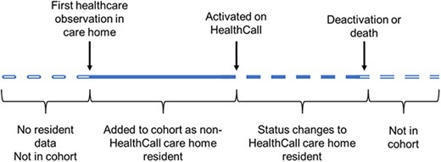
impact of digital technology in care homes on unplanned secondary care usage and associated costs | Age and Ageing | Oxford Academic

impact of digital technology in care homes on unplanned secondary care usage and associated costs | Age and Ageing | Oxford Academic | Psicogeriatría | Scoop.it
AbstractBackground. A substantial number of Emergency Department (ED) attendances by care home residents are potentially avoidable. Health Call Digital Care Hom
No comment yet.
Scooped by Servicio de Geriatría
December 29, 2023 11:22 AM
Scoop.it!

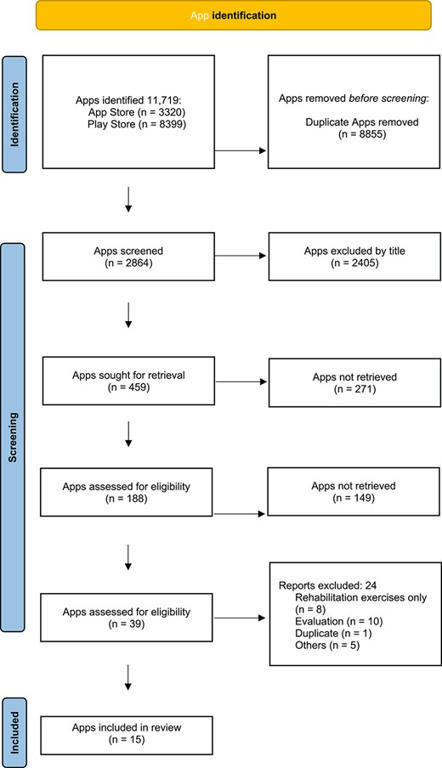
Mobile applications to prescribe physical exercise in frail older adults: review of the available tools in app stores | Age and Ageing | Oxford Academic

Mobile applications to prescribe physical exercise in frail older adults: review of the available tools in app stores | Age and Ageing | Oxford Academic | Psicogeriatría | Scoop.it
AbstractIntroduction. Different remote interventions, such as applications (apps), have been used to continue promoting healthy ageing and preventing disability
No comment yet.
Scooped by Servicio de Geriatría
December 13, 2023 2:15 AM
Scoop.it!

Impact of 14 Days of Bed Rest in Older Adults and an Exercise Countermeasure on Body Composition, Muscle Strength, and Cardiovascular Function: Canadian Space Agency Standard Measures | Gerontology

Impact of 14 Days of Bed Rest in Older Adults and an Exercise Countermeasure on Body Composition, Muscle Strength, and Cardiovascular Function: Canadian Space Agency Standard Measures | Gerontology | Psicogeriatría | Scoop.it
Abstract. Introduction: Head-down bed rest (HDBR) has long been used as an analog to microgravity, and it also enables studying the changes occurring with aging. Exercise is the most effective countermeasure for the deleterious effects of inactivity. The aim of this study was to investigate the efficacy of an exercise countermeasure in healthy older participants on attenuating musculoskeletal deconditioning, cardiovascular fitness level, and muscle strength during 14 days of HDBR as part of the standard measures of the Canadian Space Agency. Methods: Twenty-three participants (12 males and 11 females), aged 55–65 years, were admitted for a 26-day inpatient stay at the McGill University Health Centre. After 5 days of baseline assessment tests, they underwent 14 days of continuous HDBR followed by 7 days of recovery with repeated tests. Participants were randomized to passive physiotherapy or an exercise countermeasure during the HDBR period consisting of 3 sessions per day of either high-intensity interval training (HIIT) or low-intensity cycling or strength exercises for the lower and upper body. Peak aerobic power (V̇O2peak) was determined using indirect calorimetry. Body composition was assessed by dual-energy X-ray absorptiometry, and several muscle group strengths were evaluated using an adjustable chair dynamometer. A vertical jump was used to assess whole-body power output, and a tilt test was used to measure cardiovascular and orthostatic challenges. Additionally, changes in various blood parameters were measured as well as the effects of exercise countermeasure on these measurements. Results: There were no differences at baseline in main characteristics between the control and exercise groups. The exercise group maintained V̇O2peak levels similar to baseline, whereas it decreased in the control group following 14 days of HDBR. Body weight significantly decreased in both groups. Total and leg lean masses decreased in both groups. However, total body fat mass decreased only in the exercise group. Isometric and isokinetic knee extension muscle strength were significantly reduced in both groups. Peak velocity, flight height, and flight time were significantly reduced in both groups with HDBR. Conclusion: In this first Canadian HDBR study in older adults, an exercise countermeasure helped maintain aerobic fitness and lean body mass without affecting the reduction of knee extension strength. However, it was ineffective in protecting against orthostatic intolerance. These results support HIIT as a promising approach to preserve astronaut health and functioning during space missions, and to prevent deconditioning as a result of hospitalization in older adults.
No comment yet.
Scooped by Servicio de Geriatría
December 13, 2023 1:55 AM
Scoop.it!

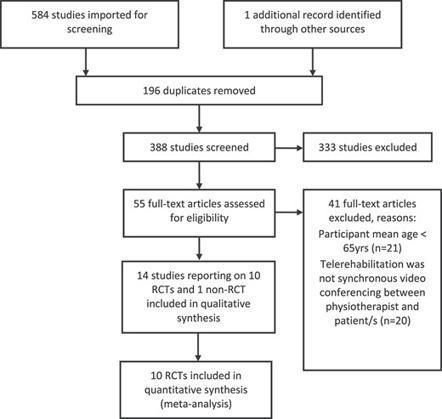
Physiotherapist-led, exercise-based telerehabilitation for older adults improves patient and health service outcomes: a systematic review and meta-analysis | Age and Ageing | Oxford Academic

Physiotherapist-led, exercise-based telerehabilitation for older adults improves patient and health service outcomes: a systematic review and meta-analysis | Age and Ageing | Oxford Academic | Psicogeriatría | Scoop.it
AbstractBackground. Telerehabilitation can be an appropriate alternative to face-to-face rehabilitation for adults; however, it is uncertain whether it is safe
No comment yet.
Rescooped by Servicio de Geriatría from Content Curation World
October 21, 2023 5:29 PM
Scoop.it!

Curate Your Favorite Content Into Visual Topic Channels with Topik.in


Via Robin Good
Stephen Dale's curator insight, April 27, 2015 8:34 AM

A news curation tool. A possible alternative to Scoop.it. Easier to use, but not as feature rich (e.g. lacks some of Scoop.it social sharing and publishing options)


Reading time: 5 mins

Joyce Valenza's curator insight, April 27, 2015 8:39 AM

A new curation tool, similar to Scoop.it, without the discover features.  Simple and promising for creating on-the-fly boards and organizing topical content. via @robingood

Stephanie Diamond's curator insight, April 27, 2015 11:33 AM

Worth a look

Scooped by Servicio de Geriatría
November 10, 2021 3:30 AM
Scoop.it!

Healthcare Transformation: 7 Steps You Can't Skip

Healthcare Transformation: 7 Steps You Can't Skip | Psicogeriatría | Scoop.it
The pandemic revealed the importance of interoperability in healthcare. Learn how the right digital foundation is essential to facilitating communication more easily and handling complex analytics to ensure better outcomes, efficacy, and equity.
No comment yet.
Scooped by Servicio de Geriatría
November 9, 2021 12:37 PM
Scoop.it!

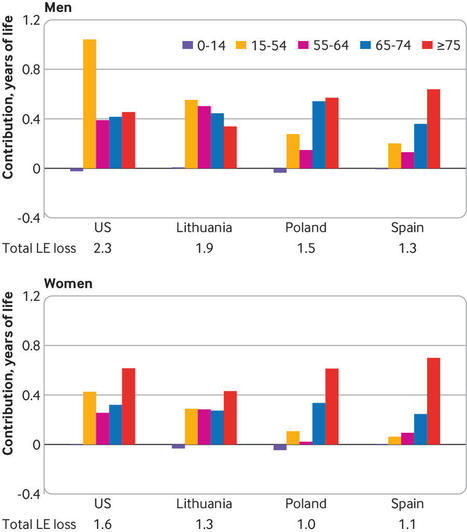
Effects of covid-19 pandemic on life expectancy and premature mortality in 2020: time series analysis in 37 countries | The BMJ

Effects of covid-19 pandemic on life expectancy and premature mortality in 2020: time series analysis in 37 countries | The BMJ | Psicogeriatría | Scoop.it
No comment yet.
Scooped by Servicio de Geriatría
October 1, 2021 3:39 PM
Scoop.it!

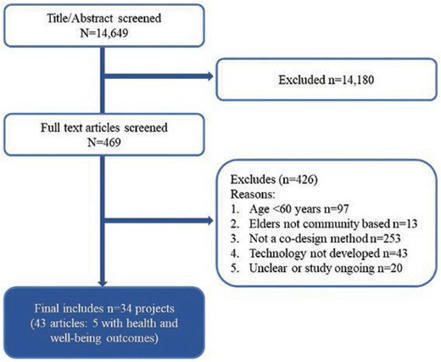
Co-Designing Technology for Aging in Place: A Systematic Review | The Gerontologist | Oxford Academic

Co-Designing Technology for Aging in Place: A Systematic Review | The Gerontologist | Oxford Academic | Psicogeriatría | Scoop.it
AbstractBackground and Objectives. There is a growing interest to involve older adults in the co-design of technology to maintain their well-being and independe
No comment yet.