


PODCAST: Intel Futurist, Brian David Johnson, speaks with writer Charles Walbridge about his story contribution to "The Tomorrow Project Anthology", stories of science fiction based on science fact - including the reading of an excerpt from the story as well.

SynBioFromLeukipposInstitute
130.0K views |
+2 today
 Your new post is loading...
 Scoop.it! 
The BBF’s mission is to ensure that the engineering of biology is conducted in an open and ethical manner to benefit all people and the planet. We believe fundamental scientific knowledge belongs to all of us and must be freely available for ethical, open innovation. This is a new paradigm. 
Scoop.it!

Book covering a dynamic new area of research at the interface of science and engineering is reviewed by S. Brakmann, TU Dortmund .
Scoop.it!

A workshop was held to test a Comprehensive Environmental Assessment framework for its ability to identify important research questions to support future ecological risk assessments of synthetic biology applications, using a case study of cyanobacteria engineered to produce industrial products. It brought together engineers and ecologists in a one-day workshop to systematically consider: 1)possible pathways of entry of these cyanobacteria into the environment, 2) what organisms or entities might be exposed, and 3) potential environmental impacts from such exposure. Anticipated products from the workshop include:
Scoop.it!
(Visit: http://www.uctv.tv/) Consumer genomics is certainly a hot topic, but what does it mean for the end user -- you? Genetic testing holds much promise for understanding a person's risk for certain diseases. Does this mean we should all get a DNA test? What are the benefits and limitations of genetic screenings? What if your genome scan shows you a have a gene variation related to a common disease? Is it possible to lower the risk of getting sick by simple lifestyle changes? Join Dr. Cinnamon Bloss with the Scripps Translational Science Institute as she makes sense of it all. Series: "Stein Institute for Research on Aging" [4/2012] [Health and Medicine] [Show ID: 23249]
Scoop.it!
by Jain T, Roodbeen R, Reeler NE, Vosch T, Jensen KJ, Bjørnholm T, Nørgaard K. "We report two novel approaches for fabricating self-assembled chains of end-to-end linked Au nanorods separated by a nanogap. In one approach, bi-functional cysteine end-capped oligopeptides of different lengths are used as the linking agent. The widths of the produced nanogaps scale with the length and tertiary structure of the peptide linker. Functionalized oligopeptides containing an acetylene group are also employed as a linker, and the functional group is uniquely identified using surface-enhanced Raman spectroscopy. The development of an oligopeptide-linking platform is motivated by the ease of synthesis and high modularity of peptides; these features enable the possibility to integrate diverse functionality into molecular nanogap junctions - synthesized in water. The stepwise nanochain formation is followed via the evolution of the longitudinal plasmon absorption band in combination with transmission electron microscopy. The reaction rate and extent is tuned by controlling the concentration of the stabilizing CTAB surfactant in the solution. At very low surfactant concentrations, spontaneous end-to-end linking of the Au nanorods is observed even in the absence of linking peptide. The assembled AuNRs may act as next-generation electrodes in a platform for molecular electronics and synthetic biology."
Scoop.it!
Interview by Caitlin Sedwick "Pamela Silver is a strong believer in the potential of synthetic biology and is a leader in this young and rapidly developing field (1, 2). Although she's now interested in designing novel biological systems, she began as a more conventional scientist, coming to the discipline after forging a successful career studying nuclear (3, 4) and RNA (5) biology. We called her at her office at Harvard's Department of Systems Biology to discuss how she arrived at this new frontier and what she sees coming up on her horizon......"
Scoop.it!
Review by Alla G Gagarinova and Andrew Emili "Bacteria are diverse and abundant, playing key roles in human health and disease, the environment, and biotechnology. Despite progress in genome sequencing and bioengineering, much remains unknown about the functional organization of prokaryotes. For instance, roughly a third of the protein-coding genes of the best-studied model bacterium, Escherichia coli, currently lack experimental annotations. Systems-level experimental approaches for investigating the functional associations of bacterial genes and genetic structures are essential for defining the fundamental molecular biology of microbes, preventing the spread of antibacterial resistance in the clinic, and driving the development of future biotechnological applications. This review highlights recently introduced large-scale genetic manipulation and screening procedures for the systematic exploration of bacterial gene functions, molecular relationships, and the global organization of bacteria at the gene, pathway, and genome levels."
Scoop.it!
|

|
Scooped by
Gerd Moe-Behrens
April 6, 2012 10:08 AM
|
Scoop.it!

Design Indaba drives a better world through creativity with conferences, expos, magazines and projects that improve the quality of living in Cape Town and the world.
|
|
Scooped by
Gerd Moe-Behrens
April 6, 2012 9:59 AM
|
Scoop.it!

Rethrosynthetic Biology - What is that?
A retrosynthetic biology approach to therapeutics: from conception to delivery
by
Planson AG, Carbonell P, Grigoras I, Faulon JL.
"De novo biosynthetic pathways are designed, assembled and optimized to produce high-value compounds such as drugs and chemical building blocks from renewable resources. Microorganisms are used as synthetic platforms of systems biology where biochemical pathways are engineered into the host metabolic network. Retrosynthetic biology offers a creative pathway design concept that has gained interest because of its potential to identify novel metabolic ways for therapeutic production. Retrosynthetic biology uses the backward search of retrosynthetic analysis to devise and optimize tailor-made pathways. The retrosynthetic process can be seamlessly integrated into a complete circuitry system for therapeutic applications where production, sensing and delivery act as constitutive interconnecting parts. The aim of this review is to highlight recent efforts toward synthetic design for therapeutic development."
http://bit.ly/HUOnUT
|
|
Scooped by
Gerd Moe-Behrens
April 5, 2012 12:18 PM
|
Scoop.it!
Artificial microbes: Balanced regulation of synthetic biology, Nature
by Joyce Tait & David Castle
"Contrary to the opinion of Genya Dana and colleagues (Nature 483, 29; 2012), the greater sophistication of modified microbes created by synthetic biology could make them less, not more, difficult to regulate, manage and monitor than their naturally occurring counterparts.
Several routes could lead to a hypothetical disaster scenario, in which artificially produced microorganisms spread unchecked in the environment (see go.nature.com/pncgxs). But we need to take into account that some of these paths would be favoured over others, and that ecological and other interactions might attenuate or amplify those different probabilities. Synthetic biology could then be used to engineer environmental safety into these organisms."
|
|
Scooped by
Gerd Moe-Behrens
April 5, 2012 11:21 AM
|
Scoop.it!
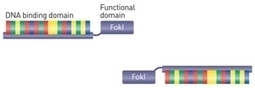
"Life Technologies Corp. has announced the launch of GeneArt Precision TALs, generally referred to as TAL effector proteins (TALE), which allow researchers the ability to edit genomes and control gene activity with unprecedented precision and reliability.
According to Daniel Schroen, Life Technologies’ director of market development, the new technology gives researchers to focus precisely on DNA and manipulate it in a new way. For example, the TAL effectors allow them to activate new genes or insert new genes to add functionality. Within the biorefining industry, he notes that the technology can be used in a variety of capacities, including the optimization of enzymes to break down biomass, or the design of more efficient algae strains....."
|
|
Scooped by
Gerd Moe-Behrens
April 8, 2012 12:23 PM
|
Scoop.it!

The Synthetic Biology Engineering Research Center (SynBERC) is a multi-institution research effort to lay the foundation for the emerging field of synthetic biology. SynBERC’s vision is to catalyze biology as an engineering discipline by developing the foundational understanding and technologies to allow researchers to design and build standardized, integrated biological systems to accomplish many particular tasks. In essence, we are making biology easier to engineer.
Just as technicians now assemble electronic devices from commercial, off-the-shelf parts, SynBERC foresees a day when synthetic biologists will design biological systems from scratch and assemble them using well-characterized biological parts, devices, and chasses. SynBERC brings together biologists, engineers, and human scientists from world-class institutions to produce the tools, techniques, and scientific understanding needed to design and construct a broad range of biological tools for health, energy, environment and, ultimately, human welfare.
|
|
Scooped by
Gerd Moe-Behrens
April 8, 2012 11:20 AM
|
Scoop.it!

"Excerpt
Many potential applications of synthetic and systems biology are relevant to the challenges associated with the detection, surveillance, and responses to emerging and re-emerging infectious diseases. On March 14 and 15, 2011, the Institute of Medicine’s (IOM’s) Forum on Microbial Threats convened a public workshop in Washington, DC, to explore the current state of the science of synthetic biology, including its dependency on systems biology; discussed the different approaches that scientists are taking to engineer, or reengineer, biological systems; and discussed how the tools and approaches of synthetic and systems biology were being applied to mitigate the risks associated with emerging infectious diseases. Through invited presentations and discussion, participants explored the ways in which synthetic and systems biology are contributing to drug discovery, development, and production; vaccine design and development; and infectious disease detection and diagnostics. In addition, workshop participants considered how synthetic biology could be used to engineer, or reengineer, microbial host cells to detect environmental toxins, produce carbon-neutral fuels, and produce novel raw materials."
look for free PDF
|
|
Scooped by
Gerd Moe-Behrens
April 8, 2012 10:47 AM
|
Scoop.it!
Nnimmo Bassey is interviewed on March 28, 2012 in Berkeley, California about the introduction of synthetic biotech into Nigeria. He also discusses the role of the US government and the role of the IMF and World Bank as well as the recent mass protest that also involved the labor movement in Nigeria. Nnimmo Bassey is a Nigerian environmentalist activist and poet, elected chair of Friends of the Earth International and Executive Director of Environmental Rights Action of Nigeria. He was attending the first international conference on "Unmasking the Bay Area Bio Lab and Synthetic Biology: Health, Justice and Communities at Risk: A Public Forum. More information can be found at www.symbiowatch.org and more information about Nnimmo Bassey at http://www.eraction.org/
|
|
Scooped by
Gerd Moe-Behrens
April 7, 2012 6:32 PM
|
Scoop.it!

MyOpenArchive is an international Non-Profit Organization that advocates Open Access for never-before-published research papers on the web and provides Self-Archiving platform to enable better knowledge sharing in a way that’s easy to publish. One of our goals is to advocate “Open Access” mind as widely as possible.
|
|
Scooped by
Gerd Moe-Behrens
April 7, 2012 12:33 PM
|
Scoop.it!

Inaugural ScienceOnline Bay Area (SOBA) Event: Data Visualization and Data Journalism in Science SOBA is a monthly discussion series on how science is carried out and communicated online.
Thursday, April 19, 2012 from 7:00 PM to 8:30 PM (PT)
San Francisco, CA
|
|
Scooped by
Gerd Moe-Behrens
April 7, 2012 12:07 PM
|
Scoop.it!
by Stögbauer T, Windhager L, Zimmer R, Rädler JO.
"Cell-free in vitro expression is increasingly important for high-throughput expression screening, high yield protein production and synthetic biology applications. Yet its potential for quantitative investigation of gene expression and regulatory circuits is limited by the availability of data on composition, kinetic rate constants and standardized computational tools for modeling. Here we report on calibration measurements and mathematical modeling of a reconstituted in vitro expression system. We measured a series of GFP expression and mRNA transcription time courses under various initial conditions and established the translation step as the bottle neck of in vitro protein synthesis. Cell-free translation was observed to expire after 3 h independent of initial template DNA concentration. We developed a minimalistic rate equation model and optimized its parameters by performing a concurrent fit to measured time courses. The model predicts the dependence of protein yield not only on template DNA concentration, but also on experimental timing and hence is a valuable tool to optimize yield strategies."
|
|
Scooped by
Gerd Moe-Behrens
April 6, 2012 1:21 PM
|
Scoop.it!

Molluscs with implanted biofuel cells produce electricity from glucose.
|
|
Scooped by
Gerd Moe-Behrens
April 6, 2012 12:26 PM
|
Scoop.it!
Learn more at www.DNA20.com - Video
Gene synthesis allows researchers to tailor gene sequences for optimal utility for any application. However, the relationship between gene sequence and expression is complex and depends on a wide range of sequence variables. DNA2.0 uses a systematic engineering approach, GeneGPS™, to navigate these variables with a minimal number of test genes to optimize performance. Application of this approach with a variety of protein targets and expression hosts will be described.
|
|
Scooped by
Gerd Moe-Behrens
April 6, 2012 10:16 AM
|
Scoop.it!

by
Wenfeng Qian, Jian-Rong Yang, Nathaniel M. Pearson, Calum Maclean, Jianzhi Zhang
"Cellular efficiency in protein translation is an important fitness determinant in rapidly growing organisms. It is widely believed that synonymous codons are translated with unequal speeds and that translational efficiency is maximized by the exclusive use of rapidly translated codons. Here we estimate the in vivo translational speeds of all sense codons from the budding yeast Saccharomyces cerevisiae. Surprisingly, preferentially used codons are not translated faster than unpreferred ones. We hypothesize that this phenomenon is a result of codon usage in proportion to cognate tRNA concentrations, the optimal strategy in enhancing translational efficiency under tRNA shortage. Our predicted codon–tRNA balance is indeed observed from all model eukaryotes examined, and its impact on translational efficiency is further validated experimentally. Our study reveals a previously unsuspected mechanism by which unequal codon usage increases translational efficiency, demonstrates widespread natural selection for translational efficiency, and offers new strategies to improve synthetic biology."
|
|
Scooped by
Gerd Moe-Behrens
April 6, 2012 10:06 AM
|
Scoop.it!

Brazil, iGEM, team... What are you guys talking about!?
"iGEM competition is an acronym for "International Genetically Engineered Machine" competition. This event happens every year at MIT (Massachussets Institute of Technology). There, thousands of undergraduate and graduate students present very exciting projects developed during the year using genetic engineering methods in a new approach: Synthetic Biology."
|
|
Scooped by
Gerd Moe-Behrens
April 5, 2012 12:42 PM
|
Scoop.it!

Cambridge researchers have developed a new technique for measuring and mapping gene and cell activity through fluorescence in living plant tissue.
|
|
Scooped by
Gerd Moe-Behrens
April 5, 2012 11:54 AM
|
Scoop.it!
"Welcome to data.nature.com – the NPG Linked Data Platform
The Linked Data Platform provides access to datasets from NPG published as linked data and made available through SPARQL services. The data are queryable interactively through a form interface and remotely through a service endpoint.
What is Available?
NPG is making available a number of datasets for public access as linked data. These include data about articles published by NPG from 1869 through to the present day. Additionally the datasets include NPG product and subject ontologies.
Data Organization
The datasets are organized by graphs with one graph maintained per object type. A directory graph maintains descriptions for each of the individual graphs with class and property counts, and vocabularies used. An NPG vocabulary is used for object type properties as well as to augment object descriptions:
npg:
http://ns.nature.com/terms/
Service Endpoints
A form interface using the /query endpoint is provided for interactive queries and contains both example and template query forms, while the /sparql endpoint is available for remote queries:
/query - form interface (non-streaming)
/sparql - endpoint (streaming)
Multiple result set formats are provided and HTTP content negotiation is supported. Documentation is available on the nature.com developers portal.
Service Features
The following service features are supported:
caching
streaming
content negotiation
built-in namespaces
Send any feedback or comments to developers@nature.com."




