 Your new post is loading...

|
Scooped by
Gerd Moe-Behrens
September 4, 2012 6:47 PM
|
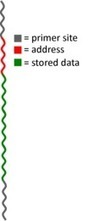
by Eric Sawyer "In today's world of high technology, we usually associate digital information with computers, satellites, and smart phones. But don't forget that digital information storage far predates the digital age. When Watson and Crick discovered the structure of DNA, they also discovered that at the heart of living things is a massive digital information storage molecule. The digital information in the human genome encodes the instructions for building the human body that would ultimately go on to build digital computers. Bringing this full circle, a recent paper1 explores the possibility of using synthetic DNA to store digital information of human design. We have a data problem. The future of science seems to be big data, and that's challenging and expensive to store. The CMS experiment at the Large Hadron Collider alone generates 1 terabyte of data every second and, more poetically, in its projected lifetime the LHC will give us a dataset comparable in size to a library containing every single word spoken by every human who has ever lived2. Big science aside, the internet and social media generate large quantities of digital information. In their paper, George Church and colleagues combine recent advances in DNA synthesis and sequencing to create a data storage chip made of DNA. In the DNA chip they stored a HTML file of a synthetic biology book, containing 53,426 words of text, 11 black and white JPEG images, and a computer program written in Java. Since DNA contains four bases, two computer bits can be encoded per DNA base: e.g., A = 00, C = 01, G = 10, T = 11. The authors of this paper however decided to use a one base per bit code, A = 0, C = 0, G = 1, T = 1, which allows for many synonymous encodings to avoid sequences that are difficult to sequence such as long repeats. In all, they synthesized 54,898 short pieces of DNA. Each contained 2 primer binding sites for PCR amplification and sequencing, a unique 19-base address, and 96 bases (96 bits, or 12 bytes) of stored data (see the figure). Their DNA chip represents the densest information storage (nearly 1016 bits/mm3) to date, beating the likes of in vivo experiments, flash memory, hard disks, and CDs. The error rate was an impressively low 10 bits out of the total 5.27 million. The prospect of storing something like particle accelerator data on a synthetic DNA chip is intriguing and seductively poetic, but I'm a bit skeptical. The interface between computer chips and DNA chips will never be as seamless as the interface between computer chips and hard disks, flash memory storage devices, etc. And even though DNA sequencing is getting much cheaper, and even more portable, it seems unlikely that individuals would purchase sequencers. But maybe DNA will be used for long-term archiving as the authors suggest, where the need for high capacity, high longevity storage outweighs the costly and time-consuming process of writing and reading the stored data." http://bit.ly/NP6E3y
|
|
Scooped by
Gerd Moe-Behrens
September 4, 2012 4:35 PM
|
by Levin A, Lis M, Ponty Y, O'Donnell CW, Devadas S, Berger B, Waldispühl J. "The development of algorithms for designing artificial RNA sequences that fold into specific secondary structures has many potential biomedical and synthetic biology applications. To date, this problem remains computationally difficult, and current strategies to address it resort to heuristics and stochastic search techniques. The most popular methods consist of two steps: First a random seed sequence is generated; next, this seed is progressively modified (i.e. mutated) to adopt the desired folding properties. Although computationally inexpensive, this approach raises several questions such as (i) the influence of the seed; and (ii) the efficiency of single-path directed searches that may be affected by energy barriers in the mutational landscape. In this article, we present RNA-ensign, a novel paradigm for RNA design. Instead of taking a progressive adaptive walk driven by local search criteria, we use an efficient global sampling algorithm to examine large regions of the mutational landscape under structural and thermodynamical constraints until a solution is found. When considering the influence of the seeds and the target secondary structures, our results show that, compared to single-path directed searches, our approach is more robust, succeeds more often and generates more thermodynamically stable sequences. An ensemble approach to RNA design is thus well worth pursuing as a complement to existing approaches. RNA-ensign is available at http://csb.cs.mcgill.ca/RNAensign."
http://bit.ly/OMhREn
|
|
Scooped by
Gerd Moe-Behrens
September 4, 2012 4:20 PM
|
From Graphene to Synthetic Biology - How Can Companies And Investors Manage Technological Change?
|
|
Scooped by
Gerd Moe-Behrens
September 3, 2012 7:15 PM
|
by Mario Juhas, Leo Eberl, George M. Church "Essential genes are absolutely required for the survival of any living entity. Investigation of essential genes is therefore expected to advance tremendously our understanding of the universal principles of life. Determination of a minimal set of essential genes needed to sustain life also plays an important role in the emerging field of synthetic biology, whose goals include creation of a stringently controlled minimal cell with predesigned phenotypic traits. In addition, due to their indispensability for survival of bacteria, genes encoding essential cellular functions have great potential in medicine as promising targets for the development of novel antimicrobials. Here, we review recent advances in the investigation of essential genes, with emphasis on the practical applications in medicine and synthetic biology."
|
|
Scooped by
Gerd Moe-Behrens
September 3, 2012 6:59 PM
|
by Natalie de Souza A great comment to this Cell paper: Karr, J.R. et al. A whole-cell computational model predicts phenotype from genotype. Cell 150, 389–401 (2012). "If you can build something from scratch, it follows that you understand how its parts can combine to produce the whole. This is the idea that underlies attempts to simulate cells with a computer. In recently published work, Markus Covert and colleagues at Stanford University have generated a whole-cell model of the human pathogen Mycoplasma genitalium in which they simulate the function of all of its genes. Mycoplasma has only 525 genes, most of which have homologs that have been studied in other organisms even if some Mycoplasma genes have not been studied directly, Covert says, explaining his choice of organism. “We were guided very much by the Human Genome Project in this, which is to say to start with the simplest organism.” Also, Mycoplasma can be cultured in the laboratory, which Covert considered important as he wished to combine theoretical and experimental work, and Mycoplasma is the first organism to have had its chromosome synthesized de novo. Using data gleaned from hundreds to thousands of published papers, on Mycoplasma as well as on Escherichia coli and other bacteria, the researchers set out to put the parts back together in the computer. They broke the cell's overall functions down into 28 separate functional modules describing different subprocesses—RNA decay, metabolism or DNA replication, for instance—and modeled each of these separately based on the information available about that subprocess in the literature...." http://bit.ly/TbBU3j
|
|
Scooped by
Gerd Moe-Behrens
September 2, 2012 5:02 PM
|
*SynBioBeta* Nov 14th at Orrick, Menlo Park An event that brings together synthetic biology startups, established players, bioengineers, investors
and scientists to meet, partner and hear about the latest advances in the industry. http://bit.ly/OJsVR0
|
|
Scooped by
Gerd Moe-Behrens
August 31, 2012 8:48 PM
|
The art of trans-boundary governance: the case of synthetic biology by
Joy Y. Zhang "Synthetic biology raises few, if any, social concerns that are distinctively new. Similar to many other convergent technologies, synthetic biology’s interface across various scientific communities and interests groups presents an incessant challenge to political and conceptual boundaries. However, the scale and intensity of these interfaces seem to necessitate a reflection over how corresponding governance capacities can be developed. This paper argues that, in addition to existing regulatory approaches, such capacities may be gained through the art of trans-boundary governance, which is not only attentive to the crossing and erosion of particular boundaries but also adept in keeping up with the dynamics among evolving networks of actors." http://bit.ly/S6NWvO
|
|
Scooped by
Gerd Moe-Behrens
August 31, 2012 7:33 PM
|
by Djordjevic M, Djordjevic M.
Source "A recently emerging discipline of synthetic biology has the aim of constructing new biosynthetic pathways with useful biological functions. A major application of these pathways is generating a large amount of the desired product. However, toxicity due to the possible presence of toxic precursors is one of the main problems for such production. We consider here the problem of generating a large amount of product from a potentially toxic substrate. To address this, we propose a simple biosynthetic pathway, which can be induced in order to produce a large number of the product molecules, by keeping the substrate amount at low levels. Surprisingly, we show that the large product generation crucially depends on fast non-specific degradation of the substrate molecules. We derive an optimal induction strategy, which allows as much as three orders of magnitude increase in the product amount through biologically realistic parameter values. We point to a recently discovered bacterial immune system (CRISPR/Cas in E. coli) as a putative example of the pathway analysed here. We also argue that the scheme proposed here can be used not only as a stand-alone pathway, but also as a strategy to produce a large amount of the desired molecules with small perturbations of endogenous biosynthetic pathways."
http://1.usa.gov/QLkpWW
|
|
Scooped by
Gerd Moe-Behrens
August 31, 2012 7:07 PM
|
By Glenn L. Butterfossa, Barney Yoob, Jonathan N. Jaworskic, Ilya Chornyd, Ken A. Dille, Ronald N. Zuckermannc, Richard Bonneaua, Kent Kirshenbaumb, and Vincent A. Voelzf "Peptoid molecules are biomimetic oligomers that can fold into unique three-dimensional structures. As part of an effort to advance computational design of folded oligomers, we present blind-structure predictions for three peptoid sequences using a combination of Replica Exchange Molecular Dynamics (REMD) simulation and Quantum Mechanical refinement. We correctly predicted the structure of a N-aryl peptoid trimer to within 0.2 Å rmsd-backbone and a cyclic peptoid nonamer to an accuracy of 1.0 Å rmsd-backbone. X-ray crystallographic structures are presented for a linear N-alkyl peptoid trimer and for the cyclic peptoid nonamer. The peptoid macrocycle structure features a combination of cis and trans backbone amides, significant nonplanarity of the amide bonds, and a unique “basket” arrangement of (S)-N(1-phenylethyl) side chains encompassing a bound ethanol molecule. REMD simulations of the peptoid trimers reveal that well folded peptoids can exhibit funnel-like conformational free energy landscapes similar to those for ordered polypeptides. These results indicate that physical modeling can successfully perform de novo structure prediction for small peptoid molecules." http://bit.ly/OOsc2U
|
|
Scooped by
Gerd Moe-Behrens
August 30, 2012 6:43 PM
|
"A team of researchers has developed a method to successfully predict the structures of artificial proteins, a breakthrough that could yield valuable methods for making pharmaceuticals and other chemicals that require precise assembly of complex structures. Pictured is a predicted structure of the cyclic nonamer proposed by the researchers, shown to match the actual folded structure with remarkable accuracy.—A team of researchers has developed a method to successfully predict the structures of artificial proteins, a breakthrough that could yield valuable methods for making pharmaceuticals and other chemicals that require precise assembly of complex structures. The work, which appears in the Proceedings of the National Academy of Sciences (PNAS), was conducted by researchers at NYU, the U.S. Department of Energy's Lawrence Berkeley National Laboratory (Berkeley Lab), Stony Brook University, and Temple University. The structures of natural proteins define their complex functions. Based on interactions between their amino acids, proteins can fold and twist into distinct, chemically directed shapes. The resulting structure dictates the proteins' actions in the body, so accurate modeling of structure is vital to understanding their functions. Peptoids, or synthetic proteins, follow similar design rules. Because peptoids are less vulnerable to chemical or metabolic breakdown than are proteins, they hold promise for pharmaceuticals and materials. Moreover, scientists can now build and manipulate peptoid molecules with great precision. But to design peptoids for a specific function, researchers need to first untangle the complex relationship between a peptoid's composition and its folded structure. Past efforts to predict protein structure have had limited success, but the research team for the PNAS study demonstrated that a computer modeling approach similar to one used to predict protein structures can accurately predict peptoid conformations as well. "The research was carried out by a remarkable, interdisciplinary team of scientists," said Kent Kirshenbaum, an associate professor in NYU's Department of Chemistry and one of the study's co-authors. "Some of the team have worked together on this truly difficult problem for almost 20 years. The researchers include both experimentalists and theorists who have been able to guide one another in discovering how these peptoid molecules fold......"
http://bit.ly/S38Hse
|
|
Scooped by
Gerd Moe-Behrens
August 29, 2012 8:01 PM
|
(Phys.org)—As an animal develops from an embryo, its cells take diverse paths, eventually forming different body parts—muscles, bones, heart.
|
|
Scooped by
Gerd Moe-Behrens
August 29, 2012 6:40 PM
|
by Yamashita K, Tanaka T, Furuta H, Ikawa Y. "TectoRNA, an artificial RNA with self-assembling ability, has been employed as a structural platform for RNA nanotechnology and RNA synthetic biology. In this study, tectoRNA was applied as a specific template for chemical peptide ligation. On the basis of a self-assembling tectoRNA, we designed and constructed a template RNA that facilitates peptide ligation depending on controlled dimer formation. Two RNA-binding peptides were recognized by two peptide-binding RNA motifs embedded in the template RNA, and chemical ligation was promoted because of the entropic effect of Mg(2+) -dependent dimerization. In a series of biochemical analyses, we determined the relationship between the structures of the tectoRNA-based templates and the extent of acceleration in peptide ligation." http://1.usa.gov/TwhvBU
|
|
Scooped by
Gerd Moe-Behrens
August 29, 2012 6:32 PM
|
*Computational design of genomic transcriptional networks with adaptation to varying environments* by
Carrera J, Elena SF, Jaramillo A. "Transcriptional profiling has been widely used as a tool for unveiling the coregulations of genes in response to genetic and environmental perturbations. These coregulations have been used, in a few instances, to infer global transcriptional regulatory models. Here, using the large amount of transcriptomic information available for the bacterium Escherichia coli, we seek to understand the design principles determining the regulation of its transcriptome. Combining transcriptomic and signaling data, we develop an evolutionary computational procedure that allows obtaining alternative genomic transcriptional regulatory network (GTRN) that still maintains its adaptability to dynamic environments. We apply our methodology to an E. coli GTRN and show that it could be rewired to simpler transcriptional regulatory structures. These rewired GTRNs still maintain the global physiological response to fluctuating environments. Rewired GTRNs contain 73% fewer regulated operons. Genes with similar functions and coordinated patterns of expression across environments are clustered into longer regulated operons. These synthetic GTRNs are more sensitive and show a more robust response to challenging environments. This result illustrates that the natural configuration of E. coli GTRN does not necessarily result from selection for robustness to environmental perturbations, but that evolutionary contingencies may have been important as well. We also discuss the limitations of our methodology in the context of the demand theory. Our procedure will be useful as a novel way to analyze global transcription regulation networks and in synthetic biology for the de novo design of genomes." http://1.usa.gov/TwfVAa
|
|
|
Scooped by
Gerd Moe-Behrens
September 4, 2012 5:44 PM
|
|
|
Scooped by
Gerd Moe-Behrens
September 4, 2012 4:28 PM
|
by Joshua T. Kittleson, Will DeLoache, Hsiao-Ying Cheng, and J. Christopher Anderson "Dramatic improvements to computational, robotic, and biological tools have enabled genetic engineers to conduct increasingly sophisticated experiments. Further development of biological tools offers a route to bypass complex or expensive mechanical operations, thereby reducing the time and cost of highly parallelized experiments. Here, we engineer a system based on bacteriophage P1 to transfer DNA from one E. coli cell to another, bypassing the need for intermediate DNA isolation (e.g., minipreps). To initiate plasmid transfer, we refactored a native phage element into a DNA module capable of heterologously inducing phage lysis. After incorporating known cis-acting elements, we identified a novel cis-acting element that further improves transduction efficiency, exemplifying the ability of synthetic systems to offer insight into native ones. The system transfers DNAs up to 25 kilobases, the maximum assayed size, and operates well at microliter volumes, enabling manipulation of most routinely used DNAs. The system’s large DNA capacity and physical coupling of phage particles to phagemid DNA suggest applicability to biosynthetic pathway evolution, functional proteomics, and ultimately, diverse molecular biology operations including DNA fabrication."
http://bit.ly/O9i483
|
|
Scooped by
Gerd Moe-Behrens
September 3, 2012 7:23 PM
|
Recent developments demonstrate that the combination of microbiology with micro- and nanoelectronics is a successful approach to develop new miniaturized sensing devices and other technologies. In the last decade, there is a shift from the optimization of the abiotic components, e.g. the chip, to the improvement of the processing capabilities of cells through genetic engineering. The synthetic biology approach will not only give rise to systems with new functionalities, but will also improve the robustness and speed of their response towards applied signals. To this end, the development of new genetic circuits has to be guided by computational design methods that enable to tune and optimize the circuit response. As the successful design of genetic circuits is highly dependent on the quality and reliability of its composing elements, intense characterization of standard biological parts will be crucial for an efficient rational design process in the development of new genetic circuits. Microengineered devices can thereby offer a new analytical approach for the study of complex biological parts and systems. By summarizing the recent techniques in creating new synthetic circuits and in integrating biology with microdevices, this review aims at emphasizing the power of combining synthetic biology with microfluidics and microelectronics.
|
|
Scooped by
Gerd Moe-Behrens
September 3, 2012 7:11 PM
|
Biomodel Engineering for Systems and Synthetic Biology – from Uniscale to Multiscale
|
|
Scooped by
Gerd Moe-Behrens
September 3, 2012 5:59 PM
|
A team of paleogeneticists has published a paper revealing how they sequenced the genome of an 80,000-year-old Denisovan girl, a close relation to the Neanderthal, 31 times over by analysing manipulated single strands of DNA, a novel approach that...
|
|
Scooped by
Gerd Moe-Behrens
September 1, 2012 4:47 PM
|
by Ruths T, Nakhleh L. "The amount of transcription factor binding sites (TFBS) in an organism's genome positively correlates with the complexity of the regulatory network of the organism. However, the manner by which TFBS arise and accumulate in genomes and the effects of regulatory network complexity on the organism's fitness are far from being known. The availability of TFBS data from many organisms provides an opportunity to explore these issues, particularly from an evolutionary perspective.
RESULTS:
We analyzed TFBS data from five model organisms - E. coli K12, S. cerevisiae, C. elegans, D. melanogaster, A. thaliana - and found a positive correlation between the amount of non-coding DNA (ncDNA) in the organism's genome and regulatory complexity. Based on this finding, we hypothesize that the amount of ncDNA, combined with the population size, can explain the patterns of regulatory complexity across organisms. To test this hypothesis, we devised a genome-based regulatory pathway model and subjected it to the forces of evolution through population genetic simulations. The results support our hypothesis, showing neutral evolutionary forces alone can explain TFBS patterns, and that selection on the regulatory network function does not alter this finding.
CONCLUSIONS:
The cis-regulome is not a clean functional network crafted by adaptive forces alone, but instead a data source filled with the noise of non-adaptive forces. From a regulatory perspective, this evolutionary noise manifests as complexity on both the binding site and pathway level, which has significant implications on many directions in microbiology, genetics, and synthetic biology." http://1.usa.gov/UjqZ5N
|
|
Scooped by
Gerd Moe-Behrens
August 31, 2012 8:45 PM
|
by by Callura, Jarred Matthew, BOSTON UNIVERSITY, 2012 "For synthetic biology to make a lasting impact on real-world problems, further increases in the complexity of biomolecular devices are required. Currently, there is a shortage of orthogonal parts that can be assembled to construct highly complex circuits and networks. RNA molecules are a popular source for synthetic biology parts, due to the versatility and predictability of RNA structures. Previously, our lab developed the engineered riboregulator, a RNA-based gene expression system. The advantages of synthetic riboregulation include: physiologically relevant protein production, component modularity, leakage minimization, rapid response time, tunable gene expression, and the ability to independently riboregulate multiple genes simultaneously using orthogonal riboregulator variants. We performed two sets of in vivo experiments that illustrate these unique features and developed two, higher-order synthetic devices based on orthogonal riboregulation: the programmable kill switch and the genetic switchboard. The in vivo experiments involved tracking the localization of the TonB protein and manipulating the SOS DNA damage repair network. These studies highlight the ability of our riboregulator to reveal new insights into microbial physiology. Addressing mounting biosecurity concerns, the programmable kill switch employs two riboregulator variants, which regulate two λ phage proteins, to induce cell lysis rapidly and selectively. Only when we co-expressed the phage proteins did cell suicide occur, and the circuit can link cell death to four different biological signals. To construct a genetic switchboard, we further increased the number of riboregulators in use by designing two new variants. We directly tested our switchboard in a biosensing setup that reports on four environmental signals in single cells using four differentiable reporters. Finally, we utilized the genetic switchboard in a proof-of-concept metabolic engineering application. The metabolism switchboard regulates four metabolic enzymes that control carbon flux through three, E. coli glucose utilization pathways, and we measured its impressive performance across the RNA, protein, and metabolome scales. All together, the applications described here showcase the considerable real-world potential of the engineered riboregulator." http://bit.ly/OzSndg
|
|
Scooped by
Gerd Moe-Behrens
August 31, 2012 7:24 PM
|
by Hoffman-Sommer M, Supady A, Klipp E. "One of the goals in the field of synthetic biology is the construction of cellular computation devices that could function in a manner similar to electronic circuits. To this end, attempts are made to create biological systems that function as logic gates. In this work we present a theoretical quantitative analysis of a synthetic cellular logic-gates system, which has been implemented in cells of the yeast Saccharomyces cerevisiae (Regot et al., 2011). It exploits endogenous MAP kinase signaling pathways. The novelty of the system lies in the compartmentalization of the circuit where all basic logic gates are implemented in independent single cells that can then be cultured together to perform complex logic functions. We have constructed kinetic models of the multicellular IDENTITY, NOT, OR, and IMPLIES logic gates, using both deterministic and stochastic frameworks. All necessary model parameters are taken from literature or estimated based on published kinetic data, in such a way that the resulting models correctly capture important dynamic features of the included mitogen-activated protein kinase pathways. We analyze the models in terms of parameter sensitivity and we discuss possible ways of optimizing the system, e.g., by tuning the culture density. We apply a stochastic modeling approach, which simulates the behavior of whole populations of cells and allows us to investigate the noise generated in the system; we find that the gene expression units are the major sources of noise. Finally, the model is used for the design of system modifications: we show how the current system could be transformed to operate on three discrete values."
http://bit.ly/TGfy66
|
|
Scooped by
Gerd Moe-Behrens
August 30, 2012 7:13 PM
|
CROWDSOURCING BREAKTHROUGH TREATMENTS FOR BLOOD INFECTIONS
|
|
Scooped by
Gerd Moe-Behrens
August 30, 2012 6:13 PM
|
Quantitative methods are revolutionizing modern molecular and cellular biology. Book *Modeling Genetic Parts for Synthetic Biology* YJ Chen, K Clancy, CA Voigt Quantitative Biology: From Molecular to Cellular Systems, Chapter 9, 2012 "Genetic parts are the most fundamental units of DNA in synthetic biology. They are defined by their sequence, which can be inserted into a specific location upstream, downstream, or within a gene to achieve controllable expression. By changing the DNA sequence of a ..." http://bit.ly/OvRvXc
|
|
Scooped by
Gerd Moe-Behrens
August 29, 2012 6:44 PM
|
by Matosevic S "Microfluidic technology - the manipulation of fluids at micrometer scales - has revolutionized many areas of synthetic biology. The bottom-up synthesis of "minimal" cell models has traditionally suffered from poor control of assembly conditions. Giant unilamellar vesicles (GUVs) are good models of living cells on account of their size and unilamellar membrane structure. In recent years, a number of microfluidic approaches for constructing GUVs has emerged. These provide control over traditionally elusive parameters of vesicular structure, such as size, lamellarity, membrane composition, and internal contents. They also address sophisticated cellular functions such as division and protein synthesis. Microfluidic techniques for GUV synthesis can broadly be categorized as continuous-flow based approaches and droplet-based approaches. This review presents the state-of-the-art of microfluidic technology, a robust platform for recapitulating complex cellular structure and function in synthetic models of biological cells."
http://1.usa.gov/QUxBmL
|
|
Scooped by
Gerd Moe-Behrens
August 29, 2012 6:36 PM
|
by Deans TL, Singh A, Gibson M, Elisseeff JH. "Combining synthetic biology and materials science will enable more advanced studies of cellular regulatory processes, in addition to facilitating therapeutic applications of engineered gene networks. One approach is to couple genetic inducers into biomaterials, thereby generating 3D microenvironments that are capable of controlling intrinsic and extrinsic cellular events. Here, we have engineered biomaterials to present the genetic inducer, IPTG, with different modes of activating genetic circuits in vitro and in vivo. Gene circuits were activated in materials with IPTG embedded within the scaffold walls or chemically linked to the matrix. In addition, systemic applications of IPTG were used to induce genetic circuits in cells encapsulated into materials and implanted in vivo. The flexibility of modifying biomaterials with genetic inducers allows for patterned placement of these inducers that can be used to generate distinct patterns of gene expression. Together, these genetically interactive materials can be used to characterize genetic circuits in environments that more closely mimic cells' natural 3D settings, to better explore complex cell-matrix and cell-cell interactions, and to facilitate therapeutic applications of synthetic biology." http://1.usa.gov/OymDXL
|










phones are cool i take my everywhere and my i pad totally cool are you?