SynBioFromLeukipposInstitute
130.0K views | +2 today
SynBioFromLeukipposInstitute
Your new post is loading...
Scooped by Gerd Moe-Behrens
June 11, 2014 4:42 PM
Scoop.it!

Bio 14 - Techonomy

Bio 14 - Techonomy | SynBioFromLeukipposInstitute | Scoop.it
Systems of life are being harnessed for progress much as digital systems have been for the last 50 years. That progress isn’t affecting just health and drug development, it’s revolutionizing food and agriculture, energy, even manufacturing. Our first Techonomy Bio event aims to help all of us to understand how progress in bio and life …
Gerd Moe-Behrens's insight:

June 17 - SynBio event in Bay area http://bit.ly/1xKjVDX

No comment yet.
Scooped by Gerd Moe-Behrens
June 11, 2014 4:30 PM
Scoop.it!

pClone: Synthetic Biology Tool Makes Promoter Research Accessible to Beginning Biology Students

No comment yet.
Scooped by Gerd Moe-Behrens
June 11, 2014 4:25 PM
Scoop.it!

Engineering Biology to Address Global Problems: Synthetic Biology Markets, Needs, and Applications

Engineering Biology to Address Global Problems: Synthetic Biology Markets, Needs, and Applications | SynBioFromLeukipposInstitute | Scoop.it
No comment yet.
Scooped by Gerd Moe-Behrens
June 10, 2014 5:09 PM
Scoop.it!

▶ Synthetic Biology: What Should We Be Vibrating About?: Drew Endy at TEDxStanford - YouTube

Drew Endy is an assistant professor of bioengineering and member of the faculty of the Center for International Security and Cooperation. Drew Endy helped st...
No comment yet.
Scooped by Gerd Moe-Behrens
June 5, 2014 3:38 PM
Scoop.it!

Synthetic Biology, Short Past and Long Future - Interesting Talks Oxford

Synthetic Biology, Short Past and Long Future - Interesting Talks Oxford | SynBioFromLeukipposInstitute | Scoop.it
When:
June 19, 2014 @ 1:00 pm – 2:30 pm
Where:
New Biochemistry, Seminar Room, Department of Biochemistry, University of Oxford, South Parks Road, Oxford OX1 3QU, UK
When: June 19, 2014 @ 1:00 pm – 2:30 pm View Full-Size Map Add to Calendar Add to Google Email notification Where: New Biochemistry, Seminar Room Department of Biochemistry University of Oxford, South Parks Road, Oxford OX1 3QU UK Cost: Free Categories: Academic Biology Chemistry Engineering Future Science Technology RANDY RETTBERG, President of iGEM Randy [...]
No comment yet.
Scooped by Gerd Moe-Behrens
June 4, 2014 3:06 PM
Scoop.it!

Multiplex genome editing by natural transformation

Gerd Moe-Behrens's insight:

by
Dalia AB, McDonough E, Camilli A

"Editing bacterial genomes is an essential tool in research and synthetic biology applications. Here, we describe multiplex genome editing by natural transformation (MuGENT), a method for accelerated evolution based on the cotransformation of unlinked genetic markers in naturally competent microorganisms. We found that natural cotransformation allows scarless genome editing at unprecedented frequencies of ∼50%. Using DNA substrates with randomized nucleotides, we found no evidence for bias during natural cotransformation, indicating that this method can be used for directed evolution studies. Furthermore, we found that natural cotransformation is an effective method for multiplex genome editing. Because MuGENT does not require selection at edited loci in cis, output mutant pools are highly complex, and strains may have any number and combination of the multiplexed genome edits. We demonstrate the utility of this technique in metabolic and phenotypic engineering by optimizing natural transformation in Vibrio cholerae. This was accomplished by combinatorially editing the genome via gene deletions and promoter replacements and by tuning translation initiation of five genes involved in the process of natural competence and transformation. MuGENT allowed for the generation of a complex mutant pool in 1 wk and resulted in the selection of a genetically edited strain with a 30-fold improvement in natural transformation. We also demonstrate the efficacy of this technique in Streptococcus pneumoniae and highlight the potential for MuGENT to be used in multiplex genetic interaction analysis. Thus, MuGENT is a broadly applicable platform for accelerated evolution and genetic interaction studies in diverse naturally competent species.".

http://bit.ly/1pRJBJL

No comment yet.
Scooped by Gerd Moe-Behrens
June 2, 2014 5:01 PM
Scoop.it!

Life at the Speed of Light: From the Double Helix to the Dawn of Digital Life with J. Craig Venter - YouTube

(Visit: http://www.uctv.tv) Scientist and visionary J. Craig Venter examines the creation of life with synthetic genomics as he talks about his latest book, ...
No comment yet.
Scooped by Gerd Moe-Behrens
May 31, 2014 3:36 PM
Scoop.it!

Synthetic Biology: A Control Engineering Perspective

-

Gerd Moe-Behrens's insight:

by

Thomas P. Prescott
and Antonis Papachristodoulou

*Synthetic Biology is a new, rapidly developing field at the interface of Engineering and Biology. It aims to design new, or redesign existing biological systems for a particular purpose. The early years have seen the design of simple devices and parts (such as switches and oscillators); Synthetic Biology is now entering a new phase of development as the successfully designed devices of recent years are exploited to create systems of increasing sophistication. Control theoretic techniques play an important part in the design of these networks, as well as for allowing increasing levels of complexity to be engineered into synthetic biological systems. At the same time, the implementation of feedback control in these networks will allow them to sense, process and actuate on environmental and internal cues.+


http://bit.ly/1txBdza

No comment yet.
Scooped by Gerd Moe-Behrens
May 31, 2014 2:51 PM
Scoop.it!

Advanced micro- and nanofabrication technologies for tissue engineering

Gerd Moe-Behrens's insight:

by
Shapira A, Kim DH, Dvir T.

"The ability of the living body to heal and regenerate itself following trauma is astonishing. Numerous events of repair and regeneration occur during our lifetime, most of which we are never aware of. Unfortunately, in some cases, the injury or defect cannot be adequately repaired solely by nature and medical intervention is required. Tissue engineering is a multidisciplinary field of science that integrates knowledge from engineering, biology, chemistry and medicine [1]. It focuses on the development of functional tissues or organs that can be used to repair or substitute their defected, injured or diseased natural counterparts. As opposed to superficial growth of cells in a culture dish, cells that populate a functional tissue are usually integrated in a complex, three-dimensional (3D) architecture of extracellular matrix (ECM) and vasculature. With the recent advances in cellular biology research, it becomes increasingly clear that the micro- and nanoscale cues in the surrounding microenvironment of the cells have a profound effect on their growth, differentiation, morphology and metabolic state [2, 3]. At a higher hierarchical level, the cues provided by the ECM can direct the morphogenesis of the whole tissue. When they recognized the importance of chemical and biomechanical signals in tissue organization, scientists began to develop materials and methods for mimicking the natural cellular microenvironment. In this special section of Biofabrication , we bring together original research articles from top scientists in the field of biomaterials and regenerative medicine. Each presents state-of-the-art micro- and nanotechnologies and developments in biofabrication for tissue engineering. Great emphasis is currently given to the biofabrication of biomimetic 3D scaffolds that replicate the architecture and mechanical properties of the natural ECM. Fabrication methods such as self-assembly, particulate-leaching, freeze-drying, phase-separation and electrospinning were developed to produce biodegradable, porous polymeric scaffolds from natural or synthetic materials. The fabricated scaffolds can also be further modified to improve cell adherence or present and deliver chemical cues that can 'guide' the cells toward their desired fate (e.g. proliferation, differentiation, migration, regulation of a specific cellular function, etc). The porous scaffold is then populated with cells that secrete a structural protein network and thus create their own ECM. This traditional approach, which is called 'top-down' or 'solid-scaffold-based tissue engineering', is demonstrated in this special issue by Szymanski and Feinberg [4]. In their paper, a method for the fabrication of an alginate and alginate-fibrin-based microfibrous structure with tunable geometries is described. The authors used photolithography in order to fabricate an elastic stamp for imprinting the biomaterial onto a thermally sensitive sacrificial layer. Subsequently, the material was cross-linked and the microstructures were released from the support. The resulting fine fabric supported the polarization of myoblasts and the formation of interconnected cell strands. Another example of using a lithographic method for fabrication of biodegradable scaffold is reported by Kim et al [5]. The group used UV-assisted capillary force lithography to fabricate nanopatterned cell culture substrates for vascular tissue engineering. By varying the amount and ratio of the constituents of poly(ethylene glycol)-gelatin methacrylate hydrogel, the elasticity and degradation rate of the composite structure could be tuned. Importantly, in comparison to an unpatterned substrate, endothelial cells showed better attachment and native vascular cell-like morphology when seeded on the patterned scaffold. The pattern also promoted rapid migration and anisotropic organization of the cells. Together, these two lithography-assisted techniques could be applied in a wide range of tissue engineering applications when a controllable and precise fabrication of fine geometries is required. In order to closely mimic the natural 3D extracellular environment and attain improved substrate-specific cell adhesion and spreading, a unique composite scaffold made of biofunctionalized, electrospun fibers and a hydrogel was fabricated by Schulte et al [6]. Following a short period of pre-culturing on the functionalized fibers, the cell-seeded matrix was covered with a protective semi-synthetic hyaluronic acid-based hydrogel that further supported cell proliferation and spreading along the embedded fibers. While embedding an originally superficial cell-seeded fibrous matrix in a hydrogel represents an intriguing strategy for mimicking the natural 3D environment of the cells, the native architecture of the ECM may also be mimicked by spatial fabrication of the fibers themselves. For instance, Park et al [7] developed a method to fabricate fibrous, 3D cell-laden alginate scaffolds using a single microfluidic platform. The authors showed the capability of their set-up to control the shape, volume and porosity of the scaffolds while preserving their delicate structure. Moreover, the porous nature of the scaffolds, which permits a high diffusion rate, was found to be superior in maintaining cell viability when compared to a 3D alginate non-fibrous block. Another creative strategy for the fabrication of 3D fibrous scaffolds was developed by Park et al [8]. The authors describe a hybrid process for thermal fusion of uniaxially oriented electrospun nanofibers by algorithm-directed molten polymer deposition. The aligned fibers were bound together by thermally extruded microstructures to create 2D mats that can be used as one-layer fibrous substrates or can be stacked to produce 3D multilayer constructs. The feasibility of these composite scaffolds for application in muscle tissue engineering was demonstrated by obtaining viable and highly aligned cultured myoblasts. Overall, the aforementioned studies describe three elegant strategies for fabricating fibrous 3D scaffolds. The morphological and biochemical resemblance of these scaffolds to the native ECM, together with their biocompatibility and biodegradability, underline their potential to serve as biomimetic substrates for tissue engineering applications. The solid-scaffold-based approach of populating a pre-fabricated scaffold with cells was also utilized by Zieber et al [9]. Recognizing the importance of prevascularization of engineered tissues for maintenance of cell viability and for effective integration with the host, the researchers have used a CO2 laser engraving system to create an array of microscale channels within alginate macroporous scaffolds. The channels were then decorated with adhesion peptides and angiogenic factors to create a blood-vessel-supporting microenvironment. Upon sequential seeding of endothelial cells, cardiomyocytes and fibroblasts, the unique architecture and the biochemical cues promoted the generation of vessel-like networks within an engineered cardiac patch. Another important aspect for engineering functional cardiac tissues is the structural and functional anisotropy of the tissue. In order to control these parameters, Bian et al [10] have applied a high aspect ratio soft lithography technique to generate network-like tissue patches composed of cardiomyocytes. The authors have shown that the alignment of the cells and secreted ECM proteins can be enhanced by extending the transverse diameter of the elliptical pores that crossed the patch networks. The improved alignment resulted in increased anisotropy of the action potential propagation and augmented contractile forces. While synthetic scaffolds made of biocompatible materials can be fabricated to closely mimic the ECM structure, they still lack much of the fine, complex architecture and biochemical cues that can be found in the native ECM. In a study by Shevach et al [11], the omentum, a double sheet of peritoneum, was manipulated to serve as a natural, autologous scaffold for engineering functional cardiac tissue. It was found that the biochemical and mechanical properties of the processed omental tissue could support the survival and assembly of cardiac cells into a contractile patch. The patch could then be populated with endothelial cells to generate a vascularized tissue for better integration with the host. Since the omentum can easily and safely be extracted from patients, this approach might be utilized to engineer autologous patches. To prove this concept, the authors also showed that the omentum-based matrices can support the growth of induced pluripotent and mesenchymal stem cells, which in theory can also be isolated from the same patient. Whereas fabrication of ECM-like scaffolds is a key process in tissue engineering for regenerative medicine, it can also be utilized for construction of 3D tissue models for more basic research. Ock and Li [12] have used a laser foaming technique to fabricate an array of micro-scale porous polylactic acid scaffolds for high throughput, tissue-based biomedical assays. The authors have studied the effects of the process parameters on the resulting internal architecture of the scaffolds and demonstrated enhanced cell viability within the scaffolds. The fabricated microarray represents a more biologically relevant model for drug screening than the common 2D cultures. While the 'top-down' approach is mostly suitable for engineering thin, non-vascularized artificial tissues, the construction of thicker, complex tissues with micro- and nanoscale architectural characteristics is still a challenge. The emerging 'bottom-up' or 'modular' approach aims to overcome this issue. This concept is based on the generation of microscale tissue building blocks that incorporate complex artificial micro- and nano-architectures resembling those of a native tissue. The tissue components can be fabricated by using various methods such as self-assembled cell aggregates, generation of cell sheets and fabrication of cell-laden hydrogels. These building blocks are then assembled to form a large tissue construct using methods such as random packing, stacking of layers and 3D bioprinting. For example, in their article Lee et al [13] used a 3D printing method for reconstruction of the external ear. The authors encapsulated chondrocytes and adipocytes in an alginate hydrogel and dispensed them into ear-shaped structures made of sacrificial-layer-supported polycaprolactone. Using this strategy, both the shape and the composition of the ear were faithfully mimicked. Importantly, the adipocytes and chondrocytes survived the printing process, proliferated and showed both adipogenesis and chondrogenesis, respectively. Without doubt, this study has the potential to broaden the current arsenal of practical methods used in reconstructive medicine, especially in cases when the target tissue or organ has a complex structure. Another example of harnessing the power of 3D printing for tissue fabrication was reported by Bertassoni et al [14]. The authors demonstrate a strategy for 3D bioprinting using a modified set-up that uses a photolabile cell-laden methacrylated gelatin as 'bioink' for fabrication of pre-polymerized hydrogel fibers. After assessing the effect of the biopolymer concentration and cell density on the fabrication process, the authors proved the ability of their method to fabricate and control macroscale architectures and to support the viability of the printed cells. A different strategy of 3D bioprinting involves the fabrication of 'scaffold-free' constructs using tissue spheroids as bioink. In this process, the basic building blocks of the tissue are spherical bodies composed of spontaneous self-assembled cells. Upon deposition in a pre-defined architecture, the spheroids fuse into a 3D tissue structure. In their paper, Tan et al [15] describe a technique for direct 3D mold printing for fabrication of scaffold-free tissue engineering constructs. Using algorithm-directed deposition of alginate micro-droplets on a calcium-containing substrate, the group managed to construct hydrogels with defined 3D architecture. The resulting structure then served as a mold into which tissue spheroids were deposited and eventually fused together to form an artificial, tissue-like structure. The promising results from these three studies demonstrate the emerging role of 3D printing technology as an effective means of implementing the modular approach. By performing a precise, algorithm-guided deposition of cells and biomaterials, 'bottom-up' fabrication of composite constructs has become feasible. Whether the fabrication method of choice is based on the 'top-down' or 'bottom-up' approach, the subsequent step is usually an incubation period in a bioreactor to support the organization and maturation of the construct into a functioning tissue. In this issue Miklas et al [16] report on the development of a bioreactor that offers both mechanical and electrical stimuli to engineered cardiac tissues and allows the researcher to study the physiology of the patch by providing on-line measurements of contraction force. In summary, the articles in this special section demonstrate selected current advances in the fabrication of biomaterials in the context of tissue engineering. The recent achievements in this evolving, multidisciplinary field bring the scientific community another step toward the goal of faithfully imitating the fine and complex architecture of a functional human tissue. Finding the most appropriate cell source and engineering a thick, vascularized tissue are still a challenge. Nevertheless, the intense work and vast efforts that are being invested in research and development of artificial tissues for treatment of damaged or malfunctioning organs give hope to many patients that currently relay on organ transplantation from scarce donors. Acknowledgment TD acknowledges support from the European Union FP7 program (Marie Curie, CIG), Alon Fellowship, the Israeli Science Foundation and the Nicholas and Elizabeth Slezak Super Center for Cardiac Research and Biomedical Engineering at Tel Aviv University. DHK acknowledges support from the American Heart Association Scientist Development Grant, the Muscular Dystrophy Association, Perkins Coie Award for Discovery and KSEA Young Investigator Award. Research reported in this publication was also supported by the National Institute of Arthritis and Musculoskeletal and Skin Diseases of the National Institutes of Health under Award Number R21 AR064395-01A1."

 http://1.usa.gov/1gQyFvM

No comment yet.
Scooped by Gerd Moe-Behrens
May 30, 2014 4:04 PM
Scoop.it!

Biofuel Tools Applied to Household Soaps

Biofuel Tools Applied to Household Soaps | SynBioFromLeukipposInstitute | Scoop.it
Gerd Moe-Behrens's insight:

by
STEPHANIE STROM

"Consumer products containing ingredients made using an advanced form of engineering known as synthetic biology are beginning to show up more often on grocery and department store shelves.

A liquid laundry detergent made by Ecover, a Belgian company that makes “green” household products including the Method line, contains an oil produced by algae whose genetic code was altered using synthetic biology. The algae’s DNA sequence was changed in a lab, according to Tom Domen, the company’s manager for long-term innovation.
Ecover calls the algae-produced oil a “natural” replacement for palm kernel oil, which is in such high demand that environmentalists are concerned that tropical rain forests are being felled to grow palm trees, disturbing ecosystems and threatening endangered animals.
“Finding a sustainable source of palm oil is, of course, difficult,” Mr. Domen said. “This new oil is a more sustainable alternative from a new technology.”
That technology is synthetic biology, which involves the creation of biological systems intended for specific purposes. Synthetic biology, originally aimed at producing biofuels, has been around for about 20 years, but applications have only recently begun to emerge across several industries including cosmetics, flavorings and scents....."


No comment yet.
Scooped by Gerd Moe-Behrens
May 29, 2014 3:55 PM
Scoop.it!

Ask All Your Questions About Synthetic Biology!

Ask All Your Questions About Synthetic Biology! | SynBioFromLeukipposInstitute | Scoop.it
Gerd Moe-Behrens's insight:

by
Ria Misra

"What does it mean to design using living materials? Alexandra Daisy Ginsberg and Christina Agapakis will be here to answer your questions about synthetic biology and just what it might mean for the future.

Top image: The Synthetic Kingdom: Carbon Monoxide Detecting Lung Tumour / Daisy Ginsberg, 2009. Photo Carole Suety.
Ginsberg is a designer, artist and writer, and was the lead author for the book Synthetic Aesthetics: Investigating Synthetic Biology's Designs on Nature. The book includes the project that Ginsberg also curated, a collaboration between synthetic biologists, engineers, artists, and designers looking at everything from biological computers to algae that can feed on circuit boards.
Agapakis is a biologist and writer with a Ph.D. in synthetic biology from Harvard. She teaches in the department of Media Design Practices at Art Center and her research covers the intersection of the science, art, and technology of living things.
They'll both be joining us from 11:00 a.m. - 12:00 p.m. today to answer our questions about synthetic biology, how it's working now, how we might see it work in the future, and the process of designing nature.
"


 http://bit.ly/1nydC3Z

No comment yet.
Scooped by Gerd Moe-Behrens
May 28, 2014 5:05 PM
Scoop.it!

Design of synthetic yeast promoters via tuning of nucleosome architecture

Design of synthetic yeast promoters via tuning of nucleosome architecture | SynBioFromLeukipposInstitute | Scoop.it
Gerd Moe-Behrens's insight:

by
Kathleen A. Curran, Nathan C. Crook, Ashty S. Karim, Akash Gupta,Allison M. Wagman & Hal S. Alper

"Model-based design of biological parts is a critical goal of synthetic biology, especially for eukaryotes. Here we demonstrate that nucleosome architecture can have a role in defining yeast promoter activity and utilize a computationally-guided approach that can enable both the redesign of endogenous promoter sequences and the de novo design of synthetic promoters. Initially, we use our approach to reprogram native promoters for increased expression and evaluate their performance in various genetic contexts. Increases in expression ranging from 1.5- to nearly 6-fold in a plasmid-based system and up to 16-fold in a genomic context were obtained. Next, we demonstrate that, in a single design cycle, it is possible to create functional, purely synthetic yeast promoters that achieve substantial expression levels (within the top sixth percentile among native yeast promoters). In doing so, this work establishes a unique DNA-level specification of promoter activity and demonstrates predictive design of synthetic parts."


 http://bit.ly/SRnRCG

No comment yet.
Scooped by Gerd Moe-Behrens
May 28, 2014 4:54 PM
Scoop.it!

Is DNA Multilingual?

Is DNA Multilingual? | SynBioFromLeukipposInstitute | Scoop.it
Gerd Moe-Behrens's insight:

by
BY JEFFREY MARLOW 

"The genetic code is the biochemical basis of life, and given its central importance, there are rules.  Double-stranded DNA is transcribed to single-stranded RNA, which is processed through protein-building ribosomes.  Each set of three nucleotide bases (a codon) corresponds to a particular amino acid; when a given triptych is being read, the appropriate amino acid swoops in and is added to a growing chain.  A protein is born.

Two critical components of this instructional framework are the “start” and “stop” commands – without them, a ribosome wouldn’t know when to begin recruiting amino acids, or which ones to bring in.  A one-base shift in the reading frame would result in a completely different protein product, so the instruction manual and the construction team need to be on the same page.  AUG (quick refresher: in RNA, U takes the place of T) is the most common start codon, initiating the protein with a methionine amino acid.  Three codons, each with its own color-based name*, stop protein synthesis in its tracks and release the chain of amino acids into the cell: UAG (“amber”), UAA (“ochre”), and UGA (“opal”).
The Joint Genome Institute, a Department of Energy consortium located in Walnut Creek, CA, has emerged as a leader in mining the seemingly endless deposits of genetic data coming from sequencing efforts around the world.  Researcher Natalia Ivanova was parsing this data when she noticed something strange: several bacteria had really short genes, around 200 nucleotides long, a far cry from the more typical 800-900 nucleotide length she was expecting.  Short genes mean short proteins, and in this case, seemingly nonfunctional ones.  The only way to make it coherent was if “stop” codons didn’t actually mean “stop”.
Ivanova experimented computationally with various codon reassignments, and ultimately found that things looked a lot more normal if “opal” was translated as a glycine amino acid.  In other words, “the same word means different things in different organisms,” says Eddy Rubin, JGI’s Director.  The microbial world is multilingual.
Recoding events have been seen before, but the JGI team was able to sift through massive amounts of sequence data to conduct the first thorough search for re-assigned stop codons.  And with 5.6 trillion nucleotides from 1776 samples at their fingertips, the researchers cast a wide net.  Tanja Woyke, an author on the study and the Microbial Genomics program lead at JGI, presented some of the group’s findings at the American Society of Microbiology conference last week in Boston.  “We looked at all kinds of sequence data,” she explains, “and these recoding events are found across the board.” From the human mouth to cave water to marine sites and the cow gut, alternative codon translation tables led to more intelligible results in a range of environments.  And it wasn’t just opal that could be modified: ochre and amber reassignments accounted for 24% and 7% of the recoded sequences, respectively.  The highest percentage of alternative codon use occurred in a sulfide-rich groundwater sample, where 10.4% of genetic material demonstrated altered “stop” codons.
Recoded stop signs were also found in several bacteriophages, viruses that infect microbes and hijack host machinery to make more viral particles.  Given the co-option of microbial hardware, it seems logical that both sets of genetic software would need to be written in the same language, but that doesn’t always seem to be the case.  In one case, amber-recoded viruses were found in a setting lacking any amber-recoded microbes, exposing a couple of possible scenarios.  Either the microbial community was evolutionarily ahead of the game, or, more intriguingly, recoded viruses can still infect hosts with the standard genetic code.
The genetic code has traditionally been viewed as a universal set of instructions, exquisitely tuned to maintain robust stability and allow evolution-sustaining mutations.  But the pervasive occurrence of recoded stop codons, and the backchannel crosstalk between microbes and viruses, paints a more intricate picture of multilingual genetic instructions.
 
* The first labeled stop codon, UAG, was named for Harris Bernstein, whose last name means “amber” in German.  Running with the theme, other teams named subsequent discoveries after colors, UAA as ochre, and UGA as opal.  It’s a case of name-based punnery reminiscent of Southern, Northern, and Western blot analyses."


 http://wrd.cm/1tofY2J

No comment yet.
Scooped by Gerd Moe-Behrens
June 11, 2014 4:32 PM
Scoop.it!

Paper: Application of New Synthetic Biology Tools for Organic Acid Production in Cyanobacteria (Annual Meeting and Exhibition 2014 (July 20-24, 2014))

Paper: Application of New Synthetic Biology Tools for Organic Acid Production in Cyanobacteria (Annual Meeting and Exhibition 2014 (July 20-24, 2014)) | SynBioFromLeukipposInstitute | Scoop.it
No comment yet.
Scooped by Gerd Moe-Behrens
June 11, 2014 4:28 PM
Scoop.it!

A Proposed Data Model for the Next Version of the Synthetic Biology Open Language

No comment yet.
Scooped by Gerd Moe-Behrens
June 11, 2014 4:04 PM
Scoop.it!

Simultaneous non-contiguous deletions using large synthetic DNA and site-specific recombinases

Simultaneous non-contiguous deletions using large synthetic DNA and site-specific recombinases | SynBioFromLeukipposInstitute | Scoop.it
Gerd Moe-Behrens's insight:

by
Radha Krishnakumar, Carissa Grose, Daniel H. Haft, Jayshree Zaveri, Nina Alperovich, Daniel G. Gibson, Chuck Merryman and John I. Glass

"Toward achieving rapid and large scale genome modification directly in a target organism, we have developed a new genome engineering strategy that uses a combination of bioinformatics aided design, large synthetic DNA and site-specific recombinases. Using Cre recombinase we swapped a target 126-kb segment of the Escherichia coli genome with a 72-kb synthetic DNA cassette, thereby effectively eliminating over 54 kb of genomic DNA from three non-contiguous regions in a single recombination event. We observed complete replacement of the native sequence with the modified synthetic sequence through the action of the Cre recombinase and no competition from homologous recombination. Because of the versatility and high-efficiency of the Cre-lox system, this method can be used in any organism where this system is functional as well as adapted to use with other highly precise genome engineering systems. Compared to present-day iterative approaches in genome engineering, we anticipate this method will greatly speed up the creation of reduced, modularized and optimized genomes through the integration of deletion analyses data, transcriptomics, synthetic biology and site-specific recombination."

http://bit.ly/1s6k97Z

No comment yet.
Scooped by Gerd Moe-Behrens
June 10, 2014 4:43 PM
Scoop.it!

The Synthetic Biology Open Language (SBOL) provides a community standard for communicating designs in synthetic biology

Gerd Moe-Behrens's insight:

by
Michal Galdzicki, Kevin P Clancy, Ernst Oberortner, Matthew Pocock,Jacqueline Y Quinn, Cesar A Rodriguez, Nicholas Roehner, Mandy L Wilson, Laura Adam, J Christopher Anderson, Bryan A Bartley, Jacob Beal, Deepak Chandran, Joanna Chen, Douglas Densmore, Drew Endy, Raik Grünberg, Jennifer Hallinan, Nathan J Hillson, Jeffrey D Johnson, Allan Kuchinsky, Matthew Lux, Goksel Misirli, Jean Peccoud, Hector A Plahar et al.

"The re-use of previously validated designs is critical to the evolution of synthetic biology from a research discipline to an engineering practice. Here we describe the Synthetic Biology Open Language (SBOL), a proposed data standard for exchanging designs within the synthetic biology community. SBOL represents synthetic biology designs in a community-driven, formalized format for exchange between software tools, research groups and commercial service providers. The SBOL Developers Group has implemented SBOL as an XML/RDF serialization and provides software libraries and specification documentation to help developers implement SBOL in their own software. We describe early successes, including a demonstration of the utility of SBOL for information exchange between several different software tools and repositories from both academic and industrial partners. As a community-driven standard, SBOL will be updated as synthetic biology evolves to provide specific capabilities for different aspects of the synthetic biology workflow."

 http://bit.ly/1l5DUTn

No comment yet.
Scooped by Gerd Moe-Behrens
June 4, 2014 3:11 PM
Scoop.it!

Global Synthetic Biology Market to Have an Impressive CAGR of 44.2% Till 2020

According to the newly added report to the database, the global synthetic biology market would attain a value of $38.7 billion by 2020, registering a CAGR of 44.2% during 2014 - 2020....

No comment yet.
Scooped by Gerd Moe-Behrens
June 3, 2014 5:39 PM
Scoop.it!

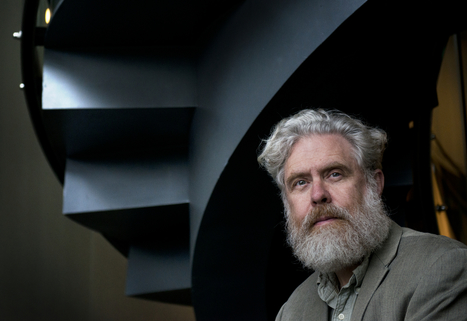
George Church: The Future Without Limit | Innovators

George Church: The Future Without Limit | Innovators | SynBioFromLeukipposInstitute | Scoop.it
Geneticist George Church tinkers with DNA to fight disease, create new biofuels, and perhaps even resurrect extinct species.
No comment yet.
Scooped by Gerd Moe-Behrens
June 2, 2014 4:56 PM
Scoop.it!

Synthetic Biology Products May Increasingly Fall Outside Regulatory System

May 28 Genetically engineered organisms increasingly are being developed in ways that leave them outside of federal oversight and synthetic biology will accelerate this trends according to a report released May 28 by the J. Craig Venter Institute.
No comment yet.
Scooped by Gerd Moe-Behrens
May 31, 2014 2:54 PM
Scoop.it!

A Container That Also Assembles Its Own Contents

A Container That Also Assembles Its Own Contents | SynBioFromLeukipposInstitute | Scoop.it
The cup above may look like just an empty container, but it's actually much more.
No comment yet.
Scooped by Gerd Moe-Behrens
May 30, 2014 4:18 PM
Scoop.it!

Positioning Synthetic Biology to Meet the Challenges of the 21st Century

Positioning Synthetic Biology to Meet the Challenges of the 21st Century | SynBioFromLeukipposInstitute | Scoop.it
No comment yet.
Scooped by Gerd Moe-Behrens
May 30, 2014 3:55 PM
Scoop.it!

Policy Group Probes Regulatory Gaps in Synthetic Biology

Policy Group Probes Regulatory Gaps in Synthetic Biology | SynBioFromLeukipposInstitute | Scoop.it
Gerd Moe-Behrens's insight:

by
Aaron Krol 

"This week, a policy group including representatives from the J. Craig Venter Institute, the University of Virginia, and the European Molecular Biology Organization released a report questioning whether current U.S. regulatory structures are sufficient to address safety and environmental concerns raised by synthetic biology. While the authors are encouraged that most products of synthetic biology, including foods, drugs, and engineered animals and microorganisms, should be adequately regulated under U.S. law as written, they do identify potential pitfalls that may arise as synthetic biology becomes more widely practiced.

Most significantly, existing law may not provide the government with the authority to regulate genetically modified plants produced through synthetic biology. Genetically modified plants currently fall under the remit of a division of the USDA, the Animal and Plant Health Inspection Service (APHIS), whose authority rests on a legal technicality. Most genetic engineering of plants today takes advantage of plant pests as vectors to introduce foreign genetic material, and because APHIS has jurisdiction over plant pests, it is entitled to monitor products created using plant pests before their release into the environment. "As a result," write the authors, "unlike other agencies that have responsibility over genetically engineered organisms, APHIS’ authority over genetically engineered plants turns primarily on a technique," rather than the products being regulated themselves. 
In addition, it seems that APHIS has never had the power to actually ban or restrict an engineered plant unless the plant itself proves to be a plant pest. "APHIS has no authority under its plant pest authorities to make regulatory decisions based on impacts such as increased weediness or invasiveness, undesired gene flow to unmodified crops, increased herbicide use, or other environmental or economic impacts," the authors conclude.
Synthetic biology is rapidly yielding techniques for modifying the native genomes of plants without using plant pests as vectors. To correct the current regulatory gap for these products, the policy group proposes several solutions, including new legislation that expands the USDA's authority over genetically engineered plants created by any means, or the EPA taking command of reviewing new plants under its jurisdiction over "new chemical substances," which have traditionally been broadly defined.
A second area of concern for the authors is a rise in the volume of genetically engineered microbes, if advances in synthetic biology make it easier to manufacture these organisms on a larger scale. "Some companies with large synthetic biology programs, including those producing algal biofuels, may consider dozens or even hundreds of variants of their microbial products during product development, each of which would require a TERA [Toxic Substances Control Act Experimental Release Application] for field testing," write the authors. Here, the report concludes that the EPA has the legal authority to regulate new products, but may find its resources fall short of industry's ability to create new microbes. It also outlines potential weaknesses in the Toxic Substances Control Act from which this authority derives. 
The authors do not see an immediate need to overhaul the EPA's oversight of engineered microbes, but they do suggest that additional funding, as well as a fast track for low-risk types of microbes, may become necessary in the future. They also suggest certain legislative actions that could shore up the Toxic Substances Control Act as it applies to microbes. 
The report is a thorough review of the regulatory landscape around synthetic biology, and both members of relevant industries and regulators should find it worth reading in its entirety. It was funded by the Department of Energy and the Alfred P. Sloan Foundation, and can be read on the website of the J. Craig Venter Institute. It should be noted that the Institute fosters new synthetic biology techniques in a research capacity, and that founder and CEO J. Craig Venter is also founder and CEO of Synthetic Genomics, Inc., which seeks to create commercial products through synthetic biology. "


http://bit.ly/1nLJRug

No comment yet.
Scooped by Gerd Moe-Behrens
May 28, 2014 5:09 PM
Scoop.it!

Synthetic biology: Rewriting the code of life

Gerd Moe-Behrens's insight:

by
Andrea Du Toit

"The genetic code of all living organisms is based on the sequence of the four nucleobases adenine, thymine, cytosine and guanine, which form paired bonds (G·C and A·T) in the DNA double helix. Now, Malyshev et al. report the generation of the first semi-synthetic microorganism that stably replicates an unnatural…"

 http://bit.ly/SfWOAo

No comment yet.
Scooped by Gerd Moe-Behrens
May 28, 2014 4:59 PM
Scoop.it!

Making 'designer genes' from scratch begins with yeast

Making 'designer genes' from scratch begins with yeast | SynBioFromLeukipposInstitute | Scoop.it
Gerd Moe-Behrens's insight:

by
Sakkie Pretorius

"Australia is to play a significant role in the quest for artificial life as it joins an international project to create the world's first synthetic yeast, we can announce today.

Under the leadership of Jef Boeke from New York University, the Yeast 2.0 project is a consortium of yeast laboratories in the US, UK, China, Singapore, India and now Australia aims to produce the first synthetic yeast by 2017.
It marks a major breakthrough for Australian research in the field of synthetic biology which takes science and technology into a new dimension. From the treatment of malaria to the production of environmentally friendly biofuels, synthetic biologists are shifting the boundaries of science and technology to pioneer new life.
In 2010, the world witnessed a future-shaping breakthrough in re-programming the natural "software" of bacteria. Researchers at the Craig Venter Institute in the US successfully transplanted an artificially constructed genome of Mycoplasma mycoides – all 1.1 million base pairs of its DNA – into a closely related bacterial cell, Mycoplasma capricolum.
This marked a world-first: a "synthetic" genome, designed by computer, giving life to another living being with no ancestor.
The potential for future advances in synthetic genomics seems endless and the possibilities are revolutionary.
Synthetic biology aims to build novel and artificial biological parts (such as genes and chromosomes) devices and systems that can then be used to "fuel us, heal us and feed us" – as the UK Science Minster David Willetts said last year.
New organisms can be custom built to perform specific tasks for a range of purposes, ranging from medical diagnostic tests to the detection of bugs in water supplies.
There are plans for biological computers, where electronic circuits are replaced by synthetic biological systems and artificial photosynthesis, where fuel is produced from artificial leaves.
The humble yeast – a single-cell fungus – is vital to many of Australia's key industries and are ideal for research because they are the most simple eukaryotic cells that are easily propagated and only survive in man-made environments such as laboratories.
The ability to design and create synthetic yeast "to order" so that it can perform specific tasks, stands to benefit a range of sectors from primary production to medical research.
The Yeast 2.0 program is an ambitious project. Earlier this year, Professor Boeke's laboratory announced it had synthesised the first functional chromosome in yeast, marking an important first step.
The next step requires an international mission to create the other 15 chromosomes that are needed to generate the first fully synthetic yeast by 2017.
I will be leading the Australian team at Macquarie University responsible for the synthesis of yeast's chromosome 14. The other 15 chromosomes will be synthesised by the Yeast 2.0 partners and, as this synthetic genomics project continues, further universities will also become involved in synthetic biology beyond this yeast-focused project....."


http://bit.ly/RCoten

No comment yet.