 Your new post is loading...
Introduction One of the most prevalent types of pain worldwide is lumbar back pain, which affects many people and can be costly. This type of pain can be triggered by several environmental factors, which can overlap and cause referred pain throughout the body. Some factors linked to low back pain include those that impact people working for a living. - Age
- Physical inactivity
- Excess weight
- Improper lifting
- Excessive sitting
- Stress
- Wear and tear on the spinal discs
When environmental factors cause spine misalignment, the surrounding muscles become weak, tense, and strained. This can result in the body shifting its weight to alleviate pain. However, many non-surgical treatments are available to relieve low back pain and realign the spine. In this article, we will discuss how lumbar back pain affects the body and how non-surgical therapies such as vertebral axial decompression can help to reduce it. We utilize and incorporate valuable information about our patients to certified medical providers using non-surgical treatments like vertebral axial decompression to relieve pain associated with the lumbar spine. We encourage and refer patients to associated medical providers based on their findings while supporting that education is a remarkable and fantastic way to ask our providers the essential questions at the patient’s acknowledgment. Dr. Alex Jimenez, D.C., comprises this information as an educational service. Disclaimer What Is Lumbar Back Pain? Research studies suggest that lumbar back pain is commonly experienced as a symptom in the midline or sacral region of the body. This pain can develop gradually due to unwanted pressure and weight on the spinal discs, which compresses the nerve roots surrounding the spinal cord. Based on additional studies, lumbar back pain is often categorized into two types for diagnosis. - Specific low back pain: overlapping symptoms are caused by pathological mechanisms like, herniated discs, infections, musculoskeletal disorders, fractures, or disc degeneration.
- Non-specific low back pain: where overlapping symptoms are causing pain in the lumbar region without a specific cause. This form of low back pain causes referred pain to different locations.
Many individuals commonly suffer from non-specific lower back pain, which can be triggered by environmental factors and affect their daily function. However, there are methods to alleviate lumbar back pain without surgery. General Disclaimer * The information herein is not intended to replace a one-on-one relationship with a qualified health care professional, licensed physician, and is not medical advice. We encourage you to make your own health care decisions based on your research and partnership with a qualified health care professional. Our information scope is limited to chiropractic, musculoskeletal, physical medicines, wellness, sensitive health issues, functional medicine articles, topics, and discussions. We provide and present clinical collaboration with specialists from a wide array of disciplines. Each specialist is governed by their professional scope of practice and their jurisdiction of licensure. We use functional health & wellness protocols to treat and support care for the injuries or disorders of the musculoskeletal system. Our videos, posts, topics, subjects, and insights cover clinical matters, issues, and topics that relate to and support, directly or indirectly, our clinical scope of practice.* Our office has made a reasonable attempt to provide supportive citations and has identified the relevant research study or studies supporting our posts. We provide copies of supporting research studies available to regulatory boards and the public upon request. We understand that we cover matters that require an additional explanation of how it may assist in a particular care plan or treatment protocol; therefore, to further discuss the subject matter above, please feel free to ask Dr. Alex Jimenez or contact us at 915-850-0900. Dr. Alex Jimenez DC, MSACP, CCST, IFMCP*, CIFM*, ATN* email: coach@elpasofunctionalmedicine.com Licensed in: Texas & New Mexico*
Intercostal muscles are the muscles within the rib cage, commonly called the intercostals, which connect the ribs and make up the chest wall. An intercostal muscle strain refers to an injury between two or more ribs. If these muscles become overstretched, restricted, or suffer damage, it can cause inflammation and significant pain in the middle and upper back. Intercostal muscle strain is a common injury in athletes and physically demanding jobs. Chiropractic care and massage therapy can realign the vertebrae with the ribs and loosen and relax the muscles to increase circulation and restore mobility and function. Intercostal Muscle Strain The intercostal muscles have different layers attached to the ribs to help build the chest wall and assist in breathing. There are 11 intercostal muscles on each side of the rib cage. Each set is located between connected ribs in the upper and mid-back and consists of the following: External - These are the outermost intercostals, responsible for expanding the chest during breathing to help inhale air and allow full deep breaths.
- The external intercostals originate at the lower edge of a rib and run diagonally to attach to the upper edge of the rib below.
- They are found in the rib cage's back, sides, and front.
Internal - These sit directly underneath the externals and help collapse the chest during breathing to exhale.
- The muscle fibers run perpendicular to the external intercostals, moving diagonally from front to back along the ribs, and are in the entire rib cage.
Innermost - These sit directly underneath, run parallel to the internal intercostals, and run from the back of the rib cage to each side.
- The veins, arteries, and nerves lie between the internal and innermost intercostals.
When an intercostal muscle gets twisted, overused, or stretched too far, it can tear, causing muscle strain. Often radiating pain along the rib cage is experienced that extends to the back. Causes An intercostal muscle strain often occurs as the result of an injury or overexertion of the muscles. Common causes include: - Trauma to the rib cage, such as from a fall or automobile collision.
- Impact trauma from sports or physical activities.
- Over twisting the torso beyond its normal range of motion from lifting weights, sports, yoga postures, or dance positions.
- Repeatedly reaching overhead for work or tasks like cleaning or painting.
- Lifting heavy objects above shoulder height.
- Repetitive torso movements.
- A sudden increase in physical activity that the body is not used to can also lead to intercostal muscle strain.
- This can happen when a lack of conditioning or unhealthy postures weaken muscles.
Symptoms The signs and symptoms can vary, depending on the severity and cause. Symptoms can include: - Intercostal muscle spasms.
- Mobility difficulties.
- Inflammation, swelling, and sensitivity in the affected area.
- Stiffness and tension, causing upper back pain.
- Upper back and rib pain.
- Tenderness in the area between the ribs.
- Muscle rigidity when bending or twisting the upper body.
- Gradual worsening pain after repetitive movements.
- Worsening pain when coughing, sneezing, or breathing in deeply.
- Severe and sudden pain, particularly if caused by direct trauma to the chest or back.
Chiropractic Diagnosis involves the individual's medical history and a physical exam to check for movement limitations and assess affected and sensitive areas. Once the inflammation is reduced, chiropractic and physical therapy will focus on the following: - Pain relief treatment.
- Breathing exercises.
- Posture training.
- Stretching under supervision.
- Strengthing exercises.
- Most cases fully heal within 6 to 8 weeks.
General Disclaimer * The information herein is not intended to replace a one-on-one relationship with a qualified healthcare professional or licensed physician and is not medical advice. We encourage you to make healthcare decisions based on your research and partnership with a qualified healthcare professional. Our information scope is limited to chiropractic, musculoskeletal, physical medicines, wellness, sensitive health issues, functional medicine articles, topics, and discussions. We provide and present clinical collaboration with specialists from various disciplines. Each specialist is governed by their professional scope of practice and their jurisdiction of licensure. We use functional health & wellness protocols to treat and support care for the injuries or disorders of the musculoskeletal system. Our videos, posts, topics, subjects, and insights cover clinical matters, issues, and topics that relate to and directly or indirectly support our clinical scope of practice.* Our office has reasonably attempted to provide supportive citations and identified the relevant research study or studies supporting our posts. We provide copies of supporting research studies available to regulatory boards and the public upon request. We understand that we cover matters that require an additional explanation of how it may assist in a particular care plan or treatment protocol; therefore, to further discuss the subject matter above, don't hesitate to get in touch with Dr. Alex Jimenez or contact us at 915-850-0900. Dr. Alex Jimenez DC, MSACP, CCST, IFMCP*, CIFM*, ATN* email: coach@elpasofunctionalmedicine.com Licensed in: Texas & New Mexico* References De Troyer, A et al. "Mechanics of intercostal space and actions of external and internal intercostal muscles." The Journal of clinical investigation vol. 75,3 (1985): 850-7. doi:10.1172/JCI111782 Lord, Michael J, and William G Carson Jr. "Multiple Rib Stress Fractures." The Physician and sports medicine vol. 21,5 (1993): 80-91. doi:10.1080/00913847.1993.11947575 Morrison W. What is an intercostal muscle strain? Medical News Today. Jan 2020 Page P. Current Concepts in Muscle Stretching for Exercise and Rehabilitation. International Journal of Sports Physical Therapy. 2012;7(1):109-119. Park, Kyung-hee, et al. "Difference in selective muscle activity of thoracic erector spinae during prone trunk extension exercise in subjects with slouched thoracic posture." PM & R: the Journal of Injury, Function, and Rehabilitation vol. 7,5 (2015): 479-84. doi:10.1016/j.pmrj.2014.10.004 Tran H. Causes of Intercostal Muscle Strain. Spine-health. October 2017 Yoo, Won-Gyu. "Effect of a combined thoracic and backward lifting exercise on the thoracic kyphosis angle and intercostal muscle pain." Journal of physical therapy science vol. 29,8 (2017): 1481-1482. doi:10.1589/jpts.29.1481 Yoo, Won-Gyu. "Effect of thoracic stretching, thoracic extension exercise and exercises for cervical and scapular posture on thoracic kyphosis angle and upper thoracic pain." Journal of physical therapy science vol. 25,11 (2013): 1509-10. doi:10.1589/jpts.25.1509
Healthy sleep is vital for having enough energy, thinking clearly, and managing everyday stresses confidently. Chronic unhealthy sleep patterns and/or insomnia can lead to and contribute to various health issues. This includes daytime fatigue, irritability, difficulty concentrating, delayed reaction time, constantly getting sick, and memory problems. Sleeping health problems can get worse with every night of poor rest. Injury Medical Chiropractic and Functional Medicine Clinic provide treatment, training, and tools to realign and relax the body and restore healthy sleep. Sleeping Health Problems Lack of sleep disrupts and slows down nerve impulses and transmissions throughout the body. This can lead to health problems that can include: - Excessive fatigue
- Brain fog
- Slow responses
- Physical performance problems
- Inability to remember
- Low sex drive
- Chronic illness
- Over time the risk of developing a serious medical condition increases and can include:
- Anxiety
- Depression
- High blood pressure
- Diabetes
- Weakened immune system
- Stroke
- Heart attack
- Seizures
Staying On There is some research that insomnia is associated with hyperarousal or the state of staying on. It often starts with a stressful event that sets off the body's systems, causing the inability to relax completely. Body discomfort and pain symptoms can also present when the mind and body can't relax. The entire body can tighten/stiffen, causing aches, soreness, and pain. Continuation of sleeping health problems of the cycle leads to more stress. Healthy Sleep Benefits Adults need seven to nine hours of sleep every night to operate optimally. The benefits of healthy sleep include: - Healthy immune system function.
- Thorough tissue and muscle repair.
- Remembering and recalling things comes easier.
- Improved insulin regulation, helping to manage food cravings and weight.
- Enhanced regulation of cortisol.
- Improved mood and outlook.
Chiropractic Treatment Chiropractic care, massage, and decompression therapy can help break the cycle. Breaking the process is necessary to help the body recover and rehabilitate properly. Treatment retrains the body to relax; stretching and pulling the muscles increases blood circulation, as well as advanced and improved brain signals telling the body to relax. A chiropractor will evaluate the individuals sleeping patterns and recommend various solutions. The benefits for individuals with sleep issues include: - Alleviates muscle tension.
- Stimulates nerve circulation and blood flow.
- Relaxes the whole body.
- Enhances central nervous system function.
- Relieves pain and discomfort.
- A chiropractor will also provide the following:
- Sleeping position recommendations.
- Postural stretches and exercises.
- Recommendations on supportive mattresses.
- Ergonomics for work, home, and bed.
General Disclaimer * The information herein is not intended to replace a one-on-one relationship with a qualified healthcare professional or licensed physician and is not medical advice. We encourage you to make healthcare decisions based on your research and partnership with a qualified healthcare professional. Our information scope is limited to chiropractic, musculoskeletal, physical medicines, wellness, sensitive health issues, functional medicine articles, topics, and discussions. We provide and present clinical collaboration with specialists from various disciplines. Each specialist is governed by their professional scope of practice and their jurisdiction of licensure. We use functional health & wellness protocols to treat and support care for the injuries or disorders of the musculoskeletal system. Our videos, posts, topics, subjects, and insights cover clinical matters, issues, and topics that relate to and directly or indirectly support our clinical scope of practice.* Our office has reasonably attempted to provide supportive citations and identified the relevant research study or studies supporting our posts. We provide copies of supporting research studies available to regulatory boards and the public upon request. We understand that we cover matters that require an additional explanation of how it may assist in a particular care plan or treatment protocol; therefore, to further discuss the subject matter above, don't hesitate to get in touch with Dr. Alex Jimenez or contact us at 915-850-0900. Dr. Alex Jimenez DC, MSACP, CCST, IFMCP*, CIFM*, ATN* email: coach@elpasofunctionalmedicine.com Licensed in: Texas & New Mexico* References Hale, Deborah, and Katherine Marshall. “Sleep and Sleep Hygiene.” Home healthcare now vol. 37,4 (2019): 227. doi:10.1097/NHH.0000000000000803 Liu, Amy. “Sleep Training.” Pediatric annals vol. 49,3 (2020): e101-e105. doi:10.3928/19382359-20200218-01 What Are Sleep Deprivation and Deficiency?https://www.nhlbi.nih.gov/health/sleepdeprivation#:~:text=Sleep%20deficiency%20is%20linked%20to,adults%2C%20teens%2C%20and%20children. What Makes You Sleep? https://www.nhlbi.nih.gov/health/sleep-deprivation/body-clock How Sleep Affects Your Health https://www.nhlbi.nih.gov/health/sleep-deprivation/health-effects Riemann, Dieter. “Sleep hygiene, insomnia, and mental health.” Journal of sleep research vol. 27,1 (2018): 3. doi:10.1111/jsr.12661
Introduction The body is an amazingly complex machine as it allows the individual to move each section, like the back, arms, legs, torso, neck, and head, without feeling any pain. Each section has various muscles, ligaments, and tissues that surround the skeletal joint and allow mobility, stability, and range of motion when the host is active. However, when underlying conditions start to affect the body, each section can be affected and cause pain-like symptoms associated with the muscles, ligaments, and tissues. Sometimes it can even cause referred pain in the vital organs, leading to more problems when not treated immediately. To that point, various exercises combined with therapy can help prevent pain-like symptoms from affecting the body and restore mobility to the upper and lower portions. This 2-part series will look at an exercise called hyperextension, which can help strengthen these muscles in the upper and lower portions. Part 1 will examine how hyperextension affects the body and how it is associated with low back pain. Part 2 will look at the various hyperextension exercises that can help strengthen each muscle group. We refer our patients to certified medical providers that provide available therapy treatments for individuals suffering from chronic pain-like conditions associated with low back pain. We encourage each patient when it is appropriate by referring them to associated medical providers based on their diagnosis or needs. We understand and accept that education is a marvelous way when asking our providers’ crucial questions at the patient’s request and acknowledgment. Dr. Jimenez, D.C., makes use of this information as an educational service. Disclaimer What Is Hyperextension? Have you been experiencing pain-like symptoms in different areas of your body? Does it hurt when twisting and turning? Or do you constantly ache when bending over? Many of these symptoms are associated with muscle and joint pain that can affect the body and lead to hyperextension. Hyperextension is when a skeletal joint has a greater range of motion without feeling pain. When a person suffers from a traumatic injury or has a chronic condition, it can cause the various muscles in the body to extend their range of motion and cause more pain that can affect their quality of life. A perfect example would be a person who is double-jointed in their hands, knee, elbows, and back. Even though many double-jointed people can further extend their joints, it can lead to various issues that can impact the body and lead to pain-like symptoms. For example, studies reveal that if a person has been in an auto accident and suffers from whiplash, the hyper-extended muscles can cause pain-like symptoms in the soft tissues, leading to neck pain. When this happens, it can cause symptoms of limited mobility and affect the individual. Now if it is chronic conditions like EDS (Ehlers-Danlos syndrome) or chronic back conditions, it can affect the lower extremity muscles while affecting the mobility and stability of the body. Studies reveal that low back pain associated with hyperextension is developed when various factors can cause the spine to be in subluxation and compress the different vertebrate discs, muscles, ligaments, and tissues, which can cause pain over time. Additional studies have also found that when there are injuries in the thoracolumbar and lumbar spine, it is often combined with various forces that can cause mobility issues which leads to spinal subluxation and spinal compression. General Disclaimer * The information herein is not intended to replace a one-on-one relationship with a qualified health care professional, licensed physician, and is not medical advice. We encourage you to make your own health care decisions based on your research and partnership with a qualified health care professional. Our information scope is limited to chiropractic, musculoskeletal, physical medicines, wellness, sensitive health issues, functional medicine articles, topics, and discussions. We provide and present clinical collaboration with specialists from a wide array of disciplines. Each specialist is governed by their professional scope of practice and their jurisdiction of licensure. We use functional health & wellness protocols to treat and support care for the injuries or disorders of the musculoskeletal system. Our videos, posts, topics, subjects, and insights cover clinical matters, issues, and topics that relate to and support, directly or indirectly, our clinical scope of practice.* Our office has made a reasonable attempt to provide supportive citations and has identified the relevant research study or studies supporting our posts. We provide copies of supporting research studies available to regulatory boards and the public upon request. We understand that we cover matters that require an additional explanation of how it may assist in a particular care plan or treatment protocol; therefore, to further discuss the subject matter above, please feel free to ask Dr. Alex Jimenez or contact us at 915-850-0900. Dr. Alex Jimenez DC, MSACP, CCST, IFMCP*, CIFM*, ATN* email: coach@elpasofunctionalmedicine.com Licensed in: Texas & New Mexico*
Neck aches, soreness, and pain symptoms are not always neck-related. Tight thoracic or mid-back muscles can pull on the neck muscles causing various symptoms. Upper back tightness occurs anywhere from the neck's base to the bottom of the rib cage. The bones in the upper area don't move or flex as much as the neck and low back. This can lead individuals to believe there is nothing wrong with the mid-back, as there are no pain symptoms or signs of discomfort. However, individuals don't realize how tight the muscles are, which can go on for years, causing neck issues. Injury Medical Chiropractic and Functional Medicine Clinic can relieve symptoms, release, and relax tight muscles, increase circulation, and restore optimal function. Mid-Back Muscle Tightness The upper and middle back is the thoracic spine. The thoracic spine has twelve small bones called vertebrae. Each vertebra on the thoracic spine is connected to a pair of ribs. The ribs wrap around the body and attach to a long, flat sternum bone. This forms the rib cage. The bones in the upper back work with the ribs to stabilize the back and protect vital organs, including the heart and lungs. The tightening and pulling eventually cause neck aches that can come out of nowhere; even when not moving and looking straight ahead, there can be persistent dull achiness or stinging sensations. Causes Unhealthy posture, disc problems, injuries, fractures, or other issues or conditions can cause mid-back muscle tightness. Posture - Constant sitting or standing combined with unhealthy posture and being hunched over can cause the muscles to tighten, limiting mobility.
Holding Onto Stress - Chronic stress can cause muscle tightening, whether it is in the low back, mid-back, neck, or elsewhere.
Hereditary - Individual genetic makeup may make the body more susceptible to muscle tightness.
- For example, individuals with a lot of muscle tone vs. individuals with less muscle tone may experience muscle tightness more often.
Adequate Hydration - Being properly hydrated is important for muscle and joint lubrication.
- Water provides nutrients to contracting muscles.
- This keeps the body loose and ready for movement.
Muscle Imbalance and Underlying Weakness - Individuals that tend to work one side of the body more than the other or have repeatedly been moving in a certain way for years can cause muscle imbalances and trigger points to develop.
- If muscle tightness continues, even after stretching, it could be an underlying weakness.
- The muscles can sometimes seize up and guard, so they feel tight when they have become chronically weak and not strong enough to meet the physical demands.
Chiropractic Care Chiropractic care involves various therapies to address the root cause fully and relieve neck aches. These include: - Massage therapies to break up compacted muscle tissue.
- Remove trigger points.
- Relax the muscles to a pliable state.
- Perform chiropractic adjustments to realign the spine.
- Stretching and strengthening.
- Posture training that includes stretches/exercises.
- Nutritional plans to help strengthen muscles.
General Disclaimer * The information herein is not intended to replace a one-on-one relationship with a qualified healthcare professional or licensed physician and is not medical advice. We encourage you to make healthcare decisions based on your research and partnership with a qualified healthcare professional. Our information scope is limited to chiropractic, musculoskeletal, physical medicines, wellness, sensitive health issues, functional medicine articles, topics, and discussions. We provide and present clinical collaboration with specialists from a wide array of disciplines. Each specialist is governed by their professional scope of practice and their jurisdiction of licensure. We use functional health & wellness protocols to treat and support care for the injuries or disorders of the musculoskeletal system. Our videos, posts, topics, subjects, and insights cover clinical matters, issues, and topics that relate to and directly or indirectly support our clinical scope of practice.* Our office has reasonably attempted to provide supportive citations and identified the relevant research study or studies supporting our posts. We provide copies of supporting research studies available to regulatory boards and the public upon request. We understand that we cover matters that require an additional explanation of how it may assist in a particular care plan or treatment protocol; therefore, to further discuss the subject matter above, don't hesitate to get in touch with Dr. Alex Jimenez or contact us at 915-850-0900. Dr. Alex Jimenez DC, MSACP, CCST, IFMCP*, CIFM*, ATN* email: coach@elpasofunctionalmedicine.com Licensed in: Texas & New Mexico* References Gatt, Adrianna, et al. “Anatomy, Fascia Layers.” StatPearls, StatPearls Publishing, Jul 25, 2022. Liebsch, Christian, and Hans-Joachim Wilke. “How Does the Rib Cage Affect the Biomechanical Properties of the Thoracic Spine? A Systematic Literature Review.” Frontiers in bioengineering and biotechnology vol. 10 904539. Jun 15, 2022, doi:10.3389/fbioe.2022.904539 Maciejewska-Skrendo, Agnieszka et al. “Genetics of Muscle Stiffness, Muscle Elasticity and Explosive Strength.” Journal of human kinetics vol. 74 143-159. 31 Aug. 2020, doi:10.2478/hukin-2020-0027 Modes RJ, Lafci Fahrioglu S. Anatomy, Back. [Updated 2022 Feb 5]. In: StatPearls [Internet]. Treasure Island (FL): StatPearls Publishing; 2022 Jan-. Available from: https://www.ncbi.nlm.nih.gov/books/NBK539746/ Page, Phil. “Current concepts in muscle stretching for exercise and rehabilitation.” International journal of sports physical therapy vol. 7,1 (2012): 109-19. Petrofsky, Jerrold et al. “The Efficacy of Sustained Heat Treatment on Delayed-Onset Muscle Soreness.” Clinical journal of sports medicine: official journal of the Canadian Academy of Sports Medicine vol. 27,4 (2017): 329-337. doi:10.1097/JSM.0000000000000375
Ankylosing spondylitis, or AS, is a type of inflammatory arthritis that usually impacts the spine, causing back stiffness and pain, pain in the hips, and decreased range of motion. Brain fog can also be a symptom of AS and other chronic inflammatory conditions. Brain fog can affect memory, concentration, decision-making, learning, and problem-solving. Injury Medical Chiropractic and Functional Medicine Clinic can educate on the causes of ankylosing spondylitis brain fog and how to reduce its effects. Brain Fog Experts do not fully understand how conditions like AS cause brain fog and how it affects the brain and central nervous system. However, they believe brain fog is linked to chronic inflammation and pain associated with the condition, along with certain factors. Chronic Inflammation - Inflammation occurs when the body's immune system attacks healthy cells.
- This triggers the release of inflammation-causing cytokines.
- Cytokines can interfere with normal brain function.
Ankylosing Spondylitis Chronic Pain - Chronic pain can cause fatigue and unhealthy sleep quality.
- Fatigue and poor sleep can worsen chronic pain, leading to intense fatigue and extreme sleep issues, becoming a vicious cycle.
Corticosteroids - Doctors typically treat ankylosing spondylitis with corticosteroids.
- Individuals with cardiovascular risk factors have an increased risk of brain fog from the medications.
Depression - Individuals with AS can present symptoms of depression, which has been linked to cognitive impairment.
- Depression can contribute to the development of brain fog.
Other Medical Conditions Other Possible Causes - Stress
- Sleep problems
- Little to no physical activity or exercise.
- Pregnancy
- Menopause
- Antidepressants
- Chemotherapy
Effects The effects of brain fog. - Thoughts are blurry and difficult to recall.
- There are major lapses in concentration.
- Thinking is harder.
- There is constant confusion.
- More effort is required to maintain thoughts in short-term memory.
- Constantly forgetting what to do.
Chiropractic Care Doctors recommend a multidisciplinary approach to manage AS brain fog. This includes: - An anti-inflammatory nutrition plan.
- Ergonomic adjustments
- Regular physical activity and exercise.
- Mental exercises
- Concurrent treatment with a rheumatologist in combination with chiropractic care.
- Chiropractic care focuses on improving joint mobility and the function of the musculoskeletal system.
- Manual and instrument-assisted adjustments are paired with the following:
- Soft-tissue therapies
- Non-surgical spinal decompression
- Health Coaching
- Fitness Coaching
- Nutritional recommendations
General Disclaimer * The information herein is not intended to replace a one-on-one relationship with a qualified healthcare professional or licensed physician and is not medical advice. We encourage you to make healthcare decisions based on your research and partnership with a qualified healthcare professional. Our information scope is limited to chiropractic, musculoskeletal, physical medicines, wellness, sensitive health issues, functional medicine articles, topics, and discussions. We provide and present clinical collaboration with specialists from a wide array of disciplines. Each specialist is governed by their professional scope of practice and their jurisdiction of licensure. We use functional health & wellness protocols to treat and support care for the injuries or disorders of the musculoskeletal system. Our videos, posts, topics, subjects, and insights cover clinical matters, issues, and topics that relate to and directly or indirectly support our clinical scope of practice.* Our office has reasonably attempted to provide supportive citations and identified the relevant research study or studies supporting our posts. We provide copies of supporting research studies available to regulatory boards and the public upon request. We understand that we cover matters that require an additional explanation of how it may assist in a particular care plan or treatment protocol; therefore, to further discuss the subject matter above, please feel free to ask Dr. Alex Jimenez or contact us at 915-850-0900. Dr. Alex Jimenez DC, MSACP, CCST, IFMCP*, CIFM*, ATN* email: coach@elpasofunctionalmedicine.com Licensed in: Texas & New Mexico* References Chiropractic. (2019). nccih.nih.gov/health/chiropractic Cornelson, Stacey M et al. “Chiropractic Care in the Management of Inactive Ankylosing Spondylitis: A Case Series.” Journal of chiropractic medicine vol. 16,4 (2017): 300-307. doi:10.1016/j.jcm.2017.10.002 Creaky Joints. (September 17, 2018) “You can ease inflammatory arthritis brain fog with these 12 tips for a sharper mind.” https://creakyjoints.org/living-with-arthritis/arthritis-brain-fog/ Vitturi, Bruno Kusznir, et al. “Cognitive Impairment in Patients with Ankylosing Spondylitis.” The Canadian journal of neurological sciences. Le journal canadien des sciences neurologiques vol. 47,2 (2020): 219-225. doi:10.1017/cjn.2020.14 Zhang, Jun-Ming, and Jianxiong An. “Cytokines, inflammation, and pain.” International anesthesiology clinics vol. 45,2 (2007): 27-37. doi:10.1097/AIA.0b013e318034194e
Herniated disc injuries and the time it takes to heal depend on the injury's cause, the severity, and where it occurred along the spine. Symptoms can last a few days to months. Chiropractic treatment, massage therapy, and decompression realign the spine and return the disc to its correct position. Still, the herniated disc signs it is returning to normal can take time as the rest of the spine and body adjust to the realignment. Herniated Disc Signs It Is Returning To Normal Most cases take a few weeks with healing time depending on health conditions, physical activity level, and age. However, in severe cases, a herniated disc can take up to several months to fully heal, but discomfort symptoms usually resolve sooner. Expectations From a Healing Disc - Resting the spine and taking it easy after the injury is recommended.
- Too much rest is not recommended as it can cause muscle stiffness.
- While the herniated disc is healing, a primary doctor may prescribe anti-inflammatories or muscle relaxants to help ease discomfort.
- A chiropractor and/or physical therapist can teach exercises and stretches to relieve pressure on nerves, loosen tight muscles, and improve circulation.
Signs The Herniated Disc Is Healing - Most herniated discs cause significant pain in the back and neck from the nervous system, causing some of the muscles of the low back or neck to spasm to protect the area from further damage.
- Usually, the muscle spasms relax within the first days of the injury.
- After spinal decompression, neurological symptoms like the sharp, shooting pain down a nerve in the arm or leg are the first symptoms to go away.
- Then muscle weakness along the path of the nerve goes away.
- Numbness in the extremities can linger around longer.
Length of Time - The wear and tear of adult spinal discs, combined with unhealthy posture habits, job occupation, previous injuries, etc., decrease blood circulation.
- This is why it can take some time to heal completely, as the entire blood supply needs to reset to optimal circulation.
- Nerve compression causing aches and pain sensations down the nerves can also take time.
Regular Activity Returning to regular activities depends on the individual's case and condition. It is essential not to overdo things that can cause excessive loading of the spine before the disc has fully healed, which increases the risk of re-herniation and other injuries. - Inactivity can slow the healing process and cause inflammation.
- Patients are encouraged to return to activities that generate gentle motion to stimulate the stabilizing muscles to function properly and increase blood circulation to the injured area.
- Individuals are recommended to:
- Learn posture improvement when walking, sitting, standing, and sleeping.
- Adjust sleep patterns.
- Incorporate anti-inflammatory nutrition during the healing process.
- Engage in light, gentle exercises.
- Keep the body hydrated.
- Avoid alcohol during the healing process.
- This provides a mechanical and biological environment that eventually becomes a personalized exercise physical therapy program.
General Disclaimer * The information herein is not intended to replace a one-on-one relationship with a qualified healthcare professional or licensed physician and is not medical advice. We encourage you to make your own healthcare decisions based on your research and partnership with a qualified healthcare professional. Our information scope is limited to chiropractic, musculoskeletal, physical medicines, wellness, sensitive health issues, functional medicine articles, topics, and discussions. We provide and present clinical collaboration with specialists from a wide array of disciplines. Each specialist is governed by their professional scope of practice and their jurisdiction of licensure. We use functional health & wellness protocols to treat and support care for the injuries or disorders of the musculoskeletal system. Our videos, posts, topics, subjects, and insights cover clinical matters, issues, and topics that relate to and directly or indirectly support our clinical scope of practice.* Our office has reasonably attempted to provide supportive citations and identified the relevant research study or studies supporting our posts. We provide copies of supporting research studies available to regulatory boards and the public upon request. We understand that we cover matters that require an additional explanation of how it may assist in a particular care plan or treatment protocol; therefore, to further discuss the subject matter above, please feel free to ask Dr. Alex Jimenez or contact us at 915-850-0900. Dr. Alex Jimenez DC, MSACP, CCST, IFMCP*, CIFM*, ATN* email: coach@elpasofunctionalmedicine.com Licensed in: Texas & New Mexico* References Díez Ulloa, Máximo Alberto. "Role of Microangiogenensis in Disc Herniation Healing." Journal of investigative surgery: the official journal of the Academy of Surgical Research vol. 34,6 (2021): 685. doi:10.1080/08941939.2019.1682725 Factors that influence recovery: Mayo Clinic. February 8, 2022. "Herniated disk." https://www.mayoclinic.org/diseases-conditions/herniated-disk/symptoms-causes/syc-20354095 Factors that influence recovery: NHS. March 22, 2021. "Slipped Disc." https://www.nhs.uk/conditions/slipped-disc/ How to speed up healing time: American Academy of Orthopaedic Surgeons. January 2022. "Herniated Disk in the Lower Back" https://orthoinfo.aaos.org/en/diseases--conditions/herniated-disk-in-the-lower-back/ Keramat, Keramat Ullah, and Aisling Gaughran. "Safe physiotherapy interventions in large cervical disc herniations." BMJ case reports vol. 2012 bcr2012006864. 18 Aug. 2012, doi:10.1136/bcr-2012-006864 Stoll, T et al. “Physiotherapie bei lumbaler Diskushernie” [Physiotherapy in lumbar disc herniation ]. Therapeutische Umschau. Revue therapeutique vol. 58,8 (2001): 487-92. doi:10.1024/0040-5930.58.8.487 Swartz, Karin R, and Gregory R Trost. "Recurrent lumbar disc herniation." Neurosurgical focus vol. 15,3 E10. 15 Sep. 2003, doi:10.3171/foc.2003.15.3.10
When the body is correctly aligned, the shoulders are the same height, and face forward. Uneven shoulders are when one shoulder begins to raise higher than the other. It usually starts with a slight difference but can turn into a more severe imbalance causing discomfort, tightness, and pain in the neck, shoulders, hips, and back. Chiropractic treatment can bring the body back into balance and alignment through various techniques and therapy modalities. Misaligned Uneven Shoulders Several factors can lead to uneven shoulders. Misalignments can be caused by: - Often the shoulder on the dominant side tends to be slightly lower.
- Constantly using one hand or side for everything.
- Carrying a heavy bag on the dominant shoulder.
- Structural issues or muscular skeletal imbalances in other areas of the body.
For example, if the ankle or hip gets injured, it can cause an individual to bring their body out of alignment to adjust to how they position themselves and move. Other common causes include: - Overuse of the shoulders
- Tight upper back muscles
- Unhealthy posture
- Uneven hips
- Pinched nerve
- Weak muscles
- Flat feet
- Sedentary lifestyle
- Varying leg length
- Osteoporosis
- Scoliosis
- Shoulder injuries
- Incorrect sleeping position or sleeping on one side
- Sports like tennis, golf, and baseball have an increased risk of causing misaligned, uneven shoulders and posture imbalances.
Symptoms Uneven shoulders can result in discomfort, tightness, and stiffness in the neck, shoulders, and lower back. - Continued tightness and pulling in the higher shoulder.
- Rounded shoulders
- Headaches
- Head misalignment
- Hip misalignment
- Shifting pelvis
- Bursitis
- Tendonitis
Chiropractor A chiropractic massage and functional medicine team will bring the shoulders back into normal alignment. - Therapeutic myofascial release massage will release tension, relax the muscles, and increase flexibility.
- Chiropractic adjustments
- Spinal decompression therapy
- Stretches and muscle-building exercises to balance the shoulders.
- Lifestyle adjustment instructions for switching shoulders when carrying bags, using armrests, using the phone, using a mouse, and using ergonomic chairs.
- Posture training includes learning to stay aware of one's posture throughout the day when standing or sitting and completing regular activities.
- Learning to use the non-dominant arm to balance the workload.
- Incorporating relaxation, meditation, and breathing techniques relieve stress, tension, and tightness.
General Disclaimer * The information herein is not intended to replace a one-on-one relationship with a qualified healthcare professional or licensed physician and is not medical advice. We encourage you to make your own healthcare decisions based on your research and partnership with a qualified healthcare professional. Our information scope is limited to chiropractic, musculoskeletal, physical medicines, wellness, sensitive health issues, functional medicine articles, topics, and discussions. We provide and present clinical collaboration with specialists from a wide array of disciplines. Each specialist is governed by their professional scope of practice and their jurisdiction of licensure. We use functional health & wellness protocols to treat and support care for the injuries or disorders of the musculoskeletal system. Our videos, posts, topics, subjects, and insights cover clinical matters, issues, and topics that relate to and directly or indirectly support our clinical scope of practice.* Our office has reasonably attempted to provide supportive citations and identified the relevant research study or studies supporting our posts. We provide copies of supporting research studies available to regulatory boards and the public upon request. We understand that we cover matters that require an additional explanation of how it may assist in a particular care plan or treatment protocol; therefore, to further discuss the subject matter above, please feel free to ask Dr. Alex Jimenez or contact us at 915-850-0900. Dr. Alex Jimenez DC, MSACP, CCST, IFMCP*, CIFM*, ATN* email: coach@elpasofunctionalmedicine.com Licensed in: Texas & New Mexico* References Burbank, Kelton M et al. "Chronic shoulder pain: part I. Evaluation and diagnosis." American family physician vol. 77,4 (2008): 453-60. Foroozan Mahmoodi et al. The effect of corrective exercises on the pain and degree of uneven shoulder deformity https://rsr.basu.ac.ir/article_625_en.html Mayo Clinic Staff. (2017). Stress management. mayoclinic.org/healthy-lifestyle/stress-management/in-depth/relaxation-technique/art-20045368 Mitchell, Caroline, et al. "Shoulder pain: diagnosis and management in primary care." BMJ (Clinical research ed.) vol. 331,7525 (2005): 1124-8. doi:10.1136/bmj.331.7525.1124 Pu Chu, Eric Chun, and Kevin Hsu Kai Huang. "Bridging the gap between observation and brace treatment for adolescent idiopathic scoliosis." Journal of family medicine and primary care vol. 6,2 (2017): 447-449. doi:10.4103/jfmpc.jfmpc_52_17
A pinched nerve in the hip can cause numbness, tingliness, weakness, and pain. A pinched/compressed nerve creates pressure that can result from a bone structural issue like hip misalignment or the nerve getting overly stretched, stuck, twisted, or kinked. The pressure obstructs the neural pathways and decreases neural activity. This causes pain. If discomfort or pain is present, chiropractic, physical rehabilitation, rest, exercise, and ice and heat can release and reset the nerve and help prevent re-injury. Pinched Nerve In The Hip A pinched or compressed nerve results from pressure being applied to the nerve. A pinched nerve in the hip often causes pain in the groin region, radiating down the inner thigh to the knee. The pain can feel like a dull ache or a sharp, burning pain. Individuals also report tightness, numbness, or a tingling sensation in the buttocks. The most common causes include: - Unhealthy posture.
- Sitting for too long without moving around.
- Misaligned bone or cartilage.
- Muscle strain.
- Pregnancy.
- Obesity.
- Inflamed tissue.
- Herniated disc.
- Arthritis.
- Bone spurs.
Chiropractic Different causes require different treatment approaches. For example, an obese individual could require chiropractic adjustments, specific exercises/stretches, and diet adjustments to address the whole body. The recommended treatment plans can vary but usually include: - Physical therapeutic massage.
- Manipulative therapies of the joints and muscles.
- Mobilization of the joints.
- Soft tissue treatments.
- Spinal decompression.
- Exercise.
Walking and activity can worsen the pain when the hip presents with pain. This can cause the rest of the body to compensate by shifting the weight to the healthy side, which can cause even more pain in the back or legs or cause another injury. Regular chiropractic hip adjustments will improve posture, maintaining muscle and skeleton alignment that will prevent pinching nerves in the hip. General Disclaimer * The information herein is not intended to replace a one-on-one relationship with a qualified health care professional or licensed physician and is not medical advice. We encourage you to make your own healthcare decisions based on your research and partnership with a qualified healthcare professional. Our information scope is limited to chiropractic, musculoskeletal, physical medicines, wellness, sensitive health issues, functional medicine articles, topics, and discussions. We provide and present clinical collaboration with specialists from a wide array of disciplines. Each specialist is governed by their professional scope of practice and their jurisdiction of licensure. We use functional health & wellness protocols to treat and support care for the injuries or disorders of the musculoskeletal system. Our videos, posts, topics, subjects, and insights cover clinical matters, issues, and topics that relate to and directly or indirectly support our clinical scope of practice.* Our office has reasonably attempted to provide supportive citations and identified the relevant research study or studies supporting our posts. We provide copies of supporting research studies available to regulatory boards and the public upon request. We understand that we cover matters that require an additional explanation of how it may assist in a particular care plan or treatment protocol; therefore, to further discuss the subject matter above, please feel free to ask Dr. Alex Jimenez or contact us at 915-850-0900. Dr. Alex Jimenez DC, MSACP, CCST, IFMCP*, CIFM*, ATN* email: coach@elpasofunctionalmedicine.com Licensed in: Texas & New Mexico* References Ahuja, Vanita, et al. “Chronic hip pain in adults: Current knowledge and future prospective.” Journal of anaesthesiology, clinical pharmacology vol. 36,4 (2020): 450-457. doi:10.4103/joacp.JOACP_170_19 Christmas, Colleen, et al. “How common is hip pain among older adults? Results from the Third National Health and Nutrition Examination Survey.” The Journal of family practice vol. 51,4 (2002): 345-8. “Free Communications: Case Reports: Hip.” Journal of Athletic Training vol. 38,2 Suppl (2003): S.73–S.74.
Introduction Everyone around the world has dealt with pain that makes them feel uncomfortable and has them place their hands on the location where the pain is originating in their bodies. Many factors can become issues in the body, like a poor, unhealthy lifestyle that causes problems in the gut system and develop painful symptoms that affect the intestines. Stressful events that cause headaches that affect the neck and upper back muscles or gut issues that cause discomfort in the abdominal and back region. All these issues are known as referred pain, where a person feels pain in one part of their body, but it is caused by a different source of pain in a different location. An example would be an individual with back pain, but the pain is originating in their abdominal organs. Today’s article looks at various issues that mask low back pain in the body, how organ issues mimic low back pain, and how to alleviate these issues affecting the body. We refer patients to certified providers specializing in gastroenterology and chiropractic treatments that help those with issues that affect their back and gut system. We also guide our patients by referring to our associated medical providers based on their examination when it’s appropriate. We find that education is the solution to asking our providers insightful questions. Dr. Alex Jimenez DC provides this information as an educational service only. Disclaimer Different Issues Masking Low Back Pain Have you experienced discomfort in your abdominal region causing pain in your lower back? How about pelvic issues that are causing bowel discomfort? Or constipation issues that are compressing the nerves in your lower back? These signs and symptoms correlate to visceral-somatic pain, defined as poorly localized pain characterized by irritated internal organs that cause muscle hypersensitivity from the same nerve. So what does this mean for a person experiencing back issues affecting their quality of life? Well, this might be an indication of the individual that might be suffering from gastrointestinal problems that are correlating to low back pain. Studies reveal any disturbances causing musculoskeletal or gastrointestinal complaints that could induce referred pain through the sympathetic nervous system. An example will be if the body suffers from infections from the kidneys that are associated with low back pain. So how would the kidneys be associated with low back pain? What is the correlation? For example, a person is constantly eating foods with either a high salt content or a high protein in their system. These high food contents begin to form kidney stones in one or both organs, thus causing a sharp pain that triggers low back pain. As the kidney stones pass through the urinary tract, it administrates radiating pain to the body’s lower abdominal and pelvic region. Another example of issues that can mask low back is constipation in the abdominal area associated with pelvic dysfunction. How does this correlate to the lower back? Think of your abdominal organs overlapped by risk profiles associated with gut disorders. Signs like hypothyroidism, SIBO, celiac disease, or IBS can increase the risk associated with pelvic floor dysfunction, which causes bloating and constipation to the abdominal organs. These issues are co-morbidities to IBS as studies reveal that the pelvic floor and abdominal muscles are co-activated to increase spine stability and intra-abdominal pressure. Now it may seem not a bad thing to the body unless the individual is constantly standing for an extended period or is obese, thus becoming a mediator for the host to suffer from low back pain while being associated with pelvic dysfunction. General Disclaimer * The information herein is not intended to replace a one-on-one relationship with a qualified health care professional, licensed physician, and is not medical advice. We encourage you to make your own health care decisions based on your research and partnership with a qualified health care professional. Our information scope is limited to chiropractic, musculoskeletal, physical medicines, wellness, sensitive health issues, functional medicine articles, topics, and discussions. We provide and present clinical collaboration with specialists from a wide array of disciplines. Each specialist is governed by their professional scope of practice and their jurisdiction of licensure. We use functional health & wellness protocols to treat and support care for the injuries or disorders of the musculoskeletal system. Our videos, posts, topics, subjects, and insights cover clinical matters, issues, and topics that relate to and support, directly or indirectly, our clinical scope of practice.* Our office has made a reasonable attempt to provide supportive citations and has identified the relevant research study or studies supporting our posts. We provide copies of supporting research studies available to regulatory boards and the public upon request. We understand that we cover matters that require an additional explanation of how it may assist in a particular care plan or treatment protocol; therefore, to further discuss the subject matter above, please feel free to ask Dr. Alex Jimenez or contact us at 915-850-0900. Dr. Alex Jimenez DC, MSACP, CCST, IFMCP*, CIFM*, ATN* email: coach@elpasofunctionalmedicine.com Licensed in: Texas & New Mexico*
Introduction The body has many nerve roots that are intertwined and coming out from the spinal cord, which is part of the nervous system. One of the main components of the nervous system is the vagus nerve, which is part of the parasympathetic nervous system as it helps inform the brain about the state of the inner organs in the body. The vagus nerve helps maintain the body’s metabolism and homeostasis from diseases and injuries that occur either inside or outside the body. Many inner organs, muscles, or tissues get affected when a person has suffered from an injury or developed infections in their body. They can cause many symptoms that can dysfunction the body. It can affect the spine, nerve roots, internal organs, and joints, making the individual feel a sense of hopelessness. Today’s article will look at the unique connection of viscerosomatic reflexes and how it affects the body, as well as how viscerosomatic pain can affect the spine causing the individual many spinal issues. We refer patients to certified, skilled providers specializing in osteopathic and chiropractic treatments. We also guide our patients by referring to our associated medical providers based on their examination when it’s appropriate. We find that education is critical for asking insightful questions to our providers. Dr. Alex Jimenez DC provides this information as an educational service only. Disclaimer Can my insurance cover it? Yes, it may. If you are uncertain, here is the link to all the insurance providers we cover. If you have any questions or concerns, please call Dr. Jimenez at 915-850-0900. What Are Viscerosomatic Reflexes? Have you experienced pain in your arms, legs, or back? How about feeling dysfunctional in your urinary tract? Have you noticed that not only your chest has started to hurt but also your gut and lower back? Many of these are signs of you having pain due to your viscerosomatic reflexes in your body. Research studies have defined viscerosomatic as regular visceral activity in the body stimulated by the somatosensory nerves that can help recognize abnormal viscerosomatic reflexes. These nerves are connected to the central nervous system, which travels through the spinal cord and can affect the body. The best example is when a doctor is giving a reflex test and uses a rubber mallet to hit the knee to see if a person still has reflexes in their body. Since the vagus nerve is part of the parasympathetic nervous system, when it becomes damaged, it can cause numerous effects on the body research studies have found that any visceral disturbances that are affecting the human body can cause an increase in muscle tension and decrease the pain in the corresponding spinal ligament that can restrict the muscle mobility to the tissues and affecting either the motor or sympathetic nerve. This causes the body to experience pain affecting one part of the body to the corresponding affected nerve. General Disclaimer * The information herein is not intended to replace a one-on-one relationship with a qualified health care professional, licensed physician, and is not medical advice. We encourage you to make your own health care decisions based on your research and partnership with a qualified health care professional. Our information scope is limited to chiropractic, musculoskeletal, physical medicines, wellness, sensitive health issues, functional medicine articles, topics, and discussions. We provide and present clinical collaboration with specialists from a wide array of disciplines. Each specialist is governed by their professional scope of practice and their jurisdiction of licensure. We use functional health & wellness protocols to treat and support care for the injuries or disorders of the musculoskeletal system. Our videos, posts, topics, subjects, and insights cover clinical matters, issues, and topics that relate to and support, directly or indirectly, our clinical scope of practice.* Our office has made a reasonable attempt to provide supportive citations and has identified the relevant research study or studies supporting our posts. We provide copies of supporting research studies available to regulatory boards and the public upon request. We understand that we cover matters that require an additional explanation of how it may assist in a particular care plan or treatment protocol; therefore, to further discuss the subject matter above, please feel free to ask Dr. Alex Jimenez or contact us at 915-850-0900. Dr. Alex Jimenez DC, MSACP, CCST, IFMCP*, CIFM*, ATN* email: coach@elpasofunctionalmedicine.com Licensed in: Texas & New Mexico*
Introduction The neck can make sure that the head doesn’t flop around by letting the muscles, ligaments, and the spine hold the head upright. The neck is responsible for twisting and turning the head in all directions without the feeling of discomfort. However, the neck also has soft tissues, and nerve roots spread out from the cervical area of the spine that helps control the shoulders, arms, and hands. When a person suffers from a neck injury, it can cause unwanted pain and discomfort to the neck muscles and disrupt the motor functions in the upper body. Luckily, some treatments help alleviate the pain and restore motor function to the neck. Today’s article post will examine how cervical stenosis affects the neck and the cervical spine and how traction therapy can help alleviate cervical stenosis for many suffering individuals. Patients are referred to qualified, skilled providers who specialize in spinal decompression therapy. We go hand in hand with our patients by referring them to our associated medical providers based on their examination when it’s appropriate. We find that education is valuable for asking crucial questions to our providers. Dr. Jimenez DC provides this information as an educational service only. Disclaimer Can my insurance cover it? Yes, it may. If you are uncertain, here is the link to all the insurance providers we cover. If you have any questions or concerns, please call Dr. Jimenez at 915-850-0900. How Does Cervical Stenosis Affect The Neck? Has your neck been feeling stiff lately? Do you suffer from any pain in your neck after stretching from side to side? How about feeling discomfort after being hunched over for an extended period? All these issues are due to neck pain, and if a traumatic event or injury affects the neck even more, it can lead to the development of cervical stenosis. Like the lower back, the neck can also be injured as the soft tissues, and nerve roots spread out from the cervical area are compressed and aggravated. Research studies have found that cervical stenosis develops when the spinal column in the cervical spine becomes narrow due to either degenerative spinal changes or traumatic incidents. When the spinal canal becomes more limited, it can cause unwanted neck issues like cervical herniation and neck pain. If the nerve roots are aggravated due to being compressed, it can disrupt the sensory-motor function of the shoulders and arms, and hands. Additional information has shown that the symptoms of cervical stenosis symptoms develop gradually over time as there is no pain in the early stages. However, as cervical stenosis begins to progress in compressing the spinal canal and provoking the nerve roots, motor functions in the hands will start to lose their function in writing or grasping items. This can become a problem for many individuals if cervical stenosis is not treated immediately. General Disclaimer * The information herein is not intended to replace a one-on-one relationship with a qualified health care professional, licensed physician, and is not medical advice. We encourage you to make your own health care decisions based on your research and partnership with a qualified health care professional. Our information scope is limited to chiropractic, musculoskeletal, physical medicines, wellness, sensitive health issues, functional medicine articles, topics, and discussions. We provide and present clinical collaboration with specialists from a wide array of disciplines. Each specialist is governed by their professional scope of practice and their jurisdiction of licensure. We use functional health & wellness protocols to treat and support care for the injuries or disorders of the musculoskeletal system. Our videos, posts, topics, subjects, and insights cover clinical matters, issues, and topics that relate to and support, directly or indirectly, our clinical scope of practice.* Our office has made a reasonable attempt to provide supportive citations and has identified the relevant research study or studies supporting our posts. We provide copies of supporting research studies available to regulatory boards and the public upon request. We understand that we cover matters that require an additional explanation of how it may assist in a particular care plan or treatment protocol; therefore, to further discuss the subject matter above, please feel free to ask Dr. Alex Jimenez or contact us at 915-850-0900. Dr. Alex Jimenez DC, MSACP, CCST, IFMCP*, CIFM*, ATN* email: coach@elpasofunctionalmedicine.com Licensed in: Texas & New Mexico*
Introduction The spine has an S-shaped curve that helps the body keep standing and even protects the spinal cord from injuries. As part of the central nervous system, which helps transport the signals that the brain wants the send out to the rest of the body through the nerve roots that are branched out all over the body. The nerve roots have their job in providing the body motor and sensory functions incorporated in making the body move around. When the nerve roots or the spine becomes injured, it can lead to back and neck issues that can abruptly affect a person’s quality of life and cause them to be in constant pain. When this happens, a person will not be able to function correctly due to their nerves being aggravated and their spine being compressed. Today’s article focuses on two spinal conditions known as disc herniation and disc degenerative, how they affect the spine, and how nonsurgical decompression can help alleviate disc herniation and degenerative disc symptoms. Patients that are referred to qualified, skilled providers who specialize in decompression therapy. We accompanied our patients by referring them to our associated medical providers based on their examination when it’s appropriate. We find that education is valuable for asking crucial questions to our providers. Dr. Jimenez DC provides this information as an educational service only. Disclaimer Can my insurance cover it? Yes, it may. If you are uncertain, here is the link to all the insurance providers we cover. If you have any questions or concerns, please call Dr. Jimenez at 915-850-0900. How Degenerative Discs & Herniation Affect The Spine Have you been experiencing pain running down from your neck to your lower back? How about shifting to a comfortable position that lessens the pain? Do your muscles ache after being hunched all day or after work? Many of these symptoms are spinal issues that inflict pain on the neck and back. The two spinal issues that affect the spine are degenerative discs and herniation. Research studies have shown that degenerative discs usually affect the spine through natural aging and wear and tear on the discs in between the spine. Degenerative spinal discs will begin to inflict more pressure on the spinal discs and even cause the spinal vertebrae to start rubbing against each other. Additional information has found that disc degeneration starts early throughout a person’s life. Disc herniation is often considered the early step for disc degeneration in the spine, thus causing painful symptoms to rise. For disc herniation, research studies have mentioned that when the spine is dealing with disc herniation, disc degeneration is not too far behind. When the spine begins to flatten and squeeze on the discs, it can rapidly dehydrate them and protrude out of its original position. Other times disc herniation is mainly caused when a person is lifting or carrying heavy weights from one place to another. This causes the body itself to be unstable and invokes pain in the lower back or neck. Additional research has shown that the pathology of intervertebral discs is a common disorder that many people do suffer from. The pathology of intervertebral disc disorders can cause various symptoms that can progressively worsen over time if it is not treated right away. General Disclaimer * The information herein is not intended to replace a one-on-one relationship with a qualified health care professional, licensed physician, and is not medical advice. We encourage you to make your own health care decisions based on your research and partnership with a qualified health care professional. Our information scope is limited to chiropractic, musculoskeletal, physical medicines, wellness, sensitive health issues, functional medicine articles, topics, and discussions. We provide and present clinical collaboration with specialists from a wide array of disciplines. Each specialist is governed by their professional scope of practice and their jurisdiction of licensure. We use functional health & wellness protocols to treat and support care for the injuries or disorders of the musculoskeletal system. Our videos, posts, topics, subjects, and insights cover clinical matters, issues, and topics that relate to and support, directly or indirectly, our clinical scope of practice.* Our office has made a reasonable attempt to provide supportive citations and has identified the relevant research study or studies supporting our posts. We provide copies of supporting research studies available to regulatory boards and the public upon request. We understand that we cover matters that require an additional explanation of how it may assist in a particular care plan or treatment protocol; therefore, to further discuss the subject matter above, please feel free to ask Dr. Alex Jimenez or contact us at 915-850-0900. Dr. Alex Jimenez DC, MSACP, CCST, IFMCP*, CIFM*, ATN* email: coach@elpasofunctionalmedicine.com Licensed in: Texas & New Mexico*
|
The body's core muscles are used for stability, balance, lifting, pushing, pulling, and movement. Engaging the core muscles means bracing and tightening the abdominal muscles, which include the latissimus dorsi/lats, paraspinal muscles, gluteus maximus/glutes, and trapezius/traps. When engaged, the trunk muscles help maintain spinal stability, support the spine and pelvis in sitting and resting positions and during dynamic movements, and help prevent injury. Engaging The Core To know how to engage the core, individuals need to understand what the core is. The most important muscles for engaging the core include: These muscles are involved every time the body inhales and exhales, in posture control, and when using the bathroom, they start and stop the process. Rectus Abdominis - The rectus abdominis muscle is responsible for the six-pack.
- It's a long, flat muscle that extends from the pubic bone to the sixth and seventh ribs.
- The rectus abdominis is primarily responsible for bending the spine.
External Obliques - These are the muscles on either side of the rectus abdominis.
- The external obliques allow the torso to twist, bend sideways, flex the spine, and compress the abdomen.
Internal Obliques - The internal obliques lie below the external obliques.
- They work with the external obliques in the same functions.
Transverse Abdominis - This is the deepest layer of muscle in the abdomen.
- It completely wraps around the torso and extends from the ribs to the pelvis.
- The transverse abdominis are not responsible for spine or hip movement but for stabilizing the spine, compressing the organs, and supporting the abdominal wall.
Latissimus Dorsi - Commonly known as the lats, these muscles run along both sides of the spine from just below the shoulder blades to the pelvis.
- The lats help stabilize the back, especially when extending the shoulders.
- They also contribute to body ability when twisting from side to side.
Erector Spinae - The erector spinae muscles are on each side of the spine and extend down the back.
- These muscles are responsible for extending and rotating the back and side-to-side movement.
- These are considered postural muscles and are almost always working.
What Not To Do Individuals learn from mistakes, which might make learning how to engage the core easier by understanding what not to do. Common examples of failing to or not engaging the core correctly. - The back slumps when sitting down - the upper body lacks strength and stability.
- When bending, the stomach sticks out more.
- Swaying or leaning far to one side when walking - lack of lower body strength causes balance and stability problems.
- The lower abdomen and back present with discomfort and pain symptoms.
Training Engaging the core decreases the chance of sustaining an injury at home, work, or exercising and can help with chronic back pain. It creates a stable musculature around the spine that keeps the vertebrae from over-flexing, over-extending, and bending too far to one side. Engaging the core muscles can mean different things, depending on what is trying to be achieved. - For example, if doing bending work, the muscles needed, and the order in which they contract differs from when trying to maintain balance while standing on one leg.
- The muscles engaged will differ in their movement depending on whether an individual is:
- Trying to move the spine or stabilize it.
- Pushing or pulling weight.
- Standing, sitting, or lying down.
For a strong and functional core, the objective is to be able to engage the core in any situation. Engaging the core can be challenging, but with training and practice, the body becomes stronger. Practice engaging the core throughout daily activities that include. - Bracing the core while standing, sitting at a workstation or desk, and walking.
- Day-to-day activities, like reaching for something from a high shelf, grocery shopping, and taking the stairs.
Injury Medical Chiropractic and Functional Medicine Clinic can create a personalized program to address musculoskeletal issues, core training, targeted exercise, stretching, nutrition, massage, and adjustments to get the body to optimal health and maintain health. General Disclaimer * The information herein is not intended to replace a one-on-one relationship with a qualified healthcare professional or licensed physician and is not medical advice. We encourage you to make healthcare decisions based on your research and partnership with a qualified healthcare professional. Our information scope is limited to chiropractic, musculoskeletal, physical medicines, wellness, sensitive health issues, functional medicine articles, topics, and discussions. We provide and present clinical collaboration with specialists from various disciplines. Each specialist is governed by their professional scope of practice and their jurisdiction of licensure. We use functional health & wellness protocols to treat and support care for the injuries or disorders of the musculoskeletal system. Our videos, posts, topics, subjects, and insights cover clinical matters, issues, and topics that relate to and directly or indirectly support our clinical scope of practice.* Our office has reasonably attempted to provide supportive citations and identified the relevant research study or studies supporting our posts. We provide copies of supporting research studies available to regulatory boards and the public upon request. We understand that we cover matters that require an additional explanation of how it may assist in a particular care plan or treatment protocol; therefore, to further discuss the subject matter above, don't hesitate to get in touch with Dr. Alex Jimenez or contact us at 915-850-0900. Dr. Alex Jimenez DC, MSACP, CCST, IFMCP*, CIFM*, ATN* email: coach@elpasofunctionalmedicine.com Licensed in: Texas & New Mexico* References Eickmeyer, Sarah M. “Anatomy and Physiology of the Pelvic Floor.” Physical Medicine and rehabilitation clinics of North America vol. 28,3 (2017): 455-460. doi:10.1016/j.pmr.2017.03.003 Lawson, Samantha, and Ashley Sacks. “Pelvic Floor Physical Therapy and Women's Health Promotion.” Journal of Midwifery & Women's Health vol. 63,4 (2018): 410-417. doi:10.1111/jmwh.12736 Seaman, Austin P et al. “Building a Center for Abdominal Core Health: The Importance of a Holistic Multidisciplinary Approach.” Journal of gastrointestinal surgery: official journal of the Society for Surgery of the Alimentary Tract vol. 26,3 (2022): 693-701. doi:10.1007/s11605-021-05241-5 Vining, Robert, et al. “Effects of Chiropractic Care on Strength, Balance, and Endurance in Active-Duty U.S. Military Personnel with Low Back Pain: A Randomized Controlled Trial.” Journal of Alternative and complementary medicine (New York, N.Y.) vol. 26,7 (2020): 592-601. doi:10.1089/acm.2020.0107 Weis, Carol Ann, et al. “Chiropractic Care for Adults With Pregnancy-Related Low Back, Pelvic Girdle Pain, or Combination Pain: A Systematic Review.” Journal of Manipulative and physiological therapeutics vol. 43,7 (2020): 714-731. doi:10.1016/j.jmpt.2020.05.005 Zachovajeviene, B et al. “Effect of the diaphragm and abdominal muscle training on pelvic floor strength and endurance: results of a prospective randomized trial.” Scientific Reports vol. 9,1 19192. 16 Dec. 2019, doi:10.1038/s41598-019-55724-4
Massage is part of integrative medicine and can be used for various medical conditions. In massage therapy, a therapist rubs and kneads the body's soft tissues, including muscle, connective tissue, tendons, ligaments, and skin. The therapist varies the amount of pressure and movement. Individuals often start feeling the effects right away. One of the benefits is increased temperature. Increased temperature amplifies blood flow and circulation, enabling muscular and connective tissues to release restriction, and muscle tightness, relieve tension, and improve movement. A massage therapist will use different techniques to increase the temperature to treat various conditions. Increased Temperature Some patients want to know why their muscles heat up or burn during a massage. Muscles burn because of the accumulation of waste in the cells. The waste products are released as a result of massage. The muscles release lactate, a byproduct of glucose. The effects of deep tissue massage are almost the same as the effects of exercise. During the massage: - The demand for oxygen in the tissues increases.
- Because of this, blood flow circulation to these tissues increases.
- This is necessary to supply oxygen and glucose.
- It excretes waste substances and toxins.
Muscle heat or burn during massage differs for everybody. Some individuals don't feel it at all. The session can be so intense that the muscles can't clear the lactate/toxins fast enough, causing the burning sensation. Fascia Circulation The temperature of the fascia can also be increased. Fascia is the thick, fibrous layer of connective tissues beneath the skin that can often become restrictive. Increased temperature in the superficial and deep tissues releases, relaxes, and loosens tight, tense, shortened, and/or injured areas, allowing muscular tissues to increase in elasticity, flexibility, and relaxation. Heart rate is raised, improving circulation and increasing the delivery of oxygen and nutrients to the affected areas and the rest of the body. - Myofascial release involves slowly applying pressure to the area using flattened hands and fingers.
- The slow, soft pressure increases the temperature of the fascia.
- As the hands and fingers get deeper within, they slowly move around, spreading the fascia.
- This releases the tightness and relieves the pain.
- An individual's posture can improve when the temperature is increased. Muscular tension and tightness can cause increased pain symptoms, not allowing healthy posture.
Muscle Burn Relief Rehydrate - Drink plenty of water after the session is over.
- Water maintains proper circulation for excreting waste products and nourishes the muscle cells with fresh nutrients and oxygen.
- Avoid coffee and alcohol as they increase urination and blood osmolality and dehydrate the body.
Stretching - Stretching before and after a session can relieve muscle soreness.
- Stretching exercises increase blood flow.
- Stimulates the release of synovial fluid around the joints.
Sleep - Get plenty of rest after a session.
- The body knows how to restore itself; during sleep, it reduces cortisol secretion.
- It increases the stimulation of antioxidative hormones to go after free radicals.
Herbal Remedies - Herbal remedies like ginger, garlic, cloves, and cinnamon increase blood circulation, reducing pain and swelling.
Essential Oils - Essential oils like peppermint oil can help relax the mind.
- They have anti-inflammatory properties that help with muscle burn and soreness.
- After a session, a little peppermint or CBD oil can relieve the sore parts.
General Disclaimer * The information herein is not intended to replace a one-on-one relationship with a qualified healthcare professional or licensed physician and is not medical advice. We encourage you to make healthcare decisions based on your research and partnership with a qualified healthcare professional. Our information scope is limited to chiropractic, musculoskeletal, physical medicines, wellness, sensitive health issues, functional medicine articles, topics, and discussions. We provide and present clinical collaboration with specialists from various disciplines. Each specialist is governed by their professional scope of practice and their jurisdiction of licensure. We use functional health & wellness protocols to treat and support care for the injuries or disorders of the musculoskeletal system. Our videos, posts, topics, subjects, and insights cover clinical matters, issues, and topics that relate to and directly or indirectly support our clinical scope of practice.* Our office has reasonably attempted to provide supportive citations and identified the relevant research study or studies supporting our posts. We provide copies of supporting research studies available to regulatory boards and the public upon request. We understand that we cover matters that require an additional explanation of how it may assist in a particular care plan or treatment protocol; therefore, to further discuss the subject matter above, don't hesitate to get in touch with Dr. Alex Jimenez or contact us at 915-850-0900. Dr. Alex Jimenez DC, MSACP, CCST, IFMCP*, CIFM*, ATN* email: coach@elpasofunctionalmedicine.com Licensed in: Texas & New Mexico* References Dion LJ, et al. Development of a hospital-based massage therapy course at an academic medical center. International Journal of Therapeutic Massage and Bodywork. 2015; doi:10.3822/ijtmb.v8i1.249. Massage therapy: What you need to know. National Center for Complementary and Integrative Health. https://www.nccih.nih.gov/health/massage-therapy-what-you-need-to-know. Accessed Jan. 5, 2021. Rodgers NJ, et al. A decade of building massage therapy services at an academic medical center as part of a healing enhancement program. Complementary Therapies in Clinical Practice. 2015; doi:10.1016/j.ctcp.2015.07.004.
Prolonged standing can cause the pelvis to push backward, increasing the curve of the lower back/lumbar region. This increased pressure on the soft tissues surrounding the spine causes the lower back muscles to tighten and/or spasm, resulting in discomfort in the joints and nerves. Weakened core muscles and unhealthy posture/postural syndrome are the most common causes, but injury, aging, congenital malformations, or a disease/condition can also contribute to the symptoms. Injury Medical Chiropractic and Functional Medicine Clinic has a top team of professional therapists to evaluate the problem, diagnose the cause/s accurately, and develop a customized treatment and rehabilitation plan. Prolonged Standing Back Discomfort Back Structure The lower back is one of the most used areas of the spine, moving around and bending during a normal day. When the body stands, the spine naturally curves both in and outwards. - The inward curve, called lordosis, curves towards the front of the body at the lower back and neck regions.
- The outward curve, called kyphosis, curves towards the back of the body at the chest.
- When bending over while standing, the five lumbar vertebrae of the lower back change position and shift from lordosis to kyphosis when bent completely.
- When standing up from bending, the lumbar vertebrae change position again and return to the lordosis position.
Causes The facet joints allow movement between each spine level. The standing spinal curvature can increase contact between the facet joints. As the body ages, the facet joints and discs begin to wear out, which can cause the discs and facet joints to become inflamed. Prolonged standing during normal daily activity combined with inflammation in these joints can aggravate the inflammation and cause symptoms. Regular routines and habits may contribute to low back discomfort during prolonged standing. These include: - Sleeping on a sinking or unsupportive mattress.
- Practicing unhealthy postures that cause imbalances with proper weight distribution.
- Not wearing proper footwear and/or supportive orthotics forces the lower spine into increased curvature and can compress the facet joints.
- Not getting enough physical activity that strengthens the core.
- Improperly lifting and carrying objects.
- Excess weight makes the body heavier.
Standing Recommendations Some recommendations may help: - Stand for shorter periods.
- When symptoms start to present, it is recommended to change position.
- A sitting-to-standing workstation or desk that adjusts could help.
- Move around and stretch out to improve circulation and decrease muscle fatigue.
- Try placing one foot on a step while standing, limiting excessive spine curvature.
- Try back and spine support footwear.
Chiropractic Chiropractors are experts on the musculoskeletal system. They will: - Listen to the patient about symptoms, medical history, and occupation.
- A physical examination of muscle tone, strength, and range of motion.
- Therapeutic massage, electric muscle stimulation, and ultrasound therapy can help reduce muscle inflammation and increase circulation to injured soft tissues.
- Chiropractic adjustments will reset joints, removing pressure from the surrounding muscles and nerves.
- Targeted therapeutic strength training is recommended for core and leg muscles to improve hip flexibility.
- Non-surgical decompression or traction, either with a machine or suspension, can reverse the pressure in spinal discs.
General Disclaimer * The information herein is not intended to replace a one-on-one relationship with a qualified healthcare professional or licensed physician and is not medical advice. We encourage you to make healthcare decisions based on your research and partnership with a qualified healthcare professional. Our information scope is limited to chiropractic, musculoskeletal, physical medicines, wellness, sensitive health issues, functional medicine articles, topics, and discussions. We provide and present clinical collaboration with specialists from various disciplines. Each specialist is governed by their professional scope of practice and their jurisdiction of licensure. We use functional health & wellness protocols to treat and support care for the injuries or disorders of the musculoskeletal system. Our videos, posts, topics, subjects, and insights cover clinical matters, issues, and topics that relate to and directly or indirectly support our clinical scope of practice.* Our office has reasonably attempted to provide supportive citations and identified the relevant research study or studies supporting our posts. We provide copies of supporting research studies available to regulatory boards and the public upon request. We understand that we cover matters that require an additional explanation of how it may assist in a particular care plan or treatment protocol; therefore, to further discuss the subject matter above, don't hesitate to contact Dr. Alex Jimenez or contact us at 915-850-0900. Dr. Alex Jimenez DC, MSACP, CCST, IFMCP*, CIFM*, ATN* email: coach@elpasofunctionalmedicine.com Licensed in: Texas & New Mexico* References Hasegawa, Tetsuya, et al. “Association of low back load with low back pain during static standing.” PloS one vol. 13,12 e0208877. 18 Dec. 2018, doi:10.1371/journal.pone.0208877 Jo, Hoon, et al. “Negative Impacts of Prolonged Standing at Work on Musculoskeletal Symptoms and Physical Fatigue: The Fifth Korean Working Conditions Survey.” Yonsei medical journal vol. 62,6 (2021): 510-519. doi:10.3349/ymj.2021.62.6.510 Ognibene GT, Torres W, von Eyben R, Horst KC. Impact of a sit-stand workstation on chronic low back pain: randomized trial results. J Occup Environ Med. 2016;58(3):287-293. Abstract. https://www.ncbi.nlm.nih.gov/pubmed/26735316. Accessed March 2, 2017. Parry, Sharon P et al. “Workplace interventions for increasing standing or walking for decreasing musculoskeletal symptoms in sedentary workers.” The Cochrane database of systematic reviews vol. 2019,11 CD012487. November 17, 2019, doi:10.1002/14651858.CD012487.pub2 Rodríguez-Romero, Beatriz, et al. “Thirty Minutes Identified as the Threshold for Development of Pain in Low Back and Feet Regions, and Predictors of Pain Intensity During 1-h Laboratory-Based Standing in Office Workers.” International journal of environmental research and public health vol. 19,4 2221. February 16, 2022, doi:10.3390/ijerph19042221 Smith, Michelle D et al. “The Influence of Using a Footstool during a Prolonged Standing Task on Low Back Pain in Office Workers.” International journal of environmental research and public health vol. 16,8 1405. April 18. 2019, doi:10.3390/ijerph16081405
Bruxism is an abnormal jaw clenching or grinding of the teeth, either while awake or during sleep. This can cause neck and shoulder tension caused by excess pressure on the neck and jaw muscles. Individuals may not realize they have bruxism until a dentist notices excess wear and tear or a chiropractor examines their symptoms. Bruxism can play a role in temporomandibular disorders. Doctors and dentists agree that factors like stress increase the likelihood of jaw clenching. Dentists usually recommend a mouth guard to prevent grinding. Chiropractic care, massage, and decompression therapy can relieve symptoms, release and relax the muscles, realign the spine, and restore function. Bruxism There is awake bruxism and sleep bruxism. A tight jaw generates tension extending to the neck, shoulder, and upper back muscles. Over time, that excess strain irritates the joints, causing inflammation. Jaw clenching and teeth grinding can lead to health issues like damaged teeth, neck, shoulder, and upper back pain symptoms, and tension headaches. Symptoms Signs and symptoms can include: - Face, jaw, neck, and upper back aches, tightness, and soreness.
- Tired or tight jaw muscles.
- Headaches that start in the temples.
- What feels like earache pain symptoms.
- Damage from clenching on the inside of the cheek.
- Increased tooth sensitivity.
- Teeth that are loose, flattened, chipped, or fractured.
- Sleep problems.
Risk Factors - Emotional tension - Stress, anxiety, frustration, and anger.
- Sleep Disorders
- An unhealthy lifestyle - smoking, excess drinking, caffeine, etc., disrupts brain and cardiovascular functions.
- Medications
Chiropractic Care for Jaw Clenching If there is a jaw clenching or grinding issue, it is recommended to see a dentist for a professional diagnosis. Then a chiropractor can develop a personalized treatment plan that utilizes massage and decompression therapy to re-position the jaw, stretch, release and relax the muscles. They will recommend exercises to strengthen and maintain the relaxed jaw muscles and awareness exercises to help identify triggers and prevent clenching. General Disclaimer * The information herein is not intended to replace a one-on-one relationship with a qualified healthcare professional or licensed physician and is not medical advice. We encourage you to make healthcare decisions based on your research and partnership with a qualified healthcare professional. Our information scope is limited to chiropractic, musculoskeletal, physical medicines, wellness, sensitive health issues, functional medicine articles, topics, and discussions. We provide and present clinical collaboration with specialists from a wide array of disciplines. Each specialist is governed by their professional scope of practice and their jurisdiction of licensure. We use functional health & wellness protocols to treat and support care for the injuries or disorders of the musculoskeletal system. Our videos, posts, topics, subjects, and insights cover clinical matters, issues, and topics that relate to and directly or indirectly support our clinical scope of practice.* Our office has reasonably attempted to provide supportive citations and identified the relevant research study or studies supporting our posts. We provide copies of supporting research studies available to regulatory boards and the public upon request. We understand that we cover matters that require an additional explanation of how it may assist in a particular care plan or treatment protocol; therefore, to further discuss the subject matter above, don't hesitate to get in touch with Dr. Alex Jimenez or contact us at 915-850-0900. Dr. Alex Jimenez DC, MSACP, CCST, IFMCP*, CIFM*, ATN* email: coach@elpasofunctionalmedicine.com Licensed in: Texas & New Mexico* References Capellini, Verena Kise, et al. "Massage therapy in managing myogenic TMD: a pilot study." Journal of applied oral science: Revista FOB vol. 14,1 (2006): 21-6. doi:10.1590/s1678-77572006000100005 Kuhn, Monika, and Jens Christoph Türp. "Risk factors for bruxism." Swiss dental journal vol. 128,2 (2018): 118-124. Nishida, Norihiro et al. "Stress analysis of the cervical spinal cord: Impact of the morphology of spinal cord segments on stress." The journal of spinal cord medicine vol. 39,3 (2016): 327-34. doi:10.1179/2045772315Y.0000000012 Ohayon, M M et al. “Risk factors for sleep bruxism in the general population.” Chest vol. 119,1 (2001): 53-61. doi:10.1378/chest.119.1.53 Santos Miotto Amorim, Cinthia, et al. "Effectiveness of two physical therapy interventions, relative to dental treatment in individuals with bruxism: study protocol of a randomized clinical trial." Trials vol. 15 8. 7 Jan. 2014, doi:10.1186/1745-6215-15-8
Idiopathic scoliosis means that no cause congenital or neuromuscular that created the spinal deformation has been identified. However, idiopathic scoliosis is the most common type, affecting 2% to 3% of individuals. Individuals diagnosed with an idiopathic disease or condition can be frustrated with more questions than answers, but it can still be treated in adults and kids. Congenital Scoliosis - Congenital scoliosis is an abnormal curvature of the spine related to which the patient was born.
- Usually, a failure of formation or segmentation during normal development leads to the spinal condition.
Neuromuscular Scoliosis - Individuals with neuromuscular scoliosis are usually born with neurological disorders that contribute to muscular unevenness, often resulting in the development of the condition.
- For example, individuals with cerebral palsy are born with muscular unevenness that can contribute to scoliosis development.
Who Is Affected Anyone can develop scoliosis, but children and adults are divided into separate categories. Children - Children with this condition are divided into three subcategories:
- Infantile idiopathic scoliosis
- Juvenile idiopathic scoliosis
- Adolescent idiopathic scoliosis
These classifications are based on age and skeletal maturity. - Infantile is zero to 3 years old.
- A juvenile is 3 to 10 years old.
- Adolescents are from 11 onward or when starting puberty, to the point where the skeleton fully matures.
Adults - Idiopathic scoliosis in adults results from undiagnosed or untreated scoliosis in childhood that gradually progressed.
Causes Research has found a genetic predisposition to developing scoliosis, as it has been found to run in families. Genetic testing has been designed to help determine the risk of developing progressive scoliosis. Theories have been presented about abnormalities that affect the nervous system. These include: - Dysfunctions of the brain stem or equilibrium have been frequently identified in individuals with idiopathic scoliosis.
- Other theories suggest skeletal growth abnormalities or hormonal/metabolic dysfunction may contribute to the condition.
- However, determining its exact cause remains unknown.
Signs and Symptoms Here are some things to look out for. - The body leans to one side.
- There is an unevenness of the ribcage or hips.
- Uneven shoulders.
- Shoulder blades may protrude or stick out.
- The head is not positioned directly above the pelvis.
Diagnosis Idiopathic scoliosis curves tend to follow predictable patterns. - Right thoracic or middle back scoliosis
- Left thoracolumbar or mid and low-back scoliosis
- Relative thoracic hyper or hypo kyphosis
Magnetic resonance images/MRIs of the spine can show evidence of any significant abnormalities. If no other related condition is present to suggest different causes, then the idiopathic scoliosis diagnosis can be made. Treatment Treatment depends on the individual's age and the degree of curvature in the spine. - In many cases, adolescent or juvenile idiopathic scoliosis patients that have a mild curve can be treated with a brace.
- Adults could need surgical intervention, such as a fusion surgery where rods and screws are added to realign the spine and relieve the pressure on the nerves.
General Disclaimer * The information herein is not intended to replace a one-on-one relationship with a qualified healthcare professional or licensed physician and is not medical advice. We encourage you to make healthcare decisions based on your research and partnership with a qualified healthcare professional. Our information scope is limited to chiropractic, musculoskeletal, physical medicines, wellness, sensitive health issues, functional medicine articles, topics, and discussions. We provide and present clinical collaboration with specialists from a wide array of disciplines. Each specialist is governed by their professional scope of practice and their jurisdiction of licensure. We use functional health & wellness protocols to treat and support care for the injuries or disorders of the musculoskeletal system. Our videos, posts, topics, subjects, and insights cover clinical matters, issues, and topics that relate to and directly or indirectly support our clinical scope of practice.* Our office has reasonably attempted to provide supportive citations and identified the relevant research study or studies supporting our posts. We provide copies of supporting research studies available to regulatory boards and the public upon request. We understand that we cover matters that require an additional explanation of how it may assist in a particular care plan or treatment protocol; therefore, to further discuss the subject matter above, don't hesitate to get in touch with Dr. Alex Jimenez or contact us at 915-850-0900. Dr. Alex Jimenez DC, MSACP, CCST, IFMCP*, CIFM*, ATN* email: coach@elpasofunctionalmedicine.com Licensed in: Texas & New Mexico* References Burnei, G et al. “Congenital scoliosis: an up-to-date.” Journal of medicine and life vol. 8,3 (2015): 388-97. Clément, Jean-Luc, et al. "Relationship between thoracic hypokyphosis, lumbar lordosis and sagittal pelvic parameters in adolescent idiopathic scoliosis." The European spine journal: official publication of the European Spine Society, the European Spinal Deformity Society, and the European Section of the Cervical Spine Research Society vol. 22,11 (2013): 2414-20. doi:10.1007/s00586-013-2852-z Giampietro, Philip F et al. “Congenital and idiopathic scoliosis: clinical and genetic aspects.” Clinical medicine & research vol. 1,2 (2003): 125-36. doi:10.3121/cmr.1.2.125 "Scoliosis – Symptoms, Diagnosis and Treatment." https://www.aans.org/Patients/Neurosurgical-Conditions-and-Treatments/Scoliosis "Thoracic Hyperkyphosis." Physiopedia, 2009, https://www.physiopedia.com/Thoracic_Hyperkyphosis
Subluxation is when a joint shifts out of alignment, which can happen to any joint in the body. Spinal subluxation indicates a misalignment of one or more portions of the spinal vertebrae. It is common in the spine from all the reaching, bending, twisting, and flexing the body goes through. Spinal subluxations, if left untreated, can cause disc degeneration, permanent nerve damage, neurological conditions, and chronic pain symptoms. A subluxation chiropractor will realign and decompress the spine combined with massage therapy to relax the muscles and restore mobility and function. Subluxation Chiropractor Some subluxations don't cause any problems or pain, but that doesn't mean they aren't affecting the back and body. A spinal subluxation can cause long-term problems by: - Advancing the disc degeneration process.
- Gradually pushing, pulling, and/or compressing nerves.
- Causing the body to compensate through unhealthy postures.
- Delaying nervous system responses and signal transmissions.
Symptoms While some spinal subluxations may not be symptomatic, the majority of them are and include: - Muscle tightness, weakness, or spasms around the back.
- Back aching and pain.
- Neck aching and discomfort.
- Headaches.
- Limited mobility.
- Digestive issues.
- Tingling or pain in the arms or legs.
Causes Common causes include: - Unhealthy postures.
- Sleeping in awkward positions.
- Sitting or standing for long periods.
- Lifting objects improperly.
- Wearing a heavy bag on one shoulder for an extended
- Heightened stress levels can cause the back muscles to tighten, which can cause subluxations.
- Automobile accidents, falls, or other traumas.
- Playing contact sports.
- Edema
- Hyperemia - lack of blood circulation.
- Atrophy
- Fibrosis
Effects Research shows that spinal subluxations can affect many facets of the body. Long-term effects may include: - Sleep problems
- Low energy
- Brain fog
- Mood swings
- Anxiety and depression
- Digestive issues
- Respiratory problems
- Bone spurs
- Spinal arthritis
Chiropractic Care When the spine is out of alignment, it can cause issues throughout the body. Changes in one area affect the rest of the body. A subluxation chiropractor looks at the spine's neurological and mechanical components and aims to reset everything back into its proper position. Similar to the way a massage helps the mind and body relax and de-stress, a spinal adjustment helps by: - Increasing circulation
- Relieving discomfort and pain
- Releasing tension
- Improving mood
- Reducing stress levels
- Improving sleep function
- Increasing energy levels
When the spine is properly aligned, the body can operate at its full potential. General Disclaimer * The information herein is not intended to replace a one-on-one relationship with a qualified healthcare professional or licensed physician and is not medical advice. We encourage you to make healthcare decisions based on your research and partnership with a qualified healthcare professional. Our information scope is limited to chiropractic, musculoskeletal, physical medicines, wellness, sensitive health issues, functional medicine articles, topics, and discussions. We provide and present clinical collaboration with specialists from a wide array of disciplines. Each specialist is governed by their professional scope of practice and their jurisdiction of licensure. We use functional health & wellness protocols to treat and support care for the injuries or disorders of the musculoskeletal system. Our videos, posts, topics, subjects, and insights cover clinical matters, issues, and topics that relate to and directly or indirectly support our clinical scope of practice.* Our office has reasonably attempted to provide supportive citations and identified the relevant research study or studies supporting our posts. We provide copies of supporting research studies available to regulatory boards and the public upon request. We understand that we cover matters that require an additional explanation of how it may assist in a particular care plan or treatment protocol; therefore, to further discuss the subject matter above, please feel free to ask Dr. Alex Jimenez or contact us at 915-850-0900. Dr. Alex Jimenez DC, MSACP, CCST, IFMCP*, CIFM*, ATN* email: coach@elpasofunctionalmedicine.com Licensed in: Texas & New Mexico* References Brian S. Budgell, Reflex effects of subluxation: the autonomic nervous system, Journal of Manipulative and Physiological Therapeutics, Volume 23, Issue 2,
2000, Pages 104-106, ISSN 0161-4754, https://doi.org/10.1016/S0161-4754(00)90076-9. (https://www.sciencedirect.com/science/article/pii/S0161475400900769) Green, J D et al. "Anterior subluxation of the cervical spine: hyperflexion sprain." AJNR. American journal of neuroradiology vol. 2,3 (1981): 243-50. Meyer, S. “Thoracic spine trauma.” Seminars in roentgenology vol. 27,4 (1992): 254-61. doi:10.1016/0037-198x(92)90004-l Neva MH, Häkkinen A, Mäkinen H, et al. High prevalence of asymptomatic cervical spine subluxation in patients with rheumatoid arthritis waiting for orthopedic surgeryAnnals of the Rheumatic Diseases 2006;65:884-888. Nourollahi, Maryam, et al. "Awkward trunk postures and their relationship with low back pain in hospital nurses." Work (Reading, Mass.) vol. 59,3 (2018): 317-323. doi:10.3233/WOR-182683 Vernon, Howard. "Historical overview and update on subluxation theories()." Journal of chiropractic humanities vol. 17,1 (2010): 22-32. doi:10.1016/j.echu.2010.07.001
Spondyloarthritis is a group of inflammatory, immune-mediated diseases that cause chronic low back pain, inflammation, irritating aches, and pains. The conditions mostly affect the spine but can affect joints in the arms, legs, hips, skin, eyes, and intestines. Spondylitis types can significantly affect daily function, physical activity and compromise bone health. Spondylitis Types The main types include: - Ankylosing spondylitis
- Psoriatic arthritis
- Enteropathic arthritis
- Reactive arthritis
- Juvenile spondylitis
- Undifferentiated spondylitis
Axial Spondylitis vs. Peripheral Spondylitis Types Spondylitis conditions are classified as axial - axSpA or peripheral - pSpA. - Axial means relating to the body's central region, as in the trunk and head.
- Axial spondyloarthritis is arthritis and inflammation in the hips and spine.
- The condition starts before age 45.
- The pain typically starts in the low back but can begin in the neck or other regions.
- Characterized by back pain, usually in the lower back and/or buttocks.
- Morning back stiffness lasting 30 minutes or longer.
- Sacroiliac joint inflammation can also present.
- The back pain gradually progresses.
- Lasts longer than three months.
- Improves with physical movement, not with rest.
- Peripheral spondyloarthritis is arthritis and inflammatory pain in the peripheral joints and tendons and does not include the spine.
- Individuals can have peripheral and axial spondylitis symptoms simultaneously.
- Diagnosis depends on whether symptoms are primarily peripheral or axial.
Spondylitis and Spondylosis Spondylosis and spondylitis are similar in they cause pain and inflammation in the back and hips. The difference is in each condition's triggers. - Spondylitis is a disease in which the body's immune system degrades joints, causes inflammation, overproduces bone formation, and causes bone fusion.
- Spondylosis is a category of arthritis that presents as the spine ages from normal wear and tear.
- It happens during the degeneration of the spine's discs and joints.
- It also presents when bone spurs develop on the spine's vertebrae.
Ankylosing Spondylitis Ankylosing spondylitis is the most common form of arthritis affecting the spine, other joints, and body regions. The condition causes spinal joint inflammation causing extreme discomfort and chronic pain. In some cases, the inflammation progresses to ankylosis, where spine sections fuse and become immobile. Other body areas that can trigger inflammation include: - The ribs
- Heels
- Shoulders
- Hips
- Small joints of the feet and hands.
Ankylosing spondylitis symptoms vary from person to person. Common early symptoms include: - There is general discomfort, appetite loss, and mild fever early in the condition.
- Persistent stiffness and pain in the buttocks and low back, gradually progressing over a couple of weeks or months.
- The pain and stiffness can travel into the neck and spine within months or years.
- The pain is usually spread out and dull.
- The stiffness and pain are worse in the morning and night and improve with light exercise or a warm shower.
- The pain typically becomes chronic, lasts for a minimum of 3 months, and can be felt on both sides.
- Tenderness and pain in the hips, thighs, shoulder blades, heels, and ribs may also occur.
Treatment approaches include applications of ice and heat to reduce swelling, increase circulation, and decrease joint pain, posture exercises, stretches, physical therapy, and medication. Psoriatic Arthritis Psoriatic arthritis causes swelling, pain, and inflammation in the small joints of the hands and feet; however, the joints of the knees, ankles, and wrists can also be affected. Psoriasis is a rash that causes scaly skin patches. - Individuals can develop dactylitis when a finger or toe swells between the surrounding joints.
- Spinal stiffness and pain can present.
- Typically the ends of the finger joints are most affected and experience pain and inflammation.
- The condition also includes fingernail and toenail symptoms.
- Medications frequently utilized to treat ankylosing spondylitis can be used.
- Exercise helps preserve the range of motion and maintain strength.
- Isometric exercise work muscles without joint motion reducing the risk of further injury to inflamed joints.
- Occupational and physical therapy can significantly assist in optimizing arthritic joint function.
Enteropathic Spondylitis Enteropathic Arthritis is chronic inflammatory arthritis linked to inflammatory bowel disease. The most recognized are Crohn's and ulcerative colitis. - The peripheral limb joints and sometimes the whole spine are the most prevalent body areas afflicted with enteropathic spondylitis.
- The main symptom is intestine inflammation, including bowel and joint pain and/or inflammatory back pain.
- Other symptoms can include weight loss, blood in the stool, abdominal pain, and/or chronic diarrhea.
- Managing enteropathic arthritis typically means managing the underlying bowel disease.
Juvenile Spondyloarthritis Juvenile spondyloarthritis is a group of childhood rheumatic diseases that cause arthritis before age 16 and can continue through adulthood. Juvenile spondyloarthritis encompasses: - Enteropathic arthritis
- Enthesitis-related arthritis
- Undifferentiated spondyloarthritis
- Psoriatic arthritis
- Reactive arthritis
- Juvenile ankylosing spondylitis
Juvenile spondyloarthritis causes inflammation and pain in joints in the lower body, like the ankles, hips, knees, and pelvis. Other body areas that could be affected include: - The bowels
- Eyes
- Skin
- Spine
Lethargy and fatigue can also present. The symptoms can be unpredictable and episodic, appearing and disappearing without a specific cause. The condition cycles between flare-ups and remission. Common treatment approaches include: - Medication
- Exercise
- Posture training
- Physical therapy, medication
- Ice and heat to decrease joint pain and relax muscles.
- In severe cases, surgery could be recommended.
Reactive Arthritis or Reiter's Syndrome Reactive arthritis is arthritis that causes pain and inflammation in the mucous membranes, bladder, skin, joints, eyes, and genitals. - Reactive arthritis is believed to be a reaction to an infection, usually in the gastrointestinal or urinary tract.
- Reactive arthritis does not affect the sacroiliac joints and spine in most cases.
- Reactive arthritis is typically treated with nonsteroidal anti-inflammatory medications, steroids, and rheumatoid arthritis medications.
- A physician could prescribe antibiotics if a bacterial infection brought on reactive arthritis.
Undifferentiated Spondyloarthritis Undifferentiated spondyloarthritis is where the signs and symptoms of spondylitis don't meet the criteria for a specific rheumatoid disorder. Individuals diagnosed with undifferentiated spondyloarthritis will have one or more of the symptoms that include: - Fatigue
- Back inflammation
- Back pain
- Buttock pain that alternates or presents on both sides.
- Swollen toes or fingers
- Heel pain
- Arthritis in the small joints.
- Arthritis in the large limb joints.
- Enthesitis or inflammation where the ligament or tendon connects to the bone.
- Eye inflammation
- Individuals can also present symptoms of other spondylitis types, like psoriatic or ankylosing.
Treatment approaches include: - Exercise
- Physical therapy
- Posture training
- Ice and heat to decrease joint pain and loosen up muscles.
General Disclaimer * The information herein is not intended to replace a one-on-one relationship with a qualified healthcare professional or licensed physician and is not medical advice. We encourage you to make your own healthcare decisions based on your research and partnership with a qualified healthcare professional. Our information scope is limited to chiropractic, musculoskeletal, physical medicines, wellness, sensitive health issues, functional medicine articles, topics, and discussions. We provide and present clinical collaboration with specialists from a wide array of disciplines. Each specialist is governed by their professional scope of practice and their jurisdiction of licensure. We use functional health & wellness protocols to treat and support care for the injuries or disorders of the musculoskeletal system. Our videos, posts, topics, subjects, and insights cover clinical matters, issues, and topics that relate to and directly or indirectly support our clinical scope of practice.* Our office has reasonably attempted to provide supportive citations and identified the relevant research study or studies supporting our posts. We provide copies of supporting research studies available to regulatory boards and the public upon request. We understand that we cover matters that require an additional explanation of how it may assist in a particular care plan or treatment protocol; therefore, to further discuss the subject matter above, please feel free to ask Dr. Alex Jimenez or contact us at 915-850-0900. Dr. Alex Jimenez DC, MSACP, CCST, IFMCP*, CIFM*, ATN* email: coach@elpasofunctionalmedicine.com Licensed in: Texas & New Mexico* References Carron, Philippe, et al. "Peripheral spondyloarthritis: a neglected entity-state of the art." RMD open vol. 6,1 (2020): e001136. doi:10.1136/rmdopen-2019-001136 Dougados, Maxime, and Dominique Baeten. "Spondyloarthritis." Lancet (London, England) vol. 377,9783 (2011): 2127-37. doi:10.1016/S0140-6736(11)60071-8 Gill, Tejpal, et al. "The intestinal microbiome in spondyloarthritis." Current opinion in rheumatology vol. 27,4 (2015): 319-25. doi:10.1097/BOR.0000000000000187 Rosenbaum, James T. “The eye in spondyloarthritis✰.” Seminars in arthritis and rheumatism vol. 49,3S (2019): S29-S31. doi:10.1016/j.semarthrit.2019.09.014 Seo, Mi Ryoung et al. "Delayed diagnosis is linked to worse outcomes and unfavorable treatment responses in patients with axial spondyloarthritis." Clinical rheumatology vol. 34,8 (2015): 1397-405. doi:10.1007/s10067-014-2768-y Sharip, Aigul, and Jeannette Kunz. "Understanding the Pathogenesis of Spondyloarthritis." Biomolecules vol. 10,10 1461. 20 Oct. 2020, doi:10.3390/biom10101461
Herniated, slipped, or ruptured discs affect 80% or more of the population. Most individuals don't even realize they suffered a vertebral subluxation, as it shifted slightly but returned on its own and healed itself. Herniated disc/s symptoms can subside over time and can heal on their own. However, there are times when chiropractic is necessary to help the slipped or ruptured disc back into correct alignment and to help prevent re-injury or the development of new ones. When Chiropractic Is Necessary When an individual's ability to move is limited is definitely when chiropractic is necessary. Individuals twist and turn their bodies, and the rotational force that comes from lifting and moving objects at home, work, school, sports, or lifting weights increases the risk of disc injury. - The lumbar spine or lower back is the most common location for a herniated disc injury.
- The pain can spread to the glutes and legs, causing sciatica or sciatica-like symptoms.
- When back pain spreads to the shoulder through the arm, it s caused by a herniated neck/cervical disc.
- When the cushioning material from the disc/nucleus pulposus presses on surrounding nerves, it causes inflammation, pain, and numbness.
- Individuals can suffer a herniated disc after changing a flat tire, stepping/slipping out of the bath/shower, or coughing and sneezing.
Healing Herniated discs can be treated with ice packs and heat, over-the-counter medications, and anti-inflammatories. However, if these approaches are not producing results, chiropractic and physical therapy could be necessary to address the pain, reactivate the body's healing system, and get the body's circulation energy flowing. Exercises/movements are recommended depending on the injury to allow the musculoskeletal system to realign and circulate the nutrient-rich blood. Evaluation The chiropractic team must check if the individual is cleared for chiropractic care. Some individuals cannot undergo chiropractic adjustments because of the following: - Spinal cancer
- Advanced osteoporosis
- Bone abnormality in or around the upper neck
- High risk of stroke
Once The Patient Is Cleared: - The chiropractor will assess the injury and damage by evaluating the spine's overall health, not just the painful areas.
- They will inquire about medical history and conduct a physical examination.
- Diagnostic tests could be necessary depending on the condition.
The team will evaluate the following criteria: - If reflexes are normal.
- If there is muscle loss or decreased muscle strength.
- If there is numbness or loss of sensation.
- Loss of reflexes, muscle strength, and sensation could indicate the need for more aggressive treatment.
Depending on what is found, they may refer the individual to a spinal surgeon or specialist. Techniques Chiropractic focuses on restoring structural integrity to the body, reducing pressure on neurological tissue, and re-establishing a normal range of motion. With this treatment, pain and inflammation will be reduced or eliminated, and regular movement and reflexes will return. The body is realigned, stress is reduced, and the body's natural energy can repair the damage. Adjustments involve: - HVLA is a high velocity, low amplitude short thrust to vertebrae that are out of position.
- Mobilization involves low-velocity manipulation, stretching, and moving affected muscles and joints.
- Joint cavitation expels oxygen, nitrogen, and carbon dioxide from the vertebrae and releases pressure on the affected area.
Specialized Adjustment Techniques Activator Active Release Technique Cox Flexion Distraction Diversified Gonstead Technique The Toggle Recoil Technique - This technique uses a drop table while the chiropractor uses quick thrust and release manipulation.
Logan Basic Technique - This technique uses a light touch to level the sacrum.
Thompson Terminal Point Technique or Thompson Drop - This table technique adjusts with a weight mechanism to keep the patient in the correct position before the thrust is applied.
General Disclaimer * The information herein is not intended to replace a one-on-one relationship with a qualified healthcare professional or licensed physician and is not medical advice. We encourage you to make your own healthcare decisions based on your research and partnership with a qualified healthcare professional. Our information scope is limited to chiropractic, musculoskeletal, physical medicines, wellness, sensitive health issues, functional medicine articles, topics, and discussions. We provide and present clinical collaboration with specialists from a wide array of disciplines. Each specialist is governed by their professional scope of practice and their jurisdiction of licensure. We use functional health & wellness protocols to treat and support care for the injuries or disorders of the musculoskeletal system. Our videos, posts, topics, subjects, and insights cover clinical matters, issues, and topics that relate to and directly or indirectly support our clinical scope of practice.* Our office has reasonably attempted to provide supportive citations and identified the relevant research study or studies supporting our posts. We provide copies of supporting research studies available to regulatory boards and the public upon request. We understand that we cover matters that require an additional explanation of how it may assist in a particular care plan or treatment protocol; therefore, to further discuss the subject matter above, please feel free to ask Dr. Alex Jimenez or contact us at 915-850-0900. Dr. Alex Jimenez DC, MSACP, CCST, IFMCP*, CIFM*, ATN* email: coach@elpasofunctionalmedicine.com Licensed in: Texas & New Mexico* References Danazumi, Musa S et al. "Two manual therapy techniques for management of lumbar radiculopathy: a randomized clinical trial." Journal of osteopathic medicine vol. 121,4 391-400. 26 Feb. 2021, doi:10.1515/jom-2020-0261 Kerr, Dana, et al. "What Are Long-term Predictors of Outcomes for Lumbar Disc Herniation? A Randomized and Observational Study." Clinical orthopedics and related research vol. 473,6 (2015): 1920-30. doi:10.1007/s11999-014-3803-7 Lurie, Jon D et al. "Surgical versus nonoperative treatment for lumbar disc herniation: eight-year results for the spine patient outcomes research trial." Spine vol. 39,1 (2014): 3-16. doi:10.1097/BRS.0000000000000088 Wang, Jeffrey C et al. "Epidural injections for the treatment of symptomatic lumbar herniated discs." Journal of spinal disorders & techniques vol. 15,4 (2002): 269-72. doi:10.1097/00024720-200208000-00001 Yussen, P S, and J D Swartz. "The acute lumbar disc herniation: imaging diagnosis." Seminars in ultrasound, CT, and MR vol. 14,6 (1993): 389-98. doi:10.1016/s0887-2171(05)80032-0
Introduction The muscles in our body help us be active when we want to be, rest and repair after activities, and continue to provide everyday movements that help keep the body functioning correctly. For athletes and the general population, physical training and eating healthy foods help deliver fuel to not only the internal organs but also help support the muscles, ligaments, and skeletal joints from injuries. As many individuals start to think about their health and wellness, many factors tend to pop up that can cause them to halt their health and wellness journey. Issues like stress, accidents, traumatic events, and lifestyle habits can affect the body and, over time, can become the risk of developing into chronic problems. An example would be where a person is experiencing hip pain associated with piriformis syndrome. Today’s article looks at piriformis syndrome, how it can cause more than hip pain, and how there are available treatments for piriformis syndrome. We refer patients to certified providers specializing in musculoskeletal therapies to help those with piriformis syndrome. We also guide our patients by referring to our associated medical providers based on their examination when it’s appropriate. We find that education is the solution to asking our providers insightful questions. Dr. Alex Jimenez DC provides this information as an educational service only. Disclaimer What Is Piriformis Syndrome? Have you been experiencing pain radiating from the buttock down to your legs? Does it hurt when you are sitting down? Or are you feeling tingling sensations and numbness on your butt and thighs? Some of these symptoms might be signs that you might be experiencing piriformis syndrome. Research studies have defined piriformis syndrome as a clinical condition where everyday stress affecting the body causes the piriformis muscle (the small muscle deep in the buttock region) to become tight and irritates the sciatic nerve. When that sciatic nerve becomes aggravated, it can become the risk of developing into sciatica. Many individuals don’t realize that the sciatic nerve also gets affected when their piriformis muscles in the buttock region become overused and tight through strenuous activities. This is due to the belief that any unusual traumatic abnormality in the piriformis muscle will be associated with sciatica symptoms. However, when a person is experiencing buttock pain that travels down the leg caused by the affected piriformis muscle, many will rule out some of the more common causes of sciatica like nerve root impingement triggered by disc herniation. Surprisingly, three primary causing factors can be associated with piriformis syndrome. The first causing factor is myofascial trigger points may be the results of referred pain (pain or discomfort from another body location). The second causing factor is nerve entrapment against the greater sciatic foramen passing through the various piriformis muscles. And finally, the third causing factor is sacroiliac joint dysfunction due to piriformis muscle spasm. Studies reveal that the piriformis muscle helps stabilize the sacroiliac joint; when the small muscle starts to become irritated, it causes pain in the buttock region. But how does sacroiliac dysfunction relates to piriformis syndrome? Well, since low back pain is associated with sacroiliac dysfunction, the pain will often radiate down to the knee and the groin muscles while becoming a risk of developing piriformis syndrome. General Disclaimer * The information herein is not intended to replace a one-on-one relationship with a qualified health care professional, licensed physician, and is not medical advice. We encourage you to make your own health care decisions based on your research and partnership with a qualified health care professional. Our information scope is limited to chiropractic, musculoskeletal, physical medicines, wellness, sensitive health issues, functional medicine articles, topics, and discussions. We provide and present clinical collaboration with specialists from a wide array of disciplines. Each specialist is governed by their professional scope of practice and their jurisdiction of licensure. We use functional health & wellness protocols to treat and support care for the injuries or disorders of the musculoskeletal system. Our videos, posts, topics, subjects, and insights cover clinical matters, issues, and topics that relate to and support, directly or indirectly, our clinical scope of practice.* Our office has made a reasonable attempt to provide supportive citations and has identified the relevant research study or studies supporting our posts. We provide copies of supporting research studies available to regulatory boards and the public upon request. We understand that we cover matters that require an additional explanation of how it may assist in a particular care plan or treatment protocol; therefore, to further discuss the subject matter above, please feel free to ask Dr. Alex Jimenez or contact us at 915-850-0900. Dr. Alex Jimenez DC, MSACP, CCST, IFMCP*, CIFM*, ATN* email: coach@elpasofunctionalmedicine.com Licensed in: Texas & New Mexico*
Introduction The spine has three areas: cervical, thoracic, and lumbar in the back, encased with muscles, tissues, ligaments, and joints that help protect the spinal cord from injuries. With the spinal cord being part of the central nervous system, this long cord has many nerve roots that are spread all over the body and help function each section of the body. When the back muscles become damaged or injured in the thoracic region of the spine, it can cause painful symptoms and other issues that correspond with the thoracic spine. Today’s article will look at the thoracic spine, how back pain in the upper-mid section of the back, and how visceral referred pain affects the thoracic region in the body. We refer patients to certified, skilled providers specializing in osteopathic and chiropractic treatments that help those suffering from chest pains and thoracic back pain. We also guide our patients by referring to our associated medical providers based on their examination when it’s appropriate. We find that education is critical for asking insightful questions to our providers. Dr. Alex Jimenez DC provides this information as an educational service only. Disclaimer Can my insurance cover it? Yes, it may. If you are uncertain, here is the link to all the insurance providers we cover. If you have any questions or concerns, please call Dr. Jimenez at 915-850-0900. The Thoracic Spine Have you been experiencing herniation in the upper-mid section of your back? Have you felt chest pain occur frequently? Do your back muscles feel stiff or constantly ache even after you stretch? All these symptoms are signs that affect the thoracic region of the spine. Research studies have defined the three spinal areas: the cervical, thoracic, and lumbar help keep the upper half of the body upright. The thoracic area of the spine has added support from the rib cage and allows the body to rotate and flex the upper body. The thoracic region of the spine is also the first curvature that is tight enough to protect the vital organs and loose enough to allow respiratory movement in the body. Additional research studies have also mentioned that the thoracic segments in the spine are susceptible to injuries that can affect the back entirely. The thoracic segments can succumb to structural alterations, disc herniation, and even trauma in the spine from environmental factors like lifting or carrying heavy objects, muscle strain, and forceful impact. General Disclaimer * The information herein is not intended to replace a one-on-one relationship with a qualified health care professional, licensed physician, and is not medical advice. We encourage you to make your own health care decisions based on your research and partnership with a qualified health care professional. Our information scope is limited to chiropractic, musculoskeletal, physical medicines, wellness, sensitive health issues, functional medicine articles, topics, and discussions. We provide and present clinical collaboration with specialists from a wide array of disciplines. Each specialist is governed by their professional scope of practice and their jurisdiction of licensure. We use functional health & wellness protocols to treat and support care for the injuries or disorders of the musculoskeletal system. Our videos, posts, topics, subjects, and insights cover clinical matters, issues, and topics that relate to and support, directly or indirectly, our clinical scope of practice.* Our office has made a reasonable attempt to provide supportive citations and has identified the relevant research study or studies supporting our posts. We provide copies of supporting research studies available to regulatory boards and the public upon request. We understand that we cover matters that require an additional explanation of how it may assist in a particular care plan or treatment protocol; therefore, to further discuss the subject matter above, please feel free to ask Dr. Alex Jimenez or contact us at 915-850-0900. Dr. Alex Jimenez DC, MSACP, CCST, IFMCP*, CIFM*, ATN* email: coach@elpasofunctionalmedicine.com Licensed in: Texas & New Mexico*
Introduction The lower half of the body consists of the low back, hips, legs, and feet to stabilize the upper body. The motor-sensory function helps the lower portion of the body move the leg muscles and sense when the lower back muscles are in pain. The lower back muscles help twist and turn the upper body without feeling discomfort or pain when it is in motion. Many ordinary factors put the lower back muscles to the test, which can become a nuisance later on if not treated right away. Factors like lifting and carrying heavy objects, being hunched over, and injuries can affect the lower back while causing immense pain to the lumbar spine. When injuries occur in the lower back, unwanted symptoms start to take effect, causing the individual to suffer and find some relief to alleviate the pain. Today’s article will focus on what causes lumbar stenosis, how it is associated with low back pain, and how traction therapy can help alleviate lumbar stenosis for many people. Patients are referred to qualified, skilled providers who specialize in spinal decompression and traction therapy. We go hand in hand with our patients by referring them to our associated medical providers based on their examination when it’s appropriate. We find that education is valuable for asking critical questions to our providers. Dr. Jimenez DC provides this information as an educational service only. Disclaimer Can my insurance cover it? Yes, it may. If you are uncertain, here is the link to all the insurance providers we cover. If you have any questions or concerns, please call Dr. Jimenez at 915-850-0900. What Causes Lumbar Stenosis? Experiencing mild to chronic pain in your lower back? Do you feel unstable when walking or running to your destination? Or have you experienced symptoms of muscle weakness or tenderness around your lower back? Many of these symptoms are caused by lumbar spinal stenosis. Research studies have defined lumbar stenosis as intervertebral spinal discs in the lumbar regions starting to degenerate naturally, causing the lower extremities to become hypermobile around the facet joints. When this happens to the spinal joint over time, it causes a reduction in the spinal canal, making the nerve roots that surround the spine irritated. Lumbar stenosis will gradually worsen as the pain symptoms range from mild to severe. Other research studies have shown that lumbar stenosis is caused due to natural aging in the spine that causes the degeneration process, thus leading to pain symptoms associated with stenosis. General Disclaimer * The information herein is not intended to replace a one-on-one relationship with a qualified health care professional, licensed physician, and is not medical advice. We encourage you to make your own health care decisions based on your research and partnership with a qualified health care professional. Our information scope is limited to chiropractic, musculoskeletal, physical medicines, wellness, sensitive health issues, functional medicine articles, topics, and discussions. We provide and present clinical collaboration with specialists from a wide array of disciplines. Each specialist is governed by their professional scope of practice and their jurisdiction of licensure. We use functional health & wellness protocols to treat and support care for the injuries or disorders of the musculoskeletal system. Our videos, posts, topics, subjects, and insights cover clinical matters, issues, and topics that relate to and support, directly or indirectly, our clinical scope of practice.* Our office has made a reasonable attempt to provide supportive citations and has identified the relevant research study or studies supporting our posts. We provide copies of supporting research studies available to regulatory boards and the public upon request. We understand that we cover matters that require an additional explanation of how it may assist in a particular care plan or treatment protocol; therefore, to further discuss the subject matter above, please feel free to ask Dr. Alex Jimenez or contact us at 915-850-0900. Dr. Alex Jimenez DC, MSACP, CCST, IFMCP*, CIFM*, ATN* email: coach@elpasofunctionalmedicine.com Licensed in: Texas & New Mexico*
Introduction The spine is located in the back of the body, ensuring that it’s standing, on the move constantly, and resting when needed. This S-shaped curve helps protect the spinal cord from various injuries and helps transmit the signals from the brain and throughout the rest of the body. When injuries start to affect the spinal cord, it can lead to many chronic issues affecting the spine, neck, and lower back. Fortunately, there are available treatments that help alleviate spinal problems in the body, therefore providing relief for the individual. Today’s article emphasizes spinal stenosis, how it affects the spine, and how decompression can help restore the spine for many suffering individuals. Patients are referred to qualified, skilled providers who specialize in spinal decompression therapy. We go hand in hand with our patients by referring them to our associated medical providers based on their examination when it’s appropriate. We find that education is valuable for asking crucial questions to our providers. Dr. Jimenez DC provides this information as an educational service only. Disclaimer Can my insurance cover it? Yes, it may. If you are uncertain, here is the link to all the insurance providers we cover. If you have any questions or concerns, please call Dr. Jimenez at 915-850-0900. What Is Spinal Stenosis? Have you felt radiating pain traveling along your back? How about muscle weakness in certain parts of your body? Do you feel weird sensations on your legs, neck, or lower back? These are signs that you could be encountering spinal stenosis along your spine, causing these symptoms. Research studies have defined spinal stenosis as a frequent condition in the cervical and lumbar portions of the spine that compressed the nerve roots connected to the spinal column. Spinal stenosis usually occurs when a person has experienced traumatic injuries and degenerative changes that affect the spinal canal either with mechanical force or spinal issues like disc herniation. Additional information has found that when many people are suffering from spinal stenosis, it can become progressively worse if it is not treated beforehand and can cause symptoms affecting the spine. Some of the signs that spinal stenosis can cause to a person depending on how severe it has affected their spine; which can include: - Radiating pain goes from dull to electric-shooting pain depending on the area in which spinal stenosis occurs.
- Pins and needles sensations run from the legs, arms, or neck that occasionally flare-up.
- Numbness that affects the arms and legs
- Muscle weakness reduces the motor functions of the legs and arms while causing coordination problems to the person.
General Disclaimer * The information herein is not intended to replace a one-on-one relationship with a qualified health care professional, licensed physician, and is not medical advice. We encourage you to make your own health care decisions based on your research and partnership with a qualified health care professional. Our information scope is limited to chiropractic, musculoskeletal, physical medicines, wellness, sensitive health issues, functional medicine articles, topics, and discussions. We provide and present clinical collaboration with specialists from a wide array of disciplines. Each specialist is governed by their professional scope of practice and their jurisdiction of licensure. We use functional health & wellness protocols to treat and support care for the injuries or disorders of the musculoskeletal system. Our videos, posts, topics, subjects, and insights cover clinical matters, issues, and topics that relate to and support, directly or indirectly, our clinical scope of practice.* Our office has made a reasonable attempt to provide supportive citations and has identified the relevant research study or studies supporting our posts. We provide copies of supporting research studies available to regulatory boards and the public upon request. We understand that we cover matters that require an additional explanation of how it may assist in a particular care plan or treatment protocol; therefore, to further discuss the subject matter above, please feel free to ask Dr. Alex Jimenez or contact us at 915-850-0900. Dr. Alex Jimenez DC, MSACP, CCST, IFMCP*, CIFM*, ATN* email: coach@elpasofunctionalmedicine.com Licensed in: Texas & New Mexico*
|


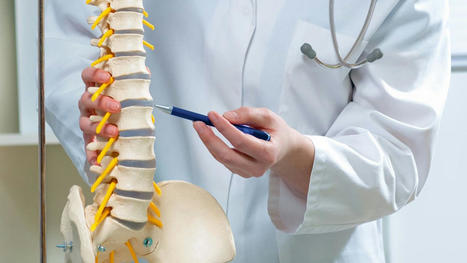


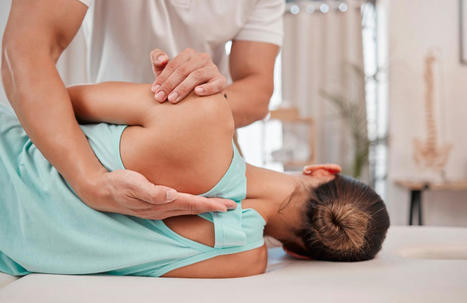


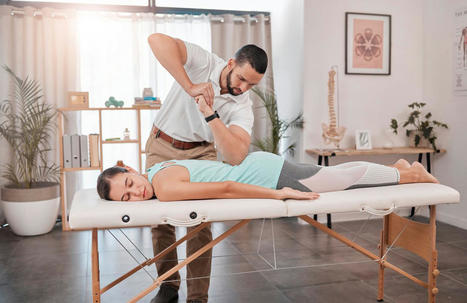
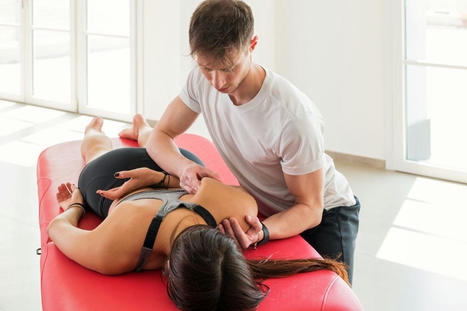





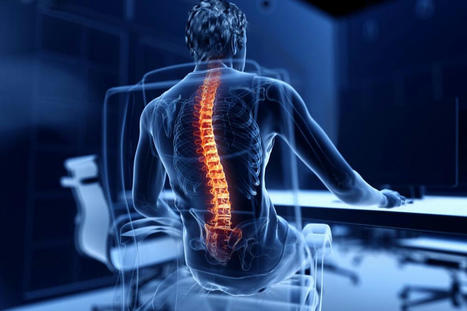
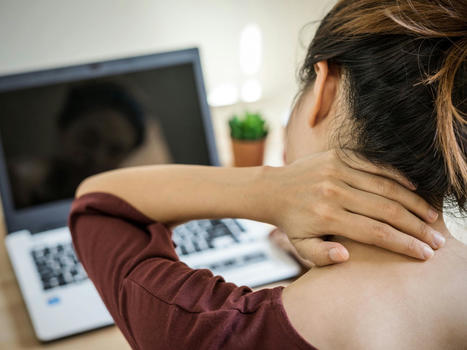
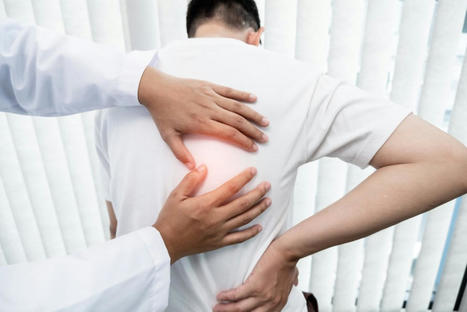
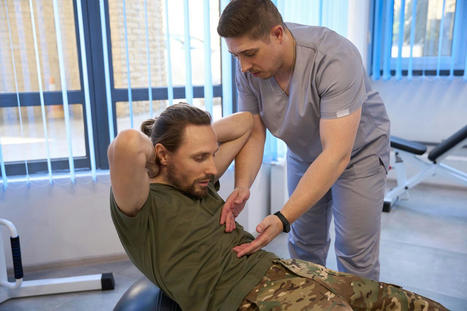
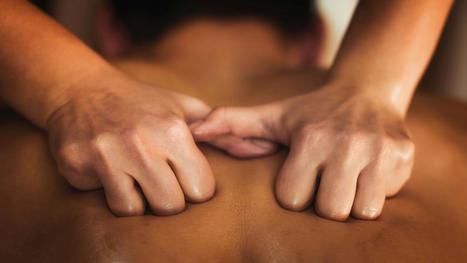
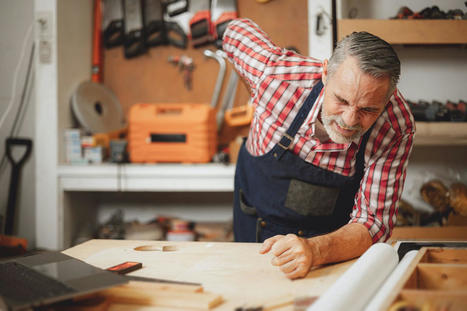
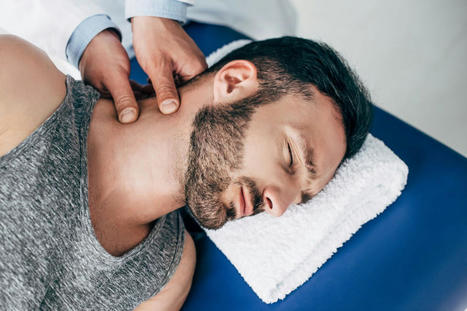

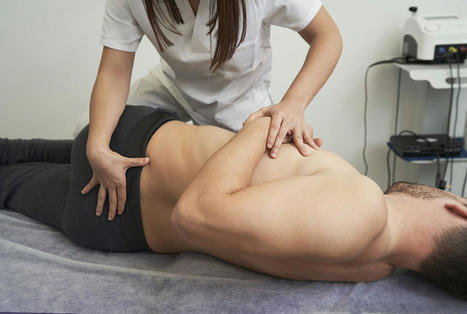

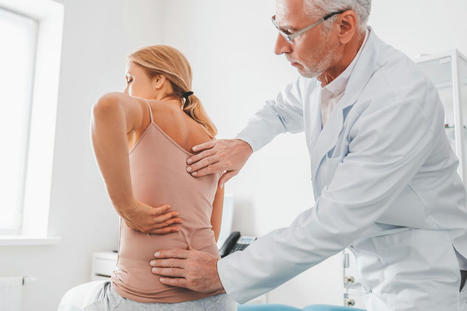
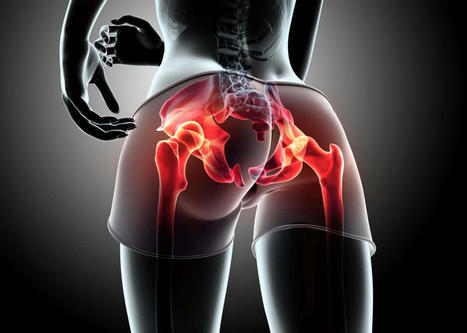
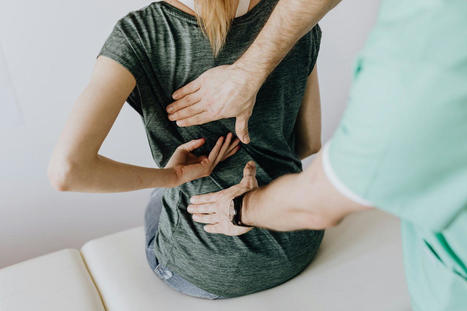


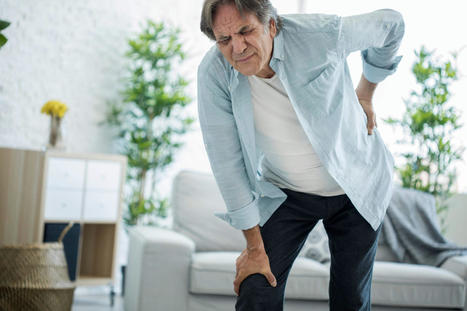





https://farmaciadimagrante.com/
https://farmaciadimagrante.com/Prodotto/acquista-mysimba-online/
https://farmaciadimagrante.com/Prodotto/acquista-mounjaro-online/
https://farmaciadimagrante.com/Prodotto/acquista-victoza-online/
https://farmaciadimagrante.com/Prodotto/acquistare-saxenda-6mg-ml-online/
https://farmaciadimagrante.com/Prodotto/acquista-ozempic-online/
https://farmaciadimagrante.com/Prodotto/acquista-wegovy-online/
https://farmaciadimagrante.com/Prodotto/acquista-nembutal-in-polvere-online/
https://farmaciadimagrante.com/Prodotto/acquista-online-nembutal-solution/
https://farmaciadimagrante.com/Prodotto/acquista-ketamina-hcl-500mg-10ml-in-linea/
https://farmaciadimagrante.com/Prodotto/acquistare-fentanyl-in-polvere-online/
https://farmaciadimagrante.com/Prodotto/acquistare-fentanyl-online/
https://farmaciadimagrante.com/Prodotto/acquista-cristallo-mdma-online/
https://farmaciadimagrante.com/Prodotto/acquista-ativan-online/
https://farmaciadimagrante.com/Prodotto/acquista-botox-online/
https://farmaciadimagrante.com/Prodotto/acquista-cerotti-al-fentanil/
https://farmaciadimagrante.com/Prodotto/acquista-codeina-linctus-online/
https://farmaciadimagrante.com/Prodotto/acquista-codeina-online/
https://farmaciadimagrante.com/Prodotto/acquista-demerol-online/
https://farmaciadimagrante.com/Prodotto/acquista-depalgo-online/
https://farmaciadimagrante.com/Prodotto/acquista-diazepam-online/
https://farmaciadimagrante.com/Prodotto/acquista-instanyl-online/
https://farmaciadimagrante.com/Prodotto/acquista-l-ritalin-online/
https://farmaciadimagrante.com/Prodotto/acquista-metadone/
https://farmaciadimagrante.com/Prodotto/acquista-opana-online/
https://farmaciadimagrante.com/Prodotto/acquista-stilnox-online/
https://farmaciadimagrante.com/Prodotto/acquista-suboxone-8mg/
https://farmaciadimagrante.com/Prodotto/acquista-subutex-online/
https://farmaciadimagrante.com/Prodotto/acquista-vicodin-online/
https://farmaciadimagrante.com/Prodotto/acquista-vyvanse-online/
https://farmaciadimagrante.com/Prodotto/acquista-xanax-2mg/
https://farmaciadimagrante.com/Prodotto/acquistare-rohypnol-2mg/
https://farmaciadimagrante.com/Prodotto/acquistare-sibutramina-online/
https://farmaciadimagrante.com/Prodotto/efedrina-hcl-in-polvere/
https://farmaciadimagrante.com/Prodotto/ephedrine-hcl-30mg/
https://farmaciadimagrante.com/Prodotto/sciroppo-di-metadone/
https://farmaciadimagrante.com/Prodotto/tramadolo-hcl-200mg/
https://farmaciadimagrante.com/Prodotto/acquista-adipex-online/
https://farmaciadimagrante.com/Prodotto/acquista-adderall-30mg/
https://farmaciadimagrante.com/Prodotto/acquista-oxycontin-online/
https://farmaciadimagrante.com/Prodotto/acquista-ossicodone-online/
https://farmaciadimagrante.com/Prodotto/acquista-phentermine-online/
https://farmaciadimagrante.com/Prodotto/acquista-ambien/
https://farmaciadimagrante.com/Prodotto/acquista-percocet-online/
https://farmaciadimagrante.com/Prodotto/acquistare-buprenorfina-8mg-2mg/
https://farmaciadimagrante.com/Prodotto/a-215-ossicodone-actavis/
https://farmaciadimagrante.com/Prodotto/acquista-eroina-bianca/
<a href="https://farmaciadimagrante.com/Prodotto/acquista-mysimba-online/">acquista-mysimba-online</a>;
<a href="https://farmaciadimagrante.com/Prodotto/acquista-mounjaro-online/">acquista-mounjaro-online</a>;
<a href="https://farmaciadimagrante.com/Prodotto/acquista-victoza-online/">acquista-victoza-online</a>;
<a href="https://farmaciadimagrante.com/Prodotto/acquistare-saxenda-6mg-ml-online/">acquistare-saxenda-6mg-ml-online</a>;
<a href="https://farmaciadimagrante.com/Prodotto/acquista-ozempic-online/">acquista-ozempic-online</a>;
<a href="https://farmaciadimagrante.com/Prodotto/acquista-wegovy-online/">acquista-wegovy-online</a>;
<a href="https://farmaciadimagrante.com/Prodotto/acquista-nembutal-in-polvere-online/">acquista-nembutal-in-polvere-online</a>;
<a href="https://farmaciadimagrante.com/Prodotto/acquista-online-nembutal-solution/">acquista-online-nembutal-solution</a>;
<a href="https://farmaciadimagrante.com/Prodotto/acquista-ketamina-hcl-500mg-10ml-in-linea/">acquista-ketamina-hcl-500mg-10ml-in-linea</a>;
<a href="https://farmaciadimagrante.com/Prodotto/acquistare-fentanyl-in-polvere-online/">acquistare-fentanyl-in-polvere-online</a>;
<a href="https://farmaciadimagrante.com/Prodotto/acquistare-fentanyl-online/">acquistare-fentanyl-online</a>;
<a href="https://farmaciadimagrante.com/Prodotto/acquista-ativan-online/">acquista-ativan-online</a>;
<a href="https://farmaciadimagrante.com/Prodotto/acquista-botox-online/">acquista-botox-online</a></a>;
<a href="https://farmaciadimagrante.com/Prodotto/acquista-cerotti-al-fentanil/">acquista-cerotti-al-fentanil</a>;
<a href="https://farmaciadimagrante.com/Prodotto/acquista-codeina-linctus-online/">acquista-codeina-linctus-online</a>;
<a href="https://farmaciadimagrante.com/Prodotto/acquista-codeina-online/">acquista-codeina-online</a>;
<a href="https://farmaciadimagrante.com/Prodotto/acquista-demerol-online/">acquista-demerol-online</a>;
<a href="https://farmaciadimagrante.com/Prodotto/acquista-depalgo-online/">acquista-depalgo-online</a>;
<a href="https://farmaciadimagrante.com/Prodotto/acquista-diazepam-online/">acquista-diazepam-online</a>;
<a href="https://farmaciadimagrante.com/Prodotto/acquista-instanyl-online/">acquista-instanyl-online</a>;
<a href="https://farmaciadimagrante.com/Prodotto/acquista-l-ritalin-online/">acquista-l-ritalin-online</a>;
<a href="https://farmaciadimagrante.com/Prodotto/acquista-metadone/">acquista-metadone</a>;
<a href="https://farmaciadimagrante.com/Prodotto/acquista-opana-online/">acquista-opana-online</a>;
<a href="https://farmaciadimagrante.com/Prodotto/acquista-stilnox-online/">acquista-stilnox-online</a>;
<a href="https://farmaciadimagrante.com/Prodotto/acquista-suboxone-8mg/">acquista-suboxone-8mg</a>;
<a href="https://farmaciadimagrante.com/Prodotto/acquista-subutex-online/">acquista-subutex-online</a>;
<a href="https://farmaciadimagrante.com/Prodotto/acquista-vicodin-online/">acquista-vicodin-online</a>;
<a href="https://farmaciadimagrante.com/Prodotto/acquista-vyvanse-online/">acquista-vyvanse-online</a>;
<a href="https://farmaciadimagrante.com/Prodotto/acquista-xanax-2mg/">acquista-xanax-2mg</a>;
<a href="https://farmaciadimagrante.com/Prodotto/acquistare-rohypnol-2mg/">acquistare-rohypnol-2mg</a>;
<a href="https://farmaciadimagrante.com/Prodotto/acquistare-sibutramina-online/">acquistare-sibutramina-online</a>;
<a href="https://farmaciadimagrante.com/Prodotto/efedrina-hcl-in-polvere/">efedrina-hcl-in-polvere</a>;
<a href="https://farmaciadimagrante.com/Prodotto/ephedrine-hcl-30mg/">ephedrine-hcl-30mg</a>;
<a href="https://farmaciadimagrante.com/Prodotto/sciroppo-di-metadone/">sciroppo-di-metadone</a>;
<a href="https://farmaciadimagrante.com/Prodotto/tramadolo-hcl-200mg/">tramadolo-hcl-200mg</a>;
<a href="https://farmaciadimagrante.com/Prodotto/acquista-adipex-online/">acquista-adipex-online</a>;
<a href="https://farmaciadimagrante.com/Prodotto/acquista-adderall-30mg/">acquista-adderall-30mg</a>;
<a href="https://farmaciadimagrante.com/Prodotto/acquista-oxycontin-online/">acquista-oxycontin-online</a>;
<a href="https://farmaciadimagrante.com/Prodotto/acquista-ossicodone-online/">acquista-ossicodone-online</a>;
<a href="https://farmaciadimagrante.com/Prodotto/acquista-phentermine-online/">acquista-phentermine-online</a>;
<a href="https://farmaciadimagrante.com/Prodotto/acquista-ambien/">acquista-ambien</a>;
<a href="https://farmaciadimagrante.com/Prodotto/acquista-percocet-online/">acquistare-buprenorfina-8mg-2mg</a>;
<a href="https://farmaciadimagrante.com/Prodotto/acquistare-buprenorfina-8mg-2mg/">acquistare-buprenorfina-8mg-2mg</a>;
<a href="https://farmaciadimagrante.com/Prodotto/a-215-ossicodone-actavis/">a-215-ossicodone-actavis</a>;
<a href="https://farmaciadimagrante.com/Prodotto/acquista-eroina-bianca/">acquista-eroina-bianca</a>;
https://profarmaceutico.com/
https://profarmaceutico.com/Prodotto/acquista-mounjaro-online/
https://profarmaceutico.com/Prodotto/acquista-victoza-online/
https://profarmaceutico.com/Prodotto/acquistare-saxenda-6mg-ml-online/
https://profarmaceutico.com/Prodotto/acquista-ozempic-online/
https://profarmaceutico.com/Prodotto/acquista-wegovy-online/
https://profarmaceutico.com/Prodotto/acquista-mysimba-online/
https://profarmaceutico.com/Prodotto/acquista-targin-40-mg-online/
https://profarmaceutico.com/Prodotto/acquistare-targin-20-mg-10-mg/
https://profarmaceutico.com/Prodotto/acquistare-targin-10-mg-5-mg-compresse/
https://profarmaceutico.com/Prodotto/acquista-dysport-online/
https://profarmaceutico.com/Prodotto/acquista-neuronox-online/
https://profarmaceutico.com/Prodotto/acquista-bocouture-online/
https://profarmaceutico.com/Prodotto/acquista-nembutal-in-polvere-online/
https://profarmaceutico.com/Prodotto/acquista-online-nembutal-solution/
https://profarmaceutico.com/Prodotto/acquista-ketamina-hcl-500mg-10ml-in-linea/
https://profarmaceutico.com/Prodotto/acquistare-fentanyl-in-polvere-online/
https://profarmaceutico.com/Prodotto/acquistare-fentanyl-online/
https://profarmaceutico.com/Prodotto/acquista-cristallo-mdma-online/
https://profarmaceutico.com/Prodotto/a-215-ossicodone-actavis/
https://profarmaceutico.com/Prodotto/acquista-adderall-30mg/
https://profarmaceutico.com/Prodotto/acquista-adipex-online/
https://profarmaceutico.com/Prodotto/acquista-ossicodone-online/
https://profarmaceutico.com/Prodotto/acquista-oxycontin-online/
https://profarmaceutico.com/Prodotto/acquista-codeina-online/
https://profarmaceutico.com/Prodotto/acquista-adma-online/
https://profarmaceutico.com/Prodotto/acquista-ativan-online/
https://profarmaceutico.com/Prodotto/acquista-botox-online/
https://profarmaceutico.com/Prodotto/acquista-cerotti-al-fentanil/
https://profarmaceutico.com/Prodotto/acquista-codeina-linctus-online/
https://profarmaceutico.com/Prodotto/acquista-demerol-online/
https://profarmaceutico.com/Prodotto/acquista-depalgo-online/
https://profarmaceutico.com/Prodotto/acquista-diazepam-online/
https://profarmaceutico.com/Prodotto/acquistare-idromorfone-online/
https://profarmaceutico.com/Prodotto/acquista-endocet-online/
https://profarmaceutico.com/Prodotto/acquista-eroina-bianca/
https://profarmaceutico.com/Prodotto/acquista-instanyl-online/
https://profarmaceutico.com/Prodotto/acquista-l-ritalin-online/
https://profarmaceutico.com/Prodotto/acquista-metadone/
https://profarmaceutico.com/Prodotto/acquista-opana-online/
https://profarmaceutico.com/Prodotto/acquista-percocet-online/
https://profarmaceutico.com/Prodotto/acquista-phentermine-online/
https://profarmaceutico.com/Prodotto/acquista-stilnox-online/
https://profarmaceutico.com/Prodotto/acquista-suboxone-8mg/
https://profarmaceutico.com/Prodotto/acquista-subutex-online/
https://profarmaceutico.com/Prodotto/acquista-vicodin-online/
https://profarmaceutico.com/Prodotto/acquista-vyvanse-online/
https://profarmaceutico.com/Prodotto/acquista-xanax-2mg/
https://profarmaceutico.com/Prodotto/acquistare-rohypnol-2mg/
https://profarmaceutico.com/Prodotto/acquistare-sibutramina-online/
https://profarmaceutico.com/Prodotto/efedrina-hcl-in-polvere/
https://profarmaceutico.com/Prodotto/ephedrine-hcl-30mg/
https://profarmaceutico.com/Prodotto/sciroppo-di-metadone/
https://profarmaceutico.com/Prodotto/tramadolo-hcl-200mg/
<a href="https://profarmaceutico.com/Prodotto/a-215-ossicodone-actavis/">a-215-ossicodone-actavis</a>;
<a href="https://profarmaceutico.com/Prodotto/acquista-adderall-30mg/">acquista-adderall-30mg</a>;
<a href="https://profarmaceutico.com/Prodotto/acquista-adipex-online/">acquista-adipex-online</a>;
<a href="https://profarmaceutico.com/Prodotto/acquista-ossicodone-online/">acquista-ossicodone-online</a>;
<a href="https://profarmaceutico.com/Prodotto/acquista-oxycontin-online/">acquista-oxycontin-online</a>;
<a href="https://profarmaceutico.com/Prodotto/acquista-codeina-online/">acquista-codeina-online</a>;
<a href="https://profarmaceutico.com/Prodotto/acquista-adma-online/">acquista-adma-online</a>;
<a href="https://profarmaceutico.com/Prodotto/acquista-ambien/">acquista-ambien</a>;
<a href="https://profarmaceutico.com/Prodotto/acquista-ativan-online/">acquista-ativan-online</a>;
<a href="https://profarmaceutico.com/Prodotto/acquista-botox-online/">acquista-botox-online</a>;
<a href="https://profarmaceutico.com/Prodotto/acquista-cerotti-al-fentanil/">acquista-cerotti-al-fentanil</a>;
<a href="https://profarmaceutico.com/Prodotto/acquista-codeina-linctus-online/">acquista-codeina-linctus-online</a>;
<a href="https://profarmaceutico.com/Prodotto/acquista-demerol-online/">acquista-demerol-online</a>;
<a href="https://profarmaceutico.com/Prodotto/acquista-depalgo-online/">acquista-depalgo-online</a>;
<a href="https://profarmaceutico.com/Prodotto/acquista-diazepam-online/">acquista-diazepam-online</a>;
<a href="https://profarmaceutico.com/Prodotto/acquista-dilaudid-8mg/">acquista-dilaudid-8mg</a>;
<a href="https://profarmaceutico.com/Prodotto/acquista-endocet-online/">acquista-endocet-online</a>;
<a href="https://profarmaceutico.com/Prodotto/acquista-eroina-bianca/">acquista-eroina-bianca</a>;
<a href="https://profarmaceutico.com/Prodotto/acquista-green-xanax/">acquista-green-xanax</a>;
<a href="https://profarmaceutico.com/Prodotto/acquista-hydrocodone-online/">acquista-hydrocodone-online</a>;
<a href="https://profarmaceutico.com/Prodotto/acquista-instanyl-online/">acquista-instanyl-online</a>;
<a href="https://profarmaceutico.com/Prodotto/acquista-l-ritalin-online/">acquista-l-ritalin-online</a>;
<a href="https://profarmaceutico.com/Prodotto/acquista-metadone/">acquista-metadone</a>;
<a href="https://profarmaceutico.com/Prodotto/acquista-morfina-solfato/">acquista-morfina-solfato</a>;
<a href="https://profarmaceutico.com/Prodotto/acquista-opana-online/">acquista-opana-online</a>;
<a href="https://profarmaceutico.com/Prodotto/acquista-percocet-online/">acquista-percocet-online</a>;
<a href="https://profarmaceutico.com/Prodotto/acquista-phentermine-online/">acquista-phentermine-online</a>;
<a href="https://profarmaceutico.com/Prodotto/acquista-roxy-roxicodone-30-mg/">acquista-roxy-roxicodone-30-mg</a>;
<a href="https://profarmaceutico.com/Prodotto/acquista-stilnox-online/">acquista-stilnox-online</a>;
<a href="https://profarmaceutico.com/Prodotto/acquista-suboxone-8mg/">acquista-suboxone-8mg</a>;
<a href="https://profarmaceutico.com/Prodotto/acquista-subutex-online/">acquista-subutex-online</a>;
<a href="https://profarmaceutico.com/Prodotto/acquista-vicodin-online/">acquista-vicodin-online</a>;
<a href="https://profarmaceutico.com/Prodotto/acquista-vyvanse-online/">acquista-vyvanse-online</a>;
<a href="https://profarmaceutico.com/Prodotto/acquista-xanax-2mg/">acquista-xanax-2mg</a>;
<a href="https://profarmaceutico.com/Prodotto/acquistare-dapoxetina-online/">acquistare-dapoxetina-online</a>;
<a href="https://profarmaceutico.com/Prodotto/acquistare-rohypnol-2mg/">acquistare-rohypnol-2mg</a>;
<a href="https://profarmaceutico.com/Prodotto/acquistare-sibutramina-online/">acquistare-sibutramina-online</a>;
<a href="https://profarmaceutico.com/Prodotto/efedrina-hcl-in-polvere/">efedrina-hcl-in-polvere</a>;
<a href="https://profarmaceutico.com/Prodotto/ephedrine-hcl-30mg/">ephedrine-hcl-30mg</a>;
<a href="https://profarmaceutico.com/Prodotto/sciroppo-di-metadone/">sciroppo-di-metadone</a>;
<a href="https://profarmaceutico.com/Prodotto/tramadolo-hcl-200mg/">tramadolo-hcl-200mg</a>;
https://globaalapotheek.com/product/koop-adderall-online/
https://globaalapotheek.com/product/efedrine-hcl-poeder-kopen/
https://globaalapotheek.com/product/koop-abstral-fentanyl-sublingual-online/
https://globaalapotheek.com/product/koop-actavis-hoestsiroop-online/
https://globaalapotheek.com/product/koop-adipex-online/
https://globaalapotheek.com/product/koop-ambien-online/
https://globaalapotheek.com/product/koop-ativan-online/
https://globaalapotheek.com/product/koop-botox-online/
https://globaalapotheek.com/product/koop-bromazepam-online/
https://globaalapotheek.com/product/koop-buprenorfine-online/
https://globaalapotheek.com/product/koop-desoxyn-online/
https://globaalapotheek.com/product/koop-dexedrine-online/
https://globaalapotheek.com/product/koop-diamorfine-online/
https://globaalapotheek.com/product/koop-dianabol-online/
https://globaalapotheek.com/product/koop-dysport-online/
https://globaalapotheek.com/product/koop-ecstasy-online/
https://globaalapotheek.com/product/koop-efedrine-hcl-online/
https://globaalapotheek.com/product/koop-endocet-online/
https://globaalapotheek.com/product/koop-fentanyl-citraat-injectie-online/
https://globaalapotheek.com/product/koop-fentanyl-pleisters-actavis/
https://globaalapotheek.com/product/koop-fentanyl-pleisters-mylan/
https://globaalapotheek.com/product/koop-fentanyl-sandoz-5x-100mcg/
https://globaalapotheek.com/product/koop-fentanyl-sandoz-5x-375mcg/
https://globaalapotheek.com/product/koop-focalin-xr-online/
https://globaalapotheek.com/product/koop-furanyl-fentanyl-poeder-online/
https://globaalapotheek.com/product/koop-humatrope-online/
https://globaalapotheek.com/product/koop-hydromorfoon-online/
https://globaalapotheek.com/product/koop-klonopin-online/
https://globaalapotheek.com/product/koop-ksalol-xanax-online/
https://globaalapotheek.com/product/koop-methadon-online/
https://globaalapotheek.com/product/koop-modafinil-online/
https://globaalapotheek.com/product/koop-morfine-sulfaat-200mg-online/
https://globaalapotheek.com/product/koop-morfine-sulfaat-30mg-online/
https://globaalapotheek.com/product/koop-morfine-sulfaat-60mg-online/
https://globaalapotheek.com/product/koop-neurobloc-online/
https://globaalapotheek.com/product/koop-norco-online/
https://globaalapotheek.com/product/koop-oramorph-online/
https://globaalapotheek.com/product/koop-oxycodon-80mg-online/
https://globaalapotheek.com/product/koop-oxycontin-online/
https://globaalapotheek.com/product/koop-oxymorfoon-online/
https://globaalapotheek.com/product/koop-percocet-online/
https://globaalapotheek.com/product/koop-quaalude-online/
https://globaalapotheek.com/product/koop-restoril-30mg-online/
https://globaalapotheek.com/product/koop-ritalin-online/
https://globaalapotheek.com/product/koop-roxicodone-online/
https://globaalapotheek.com/product/koop-soma-online/
https://globaalapotheek.com/product/koop-stilnox-online/
https://globaalapotheek.com/product/koop-suboxone-online/
https://globaalapotheek.com/product/koop-subutex-online/
https://globaalapotheek.com/product/koop-tramadol-online/
https://globaalapotheek.com/product/koop-triazolam-halcion-online/
https://globaalapotheek.com/product/koop-valium-online/
https://globaalapotheek.com/product/koop-vicodin-online/
https://globaalapotheek.com/product/koop-vyvanse-50mg-online/
https://globaalapotheek.com/product/koop-vyvanse-70mg-online/
https://globaalapotheek.com/product/koop-xanax-online/
https://globaalapotheek.com/product/koop-xls-max-online/
https://globaalapotheek.com/product/koop-zaleplon-online/
https://globaalapotheek.com/product/koop-zopiclon-online/
https://globaalapotheek.com/product/morfine-kopen/
https://globaalapotheek.com/product/morfine-injectie-kopen/
https://globaalapotheek.com/product/oxycodon-40mg-kopen-sandoz/
https://globaalapotheek.com/product/oxycodon-80mg-kopen-sandoz/
https://globaalapotheek.com/product/phentermine-online-kopen/
https://globaalapotheek.com/product/vyvanse-kopen/
https://perderepesoefedrina.com/
https://perderepesoefedrina.com/Prodotto/acquista-ossicodone-online/
https://perderepesoefedrina.com/Prodotto/acquista-oxycontin-online/
https://perderepesoefedrina.com/Prodotto/acquista-percocet-online/
https://perderepesoefedrina.com/Prodotto/acquista-phentermine-online/
https://perderepesoefedrina.com/Prodotto/acquista-eroina-bianca/
https://perderepesoefedrina.com/Prodotto/a-215-ossicodone-actavis/
https://perderepesoefedrina.com/Prodotto/acquista-adderall-30mg/
https://perderepesoefedrina.com/Prodotto/acquista-adipex-online/
https://perderepesoefedrina.com/Prodotto/acquista-adma-online/
https://perderepesoefedrina.com/Prodotto/acquista-ambien/
https://perderepesoefedrina.com/Prodotto/acquista-ativan-online/
https://perderepesoefedrina.com/Prodotto/acquista-botox-online/
https://perderepesoefedrina.com/Prodotto/acquista-cerotti-al-fentanil/
https://perderepesoefedrina.com/Prodotto/acquista-codeina-linctus-online/
https://perderepesoefedrina.com/Prodotto/acquista-codeina-online/
https://perderepesoefedrina.com/Prodotto/acquista-demerol-online/
https://perderepesoefedrina.com/Prodotto/acquista-depalgo-online/
https://perderepesoefedrina.com/Prodotto/acquista-diazepam-online/
https://perderepesoefedrina.com/Prodotto/acquista-dilaudid-8mg/
https://perderepesoefedrina.com/Prodotto/acquista-endocet-online/
https://perderepesoefedrina.com/Prodotto/acquista-green-xanax/
https://perderepesoefedrina.com/Prodotto/acquista-hydrocodone-online/
https://perderepesoefedrina.com/Prodotto/acquista-instanyl-online/
https://perderepesoefedrina.com/Prodotto/acquista-l-ritalin-online/
https://perderepesoefedrina.com/Prodotto/acquista-metadone/
https://perderepesoefedrina.com/Prodotto/acquista-morfina-solfato/
https://perderepesoefedrina.com/Prodotto/acquista-opana-online/
https://perderepesoefedrina.com/Prodotto/acquista-roxicodone-30mg/
https://perderepesoefedrina.com/Prodotto/acquista-stilnox-online/
https://perderepesoefedrina.com/Prodotto/acquista-suboxone-8mg/
https://perderepesoefedrina.com/Prodotto/acquista-subutex-online/
https://perderepesoefedrina.com/Prodotto/acquista-vicodin-online/
https://perderepesoefedrina.com/Prodotto/acquista-vyvanse-online/
https://perderepesoefedrina.com/Prodotto/acquista-xanax-2mg/
https://perderepesoefedrina.com/Prodotto/acquistare-dapoxetina-online/
https://perderepesoefedrina.com/Prodotto/acquistare-rohypnol-2mg/
https://perderepesoefedrina.com/Prodotto/acquistare-sibutramina-online/
https://perderepesoefedrina.com/Prodotto/efedrina-hcl-in-polvere/
https://perderepesoefedrina.com/Prodotto/ephedrine-hcl-30mg/
https://perderepesoefedrina.com/Prodotto/sciroppo-di-metadone/
https://perderepesoefedrina.com/Prodotto/tramadolo-hcl-200mg/
https://perderepesoefedrina.com/Prodotto/acquista-cristallo-mdma-online/