RÉSEAUX SOCIAUX & SANTÉ : INFORMER. ÉCHANGER. COMPRENDRE.
481.7K views | +2 today

Réseaux sociaux : révolutionnaire blockchain

From bfmbusiness.bfmtv.com

A l’heure ou des géants du web comme Facebook perdent des millions d’utilisateurs chaque année, d’autres réseaux sociaux voient leur communauté de contributeurs augmenter. Logique, leurs publications sont récompensées.
No comment yet.

Can Social Media Cure Cancer?

From www.news2nd.com

Cancer kills more people in the United States than accidents, stroke, . In 2017, despite spending 147 billion U.S. healthcare dollars on cancer care, 600,000 people died from cancer and 1.7 million new people  with cancer. But the news is not all grim: in all, from cancer over the past 25 years, due to a consistent yearly decrease in cancer deaths.

The improvement in cancer mortality- i.e. how likely are you to die from your newly diagnosed cancer- is the direct result of advances in cancer detection and cancer care. Clinical trials fuel this progress. At their core, clinical trials seek to improve on the current accepted treatment for a given cancer.   By enrolling patients into a clinical trial, researchers can offer investigational or unproven treatment and , or failure, in an unbiased way.

Patients with cancer are often motivated and engaged with their physicians and treatment decisions. The majority of patients seek .  Unfortunately,  of patients with cancer in the United States participate in clinical trials. Why so few? Part of the reason is fear of the unknown. In a survey conducted by Memorial Sloan Kettering Cancer Center in New York only 35% of patients responded they were “likely” to participate in a clinical trial, due to concerns about side effects, costs, location, and or unproven treatment. Yet, the actual percentage of patients who are enrolled in the U.S. is even lower, at only 5%.  The solution in increasing that rate may lie in harnessing the inherent power of social media.

Social media should be used to educate the public about the goal of clinical trials and to encourage more participation. Physicians need to create a visible presence online to dispel the common misbelief that clinical trials are only appropriate for patients who are dying, or for those left without any other treatments options.

A major deterrent to clinical trial enrollment is finding a trial you are eligible for. Social media can help recruit patients by raising awareness of open trials. Awareness is vital because the more quickly a trial is filled with patients, the sooner we can obtain its results. Trials that don’t accrue enough patients ultimately close, which means both wasted research dollars, and unanswered clinical trial questions. If we can spread awareness of open clinical trials on social media, more patients can enroll, which not only saves money, but aids the progress against cancer. As soon as we have an answer to one trial, researchers can move onto the next.

This trend has been slow to start. Researchers at the University of Southern California are investigating the utility of using Twitter to their institution’s clinical trials. Some patients contact physicians directly via social media, including an oncologist at M.D. Anderson Cancer Center, who routinely receives messages via Twitter from patients interested in enrolling in a trial. She has also recently joined the , which is an online community for patients with colorectal cancer. In this patient forum, Dr. Eng highlights clinical trials for patients with colorectal cancer and directly answers questions posed to her about the trials. , an oncologist at UT Southwestern Medical Center, has had patients who initially searched the  of open clinical trials, who then contacted her study coordinator to enroll.

Online communities such as the Twitter group and the  Twitter group both host weekly Twitter-based chats to educate patients about lung cancer. These online communities were started by and are maintained by a cooperative of patients and physicians, and have had a strong impact facilitating patient advocacy and education, including information about clinical trials.

is an adult cancer clinical trials organization sponsored by the National Cancer Institute. It represents the combined efforts and members of the 3 founding cancer clinical trials organizations in the U.S.: the National Surgical Adjuvant Breast and Bowel Project (NSABP), the Radiation Therapy Oncology Group (RTOG), and the Gynecologic Oncology Group (GOG). I recently participated in their Social Media Working Group to help design their pilot program utilizing social media to share information about open clinical trials with patients.

, an oncologist at the University of Florida who headed this mission, said "NRG Oncology recognizes the need to engage patients where they are - which today, often includes social media.  To that end, the NRG Communications Committee, with valuable input from patient advocates, is developing a comprehensive pilot program of social media-based patient engagement for clinical trial awareness and participation." NRG also prioritizes a patient-centered approach when designing their trials, and works with patient advocates and representatives for all their programs.

This movement to expand direct patient-advertising is encouraging, but more needs to be done. Social media can offer more than just information about trials because of its ability to bring researchers and patients together remotely. Currently, many clinical trials are available only at large cancer hospitals because they have the resources to run, open, and maintain trials. FDA regulations require tremendous oversight at every aspect of trial implementation, which means that small hospitals often can’t afford to enroll patients on trials. If a patient wants to enroll onto a trial, they may be required to discontinue their care at their local hospital. This is a major deterrent for patients to enroll on trials. What if a patient in rural Idaho could be enrolled onto a trial at a major cancer center in NJ? Social media should be used to recreate the framework of trial design, starting with making it easier for patients to enroll remotely. Doing so would ease the burden for physicians and patients to recommend participation in clinical trials, especially at community hospitals and in underserved areas, who don’t have the resources to maintain their own trials.

Enrolling patients onto trials more quickly would free up research dollars to run more trials, such as patient-centered trials uniquely designed by a social media community. This untapped source of volunteers from across the U.S. would be able to participate in trials in unprecedented numbers. Researchers would have open channels of communication with large numbers of patients, who they could pose questions directly to, such as “what kind of trials are you willing to participate in?”

There are real barriers to this proposed social-media driven model. Patient privacy must be protected, which means implementing strict protocols for sharing confidential patient information.  Moreover, the language used to advertise clinical trials is strictly regulated:  the future of social media driven clinical trials cannot include pitches like “Come join our trial to save your life!” Researchers need to obtain informed consent from each trial participant, which is more difficult when done remotely. And, monitoring the day-to-day running of the trial may be cumbersome, due to different physicians’ treatment style, monitoring of side effects, and determination of treatment success or failure. While the above obstacles will necessitate careful attention, the time has some to utilize social media for improving cancer care. Let’s investigate new ways to engage patients, not simply funnel them into our current inadequate paradigm.

The sooner we embrace it, the more lives we can potentially save.

No comment yet.

Les réseaux sociaux en guerre contre les anti-vaccins

From www.jim.fr

Paris, le mardi 26 février 2019 - Plusieurs réseaux sociaux ont communiqué ces derniers jours sur les efforts qu’ils ont entrepris pour lutter contre la diffusion de messages de désinformation sur les vaccins.
Alors que les foyers de rougeole se multiplient aux Etats-Unis (159 personnes touchées [...]
No comment yet.

Patients' perspectives on COPD: findings from a social media listening study  #esante #hcsmeufr #digitalhealth

From openres.ersjournals.com

We utilised social media listening (SML) to obtain patients' perspectives on symptoms, diagnosis and comorbidities associated with chronic obstructive pulmonary disease (COPD) and its impact on patients' quality of life (QoL).

A comprehensive search on social media platforms was performed for English language content posted between July 2016 and January 2018 using COPD-related terms. Social Studio, a social media data aggregator tool, was used to capture relevant records. The content was manually curated to analyse and map psychological aspects with descriptive statistics applied on aggregated findings.

A total of 849 posts from patients or caregivers (“patient insights”) were considered for the analysis, corresponding to postings of 695 unique individuals. Based on 734 mentions of symptoms from 849 posts by potential patients/caregivers, cough (27%), mucus (25%) and shortness of breath (21%) were the most frequent; analysis by perceived COPD severity indicated these to be common across all severities. Difficulty in mucus clearance (24% of 268 mentions) and sadness (40% of 129 mentions) were top among the aspects impacting physical and emotional QoL, respectively.

SML from patients with COPD indicated that relief from cough, mucus production and shortness of breath would be the most desirable aspects of disease management from a patient's perspective.

Cough, mucus and dyspnoea are the most frequently discussed symptoms on social media by patients with COPD <http://ow.ly/WdnU30mZ7ZP>
No comment yet.

Une étude commandée par Snapchat explique pourquoi nous utilisons différents réseaux sociaux

From reseaux-professionnels.fr

Cette étude commandée par Snapchat cherche à identifier pourquoi, comment et quand les internautes utilisent tel ou tel réseau social.
No comment yet.

How Social Media Can Advance Cancer Research #esante #hcsmeufr #digitalhealth

From www.forbes.com

Cancer kills more people in the United States than accidents, stroke, Alzheimer’s and diabetes combined. In 2017, despite spending 147 billion U.S. healthcare dollars on cancer care, 600,000 people died from cancer and 1.7 million new people were diagnosed with cancer. But the news is not all grim: in all, 2.6 million lives were saved from cancer over the past 25 years, due to a consistent yearly decrease in cancer deaths.

The improvement in cancer mortality- i.e. how likely are you to die from your newly diagnosed cancer- is the direct result of advances in cancer detection and cancer care. Clinical trials fuel this progress. At their core, clinical trials seek to improve on the current accepted treatment for a given cancer.   By enrolling patients into a clinical trial, researchers can offer investigational or unproven treatment and measure its success, or failure, in an unbiased way.

Patients with cancer are often motivated and engaged with their physicians and treatment decisions. The majority of patients seek support and resources online.  Unfortunately, fewer than 5% of patients with cancer in the United States participate in clinical trials. Why so few? Part of the reason is fear of the unknown. In a survey conducted by Memorial Sloan Kettering Cancer Center in New York only 35% of patients responded they were “likely” to participate in a clinical trial, due to concerns about side effects, costs, location, and skepticism about receiving a placebo or unproven treatment. Yet, the actual percentage of patients who are enrolled in the U.S. is even lower, at only 5%.  The solution in increasing that rate may lie in harnessing the inherent power of social media.


Social media should be used to educate the public about the goal of clinical trials and to encourage more participation. Physicians need to create a visible presence online to dispel the common misbelief that clinical trials are only appropriate for patients who are dying, or for those left without any other treatments options.

A major deterrent to clinical trial enrollment is finding a trial you are eligible for. Social media can help recruit patients by raising awareness of open trials. Awareness is vital because the more quickly a trial is filled with patients, the sooner we can obtain its results. Trials that don’t accrue enough patients ultimately close, which means both wasted research dollars, and unanswered clinical trial questions. If we can spread awareness of open clinical trials on social media, more patients can enroll, which not only saves money, but aids the progress against cancer. As soon as we have an answer to one trial, researchers can move onto the next.


This trend has been slow to start. Researchers at the University of Southern California are investigating the utility of using Twitter to recruit patients to their institution’s clinical trials. Some patients contact physicians directly via social media, including Dr. Cathy Eng, an oncologist at M.D. Anderson Cancer Center, who routinely receives messages via Twitter from patients interested in enrolling in a trial. She has also recently joined the Colontown Facebook group, which is an online community for patients with colorectal cancer. In this patient forum, Dr. Eng highlights clinical trials for patients with colorectal cancer and directly answers questions posed to her about the trials. Dr. Suzanne Cole, an oncologist at UT Southwestern Medical Center, has had patients who initially searched the National Cancer Institute's database of open clinical trials, who then contacted her study coordinator to enroll.

Online communities such as the #LCSM (Lung Cancer Social Media)Twitter group and the #BCSM (Breast Cancer Social Media) Twitter group both host weekly Twitter-based chats to educate patients about lung cancer. These online communities were started by and are maintained by a cooperative of patients and physicians, and have had a strong impact facilitating patient advocacy and education, including information about clinical trials.

NRG Oncology is an adult cancer clinical trials organization sponsored by the National Cancer Institute. It represents the combined efforts and members of the 3 founding cancer clinical trials organizations in the U.S.: the National Surgical Adjuvant Breast and Bowel Project (NSABP), the Radiation Therapy Oncology Group (RTOG), and the Gynecologic Oncology Group (GOG). I recently participated in their Social Media Working Group to help design their pilot program utilizing social media to share information about open clinical trials with patients.


Dr. Thomas George, an oncologist at the University of Florida who headed this mission, said "NRG Oncology recognizes the need to engage patients where they are - which today, often includes social media.  To that end, the NRG Communications Committee, with valuable input from patient advocates, is developing a comprehensive pilot program of social media-based patient engagement for clinical trial awareness and participation." NRG also prioritizes a patient-centered approach when designing their trials, and works with patient advocates and representatives for all their programs.

This movement to expand direct patient-advertising is encouraging, but more needs to be done. Social media can offer more than just information about trials because of its ability to bring researchers and patients together remotely. Currently, many clinical trials are available only at large cancer hospitals because they have the resources to run, open, and maintain trials. FDA regulations require tremendous oversight at every aspect of trial implementation, which means that small hospitals often can’t afford to enroll patients on trials. If a patient wants to enroll onto a trial, they may be required to discontinue their care at their local hospital. This is a major deterrent for patients to enroll on trials. What if a patient in rural Idaho could be enrolled onto a trial at a major cancer center in NJ? Social media should be used to recreate the framework of trial design, starting with making it easier for patients to enroll remotely. Doing so would ease the burden for physicians and patients to recommend participation in clinical trials, especially at community hospitals and in underserved areas, who don’t have the resources to maintain their own trials.

Enrolling patients onto trials more quickly would free up research dollars to run more trials, such as patient-centered trials uniquely designed by a social media community. This untapped source of volunteers from across the U.S. would be able to participate in trials in unprecedented numbers. Researchers would have open channels of communication with large numbers of patients, who they could pose questions directly to, such as “what kind of trials are you willing to participate in?”

There are real barriers to this proposed social-media driven model. Patient privacy must be protected, which means implementing strict protocols for sharing confidential patient information.  Moreover, the language used to advertise clinical trials is strictly regulated:  the future of social media driven clinical trials cannot include pitches like “Come join our trial to save your life!” Researchers need to obtain informed consent from each trial participant, which is more difficult when done remotely. And, monitoring the day-to-day running of the trial may be cumbersome, due to different physicians’ treatment style, monitoring of side effects, and determination of treatment success or failure. While the above obstacles will necessitate careful attention, the time has some to utilize social media for improving cancer care. Let’s investigate new ways to engage patients, not simply funnel them into our current inadequate paradigm.

The sooner we embrace it, the more lives we can potentially save.


Dr. Knoll can be contacted on Twitter @MKnoll_MD, on instagram @Dr.Mimi.K or via email @MomOncologist@gmail.com

No comment yet.

Scientists turn to social media to track #hcsmeufr #esante #digitalhealth

From distilgovhealth.com

Scientists seek to predict pending pandemic

Studying human behavior on a large scale has long been used to try to predict how diseases move through a population.

In the latest twist on this principle, an online footprint may offer valuable insight to researchers who are trying to thwart deadly disease outbreaks before they become widespread.

Scientists, frustrated with insufficient prediction models, are more frequently turning to Twitter posts and Google searches to monitor in real time how viruses like seasonal influenza and other communicable diseases may spread.

But it’s complicated. As experts look at everything from local health reports to search engine statistics and complex algorithms, there remains only cautious optimism about progress.

“We think there’s some work still left to do in this space,” said Matthew Biggerstaff, an epidemiologist at the CDC in Atlanta.

Even the newest prediction models remain “way too simple” to forecast transmission, said Jorge A. Alfaro-Murillo, an associate research scientist in the Center for Infectious Disease Modeling and Analysis at the Yale School of Public Health.

CDC scientists are trying to predict flu activity accurately weeks or months before an outbreak.

Since 2013, the agency has organized a seasonal influenza prediction challenge known as FluSight, with external researchers, in an attempt to enhance the predictability potential of flu season.

Each team of flu scientists uses a different method. Some track people’s Google searches, while some evaluate flu-related hospitalizations. Others devise complex mathematical algorithms.

“We’re doing all of this to not only improve our seasonal response, but then understand how we might go about forecasting a pandemic if it occurred,” said Biggerstaff.

A pandemic is a worldwide disease outbreak that affects a large number of people.

The goal is to eventually provide a more timely, forward-looking tool that predicts flu activity instead of simply tracking it. Such a tool could improve public health decision-making and allow health officials to be more proactive.

Devising an accurate model will depend on a multifaceted approach, Biggerstaff said. But while the teams have gained new insight from the annual challenge, there’s not a clear signal yet about which model’s predictions consistently deliver the most accurate data.

Following inspiration from the FluSight challenge, a recent study published in the Proceedings of the National Academy of Sciences looked at 22 different flu forecast models and compared them with each other based on their individual performances across seven influenza seasons.

The study found that more than half of the models performed better as compared to a ‘’historical baseline,’’ a model that makes predictions based on past trends.

Despite the findings, the authors of the study say they believe that their sample size of 22 models is small and not ideal to make strong conclusions about comparative model performance. They conclude that flu forecasting is a continual work in progress, limited by several factors such as data quality, geographical scale of forecasts, weather patterns and population density of the areas under surveillance.

Nevertheless, scientists at the University of Georgia hope an early warning system that they described earlier this year will be able to overcome some of the hurdles.

In a study published online in June in the Journal of Royal Society Interface, UGA researchers looked at the “contagion process,” or the way in which infectious diseases are transmitted.

“Some of the ways in which you get new infectious diseases are evolutionary, but there can also be changes in the way that people are responding to being infected,” said John Drake, an author on the study and a research professor at UGA.

The team wanted to understand the tipping point or threshold that indicates if an ecosystem is prone to an outbreak based on factors such as the number of infections caused by a pathogen and how easy it is for the pathogen to be transmitted.

“What we’re interested in is if you can measure how far you are from that threshold based on how many infections you see in a population,” Drake explained.

Based on mathematical calculations, the team came up with a formula to measure the approximate distance to the time when the tipping point is likely to turn into an outbreak. They were able to predict changes in the distance to thresholds that are generally known to change over time, and were also able to demonstrate how those changes could be tracked.

The researchers say they believe their approach may apply to a range of diseases, including pathogens such as Middle East respiratory syndrome-related coronavirus and vaccine-preventable diseases like measles.

The study is part of a larger project called Project AERO — which stands for Anticipating Emerging and Reemerging Outbreaks — and is funded by the National Institutes of Health to help develop early warning signals for infectious diseases.

It’s important to note that several mathematical models have been established in the past. So far none offers a perfect solution to the problem of predicting pandemics.

Modeling can be useful, but they are not yet ready for prime time, said Yale’s Alfaro-Murillo, whose research is also dedicated to the mathematical modeling of infectious diseases.

He said he agrees that the UGA research is interesting and of theoretical value, but he also says we’re still far from being able to predict an outbreak. A good model should be sensitive enough to differentiate between different diseases occurring in different geographical locations.

The only viable test to prove the appropriateness of a mathematical model is existing data and applying the model to disease cases in real time.

While a usable concept is still distant, researchers are not backing down.

“The truth is we’re not very good at making those predictions,” Drake said. “But sometimes poor predictions are better than no predictions at all.”

No comment yet.

Facebook rolls out blood donation program in the US #hcsmeufr #esante #digitalhealth

From www.mobihealthnews.com

The program launched in Pakistan, Brazil, India and Bangladesh and will soon expand to the US.
No comment yet.

Facebook is about to launch a tool in the US that pings you to donate blood when there are shortages #esante #hcsmeufr #digitalhealth

From www.businessinsider.fr

The social network has a blood donation tool in 4 countries that lets users give and ask for blood. It plans to launch a similar feature in the US.
No comment yet.

Twitter Health Surveillance (THS) System #esante #digitalhealth #hcsmeufr cc @evepie @giomarsi

From www.ncbi.nlm.nih.gov

We present the Twitter Health Surveillance (THS) application framework. THS is designed as an integrated platform to help health officials collect tweets, determine if they are related with a medical condition, extract metadata out of them, and create a big data warehouse that can be used to further analyze the data. THS is built atop open source tools and provides the following value added services: Data Acquisition, Tweet Classification, and Big Data Warehousing. In order to validate THS, we have created a collection of roughly twelve thousands labelled tweets. These tweets contain one or more target medical terms, and the labels indicate if the tweet is related or not to a medical condition. We used this collection to test various models based on LSTM and GRU recurrent neural networks. Our experiments show that we can classify tweets with 96% precision, 92% recall, and 91% F1 score. These results compare favorably with recent research on this area, and show the promise of our THS system.

Pablo matias's curator insight, April 8, 2020 10:05 PM
https://globalresearchchems.com/product/buy-u47700-powder/
https://globalresearchchems.com/product/fentanyl-transdermal-system-patch/
https://globalresearchchems.com/product/buy-oxycontin-10mg-pills-oxycodone/
https://globalresearchchems.com/product/buy-fentanyl-citrate-injection-online/
https://globalresearchchems.com/product/buy-morphine-30mg-online/
https://globalresearchchems.com/product/heroin/
https://globalresearchchems.com/product/buy-3-fpm-crystal-online/
https://globalresearchchems.com/product/buy-mdma-crystal-powder-online/
https://globalresearchchems.com/product/hexylone/
https://globalresearchchems.com/product/adderall-30mg-2-2/
https://globalresearchchems.com/product/dexedrine-10mg-15mg-2-2/
https://globalresearchchems.com/product/focalin-20mg-2-2/
https://globalresearchchems.com/product/ritalin-10mg-20mg-2-2/
https://globalresearchchems.com/product/buy-vyvanse-online/
https://globalresearchchems.com/product/buy-vyvanse-70mg-online/
https://globalresearchchems.com/product/buy-3-meo-pcp/
https://globalresearchchems.com/product/buy-4-aco-dmt-online/
https://globalresearchchems.com/product/4-bmc/
https://globalresearchchems.com/product/4-cec/
https://globalresearchchems.com/product/4-mpd/
https://globalresearchchems.com/product/4f-php/
https://globalresearchchems.com/product/4fma/
https://globalresearchchems.com/product/5f-cumyl/
https://globalresearchchems.com/product/buy-5f-mdmb-2201-online/
https://globalresearchchems.com/product/5f-pcn/
https://globalresearchchems.com/product/5fur-144/
https://globalresearchchems.com/product/buy-5-meo-dmt-online/
https://globalresearchchems.com/product/adbf/
https://globalresearchchems.com/product/alien-labs/
https://globalresearchchems.com/product/buy-alprazolam-online-usa/
https://globalresearchchems.com/product/bloom-vape/
https://globalresearchchems.com/product/buy-dibutylone-online/
https://globalresearchchems.com/product/buy-dmt-crystals-online/
https://globalresearchchems.com/product/buy-etizolam-powder-online/
https://globalresearchchems.com/product/fab-144/
https://globalresearchchems.com/product/flephedrone/
https://globalresearchchems.com/product/fub-amb/
https://globalresearchchems.com/product/heroin/
https://globalresearchchems.com/product/hexylone/
https://globalresearchchems.com/product/buy-ketamine-online/
https://globalresearchchems.com/product/buy-mdma-crystal-powder-online/
https://globalresearchchems.com/product/buy-mdphp-online-usa/
https://globalresearchchems.com/product/buy-mephedrone-online-4-mmc-for-sale/
https://globalresearchchems.com/product/methadone-10-mg-2-2/
https://globalresearchchems.com/product/buy-methamphetamine-meth-ice-and-powder/
https://globalresearchchems.com/product/buy-methylone-crystals-online/
https://globalresearchchems.com/product/mmb-2201/
https://globalresearchchems.com/product/mmbc/
https://globalresearchchems.com/product/buy-morphine-30mg-online/
https://globalresearchchems.com/product/nm-2201/
https://globalresearchchems.com/product/buy-saxenda-liraglutide-6mg-ml-2-2/
https://globalresearchchems.com/product/sgt-263/
https://globalresearchchems.com/product/thpvp/
https://globalresearchchems.com/product/buy-xanax-online/
https://globalresearchchems.com/product/buy-mdma-pills-online/
https://globalresearchchems.com/product/buy-lsd-blotter-online/
https://420purityeco.com/product/holy-grail-og
https://420purityeco.com/product/blue-dream-2
https://420purityeco.com/product/purple-haze
https://420purityeco.com/product/northern-lights-moon-rocks
https://420purityeco.com/product/white-widow/
https://420purityeco.com
https://420purityeco.com/product/champignon-mushrooms
https://420purityeco.com/product/larry-og

https://haufeltd.com/product/3m-1860-n95-2/

https://legitresearchchemicals.com/buy-alprazolam-powder-online/

Fighting misinformation on social media using crowdsourced judgments of news source quality #esante #digitalhealth #hcsmeufr

From www.pnas.org

Many people consume news via social media. It is therefore desirable to reduce social media users’ exposure to low-quality news content. One possible intervention is for social media ranking algorithms to show relatively less content from sources that users deem to be untrustworthy. But are laypeople’s judgments reliable indicators of quality, or are they corrupted by either partisan bias or lack of information? Perhaps surprisingly, we find that laypeople—on average—are quite good at distinguishing between lower- and higher-quality sources. These results indicate that incorporating the trust ratings of laypeople into social media ranking algorithms may prove an effective intervention against misinformation, fake news, and news content with heavy political bias.

Reducing the spread of misinformation, especially on social media, is a major challenge. We investigate one potential approach: having social media platform algorithms preferentially display content from news sources that users rate as trustworthy. To do so, we ask whether crowdsourced trust ratings can effectively differentiate more versus less reliable sources. We ran two preregistered experiments ( n = 1,010 from Mechanical Turk and n = 970 from Lucid) where individuals rated familiarity with, and trust in, 60 news sources from three categories: ( i ) mainstream media outlets, ( ii ) hyperpartisan websites, and ( iii ) websites that produce blatantly false content (“fake news”). Despite substantial partisan differences, we find that laypeople across the political spectrum rated mainstream sources as far more trustworthy than either hyperpartisan or fake news sources. Although this difference was larger for Democrats than Republicans—mostly due to distrust of mainstream sources by Republicans—every mainstream source (with one exception) was rated as more trustworthy than every hyperpartisan or fake news source across both studies when equally weighting ratings of Democrats and Republicans. Furthermore, politically balanced layperson ratings were strongly correlated ( r = 0.90) with ratings provided by professional fact-checkers. We also found that, particularly among liberals, individuals higher in cognitive reflection were better able to discern between low- and high-quality sources. Finally, we found that excluding ratings from participants who were not familiar with a given news source dramatically reduced the effectiveness of the crowd. Our findings indicate that having algorithms up-rank content from trusted media outlets may be a promising approach for fighting the spread of misinformation on social media.
No comment yet.

The Social Side of Medicine: Using Instagram to Build the Physician-Patient Relationship  #esante #hcsmeufr #digitalhealth

From www.pennmedicine.org

Do you remember the last time you met a new doctor? Chances are, they were little more than a stranger whose job you knew was to help you feel better. If you found yourself feeling this way, you are not alone. Studies have found that the majority of primary care physicians spend 16 minutes or less with their patients during an appointment. In this time, a doctor has to communicate with the patient, determine a diagnosis, a course of treatment, and whether next steps such as additional testing are necessary. This leaves little time for trust and rapport building.

In a 2000 study published by the National Institutes of Health, researchers wrote, “trust is a defining element in any interpersonal relationship, but is particularly central to the patient-physician relationship.” The same study posited that the more trust patients have in their health care providers, the more willing they may be to follow their doctor’s orders. Even so, clinicians aren’t in a position to create more time in a day, and this is where new methods for trust-building, or at least a look behind the proverbial medical curtain may prove useful. Enter Instagram.

In June of 2018, it was estimated that approximately 105 million people in the United States used Instagram. Unsurprisingly, this number includes countless medical professionals. As social media has become a more active part of peoples’ lives, health care systems have embraced it. At Penn, Facebook, Twitter, Instagramand LinkedIn are leveraged to communicate FDA approvals, strategies for tackling common issues like a lack of sleep, and communicating new ways to deliver care.

“When I joined Penn in September of 2018, I started working with communications and marketing teams within the health system to think about ways to educate the public about what I do every day, particularly outside of seeing patients,” recalls Sonal Mayekar, MD, a radiation oncologist at Penn Radiation Oncology Doylestown. It was out of this conversation that the idea of hosting a day-long Instagram “takeover” – in which Mayekar would post directly to Penn Medicine’s Instagram account – began to take root.


For Mayekar, who was studying at Carnegie Mellon University when Facebook first opened up to college students nationwide, an Instagram takeover felt like a natural way to shed light on a typical day for her, while representing her generation of clinicians. “I grew up with dial-up internet, when email and instant messaging were new and everyone was trying to figure it all out. Social media wasn’t there. After instant messaging came Facebook, and that was exciting. I feel like this was the first generation to take hold of social media in college, and I continued to grow with it. I’ve been keeping up with it.”

An important component of the Instagram takeover was the blending of the various personal and professional parts of Mayekar’s day. Mayekar’s first posts told the story of her morning, which involve waking up a 5:30 a.m., making coffee, and grabbing a pair of her favorite shoes (or winter boots) before heading to Doylestown. From there, Mayekar used Instagram to tell the story of her day as radiation oncologist, including an explanation of how her day is divided between meeting with patients, reviewing notes, simulations, and more coffee. This unique perspective is something patients rarely get the chance to witness, but Mayekar believes even small glimpses of the personal side of medicine can make a big difference in how patients relate to their physicians.

“When I’m walking up to the consult room to see my patients, I’m the only female physician in our department, so there’s always a smile when they see my shoes, and they usually make a comment like, ‘I heard you coming down the hall, I knew it was going to be you,’ and I get a positive reaction from them.”

Beyond using the Instagram takeover to share the personal side of her medicine, Mayekar took the opportunity to educate users on the variety of tools she uses in patient care. One such tool, a linear accelerator – commonly used for external radiation therapy – presented a great opportunity for a video explanation.

“I think one of the most important things is showing people the tools I work with. It wasn’t until I took an elective in radiation oncology that I even knew what a linear accelerator looks like or what it does. Understanding that it’s not a tube, that it’s open around you, I think is important for a lot of patients and families to know.”


Indeed, presenting this information to the public means greater awareness of what treatment for a cancer diagnosis might look like. And that awareness can alleviate uncertainty and build more trust among patients and the physicians treating them. It’s for this reason that, while time-consuming, Mayekar believes programs like the Instagram takeover hold real value for medical professionals.

“I would encourage others to do this. It was very time consuming, but I wanted to keep it a mix of clinical and behind the scenes type of stuff. I think in the fields of radiation and of surgery, a physician is kind of in a black hole, where a patient doesn’t really know what we’re doing until we come out of the operating room, or we tell them what the treatment plan looks like.”

Beyond the benefits for patients, Mayekar received a very warm reception from her peers.

“What I found surprising was that I had a lot of people reach out to me who were either in medical school or in premed who really appreciated what it looks like to be an attending.”

Ultimately, when patients can see clinicians as partners in their health, they can feel more at ease and realize a greater level of familiarity in some of life’s most trying times. Mayekar believes that these are the types of results an Instagram takeover can cultivate.

“It’s about communicating mindfulness. Showing that I’m eating healthy, taking time to go to the gym. Part of being a good doctor is taking care of yourself. For me it’s about more than a cure, it’s about healing patients, both physically and emotionally.” And that’s the type of healing that takes trust.

No comment yet.

Medical Social-Media Influencers are Shaking Up Healthcare In A Big Way

From nurse.org

I have to admit that I have often thought of social media as a frivolous way to pass the time, a nice go-to when I can't sleep, a meaningless scroll when I am bored. 

But as more and more healthcare providers and professionals are utilizing social media and growing platforms that reach thousands of people, I realized something: social media is an important part of our generation's health. Why? Because nurses and other medical professionals on social media are influencing how millions of others see health care as an integral and everyday part of their lives. 

Why Social Media Matters for Public Health

Think about it this way: what did the world of medicine used to mean in generations past? It meant a degree of separation from the “white coats” and the regular folks; a reliance on medical authority “or else” and overall, a separation of the two worlds. But now, thanks to social media and the growing number of medical and health professionals who are sharing their lives with the world, the role of public health is also shifting. 

For example: 

Every time Nurse Blake posts a funny meme, a future nurse is empowered to know they are not alone and to keep the course in nursing school.


When @nurseabnormalities shares about the disease that is taking her mother, she is educating all 90.4K of her followers about Alzheimer's and how it affects her personally as a daughter and a medical care professional. 

And when a floor nurse posts about fitting in a workout during her lunch break, she is inspiring both nurses and patients alike to live a healthier life. 

Instead of those of us who are, have been, or will be patients viewing care providers as people living in completely separate worlds from us, social media has helped bridge the gap and brought healthcare into our everyday lives. That nurse posting about her busy day at the clinic might just remind you to schedule that Pap smear you’ve been putting off or that nurse sharing her tough day losing a patient to cancer might remind you to schedule that skin check you’ve been dreading. It might sound dramatic, but the truth is, when social media and healthcare collide, lives can be saved. 

Next Up: How I Gained Over 68K Instagram Followers As A Nurse

Empowering Healthcare Influencers

Recently, Danielle Jones, an OB/GYN and a mother of four young kids, including a newborn, shared a series of Instagram stories on her page @mamadoctorjones discussing how she has been criticized for sharing so much about her life and family as a medical care provider in such a public way. She shares everything from sleepy videos in the dark where she’s waiting out a baby in the call room to answers about how she outsources housecleaning to a serious of commonly-asked medical questions and apparently, to some people, that’s concerning. 

“Don’t you realize that everyone can see what you’re putting out there?” one person asked. 

The insinuation was, of course, that Jones was somehow “less” of a professional for sharing so openly or that serving as a social media influencer might somehow detract from her stance as a medical professional. 

On the contrary, however, Jones hit back with a reply that being aware that what she was putting out in the world was so public was exactly the point. In her mind, sharing about her life as a mother and a doctor through social media was essentially an extension of her work in medicine, from educating patients to answering questions to inspiring other women in the healthcare field with the reality of being a working mom.

I found Jones’ reply so refreshing, because not only did she own her own life and platform in a pretty boss way (don’t even get me started on how no one questions male healthcare professionals sharing “too much”), but because she’s proving that the “silliness” of social media isn’t actually so silly after all.

Maybe your mom’s doctor wouldn’t have realized the connection that Instagram stories could provide to her patients, but today’s doctors definitely do. Her willingness to discuss things like the HPV vaccine or how drinking coffee during pregnancy is really OK (no, really) or the importance of vaccines can reach people in a way that transcends a typical office setting. Maybe the woman scrolling doesn’t have access to insurance right now, but seeing a post from Dr. Jones helps empower her to remember to get that test or check-up when she is able. Put simply, Jones is part of a new generation of medical professionals who are harnessing the power of social media in a different way: as part of their jobs to educate and serve their patients. 


Of course, not every nurse or NP or doctor has to be on social and if you’re content just doing your thing at work and coming home, then that’s great, too. But if you’re a nurse out there on social media wondering if what you’re doing is worthwhile or if you’re wasting your time by hashtagging and filming and sharing personal moments from your life, allow us to cheer you on. 

You’re a nurse and serving, helping, inspiring, and educating is what you do best and social media is just one way you can do that to reach even more people. So, if social is your thing, keep on doing it — because you never know who is watching. 

No comment yet.

Erik Qualman - Socialnomics 2018

From www.youtube.com

https://www.bigspeak.com/speakers/erik-qualman/ #1 Best Selling Author and Motivational Speaker Erik Qualman has performed in 49 countries and reached 2
No comment yet.

An Ear for the Unsaid: The Importance of Hearing What is Not Said by Patients | Mayo Clinic Social Media Network

From socialmedia.mayoclinic.org

From time to time, the Experts by Experience series features columns–Knowledge Translation–by guest authors who underscore the need for building an engaging, collaborative health [...]
No comment yet.

Social Media Return on Investment: How Much is it Worth to My Practice? | Request PDF #hcsmeufr#esante #digitalhealth

From www.researchgate.net

Request PDF on ResearchGate | Social Media Return on Investment: How Much is it Worth to My Practice? | Background Plastic surgeons are rapidly integrating social media into their practices and recent articles on the subject have exploded in the literature. Although social media is being evaluated as a tool, few have actually been able to quantify the impact of social medi
No comment yet.

7 Trends On How Big Pharma Uses Social Media #hcsmeufr#esante #digitalhealth

From www.forbes.com

In spite of regulatory challenges, pharmaceutical firms are steadily adopting social media to reach consumers.
No comment yet.

Les Centres Hospitaliers Universitaires (CHU) sur Twitter -

From www.manuelcanevet.fr

Retrouvez la liste des Centres Hospitaliers Universitaires (CHU) les plus suivis sur Twitter ainsi que la liste des Directeurs de CHU qui ont un compte.
No comment yet.

Real-world data and the patient perspective: the PROmise of social media? #socmed

From bmcmedicine.biomedcentral.com

Understanding the patient perspective is fundamental to delivering patient-centred care. In most healthcare systems, however, patient-reported outcomes are not regularly collected or recorded as part of routine clinical care, despite evidence that doing so can have tangible clinical benefit. In the absence of the routine collection of these data, research is beginning to turn to social media as a novel means to capture the patient voice. Publicly available social media data can now be analysed with relative ease, bypassing many logistical hurdles associated with traditional approaches and allowing for accelerated and cost-effective data collection. Existing work has shown these data can offer credible insight into the patient experience, although more work is needed to understand limitations with respect to patient representativeness and nuances of captured experience. Nevertheless, linking social media to electronic medical records offers a significant opportunity for patient views to be systematically collected for health services research and ultimately to improve patient care.

Keywords

  • Social media
  • Patient-reported outcomes
  • Epidemiology
  • Real-world data
  • Patient-centricity

Patient-centricity in real-world research: prioritising the patient perspective

Real-world data (RWD) are those data collected outside conventional randomised clinical trials to evaluate what is happening in routine clinical practice. These data are increasingly used to support regulatory decision-making and to guide clinical practice in real-world populations [1]. While the focus of evidence generation using RWD has traditionally been on clinical endpoints (safety and effectiveness outcomes), in order to provide a more holistic view of disease and well-being there is a need for RWD that capture the patient perspective.

A patient-centric paradigm shift has already occurred in the clinical trial domain, where patient-reported outcomes (PROs) are routinely integrated into trial design [2]. These data provide assessments of how a patient feels and functions at a given point; they are measured using standardised direct-to-patient questionnaires. Particularly in fields such as oncology, these data can be pivotal in helping to differentiate interventions in which clinical outcomes (such as survival) may appear comparable, and to provide additional data on the impact of a treatment beyond that which can be obtained from traditional endpoints (e.g. an assessment of tolerability). Furthermore, it is well-documented that a patient’s and clinician’s view of disease and well-being can differ substantially [3, 4], so these data provide valuable insight into patient experiences that might not otherwise be reported to or recorded by treating physicians, but that may have a meaningful impact on clinical outcomes [5, 6, 7].

Outside clinical trials, PRO measures can be incorporated into sources of RWD that are designed for research purposes, such as patient registries. The integration of PROs into prospective data capture is, however, resource intensive and maintaining patient engagement can be challenging, particularly in groups of patients who are older, sicker and of lower socioeconomic status [8]. Distinct from structured PROs, unstructured patient-generated health data (PGHD) are those data captured or recorded spontaneously by patients or their carers [9]. These data can be collected from a variety of sources including patient-powered research networks and smart wearable devices, as well as social media. Leveraging PGHD to generate insight into patient-experienced outcomes in the real world offers an exciting area for research, and is gaining attention from scientists, industry and regulators. Indeed, the US Food and Drug Administration (FDA) has recently encouraged the exploration of social media for this purpose [10]. The goal of this paper is to discuss the potential utility of social media as a unique source of PGHD to capture the patient perspective and patient-experienced outcomes in the real world.

Harnessing social media for real-world data

Social media platforms such as Facebook, Twitter and patient networks have created abundant opportunities for patients and their carers to create and exchange health-related information. Previous work has found that patients tend to use social media platforms to increase knowledge, for social support, to exchange advice and to improve self-care and doctor–patient communication [11, 12, 13]. This has in turn generated a potentially rich but analytically ‘messy’ source of RWD; the ability to harness these data for medical research has been assisted in recent years by the application of advanced analytics. Approaches such as natural language processing coupled with machine learning are now able to effectively deal with the many complexities of the data extracted from social media, including multiplicity of terms, duplicate posts, misspellings and abbreviations (among others) [14]. Furthermore, in place of manual coding, machine learning algorithms can be developed which accurately and automatically identify features of posted content, such as adverse events (AEs), enabling the analysis of hundreds of thousands of text-based posts [15, 16]. Data can also be easily extracted from publicly available sites, bypassing many logistical hurdles associated with traditional approaches and allowing for accelerated, real-time and cost-effective data collection.

Pharmacovigilance in particular has been an area of early development in the utilisation of social media data. This is because, outside of clinical trials, more than 95% of treatment-related AEs are estimated to remain undocumented by healthcare professionals [17]. Because social media is adopted by patients to seek advice and share experiences, it is thought these data may enable greater capture of AEs, augment real-time reporting and in turn enable expedited signal detection. Indeed, approximately 12–62% of all posts on patient forums have been found to include information related to an AE [18]. Initial work has explored the extent to which these data correspond with existing pharmacovigilance sources, and a recent systematic review found good concordance (between 57% and 99%) for AEs reported in social media [19]. Although concordance is generally good [20], where differences have been observed it has been found that social media data tend to include a higher frequency of AEs relating to milder, unpleasant or quality of life events, with severe events requiring clinical diagnosis being underrepresented [17]. However, it is important to consider that rather than being a limitation with respect to the validity of the data, these differences may instead reflect nuances in data capture. Indeed, other work has shown that patient and clinical agreement tends to be higher for observable symptoms but poorer for subjectively experienced symptoms such as fatigue [21]. By integrating the patient perspective, PGHD from social media may offer additional dimensionality to the routine monitoring of drug safety, as well as more broadly capture symptoms or experiences relevant to patients that may otherwise remain under-recorded. Reflecting the potential importance of social media data for pharmacovigilance, the US FDA signed an agreement in 2015 with PatientsLikeMe (a patient network) to determine how patient-reported data from the platform could help to generate insight into drug safety [22].

Beyond pharmacovigilance, other studies have shown that social media data can be used meaningfully to understand patient experience with their disease or treatment more broadly. For example, a recent study extracted >10,000 data points from a variety of social media platforms and developed a machine learning algorithm to automatically identify mentions of treatment switching among patients with multiple sclerosis. The most common reasons for switching were then mapped and found to be comparable to those obtained from published data [23]. Sentiment analysis is another promising area for this type of social media analytics [24]. This approach involves assessing the ratio of positive to negative words contained in a post to ascribe positive, negative or neutral sentiment to opinion-based text. This approach has previously been applied to understand experience with systemic treatment options among patients with multiple sclerosis [25], attitudes towards vaccinations [26, 27], and to monitor mood among cancer patients online [28]. More traditional qualitative content analysis can also be applied to extracted text from social media, albeit on a smaller scale owing to the manual nature of these techniques. This approach has also been successfully applied, for example, to understand patient perception of care quality [29].

Potential limitations and challenges

Despite a number of potential applications, using social media to capture the patient perspective is not without challenges. Exploration of topics can often be limited; Twitter, for example, only allows individuals to write 280 characters. Many discussions also take place in private patient forums, largely inaccessible to researchers. Although analytical techniques to deal with complexities inherent in social media data continue to advance, it may often be the case that there is too much noise to generate meaningful insight.

Beyond technical issues surrounding data capture, issues concerning the representativeness of the patient population are also important. Indeed, the demographics of individuals posting on social media are rarely known. Where it is possible to garner this information, data show active users tend to be younger, women, more highly educated and less acutely ill or functionally impaired [30, 31], presenting issues of external validity. Indeed, the ‘digital divide’ in Internet usage has been well documented; although recent reports suggest Internet usage in adults aged over 65 years has doubled in recent decades, older adults (>75 years) and those with functional impairment remain less likely to engage in health-related Internet usage [31]. It is also possible that, for older adults, younger carers or relatives may be engaging online on the patient’s behalf. It is essential to quantify demographic disparities in order to apply analytical strategies that help mitigate biases in patient representativeness (e.g. stratified sampling). Identifying proxies for demographic information is one potential solution for this; recent work has used machine learning techniques to show that features extracted from patients’ user names can be used to accurately infer patient demographics [32].

There may also be nuances in the data captured within social media. For studies that have attempted to validate data from social media with data obtained from traditional sources, further investigation is needed into the extent to which observed differences reflect issues in data quality (e.g. as a result of the limited representation of certain groups) as opposed to more general intricacies in the type of information patients may be more likely to share in online communities (e.g. quality of life events). Importantly, the current notion is not that social media should replace existing patient-reported data, but rather that the observed benefits of these data (rapid, cost-effective and large-scale access to real-world PGHD) should be harnessed to complement existing data sources. However, as the world continues to get more and more connected this needs to be continually assessed.

Privacy concerns also remain a fundamental challenge and a barrier to effectively harnessing social media data for public health. Even though text extraction takes place on content that is posted ‘publicly’, it can be contested whether or not it is correct to presume consent for the use of these data. Other publications have provided more detailed discussions regarding the ethical considerations associated with using these data [33, 34]. It should nonetheless be noted that privacy concerns are not unique to social media and are seen in other areas in which patient data are used for public health research or surveillance [35]. In these domains, effective communication and patient engagement are known to be key [36]. Indeed, studies have shown that the more patients know about how their data are used, the more accepting they are of data sharing [37, 38]. The same considerations will likely apply when targeting patient acceptability for social media. Encouragingly, early data show good acceptability, with 71% of patients recruited at emergency departments in the US identified as being willing to share their social media data for public health research [30].

No comment yet.

New Report Shows Nearly a Third of Americans Interact with Social Media Content 10+ Times a Day #esante #hcsmeufr #digitalhealth

From www.socialmediatoday.com

A new survey has shown that people are engaging with social networks at increasing rates, underlining the growth of the medium.
No comment yet.

Mining social media for patient research #esante #hcsmeufr #digitalhealth #socmed

From www.research-live.com

In the first part of this series we discussed Spoons theory, a tool originally developed by Cristina Miserandino, a Lupus patient in 2003. While Christina explained to a friend that the difference between being sick and being healthy is having to make choices, she used an analogy of spoons – allocating a certain number to a given activity.

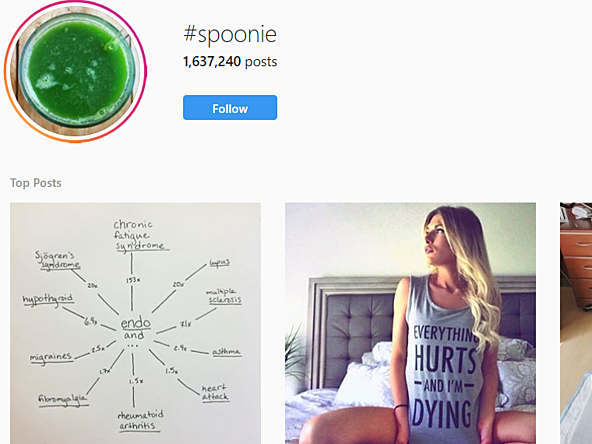
With the advent of social media we can see how patients have taken ownership of the Spoons theory and made it into something that relates to them. In early 2018 #spoonie came up as an organic search term on Instagram.

Further investigation reveals a powerful network of chronic fatigue sufferers sharing their stories, inspiration and advice. Social media and #spoonie, gives sufferers a cohesive identity and a community across the globe. What was once a theory shared via word of mouth has evolved and spread like wildfire as an effective support tool worldwide, helping more patients practically manage their condition than could have ever been imagined by Cristina.

Influencers and patient-led support groups

Patients or community groups that have significant reach in these rare conditions are easily identified. Take for instance Salty Cysters, two sisters with Cystic Fibrosis who share their experiences, highs and lows, post pictures of themselves to neutralise the stigma around the condition, with the aim of connecting with many other sufferers.

TheUnchargeables is another influencer group of sufferers who have come together to provide support and advice, encouraging other sufferers to be open and transparent about their condition. They even have their own merchandise.

An opportunity to learn and intervene

When patients engage with a wider network via social media, it can have a significant impact on both treatment perspectives and personal mindset.

From a cognitive behavioural bias standpoint, this kind of interaction can lead to changes in self-efficacy perceptions – that is, developing a belief through proxy that a treatment is right for them because they have read other patient cases/experiences and can see what that will mean for them.

It also offers incentives to improve their situation (patients can read these positive support stories and it can act as an incentive to seek out that support/treatment themselves). 

When pharmaceutical companies look to invest in patient support programmes, it is important that they are relevant and meaningful to patients, building on the networks they are already tapping into online.

The specifics of these interventions, however, need to be carefully considered and draw closely on gaps in the support networks or areas of great need. This insight can be captured through close and systematic social listening as well as digital cultural analysis supported by deep qualitative insight.

Patient research by nature is highly complex. The online world is now deeply embedded in the patient disease and support experience. As such, research in this arena must have a broader lens to explore this wider, yet critical element of the ecosystem to drive improved patient experience and treatment outcomes. 

No comment yet.

Social Media Marketing: Twitter Tips for Health Care Professionals

From radiology.ucsf.edu

There’s no doubt that Twitter use by health care professionals is on the rise. The social platform has become a great vehicle to quickly reach a wider, engaged audience of clinicians, patients and the public. At the UC San Francisco Department of Radiology and Biomedical Imaging, we have known about Twitter’s potential within the medical community for quite some time. Our profile, @UCSFImaging, has been recognized as one of the most active Twitter accounts with one of the highest followings in the field of Academic Radiology. These findings were based on a study from Vinay Prabhu, MD and Andrew Rosenkrantz, MD of NYU’s Langone Medical Center which performed an analysis of academic radiology Twitter accounts. This study was published in the Journal of the American College of Radiology (PubMed). Learn more about the study in Health Imaging magazine.

Based on insights and our own best practices, we put together these Twitter Tips for health care professionals to encourage collegial involvement within our own department and the greater medical community.

You can view a clickable, downloadable version of our ‘Twitter Tips’ by clicking this link. 


No comment yet.

What Medical Device Companies Need to Know About Incomplete Social Media Marketing Guidelines

From www.sol8.com

When social media was just getting started a little over a decade ago, it seemed prudent for the FDA to withhold any real decision making on marketing and communication guidelines across those channels until more time had passed. Along the way, we’ve watched social media expand, multiply and transmute in such a way that leaves little doubt it will perpetually be in a state of flux.

But one aspect that’s remained a constant since almost the beginning is social media’s undeniable staying power. As soon as that became apparent, the FDA would have been wise to begin drafting some sort of protocol and updating it accordingly.

Instead, for many years they occasionally iterated their intentions to provide guidance, while still enforcing violations against both postmarketing submission and risk disclosure requirements on social media platforms as if those platforms were any other type of medium.

The problem: social media is unlike any other type of marketing or communication channel to come before it, with interactions taking place in real time, consumers asking for guidance (and expecting feedback) in a public space and third-party users contributing their own sets of data without worrying about validity or permission.

So in 2012, Congress enacted a provision designed to force the FDA into finally establishing its internet/social media promotion policies by July 9, 2014. The FDA responded slowly, and with some points to be desired, when on January 13, 2014 they released a guidance document that would provide some insight into their views on medical device marketing on social media.

Although it was nowhere near comprehensive, it was much better than what little had come before. And so far, it’s all we have.

What We Know Now . . .

One of the biggest problems facing medical device marketers was the FDA’s postmarketing submission requirements, which state that firms must submit copies of all labeling, advertising, mailers or any other promotional materials at the time of publication or initial distribution.

But adherence to this rule was almost impossible when applied to a real-time communications format, which the FDA acknowledged in its new draft guidance. Not only did they announce their intention to use discretion when enforcing postmarketing regulations, but they also released a list of principles which companies can use as a guide when submitting promotional items.

*1. A firm is responsible for product promotional communications on sites that are owned, controlled, created, influenced, or operated by, or on behalf of, the firm. If a firm has any amount of influence over a website, even if it’s only as nominal as editorial or review privileges, the firm is responsible for anything concerning their product that appears on that site. This even extends to comments posted by users.

  1. Under certain circumstances, a firm is responsible for promotion on third-party sites. As with #1, if a firm has even the smallest controlling interest in a site, even if they aren’t the owners or administrators, they are responsible for all product-related content. However, if the firm is merely providing promotional materials to the site, without having any influence over their placement or any other aspect of the site, they’re only responsible for the content they contribute.

Interesting side note: If a firm only provides financial support for a third-party site, but has no control or influence of any sort, the firm is not responsible for any of its content.

  1. A firm is responsible for the content generated by an employee or agent who is acting on behalf of the firm to promote the firm’s product. If anyone employed by a firm in any capacity, whether as a sales representative, blogger, customer care agent, etc., posts any product-related content on any site, whether it’s owned by the firm or a third-party, the firm is responsible for that content.

However, the firm is not responsible for product-related content that is posted on third party sites if the poster has no affiliation with the firm and was in no way prompted by the firm to post the content.

In the same draft guidance, the FDA listed the criteria governing postmarketing submissions for both restricted and unrestricted sites:

  • In the case of unrestricted (public) sites for which a firm is in any way responsible, they’re required to submit the entire site upon its initial launch, including static visual and descriptions of all interactive, real-time aspects. After that, an updated listing of all the firms unrestricted sites should be submitted every month (no visuals needed).
  • In the case of a firm’s interactive or real-time involvement with an unrestricted third-party site over which they otherwise exercise no control, the firm is required to submit the home page, interactive pages and the first communication ever made by the firm (including visuals). After that, the firm must submit an updated monthly list of all such sites (no visuals needed), but should remember to notify the FDA immediately should they discontinue their activity on the site.
  • In the case of restricted sites, or sites that are password protected and/or are not open to the public, the firm is required to make the same initial submissions as in the first two examples, after which they need only submit visuals of any product-related content, even if that content is user generated. This needs to be done on a continual basis, since monthly updates are not permitted for restricted sites.

Since 2014, the FDA has promised there will be more to come, but when that’s going to happen remains a mystery. Although many in the medical device industry were grateful for the draft guidance, just as many felt that it left countless unanswered questions and was too broad in scope. And with every passing year, the considerations keep piling up.

If you’re a medical device manufacturer/distributor who’s tired of navigating your social media marketing alone (and with a poor map), we’d love to talk to you. Solutions 8 is a different kind of marketing company – one that can (and does) successfully market just about anything, but chooses to specialize in medical device marketing.

We’ve worked hard to gain a comprehensive understanding of the unique marketing challenges faced by the medical device industry and we’d like nothing more than to give you a free consultation and explain how we can change everything for you and your company. Click here to get started.

No comment yet.