ICT Security-Sécurité PC et Internet
114.2K views | +0 today
ICT Security-Sécurité PC et Internet
ICT Security + Privacy + Piracy + Data Protection - Censorship - Des cours et infos gratuites sur la"Sécurité PC et Internet" pour usage non-commercial... (FR, EN+DE)...
Curated by Gust MEES
Your new post is loading...
Scooped by Gust MEES
March 3, 2016 11:36 AM
Scoop.it!

Sicherheitslücke Smart Home | IoT | IoE | Internet of Things | CyberSecurity | Privacy

Sicherheitslücke Smart Home | IoT | IoE | Internet of Things | CyberSecurity | Privacy | ICT Security-Sécurité PC et Internet | Scoop.it

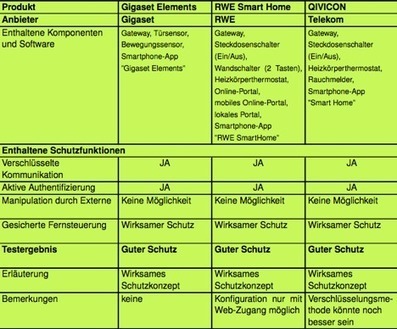
Smart-Home-Technik gehört die Zukunft. Aber der Zugriff auf Heizung, Beleuchtung, Schlösser und mehr birgt auch Risiken, denn alle Komponenten, die Zugang zum heimischen Netz und dadurch vielleicht Zugriff auf das Internet haben, sind potentiell angreifbar. Die Experten von AV-Test haben 7 Smart-Home-Lösungen getestet, mit erschreckenden Ergebnissen.


Nur drei sind sicher: Nur drei Smart-Home-Produkte im Test sind sicher. (Großversion mit allen Testergebnissen) Fazit: Nur drei von sieben Sets sind sicher
Ein unsicheres Smart-Home-Kit kann die Hintertür in Ihr heimisches Netzwerk werden. Daher ist es unerlässlich, dass die Produkte ein hohes Maß an Sicherheit bieten. Leider gibt es noch keinen Sicherheits-Standard, wie er bei anderen Netzwerkgeräten, etwa WLAN-Routern vorhanden ist. Nur Telekom Smart Home, RWE SmartHome und Gigaset Elements sind laut AV-Test gut gegen Angreifer geschützt. Die Smart-Home-Systeme tapHome und iComfort hingegen sind gegen Angriffen im eigenen Netz machtlos. Die Starterkits von iConnect und Xavax Max! lassen sich sogar von Angreifern im eigenen Netz und von außen übertölpeln.


Learn more / En savoir plus / Mehr erfahren:


https://globaleducationandsocialmedia.wordpress.com/2014/01/21/why-is-it-a-must-to-have-basics-knowledge-of-cyber-security-in-a-connected-technology-world/


http://www.scoop.it/t/securite-pc-et-internet/?tag=SHODAN+Search+Engine


http://www.scoop.it/t/21st-century-learning-and-teaching/?tag=Internet+of+Things


http://www.scoop.it/t/securite-pc-et-internet/?tag=smart-TV


http://www.scoop.it/t/securite-pc-et-internet/?tag=Internet+of+things


http://globaleducationandsocialmedia.wordpress.com/2014/01/21/why-is-it-a-must-to-have-basics-knowledge-of-cyber-security-in-a-connected-technology-world/


http://www.scoop.it/t/securite-pc-et-internet/?tag=Cars


Gust MEES's insight:

Smart-Home-Technik gehört die Zukunft. Aber der Zugriff auf Heizung, Beleuchtung, Schlösser und mehr birgt auch Risiken, denn alle Komponenten, die Zugang zum heimischen Netz und dadurch vielleicht Zugriff auf das Internet haben, sind potentiell angreifbar. Die Experten von AV-Test haben 7 Smart-Home-Lösungen getestet, mit erschreckenden Ergebnissen.


Nur drei sind sicher: Nur drei Smart-Home-Produkte im Test sind sicher. (Großversion mit allen Testergebnissen) Fazit: Nur drei von sieben Sets sind sicher
Ein unsicheres Smart-Home-Kit kann die Hintertür in Ihr heimisches Netzwerk werden. Daher ist es unerlässlich, dass die Produkte ein hohes Maß an Sicherheit bieten. Leider gibt es noch keinen Sicherheits-Standard, wie er bei anderen Netzwerkgeräten, etwa WLAN-Routern vorhanden ist. Nur Telekom Smart Home, RWE SmartHome und Gigaset Elements sind laut AV-Test gut gegen Angreifer geschützt. Die Smart-Home-Systeme tapHome und iComfort hingegen sind gegen Angriffen im eigenen Netz machtlos. Die Starterkits von iConnect und Xavax Max! lassen sich sogar von Angreifern im eigenen Netz und von außen übertölpeln.


Learn more / En savoir plus / Mehr erfahren:


https://globaleducationandsocialmedia.wordpress.com/2014/01/21/why-is-it-a-must-to-have-basics-knowledge-of-cyber-security-in-a-connected-technology-world/


http://www.scoop.it/t/securite-pc-et-internet/?tag=SHODAN+Search+Engine


http://www.scoop.it/t/21st-century-learning-and-teaching/?tag=Internet+of+Things


http://www.scoop.it/t/securite-pc-et-internet/?tag=smart-TV


http://www.scoop.it/t/securite-pc-et-internet/?tag=Internet+of+things


http://globaleducationandsocialmedia.wordpress.com/2014/01/21/why-is-it-a-must-to-have-basics-knowledge-of-cyber-security-in-a-connected-technology-world/


http://www.scoop.it/t/securite-pc-et-internet/?tag=Cars


No comment yet.
Scooped by Gust MEES
March 2, 2016 4:01 PM
Scoop.it!

Schlimmer als Heartbleed? Drown-Lücke bedroht Millionen Webseiten | CyberSecurity

Schlimmer als Heartbleed? Drown-Lücke bedroht Millionen Webseiten | CyberSecurity | ICT Security-Sécurité PC et Internet | Scoop.it
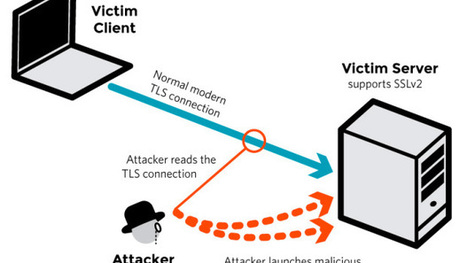
Ein veralteter Verschlüsselungsmechanismus macht zahlreiche Webseiten angreifbar: Die Drown-Lücke soll Millionen Webseiten betreffen, darunter auch zahlreiche bekannte Adressen.


Learn more:


http://www.scoop.it/t/securite-pc-et-internet/?tag=OpenSSL


Gust MEES's insight:
Ein veralteter Verschlüsselungsmechanismus macht zahlreiche Webseiten angreifbar: Die Drown-Lücke soll Millionen Webseiten betreffen, darunter auch zahlreiche bekannte Adressen.


Learn more:


http://www.scoop.it/t/securite-pc-et-internet/?tag=OpenSSL


No comment yet.
Scooped by Gust MEES
March 1, 2016 5:50 PM
Scoop.it!

Internet of Things: Finding a way out of the security nightmare | #IoT | #EdTech | #CyberSecurity #InfoSec

Internet of Things: Finding a way out of the security nightmare | #IoT | #EdTech | #CyberSecurity #InfoSec | ICT Security-Sécurité PC et Internet | Scoop.it
The horror stories have already started.

The baby monitors transmitting a live feed onto the internet for all to see -- and the smart teddy bear that could be hijacked. The car that allows hackers to take control of systems remotely. The power grid knocked offline by attackers accessing industrial control systems.

The rise of the Internet of Things (IoT) will bring with it huge benefits to businesses and consumers, but right now it is also creating a security nightmare.

"There isn't any category of devices that has not been hacked to some degree: we're talking anything from lightbulbs to nuclear power stations. As soon as you connect something to the internet then it's hackable and it's a target," says Duncan Brown, research director at analyst firm IDC.

As sensors and connectivity have become cheaper, it has become more viable to add them to a far wider range of devices than ever before. So the 'things' in the IoT can range from consumer goods like baby monitors, thermostats and cars through to industrial systems.


Learn more / En savoir plus / Mehr erfahren:


https://globaleducationandsocialmedia.wordpress.com/2014/01/21/why-is-it-a-must-to-have-basics-knowledge-of-cyber-security-in-a-connected-technology-world/


http://www.scoop.it/t/securite-pc-et-internet/?tag=SHODAN+Search+Engine


http://www.scoop.it/t/21st-century-learning-and-teaching/?tag=Internet+of+Things


http://www.scoop.it/t/securite-pc-et-internet/?tag=smart-TV


http://www.scoop.it/t/securite-pc-et-internet/?tag=Internet+of+things


http://globaleducationandsocialmedia.wordpress.com/2014/01/21/why-is-it-a-must-to-have-basics-knowledge-of-cyber-security-in-a-connected-technology-world/


http://www.scoop.it/t/securite-pc-et-internet/?tag=Cars


Gust MEES's insight:
The horror stories have already started.

The baby monitors transmitting a live feed onto the internet for all to see -- and the smart teddy bear that could be hijacked. The car that allows hackers to take control of systems remotely. The power grid knocked offline by attackers accessing industrial control systems.

The rise of the Internet of Things (IoT) will bring with it huge benefits to businesses and consumers, but right now it is also creating a security nightmare.

"There isn't any category of devices that has not been hacked to some degree: we're talking anything from lightbulbs to nuclear power stations. As soon as you connect something to the internet then it's hackable and it's a target," says Duncan Brown, research director at analyst firm IDC.

As sensors and connectivity have become cheaper, it has become more viable to add them to a far wider range of devices than ever before. So the 'things' in the IoT can range from consumer goods like baby monitors, thermostats and cars through to industrial systems.


Learn more / En savoir plus / Mehr erfahren:


https://globaleducationandsocialmedia.wordpress.com/2014/01/21/why-is-it-a-must-to-have-basics-knowledge-of-cyber-security-in-a-connected-technology-world/


http://www.scoop.it/t/securite-pc-et-internet/?tag=SHODAN+Search+Engine


http://www.scoop.it/t/21st-century-learning-and-teaching/?tag=Internet+of+Things


http://www.scoop.it/t/securite-pc-et-internet/?tag=smart-TV


http://www.scoop.it/t/securite-pc-et-internet/?tag=Internet+of+things


http://globaleducationandsocialmedia.wordpress.com/2014/01/21/why-is-it-a-must-to-have-basics-knowledge-of-cyber-security-in-a-connected-technology-world/


http://www.scoop.it/t/securite-pc-et-internet/?tag=Cars


No comment yet.
Scooped by Gust MEES
February 29, 2016 4:00 PM
Scoop.it!

How mobile apps leak user data that’s supposedly off-limits | Privacy | Digital CitiZENship | eSkills

How mobile apps leak user data that’s supposedly off-limits | Privacy | Digital CitiZENship | eSkills | ICT Security-Sécurité PC et Internet | Scoop.it
Ad networks give away data on age, gender, whether we have kids, income, political affiliation, marital status and more, researchers found.


Learn more / En savoir plus / Mehr erfahren:


https://gustmees.wordpress.com/2013/12/21/privacy-in-the-digital-world-shouldnt-we-talk-about-it/


https://gustmees.wordpress.com/2014/03/05/often-asked-questions-are-there-cyber-security-dangers-with-apps-and-whats-about-privacy/


https://gustmees.wordpress.com/2014/11/25/digital-citizenship-social-media-and-privacy/


https://gustmees.wordpress.com/2013/10/23/smartphone-pictures-pose-privacy-risks/


https://gustmees.wordpress.com/2015/12/18/let-us-talk-about-eskills-what-is-it/


https://gustmees.wordpress.com/2014/10/03/design-the-learning-of-your-learners-students-ideas/


https://gustmees.wordpress.com/2015/07/19/learning-path-for-professional-21st-century-learning-by-ict-practice/


Gust MEES's insight:
Ad networks give away data on age, gender, whether we have kids, income, political affiliation, marital status and more, researchers found.


Learn more / En savoir plus / Mehr erfahren:


https://gustmees.wordpress.com/2013/12/21/privacy-in-the-digital-world-shouldnt-we-talk-about-it/


https://gustmees.wordpress.com/2014/03/05/often-asked-questions-are-there-cyber-security-dangers-with-apps-and-whats-about-privacy/


https://gustmees.wordpress.com/2014/11/25/digital-citizenship-social-media-and-privacy/


https://gustmees.wordpress.com/2013/10/23/smartphone-pictures-pose-privacy-risks/


https://gustmees.wordpress.com/2015/12/18/let-us-talk-about-eskills-what-is-it/


https://gustmees.wordpress.com/2014/10/03/design-the-learning-of-your-learners-students-ideas/


https://gustmees.wordpress.com/2015/07/19/learning-path-for-professional-21st-century-learning-by-ict-practice/


No comment yet.
Scooped by Gust MEES
February 27, 2016 5:40 PM
Scoop.it!

Raspberry Pi as physical backdoor to office networks | #CyberSecurity #MakerED | #MakerSpace | #Coding

Raspberry Pi as physical backdoor to office networks | #CyberSecurity #MakerED | #MakerSpace | #Coding | ICT Security-Sécurité PC et Internet | Scoop.it
Now let’s imagine the potential effect of a similar device used for espionage, you can object me that it is possible to do it with many other solutions and it is true, but have a Raspberry Pi in a target network as explained before could give to the attackers a various range of opportunity.

The Achilles heel of the solution presented is that laptop power bricks presents an Ethernet that could anyway be simply hidden behind a plant or a furniture. A similar solution is very devious because an attacker to gain access to an internet network and its information remaining unnoticed for a long time … Never let your guard down!


Learn more:


http://www.scoop.it/t/securite-pc-et-internet


Gust MEES's insight:
Now let’s imagine the potential effect of a similar device used for espionage, you can object me that it is possible to do it with many other solutions and it is true, but have a Raspberry Pi in a target network as explained before could give to the attackers a various range of opportunity.

The Achilles heel of the solution presented is that laptop power bricks presents an Ethernet that could anyway be simply hidden behind a plant or a furniture. A similar solution is very devious because an attacker to gain access to an internet network and its information remaining unnoticed for a long time … Never let your guard down!


Learn more:


http://www.scoop.it/t/securite-pc-et-internet


No comment yet.
Scooped by Gust MEES
February 25, 2016 11:30 AM
Scoop.it!

Google opens applications for free DDoS blocker to prevent hackers taking out the Web | CyberSecurity

Google opens applications for free DDoS blocker to prevent hackers taking out the Web | CyberSecurity | ICT Security-Sécurité PC et Internet | Scoop.it

The DDoS prevention tool is part of Google Ideas, renamed Jigsaw, whose stated mission is to "build products to help people investigate corruption.


Learn more:


http://www.scoop.it/t/securite-pc-et-internet


Gust MEES's insight:

The DDoS prevention tool is part of Google Ideas, renamed Jigsaw, whose stated mission is to "build products to help people investigate corruption.


Learn more:


http://www.scoop.it/t/securite-pc-et-internet


No comment yet.
Scooped by Gust MEES
February 25, 2016 9:24 AM
Scoop.it!

List of data breaches and cyber attacks in February 2016 – IT Governance Blog

List of data breaches and cyber attacks in February 2016 – IT Governance Blog | ICT Security-Sécurité PC et Internet | Scoop.it
CYBER ATTACK

Linux Mint hacked – lone attacker creates botnet


Lincolnshire Council forced to use pen and paper after ransomware attack


Major Hollywood hospital brought down by a ransomware attack demanding $3.6 million


Florists hit by targeted DDoS attacks in run-up to Valentine’s Day


Skype users hit by ads spreading malicious Angler exploit kit


Readers of celebrity gossip site TMZ hit by malvertising campaign


Former Smart Online IT manager sentenced to 30 months for sending damaging code to the firm’s servers


NZ health board hit with ransomware


Kashmir institute under attack said no to security, total data loss feared

DayZ And ArmA 3 Feedback Trackers Offline Due To Potential


Security Breach

Flint water crisis hack by Anonymous created hassles for hospital patients

Gust MEES's insight:
CYBER ATTACK

Linux Mint hacked – lone attacker creates botnet


Lincolnshire Council forced to use pen and paper after ransomware attack


Major Hollywood hospital brought down by a ransomware attack demanding $3.6 million


Florists hit by targeted DDoS attacks in run-up to Valentine’s Day


Skype users hit by ads spreading malicious Angler exploit kit


Readers of celebrity gossip site TMZ hit by malvertising campaign


Former Smart Online IT manager sentenced to 30 months for sending damaging code to the firm’s servers


NZ health board hit with ransomware


Kashmir institute under attack said no to security, total data loss feared

DayZ And ArmA 3 Feedback Trackers Offline Due To Potential


Security Breach

Flint water crisis hack by Anonymous created hassles for hospital patients

No comment yet.
Scooped by Gust MEES
February 25, 2016 7:37 AM
Scoop.it!

Trun-Trojaner: Neue Ransomware verschlüsselt mit PGP | CyberSecurity | CyberCrime

Trun-Trojaner: Neue Ransomware verschlüsselt mit PGP | CyberSecurity | CyberCrime | ICT Security-Sécurité PC et Internet | Scoop.it
Ein recht neuer Erpressungs-Trojaner erzeugt auf den Systemen seiner Opfer .trun-Dateien. Einer Analyse von heise Security zufolge handelt es sich dabei um PGP-verschlüsselte Daten.

Heise Security liegt der Quellcode einer noch nicht sonderlich weit verbreiteten Ransomware vor, die das Open-Source-Verschlüsselungs-Programm Gnu Privacy Guard, kurz GnuPG oder GPG missbraucht. GPG ist die wichtigste Implementierung des PGP-Standards; es gilt als hochsicheres Verschlüsselungs-Tool, an dem sich selbst die NSA die Zähne ausbeißen würde.

Die Meldung des trun-Trojaners im Wortlaut

ATTENTION!

All important files and information on this comuter (documents, databases, etc.) will be decrypted using a RSA cryptographic algorithm

Without special software decoding a single file with the help of the most powerful computers will take about a 20 years.
_____________________________
contact an expert on e-mail:trunhelp@yandex.ru .


Der trun-Trojaner wird derzeit vor allem via Mail verbreitet und befällt Windows-Systeme. Er hat bereits erste Opfer gefunden; mit weiteren ist zu rechnen. Anders als bei Locky oder TeslaCrypt stellen die Erpresser nicht gleich Lösegeld-Forderungen, sondern bieten Hilfe durch "Experten" an. Letztlich wollen sie dann aber doch für die Entschlüsselung der gekaperten Daten Geld in Form von nicht zu ihnen verfolgbaren Bitcoins.


Learn more / En savoir plus / Mehr erfahren:


http://www.scoop.it/t/ict-security-tools/?tag=Ransomware


No comment yet.
Scooped by Gust MEES
February 24, 2016 11:43 AM
Scoop.it!

Flaws in Wireless Mice and Keyboards Let Hackers Type on Your PC

Flaws in Wireless Mice and Keyboards Let Hackers Type on Your PC | ICT Security-Sécurité PC et Internet | Scoop.it
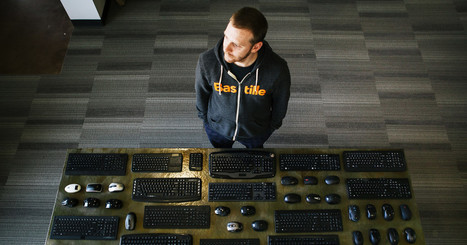
THAT TINY DONGLE plugged into your USB port and paired with your wireless keyboard or mouse isn’t as monogamous as it pretends to be. For millions of cheap peripherals, those innocent-looking radio receivers may be carrying on a sly, long distance relationship—letting an antenna-wielding intruder silently type malicious commands on your PC.

That’s a new warning from researchers at the Internet of things security firm Bastille, who released an advisory today that seven different companies’ wireless keyboards and mice are vulnerable to an exploit they’ve dubbed “mousejacking.” The attack—which affects a broad collection of devices sold by Logitech, Dell, Microsoft, HP, Amazon, Gigabyte and Lenovo—lets an interloper inject mouse movements or keystrokes at a rate of a thousand words per minute from an nearby antenna, even when the target device is designed to encrypt and authenticate its communications with a paired computer.


But even without a public exploit from Bastille, other hackers could soon reverse engineer the attack and release it publicly. That means you should update or replace any vulnerable devices you use ASAP. 

Gust MEES's insight:
THAT TINY DONGLE plugged into your USB port and paired with your wireless keyboard or mouse isn’t as monogamous as it pretends to be. For millions of cheap peripherals, those innocent-looking radio receivers may be carrying on a sly, long distance relationship—letting an antenna-wielding intruder silently type malicious commands on your PC.

That’s a new warning from researchers at the Internet of things security firm Bastille, who released an advisory today that seven different companies’ wireless keyboards and mice are vulnerable to an exploit they’ve dubbed “mousejacking.” The attack—which affects a broad collection of devices sold by Logitech, Dell, Microsoft, HP, Amazon, Gigabyte and Lenovo—lets an interloper inject mouse movements or keystrokes at a rate of a thousand words per minute from an nearby antenna, even when the target device is designed to encrypt and authenticate its communications with a paired computer.


But even without a public exploit from Bastille, other hackers could soon reverse engineer the attack and release it publicly. That means you should update or replace any vulnerable devices you use ASAP. 


No comment yet.
Scooped by Gust MEES
February 23, 2016 12:32 PM
Scoop.it!

Ransomware campaigns: behind the scenes… - SECURITYMADEIN.LU | CyberCrime | CyberSecurity

Ransomware campaigns: behind the scenes… - SECURITYMADEIN.LU | CyberCrime | CyberSecurity | ICT Security-Sécurité PC et Internet | Scoop.it

Ransomware persists as one of the top crimeware threats at the start of 2016 but is definitively not a new threat and goes back to 1989, with a strong growth in 2015. Let’s take an in-depth look at it… A short history of ransomware The start… The first known ransomware goes back to 1989 with...


Learn more / En savoir plus / Mehr erfahren:


http://www.scoop.it/t/ict-security-tools/?tag=Ransomware


Gust MEES's insight:

Ransomware persists as one of the top crimeware threats at the start of 2016 but is definitively not a new threat and goes back to 1989, with a strong growth in 2015. Let’s take an in-depth look at it… A short history of ransomware The start… The first known ransomware goes back to 1989 with...


Learn more / En savoir plus / Mehr erfahren:


http://www.scoop.it/t/ict-security-tools/?tag=Ransomware


No comment yet.
Scooped by Gust MEES
February 22, 2016 11:35 AM
Scoop.it!

Security: Rätselhafter Anstieg von Tor-Adressen - Golem.de

Security: Rätselhafter Anstieg von Tor-Adressen - Golem.de | ICT Security-Sécurité PC et Internet | Scoop.it
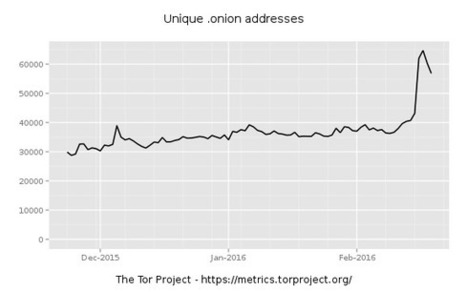
Ein ungewöhnlicher Anstieg von .onion-Adressen im Tor-Netzwerk gibt zurzeit Rätsel auf. Grund für den Anstieg könnte eine neue Messaging-App sein - oder Malware.


Learn more / En savoir plus / Mehr erfahren:


http://www.scoop.it/t/securite-pc-et-internet/?tag=TOR


Gust MEES's insight:

Ein ungewöhnlicher Anstieg von .onion-Adressen im Tor-Netzwerk gibt zurzeit Rätsel auf. Grund für den Anstieg könnte eine neue Messaging-App sein - oder Malware.


Learn more / En savoir plus / Mehr erfahren:


http://www.scoop.it/t/securite-pc-et-internet/?tag=TOR


No comment yet.
Scooped by Gust MEES
February 22, 2016 11:16 AM
Scoop.it!

Kaspersky Lab warnt vor gefährlichem Android-Trojaner Acecard | MobileSecurity | Apps

Kaspersky Lab warnt vor gefährlichem Android-Trojaner Acecard | MobileSecurity | Apps | ICT Security-Sécurité PC et Internet | Scoop.it
Unsere Experten konnten einen der bislang gefährlichsten Banktrojaner für das Betriebssystem Android identifizieren. Acecard richtet sich gegen fast 50 Android-Apps für Online-Banking und Online-Payment und umgeht zudem die Sicherheitsmaßnahmen von Google Play. Betroffen sind auch Bankkunden in Deutschland und Österreich, aber auch Nutzer von Instant-Messengern wie WhatsApp und Sozialen Netzwerken wie Facebook.


Wir empfehlen daher Anwendern, keine zweifelhaften Apps von Google Play oder anderen Quellen herunterzuladen, verdächtige Webseiten und Links zu meiden, sowie alle mobilen Android-Geräte mit einer Schutzlösung wie Kaspersky Internet Security for Android auszurüsten sowie die zugehörigen Antivirus-Datenbanken immer aktuell zu halten.


Mehr Informationen zu Acecard bietet der Blog Securelist:https://de.securelist.com/blog/ereignisse/70965/the-evolution-of-acecard


Learn more / En savoir plus / Mehr erfahren:


http://www.scoop.it/t/securite-pc-et-internet/?tag=Mobile-Security


http://www.scoop.it/t/securite-pc-et-internet/?tag=Android


Gust MEES's insight:
Unsere Experten konnten einen der bislang gefährlichsten Banktrojaner für das Betriebssystem Android identifizieren. Acecard richtet sich gegen fast 50 Android-Apps für Online-Banking und Online-Payment und umgeht zudem die Sicherheitsmaßnahmen von Google Play. Betroffen sind auch Bankkunden in Deutschland und Österreich, aber auch Nutzer von Instant-Messengern wie WhatsApp und Sozialen Netzwerken wie Facebook.


Wir empfehlen daher Anwendern, keine zweifelhaften Apps von Google Play oder anderen Quellen herunterzuladen, verdächtige Webseiten und Links zu meiden, sowie alle mobilen Android-Geräte mit einer Schutzlösung wie Kaspersky Internet Security for Android auszurüsten sowie die zugehörigen Antivirus-Datenbanken immer aktuell zu halten.


Mehr Informationen zu Acecard bietet der Blog Securelist:https://de.securelist.com/blog/ereignisse/70965/the-evolution-of-acecard


Learn more / En savoir plus / Mehr erfahren:


http://www.scoop.it/t/securite-pc-et-internet/?tag=Mobile-Security


http://www.scoop.it/t/securite-pc-et-internet/?tag=Android


No comment yet.
Scooped by Gust MEES
February 22, 2016 8:47 AM
Scoop.it!

Linux Mint: Forenkonten gekapert, Teile der Webseite offline | CyberSecurity

Linux Mint: Forenkonten gekapert, Teile der Webseite offline | CyberSecurity | ICT Security-Sécurité PC et Internet | Scoop.it
Neben den ISO-Images der Distribution wurden bei Linux Mint auch 71.000 Foren-Accounts kompromittiert. Die dazugehörigen Passwort-Hashes halten einem gezielten Angriff wahrscheinlich nicht stand.


Learn more / En savoir plus / Mehr erfahren:


http://www.scoop.it/t/securite-pc-et-internet/?tag=Linux


http://www.scoop.it/t/securite-pc-et-internet/?tag=Linux+Mint


Gust MEES's insight:
Neben den ISO-Images der Distribution wurden bei Linux Mint auch 71.000 Foren-Accounts kompromittiert. Die dazugehörigen Passwort-Hashes halten einem gezielten Angriff wahrscheinlich nicht stand.


Learn more / En savoir plus / Mehr erfahren:


http://www.scoop.it/t/securite-pc-et-internet/?tag=Linux


http://www.scoop.it/t/securite-pc-et-internet/?tag=Linux+Mint


No comment yet.
Scooped by Gust MEES
March 2, 2016 6:23 PM
Scoop.it!

Erpressungs-Trojanern: So schützen Sie sich vor Locky und Co. | CyberSecurity | Ransomware

Erpressungs-Trojanern: So schützen Sie sich vor Locky und Co. | CyberSecurity | Ransomware | ICT Security-Sécurité PC et Internet | Scoop.it
Erpressungs-Trojaner wie Locky sind aktuell die größte Bedrohung für den PC. Wir verraten, wie Sie ihren Rechner am besten schützen.


Learn more / En savoir plus / Mehr erfahren:


http://www.scoop.it/t/ict-security-tools/?tag=Ransomware


Gust MEES's insight:
Erpressungs-Trojaner wie Locky sind aktuell die größte Bedrohung für den PC. Wir verraten, wie Sie ihren Rechner am besten schützen.


Learn more / En savoir plus / Mehr erfahren:


http://www.scoop.it/t/ict-security-tools/?tag=Ransomware


No comment yet.
Scooped by Gust MEES
March 2, 2016 12:11 PM
Scoop.it!

DROWN attack is the new Heartbleed: patch now | CyberSecurity | InfoSec

DROWN attack is the new Heartbleed: patch now | CyberSecurity | InfoSec | ICT Security-Sécurité PC et Internet | Scoop.it
It feels like we just got over Heartbleed and there’s another branded exploit out there.

DROWN, a new vulnerability in OpenSSL that affects servers using SSLv2, was revealed today as an attack that could decrypt your secure HTTPS communications, such as passwords or credit card numbers. More than 33 percent of servers are vulnerable — significantly less than Heartbleed, but still a surprisingly high number.


Learn more:


http://www.scoop.it/t/securite-pc-et-internet/?tag=OpenSSL


Gust MEES's insight:
It feels like we just got over Heartbleed and there’s another branded exploit out there.

DROWN, a new vulnerability in OpenSSL that affects servers using SSLv2, was revealed today as an attack that could decrypt your secure HTTPS communications, such as passwords or credit card numbers. More than 33 percent of servers are vulnerable — significantly less than Heartbleed, but still a surprisingly high number.


Learn more:


http://www.scoop.it/t/securite-pc-et-internet/?tag=OpenSSL


No comment yet.
Scooped by Gust MEES
February 29, 2016 8:42 PM
Scoop.it!

A journalist has been hacked on a plane while writing an Apple-FBI story | Privacy | CyberSecurity | Cyberespionage

A journalist has been hacked on a plane while writing an Apple-FBI story | Privacy | CyberSecurity | Cyberespionage | ICT Security-Sécurité PC et Internet | Scoop.it
The journalist Steven Petrow had his computer hacked while on a plane, it was a shocking experience that raises discussion on privacy.


Learn more / En savoir plus / Mehr erfahren:


https://gustmees.wordpress.com/2013/12/21/privacy-in-the-digital-world-shouldnt-we-talk-about-it/


https://gustmees.wordpress.com/2014/03/05/often-asked-questions-are-there-cyber-security-dangers-with-apps-and-whats-about-privacy/


https://gustmees.wordpress.com/2014/11/25/digital-citizenship-social-media-and-privacy/


https://gustmees.wordpress.com/2013/10/23/smartphone-pictures-pose-privacy-risks/


https://gustmees.wordpress.com/2015/12/18/let-us-talk-about-eskills-what-is-it/


https://gustmees.wordpress.com/2014/10/03/design-the-learning-of-your-learners-students-ideas/


https://gustmees.wordpress.com/2015/07/19/learning-path-for-professional-21st-century-learning-by-ict-practice/


Gust MEES's insight:
The journalist Steven Petrow had his computer hacked while on a plane, it was a shocking experience that raises discussion on privacy.


Learn more / En savoir plus / Mehr erfahren:


https://gustmees.wordpress.com/2013/12/21/privacy-in-the-digital-world-shouldnt-we-talk-about-it/


https://gustmees.wordpress.com/2014/03/05/often-asked-questions-are-there-cyber-security-dangers-with-apps-and-whats-about-privacy/


https://gustmees.wordpress.com/2014/11/25/digital-citizenship-social-media-and-privacy/


https://gustmees.wordpress.com/2013/10/23/smartphone-pictures-pose-privacy-risks/


https://gustmees.wordpress.com/2015/12/18/let-us-talk-about-eskills-what-is-it/


https://gustmees.wordpress.com/2014/10/03/design-the-learning-of-your-learners-students-ideas/


https://gustmees.wordpress.com/2015/07/19/learning-path-for-professional-21st-century-learning-by-ict-practice/


No comment yet.
Scooped by Gust MEES
February 29, 2016 3:27 PM
Scoop.it!

Ransomware's new target? Websites | WordPress | CyberCrime | CyberSecurity

Ransomware's new target? Websites | WordPress | CyberCrime | CyberSecurity | ICT Security-Sécurité PC et Internet | Scoop.it
Extortionists demand Bitcoin ransom be paid to restore WordPress websites.


Learn more / En savoir plus / Mehr erfahren:


http://www.scoop.it/t/ict-security-tools/?tag=Ransomware


Gust MEES's insight:
Extortionists demand Bitcoin ransom be paid to restore WordPress websites.


Learn more / En savoir plus / Mehr erfahren:


http://www.scoop.it/t/ict-security-tools/?tag=Ransomware


No comment yet.
Scooped by Gust MEES
February 27, 2016 1:34 PM
Scoop.it!

Neuer Virus schützt sich mit einem Passwort | CyberSecurity

Neuer Virus schützt sich mit einem Passwort | CyberSecurity | ICT Security-Sécurité PC et Internet | Scoop.it
Sehr unverfänglich kommt ein neuer Virus daher: Er steckt in bereits einmal erhaltenen Mails, die mit einem Passwort versehen scheinbar von einem bekannten Absender erneut versendet werden.
Gust MEES's insight:

Sehr unverfänglich kommt ein neuer Virus daher: Er steckt in bereits einmal erhaltenen Mails, die mit einem Passwort versehen scheinbar von einem bekannten Absender erneut versendet werden.


No comment yet.
Scooped by Gust MEES
February 25, 2016 9:40 AM
Scoop.it!

Google, Red Hat discover critical DNS security flaw that enables malware to infect entire internet | CyberSecurity | #GlibC

Google, Red Hat discover critical DNS security flaw that enables malware to infect entire internet | CyberSecurity | #GlibC | ICT Security-Sécurité PC et Internet | Scoop.it
Google and enterprise software firm Red Hat have discovered a critical security flaw affecting the Internet's Domain Name System (DNS), found in a universally used protocol. This means an attacker could use it to infect almost everything on the entire internet. With the flawed code spread far and wide, it will likely take years of effort to patch the bug.

Google and Red Hat engineers both independently discovered the DNS bug within the GNU C standard library (glibc), which has been assigned CVE-2015-7547, and then worked together to create a patch. The security vulnerability works by tricking browsers into looking up suspicious domains, which causes servers to reply with DNS names that are far too long, thus causing a buffer overflow in the victim's software.


Learn more / En savoir plus / Mehr erfahren:


http://www.scoop.it/t/securite-pc-et-internet/?tag=Linux


Gust MEES's insight:
Google and enterprise software firm Red Hat have discovered a critical security flaw affecting the Internet's Domain Name System (DNS), found in a universally used protocol. This means an attacker could use it to infect almost everything on the entire internet. With the flawed code spread far and wide, it will likely take years of effort to patch the bug.

Google and Red Hat engineers both independently discovered the DNS bug within the GNU C standard library (glibc), which has been assigned CVE-2015-7547, and then worked together to create a patch. The security vulnerability works by tricking browsers into looking up suspicious domains, which causes servers to reply with DNS names that are far too long, thus causing a buffer overflow in the victim's software.


Learn more / En savoir plus / Mehr erfahren:


http://www.scoop.it/t/securite-pc-et-internet/?tag=Linux


No comment yet.
Scooped by Gust MEES
February 25, 2016 8:46 AM
Scoop.it!

Angler Exploit Kit updated to target PCs and Macs with Silverlight attack | CyberCrime | CyberSecurity

Angler Exploit Kit updated to target PCs and Macs with Silverlight attack | CyberCrime | CyberSecurity | ICT Security-Sécurité PC et Internet | Scoop.it
PC and Mac users are being advised to ensure that their computers are updated with the latest security patches, following the discovery that the notorious Angler exploit kit is taking advantage of a known vulnerability in Microsoft’s Silverlight technology.

Silverlight, Microsoft’s attempt to rival Adobe Flash, is an application and browser plugin that allows PC and Mac users to watch online media content.

According to security blogger Kafeine, a recently updated version of the Angler exploit kit has been spotted taking advantage of a critical remote code execution Silverlight vulnerability that Microsoft patched in January.

At the time, Microsoft explained that the vulnerability (known as CVE-2016-0034) could allow hackers to infect vulnerable PCs and Macs without requiring any user interaction. All that would be required would be for a victim to visit a website harbouring a boobytrapped Silverlight application


Learn more / En savoir plus / Mehr erfahren:


http://www.scoop.it/t/securite-pc-et-internet


Gust MEES's insight:
PC and Mac users are being advised to ensure that their computers are updated with the latest security patches, following the discovery that the notorious Angler exploit kit is taking advantage of a known vulnerability in Microsoft’s Silverlight technology.

Silverlight, Microsoft’s attempt to rival Adobe Flash, is an application and browser plugin that allows PC and Mac users to watch online media content.

According to security blogger Kafeine, a recently updated version of the Angler exploit kit has been spotted taking advantage of a critical remote code execution Silverlight vulnerability that Microsoft patched in January.

At the time, Microsoft explained that the vulnerability (known as CVE-2016-0034) could allow hackers to infect vulnerable PCs and Macs without requiring any user interaction. All that would be required would be for a victim to visit a website harbouring a boobytrapped Silverlight application


Learn more / En savoir plus / Mehr erfahren:


http://www.scoop.it/t/securite-pc-et-internet


No comment yet.
Scooped by Gust MEES
February 24, 2016 8:30 PM
Scoop.it!

ALERT!!! LinkedIn Confirms Account Passwords Hacked | CyberSecurity | Data Breaches

ALERT!!!   LinkedIn Confirms Account Passwords Hacked | CyberSecurity | Data Breaches | ICT Security-Sécurité PC et Internet | Scoop.it
LinkedIn Wednesday confirmed that at least some passwords compromised in a major security breach correspond to LinkedIn accounts.

Vicente Silveira, Director at LinkedIn, confirmed the hack on the company's blog Wednesday afternoon and outlined steps that LinkedIn is taking to deal with the situation. He wrote that those with compromised passwords will notice that their LinkedIn account password is no longer valid.

Silveira added that owners of compromised accounts will receive an email from LinkedIn with instructions on how to reset their passwords. These owners then will get a second email from LinkedIn customer support that explains the situation at greater length.

Silveira also apologized to those affected, saying LinkedIn takes the security of members very seriously.

The business-focused social network had 161 million users worldwide as of March 31.


Learn more / En savoir plus / Mehr erfahren:


http://www.scoop.it/t/securite-pc-et-internet/?tag=DATA-BREACHES


Gust MEES's insight:
LinkedIn Wednesday confirmed that at least some passwords compromised in a major security breach correspond to LinkedIn accounts.

Vicente Silveira, Director at LinkedIn, confirmed the hack on the company's blog Wednesday afternoon and outlined steps that LinkedIn is taking to deal with the situation. He wrote that those with compromised passwords will notice that their LinkedIn account password is no longer valid.

Silveira added that owners of compromised accounts will receive an email from LinkedIn with instructions on how to reset their passwords. These owners then will get a second email from LinkedIn customer support that explains the situation at greater length.

Silveira also apologized to those affected, saying LinkedIn takes the security of members very seriously.

The business-focused social network had 161 million users worldwide as of March 31.


Learn more / En savoir plus / Mehr erfahren:


http://www.scoop.it/t/securite-pc-et-internet/?tag=DATA-BREACHES


No comment yet.
Scooped by Gust MEES
February 24, 2016 8:46 AM
Scoop.it!

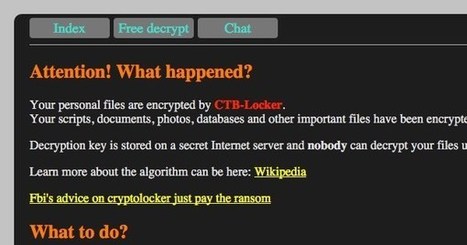
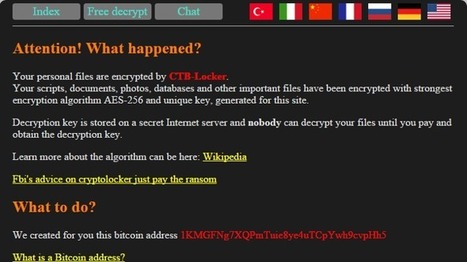
ALERT!!! Admins aufgepasst: Krypto-Trojaner befällt hunderte Webserver | Ransomware | CTBLocker

ALERT!!!  Admins aufgepasst: Krypto-Trojaner befällt hunderte Webserver | Ransomware | CTBLocker | ICT Security-Sécurité PC et Internet | Scoop.it
Der Erpressungs-Trojaner CTB-Locker hat es dieses Mal nicht auf Windows-Nutzer, sondern auf Webserver abgesehen. Er hat bereits Dateien hunderter Websites verschlüsselt, ein Ende ist derzeit nicht absehbar.

Erstmals hat es ein Erpressungs-Trojaner im großen Stil auf Webserver abgesehen: Die Ransomware CTB-Locker befällt Websites und verschlüsselt alle Dateien, die sie finden kann. Anschließend erscheint beim Aufruf der Site nur noch der Erpresserbrief, welcher den Admin zur Überweisung von Bitcoins auffordert. Hunderte Web-Präsenzen sind dem Krypto-Trojaner bereits zum Opfer gefallen.


Learn more / En savoir plus / Mehr erfahren:


http://www.scoop.it/t/ict-security-tools/?tag=Ransomware


Gust MEES's insight:
Der Erpressungs-Trojaner CTB-Locker hat es dieses Mal nicht auf Windows-Nutzer, sondern auf Webserver abgesehen. Er hat bereits Dateien hunderter Websites verschlüsselt, ein Ende ist derzeit nicht absehbar.

Erstmals hat es ein Erpressungs-Trojaner im großen Stil auf Webserver abgesehen: Die Ransomware CTB-Locker befällt Websites und verschlüsselt alle Dateien, die sie finden kann. Anschließend erscheint beim Aufruf der Site nur noch der Erpresserbrief, welcher den Admin zur Überweisung von Bitcoins auffordert. Hunderte Web-Präsenzen sind dem Krypto-Trojaner bereits zum Opfer gefallen.


Learn more / En savoir plus / Mehr erfahren:


http://www.scoop.it/t/ict-security-tools/?tag=Ransomware


No comment yet.
Scooped by Gust MEES
February 22, 2016 5:04 PM
Scoop.it!

World's biggest Linux distro infected with malware | CyberSecurity | Nobody Is Perfect

World's biggest Linux distro infected with malware | CyberSecurity | Nobody Is Perfect | ICT Security-Sécurité PC et Internet | Scoop.it
The hack redirected the download page, rather than pwning the official Mint repository, but Mint's forums database was stolen too...


Learn more / En savoir plus / Mehr erfahren:


http://www.scoop.it/t/securite-pc-et-internet/?tag=Linux


http://www.scoop.it/t/securite-pc-et-internet/?tag=Linux+Mint


Gust MEES's insight:
The hack redirected the download page, rather than pwning the official Mint repository, but Mint's forums database was stolen too...


Learn more / En savoir plus / Mehr erfahren:


http://www.scoop.it/t/securite-pc-et-internet/?tag=Linux


http://www.scoop.it/t/securite-pc-et-internet/?tag=Linux+Mint


No comment yet.
Scooped by Gust MEES
February 22, 2016 11:27 AM
Scoop.it!

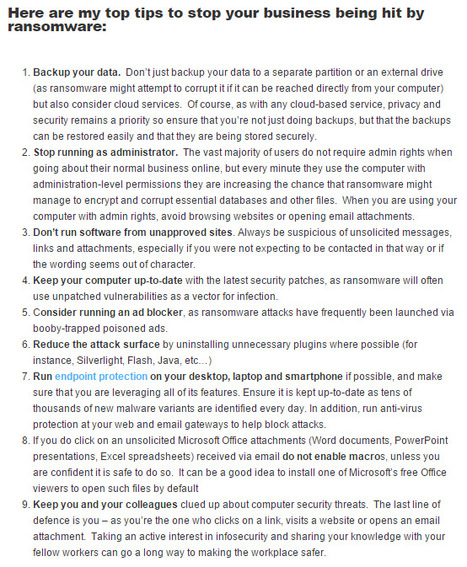
The Simple Way to Stop your Business from Being Extorted by Ransomware | CyberSecurity

The Simple Way to Stop your Business from Being Extorted by Ransomware | CyberSecurity | ICT Security-Sécurité PC et Internet | Scoop.it
Online extortion is on the rise. Not only have recent months seen an increase in distributed denial-of-service attacks with demands that companies pay up to have their website returned to normal working order, and even the theft of confidential data with threats that it will be released to the public if financial demands are not met, but there has been a noticeable increase in ransomware attacks too.


Tools to decrypt ransomware:


http://www.scoop.it/t/ict-security-tools/?tag=Ransomware


Learn more / En savoir plus / Mehr erfahren:


http://www.scoop.it/t/securite-pc-et-internet/?tag=RANSOMWARE


Gust MEES's insight:
Online extortion is on the rise. Not only have recent months seen an increase in distributed denial-of-service attacks with demands that companies pay up to have their website returned to normal working order, and even the theft of confidential data with threats that it will be released to the public if financial demands are not met, but there has been a noticeable increase in ransomware attacks too.


Tools to decrypt ransomware:


http://www.scoop.it/t/ict-security-tools/?tag=Ransomware


Learn more / En savoir plus / Mehr erfahren:


http://www.scoop.it/t/securite-pc-et-internet/?tag=RANSOMWARE


No comment yet.
Scooped by Gust MEES
February 22, 2016 10:13 AM
Scoop.it!

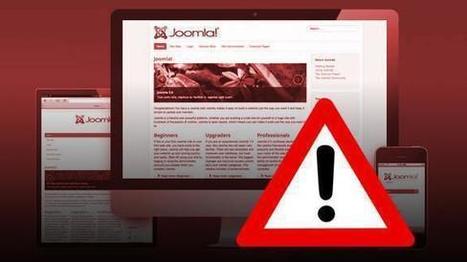
Infizierte Joomla-Server verteilen Erpressungs-Trojaner TeslaCrypt | Ransomware | CyberSecurity

Infizierte Joomla-Server verteilen Erpressungs-Trojaner TeslaCrypt | Ransomware | CyberSecurity | ICT Security-Sécurité PC et Internet | Scoop.it

Auch wer seine Mails sorgfältig filtert, läuft Gefahr, sich den Erpressungs-Trojaner TeslaCrypt einzufangen. Auf scheinbar harmlosen Web-Seiten lauern Exploits, die deren Besucher infizieren.


Bislang sah es so aus, als würde TeslaCrypt vor allem via E-Mail verteilt. Versehentlich geöffnete Word-Dateien mit bösartigen Makros waren ein übliches Infektionsszenario. So konzentrierten sich viele zu ihrem Schutz auf den Mail-Eingang. Das könnte fatale Folgen haben; denn mittlerweile kann man sich den Erpressungs-Trojaner auch beim Surfen einfangen.

Der Schädling lauert dabei auf scheinbar harmlosen Seiten und nutzt Sicherheitslücken in Windows beziehungsweise der installierten Software aus, um aktiv zu werden. Kurze Zeit später erscheint dann die Nachricht, dass die Dateien verschlüsselt wurden und nur gegen Zahlung von Bitcoins wieder zu entschlüsseln sind. Die Opfer können auf Dokumente, PDFs, Bilder und anderen Daten nicht mehr zugreifen, denn TeslaCrypt hat daraus verschlüsselte Dateien etwa mit der Endung .mp3 gemacht.


Learn more / En savoir plus / Mehr erfahren:


http://www.scoop.it/t/securite-pc-et-internet/?tag=RANSOMWARE


Gust MEES's insight:

Auch wer seine Mails sorgfältig filtert, läuft Gefahr, sich den Erpressungs-Trojaner TeslaCrypt einzufangen. Auf scheinbar harmlosen Web-Seiten lauern Exploits, die deren Besucher infizieren.


Bislang sah es so aus, als würde TeslaCrypt vor allem via E-Mail verteilt. Versehentlich geöffnete Word-Dateien mit bösartigen Makros waren ein übliches Infektionsszenario. So konzentrierten sich viele zu ihrem Schutz auf den Mail-Eingang. Das könnte fatale Folgen haben; denn mittlerweile kann man sich den Erpressungs-Trojaner auch beim Surfen einfangen.

Der Schädling lauert dabei auf scheinbar harmlosen Seiten und nutzt Sicherheitslücken in Windows beziehungsweise der installierten Software aus, um aktiv zu werden. Kurze Zeit später erscheint dann die Nachricht, dass die Dateien verschlüsselt wurden und nur gegen Zahlung von Bitcoins wieder zu entschlüsseln sind. Die Opfer können auf Dokumente, PDFs, Bilder und anderen Daten nicht mehr zugreifen, denn TeslaCrypt hat daraus verschlüsselte Dateien etwa mit der Endung .mp3 gemacht.


Learn more / En savoir plus / Mehr erfahren:


http://www.scoop.it/t/securite-pc-et-internet/?tag=RANSOMWARE


No comment yet.