ICT Security-Sécurité PC et Internet
114.2K views | +0 today
ICT Security-Sécurité PC et Internet
ICT Security + Privacy + Piracy + Data Protection - Censorship - Des cours et infos gratuites sur la"Sécurité PC et Internet" pour usage non-commercial... (FR, EN+DE)...
Curated by Gust MEES
Your new post is loading...
Scooped by Gust MEES
August 7, 2020 4:30 PM
Scoop.it!

Kritische Lücke in WordPress-Erweiterung trifft 700.000 Sites | #CyberSecurity #Blogs

Kritische Lücke in WordPress-Erweiterung trifft 700.000 Sites | #CyberSecurity #Blogs | ICT Security-Sécurité PC et Internet | Scoop.it

Die beliebten Themes Divi und Extra von Elegant Themes sowie deren Divi Builder enthielten kritische Sicherheitslücken. Wenige Tage nachdem das Team von Wordfence diese entdeckt und gemeldet hat, stellt der Anbieter Updates bereit, die das Problem beseitigen. Betreiber von WordPress-Sites, die die Plugins nutzen, sollten diese zügig installieren, da mit flächendeckenden Angriffen zu rechnen ist.

Das Problem liegt in einer mangelhaften Dateityp-Prüfung der Upload-Funktion und führt dazu, dass bösartige Benutzer beliebige Dateien hochladen können – also etwa PHP-Dateien mit einer Webshell. Der Angreifer benötigt dazu allerdings bereits einen Zugang zur Site, etwa als registrierter Benutzer. Wordfence beschreibt in seinem Advisory die Ursachen des Problems genauer.


Learn more / En savoir plus / Mehr erfahren:


https://www.scoop.it/t/securite-pc-et-internet/?&tag=WordPress


Gust MEES's insight:

Die beliebten Themes Divi und Extra von Elegant Themes sowie deren Divi Builder enthielten kritische Sicherheitslücken. Wenige Tage nachdem das Team von Wordfence diese entdeckt und gemeldet hat, stellt der Anbieter Updates bereit, die das Problem beseitigen. Betreiber von WordPress-Sites, die die Plugins nutzen, sollten diese zügig installieren, da mit flächendeckenden Angriffen zu rechnen ist.

Das Problem liegt in einer mangelhaften Dateityp-Prüfung der Upload-Funktion und führt dazu, dass bösartige Benutzer beliebige Dateien hochladen können – also etwa PHP-Dateien mit einer Webshell. Der Angreifer benötigt dazu allerdings bereits einen Zugang zur Site, etwa als registrierter Benutzer. Wordfence beschreibt in seinem Advisory die Ursachen des Problems genauer.


Learn more / En savoir plus / Mehr erfahren:


https://www.scoop.it/t/securite-pc-et-internet/?&tag=WordPress


No comment yet.
Scooped by Gust MEES
July 30, 2020 3:30 PM
Scoop.it!

Two Tor zero-days disclosed, more to come | #CyberSecurity

Two Tor zero-days disclosed, more to come | #CyberSecurity | ICT Security-Sécurité PC et Internet | Scoop.it

A security researcher has published details about two Tor zero-days and promises to release three more.


Learn more / En savoir plus / Mehr erfahren:


https://www.scoop.it/t/securite-pc-et-internet/?&tag=TOR


Gust MEES's insight:

A security researcher has published details about two Tor zero-days and promises to release three more.


Learn more / En savoir plus / Mehr erfahren:


https://www.scoop.it/t/securite-pc-et-internet/?&tag=TOR


No comment yet.
Scooped by Gust MEES
July 27, 2020 7:08 PM
Scoop.it!

Unerwünschter iPhone-Kamerazugriff: Instagram verweist auf Bug | #CyberSecurity #MobileSecurity #Apps #Apple #iOS 

Unerwünschter iPhone-Kamerazugriff: Instagram verweist auf Bug | #CyberSecurity #MobileSecurity #Apps #Apple #iOS  | ICT Security-Sécurité PC et Internet | Scoop.it

iOS 14 legte offen, dass Instagram die iPhone-Kamera unerwartet aktiviert. Die App habe in diesen Fällen nichts aufgezeichnet, so die Facebook-Tochter.


Learn more / En savoir plus / Mehr erfahren:


http://www.scoop.it/t/securite-pc-et-internet/?&tag=Instagram


Gust MEES's insight:

iOS 14 legte offen, dass Instagram die iPhone-Kamera unerwartet aktiviert. Die App habe in diesen Fällen nichts aufgezeichnet, so die Facebook-Tochter.


Learn more / En savoir plus / Mehr erfahren:


http://www.scoop.it/t/securite-pc-et-internet/?&tag=Instagram


No comment yet.
Scooped by Gust MEES
July 24, 2020 10:11 AM
Scoop.it!

Adobe publie une mise à jour de sécurité majeure pour Photoshop, Bridge et Prelude | #CyberSecurity

Adobe publie une mise à jour de sécurité majeure pour Photoshop, Bridge et Prelude | #CyberSecurity | ICT Security-Sécurité PC et Internet | Scoop.it

Adobe a publié une mise à jour de sécurité pour Photoshop, Prelude et Bridge. Mardi, une semaine après la publication de la mise à jour mensuelle standard de sécurité de la société, Adobe a publié des avis de sécurité révélant un total de 13 vulnérabilités, dont 12 sont jugées critiques. 5 vulnérabilités ont maintenant été résolues dans Photoshop CC 2019 – version 20.0.9 et antérieures – et Photoshop 2020 – version 21.2 et antérieures – sur les appareils exécutant Windows.

Les failles CVE-2020-9683 et CVE-2020-9686 concernent des problèmes de lecture hors limites dans le logiciel de retouche photo, tandis que les CVE-2020-9684, CVE-2020-9685 et CVE-2020-9687 constituent des failles de sécurité en écriture hors limites. Toutes ces vulnérabilités sont considérées comme critiques, car si elles sont exploitées, elles peuvent conduire à une exécution arbitraire de code.


Learn more / En savoir plus / Mehr erfahren:


http://www.scoop.it/t/securite-pc-et-internet/?&tag=Adobe


Gust MEES's insight:

Adobe a publié une mise à jour de sécurité pour Photoshop, Prelude et Bridge. Mardi, une semaine après la publication de la mise à jour mensuelle standard de sécurité de la société, Adobe a publié des avis de sécurité révélant un total de 13 vulnérabilités, dont 12 sont jugées critiques. 5 vulnérabilités ont maintenant été résolues dans Photoshop CC 2019 – version 20.0.9 et antérieures – et Photoshop 2020 – version 21.2 et antérieures – sur les appareils exécutant Windows.

Les failles CVE-2020-9683 et CVE-2020-9686 concernent des problèmes de lecture hors limites dans le logiciel de retouche photo, tandis que les CVE-2020-9684, CVE-2020-9685 et CVE-2020-9687 constituent des failles de sécurité en écriture hors limites. Toutes ces vulnérabilités sont considérées comme critiques, car si elles sont exploitées, elles peuvent conduire à une exécution arbitraire de code.


Learn more / En savoir plus / Mehr erfahren:


http://www.scoop.it/t/securite-pc-et-internet/?&tag=Adobe


No comment yet.
Scooped by Gust MEES
May 28, 2020 5:56 PM
Scoop.it!

USBFuzz: Forscher spürten 26 USB-Treiber-Bugs in mehreren Betriebssystemen auf | #CyberSecurity

USBFuzz: Forscher spürten 26 USB-Treiber-Bugs in mehreren Betriebssystemen auf | #CyberSecurity | ICT Security-Sécurité PC et Internet | Scoop.it

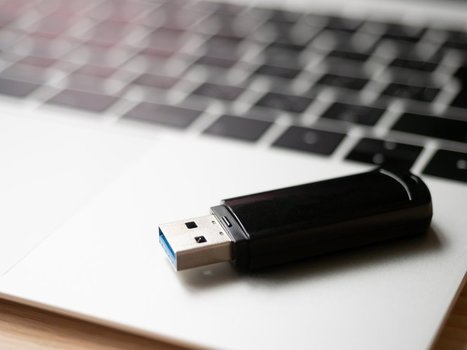
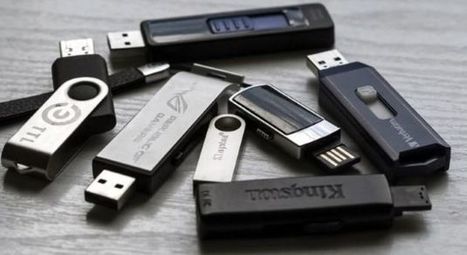
Mittels automatisierter Tests, so genanntem Fuzzing, haben Sicherheitsforscher insgesamt 26 Programmierfehler in USB-Treibern entdeckt. 18 davon betreffen verschiedene Linux-Kernelversionen; wiederum zehn dieser Linux-Bugs erhielten aufgrund von ihnen ausgehender hoher Sicherheitsrisiken CVE-Nummern. Vier weitere Bugs betreffen Windows 8 und 10, drei stecken in macOS 10.15 Catalina und einer im freien BSD-Derivat FreeBSD 12.


Learn more / En savoir plus / Mehr erfahren:


http://www.scoop.it/t/securite-pc-et-internet/?tag=USB


Gust MEES's insight:

Mittels automatisierter Tests, so genanntem Fuzzing, haben Sicherheitsforscher insgesamt 26 Programmierfehler in USB-Treibern entdeckt. 18 davon betreffen verschiedene Linux-Kernelversionen; wiederum zehn dieser Linux-Bugs erhielten aufgrund von ihnen ausgehender hoher Sicherheitsrisiken CVE-Nummern. Vier weitere Bugs betreffen Windows 8 und 10, drei stecken in macOS 10.15 Catalina und einer im freien BSD-Derivat FreeBSD 12.


Learn more / En savoir plus / Mehr erfahren:


http://www.scoop.it/t/securite-pc-et-internet/?tag=USB


No comment yet.
Scooped by Gust MEES
May 16, 2020 7:14 PM
Scoop.it!

Me on COVID-19 Contact Tracing Apps - Schneier on Security | #Privacy

Me on COVID-19 Contact Tracing Apps - Schneier on Security | #Privacy | ICT Security-Sécurité PC et Internet | Scoop.it

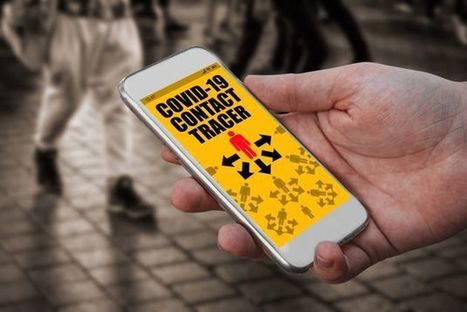
This is a classic identification problem, and efficacy depends on two things: false positives and false negatives.

False positives: Any app will have a precise definition of a contact: let's say it's less than six feet for more than ten minutes. The false positive rate is the percentage of contacts that don't result in transmissions. This will be because of several reasons. One, the app's location and proximity systems -- based on GPS and Bluetooth -- just aren't accurate enough to capture every contact. Two, the app won't be aware of any extenuating circumstances, like walls or partitions. And three, not every contact results in transmission; the disease has some transmission rate that's less than 100% (and I don't know what that is).


False negatives: This is the rate the app fails to register a contact when an infection occurs. This also will be because of several reasons. One, errors in the app's location and proximity systems. Two, transmissions that occur from people who don't have the app (even Singapore didn't get above a 20% adoption rate for the app). And three, not every transmission is a result of that precisely defined contact -- the virus sometimes travels further.


Assume you take the app out grocery shopping with you and it subsequently alerts you of a contact. What should you do? It's not accurate enough for you to quarantine yourself for two weeks. And without ubiquitous, cheap, fast, and accurate testing, you can't confirm the app's diagnosis. So the alert is useless.


Learn more / En savoir plus / Mehr erfahren:


https://www.scoop.it/t/securite-pc-et-internet/?&tag=Bluetooth


https://www.scoop.it/topic/securite-pc-et-internet/?&tag=SweynTooth


https://www.scoop.it/topic/securite-pc-et-internet/?&tag=Contact+tracing


Gust MEES's insight:

This is a classic identification problem, and efficacy depends on two things: false positives and false negatives.

False positives: Any app will have a precise definition of a contact: let's say it's less than six feet for more than ten minutes. The false positive rate is the percentage of contacts that don't result in transmissions. This will be because of several reasons. One, the app's location and proximity systems -- based on GPS and Bluetooth -- just aren't accurate enough to capture every contact. Two, the app won't be aware of any extenuating circumstances, like walls or partitions. And three, not every contact results in transmission; the disease has some transmission rate that's less than 100% (and I don't know what that is).


False negatives: This is the rate the app fails to register a contact when an infection occurs. This also will be because of several reasons. One, errors in the app's location and proximity systems. Two, transmissions that occur from people who don't have the app (even Singapore didn't get above a 20% adoption rate for the app). And three, not every transmission is a result of that precisely defined contact -- the virus sometimes travels further.


Assume you take the app out grocery shopping with you and it subsequently alerts you of a contact. What should you do? It's not accurate enough for you to quarantine yourself for two weeks. And without ubiquitous, cheap, fast, and accurate testing, you can't confirm the app's diagnosis. So the alert is useless.


Learn more / En savoir plus / Mehr erfahren:


https://www.scoop.it/t/securite-pc-et-internet/?&tag=Bluetooth


https://www.scoop.it/topic/securite-pc-et-internet/?&tag=SweynTooth


https://www.scoop.it/topic/securite-pc-et-internet/?&tag=Contact+tracing


No comment yet.
Scooped by Gust MEES
April 28, 2020 12:24 PM
Scoop.it!

Contact tracing : attention aux vulnérabilités du bluetooth | #CyberSecurity #Privacy 

Contact tracing : attention aux vulnérabilités du bluetooth | #CyberSecurity #Privacy  | ICT Security-Sécurité PC et Internet | Scoop.it

Contact tracing : attention aux vulnérabilités du bluetooth
Sécurité : Avec la tendance des applications de contact tracing, les attaques exploitant les vulnérabilités du bluetooth risquent d'augmenter. Il faut donc s'assurer de la sécurité de telles applications. Les chercheurs en sécurité conseillent également à tous les utilisateurs de mettre à jour leurs appareils mobiles pour s'assurer de corriger d'éventuelles failles de sécurité passées.


Learn more / En savoir plus / Mehr erfahren:


https://www.scoop.it/t/securite-pc-et-internet/?&tag=Bluetooth


https://www.scoop.it/topic/securite-pc-et-internet/?&tag=SweynTooth


Gust MEES's insight:

Contact tracing : attention aux vulnérabilités du bluetooth
Sécurité : Avec la tendance des applications de contact tracing, les attaques exploitant les vulnérabilités du bluetooth risquent d'augmenter. Il faut donc s'assurer de la sécurité de telles applications. Les chercheurs en sécurité conseillent également à tous les utilisateurs de mettre à jour leurs appareils mobiles pour s'assurer de corriger d'éventuelles failles de sécurité passées.


Learn more / En savoir plus / Mehr erfahren:


https://www.scoop.it/t/securite-pc-et-internet/?&tag=Bluetooth


https://www.scoop.it/topic/securite-pc-et-internet/?&tag=SweynTooth


No comment yet.
Scooped by Gust MEES
April 16, 2020 10:24 AM
Scoop.it!

Videokonferenzen: Teure Zero-Day-Lücken für Zoom auf dem Schwarzmarkt | #CyberSecurity #VideoConferences 

Videokonferenzen: Teure Zero-Day-Lücken für Zoom auf dem Schwarzmarkt | #CyberSecurity #VideoConferences  | ICT Security-Sécurité PC et Internet | Scoop.it

Teure Zero-Day-Lücken für Zoom auf dem Schwarzmarkt
Bis zu 500.000 US-Dollar kostet eine Sicherheitslücke für die Videokonferenz-Software Zoom. Das scheint überteuert, doch die Plattform ist ein attraktives Ziel.


Learn more / En savoir plus / Mehr erfahren:


 https://www.scoop.it/topic/securite-pc-et-internet/?&tag=ZOOM


https://www.scoop.it/topic/securite-pc-et-internet


Gust MEES's insight:

Teure Zero-Day-Lücken für Zoom auf dem Schwarzmarkt
Bis zu 500.000 US-Dollar kostet eine Sicherheitslücke für die Videokonferenz-Software Zoom. Das scheint überteuert, doch die Plattform ist ein attraktives Ziel.


Learn more / En savoir plus / Mehr erfahren:


 https://www.scoop.it/topic/securite-pc-et-internet/?&tag=ZOOM


https://www.scoop.it/topic/securite-pc-et-internet


No comment yet.
Scooped by Gust MEES
March 9, 2020 1:31 PM
Scoop.it!

La vulnérabilité Kr00k permet aux attaquants de déchiffrer les paquets WiFi | #CyberSecurity #Routers

La vulnérabilité Kr00k permet aux attaquants de déchiffrer les paquets WiFi | #CyberSecurity #Routers | ICT Security-Sécurité PC et Internet | Scoop.it

Lors de la conférence sur la sécurité RSA 2020 qui avait lieu la semaine dernière à San Francisco, les chercheurs en sécurité de la société slovaque antivirus ESET ont présenté des détails sur une nouvelle vulnérabilité qui affecte les communications WiFi.

Nommé Kr00k, ce bug peut être exploité par un attaquant pour intercepter et décrypter un certain type de trafic réseau WiFi (s'appuyant sur les connexions WPA2).

Selon ESET, Kr00k affecte tous les appareils compatibles WiFi fonctionnant sur des puces Wi-Fi Broadcom et Cypress. Ce sont deux des chipsets WiFi les plus populaires au monde, et ils sont inclus dans de nombreux appareils, allant des ordinateurs portables aux smartphones, et des points d'accès aux haut-parleurs intelligents et autres objets connectés.


Learn more / En savoir plus / Mehr erfahren:


https://www.scoop.it/topic/securite-pc-et-internet/?&tag=WLAN


https://www.scoop.it/topic/securite-pc-et-internet/?&tag=Kr00k


Gust MEES's insight:

Lors de la conférence sur la sécurité RSA 2020 qui avait lieu la semaine dernière à San Francisco, les chercheurs en sécurité de la société slovaque antivirus ESET ont présenté des détails sur une nouvelle vulnérabilité qui affecte les communications WiFi.

Nommé Kr00k, ce bug peut être exploité par un attaquant pour intercepter et décrypter un certain type de trafic réseau WiFi (s'appuyant sur les connexions WPA2).

Selon ESET, Kr00k affecte tous les appareils compatibles WiFi fonctionnant sur des puces Wi-Fi Broadcom et Cypress. Ce sont deux des chipsets WiFi les plus populaires au monde, et ils sont inclus dans de nombreux appareils, allant des ordinateurs portables aux smartphones, et des points d'accès aux haut-parleurs intelligents et autres objets connectés.


Learn more / En savoir plus / Mehr erfahren:


https://www.scoop.it/topic/securite-pc-et-internet/?&tag=WLAN


https://www.scoop.it/topic/securite-pc-et-internet/?&tag=Kr00k


No comment yet.
Scooped by Gust MEES
March 2, 2020 12:00 PM
Scoop.it!

Clearview AI has billions of our photos. Its entire client list was just stolen | #CyberSecurity #FacialRecognition #DataBreaches

Clearview AI has billions of our photos. Its entire client list was just stolen | #CyberSecurity #FacialRecognition #DataBreaches | ICT Security-Sécurité PC et Internet | Scoop.it

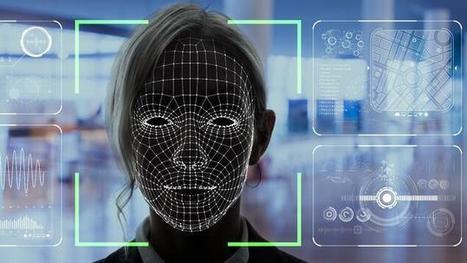
New York (CNN Business)Clearview AI, a startup that compiles billions of photos for facial recognition technology, said it lost its entire client list to hackers.

The company said it has patched the unspecified flaw that allowed the breach to happen.
In a statement, Clearview AI's attorney Tor Ekeland said that while security is the company's top priority, "unfortunately, data breaches are a part of life. Our servers were never accessed." He added that the company continues to strengthen its security procedures and that the flaw has been patched.
Clearview AI continues "to work to strengthen our security," Ekeland said.


In a notification sent to customers obtained by Daily Beast, Clearview AI said that an intruder "gained unauthorized access" to its customer list, which includes police forces, law enforcement agencies and banks. The company said that the person didn't obtain any search histories conducted by customers, which include some police forces.


Learn more / En savoir plus / Mehr erfahren:


https://www.scoop.it/t/securite-pc-et-internet/?&tag=Facial+Recognition


https://www.scoop.it/topic/securite-pc-et-internet/?&tag=Clearview


Gust MEES's insight:

New York (CNN Business)Clearview AI, a startup that compiles billions of photos for facial recognition technology, said it lost its entire client list to hackers.

The company said it has patched the unspecified flaw that allowed the breach to happen.
In a statement, Clearview AI's attorney Tor Ekeland said that while security is the company's top priority, "unfortunately, data breaches are a part of life. Our servers were never accessed." He added that the company continues to strengthen its security procedures and that the flaw has been patched.
Clearview AI continues "to work to strengthen our security," Ekeland said.


In a notification sent to customers obtained by Daily Beast, Clearview AI said that an intruder "gained unauthorized access" to its customer list, which includes police forces, law enforcement agencies and banks. The company said that the person didn't obtain any search histories conducted by customers, which include some police forces.


Learn more / En savoir plus / Mehr erfahren:


https://www.scoop.it/t/securite-pc-et-internet/?&tag=Facial+Recognition


https://www.scoop.it/topic/securite-pc-et-internet/?&tag=Clearview


No comment yet.
Scooped by Gust MEES
February 27, 2020 6:59 PM
Scoop.it!

WLAN-Lücke Kr00k: Sicherheitsforschern zufolge 1 Milliarde Geräte gefährdet | #CyberSecurity 

WLAN-Lücke Kr00k: Sicherheitsforschern zufolge 1 Milliarde Geräte gefährdet | #CyberSecurity  | ICT Security-Sécurité PC et Internet | Scoop.it

Eine Sicherheitslücke in WLAN-Chips von Broadcom und Cypress macht unzählige Geräte angreifbar. Darunter finden sich beispielsweise iPhones, Nexus- und Galaxy-Geräte sowie Amazons Echo und Kindle. Klappt eine Attacke, könnten Angreifer Teile von mit WPA2 verschlüsseltem Datenverkehr entschlüsseln. Erste Updates sind bereits verfügbar.

Neben Clients sind einer Warnmeldung der Sicherheitsforscher von Eset zufolge auch Router von unter anderem Asus bedroht. Beispielsweise Apple hat iPhones und iPads bereits im Oktober 2019 mit iOS 13.2 und iPadOS 13.2 abgesichert. Auch macOS 10.15.1 ist gegen Kr00k gerüstet. Besitzer von Computern, Smarphones & Co. sollten sicherstellen, dass ihre Geräte auf dem aktuellen Stand sind und Ausschau nach Updates halten.


Learn more / En savoir plus / Mehr erfahren:


https://www.scoop.it/topic/securite-pc-et-internet/?&tag=WLAN


Gust MEES's insight:

Eine Sicherheitslücke in WLAN-Chips von Broadcom und Cypress macht unzählige Geräte angreifbar. Darunter finden sich beispielsweise iPhones, Nexus- und Galaxy-Geräte sowie Amazons Echo und Kindle. Klappt eine Attacke, könnten Angreifer Teile von mit WPA2 verschlüsseltem Datenverkehr entschlüsseln. Erste Updates sind bereits verfügbar.

Neben Clients sind einer Warnmeldung der Sicherheitsforscher von Eset zufolge auch Router von unter anderem Asus bedroht. Beispielsweise Apple hat iPhones und iPads bereits im Oktober 2019 mit iOS 13.2 und iPadOS 13.2 abgesichert. Auch macOS 10.15.1 ist gegen Kr00k gerüstet. Besitzer von Computern, Smarphones & Co. sollten sicherstellen, dass ihre Geräte auf dem aktuellen Stand sind und Ausschau nach Updates halten.


Learn more / En savoir plus / Mehr erfahren:


https://www.scoop.it/topic/securite-pc-et-internet/?&tag=WLAN


No comment yet.
Scooped by Gust MEES
February 27, 2020 6:09 AM
Scoop.it!

Umstrittene Gesichtserkennungssoftware: Hacker stehlen Kundenliste von Clearview | #AI #FacialRecognition #CyberSecurity #DataBreaches 

Umstrittene Gesichtserkennungssoftware: Hacker stehlen Kundenliste von Clearview | #AI #FacialRecognition #CyberSecurity #DataBreaches  | ICT Security-Sécurité PC et Internet | Scoop.it

Das umstrittene US-Interunternehmen Clearview AI, das sich auf Gesichtserkennungstechnologie spezialisiert hat, hat seine gesamte Kundenliste an Hacker verloren. Dies berichtet der Sender CNN unter Berufung auf das Unternehmen. Die Firma ist in der Kritik, weil mit ihrer Software sehr einfach Menschen auf Fotos identifiziert werden können.


Learn more / En savoir plus / Mehr erfahren:


https://www.scoop.it/t/securite-pc-et-internet/?&tag=Facial+Recognition


https://www.scoop.it/topic/securite-pc-et-internet/?&tag=Clearview


Gust MEES's insight:

Das umstrittene US-Interunternehmen Clearview AI, das sich auf Gesichtserkennungstechnologie spezialisiert hat, hat seine gesamte Kundenliste an Hacker verloren. Dies berichtet der Sender CNN unter Berufung auf das Unternehmen. Die Firma ist in der Kritik, weil mit ihrer Software sehr einfach Menschen auf Fotos identifiziert werden können.


Learn more / En savoir plus / Mehr erfahren:


https://www.scoop.it/t/securite-pc-et-internet/?&tag=Facial+Recognition


https://www.scoop.it/topic/securite-pc-et-internet/?&tag=Clearview


No comment yet.
Scooped by Gust MEES
February 21, 2020 7:45 PM
Scoop.it!

Burglars Really Do Use Bluetooth Scanners to Find Laptops and Phones | #CyberSecurity 

Burglars Really Do Use Bluetooth Scanners to Find Laptops and Phones | #CyberSecurity  | ICT Security-Sécurité PC et Internet | Scoop.it

A recent rise in laptop and gadget thefts from cars, particularly in San Francisco and the larger Bay Area, has left victims and police wondering if burglars are using Bluetooth scanners to choose target cars based on which have gadgets inside emitting wireless signals. Many laptops and gadgets will put out a sort of beacon by default when their Bluetooth is turned on, so that other Bluetooth devices can find them and potentially pair—even when closed or idle.

"A lot of that has to do with power savings; it depends on what sleep mode different laptops go into when the lid is closed," says Jake Williams, founder of the security firm Rendition Infosec, who often uses Wi-Fi and Bluetooth scanners in penetration testing. "But I have little doubt that some thieves are using Bluetooth scanners to target devices. It's trivial to use one, so it's not like technical knowledge is a limiting factor."

"Right now we do know that thieves are utilizing them."


Learn more / En savoir plus / Mehr erfahren:


https://www.scoop.it/t/securite-pc-et-internet/?&tag=Bluetooth


https://www.scoop.it/topic/securite-pc-et-internet/?&tag=SweynTooth


Gust MEES's insight:

A recent rise in laptop and gadget thefts from cars, particularly in San Francisco and the larger Bay Area, has left victims and police wondering if burglars are using Bluetooth scanners to choose target cars based on which have gadgets inside emitting wireless signals. Many laptops and gadgets will put out a sort of beacon by default when their Bluetooth is turned on, so that other Bluetooth devices can find them and potentially pair—even when closed or idle.

"A lot of that has to do with power savings; it depends on what sleep mode different laptops go into when the lid is closed," says Jake Williams, founder of the security firm Rendition Infosec, who often uses Wi-Fi and Bluetooth scanners in penetration testing. "But I have little doubt that some thieves are using Bluetooth scanners to target devices. It's trivial to use one, so it's not like technical knowledge is a limiting factor."

"Right now we do know that thieves are utilizing them."


Learn more / En savoir plus / Mehr erfahren:


https://www.scoop.it/t/securite-pc-et-internet/?&tag=Bluetooth


https://www.scoop.it/topic/securite-pc-et-internet/?&tag=SweynTooth


No comment yet.
Scooped by Gust MEES
August 1, 2020 8:35 PM
Scoop.it!

TrickBot malware returns with some devious new tools | #CyberSecurity

TrickBot malware returns with some devious new tools | #CyberSecurity | ICT Security-Sécurité PC et Internet | Scoop.it

A new sample of TrickBot has been discovered which checks the screen resolution of victim's machines in order to see if the malware is running inside a virtual machine.

In order to protect themselves and their systems when analyzing malware, security researchers often do so in a virtual machine. As a result of this, malware often employs anti-VM techniques to detect whether or not it is running in a virtual machine.

The anti-VM techniques used by malware include looking for particular processes, windows services, machine names and checking network card MAC addresses or CPU features.


Learn more / En savoir plus / Mehr erfahren:


https://www.scoop.it/t/securite-pc-et-internet/?&tag=Linux


Gust MEES's insight:

A new sample of TrickBot has been discovered which checks the screen resolution of victim's machines in order to see if the malware is running inside a virtual machine.

In order to protect themselves and their systems when analyzing malware, security researchers often do so in a virtual machine. As a result of this, malware often employs anti-VM techniques to detect whether or not it is running in a virtual machine.

The anti-VM techniques used by malware include looking for particular processes, windows services, machine names and checking network card MAC addresses or CPU features.


Learn more / En savoir plus / Mehr erfahren:


https://www.scoop.it/t/securite-pc-et-internet/?&tag=Linux


No comment yet.
Scooped by Gust MEES
July 28, 2020 3:40 PM
Scoop.it!

New Linux malware uses Dogecoin API to find C&C server addresses | #CyberSecurity

New Linux malware uses Dogecoin API to find C&C server addresses | #CyberSecurity | ICT Security-Sécurité PC et Internet | Scoop.it

While Linux malware was once sitting on the fringes of the malware ecosystem, today, new Linux threats are being discovered on a weekly basis.

The latest finding comes from Intezer Labs. In a report shared with ZDNet this week, the company analyzed Doki, a new backdoor trojan they spotted part of the arsenal of an old threat actor known for targeting web servers for crypto-mining purposes.

The threat actor, known as Ngrok because of its initial penchant for using the Ngrok service for hosting control and command (C&C) servers, has been active since at least late 2018.


Learn more / En savoir plus / Mehr erfahren:


https://www.scoop.it/t/securite-pc-et-internet/?&tag=Linux


Gust MEES's insight:

While Linux malware was once sitting on the fringes of the malware ecosystem, today, new Linux threats are being discovered on a weekly basis.

The latest finding comes from Intezer Labs. In a report shared with ZDNet this week, the company analyzed Doki, a new backdoor trojan they spotted part of the arsenal of an old threat actor known for targeting web servers for crypto-mining purposes.

The threat actor, known as Ngrok because of its initial penchant for using the Ngrok service for hosting control and command (C&C) servers, has been active since at least late 2018.


Learn more / En savoir plus / Mehr erfahren:


https://www.scoop.it/t/securite-pc-et-internet/?&tag=Linux


No comment yet.
Scooped by Gust MEES
July 25, 2020 9:20 AM
Scoop.it!

Als Google-Update getarnt: Gefährliche Android-Malware stiehlt Daten und Passwörter - so schützen Sie sich | #CyberSecurity #MobileSecurity #Apps

Als Google-Update getarnt: Gefährliche Android-Malware stiehlt Daten und Passwörter - so schützen Sie sich | #CyberSecurity #MobileSecurity #Apps | ICT Security-Sécurité PC et Internet | Scoop.it

Auf Android-Smartphones wurde eine neue, besonders perfide Malware entdeckt. Der Trojaner imitiert populäre Banking-, Social Media- oder Dating-Apps wie PayPal, Instagram und Tinder, um sensible Nutzerdaten abzugreifen; potenziell sind über 300 Apps betroffen. Wir zeigen Ihnen, wie die Malware vorgeht und geben Ihnen Tipps, wie Sie das Risiko für die Installation von Schadsoftware minimieren können; im Video stellen wir Ihnen drei kostenlose Anti-Viren-Programme für das Smartphone vor.


Learn more / En savoir plus / Mehr erfahren:


https://gustmees.wordpress.com/2014/03/05/often-asked-questions-are-there-cyber-security-dangers-with-apps-and-whats-about-privacy/


https://www.scoop.it/t/securite-pc-et-internet/?&tag=Android


https://www.scoop.it/topic/securite-pc-et-internet/?&tag=Apps


Gust MEES's insight:

Auf Android-Smartphones wurde eine neue, besonders perfide Malware entdeckt. Der Trojaner imitiert populäre Banking-, Social Media- oder Dating-Apps wie PayPal, Instagram und Tinder, um sensible Nutzerdaten abzugreifen; potenziell sind über 300 Apps betroffen. Wir zeigen Ihnen, wie die Malware vorgeht und geben Ihnen Tipps, wie Sie das Risiko für die Installation von Schadsoftware minimieren können; im Video stellen wir Ihnen drei kostenlose Anti-Viren-Programme für das Smartphone vor.


Learn more / En savoir plus / Mehr erfahren:


https://gustmees.wordpress.com/2014/03/05/often-asked-questions-are-there-cyber-security-dangers-with-apps-and-whats-about-privacy/


https://www.scoop.it/t/securite-pc-et-internet/?&tag=Android


https://www.scoop.it/topic/securite-pc-et-internet/?&tag=Apps


No comment yet.
Scooped by Gust MEES
July 19, 2020 8:44 PM
Scoop.it!

Massive Spam-Mail-Kampagne: Bösartiger Emotet-Trojaner ist wieder da

Massive Spam-Mail-Kampagne: Bösartiger Emotet-Trojaner ist wieder da | ICT Security-Sécurité PC et Internet | Scoop.it

Nach fünfmonatiger Funkstille ist der berüchtigte Emotet-Trojaner wieder da – und er soll noch bösartiger sein als vorher. Aktuell läuft wohl eine massive Spam-Mail-Kampagne.


Learn more / En savoir plus / Mehr erfahren:


https://www.scoop.it/t/securite-pc-et-internet/?&tag=Malware


https://www.scoop.it/t/securite-pc-et-internet/?&tag=Emotet


Gust MEES's insight:

Nach fünfmonatiger Funkstille ist der berüchtigte Emotet-Trojaner wieder da – und er soll noch bösartiger sein als vorher. Aktuell läuft wohl eine massive Spam-Mail-Kampagne.


Learn more / En savoir plus / Mehr erfahren:


https://www.scoop.it/t/securite-pc-et-internet/?&tag=Malware


https://www.scoop.it/t/securite-pc-et-internet/?&tag=Emotet


No comment yet.
Scooped by Gust MEES
May 28, 2020 5:40 PM
Scoop.it!

Des chercheurs découvrent 26 bugs USB dans Linux, Windows, MacOS et FreeBSD | #CyberSecurity

Des chercheurs découvrent 26 bugs USB dans Linux, Windows, MacOS et FreeBSD | #CyberSecurity | ICT Security-Sécurité PC et Internet | Scoop.it

Des universitaires disent avoir découvert 26 nouvelles vulnérabilités dans la pile de clés USB utilisée par les systèmes d'exploitation tels que Linux, macOs, Windows et FreeBSD. L'équipe de recherche, composée de Hui Peng de l'Université de Purdue et de Mathias Payer de l'Ecole polytechnique fédérale de Lausanne, a déclaré que tous les bugs ont été découverts grâce à un nouvel outil qu'ils ont créé, appelé USBFuzz.

Cet outil est ce que les experts en sécurité appellent un fuzzer. Les fuzzers sont des applications qui permettent aux chercheurs en sécurité d'envoyer de grandes quantités de données non valides, inattendues ou aléatoires comme entrées dans d'autres programmes. Les chercheurs en sécurité analysent ensuite le comportement des logiciels testés pour découvrir de nouvelles vulnérabilités, dont certaines peuvent être exploitées de manière malveillante.

Pour tester les clés USB, Hui Peng et Mathias Payer ont développé USBFuzz, un nouveau fuzzer spécialement conçu pour tester la pile de clés USB des systèmes d'exploitation modernes. « En son cœur, USBFuzz utilise un dispositif USB émulé par logiciel pour fournir des données aléatoires aux pilotes (lorsqu'ils effectuent des opérations d'entrée/sortie) », ont déclaré les chercheurs. « Comme le dispositif USB émulé fonctionne au niveau du dispositif, le portage sur d'autres plateformes est simple ».


Learn more / En savoir plus / Mehr erfahren:


http://www.scoop.it/t/securite-pc-et-internet/?tag=USB


Gust MEES's insight:

Des universitaires disent avoir découvert 26 nouvelles vulnérabilités dans la pile de clés USB utilisée par les systèmes d'exploitation tels que Linux, macOs, Windows et FreeBSD. L'équipe de recherche, composée de Hui Peng de l'Université de Purdue et de Mathias Payer de l'Ecole polytechnique fédérale de Lausanne, a déclaré que tous les bugs ont été découverts grâce à un nouvel outil qu'ils ont créé, appelé USBFuzz.

Cet outil est ce que les experts en sécurité appellent un fuzzer. Les fuzzers sont des applications qui permettent aux chercheurs en sécurité d'envoyer de grandes quantités de données non valides, inattendues ou aléatoires comme entrées dans d'autres programmes. Les chercheurs en sécurité analysent ensuite le comportement des logiciels testés pour découvrir de nouvelles vulnérabilités, dont certaines peuvent être exploitées de manière malveillante.

Pour tester les clés USB, Hui Peng et Mathias Payer ont développé USBFuzz, un nouveau fuzzer spécialement conçu pour tester la pile de clés USB des systèmes d'exploitation modernes. « En son cœur, USBFuzz utilise un dispositif USB émulé par logiciel pour fournir des données aléatoires aux pilotes (lorsqu'ils effectuent des opérations d'entrée/sortie) », ont déclaré les chercheurs. « Comme le dispositif USB émulé fonctionne au niveau du dispositif, le portage sur d'autres plateformes est simple ».


Learn more / En savoir plus / Mehr erfahren:


http://www.scoop.it/t/securite-pc-et-internet/?tag=USB


No comment yet.
Scooped by Gust MEES
May 1, 2020 2:28 PM
Scoop.it!

Contact tracing apps unsafe if Bluetooth vulnerabilities not fixed | #CyberSecurity #MobileSecurity

Contact tracing apps unsafe if Bluetooth vulnerabilities not fixed | #CyberSecurity #MobileSecurity | ICT Security-Sécurité PC et Internet | Scoop.it

According to Acronis' co-founder and technology president Stas Protassov, Bluetooth has had several vulnerabilities in the past, including as recently as February when BlueFrag, a critical vulnerability that affected multiple Android and Apple iOS devices which then required patching. 

Left unpatched, devices could be breached by hackers within the vicinity and the user's personal data stolen, Protassov warned. He also stressed the need for users to update their devices' firmware to ensure vulnerabilities are promptly fixed. And as with any app, they also should check the permissions that all contact tracing apps requested. 

Most of these apps, including Singapore's TraceTogether, use Bluetooth signals to detect others in close proximity, and security observers say it could leave the smartphone susceptible to threats, especially if there are undiscovered or unfixed vulnerabilities. 


Learn more / En savoir plus / Mehr erfahren:


https://www.scoop.it/t/securite-pc-et-internet/?&tag=Bluetooth


https://www.scoop.it/topic/securite-pc-et-internet/?&tag=SweynTooth


https://www.scoop.it/topic/securite-pc-et-internet/?&tag=Contact+tracing


Gust MEES's insight:

According to Acronis' co-founder and technology president Stas Protassov, Bluetooth has had several vulnerabilities in the past, including as recently as February when BlueFrag, a critical vulnerability that affected multiple Android and Apple iOS devices which then required patching. 

Left unpatched, devices could be breached by hackers within the vicinity and the user's personal data stolen, Protassov warned. He also stressed the need for users to update their devices' firmware to ensure vulnerabilities are promptly fixed. And as with any app, they also should check the permissions that all contact tracing apps requested. 

Most of these apps, including Singapore's TraceTogether, use Bluetooth signals to detect others in close proximity, and security observers say it could leave the smartphone susceptible to threats, especially if there are undiscovered or unfixed vulnerabilities. 


Learn more / En savoir plus / Mehr erfahren:


https://www.scoop.it/t/securite-pc-et-internet/?&tag=Bluetooth


https://www.scoop.it/topic/securite-pc-et-internet/?&tag=SweynTooth


https://www.scoop.it/topic/securite-pc-et-internet/?&tag=Contact+tracing


No comment yet.
Scooped by Gust MEES
April 19, 2020 6:43 PM
Scoop.it!

Fake Coronavirus apps hit Android & iOS users with spyware, adware | #CyberSecurity #MobileSecurity 

Fake Coronavirus apps hit Android & iOS users with spyware, adware | #CyberSecurity #MobileSecurity  | ICT Security-Sécurité PC et Internet | Scoop.it

Cybercriminals are trying every trick up their sleeve to benefit from the Coronavirus pandemic and the subsequent chaos that it has generated. The latest trap that they have laid to trick users is by releasing malicious spying apps disguised as COVID-19 updates and information applications.

Trend Micro’s cybersecurity researchers discovered an ongoing cyberespionage campaign at the end of March, 2020, which they named Project Spy. According to their assessment, through Project Spy, the attackers are infecting Android and iOS devices with spyware distributed through apps titled Coronavirus Updates, Wabi Music, Concipit 1248 and Concipit Shop.

See: Over half a million Zoom accounts being sold on hacker forum

These apps can perform a variety of functions including transferring data from Telegram, WhatsApp, Threema, and Facebook messages.


Learn more / En savoir plus / Mehr erfahren:


https://www.scoop.it/topic/securite-pc-et-internet/?&tag=Apps


Gust MEES's insight:

Cybercriminals are trying every trick up their sleeve to benefit from the Coronavirus pandemic and the subsequent chaos that it has generated. The latest trap that they have laid to trick users is by releasing malicious spying apps disguised as COVID-19 updates and information applications.

Trend Micro’s cybersecurity researchers discovered an ongoing cyberespionage campaign at the end of March, 2020, which they named Project Spy. According to their assessment, through Project Spy, the attackers are infecting Android and iOS devices with spyware distributed through apps titled Coronavirus Updates, Wabi Music, Concipit 1248 and Concipit Shop.

See: Over half a million Zoom accounts being sold on hacker forum

These apps can perform a variety of functions including transferring data from Telegram, WhatsApp, Threema, and Facebook messages.


Learn more / En savoir plus / Mehr erfahren:


https://www.scoop.it/topic/securite-pc-et-internet/?&tag=Apps


No comment yet.
Scooped by Gust MEES
April 14, 2020 11:15 AM
Scoop.it!

Zoom: 530.000 gestohlene Zugangsdaten im Dark Web angeboten | #CyberSecurity #VideoConferences

Zoom: 530.000 gestohlene Zugangsdaten im Dark Web angeboten | #CyberSecurity #VideoConferences | ICT Security-Sécurité PC et Internet | Scoop.it

Auf der dunklen Seite des Internets, im so genannten Dark Web sowie in Hackerforen, bieten Cyberkriminelle die Zugangsdaten für 530.000 Zoom-Acounts an. Zoom ist ein Videokonferenzdienst, der sich seit dem Home-Office-Boom infolge der Coronakrise einer deutlich gewachsenen Beliebtheit erfreut. Doch mittlerweile wurden bereits einige Sicherheits- und Datenschutzschwächen von Zoom bekannt. Tesla und Google haben ihren Mitarbeitern deshalb die Verwendung von Zoom bereits untersagt. Die jetzt entdeckten 530.000 angebotenen Accounts sind also nur die jüngste Panne


Learn more / En savoir plus / Mehr erfahren:


 https://www.scoop.it/topic/securite-pc-et-internet/?&tag=ZOOM


https://www.scoop.it/topic/securite-pc-et-internet


Gust MEES's insight:

Auf der dunklen Seite des Internets, im so genannten Dark Web sowie in Hackerforen, bieten Cyberkriminelle die Zugangsdaten für 530.000 Zoom-Acounts an. Zoom ist ein Videokonferenzdienst, der sich seit dem Home-Office-Boom infolge der Coronakrise einer deutlich gewachsenen Beliebtheit erfreut. Doch mittlerweile wurden bereits einige Sicherheits- und Datenschutzschwächen von Zoom bekannt. Tesla und Google haben ihren Mitarbeitern deshalb die Verwendung von Zoom bereits untersagt. Die jetzt entdeckten 530.000 angebotenen Accounts sind also nur die jüngste Panne


Learn more / En savoir plus / Mehr erfahren:


 https://www.scoop.it/topic/securite-pc-et-internet/?&tag=ZOOM


https://www.scoop.it/topic/securite-pc-et-internet


No comment yet.
Scooped by Gust MEES
March 3, 2020 9:57 AM
Scoop.it!

Bitdefender alerte sur des vulnérabilités critiques dans les babyphones iBaby Monitor | #CyberSecurity #IoT

A l'occasion de la RSA Conférence, Bitdefender a révélé plusieurs vulnérabilités critiques sur des objets connectés, parmi lesquels le babyphone : iBaby Monitor. Dans une démarche éthique, Bitdefender a tout d’abord envoyé plusieurs alertes au fabricant, mais qui sont restées sans réponse à ce jour.  

Les vulnérabilités importantes au sein des iBaby Monitor pourraient permettre à des cybercriminels d’accéder à distance à n’importe quelle caméra et aux données privées, photos ou vidéos de tous les utilisateurs, ainsi qu’à leurs informations personnelles (Nom, email, adresse et leur photo de profil de leur compte utilisateur).


Learn more / En savoir plus / Mehr erfahren:


https://www.scoop.it/t/securite-pc-et-internet/?&tag=Internet+of+things


Gust MEES's insight:

A l'occasion de la RSA Conférence, Bitdefender a révélé plusieurs vulnérabilités critiques sur des objets connectés, parmi lesquels le babyphone : iBaby Monitor. Dans une démarche éthique, Bitdefender a tout d’abord envoyé plusieurs alertes au fabricant, mais qui sont restées sans réponse à ce jour.  

Les vulnérabilités importantes au sein des iBaby Monitor pourraient permettre à des cybercriminels d’accéder à distance à n’importe quelle caméra et aux données privées, photos ou vidéos de tous les utilisateurs, ainsi qu’à leurs informations personnelles (Nom, email, adresse et leur photo de profil de leur compte utilisateur).


Learn more / En savoir plus / Mehr erfahren:


https://www.scoop.it/t/securite-pc-et-internet/?&tag=Internet+of+things


No comment yet.
Scooped by Gust MEES
February 27, 2020 7:06 PM
Scoop.it!

Flaw in billions of Wi-Fi devices left communications open to eavesdropping | #CyberSecurity #Kr00k

Flaw in billions of Wi-Fi devices left communications open to eavesdropping | #CyberSecurity #Kr00k | ICT Security-Sécurité PC et Internet | Scoop.it

SAN FRANCISCO — Billions of devices—many of them already patched—are affected by a Wi-Fi vulnerability that allows nearby attackers to decrypt sensitive data sent over the air, researchers said on Wednesday at the RSA security conference.

The vulnerability exists in Wi-Fi chips made by Cypress Semiconductor and Broadcom, the latter whose Wi-Fi business was acquired by Cypress in 2016. The affected devices include iPhones, iPads, Macs, Amazon Echos and Kindles, Android devices, Raspberry Pi 3’s, and Wi-Fi routers from Asus and Huawei. Eset, the security company that discovered the vulnerability, said the flaw primarily affects Cyperess’ and Broadcom’s FullMAC WLAN chips, which are used in billions of devices. Eset has named the vulnerability Kr00k, and it is tracked as CVE-2019-15126.

Manufacturers have made patches available for most or all of the affected devices, but it’s not clear how many devices have installed the patches. Of greatest concern are vulnerable wireless routers, which often go unpatched indefinitely.


Learn more / En savoir plus / Mehr erfahren:


https://www.scoop.it/topic/securite-pc-et-internet/?&tag=WLAN


https://www.scoop.it/topic/securite-pc-et-internet/?&tag=Kr00k


Gust MEES's insight:

SAN FRANCISCO — Billions of devices—many of them already patched—are affected by a Wi-Fi vulnerability that allows nearby attackers to decrypt sensitive data sent over the air, researchers said on Wednesday at the RSA security conference.

The vulnerability exists in Wi-Fi chips made by Cypress Semiconductor and Broadcom, the latter whose Wi-Fi business was acquired by Cypress in 2016. The affected devices include iPhones, iPads, Macs, Amazon Echos and Kindles, Android devices, Raspberry Pi 3’s, and Wi-Fi routers from Asus and Huawei. Eset, the security company that discovered the vulnerability, said the flaw primarily affects Cyperess’ and Broadcom’s FullMAC WLAN chips, which are used in billions of devices. Eset has named the vulnerability Kr00k, and it is tracked as CVE-2019-15126.

Manufacturers have made patches available for most or all of the affected devices, but it’s not clear how many devices have installed the patches. Of greatest concern are vulnerable wireless routers, which often go unpatched indefinitely.


Learn more / En savoir plus / Mehr erfahren:


https://www.scoop.it/topic/securite-pc-et-internet/?&tag=WLAN


https://www.scoop.it/topic/securite-pc-et-internet/?&tag=Kr00k


No comment yet.
Scooped by Gust MEES
February 27, 2020 6:36 AM
Scoop.it!

Neue Sicherheitslücke in WLAN-Verschlüsselung entdeckt | #CyberSecurity 

Neue Sicherheitslücke in WLAN-Verschlüsselung entdeckt | #CyberSecurity  | ICT Security-Sécurité PC et Internet | Scoop.it

Forscher haben eine neue Sicherheitslücke im WLAN-Verschlüsselungsprotokoll entdeckt. Angreifer könnten dadurch Informationen ausspionieren und Datenpakete einschleusen. Betroffen sind WLAN-Chips der Firmen Broadcom und Cypress.
Zwei Jahre nach der Aufdeckung einer gravierenden Sicherheitslücke im WLAN-Verschlüsselungsprotokoll mit dem Namen "Krack" haben Sicherheitsforscher erneut eine massive Schwachstelle gefunden. Über diese Sicherheitslücke können Hacker eigentlich verschlüsselt übertragene Informationen ausspionieren oder sogar eigene Datenpakete einschleusen.


Die neue Sicherheitslücke mit dem Namen "Kr00k" steckt den Forschern der Sicherheitsfirma Eset zufolge in WLAN-Chips der Firmen Broadcom und Cypress. Damit seien Milliarden Geräte weltweit betroffen, darunter Produkte von Amazon (Echo, Kindle), Apple (iPhone, iPad, MacBook), Google (Nexus), Samsung (Galaxy), Raspberry (Pi 3) und Xiaomi (Redmi) sowie WLAN-Router von Asus and Huawei. Der Fehler kann allerdings durch Software-Updates behoben werden.
Erste Patches stehen bereit


Learn more / En savoir plus / Mehr erfahren:


https://www.scoop.it/topic/securite-pc-et-internet/?&tag=WLAN


Gust MEES's insight:

Forscher haben eine neue Sicherheitslücke im WLAN-Verschlüsselungsprotokoll entdeckt. Angreifer könnten dadurch Informationen ausspionieren und Datenpakete einschleusen. Betroffen sind WLAN-Chips der Firmen Broadcom und Cypress.
Zwei Jahre nach der Aufdeckung einer gravierenden Sicherheitslücke im WLAN-Verschlüsselungsprotokoll mit dem Namen "Krack" haben Sicherheitsforscher erneut eine massive Schwachstelle gefunden. Über diese Sicherheitslücke können Hacker eigentlich verschlüsselt übertragene Informationen ausspionieren oder sogar eigene Datenpakete einschleusen.


Die neue Sicherheitslücke mit dem Namen "Kr00k" steckt den Forschern der Sicherheitsfirma Eset zufolge in WLAN-Chips der Firmen Broadcom und Cypress. Damit seien Milliarden Geräte weltweit betroffen, darunter Produkte von Amazon (Echo, Kindle), Apple (iPhone, iPad, MacBook), Google (Nexus), Samsung (Galaxy), Raspberry (Pi 3) und Xiaomi (Redmi) sowie WLAN-Router von Asus and Huawei. Der Fehler kann allerdings durch Software-Updates behoben werden.
Erste Patches stehen bereit


Learn more / En savoir plus / Mehr erfahren:


https://www.scoop.it/topic/securite-pc-et-internet/?&tag=WLAN


No comment yet.
Scooped by Gust MEES
February 25, 2020 9:21 AM
Scoop.it!

PayPal via Google Pay: Lücke in virtuellen Kreditkarten erlaubt unberechtigte Abbuchungen | #CyberSecurity 

PayPal via Google Pay: Lücke in virtuellen Kreditkarten erlaubt unberechtigte Abbuchungen | #CyberSecurity  | ICT Security-Sécurité PC et Internet | Scoop.it

Seit einigen Tagen berichten deutsche Nutzer, die PayPal mit dem Bezahldienst Google Pay verknüpft haben, von unberechtigten Abbuchungen aus den USA. Nachdem verschiedene Medien das Thema aufgegriffen haben, hat PayPal die Vorfälle nun in einem ersten, sehr vagen Statement indirekt bestätigt.

Dazu, was hinter den Vorgängen steckt, über die heise online am gestrigen Montag berichtete, äußerte sich PayPal bislang nicht. Allerdings hat sich der Sicherheitsforscher Markus Fenske via Twitter zu Wort gemeldet, der hinter den Abbuchungen eine von ihm bereits im Februar 2019 entdeckte – und zeitnah an PayPal gemeldete – Sicherheitslücke vermutet.


Learn more / En savoir plus / Mehr erfahren:


https://www.scoop.it/topic/securite-pc-et-internet/?&tag=PayPal-Attack


Gust MEES's insight:

Seit einigen Tagen berichten deutsche Nutzer, die PayPal mit dem Bezahldienst Google Pay verknüpft haben, von unberechtigten Abbuchungen aus den USA. Nachdem verschiedene Medien das Thema aufgegriffen haben, hat PayPal die Vorfälle nun in einem ersten, sehr vagen Statement indirekt bestätigt.

Dazu, was hinter den Vorgängen steckt, über die heise online am gestrigen Montag berichtete, äußerte sich PayPal bislang nicht. Allerdings hat sich der Sicherheitsforscher Markus Fenske via Twitter zu Wort gemeldet, der hinter den Abbuchungen eine von ihm bereits im Februar 2019 entdeckte – und zeitnah an PayPal gemeldete – Sicherheitslücke vermutet.


Learn more / En savoir plus / Mehr erfahren:


https://www.scoop.it/topic/securite-pc-et-internet/?&tag=PayPal-Attack


No comment yet.